

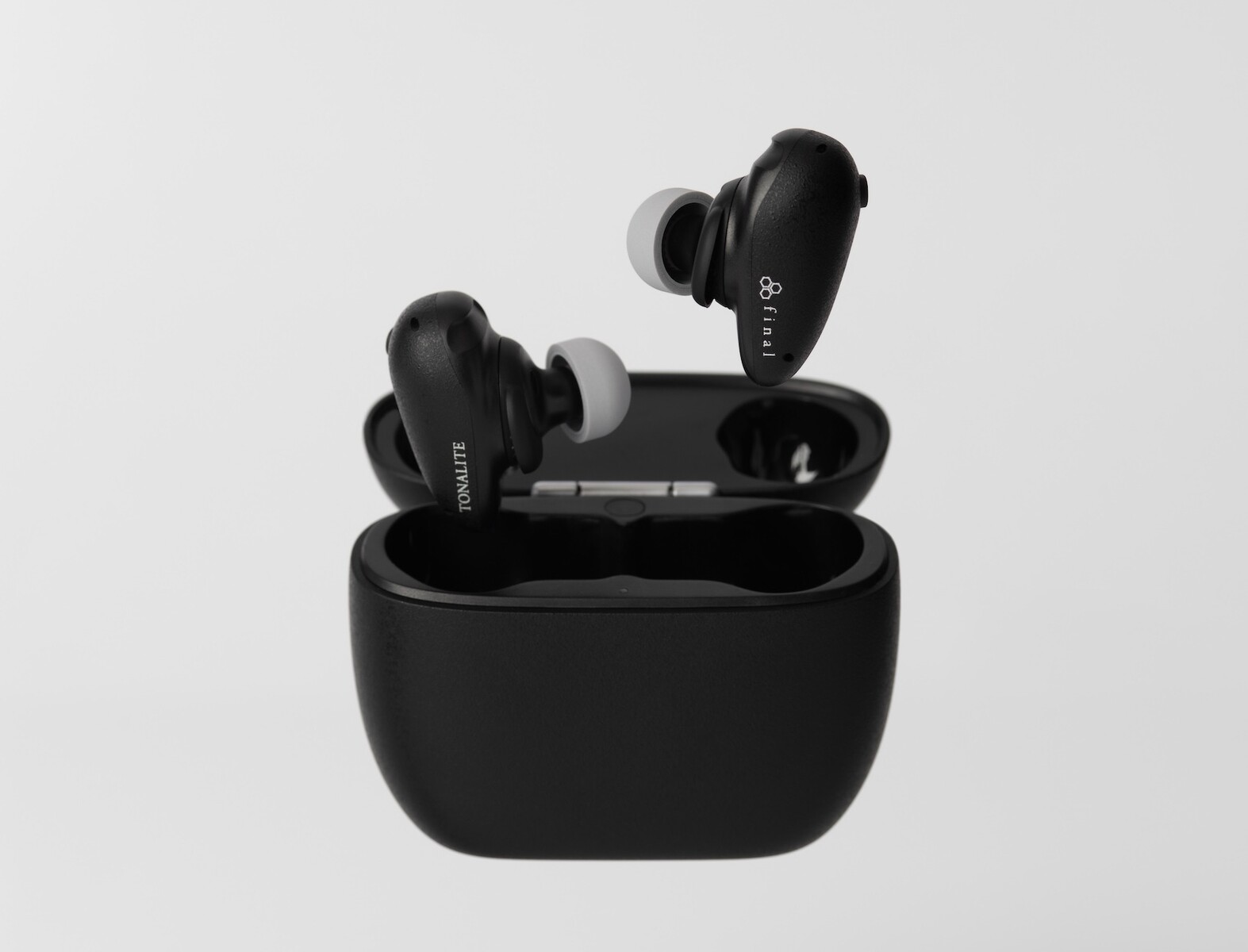
Personalized audio is becoming increasingly common in premium wireless earbuds, but Final’s Tonalite takes an unusually detailed route to creating an individual listening profile. Instead of relying solely on a hearing test or a photograph of one ear, the system combines a three-dimensional scan of the listener’s head and ears with acoustic measurements taken inside the ear canal. Those two sources of information are used to create a digital twin intended to account for how an individual’s anatomy influences perceived frequency balance and tonal character. This is the defining idea behind Tonalite, but it is supported by the practical features expected from modern flagship wireless earbuds, including LDAC, hybrid active noise cancellation, an ambient mode, Bluetooth 6, and a charging case that extends total battery life to approximately 24 hours.
A More Detailed Approach to Personalized Audio
The principal attraction of Tonalite is the scope of its personalization process. Human hearing is affected not only by the ear canal but also by the shape and position of the outer ears and the dimensions of the head. These physical differences alter how sound reaches each listener, which means a fixed tuning may not be perceived identically by everyone.
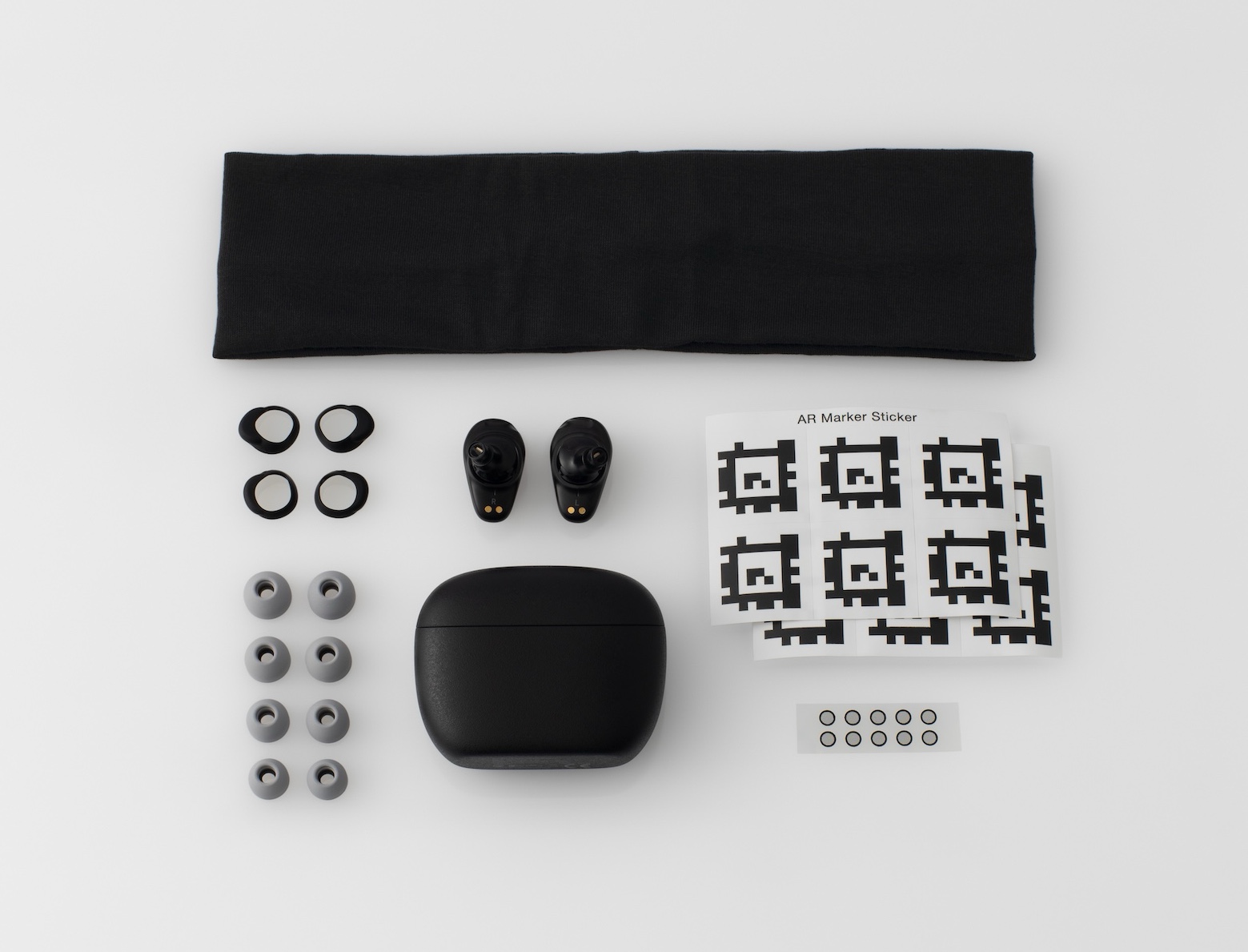
Final addresses this variability through a dual-stage process. First, the user scans the head and ears from multiple angles with a smartphone. A supplied headband with visual markers helps the software determine the shape of the head and locate the ears more precisely. This is more involved than taking a single photograph, but the added steps are designed to provide the system with a fuller geometric model.
The earbuds’ built-in microphones then examine how the listener’s ear canals respond to specific frequencies. Combining physical geometry with an in-ear acoustic reading gives Tonalite more individualized data than a conventional fit test or generalized hearing profile. Final describes the resulting model as a digital twin, which is used to process music according to the wearer’s anatomy and hearing response.
Why Head and Ear Geometry Matters
Tonalite’s processing is primarily concerned with timbre, or tone color. Timbre is the collection of characteristics that allows listeners to distinguish one instrument or voice from another, even when they produce the same fundamental note. It is influenced by the balance and interaction of frequencies, so small spectral changes can affect the perceived identity of a voice, string instrument, or cymbal.
Final’s premise is that some of those changes occur because of the listener’s own anatomy rather than the recording or the earbud alone. The personalized profile is therefore intended to compensate for spectral imbalances introduced by the head, outer ears, and ear canals. The company says this processing can correct shifts in tonal color and produce a more natural representation of recorded instruments and voices.
These remain manufacturer-stated objectives rather than listening findings, but the technical approach is distinctive. Instead of offering personalization merely as an optional equalizer preset, Tonalite makes the listener’s physical acoustic characteristics central to its sound-processing architecture.
A Digital Twin Calculated for Each Listener
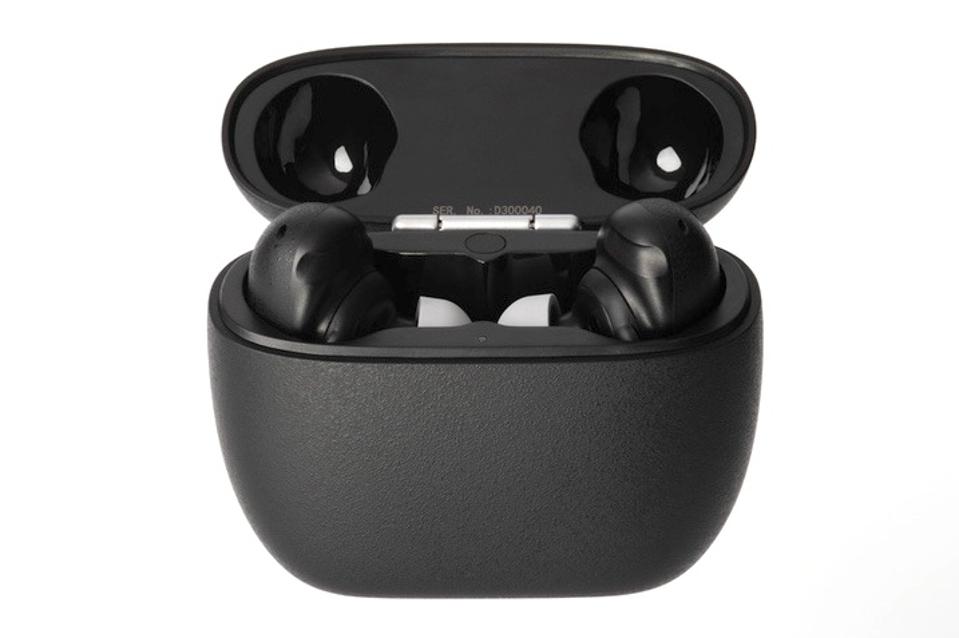
The information collected during setup is turned into a mathematical model calculated on a cloud server. Music played through the earbuds is then processed with reference to that personal profile. This separates Tonalite from systems that use only broad age-based hearing data, a short sequence of test tones, or an approximate ear shape.
The headband markers are also a thoughtful indication of how Final has approached usability. Three-dimensional scanning depends on the software correctly interpreting scale, angles, and anatomical position. Providing fixed visual references should help guide the algorithm rather than leaving the user to produce an entirely unassisted scan.
The process does require more participation than simply pairing a new set of earbuds. Owners will need a compatible smartphone, time to complete the scan, and a willingness to use cloud-based profile calculation. In return, the personalization is based on both visible anatomy and measured in-ear behavior. That exchange between setup effort and depth of customization is an important part of Tonalite’s identity.
Wireless Formats and Everyday Listening Modes
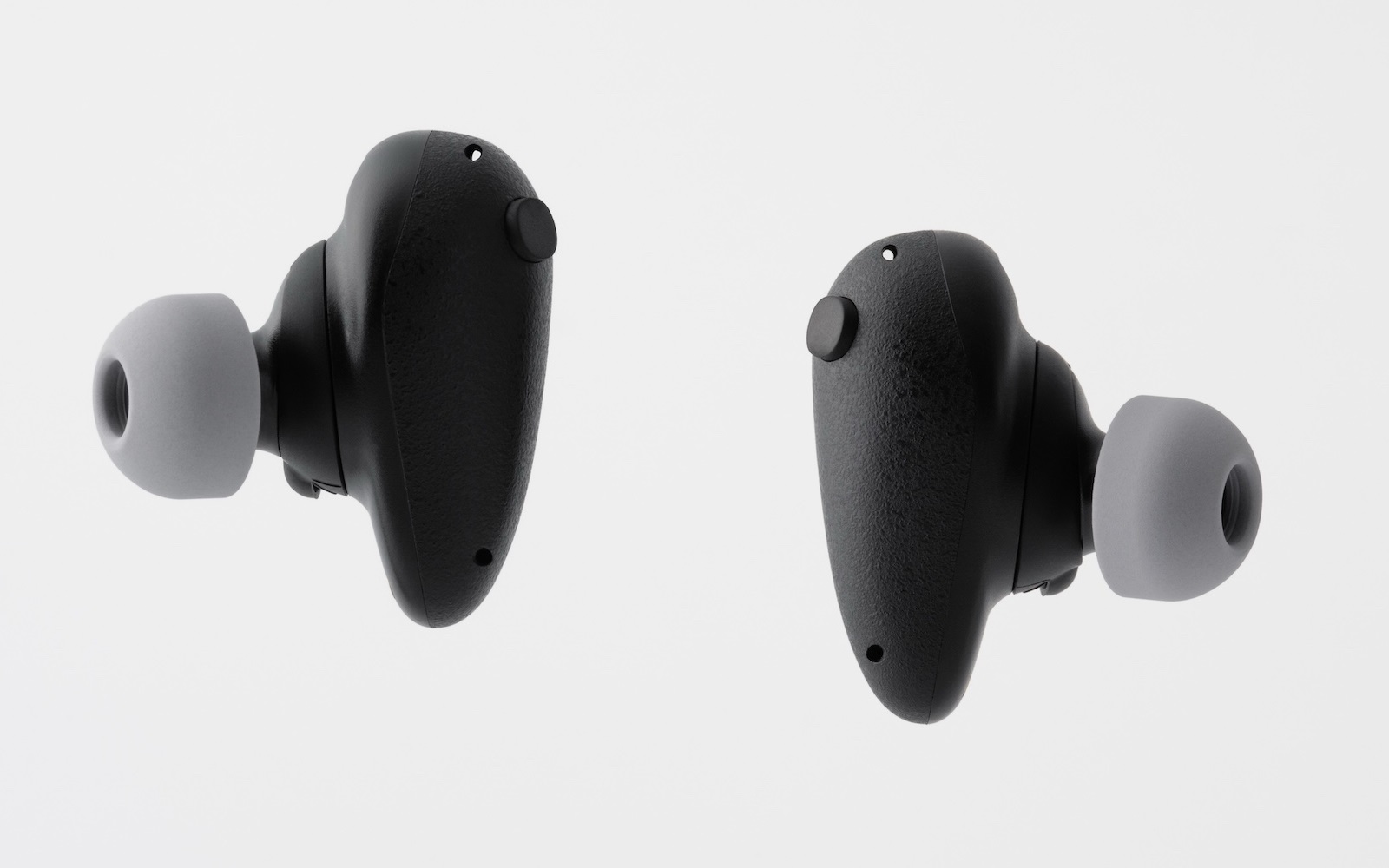
Tonalite supports Bluetooth 6 and offers LDAC alongside the widely used SBC and AAC codecs. LDAC is the notable inclusion for listeners who want a higher-data-rate wireless connection from compatible source devices and services. SBC and AAC broaden compatibility, ensuring that Tonalite is not limited to hardware that supports LDAC.
Hybrid active noise cancellation adds a practical layer for commuting, travel, and work in distracting environments. A hybrid system uses microphones to assist with controlling external noise, while the ambient mode serves the opposite purpose by allowing surrounding sound to pass through when situational awareness is needed.
The combination is useful because Tonalite is not positioned only as a specialized personalization experiment. Its codec support and listening modes give it the functional range expected of premium true-wireless earbuds. Users can move between focused listening and greater environmental awareness without changing to another pair of headphones.

Battery Life Suited to Daily Use
Final estimates that the earbuds can operate for up to eight hours on a full charge. The charging case extends the available listening time to approximately 24 hours before the case itself needs to be replenished. Actual endurance will naturally depend on operating conditions and feature use, but the published figures describe a practical structure for daily listening.
An eight-hour earbud rating is enough on paper to cover a typical working day or a substantial journey, while the case provides two additional equivalent charges based on the stated totals. This matters for a product built around an individual profile: owners can continue using the same personalized system throughout the day rather than reserving it for short listening sessions.
Who Final Tonalite Is Most Suitable For
Tonalite is most relevant to listeners who are interested in personalized audio but want something more anatomically specific than a basic hearing test or app-based equalizer. Its combination of a complete head-and-ear scan and ear-canal measurement should particularly appeal to technically engaged users who are comfortable following a guided setup process.
It may also suit listeners building a wireless system around an LDAC-compatible phone or source, as well as commuters and frequent travelers who can benefit from hybrid ANC and ambient listening. The eight-hour earbud estimate and 24-hour total with the case support those mobile uses.
Conversely, Tonalite is less obviously suited to someone who prioritizes immediate, setup-free operation. Its central feature depends on scanning, acoustic analysis, and cloud calculation, so the additional steps are fundamental rather than incidental. Users who do not intend to complete that process would not be making full use of what distinguishes these earbuds. The product’s appeal therefore rests on a willingness to trade some initial convenience for a substantially more individualized configuration.
Conclusion
Final Tonalite stands out through the depth of its documented personalization system. By combining a guided 3D scan of the listener’s head and ears with in-ear frequency measurements, it creates a digital acoustic model intended to compensate for anatomy-dependent changes in tonal balance and timbre. That specialized foundation is complemented by Bluetooth 6, LDAC, SBC and AAC support, hybrid active noise cancellation, an ambient mode, and up to eight hours of earbud use or approximately 24 hours with the charging case. Tonalite is consequently aimed at listeners who value technical customization and are prepared to complete a more involved setup, while still wanting the connectivity, noise-management tools, and battery flexibility of contemporary premium wireless earbuds.


Sound Off
0Join the discussion if you have something to add.