
FiiO JadeAudio JT9 Review: Planar Sound Without the Planar Price
FiiO JadeAudio JT9 brings planar-magnetic headphone technology to a more affordable price point. We look at its design, features, usability and value.

The FiiO JadeAudio JT9 enters the conversation with a straightforward proposition: make planar headphones more accessible. That positioning is potentially appealing, but the available factual information is too limited to support a definitive judgment on construction, system matching or overall performance.
Design and Build Quality
The JT9 is identified as a FiiO JadeAudio headphone, but no dependable information is provided about its enclosure materials, headband construction, ear-pad design, weight or available adjustment. Those factors are particularly important for headphones because they affect durability, long-session comfort and the consistency of the acoustic seal.
It would therefore be inappropriate to characterize the JT9 as either robust or lightweight. The product’s affordable positioning may shape expectations, but price category alone does not establish build quality. A meaningful assessment requires documented materials, dimensions and construction details.
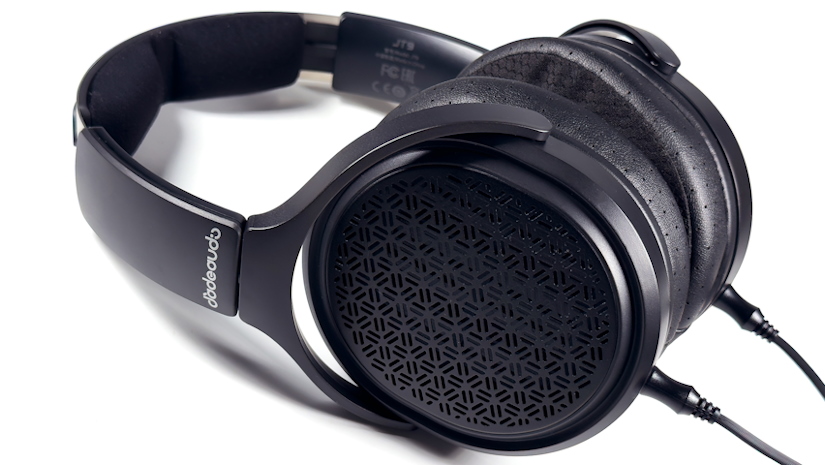
Planar-Magnetic Technology
The defining technical fact is the JT9’s planar positioning. Planar-magnetic headphones generally use a thin diaphragm with a conductive trace driven across a magnetic field, distinguishing the operating principle from that of conventional dynamic drivers. However, the planar label alone does not reveal the quality of a specific implementation.
Driver dimensions, magnet configuration, diaphragm construction and acoustic loading are not stated in the available material. Those details would help explain the JT9’s engineering priorities, but no assumptions about them should be made. Its principal significance is therefore strategic: the model is intended to broaden access to planar headphone technology.
Connectivity and Usability
No cable termination, connector arrangement, included accessories or compatibility guidance is documented. It is also unclear whether the cable is detachable and whether balanced connection options are supported. These omissions prevent a detailed evaluation of everyday flexibility.
The absence of stated impedance and sensitivity is especially relevant. Planar headphones can vary considerably in their amplification requirements, so buyers should verify whether the JT9 is suitable for a phone, portable player, dongle DAC or dedicated headphone amplifier before choosing supporting equipment.
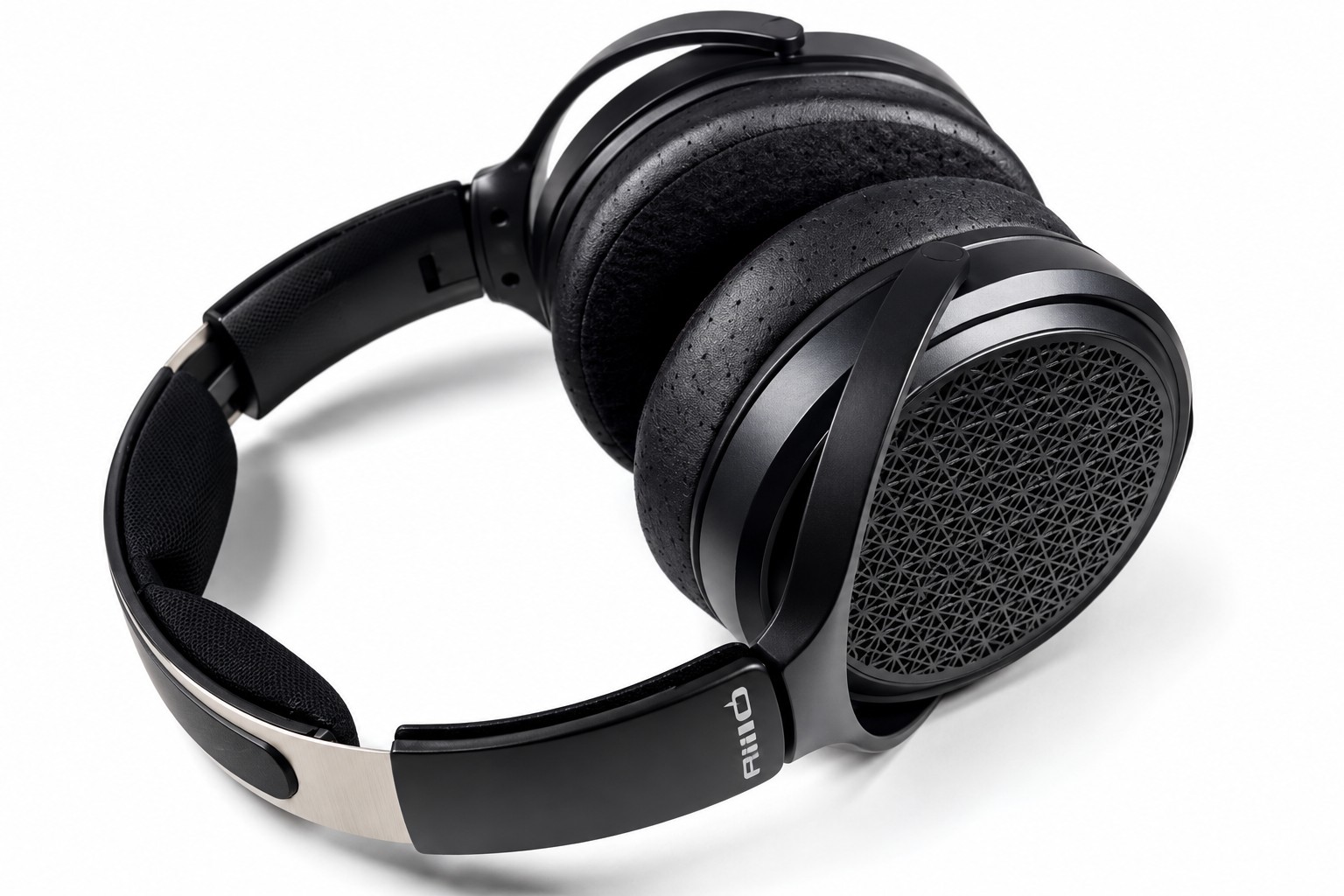
Any performance assessment must remain rooted in the documented operating principle rather than unsupported listening claims. A planar-magnetic architecture can offer designers a different approach to diaphragm control and force distribution, but it does not guarantee a particular tonal balance, level of resolution or bass response.
No frequency-response range, distortion data, sensitivity figure or impedance specification is available here. There is likewise no documented information about whether the JT9 uses an open-back or closed-back acoustic design. Consequently, its isolation, sound leakage, spatial presentation and suitability for portable or shared-space use cannot be judged responsibly.
Market Position and Value
The JT9 is explicitly framed as an affordable planar model. That makes it relevant to buyers who are curious about planar technology but do not want to begin at the premium end of the headphone market. It also reflects the continued movement of planar designs into more accessible product tiers.

Conclusion
The FiiO JadeAudio JT9 has a clear and relevant purpose: extending planar-magnetic headphone technology to a more cost-conscious audience. That alone makes it an interesting model in a category where driver architecture has often been associated with more expensive products. The planar operating principle provides a credible technical foundation, while the JadeAudio positioning suggests that accessibility is central to the design brief.
However, the available information leaves too many practical questions unanswered for an unconditional recommendation. There are no stated figures for impedance, sensitivity or frequency response, making amplification requirements impossible to establish. Construction materials, weight, ear-pad design, cable connections and supplied accessories are also undocumented. Without an explicit USD price, its competitiveness cannot be evaluated against the broader headphone market.
The ideal buyer is someone exploring affordable planar headphones who is prepared to verify the complete specifications and system requirements before purchasing. Buyers should pay particular attention to comfort, acoustic format, cable configuration and compatibility with their intended source or amplifier. On the evidence available, the JT9 deserves attention for its accessible planar proposition, but a final buying decision should wait until those essential details are confirmed.







 VS
VS VS
VS VS
VS VS
VS VS
VS VS
VS VS
VS VS
VS

Comments 0
Share your experience, questions and perspective with other hi-fi enthusiasts.