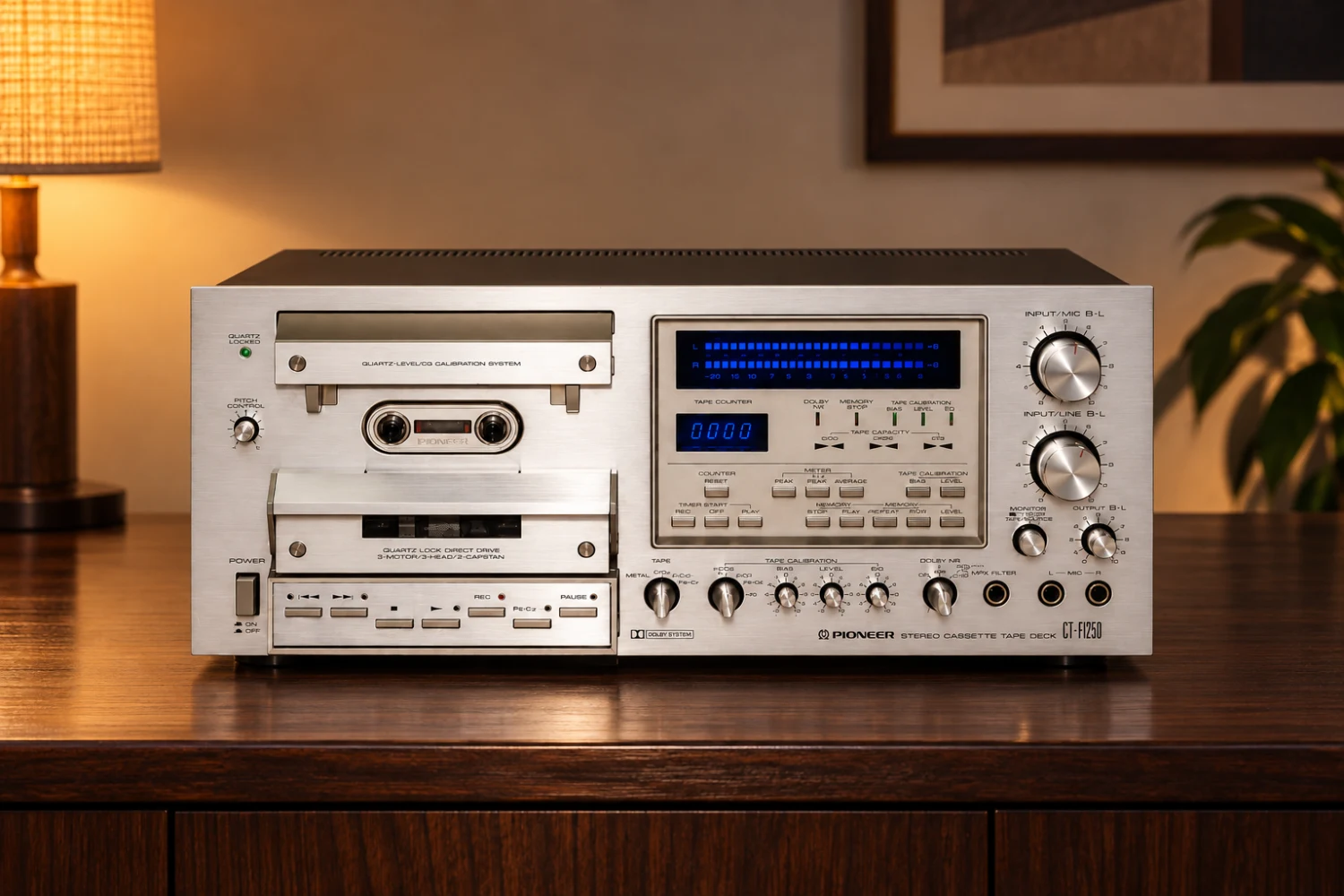
For much of the 1970s and 1980s, the cassette occupied two very different places in music culture. It was the convenient format for cars, portable players and home recording, but it was also a serious engineering challenge. A tape only 3.81 millimetres wide, moving at a standard speed of 4.76 centimetres per second, gave designers little room for error. At the top of the market, cassette decks became increasingly elaborate attempts to extract dependable sound from that compact medium. The appeal of a premium deck was practical as well as technical. Listeners wanted to record LPs for the car, assemble their own programmes and preserve broadcasts or other material for later listening. A better machine could make those recordings more consistent, while giving its owner greater control over the tape being used.
The history of high-end cassette decks is therefore not simply a story of expensive versions of an everyday product. It is a story of how much effort manufacturers devoted to making a convenient format suitable for attentive home listening.
From portable format to hi-fi component
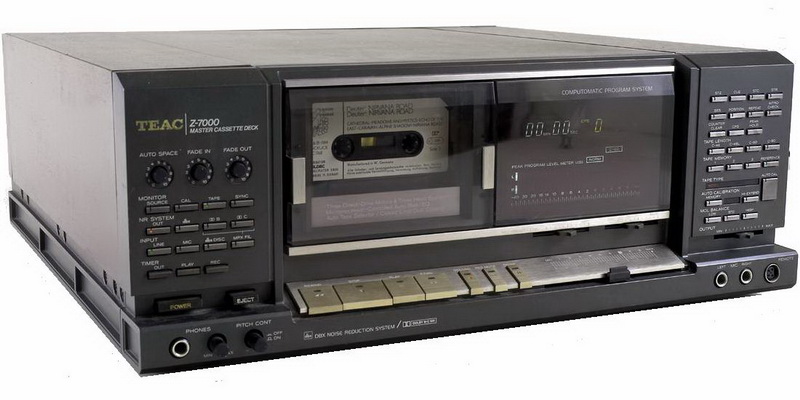
Philips introduced the Compact Cassette in 1963. Its small cartridge and simple handling made it easier to use than open-reel tape, but convenience did not initially make it a natural rival to established hi-fi sources. Early cassette equipment was often intended for speech or casual recording. The format’s limitations were apparent: slow tape speed, narrow tracks and a small shell whose mechanical precision could affect playback. Its position changed as tape formulations, recording electronics and transport mechanisms improved. By the 1970s, a separate cassette deck had become a familiar part of a domestic hi-fi system.
It could be connected to an amplifier and used to make recordings from a turntable or tuner, rather than serving merely as an all-in-one portable recorder. Pre-recorded cassettes also gave buyers another way to acquire music, although the home-recording role was central to the appeal of many serious decks. That distinction helps explain the premium market. A turntable or tuner supplied a programme; a cassette deck let the listener carry it elsewhere or keep a copy.
The deck’s value depended not just on how it played a commercial tape, but on how accurately it could make and replay one. At the upper end, manufacturers competed over the reliability of that entire process.
Why a cassette was difficult to master
Magnetic recording requires a stable relationship between the moving tape and the heads that record and read it. Small variations in tape speed can produce audible pitch instability, commonly discussed as wow and flutter. Poor contact between tape and head can compromise high-frequency performance. The alignment of the head matters too: if its angle does not correspond closely to the recorded track, the highest frequencies can suffer.
The cassette made these problems unusually demanding because so much of the tape path was enclosed in a removable shell. A deck could be carefully designed, yet still have to accommodate differences among individual cassettes. The tape itself was not uniform either. Different formulations needed appropriate recording settings, and even two tapes of the same broad type might not behave identically.
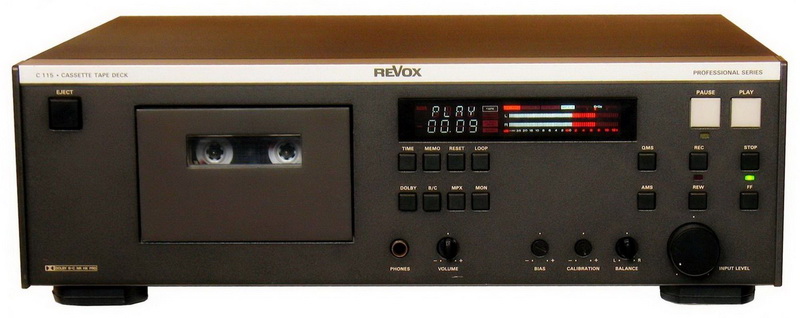
Premium designs approached these issues from several directions. More substantial transports aimed to move tape steadily and maintain controlled contact with the heads. Better adjustment facilities helped owners or automatic systems match the recording circuitry to the tape. None of this changed the format’s physical dimensions. The achievement was to reduce the audible consequences of those constraints, particularly when making recordings at home.
The case for three heads
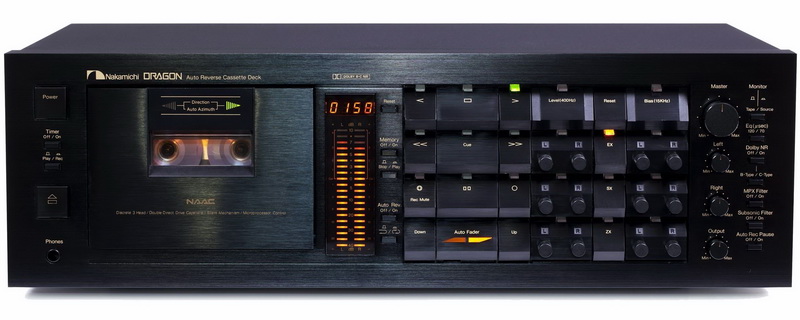
One of the clearest distinctions between ordinary and ambitious decks was the three-head arrangement. Instead of asking a single head to perform both recording and playback duties, a three-head machine used separate heads for those functions, alongside an erase head. This allowed the record and playback heads to be designed for their respective tasks. It also made off-tape monitoring possible: while a recording was being made, the listener could compare the source with what had just been recorded onto the tape.
That comparison was more than a luxury feature. A level meter shows what enters the recorder, but it cannot by itself reveal every problem in the result on tape. Off-tape monitoring could expose a poor tape, unsuitable recording settings or an unexpected change in sound while there was still time to act. For owners who recorded frequently, it turned the deck from a largely set-and-forget appliance into an instrument that could be checked and adjusted.
Three heads did not guarantee an excellent machine. Head design, alignment, electronics and transport quality still mattered, and simpler decks could give satisfying results. But the arrangement expressed an important shift in priorities. A top deck was expected to give its owner evidence about the recording it had actually made, not merely confidence that its controls had been set correctly.
Tape choice, calibration and noise reduction
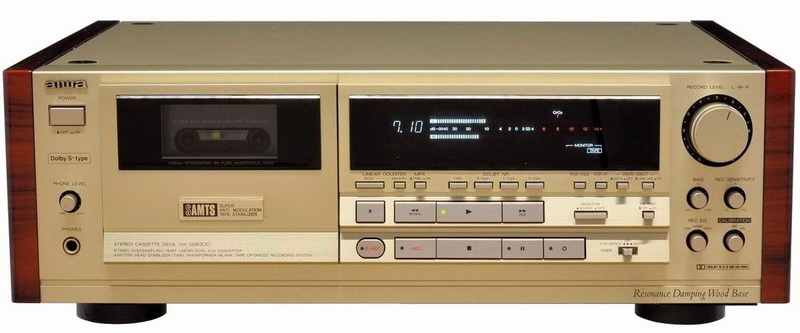
As the market matured, buyers encountered several broad classes of blank tape, including ferric, chrome-equivalent and metal formulations, commonly identified as Type I, Type II and Type IV. They were not interchangeable from a recording standpoint. A deck needed suitable bias and equalisation settings to use them properly, while its ability to fine-tune recording level and bias could make a substantial difference to results.
On some premium machines these adjustments were performed manually; others introduced more automated approaches. Noise reduction addressed another familiar limitation: tape hiss. Dolby B became widespread, followed by Dolby C and, later, Dolby S.
These systems were designed to reduce noise while allowing a suitably equipped machine to decode the recording on playback. Their effectiveness depended on recording and playback conditions being reasonably well matched. A cassette recorded with a particular noise-reduction system also needed appropriate playback treatment if it was to sound as intended. Together, calibration and noise reduction show why specifications alone tell only part of the story.
A deck’s performance depended on the tape loaded into it, the recording settings chosen and the machine that eventually played the result. High-end decks offered more ways to manage those variables. They also asked more of their owners, who had to understand which settings belonged with which tape and recording.
Engineering as a point of difference
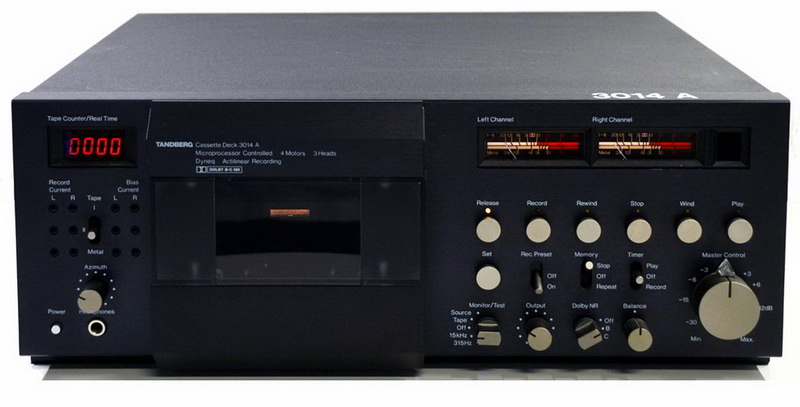
At the upper end of the market, cassette decks became showcases for distinct engineering priorities. Some manufacturers concentrated on tape transport and head alignment; others emphasised calibration, control systems or ease of operation. Features that appeared modest on a front panel could represent substantial work inside the machine, because small mechanical and electrical errors mattered so much at cassette speed. Two well-known models illustrate different responses without standing for the whole market.
The Nakamichi Dragon is closely associated with automatic correction of playback-head azimuth, addressing the difficulty of reading tapes whose recorded alignment was not ideal. The Revox B215 is notable for its automated approach to tape calibration. In both cases, the goal was not to invent a new cassette format. It was to make playback or recording less dependent on a perfect set of conditions. Such machines also explain why a single ranking of ‘best’ decks is hard to defend without clear criteria.
One buyer might value the ability to play cassettes recorded elsewhere; another might care most about making consistent recordings on different blank tapes. Serviceability, operating complexity and the condition of an individual example matter greatly today. The most historically useful question is not which name wins a list, but what problem each design tried to solve.
Competition in a changing music market
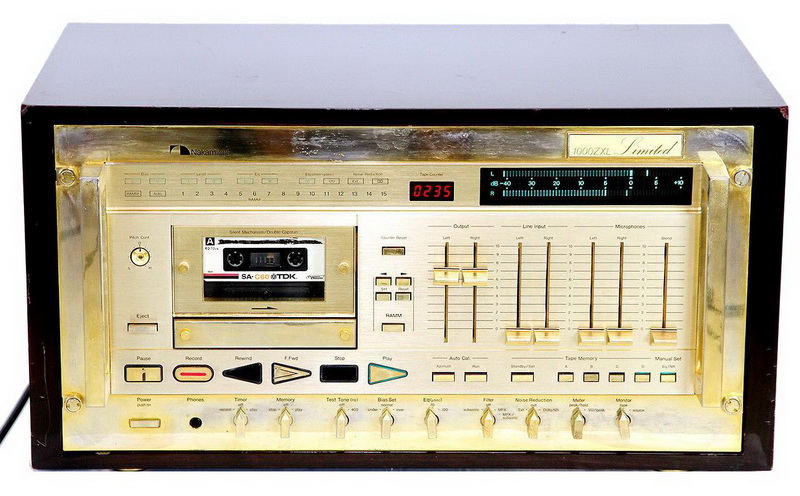
Premium cassette development took place alongside major changes in how people listened. The portable cassette player, popularised from 1979 onward, reinforced the cassette’s value as a personal format. A carefully made home recording could leave the listening room and travel with its owner. That mobility gave a separate recording deck a purpose that a turntable could not fulfil by itself.
The arrival of the compact disc in the early 1980s changed the comparison. CD offered convenient access to music without the cassette’s tape wear, hiss or need for recording calibration. Yet it did not immediately remove the reason for owning a cassette deck. Many households still had substantial tape collections, and recording a programme for portable or in-car use remained attractive. Manufacturers continued refining cassette machines even as digital playback became an increasingly important part of a hi-fi system.
This overlap is essential to the format’s history. Top decks were not only products of an earlier analogue age waiting to be replaced. Some represented a mature response to direct competition: if cassette was to retain a place in serious systems, it needed to be easier to operate consistently and more capable of revealing what was on a good tape. Eventually, digital recording and new portable formats reduced that role, but the cassette deck’s long period of refinement had already left a substantial technical legacy.
The cassette deck’s place in hi-fi history
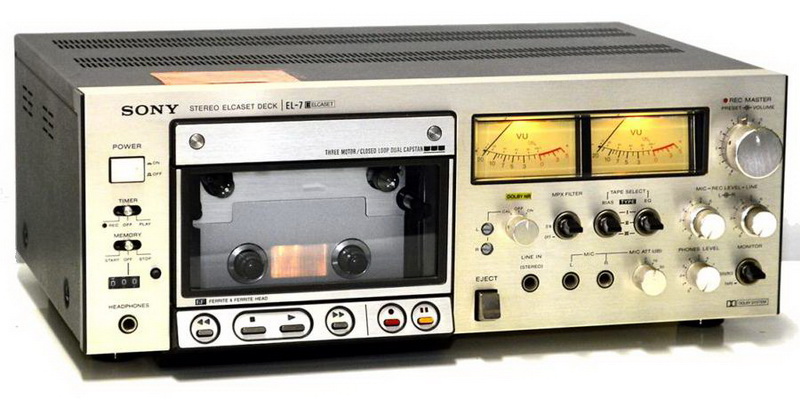
A premium cassette deck was an unusually revealing hi-fi component because it had to make a recording as well as reproduce one. The owner could hear how decisions about tape, level, calibration and noise reduction affected the finished copy. The format placed mechanical engineering, magnetic materials and electronics in immediate contact with everyday listening. That combination explains both the ambition and the limits of the best decks. Their designers could improve speed stability, tape-to-head contact, alignment and recording accuracy, but could not eliminate every variation in tapes and shells or make a cassette immune to wear.
Today, an individual machine’s condition is inseparable from any judgment of its performance. A celebrated model that needs adjustment cannot be understood simply through its original reputation. The high-end cassette era matters because it demonstrates what happens when a mass-market format is taken seriously by specialist engineers and demanding listeners. Top decks did not turn the cassette into an unrestricted recording medium.
They made its compromises manageable enough for home recording to become a considered part of hi-fi. Their lasting significance lies in that disciplined pursuit of consistency within strict physical limits.
A format defined by the work behind it
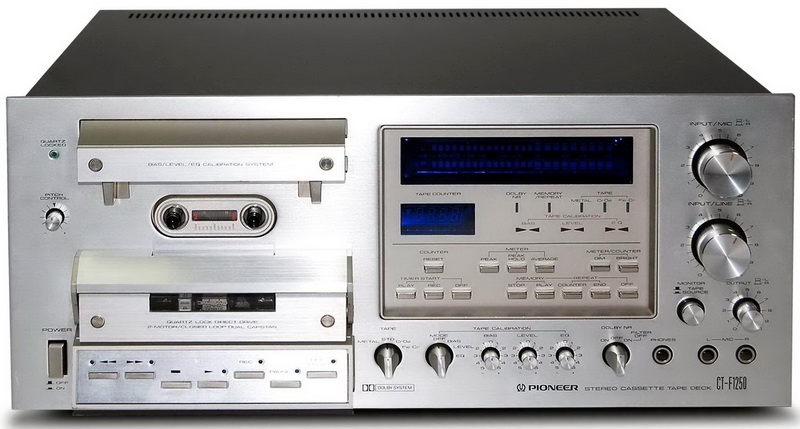
The best-known cassette decks remain interesting not because they erased the format’s weaknesses, but because their designs make those weaknesses understandable. Transport precision, head alignment, tape calibration and noise reduction were practical answers to practical problems. Taken together, they show why the cassette could be both an everyday convenience and a serious chapter in the history of recorded sound.