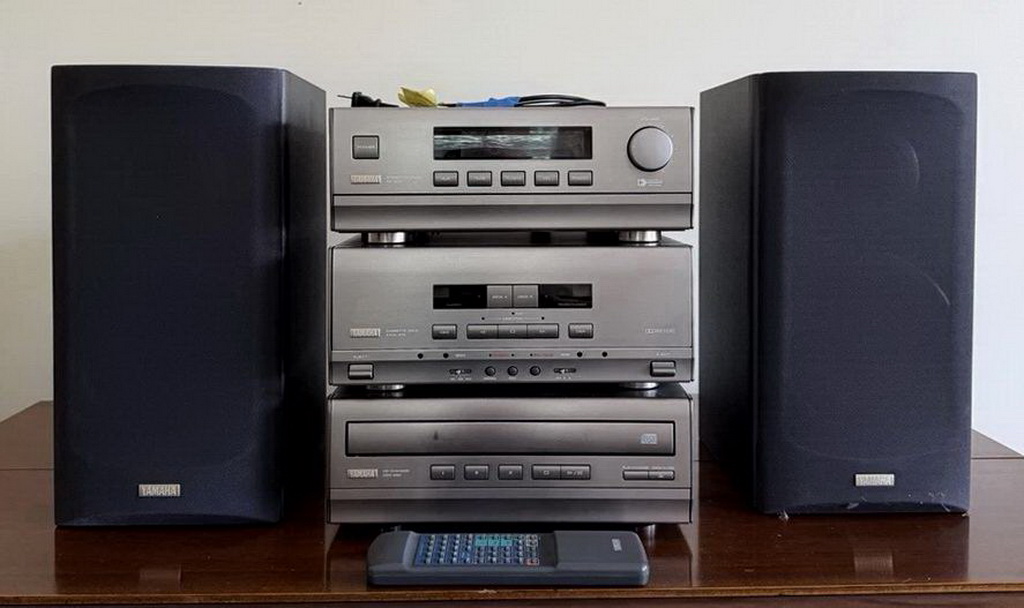
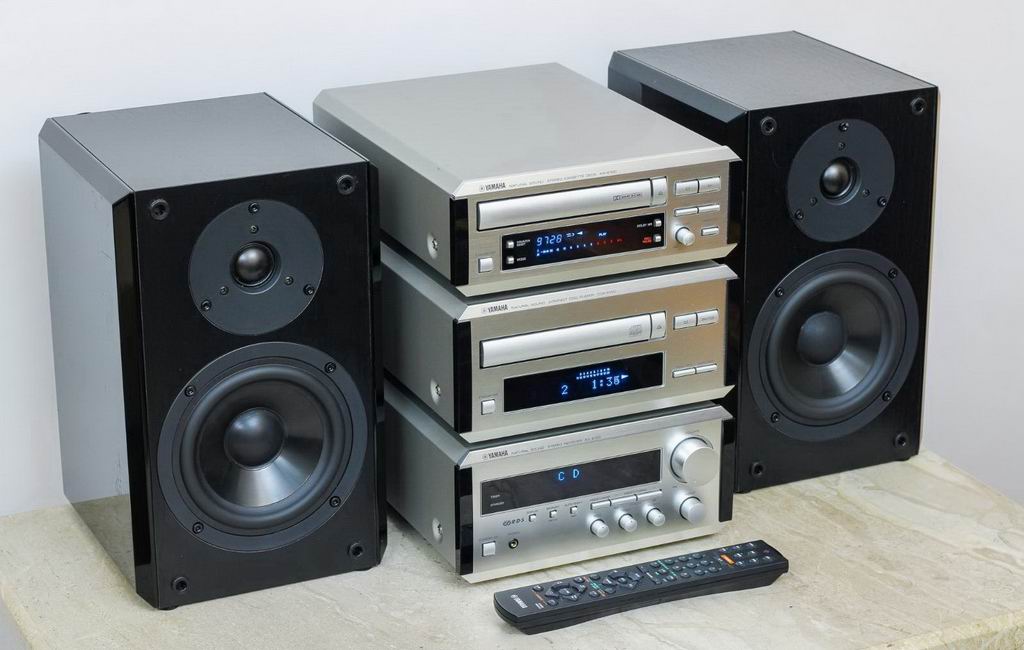
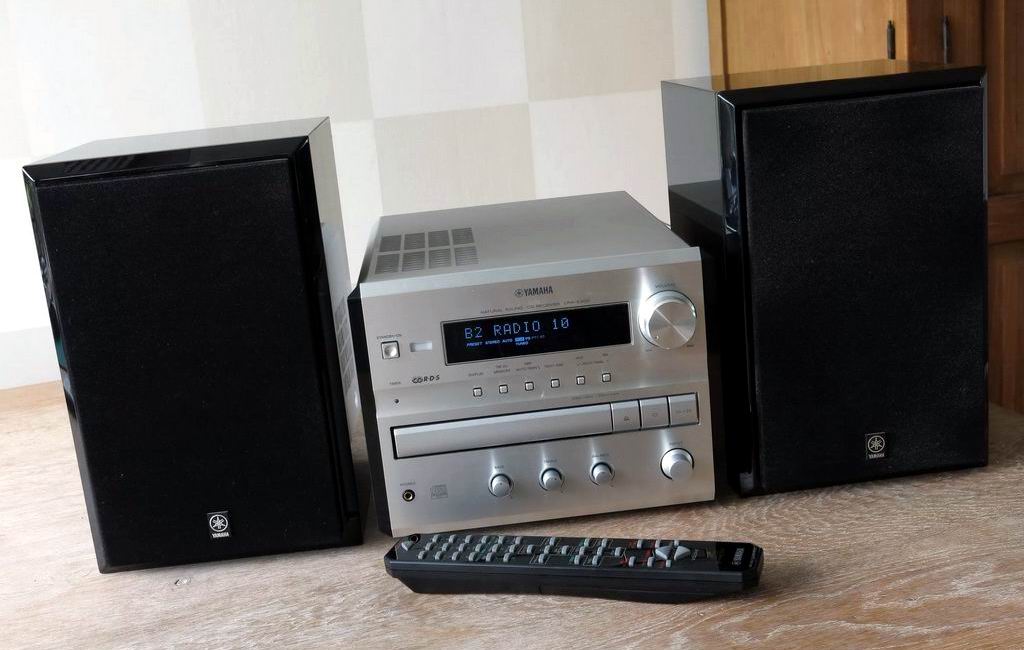
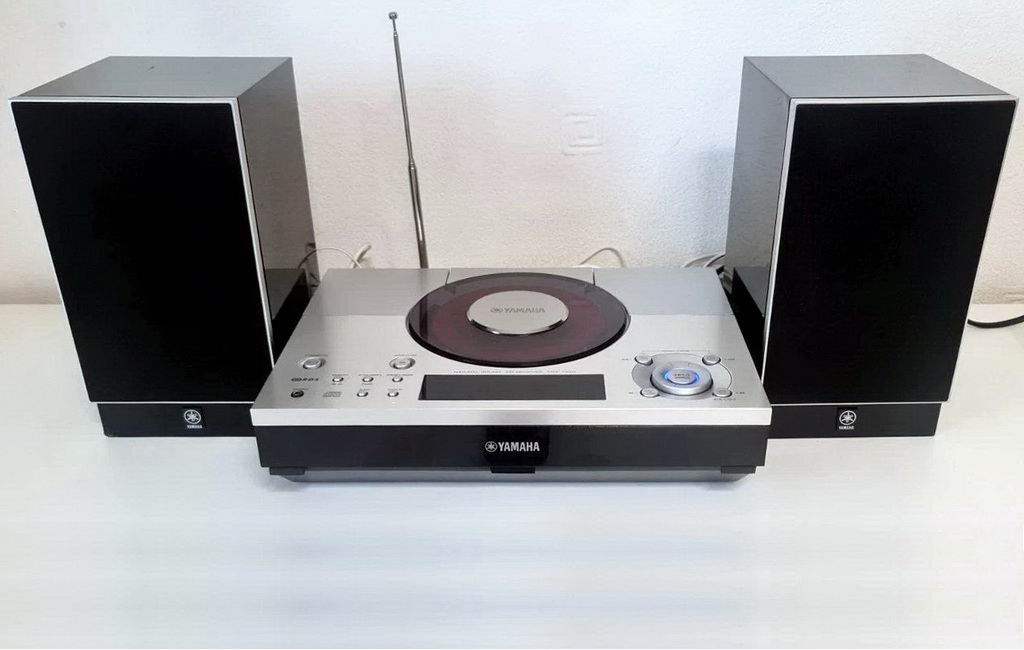
For much of the twentieth century, building a hi-fi system meant choosing components: a source, an amplifier and a pair of loudspeakers, each with its own place in the room. The music centre offered a different proposition. It brought everyday listening into a smaller, simpler package and made the complete system, rather than the individual component, the object of purchase. Yamaha’s GX, MCR, ISX and TSX series belong to that broader story. They are identified together as music-centre ranges, although the available source does not establish their individual dates, specifications or sequence.
Their shared historical interest lies in the category they represent: audio equipment designed for people who wanted music readily available at home without assembling a conventional stack of separates. That category changed as listening habits changed. Physical media gave way to files and networked services, while the rooms in which people listened continued to impose familiar limits on space, placement and convenience. Looking at Yamaha’s named series through those pressures explains why the music centre endured, even as the meaning of a complete system kept shifting.
The appeal of a complete system
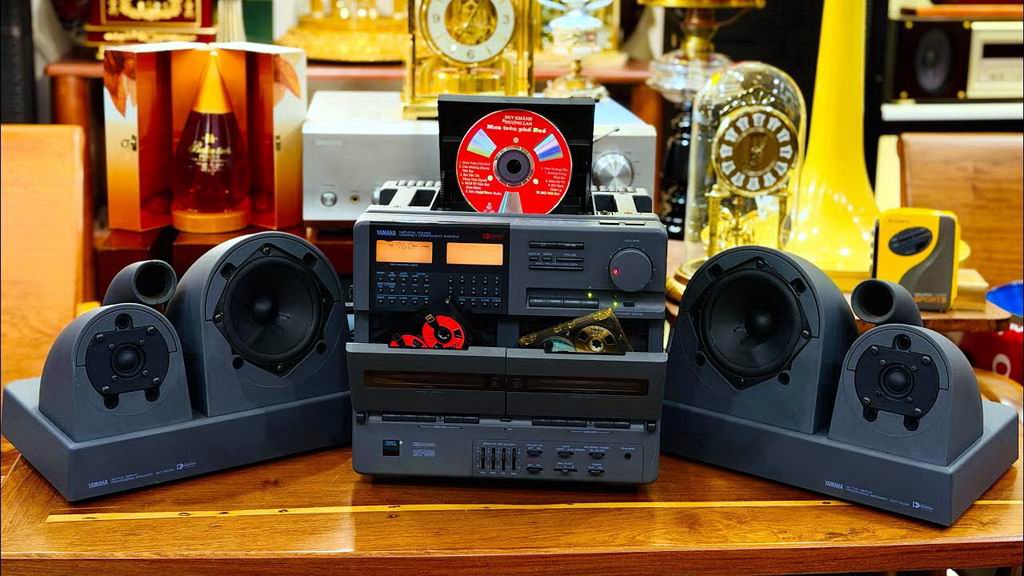
A music centre addresses a different buying decision from a separates system. With separates, listeners can select an amplifier, source and loudspeakers independently, then replace or upgrade one part at a time. A compact system reduces those decisions. It offers a defined combination whose components are intended to work together, often with a smaller physical footprint and a simpler route from unpacking to listening. That distinction matters because the two approaches solve different problems.
A listener with a dedicated space may value the flexibility of interchangeable components. Someone furnishing a bedroom, study or shared living room may place more weight on a system that fits where music is actually heard. Neither preference, by itself, tells us how good a particular product sounds. It does explain why all-in-one and near-all-in-one systems remained a durable part of the hi-fi market alongside separates.
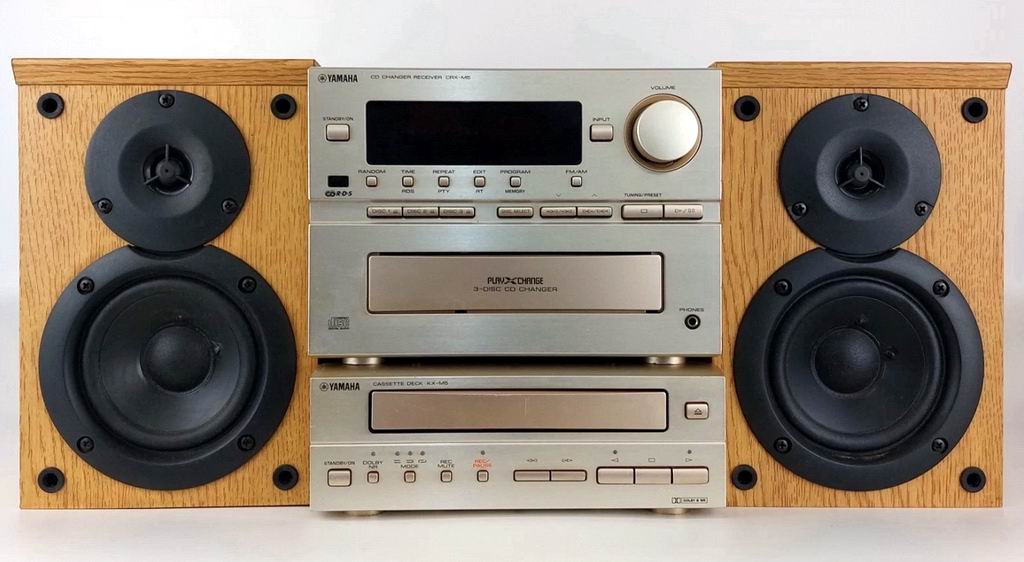
The term music centre is also broader than any single layout. It can describe systems with separate speakers and a central unit, as well as more self-contained designs. The source groups GX, MCR, ISX and TSX under that heading but does not specify the configuration of each series. Their common ground is therefore best understood as a market purpose, not an identical engineering recipe.
Why Yamaha belonged in the conversation
Yamaha entered home audio with an identity that extended beyond electronics. Its long history as a musical-instrument maker gave the company a recognisable place wherever music reproduction and music-making overlapped. That background is relevant to the brand’s position in hi-fi, but it should not be mistaken for evidence about the performance of any particular GX, MCR, ISX or TSX product.
By the time compact systems became familiar household purchases, buyers could find audio equipment from specialist hi-fi companies, large electronics manufacturers and brands whose products crossed several areas of music and entertainment. Yamaha was well placed to be recognised across those categories. A music centre bearing its name could be considered by someone interested in hi-fi equipment and by someone seeking a practical home music system, even though those buyers might judge value differently. This broad audience helps explain the importance of the category.
A complete system does not have to persuade its owner to study amplifier matching or cable connections before making a purchase. Its design has to make sense as a whole. The historical question is not whether a compact Yamaha system could replace every separates system. It is how a company associated with audio equipment participated in making domestic music listening less dependent on specialist knowledge.
Changing sources, lasting habits
The commercial arrival of the compact disc in 1982 marked a major change in the way recorded music could be played at home. Later, digital files, portable players and streaming services altered where collections were kept and how listeners reached them. Each change put pressure on manufacturers to reconsider what a convenient home system needed to include. A system centred on a physical collection answered a different everyday question from one designed for music accessed through another device or service. Those shifts form the background to Yamaha’s music-centre ranges, not a verified timeline for them.
The available source provides no dates for GX, MCR, ISX or TSX and does not document which formats or connections individual models supported. It would be misleading to assign one series to the CD era and another to streaming solely because all four names appear together. The larger continuity is easier to establish. People still needed a way to hear music through loudspeakers in a room, with controls that were practical for regular use. What changed was the route by which music arrived at the system. The music centre survived as a product idea because its central promise—an accessible, coordinated way to listen—could remain relevant while sources evolved.
Integration as a design decision
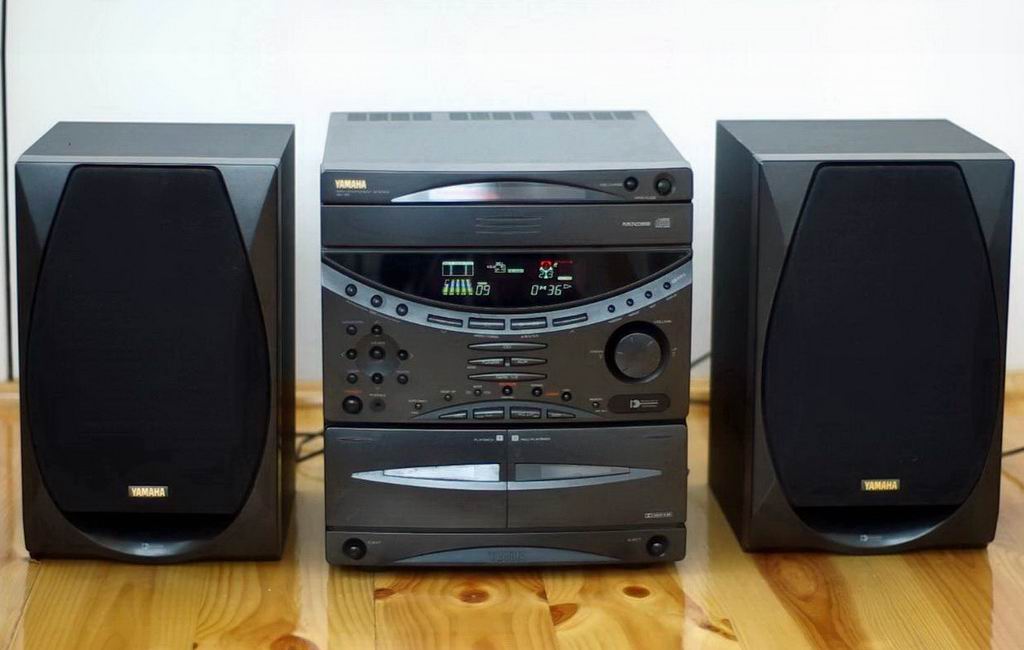
Combining audio functions into a compact product is not simply a matter of putting more parts in a smaller enclosure. Designers must consider how controls are arranged, how much room the equipment occupies and how a user connects and selects sources. Where loudspeakers form part of the package, their relationship with the electronics is another design decision. A complete system can make these choices on the buyer’s behalf; it also gives the buyer less freedom to change them later. That trade-off is central to understanding the music centre’s place in hi-fi. A separates system invites experimentation with individual components.
An integrated package places greater emphasis on the experience of using the whole product. Ease of operation, physical scale and the ability to live with the system every day become part of its value, not distractions from sound reproduction. None of those general principles establishes a specification for Yamaha’s four named series. The source does not identify their amplifier designs, loudspeaker arrangements, supported media or connection options. What the names do establish is that Yamaha’s music-centre story cannot be reduced to a single named product. It spans multiple series within a category where engineering choices and domestic usability had to be considered together.
The listening room outside the showroom
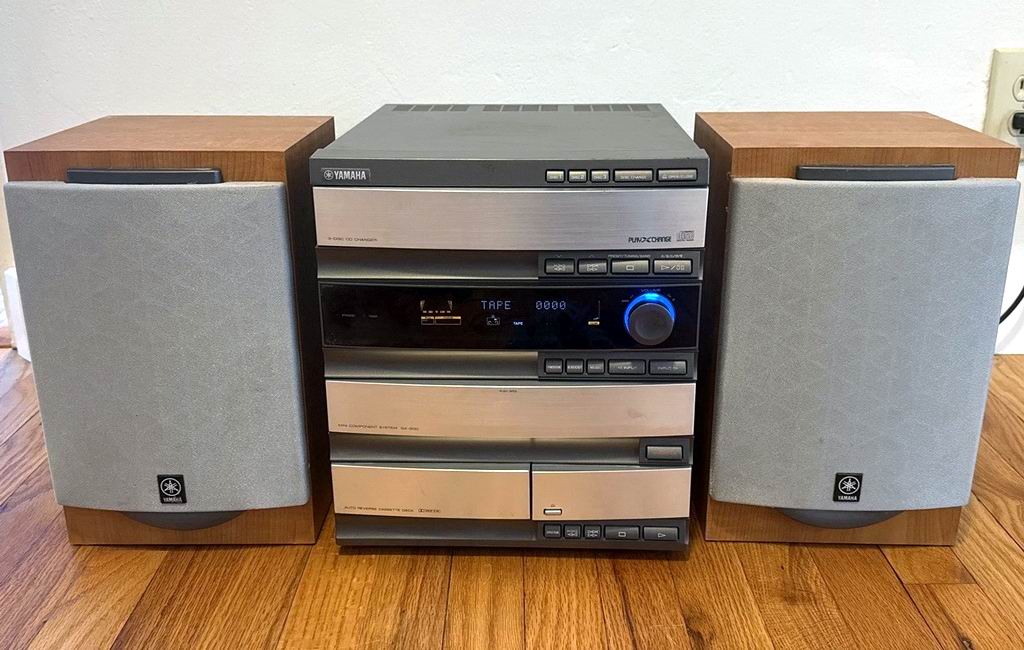
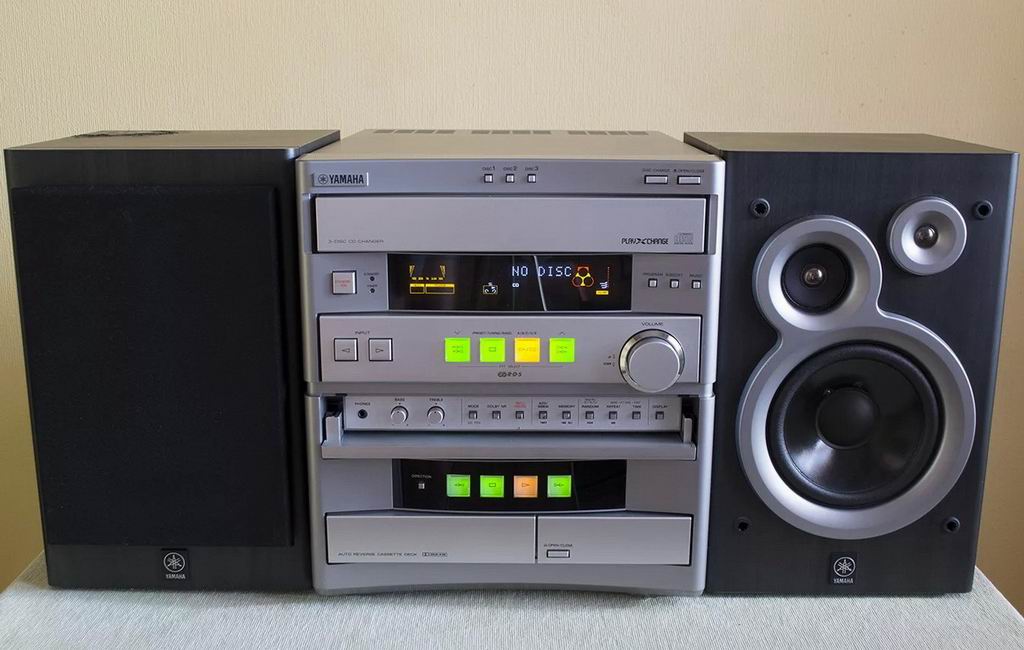
Hi-fi is often discussed as though equipment operates in an ideal space, but most home systems must fit around furniture, other activities and other people. This is where the compact system’s appeal becomes especially clear. Its size and complexity can determine whether someone places a system in a room at all.
The ability to make music part of ordinary daily life may matter as much to that buyer as the possibility of future upgrades. Practicality, however, does not erase acoustics. Loudspeaker location, the distance to walls and the listener’s position can substantially affect what is heard. A compact system placed wherever it happens to fit may face constraints that no specification sheet can settle.
Equally, a carefully positioned modest system can be more useful to its owner than an ambitious collection of components that has no suitable place in the home. This is why the history of music centres cannot be written only as a history of formats or features. Their success depended on the meeting point between audio design and domestic space. GX, MCR, ISX and TSX are worth considering together as Yamaha series marketed within that broad field, while resisting the temptation to attach undocumented layouts or listening impressions to the individual names.
What the series names can—and cannot—tell us
Product-family names are useful historical signposts, but they are not evidence of a straightforward progression. The fact that GX, MCR, ISX and TSX appear together does not establish which came first, whether one replaced another or whether they occupied the same price bracket. Nor does it establish that a feature introduced in one range carried into the next. Those questions require dated catalogues, manuals or other product records.
The distinction matters because compact audio has never followed just one route. Manufacturers have offered different combinations of central units, loudspeakers, media playback and external connections to suit different spaces and habits. A family name can contain variations of its own.
Treating four series as successive steps in a single technological evolution would make a tidier story, but not necessarily a truer one. What can be said is more modest and more useful. These names point to Yamaha’s participation in the music-centre market through several identifiable ranges. They give historians and collectors a framework for further research without substituting for model-level evidence. In hi-fi history, that caution is valuable: an accurate account of a product family begins by separating what the surviving record establishes from what a familiar category merely suggests.
A place in hi-fi history
The music centre occupies an important position between two enduring ways of thinking about home audio. One treats the system as a set of components to be chosen and changed individually. The other treats it as a finished household product, designed to make listening easy within the limits of a real room. Yamaha’s GX, MCR, ISX and TSX series belong to the history of that second approach, even though the available source does not support a more detailed account of each range. Their significance is not dependent on a claim that compact systems displaced separates or solved every problem of sound quality and convenience.
They did neither. Rather, the continued existence of the category shows that hi-fi was never only a pursuit of maximum flexibility or performance through separate boxes. It was also an effort to make reproduced music accessible in ordinary domestic settings as media, equipment and expectations changed. Seen this way, Yamaha’s named series are part of a broader history of integration. They represent the recurring attempt to turn a collection of audio functions into a system people could accommodate and use.
Establishing their precise chronology and individual innovations would require fuller archival evidence. Their place in the larger story is already clear: the music centre helped keep dedicated home audio relevant to listeners who wanted a complete system, not a project.
The enduring idea
The formats and connections expected of a home music system have changed, but the underlying design question has not: how can equipment make good everyday listening practical in the space people have? Yamaha’s GX, MCR, ISX and TSX series are named examples within that continuing history. The record supplied here supports their shared category, not detailed claims about individual models—a useful reminder that the history of hi-fi includes both the products we can document precisely and the larger listening habits they were made to serve.