The compact disc arrived commercially in 1982 with an unusually clear proposition: music stored as digital data on a small, durable optical disc. It did not eliminate every problem associated with playback, but it changed what a playback machine had to do. Instead of guiding a stylus through a groove, a CD player had to read a rotating disc, recover its data and turn those data into an analogue signal. By the late 1980s, those jobs had become subjects of intense high-end engineering. One result was the standalone CD transport: a machine that reads discs and sends a digital signal to an external digital-to-analogue converter, or DAC.
The arrangement gave buyers two components to consider where a conventional CD player needed only one. It also created room for strikingly expensive mechanisms and elaborate chassis. An archival headline about six costly CD transports captures that market’s fascination with the category, although it provides no model names or prices from which to reconstruct a ranking. The more enduring story is how a device devoted to reading a standardised disc became a statement about precision, system design and the limits of digital playback.
From complete player to separate components
A standard CD player combines several tasks. Its optical pickup follows the disc’s track while a servo system controls the pickup and the spinning mechanism. Electronics recover and process the encoded information, and a DAC converts the resulting digital audio into an analogue signal for an amplifier. Putting everything in one box made the format straightforward to use: connect the player, insert a disc and listen. High-end audio had a different habit.
Separating functions into dedicated components was already familiar from turntables, phono stages, preamplifiers and power amplifiers. Applying that approach to CD playback allowed manufacturers to offer external DACs and transports as independent products. A listener could keep a disc-reading machine while changing the converter, or retain a preferred DAC when replacing the transport. That flexibility mattered as digital audio circuitry developed. Converter designs, filtering approaches and output stages changed substantially across the CD era.
A separate transport did not guarantee superior sound, but it gave manufacturers a way to concentrate on disc reading and digital output without also designing an analogue output section. It gave enthusiasts another question to ask: which parts of a CD player were responsible for the result they heard?
What a transport actually does
A CD transport is often described as a player without a DAC, but that definition understates its work. The disc does not rotate at one fixed speed throughout playback. The mechanism must continually regulate its motion and keep the optical pickup aligned as the laser reads the track. The machine then uses the CD format’s error-correction system to recover the audio data before delivering a digital signal to another component.
This is a useful distinction because a CD is not read like an analogue record. Small errors in reading do not automatically become proportionately small changes in the music. The format was designed to detect and correct many reading errors. When that process succeeds, the recovered samples are the samples encoded on the disc.
Severe damage or a failure to read reliably can cause audible trouble, but it is misleading to assume that every vibration or imperfect disc surface directly changes each digital sample. The transport still has practical work to do. It must start and navigate discs reliably, maintain tracking and provide a usable output to the DAC.
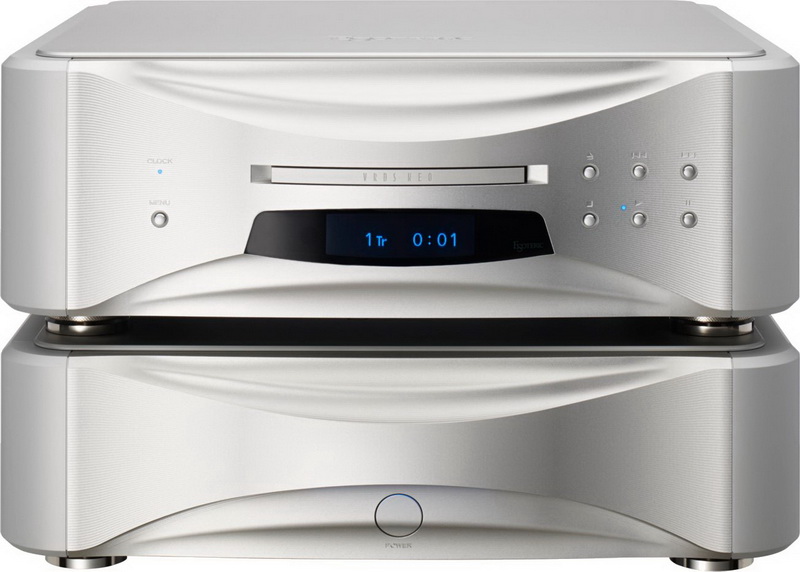
Differences in loading mechanisms, displays, controls and construction could make two transports very different objects to live with, even when both performed the fundamental task of reading a standard CD.
Why the digital connection mattered
Separating transport and DAC introduced a connection that an integrated player could handle internally. Consumer digital audio commonly travelled between components using S/PDIF, through electrical coaxial or optical connections. Some high-end equipment also used AES/EBU, a digital interface with professional-audio roots.
These links carry digital audio, but they also make the relationship between data transfer and timing an important design question. In many conventional arrangements, the receiving DAC derives a playback clock from the incoming signal. Variations in the timing of that signal are commonly discussed as jitter. The subject became central to debates about whether transports could sound different when feeding the same DAC. It was a more plausible technical question than the claim that an expensive mechanism somehow reads a different set of correctly recovered musical samples. Even so, jitter was never a simple price-to-performance equation.
The significance of timing variation depends on the design of the connection and, especially, on how the DAC handles its input. A converter with effective clock recovery or isolation from incoming timing may be less sensitive to differences between transports. That dependence on the whole system made blanket claims about any transport’s sonic superiority difficult to justify.
The appeal of precision engineering
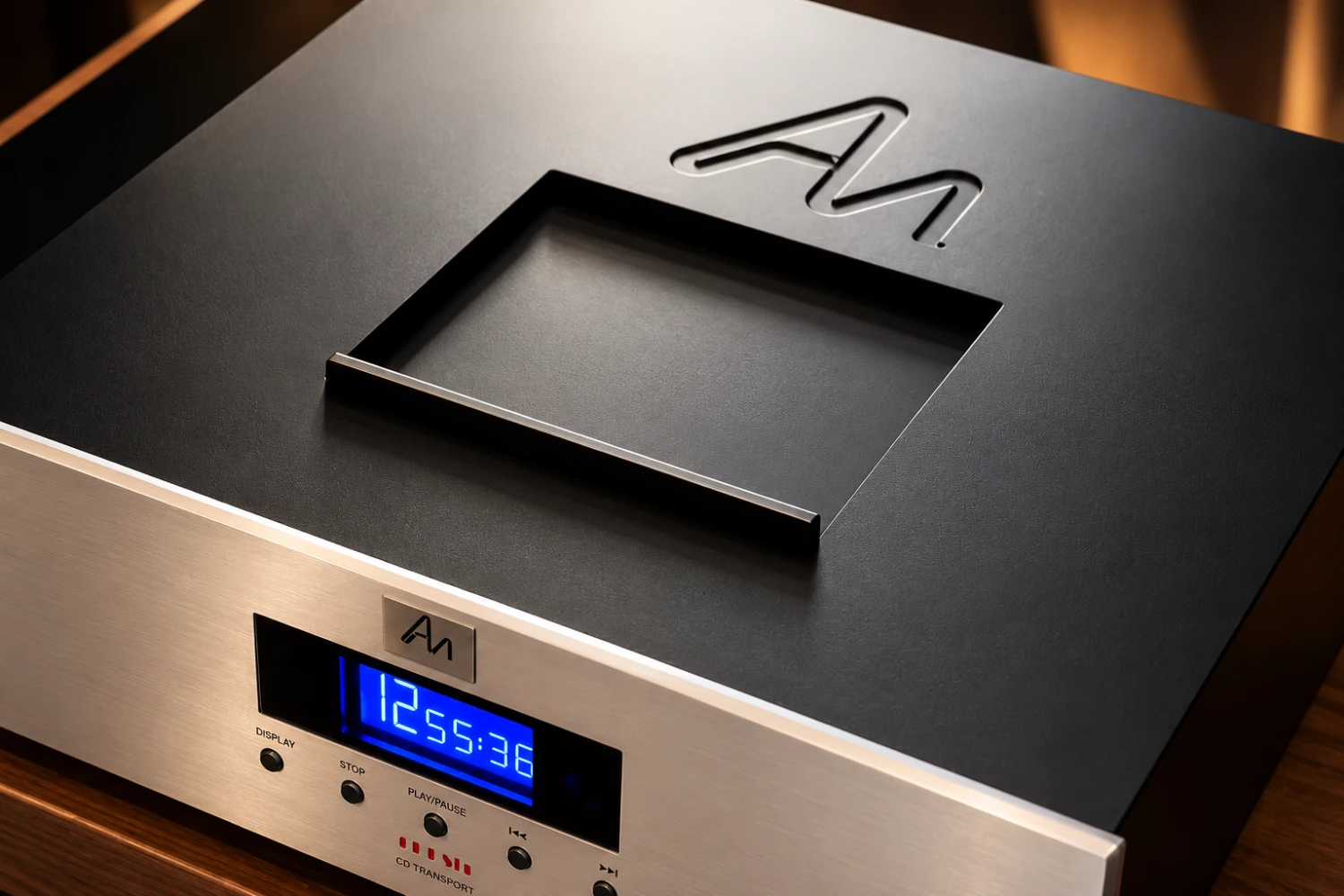
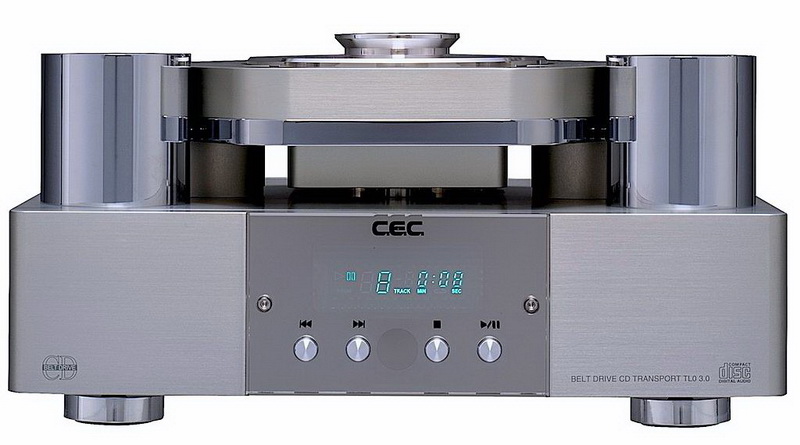
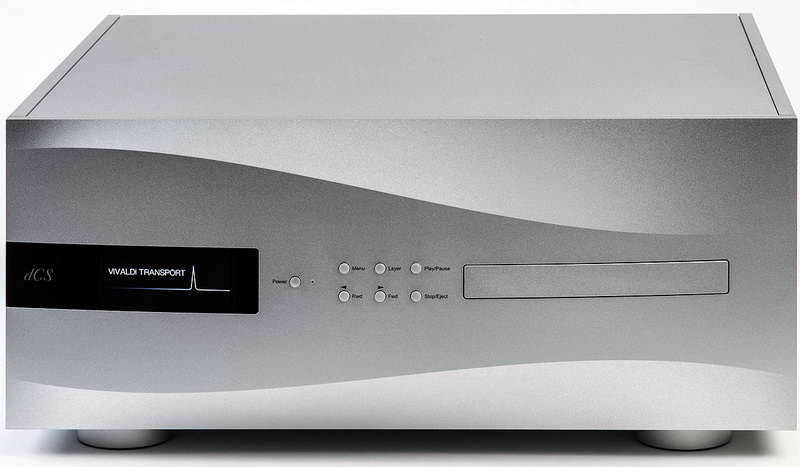
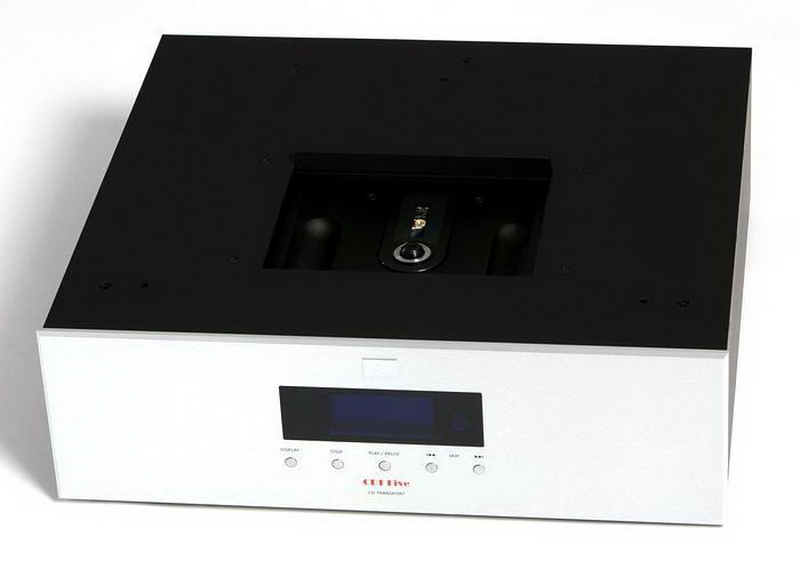
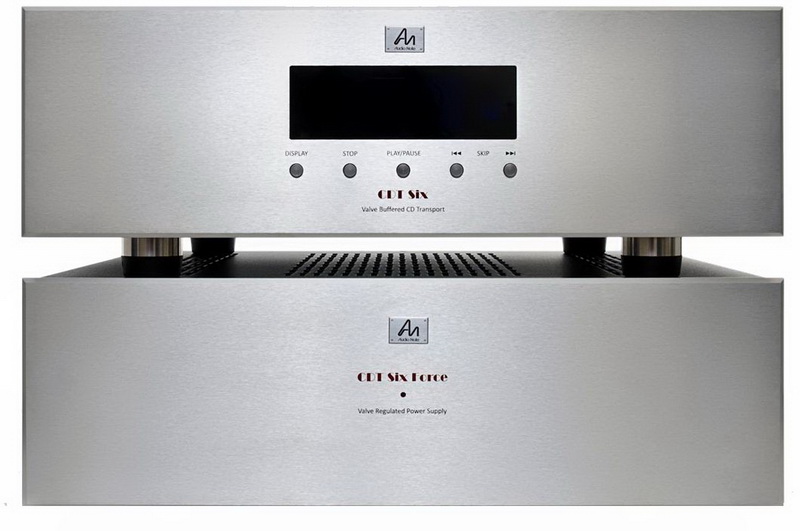
Once the transport became a product in its own right, manufacturers could devote visible resources to its physical design. Heavy chassis, substantial disc-loading assemblies, carefully arranged electronics and attention to vibration all suited a high-end market that valued mechanical workmanship. Such features also made a transport feel like a lasting piece of equipment rather than a disposable accessory.
The engineering case was more specific than a general preference for mass. A mechanism must keep the optical pickup on track, and vibration or poorly controlled movement can make that task harder. Stable power supplies and well-designed digital-output circuits also have intelligible roles. Yet the presence of expensive materials does not, by itself, show that a machine retrieves more accurate audio data or improves the signal reaching a particular DAC.
A transport’s construction, reliability and usability can be assessed separately from claims about its sound. This distinction helps explain both the attraction and the controversy of costly transports. They offered meticulous industrial design around a familiar format, sometimes at prices far removed from ordinary CD players. To admirers, that was a serious investment in a precise mechanical and electronic task. To sceptics, the CD format’s error correction and standardised audio data demanded stronger evidence for audible benefits.
A luxury market built around the disc
The rise of costly transports makes most sense in the period when the CD was a dominant way to buy recorded music. Collections grew on shelves, and the ability to play those discs well mattered to owners who had spent years assembling them. High-end manufacturers could address that commitment with machines intended to be central components of a long-lived system. The two-box arrangement also suited the pace of change.
CD hardware began with playback of the familiar two-channel format, but digital conversion technology continued to evolve. Selling the mechanism separately from the DAC let buyers treat those developments independently. It also expanded the number of possible system combinations, a familiar attraction in specialist hi-fi. Price, however, is not a reliable historical measure on its own. Without dated listings, model identities, currencies and evidence of whether figures were launch prices or later market values, a list of the ‘most expensive’ transports cannot be checked meaningfully.
The existence of a luxury tier is historically important; an unverified ranking is not. What deserves attention is the market’s willingness to assign substantial value to the apparently narrow task of getting digital audio off a disc and into the next component.
When the disc stopped being the centre
Downloads and, later, streaming altered the setting in which these machines were sold. A DAC no longer needed a CD transport as its principal digital source: computers, network players and other devices could supply music without an optical disc.
Meanwhile, improved input and clocking designs gave DAC manufacturers more ways to manage incoming signals. Those changes did not make every transport identical, but they changed the importance of some arguments that had surrounded digital-disc playback. CDs did not disappear.
Existing collections remain playable, and physical ownership offers a different relationship with music from access through a service. A dedicated transport can still be a practical choice for a listener who already has a capable DAC and wants to keep using discs. The reasons for buying one today may therefore be less about joining the latest digital frontier and more about maintaining a valued library and a convenient system.
There is also a practical complication to the idea of a transport as a permanent investment. Disc mechanisms and lasers are working parts, and continued use depends on their condition and, eventually, the availability of service or replacements. A beautifully made chassis can outlast the components needed to read a disc. Longevity in digital hi-fi is partly a matter of maintainability.
The transport’s place in hi-fi history
The high-end CD transport sits at a revealing point in audio history. It brought the values of specialist hi-fi—separate components, mechanical refinement and careful attention to signal paths—to a format designed for consistent digital playback.
That combination produced useful engineering questions as well as extravagant claims. Understanding the difference is more illuminating than assuming either that every transport sounds alike in every system or that greater weight and cost must produce better sound. It also shows how digital audio changed the meaning of a source component.
With a turntable, the physical act of tracing the record is inseparable from the signal produced. With a CD transport, successful data recovery, the digital interface and the DAC’s response to that interface are distinct issues. The transport made those boundaries visible to buyers, reviewers and engineers. Today, its historical significance extends beyond the era of expensive disc mechanisms. Modern audio systems still separate storage, data delivery, clocking and conversion, even when no disc is spinning.
The CD transport helped make those distinctions part of everyday high-end conversation. Its legacy is not a verified league table of costly machines, but a lasting way of thinking about where digital playback begins and which parts of the chain deserve scrutiny.
More than a disc mechanism
A CD transport can be both a precise tool and an object of luxury. Its best historical lesson is to judge those qualities separately: ask whether it reads discs reliably, how it connects to a DAC, how the receiving DAC handles that signal and whether the machine can be kept working. Those questions explain the category more clearly than price alone.