
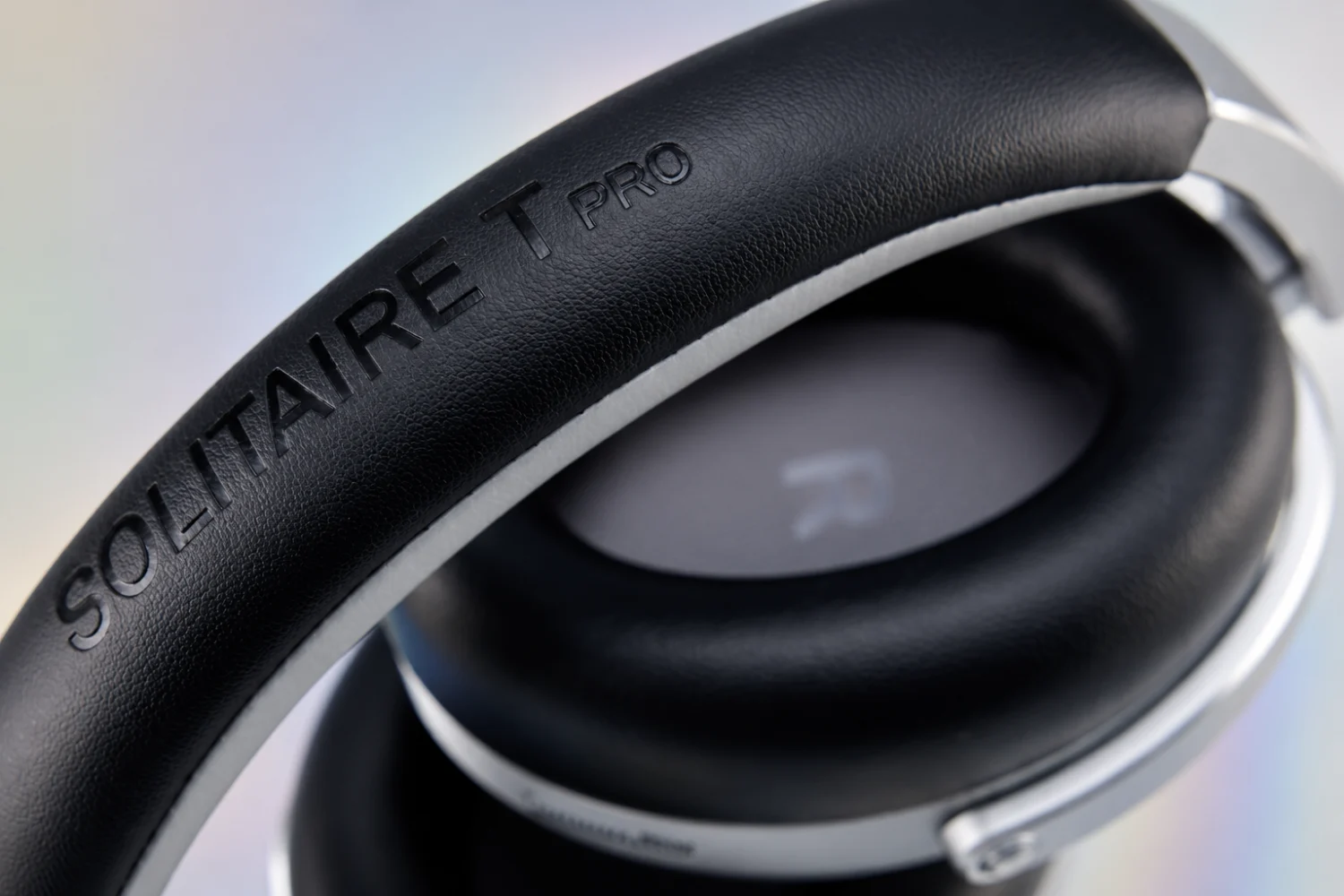
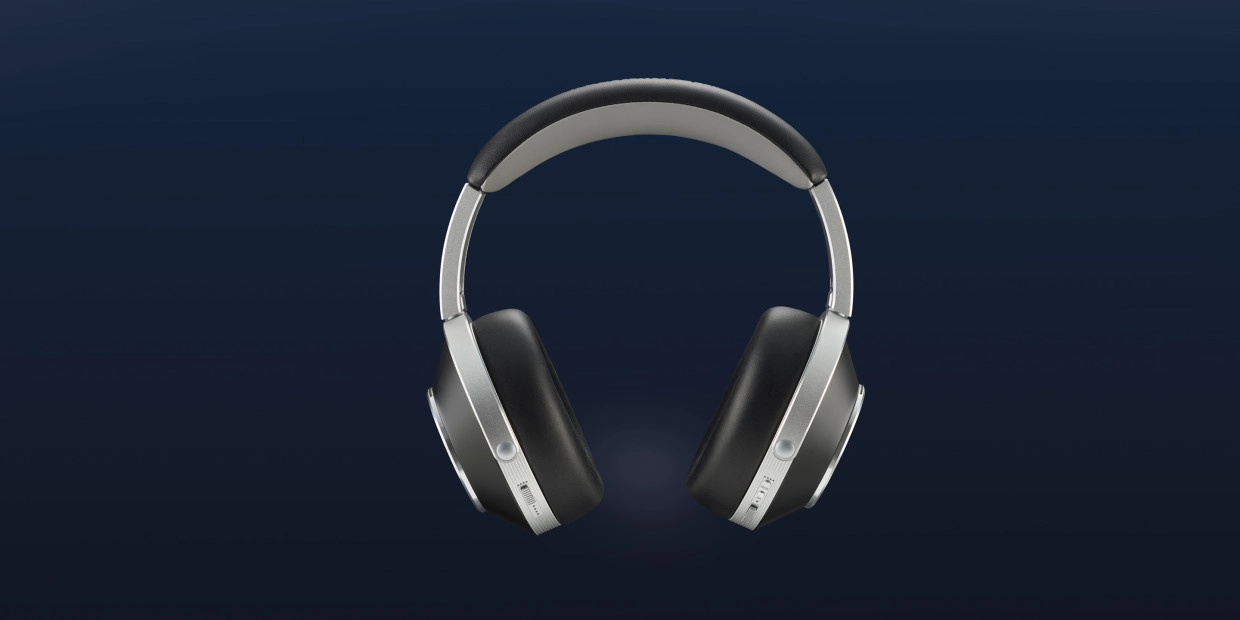
Wireless headphones are often treated as self-contained mobile products, but T+A has given the Solitaire T Pro a broader assignment. This over-ear model combines Bluetooth 6.0, USB-C digital audio and a wired analog input, supporting listeners who move between phones, computers and traditional hi-fi components. More unusually, its noise cancellation and internal volume control remain available with an analog source. As an editorial assessment of the announced design rather than a hands-on test, the central question is therefore one of system fit: does this blend of passive headphone thinking and active electronics make sense for buyers unwilling to commit to a single signal path?
One Headphone for Mobile and Stationary Systems
T+A positions the Solitaire T Pro as its reference wireless headphone, developed from the earlier Solitaire T. The intended buyer appears to be someone who values wireless mobility but still expects a headphone to integrate with more conventional audio equipment. Bluetooth is only one part of the architecture; USB-C and an analog cable input extend its use to computers, portable sources and hi-fi components.
That breadth matters because different sources call for different compromises. Bluetooth minimizes cabling and supports everyday portability, while USB-C gives digital sources a direct route into the headphone’s own conversion stage. Analog input accommodates equipment with a conventional headphone or line-level output. The Solitaire T Pro is consequently less dependent on any one ecosystem than a wireless-only design.
This flexibility also introduces complexity. Buyers seeking the simplest possible Bluetooth headset may not use much of the internal hardware, while dedicated passive-headphone listeners may prefer to keep signal processing outside the earcups. The feature set is most coherent for people who genuinely alternate between wireless and wired listening rather than treating one mode as an emergency fallback.
A 42mm Cellulose Driver Anchors the Design
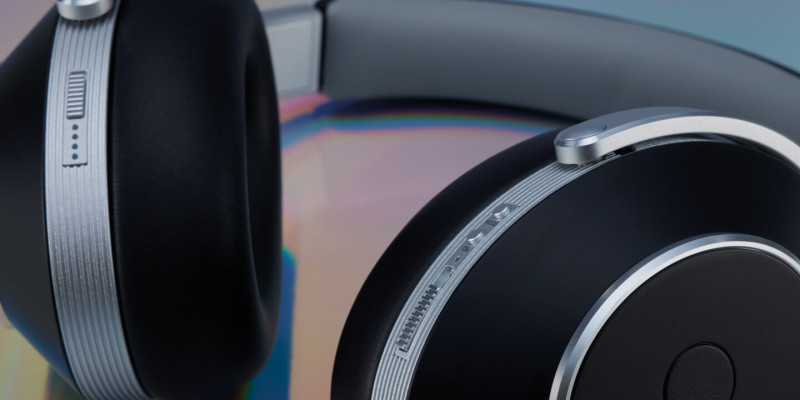
Sound production is handled by a 42mm driver with a cellulose diaphragm. T+A describes the material as balancing flexibility with high rigidity, two properties that must be managed carefully in a full-range headphone transducer. Rigidity is relevant to maintaining controlled piston-like movement, while suitable compliance allows the diaphragm to respond across a broad frequency range. Those engineering aims do not establish a particular sonic character, but they clarify why T+A selected this construction.
Targeted damping around the driver’s edge is intended to suppress unwanted reflections. In a closed over-ear structure, managing energy inside the earcup is important because reflected sound can interact with the diaphragm and the listener’s ear. T+A has not supplied independent measurements here, so no conclusion can be drawn about the magnitude of the effect. Even so, the combination of diaphragm material and localized damping shows that the acoustic platform is not being treated merely as a carrier for digital processing.
Bluetooth 6.0 Meets a Dedicated Digital Chain
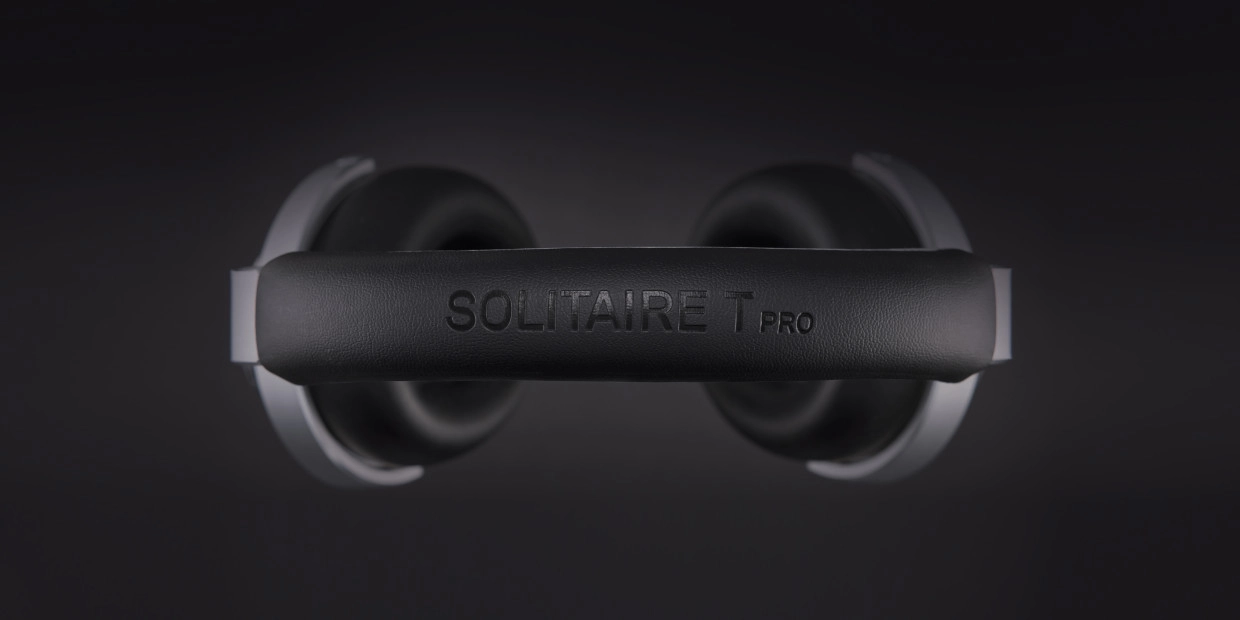
A Qualcomm QCC5181 chip manages digital communication, including Bluetooth 6.0. Codec support includes LDAC and aptX Adaptive, giving compatible source devices alternatives to basic Bluetooth transmission. Actual codec selection will still depend on the connected phone, tablet or computer, so buyers should confirm what their own hardware supports rather than assuming the highest-quality option will always be active.
For wired digital playback, the USB-C input feeds an ESS ES9219 DAC. That converter works with the headphone’s analog amplification and volume control, keeping conversion and gain management inside a system designed as a whole. T+A also provides a dedicated Studio Pro Mode for high-quality digital music playback, although the supplied information does not detail its processing or operational limits.
This internalized digital path will appeal most to listeners who do not want to assemble a separate portable DAC and headphone amplifier. Conversely, owners of an established desktop conversion chain may find the analog input more relevant. The architecture supports both approaches, but its central logic is integration: source, conversion, amplification and transducer have been engineered as parts of one active headphone platform.
Active Analog Concept Is the Standout System Feature
The most distinctive element is what T+A calls Active Analog Concept. An analog source can be connected using the supplied oxygen-free copper cables, while the headphone’s volume control and active noise cancellation remain available. That differs from implementations in which connecting a cable disables the principal convenience features or reduces the headphone to an entirely passive load.
For a listener using a traditional amplifier, portable player or another component with analog output, retaining ANC can be genuinely useful. It allows the source to remain analog at the connection point without forcing the user to surrender low-frequency noise reduction. The documented design does not specify every stage through which that analog signal passes, so it would be unwise to infer a completely untouched passive path when active functions are engaged.
The trade-off is dependence on powered electronics whenever those functions are required. Buyers primarily interested in unpowered analog listening may see less benefit in the feature than commuters or shared-space listeners who want their home equipment and noise cancellation to coexist. The supplied material refers to passive playback capability, but Active Analog Concept is valuable precisely because it keeps the active layer accessible.
Noise Control Is Divided by Frequency
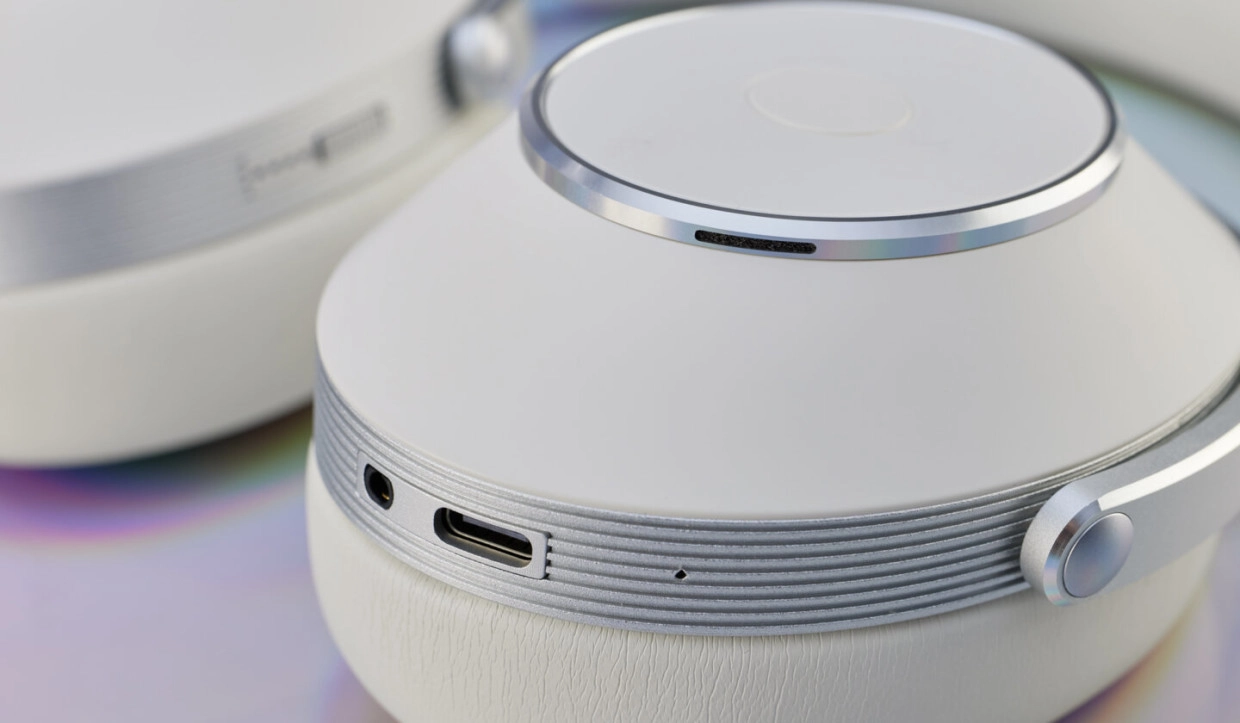
T+A assigns different parts of the noise problem to physical isolation and electronic cancellation. The over-ear structure is intended to reduce environmental sound in the middle and upper frequencies passively, while switchable ANC targets lower-frequency noise. That division follows the practical strengths of the two methods: earcup sealing can attenuate shorter-wavelength sounds, whereas active cancellation is particularly useful against steady low-frequency interference.
A transparency mode can be activated with one button when awareness is more important than isolation. This gives the Solitaire T Pro three relevant operating conditions: passive attenuation from the earcups, added low-frequency control through ANC and deliberate environmental access through transparency processing. No attenuation figures are provided, so effectiveness cannot be ranked or quantified from the announcement alone. The controls nevertheless cover commuting, office use and situations where conversation or announcements must remain audible.
Spatial Audio, Controls and the Ownership Picture
Dolby Atmos and head tracking expand the brief beyond conventional stereo music. Their clearest relevance is to compatible film and spatial-audio material, where tracked presentation can maintain a stable apparent sound field as the listener moves. Buyers focused exclusively on two-channel playback may regard these functions as secondary, but they make the headphone better suited to mixed music and video use.
Operation is split between physical buttons and an integrated touch surface on the earcups. Smartphone management is available through the newly developed T+A Solitaire Companion H2 app. The combination offers direct access for routine commands while reserving broader configuration for a phone, although the exact division of controls has not been detailed in the supplied information.
Battery life is rated at up to 50 hours in mobile use. As a maximum figure, real duration will reasonably depend on operating mode and feature use, but the stated capacity suggests that frequent charging should not define normal ownership. Nightflight combines black, gray and silver, while Riviera uses white, cognac brown and silver. Availability is scheduled for late October 2026; an official USD price is not specified, which prevents a firm value judgment for US buyers.
Pros
- Bluetooth 6.0 with LDAC and aptX Adaptive support
- ANC and headphone volume remain available with analog input
- USB-C digital audio uses an integrated ESS ES9219 DAC
- Dolby Atmos, head tracking and one-button transparency mode
- Up to 50 hours of stated mobile battery life
Cons
- Active analog functions still depend on powered internal electronics
- Dolby Atmos and head tracking may be peripheral for stereo-only listeners
- No official USD price is specified, limiting value assessment
The Solitaire T Pro is best understood as a multi-source hi-fi headphone rather than a Bluetooth model with a cable added. Its wired ANC, dedicated USB-C path and broad wireless support suit listeners who regularly move between mobile, computer and conventional audio systems.
The T+A Solitaire T Pro is aimed at a specific kind of buyer: one who wants the independence of a traditional headphone but regularly relies on active conveniences. Bluetooth 6.0 with LDAC and aptX Adaptive addresses mobile playback, while USB-C and the ESS ES9219 DAC create a self-contained digital route for computers and compatible portable devices. The analog input then opens the door to established hi-fi components rather than confining the headphone to modern wireless sources.
Active Analog Concept is the feature that ties those environments together. Keeping volume control and ANC available over an analog cable makes the Solitaire T Pro particularly relevant to listeners using conventional equipment in offices, shared rooms or other noisy spaces. The 42mm cellulose driver, targeted edge damping and passive mid-to-high-frequency isolation indicate that acoustic engineering remains part of the design rather than being replaced by processing.
There are qualifications. Engaging active functions requires powered electronics, spatial features will not matter equally to every listener, and the absence of an official USD price makes value impossible to settle. No performance conclusions should be drawn without independent listening and measurement, either. Based on the documented architecture, however, the Solitaire T Pro merits consideration from buyers who divide their time among analog hi-fi, USB audio and premium Bluetooth—and who want noise control to remain available across those sources.


Sound Off
0Join the discussion if you have something to add.