
Choosing headphones by driver count or flagship status alone misses the factors that most affect everyday use.
Fit, isolation, connection type, source compatibility and intended listening environment should narrow the field before more elaborate technologies enter the discussion.
This selection spans compact in-ear monitors, closed-back and open-back over-ear designs, a full-size planar model and a USB-C earphone with adjustable DSP. The supplied material consists primarily of product announcements and manufacturer descriptions rather than comparative reviews, so claimed sound characteristics are identified accordingly and are not presented as independent listening conclusions. Two entries require special treatment. The Sonos article concerns an unconfirmed product without specifications, while the HIFIMAN EF600 is a desktop DAC and headphone amplifier rather than a pair of headphones. Both are included to preserve the supplied order, but neither should be compared directly with the available headphone models.
1. INTUAURA Splendor
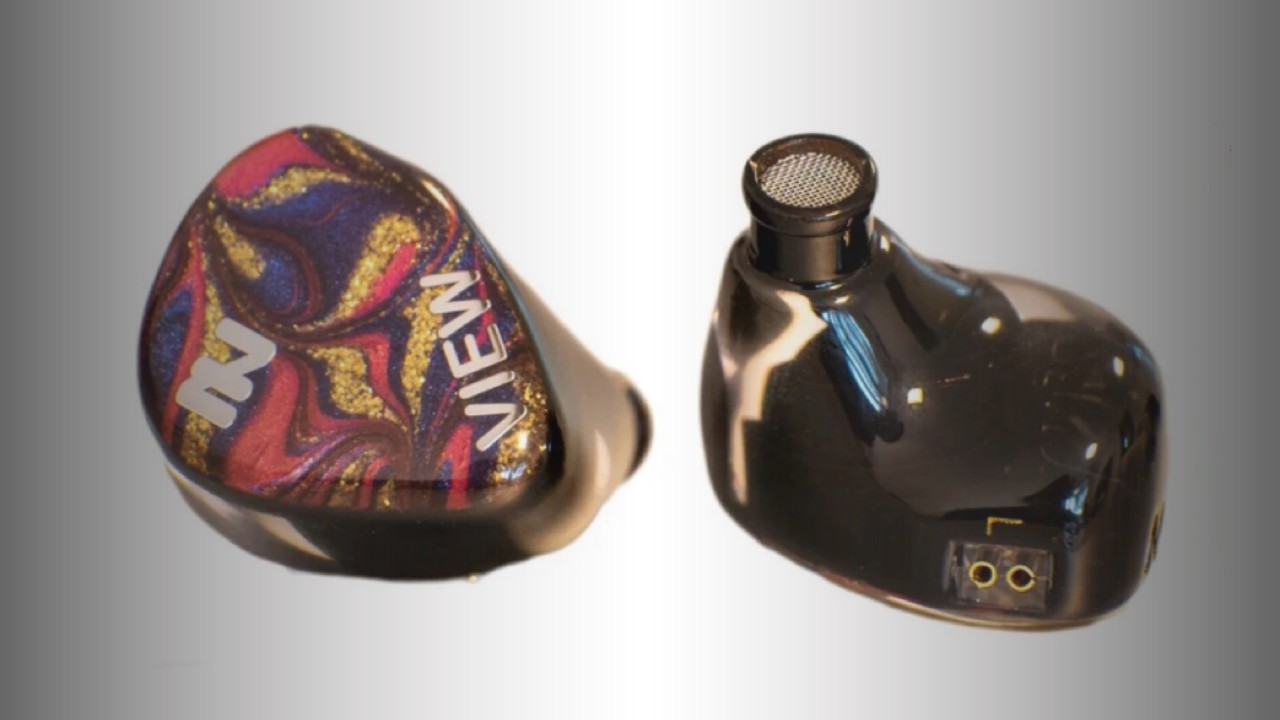
INTUAURA Splendor with its hand-painted translucent resin body and detachable two-pin cable.
The INTUAURA Splendor combines AWCT acoustic tuning with an absorption system intended to control non-harmonic energy peaks.
Its one-piece translucent resin bodies are individually hand-painted, and the detachable two-pin connection can be supplied with either a 3.5 mm or 4.4 mm cable termination.
One important caveat is that the source calls Splendor a dynamic model but later refers to a balanced armature driver; that internal inconsistency makes the exact transducer configuration worth confirming rather than assuming.
Best for: Wired listeners who value distinctive craftsmanship and flexible terminations
- AWCT tuning and absorption system
- Choice of 3.5 mm or 4.4 mm termination
- Detachable 0.78 mm two-pin connection
- Individually hand-painted resin bodies
Verdict: Splendor has appealing tuning and design features, but the contradictory driver description prevents an unqualified recommendation.

2. Astell&Kern x 64 Audio XIO
The Astell&Kern x 64 Audio XIO, a collaborative in-ear monitor with ten drivers per earpiece.
Developed jointly by Astell&Kern and 64 Audio, the XIO is a flagship in-ear monitor built around a hybrid arrangement of ten drivers in each earpiece.
A passive four-way crossover coordinates the driver groups, while the collaboration specifically positions the IEM as a partner for Astell&Kern digital audio players.
The supplied account emphasizes the manufacturers’ claims of spaciousness, detail and precise tuning, but it does not include independent measurements or comparative listening evidence.
Best for: Astell&Kern users considering an ambitious flagship IEM
- Ten drivers in each earpiece
- Hybrid driver architecture
- Passive four-way crossover
- Joint Astell&Kern and 64 Audio development
Verdict: The XIO offers an elaborate collaborative design, although its performance claims remain manufacturer-led in the supplied material.

3. Tangzu Xuanwu Gate
Tangzu Xuanwu Gate with CNC-machined aluminum-alloy earpieces and a seven-driver tri-brid layout.
The Tangzu Xuanwu Gate uses seven drivers per side: one composite dynamic driver, four custom balanced-armature drivers and two Sonion electrostatic drivers.
Tangzu assigns bass, midrange clarity and upper-frequency reproduction to the respective technologies, with a stated neutral and clear tuning target.
CNC-machined aerospace-grade aluminum-alloy earpieces and a three-dimensional Terrace Field design give the model a materially different construction from the resin-bodied alternatives in this guide.
Best for: Listeners seeking a neutral-targeted tri-brid IEM
- Seven-driver tri-brid configuration
- Dual Sonion electrostatic drivers
- Neutral and clear tuning target
- CNC-machined aluminum-alloy earpieces
Verdict: Xuanwu Gate stands out through its dynamic, balanced-armature and electrostatic combination housed in precisely machined metal shells.
4. MOONDROP MAY
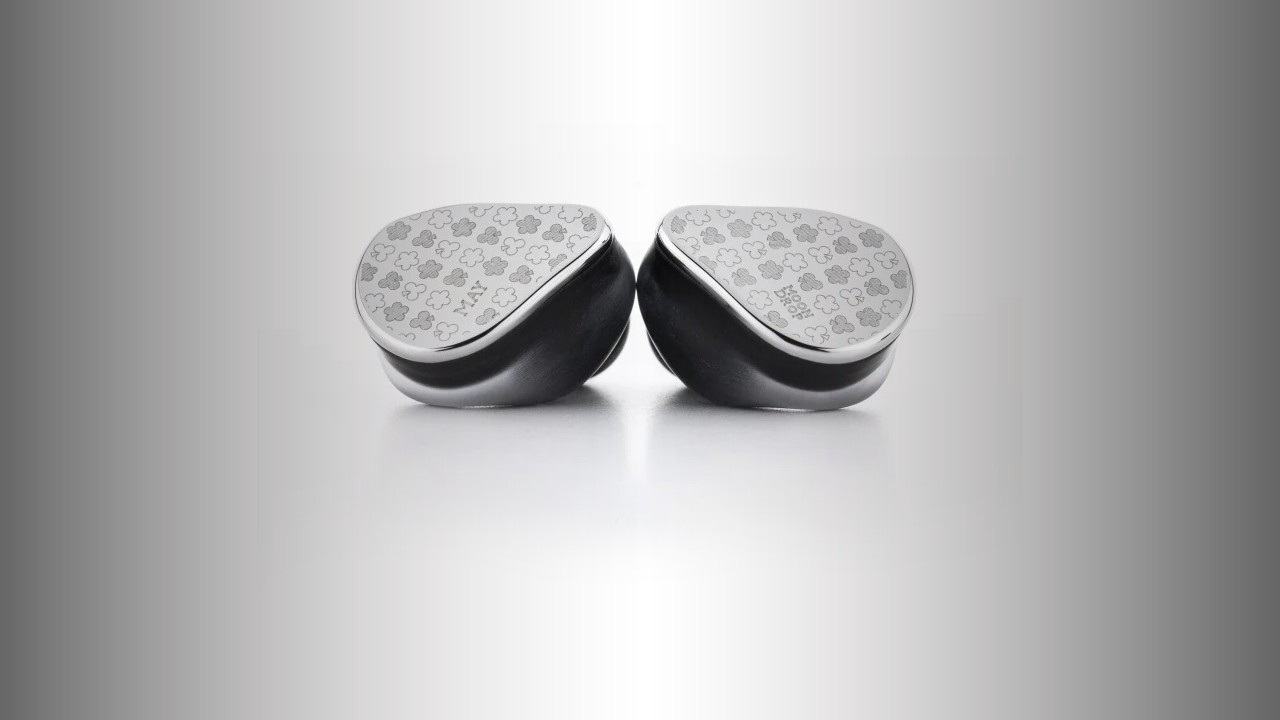
MOONDROP MAY pairs a 10 mm dynamic driver with a 6 mm planar driver and a USB-C DSP cable.
MOONDROP MAY is a USB-C earphone that combines a 10 mm sapphire-diaphragm dynamic driver with a 6 mm planar magnetic high-frequency driver.
Its cable incorporates a balanced DSP circuit capable of decoding PCM up to 32-bit/384 kHz, allowing a compatible USB-C device to provide the digital signal directly.
The MOONDROP Link 2.0 app adds five presets, parametric equalization and downloadable configurations, making MAY the most explicitly adjustable headphone in the supplied selection.
Best for: USB-C listeners who want software-based sound adjustment
- Dynamic and planar dual-driver system
- USB-C cable with integrated DSP
- Five presets and parametric EQ through the app
- PCM decoding up to 32-bit/384 kHz
Verdict: MAY is the practical choice for direct digital connection and configurable DSP rather than a conventional fixed analog setup.
5. Rumored Sonos headphones
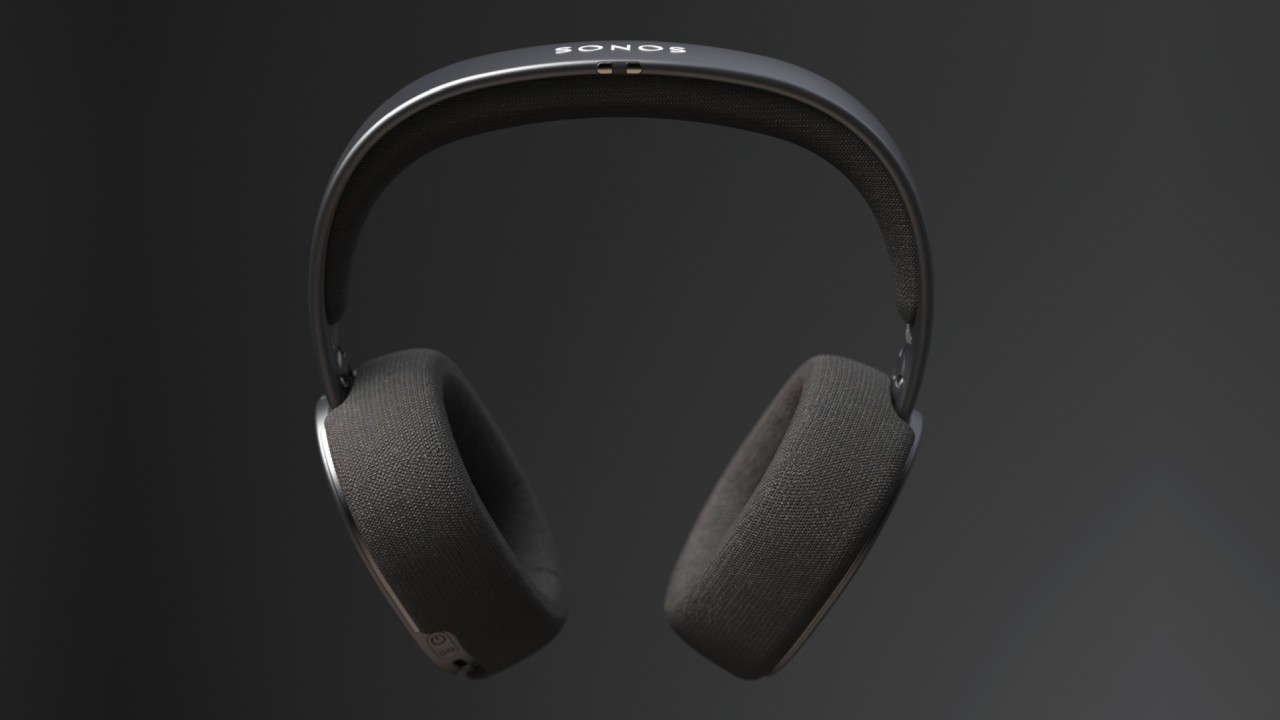
The Sonos report concerns a possible headphone category entry, not a confirmed or specified product.
This entry is an industry rumor rather than a confirmed headphone announcement.
The source interprets executive remarks and external reporting as signs that Sonos could enter the category, but it provides no product name, specifications, design details or verified availability.
With no actual model to assess, it should not be treated as a purchase option or compared on capability with the confirmed products here.
Best for: Readers monitoring industry developments rather than choosing a product
Verdict: There is not enough confirmed information to include the rumored Sonos headphones on a serious buying shortlist.

6. Final DX3000CL
Final DX3000CL, the first closed-back model in Final’s DX headphone series.
The Final DX3000CL is a closed-back over-ear headphone with an in-house 40 mm paper-carbon composite diaphragm and a free-edge surround structure intended to reduce unwanted resonance.
Its closed earcups provide passive isolation and limit how readily nearby people can hear the music, while Final says the acoustic chambers are tuned to retain an open presentation.
A detachable cable, padded ear cushions and a balanced headband system support its role as a full-size model for longer sessions.
Best for: Home or office listeners who need a closed full-size design
- Closed earcups with passive isolation
- 40 mm paper-carbon composite drivers
- Detachable cable
- Padded cushions and balanced headband
Verdict: DX3000CL is the clearest fit for listeners seeking passive isolation without abandoning Final’s stated goal of an open-feeling presentation.

7. Moondrop Cosmo
Moondrop Cosmo uses a 100 mm planar membrane, double-sided magnets and detachable cable connections.
Moondrop Cosmo is a full-size planar magnetic headphone built around an exceptionally thin 100 mm membrane with pure-silver conductors.
N52 neodymium magnets sit on both sides of the membrane, while Tension Balanced Technology is intended to control surface tension and phase-controlled waveguides manage high-frequency reflections.
The supplied cable terminates in a balanced 4.4 mm plug, with a 3.5 mm adapter included, and connects to the earcups through replaceable 3.5 mm connections.
Best for: Listeners prioritizing full-size planar technology and replaceable cabling
- 100 mm planar magnetic membrane
- Double-sided N52 magnet arrangement
- Detachable earcup connections
- Balanced 4.4 mm cable with 3.5 mm adapter
Verdict: Cosmo is a specification-led planar option with flexible source connectivity, though the source provides no comparative listening assessment.

8. HIFIMAN EF600
HIFIMAN EF600 combines an R2R DAC, headphone amplifier and stand in an upright desktop chassis.
The HIFIMAN EF600 is not a headphone; it is an upright desktop component combining an R2R DAC, balanced headphone amplifier and headphone stand.
It accepts wired digital and analog sources as well as Bluetooth with aptX HD and LDAC, then provides balanced and single-ended headphone outputs.
Its stated balanced output reaches 5 watts per channel into 32 ohms, making it relevant to system planning when a headphone genuinely requires substantial amplification.
Best for: Desktop systems needing a DAC, powerful amplifier and stand in one unit
- R2R digital-to-analog conversion
- Balanced and single-ended connections
- Bluetooth with aptX HD and LDAC
- Rated at 5 watts per channel into 32 ohms when balanced
Verdict: EF600 is a versatile supporting component for compatible headphones, not an alternative to any headphone in this guide.

9. DUNU SA6 EST
DUNU SA6 EST features an eight-driver BA and electrostatic layout with individually patterned faceplates.
The DUNU SA6 EST uses eight drivers per side, comprising six balanced-armature drivers from Sonion and Knowles plus two Sonion electrostatic drivers.
A four-way crossover, separate acoustic tubes and electronic frequency division manage the different sections, with dedicated drivers assigned to bass, midrange, treble and ultra-high frequencies.
Each blue, white and black faceplate has a distinctive nebula-inspired pattern, while the included Hulk Pro Mini cable uses DUNU’s Q-Lock Plus system for interchangeable plugs.
Best for: IEM users seeking BA and electrostatic drivers with adaptable cable plugs
- Six balanced-armature and two electrostatic drivers per side
- Four-way crossover with separate acoustic tubes
- Q-Lock Plus interchangeable plug system
- Individually patterned nebula-inspired faceplates
Verdict: SA6 EST distinguishes itself through its carefully divided eight-driver architecture and practical interchangeable termination system.

10. Tripowin H1
Tripowin H1 combines open-back earcups with a 50 mm three-layer carbon-polymer dynamic driver.
Tripowin H1 is an open-back over-ear headphone using a 50 mm dynamic driver with a three-layer carbon-polymer membrane.
The integrated carbon network is intended to stiffen the diaphragm and improve responsiveness, while the ventilated earcups are designed to promote spacious imaging and perceived clarity.
Tripowin describes the tuning as balanced, natural and informed by established target curves, although the supplied material includes no independent measurements to verify that positioning. As an open-back design, H1 is most appropriate where isolation and sound leakage are not primary concerns.
Best for: Private listening spaces where open-back sound is practical
- 50 mm dynamic driver
- Three-layer carbon-polymer diaphragm
- Open-back earcup design
- Balanced, studio-oriented tuning target
Verdict: H1 offers a straightforward large-driver open-back design for listeners who do not require isolation.
Quick comparison
The most useful distinctions here concern form factor, connection and intended environment rather than unverified claims of absolute sound quality.
The comparison also separates the speculative Sonos report and the HIFIMAN system component from the headphones that can be evaluated by their disclosed designs.
| Product | Best for | Verdict |
|---|---|---|
| INTUAURA Splendor | Distinctive hand-painted construction and selectable analog termination | An interesting AWCT-equipped wired model whose contradictory driver description needs clarification. |
| Astell&Kern x 64 Audio XIO | Astell&Kern users seeking a ten-driver flagship IEM | A technically ambitious collaboration supported mainly by manufacturer performance claims. |
| Tangzu Xuanwu Gate | Neutral-targeted tri-brid listening | Combines dynamic, balanced-armature and electrostatic drivers in machined aluminum shells. |
| MOONDROP MAY | USB-C playback with presets and parametric EQ | The strongest fit for listeners who value direct digital connection and adjustable DSP. |
| Rumored Sonos headphones | Industry-news interest only | Not a confirmed product and therefore not a viable buying choice. |
| Final DX3000CL | Closed-back over-ear listening with passive isolation | A practical full-size option for shared spaces, with an open presentation claimed by Final. |
| Moondrop Cosmo | Full-size planar magnetic systems | Pairs a 100 mm planar membrane with balanced cabling and replaceable connections. |
| HIFIMAN EF600 | Desktop digital conversion and headphone amplification | A supporting DAC and amplifier rather than a headphone. |
| DUNU SA6 EST | BA and electrostatic IEM architecture with interchangeable plugs | An eight-driver design that combines divided acoustic routing with useful cable flexibility. |
| Tripowin H1 | Open-back listening in a private room | A conventional full-size dynamic design built around a large carbon-polymer diaphragm. |
Frequently asked questions
Should I choose in-ear monitors or over-ear headphones?
In-ear monitors suit listeners who prioritize compact size and a secure acoustic seal, while over-ear models provide a full-size wearing experience.
Comfort is personal, so shell shape, eartips, ear cushions and headband design matter at least as much as the driver configuration.
What is the practical difference between open-back and closed-back headphones?
Open-back models such as the Tripowin H1 allow airflow through the earcups and are intended to create a more spacious presentation, but they provide little privacy and are best used in quiet rooms.
A closed model such as the Final DX3000CL offers passive isolation and reduces how easily nearby people can hear the music.
Should I choose USB-C, 3.5 mm or balanced 4.4 mm connectivity?
Choose the format that matches the intended source.
MOONDROP MAY accepts a digital USB-C signal and applies DSP, while conventional analog models may use 3.5 mm or balanced 4.4 mm terminations.
A 4.4 mm plug can enable a compatible balanced output, but the connector alone does not establish sound quality.
When is a separate DAC or headphone amplifier necessary?
Check the headphone’s impedance, sensitivity, connector and the output capability of the source before adding equipment.
The HIFIMAN EF600 supplies extensive connectivity and substantial balanced power for a desktop system, but it is a separate component and should not be assumed necessary for every headphone or IEM.
How to Choose the Right Headphone for Your Setup
Begin with the listening environment.
Final DX3000CL is the most directly suitable full-size option where passive isolation and reduced sound leakage matter, while Tripowin H1 is intended for private spaces where an open-back design is practical.
Moondrop Cosmo is the dedicated full-size planar choice, whereas MOONDROP MAY offers the clearest route to USB-C playback, presets and parametric equalization. Among the multi-driver IEMs, the meaningful differences are architectural. XIO uses ten drivers and a four-way crossover within an Astell&Kern and 64 Audio collaboration; Xuanwu Gate combines dynamic, balanced-armature and electrostatic drivers around a neutral tuning target; and SA6 EST omits a dynamic driver in favor of six balanced armatures and two electrostatic units, while adding interchangeable cable plugs. Splendor emphasizes AWCT tuning and individual craftsmanship, but its driver type should be verified because the source is inconsistent. Driver quantity should not outweigh fit, tuning, source compatibility or credible evidence. None of the supplied announcements provides a complete comparative test, so manufacturer sound claims are best treated as design intentions. The EF600 belongs in the discussion only when planning amplification and source duties, while the rumored Sonos product lacks enough confirmed information for buying consideration.