
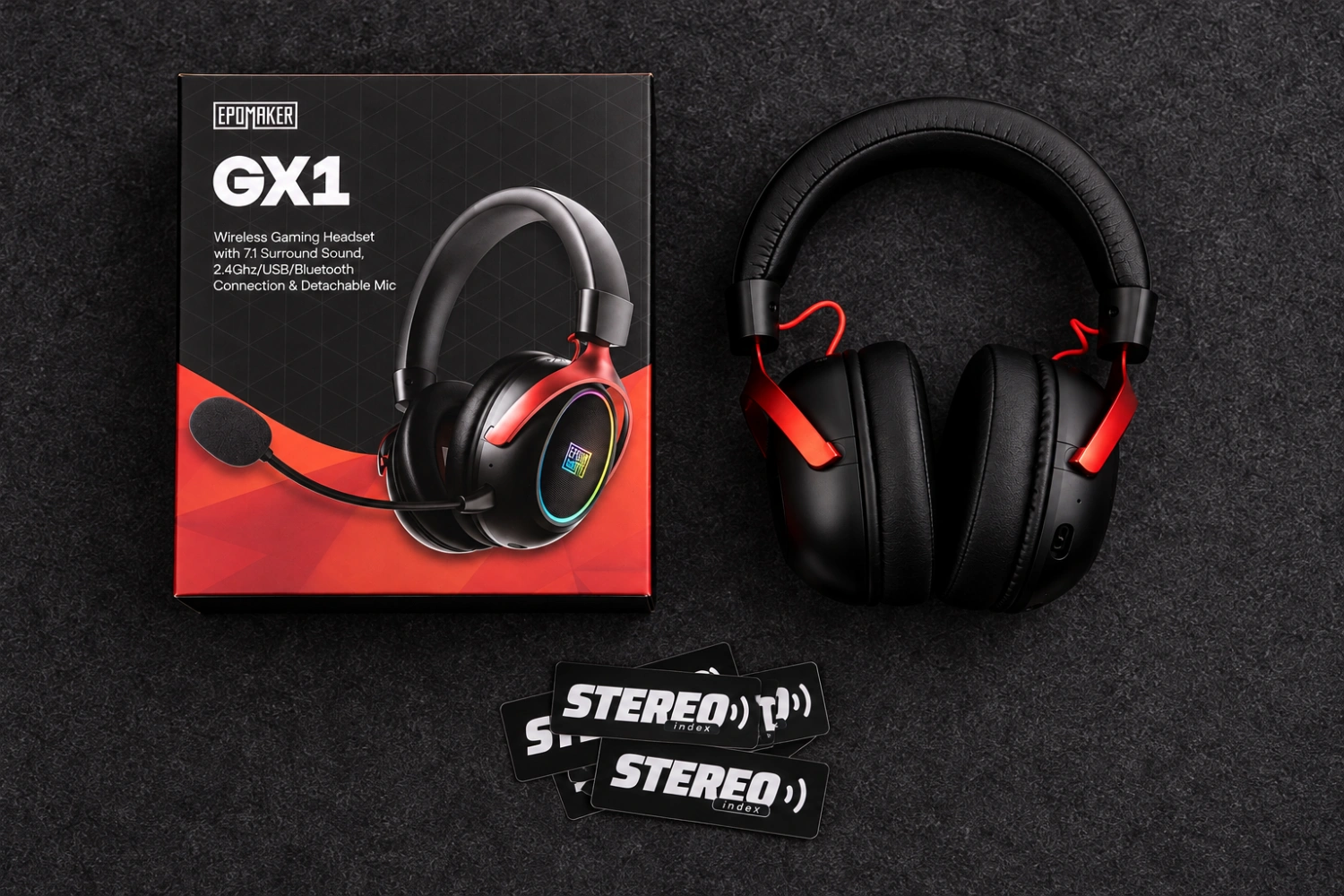
EPOMAKER is a name most people will associate with mechanical keyboards rather than headphones, which makes the GX1 an interesting first step into gaming audio. More importantly, the company has not taken the safest possible route. Instead of producing another inexpensive closed-back wireless headset, the GX1 combines an open-back design with 2.4GHz wireless, Bluetooth, wired operation and a detachable boom microphone for just $49.99.
That combination immediately makes the GX1 unusual. Open-back headphones are still relatively uncommon in gaming, and almost unheard of at this price once wireless connectivity enters the equation. There is an obvious attraction to the idea: a wider and less enclosed presentation for games and music, while retaining the convenience of a wireless headset.
The reality is more complicated. The GX1 gets a surprising amount right considering its price, but the audio tuning is also where its budget origins become most obvious. It can sound spacious and clear, and it performs particularly well when dialogue and positional information are the priority, yet there is not enough bass weight or tonal refinement to make it a truly convincing music headphone.
For $49.99, however, perfection is hardly the standard. What matters is whether EPOMAKER has managed to get enough of the fundamentals right to make the GX1 worth considering.
Design and Comfort
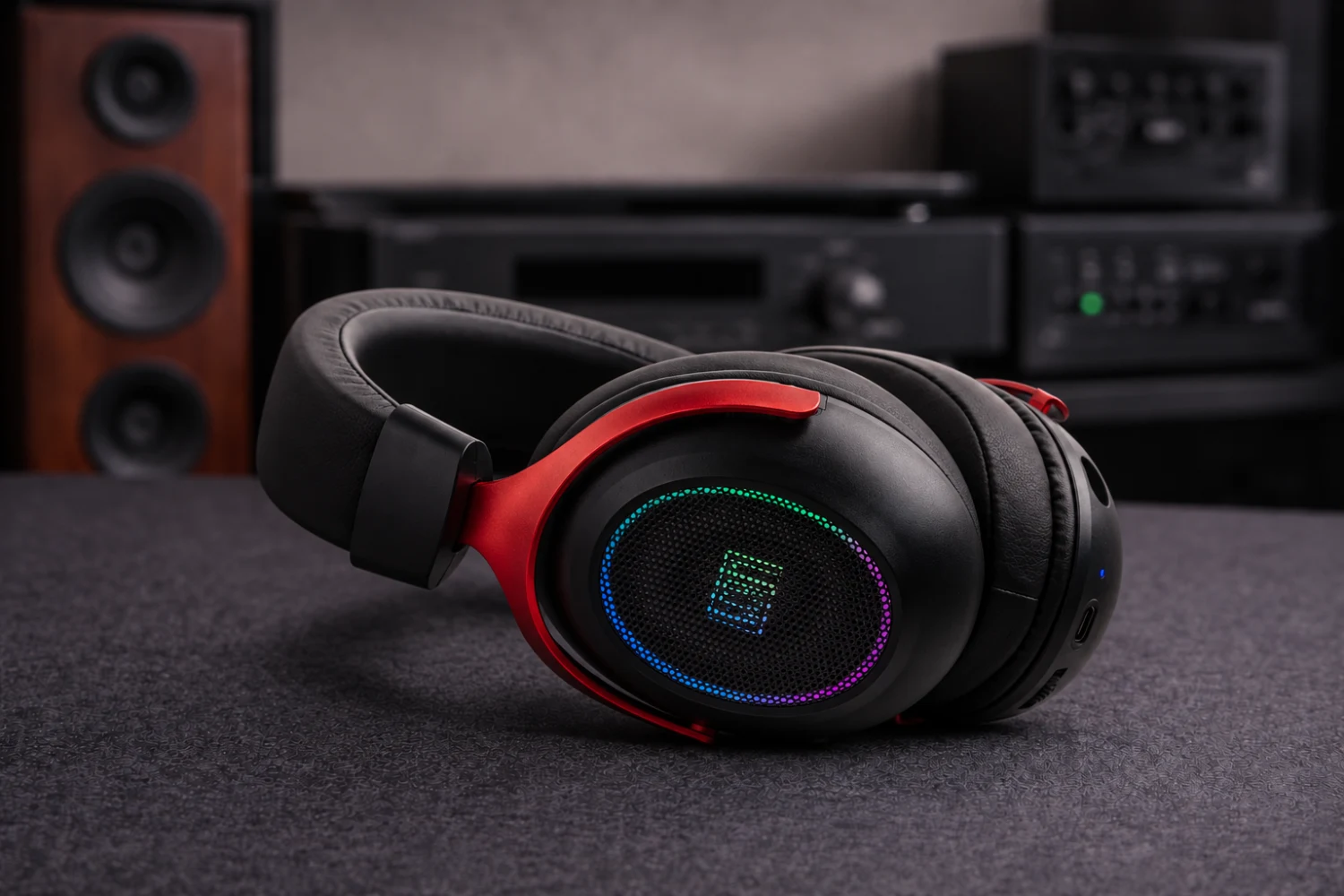
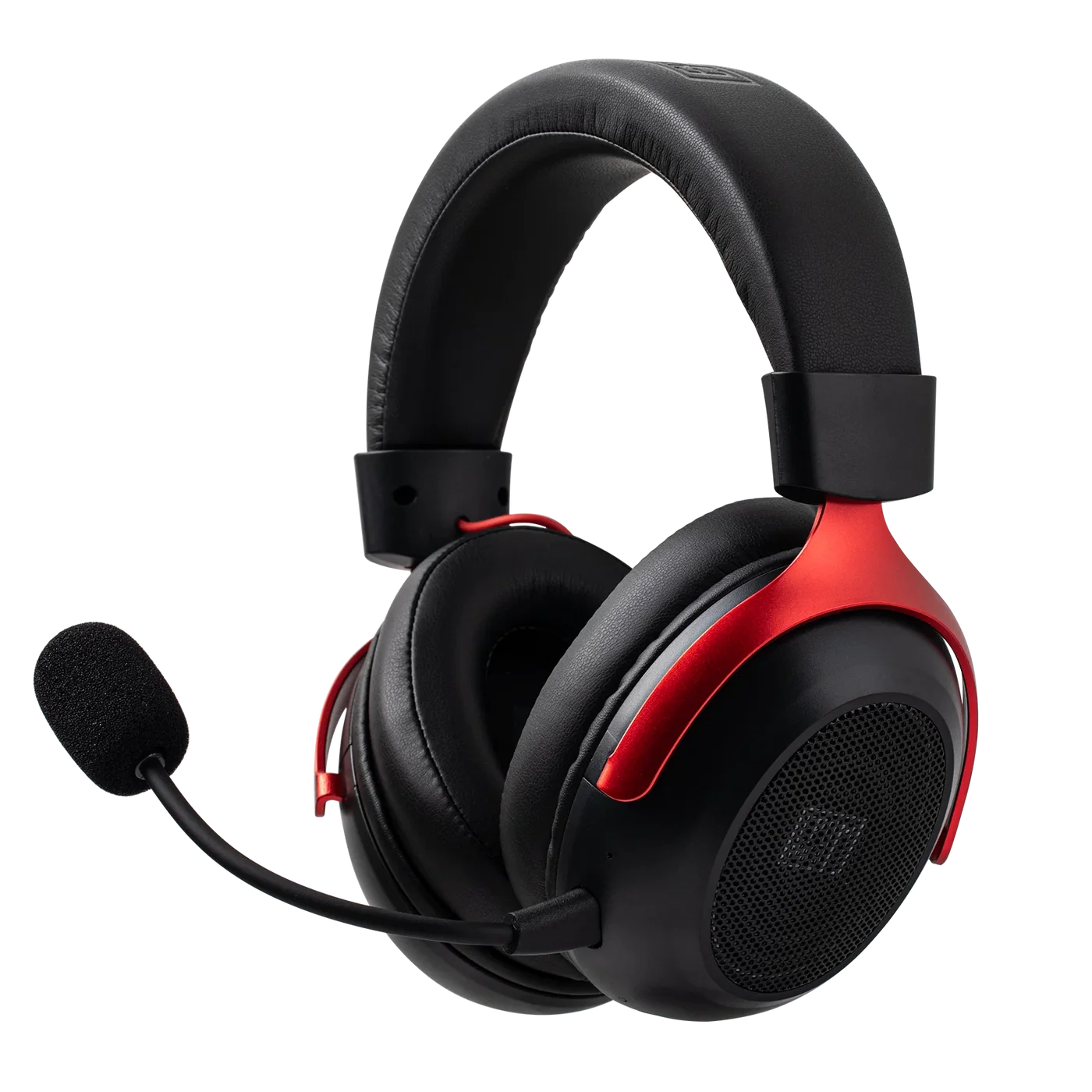
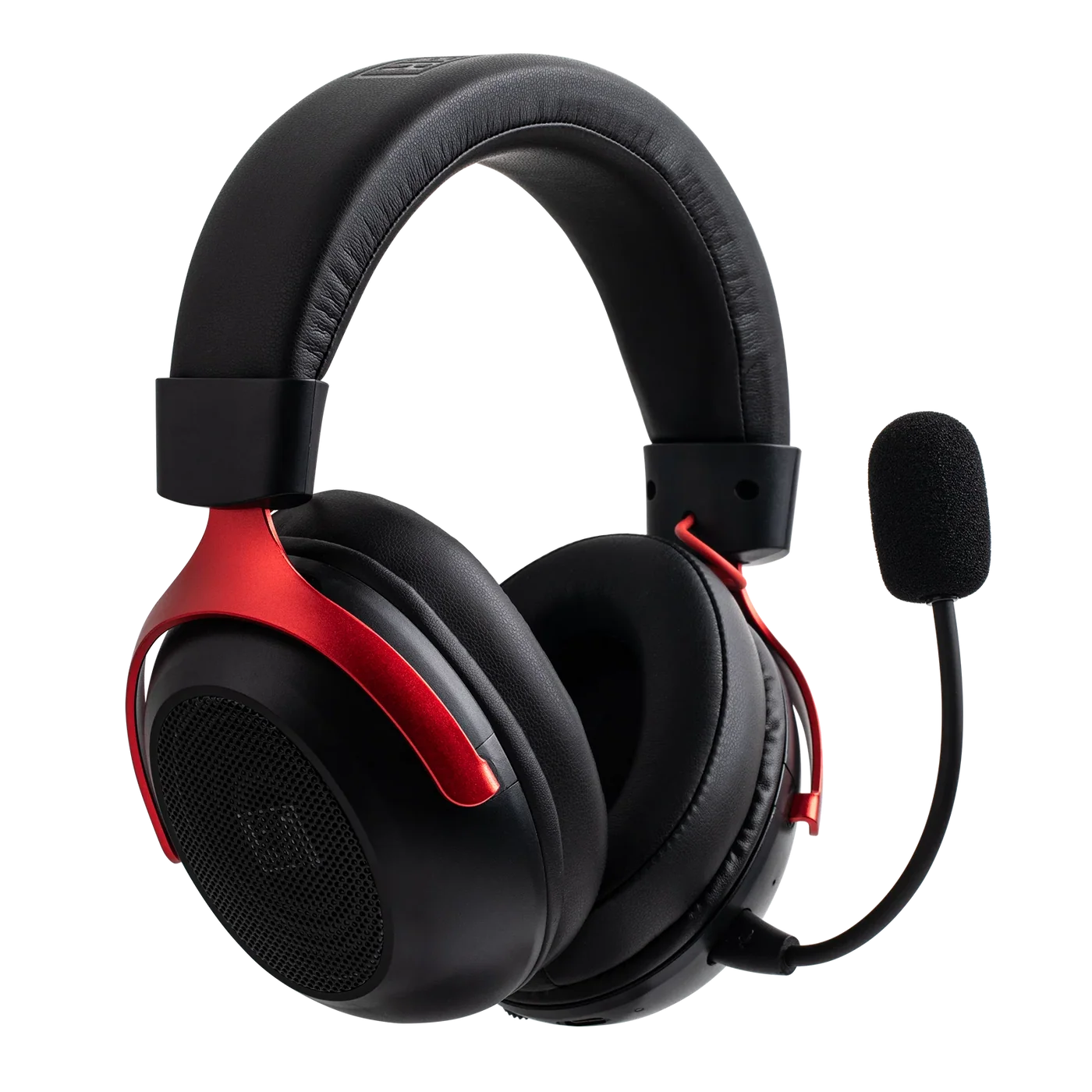
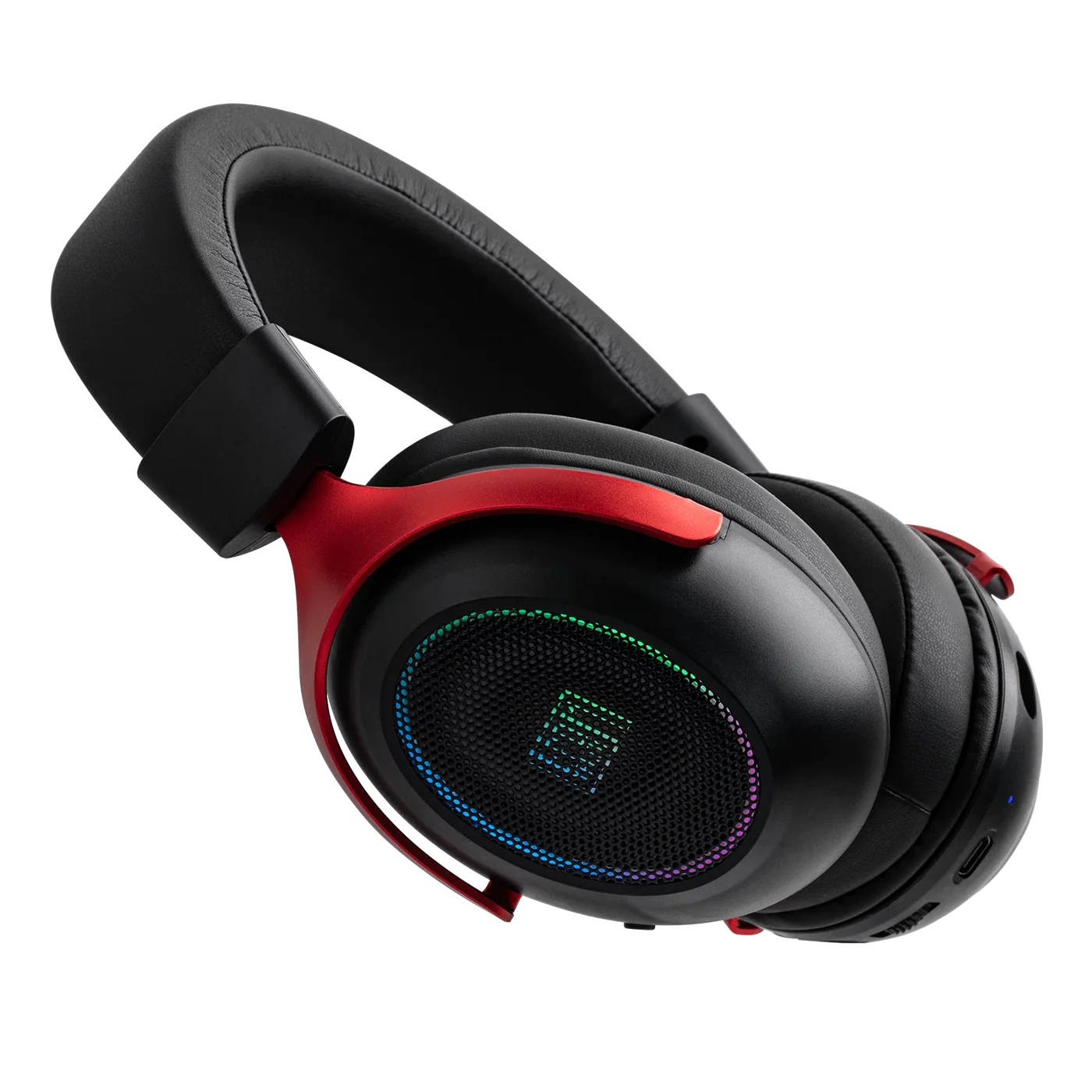
The GX1 makes no attempt to hide its gaming origins. The earcups are large, the styling is relatively bold and RGB lighting is integrated into the design. My review sample is the black version, which is probably the least conspicuous of the available finishes, but it still looks unmistakably like a gaming headset rather than a conventional pair of hi-fi headphones.
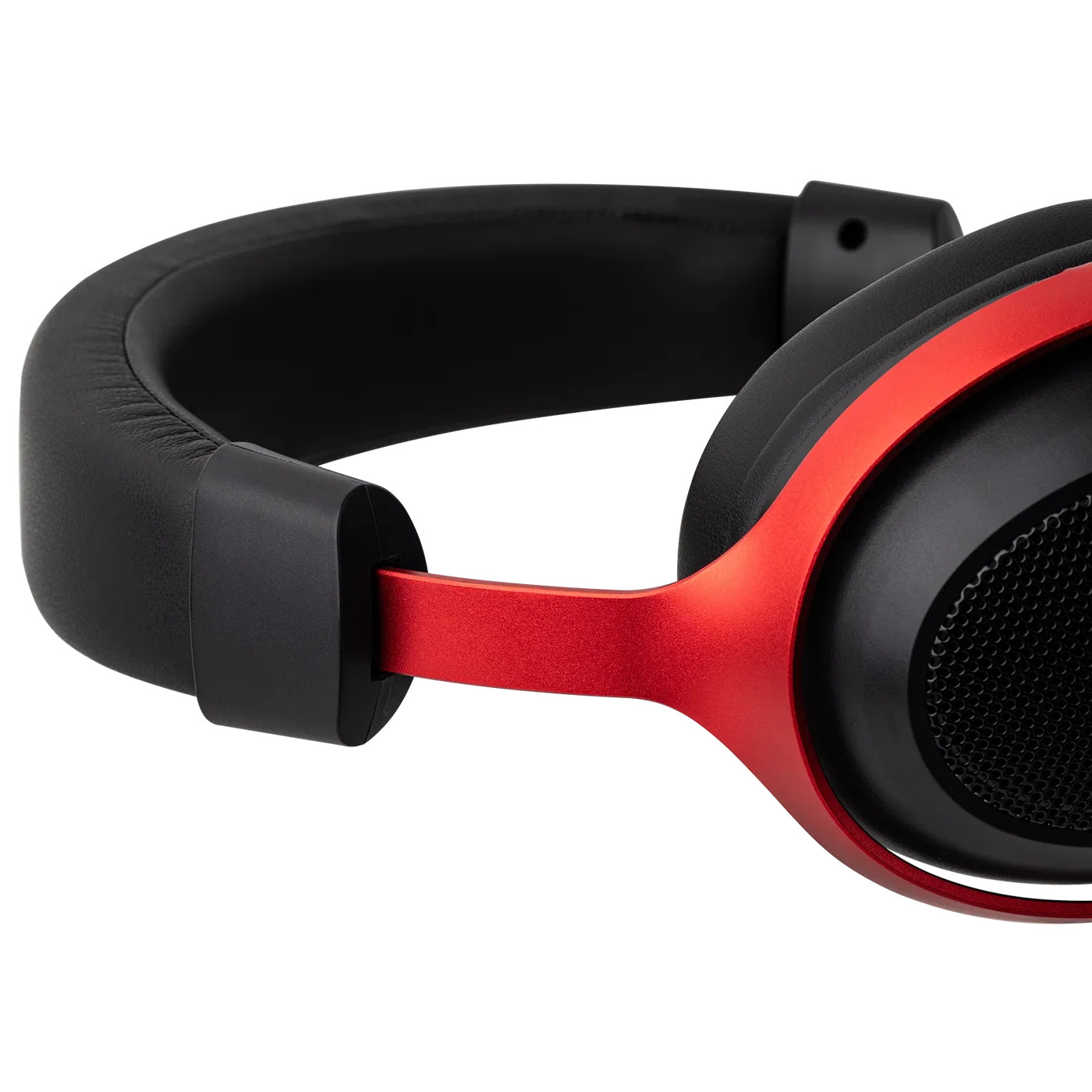
Construction is predominantly plastic, which is entirely reasonable at this price. The glossy electroplated sections around the yokes add some visual contrast, and the overall structure feels solid enough without creating the impression that EPOMAKER has spent unnecessary money trying to disguise inexpensive materials.
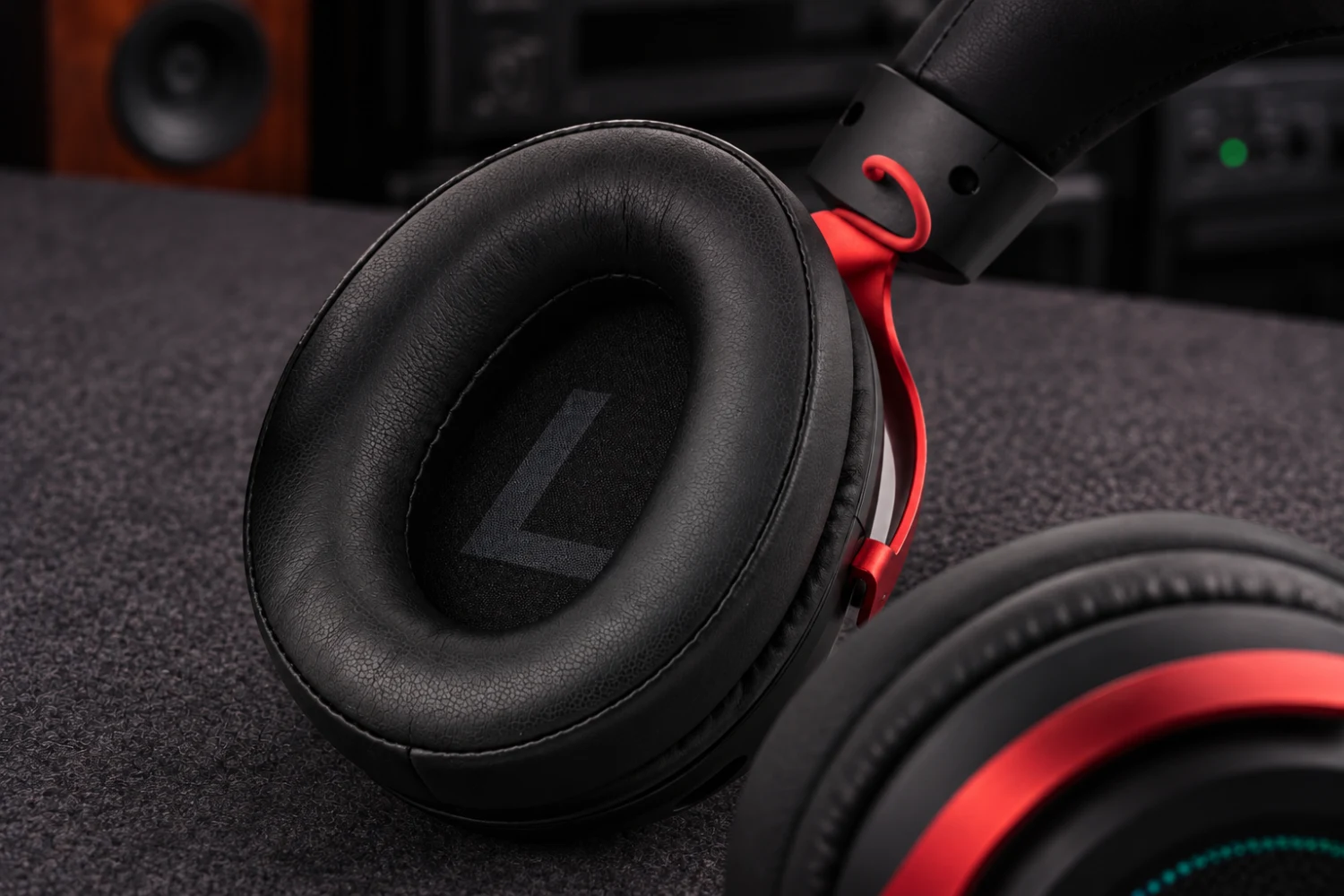
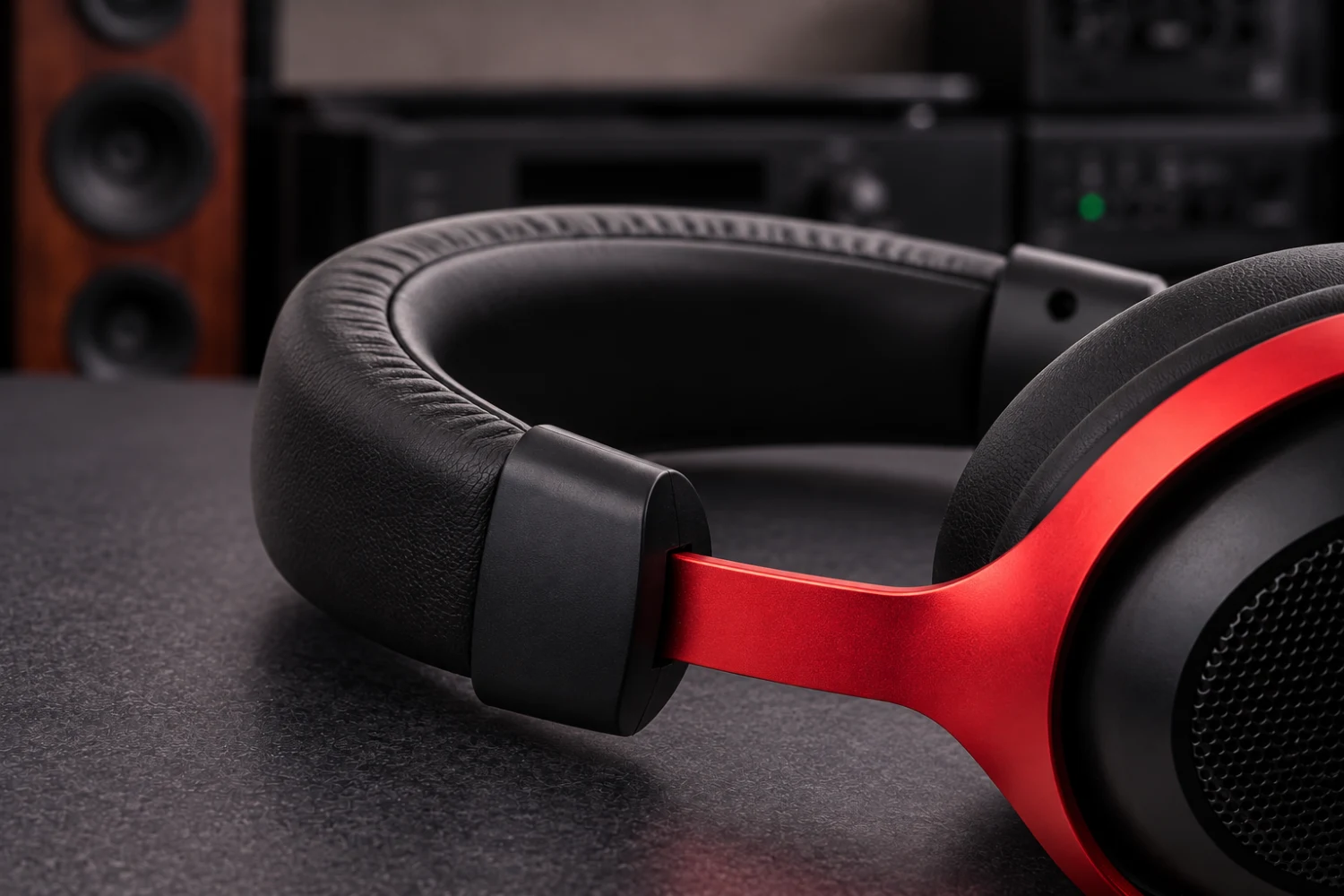
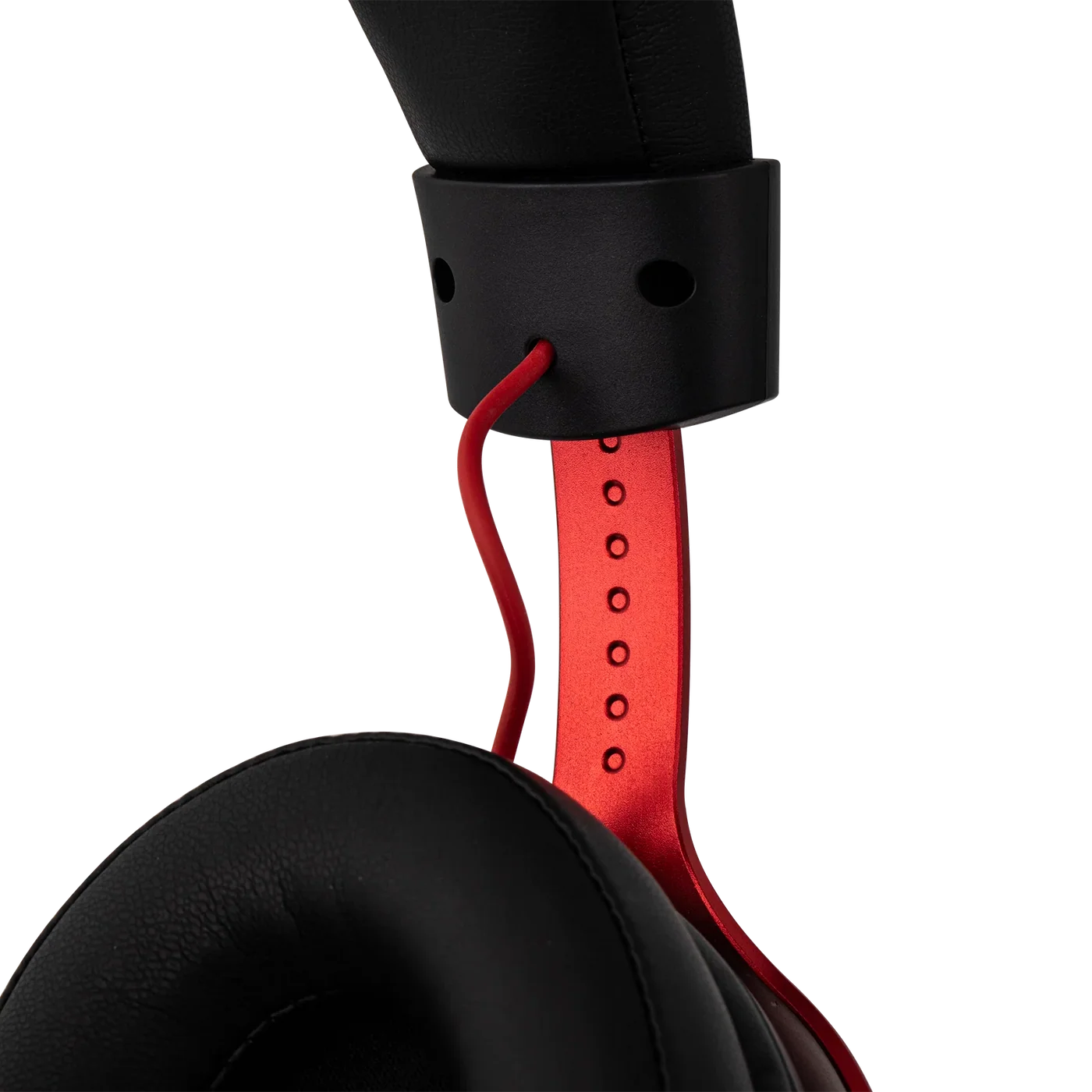
At 320 grams, the GX1 is not exceptionally light, but the weight is distributed well. The headband is wide, the ear pads are generously sized and the seven-step adjustment mechanism gives enough range to find a secure position. I only needed to extend the headband by two steps, and once adjusted the headset remained stable without feeling excessively tight.
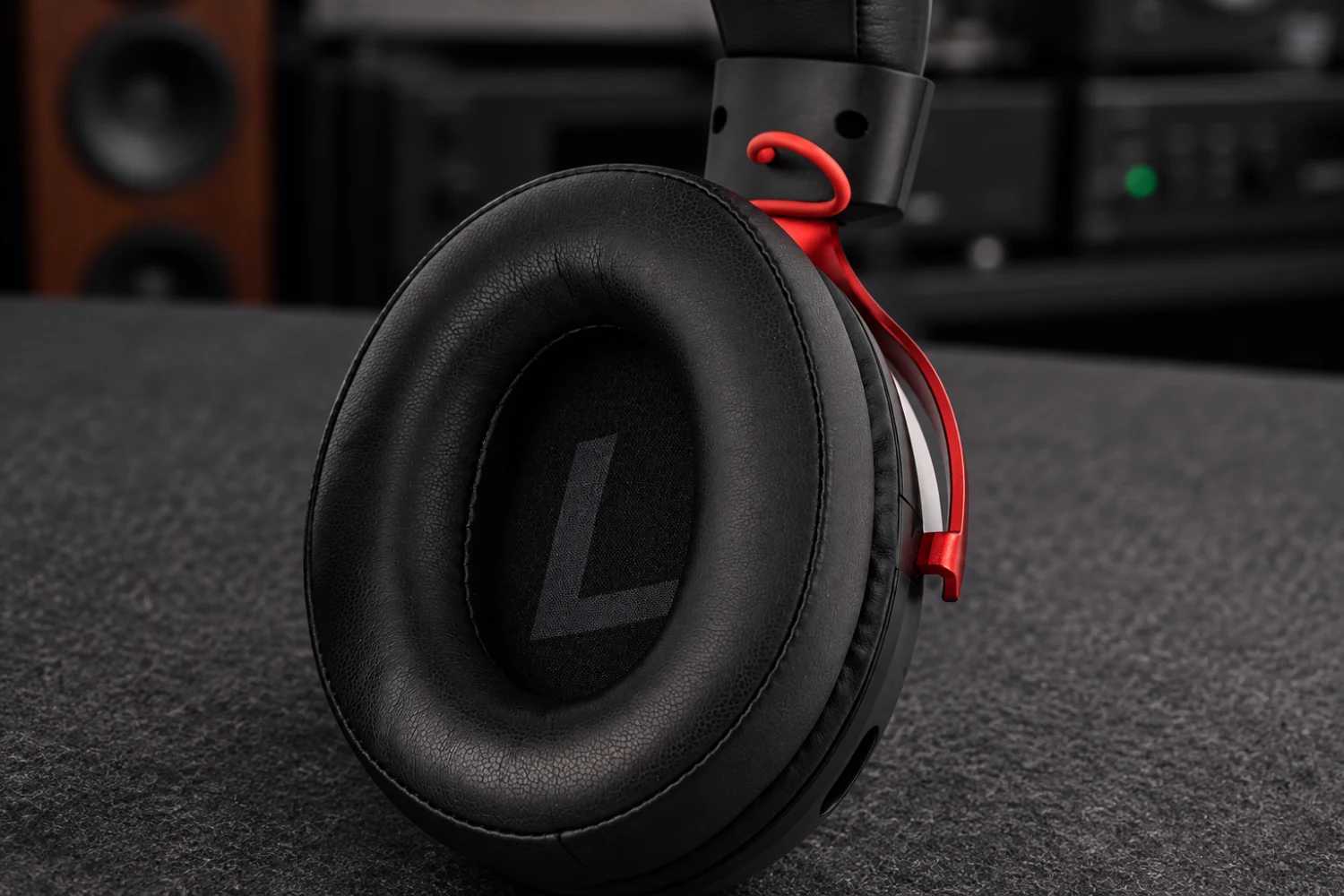
Comfort turned out to be one of the GX1's stronger qualities. I was able to use it for several hours at a time without significant heat buildup, despite the leather-style ear pads making full contact around the ears. The open-back earcups undoubtedly help here by allowing heat to escape rather than trapping everything inside a sealed enclosure.
Clamp force was also well judged on my head. I wear glasses, and this is one area where otherwise comfortable headphones can quickly become irritating as the pads push the arms of the glasses into the temples. I experienced no such problem with the GX1.
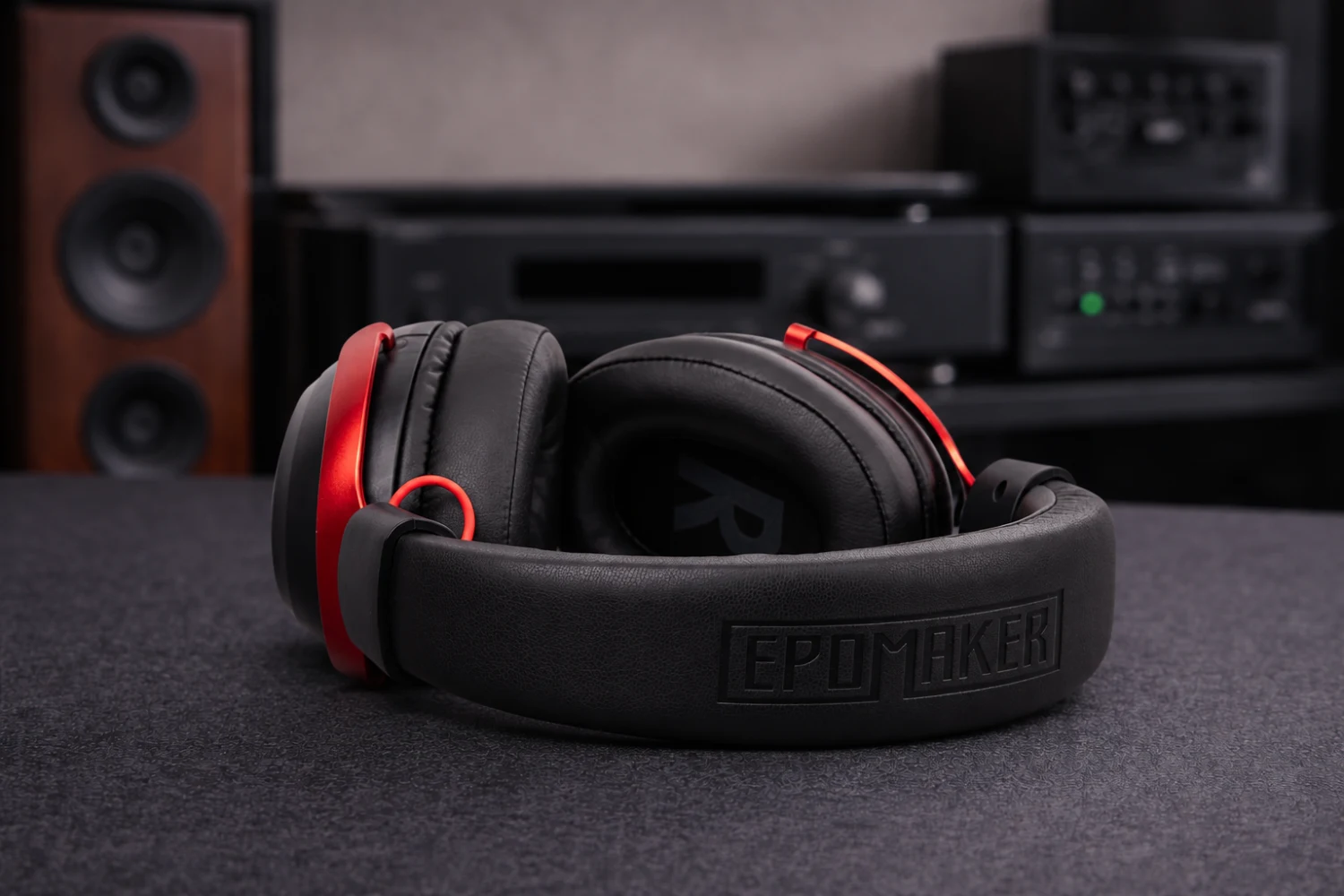
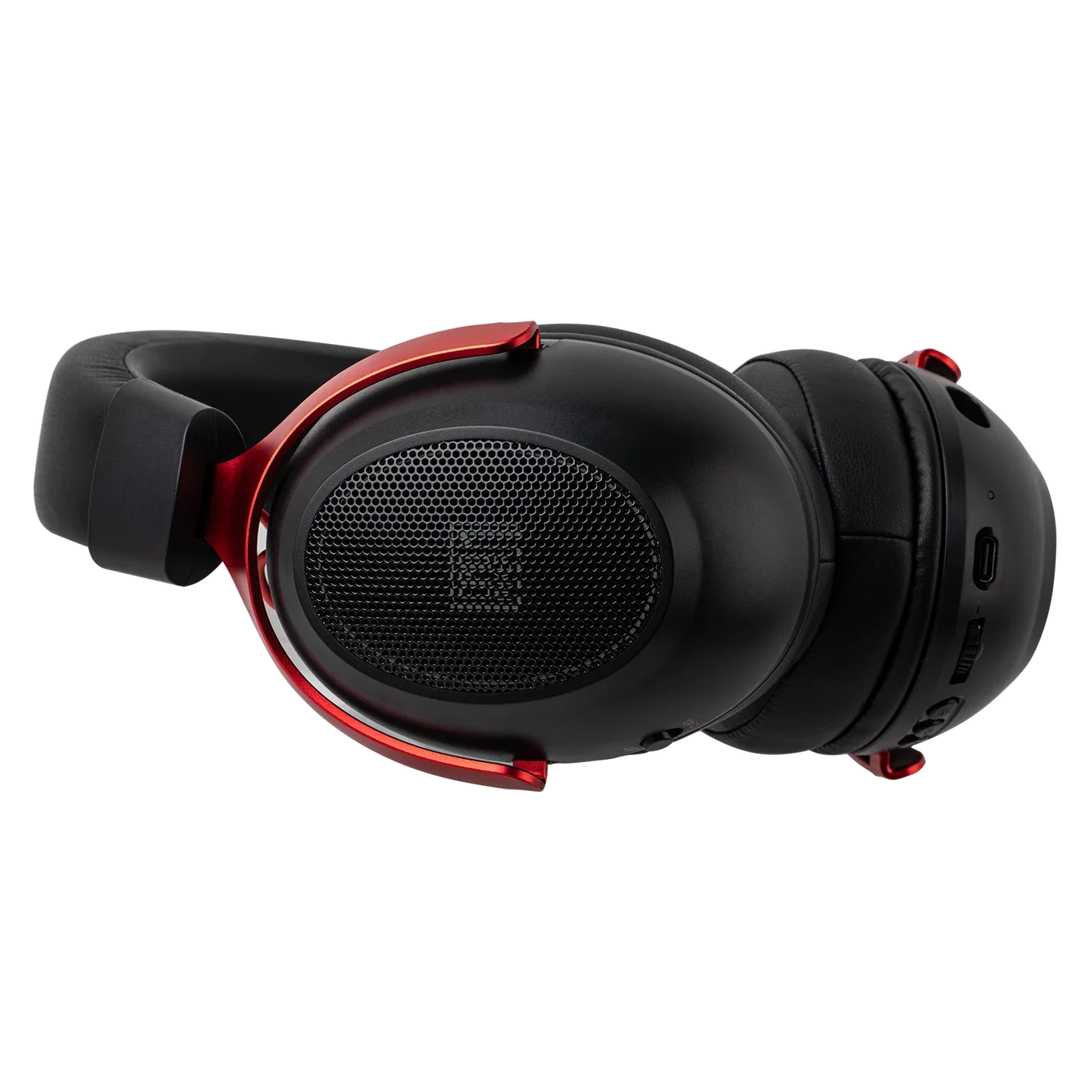
The earcups offer some swivel but do not fold inward, and there is no carrying case or pouch in the box. In practice, this feels much more like a headset designed to live beside a PC or console than something intended for regular travel.
Open-Back Gaming for $50
The open-back construction is arguably the most interesting part of the GX1.
Most gaming headsets at this price are closed, partly because isolation is easier to market and partly because a closed enclosure can produce more immediately impressive bass. The GX1 does the opposite, allowing air and sound to move through the earcups.
The benefit is a presentation that feels less trapped inside the head. Games have more lateral space, ambient effects are given more room and voices sound less enclosed. You can also hear more of your own voice naturally when speaking, which makes conversations feel less like talking while wearing ear defenders.
The downside is exactly what you would expect from an open headphone: almost no meaningful isolation.
Computer fans, people talking nearby and other sounds in the room remain audible, while anyone sitting close to you will also be able to hear what you are playing once the volume rises. There is no active noise cancellation or electronic transparency mode because neither is really necessary for this design—the GX1 is permanently transparent to its surroundings.
That makes the listening environment an important part of the buying decision. In a quiet gaming room, the openness is one of the headset's most appealing features. In a shared office, noisy living room or anywhere privacy matters, I would choose a closed-back alternative.
Connectivity Is One of Its Biggest Strengths
EPOMAKER has been unusually generous with connectivity.
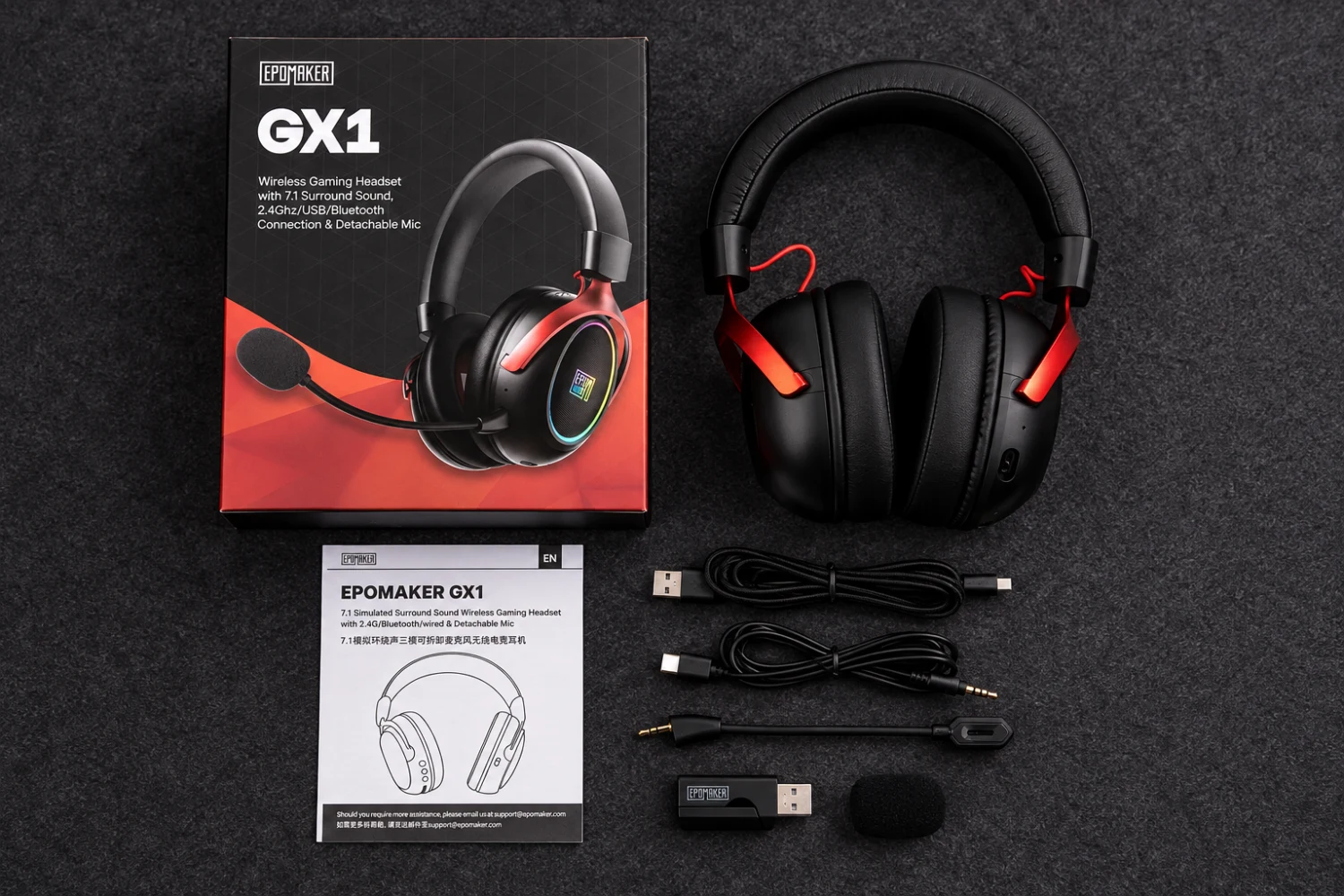
For wireless gaming, there is a 2.4GHz receiver, and that was my preferred connection throughout most of the review. The headset is also equipped with Bluetooth for phones and tablets, while wired playback is available through both USB and the supplied USB-C to 3.5mm cable.
The 2.4GHz receiver has a removable section that exposes USB-C, allowing it to work with different devices without requiring another adapter. It is a small detail, but one that makes the GX1 considerably easier to move between a desktop PC, laptop or compatible console.
EPOMAKER lists support for Windows PCs, Macs, PlayStation 4, PlayStation 5 and Nintendo Switch through its various connection options. Xbox Series users should be aware that wireless operation is not supported, so Xbox use is limited to a wired connection.
Bluetooth also worked reliably during testing. EPOMAKER does not provide much useful codec information on its product page, but the GX1 supports SBC and AAC, and I primarily used AAC with both an iPhone 16 and Samsung Galaxy Fold 7 without experiencing any obvious stability problems.
There is no simultaneous Bluetooth and 2.4GHz audio mixing. The physical switch on the headset selects which wireless mode is active, so anyone hoping to hear game audio from a PC while taking Bluetooth audio from a phone at the same time will not be able to do so.
Considering the $49.99 price, however, the sheer number of ways to connect the GX1 remains impressive.
Controls Are Straightforward
The physical controls cover most of what is needed without forcing you into software.
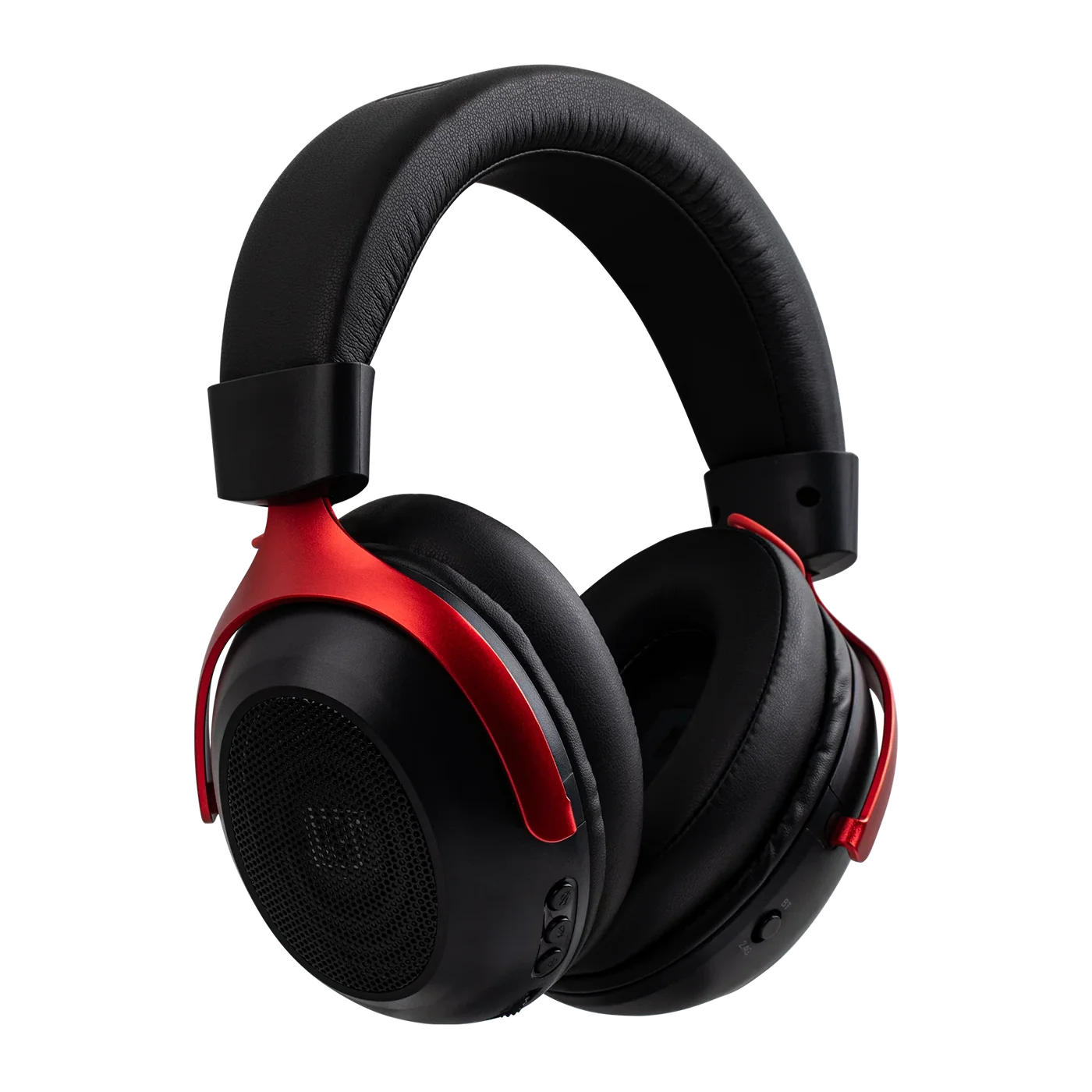
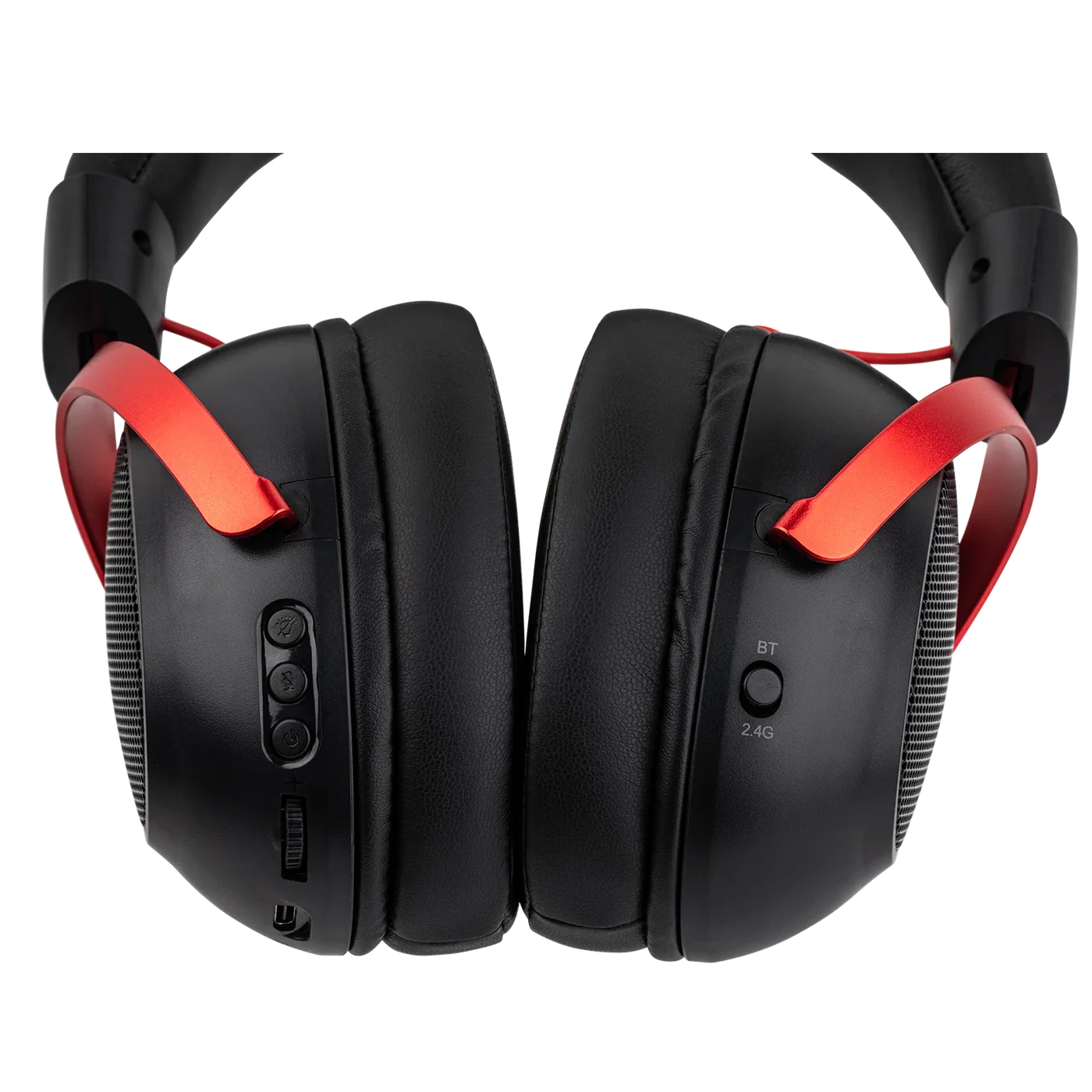
There is a switch for moving between Bluetooth and 2.4GHz operation, a conventional power button, dedicated microphone mute, volume wheel and a combined Mode/Light control. Pressing the latter once changes the sound mode, while a double press enables or disables the RGB lighting.
The power button also handles calls when the headset is connected to a phone, with a single press answering or ending a call and a double press rejecting one.
There is one slightly confusing aspect to the connection layout. The detachable boom microphone uses a dedicated 3.5mm socket, but that port is only for the microphone. Analog headphone audio enters through the USB-C connector using the supplied USB-C to 3.5mm cable.
Once that distinction is understood, everyday operation is simple enough.
Sound Quality
This is where the GX1 becomes considerably more interesting from a hi-fi perspective.
The headset uses 50mm dynamic drivers in an open enclosure, but those specifications tell us relatively little about how it actually sounds. What matters far more is the tuning, and the GX1 has a distinctive balance that works noticeably better for some material than others.
In its default state, the presentation is relatively lean, clear and forward through the upper midrange and treble. Dialogue is easy to understand and smaller effects are brought toward the listener, but there is not enough foundation underneath them. The result can sound thin, occasionally metallic and somewhat brighter than I would consider ideal for relaxed listening.
It is not unpleasant all the time, and there are moments where the openness and clarity work surprisingly well. The problem is that the tonal balance never quite feels complete.
Bass
Bass is the weakest part of the stock tuning.
There is enough upper bass and mid-bass to give gunfire, drums and basic rhythm some presence, but extension into the deeper frequencies is limited. Kick drums lack convincing weight, electronic bass lines do not reach particularly far down and large cinematic effects are missing some of the physical impact they deserve.
That is particularly noticeable because the GX1 uses 50mm drivers. Driver diameter never guarantees bass quality, of course, but the specification does create an expectation of more authority than the headset ultimately provides.
Some reduction in low-frequency pressure is expected from an open-back design, yet openness alone does not explain the GX1's presentation. The tuning itself simply favours clarity over weight.
Xear Dynamic Bass helps. I eventually settled on a bass level of three for much of my gaming, which gave effects and weapons more satisfying impact without completely overwhelming the rest of the spectrum. Even with processing, however, this never becomes a genuinely deep or powerful headphone.
Midrange
The midrange is much more successful and arguably the reason the GX1 works as well as it does for gaming.
Voices are clean and easy to follow, even when other effects are competing for attention. Dialogue remains intelligible in busy scenes, teammates come through clearly in multiplayer games and podcasts are reproduced without needing additional emphasis.
That clarity also benefits lighter acoustic music and vocal recordings. Lyrics remain easy to follow and the open construction gives voices some breathing room rather than pinning them directly into the centre of the head.
The weakness lies lower down in the midrange, where instruments can lack body. Guitars, piano and male vocals occasionally sound thinner than they should, particularly in dense arrangements. The GX1 communicates the information effectively, but it does not always reproduce the physical substance behind it.
Treble
Treble is prominent enough to make small details easy to notice, which again works in the headset's favour during games. Footsteps, reloads and environmental cues can cut through a busy mix instead of being buried under excessive bass.
For music, that same character is less consistently successful.
Bright recordings can become brittle, and cymbals sometimes have more edge than texture. Higher-frequency effects can also take on a slightly metallic character, contributing to the sense that the GX1 is tuned more around clarity and gaming cues than tonal naturalness.
I would not describe it as painfully bright, but it is sufficiently forward that poorly recorded or already aggressive material can become tiring.
Soundstage and Imaging
The open-back design gives the GX1 one of its most obvious advantages over inexpensive closed gaming headsets.
Sound extends beyond the earcups rather than remaining tightly concentrated between them, giving games a broader sense of scale. Ambient sound is more convincing, larger spaces feel more believable and movement across the stereo image is easy to follow.
Imaging is also respectable for the price. Left, centre and right positions are clearly distinguishable, and directional movement is handled well enough for competitive gaming. Front-to-back layering is less convincing, and the GX1 does not produce the depth or precise separation you would hear from a good dedicated open-back hi-fi headphone.
That distinction is worth making. Compared with something such as the Sennheiser HD 505 or HD 550, the GX1 is less natural, less controlled and less resolving. Those headphones are considerably more expensive and lack the GX1's wireless convenience, so this is not intended as a direct value comparison. They simply demonstrate how far open-back sound can go when acoustic performance takes priority over price and gaming features.
Within its own category, the GX1's sense of space remains one of its strongest audio qualities.
One Audio Problem That Should Not Be Ignored
There is persistent background noise when using the GX1, and I encountered it across every connection type.
It is relatively subtle and may disappear psychologically once music or game audio begins, but it is audible during quiet passages and when nothing is playing. Listeners who are particularly sensitive to electronic noise should keep this in mind.
At $49.99, a certain level of compromise is understandable. Persistent noise is still something I would like EPOMAKER to address in a future revision because it works directly against the otherwise appealing open-back presentation.
Gaming Performance
Interestingly, many of the GX1's tonal weaknesses are less troublesome in games than they are with music.
The relatively lean bass leaves space for dialogue, footsteps, reloads and environmental sounds, while the forward upper frequencies make important cues easy to identify. The open presentation also prevents large environments from feeling excessively cramped.
Most of my gaming was done using the 2.4GHz connection, and performance was consistently stable. I noticed no meaningful delay between what happened on screen and what I heard. EPOMAKER claims latency as low as 25ms; I did not independently measure that figure, but nothing during normal gameplay gave me reason to question the suitability of the connection.
Battlefield 6 formed the main part of my multiplayer testing, while Halo: Combat Evolved and Halo 2 through The Master Chief Collection were used for more cinematic single-player sessions.
The GX1 handled all three surprisingly competently. I did find the stock bass too restrained for gunfire and explosions, and enabling Xear Dynamic Bass at level three made the experience more enjoyable. Once adjusted, movement cues and weapon effects became easier to appreciate without sacrificing too much midrange clarity.
Virtual 7.1 is more of a matter of taste. It increases the apparent size of the presentation and can be entertaining in cinematic games, but I did not find that it consistently improved positional accuracy. Depending on the mix, the effect can actually make sounds feel less direct and push them farther away than intended.
For competitive play, I would generally favour conventional stereo. For single-player games and films, virtual surround can be worth experimenting with.
The important point is that I cannot remember the last time I enjoyed using a $50 gaming headset this much. The GX1 is imperfect, but it never feels hopelessly compromised once a game starts.
Music Performance
Music exposes the limitations much more clearly.
The GX1 is at its best with vocal-driven material, podcasts, lighter acoustic recordings and casual background listening. The open enclosure prevents everything from feeling boxed in, and the relatively clean midrange keeps singers intelligible.
Move into hip-hop, electronic music, rock or large orchestral recordings and the weaknesses become harder to ignore. Deep bass lacks authority, drums do not hit with enough physical weight and the energetic upper frequencies can make already dense recordings feel harder and more congested.
This is especially noticeable with hip-hop and electronic music, where low-frequency extension forms such an important part of the production. The GX1 can reproduce the notes, but it rarely delivers the scale and weight that make those recordings convincing.
EQ helps, and the Dynamic Bass option makes the balance easier to live with, but I do not think an inexpensive headset should require extensive EQ simply to become enjoyable. Adjustments should refine an already good tonal balance rather than repair it.
That ultimately defines the GX1 as a music headphone. It is perfectly usable, and its open soundstage can be enjoyable, but music quality is not the strongest reason to buy it.
Microphone Quality
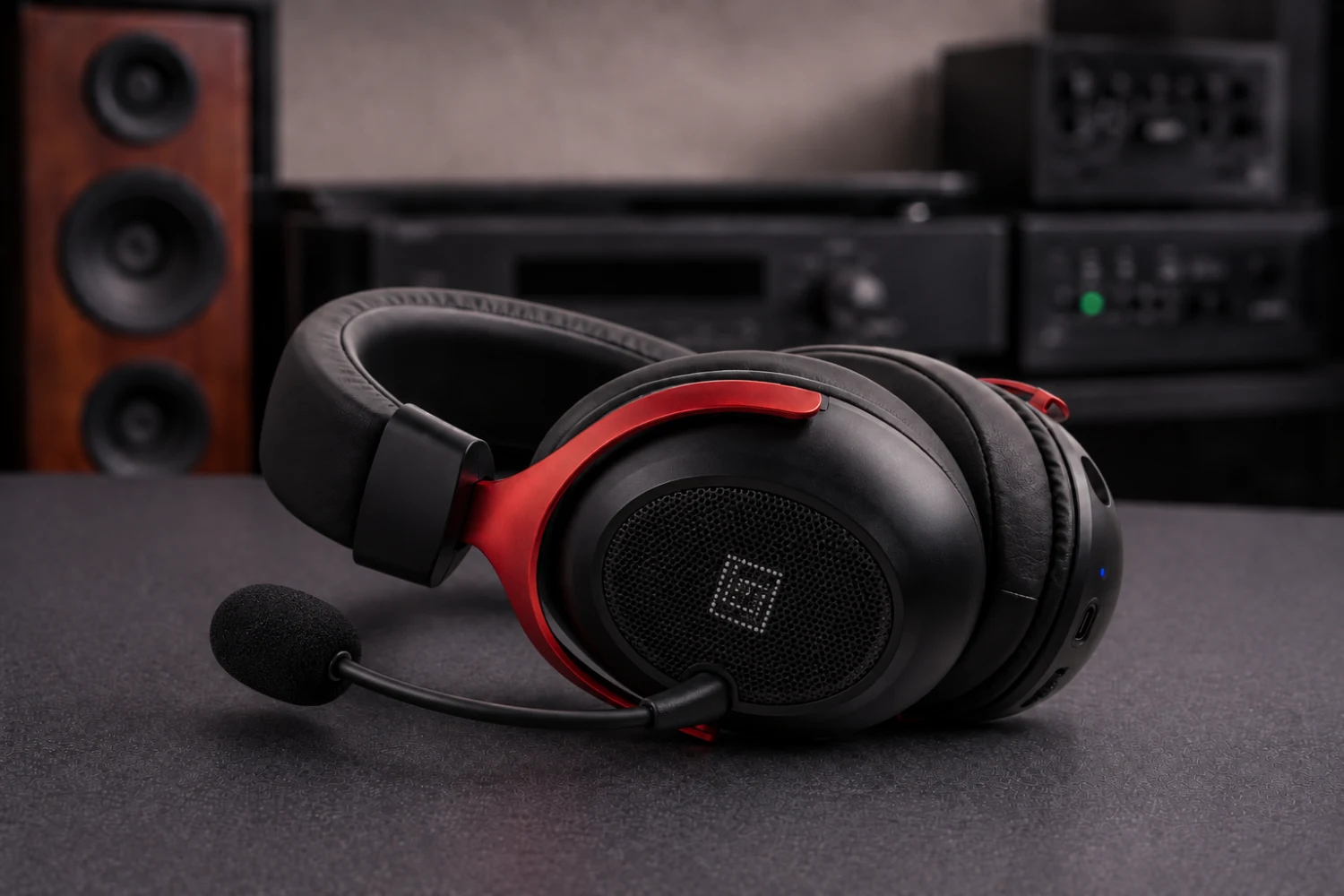
The GX1 includes two microphones: a removable boom microphone and a built-in microphone that becomes available when the boom is disconnected.
The difference between them is substantial.
The detachable boom microphone is surprisingly good for the price. Speech comes through clearly enough for Discord, multiplayer chat and ordinary calls, while the built-in environmental noise cancellation does a respectable job of reducing steady background sounds without destroying vocal intelligibility.
EPOMAKER's additional software noise-reduction feature is less successful. At stronger settings it starts to process the voice so aggressively that speech becomes difficult to understand. Lower settings can provide a small improvement, but I would generally leave the software processing restrained and rely on the microphone's own ENC.
The integrated microphone is another story. My voice sounded distant during testing, while background sounds in the room were picked up far too easily. It is technically convenient to have a microphone available after removing the boom, but the quality is low enough that I would only treat it as an emergency backup.
Fortunately, the detachable boom microphone is good enough that this does not damage the overall experience too badly.
Battery Life
Battery life is excellent.
The GX1 contains a 2,000mAh battery, and EPOMAKER rates it for up to 70 hours of operation with RGB disabled or 30 hours with the lighting enabled.
My own results were remarkably close. Using the 2.4GHz connection, I achieved approximately 35 hours with RGB switched on and around 65 hours with it disabled.
That is more than enough endurance for normal use, and during roughly two months of testing I only had to charge the headset four times because I generally kept the lighting switched off.
RGB therefore has an unusually significant impact on battery life. The lighting looks fine, but sacrificing roughly half the available runtime for an effect you cannot really see while wearing the headset never made much sense to me.
A complete recharge takes roughly three hours and 20 minutes. The GX1 can also charge while being used over USB audio, so reaching an empty battery does not necessarily mean ending a gaming or listening session.
Value for Money
This is ultimately where the GX1 makes its strongest case.
For $49.99, you are getting an open-back over-ear headset, 2.4GHz wireless, Bluetooth, USB audio, analog connectivity, long battery life, a usable software suite, virtual surround and a detachable microphone that performs far better than I expected.
The sound quality itself is more complicated. Tonally, the GX1 is not a hidden audiophile bargain. Bass extension is limited, the treble can become brittle and the stock tuning occasionally takes on a thin, metallic character. There is also the background noise, which should not be present regardless of price.
At the same time, expecting a $50 wireless gaming headset to compete with a dedicated open-back hi-fi headphone would miss the point.
The GX1 succeeds because it brings together a collection of features that normally require considerably more money while remaining comfortable and genuinely useful. Its spacious presentation and clear midrange also happen to work rather well for gaming, even if the same tuning is less convincing for serious music listening.
There is enough here that the weaknesses feel like compromises rather than deal-breakers.
Pros
- Spacious presentation for such an inexpensive headset
- Good positional imaging for gaming
- Clear dialogue and easy-to-hear gaming cues
- Comfortable during long sessions
- Works well with glasses
- Stable 2.4GHz wireless performance
- Surprisingly good detachable boom microphone
- 2.4GHz, Bluetooth, USB and analog connectivity
- Excellent battery life with RGB disabled
- Can charge while operating over USB audio
- Strong overall value at $49.99
Cons
- Stock tuning sounds thin and slightly metallic
- Limited sub-bass extension and impact
- Treble can become brittle with brighter recordings
- Persistent background noise across different connections
- Built-in microphone is poor
- Windows software needs much better documentation
- Virtual 7.1 does not consistently improve positioning
- Open-back design provides virtually no isolation
The EPOMAKER GX1 is much easier to recommend as a gaming headset than as a hi-fi headphone.
Its open-back design gives games more space than I normally expect from an inexpensive wireless headset, while the clear midrange and energetic upper frequencies help dialogue and positional cues remain easy to follow. Add comfortable ergonomics, excellent battery life, a genuinely useful detachable microphone and almost every connectivity option most users will need, and the GX1 starts to look like an unusually complete package for $49.99.
The audio tuning prevents it from becoming something more special. Bass is too restrained, the upper frequencies can become brittle and the persistent background noise is disappointing. Music listeners in particular should not expect the refinement or tonal balance associated with a good dedicated open-back headphone.
But context matters.
The GX1 costs less than many replacement cables for serious hi-fi headphones, yet it gives you wireless gaming, Bluetooth, USB and analog playback, an open acoustic design and battery life measured in days rather than hours. Even the boom microphone turned out to be considerably better than expected.
EPOMAKER has not produced an audiophile giant-killer. What it has produced is a surprisingly competent first gaming headset that understands the appeal of open-back sound and makes it available at a price where very few manufacturers are even attempting it.
Conclusion
The GX1 feels like the beginning of an interesting idea rather than its final form.
EPOMAKER has already solved many of the practical problems. The headset is comfortable, connectivity is excellent, battery life is genuinely impressive and the detachable boom microphone is good enough that I would happily use it for everyday gaming and voice chat. The open-back construction also gives the GX1 a wider, more natural sense of space than many similarly priced closed-back gaming headsets.
What the next version needs is refinement.
A fuller low end, smoother treble, lower electronic noise and more polished software would transform the character of this headset. None of those changes require EPOMAKER to abandon what makes the GX1 interesting; they would simply allow the audio quality to catch up with the feature set.
As it stands, the GX1 is not the headset I would choose primarily for music, and anyone expecting genuine audiophile performance from a $49.99 wireless gaming product should adjust those expectations. But for gaming in a quiet room, where comfort, spatial openness, battery life and flexible connectivity matter, it offers an impressive amount for remarkably little money.
For a first attempt at gaming audio, EPOMAKER has got more right than wrong. The GX1 still sounds like a budget headset in several important respects, but it is also one of the more interesting $50 headsets I have used—and that alone makes it worth paying attention to.



Sound Off
0Join the discussion if you have something to add.