
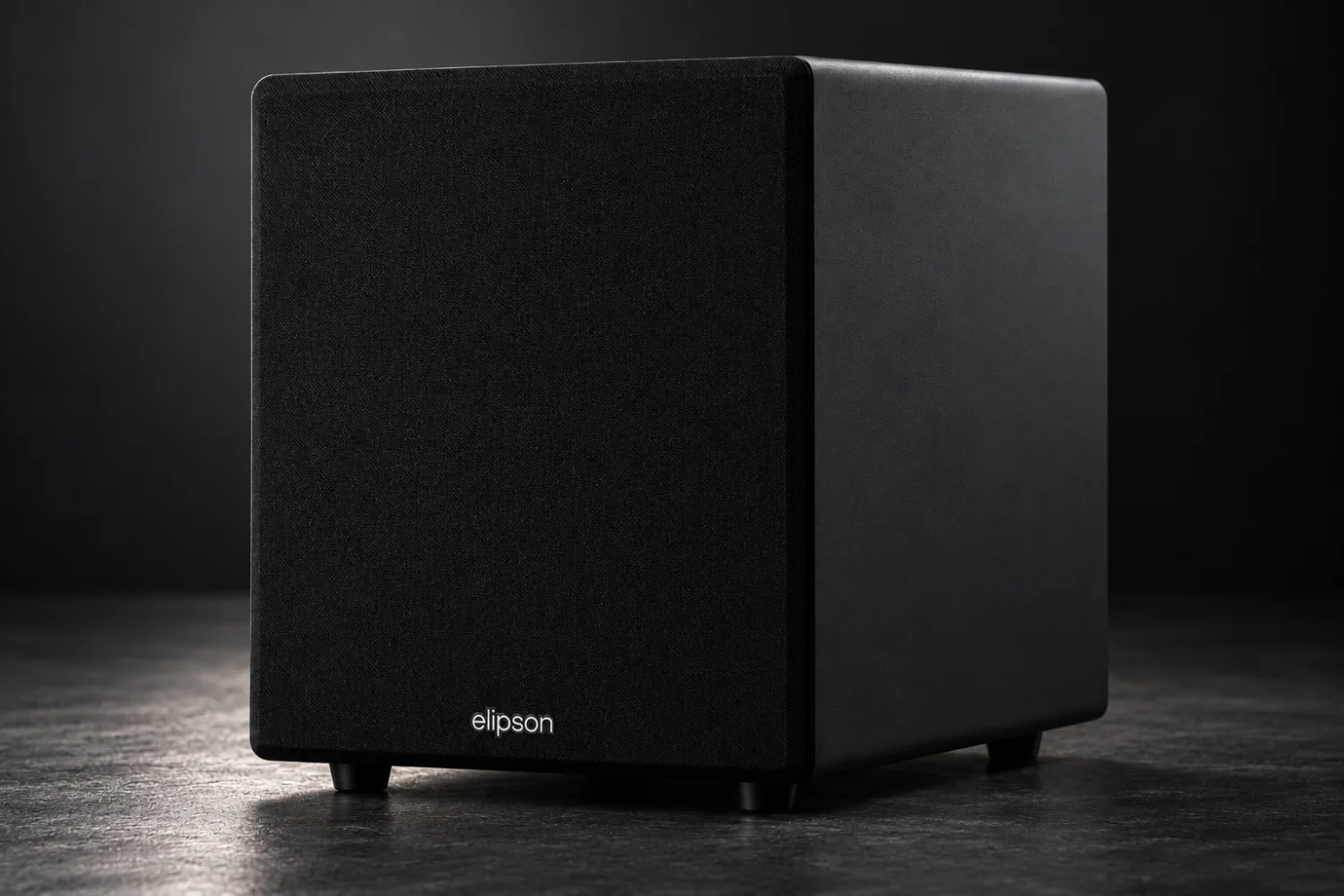
Elipson is widening its subwoofer range rather than simply adding another high-output model. Arriving roughly a year after the company’s Premium subwoofers, the Classic series occupies a more compact and accessible position, with three sizes intended to cover small rooms through larger listening spaces. The Classic Sub 8, Sub 10 and Sub 12 are all active bass-reflex designs, and their shared architecture is significant: each combines a fiberglass driver, Class D amplification, DSP and line-level system connections. Buyers therefore choose primarily by room size, extension and output requirements, rather than navigating three fundamentally different approaches to bass reproduction.
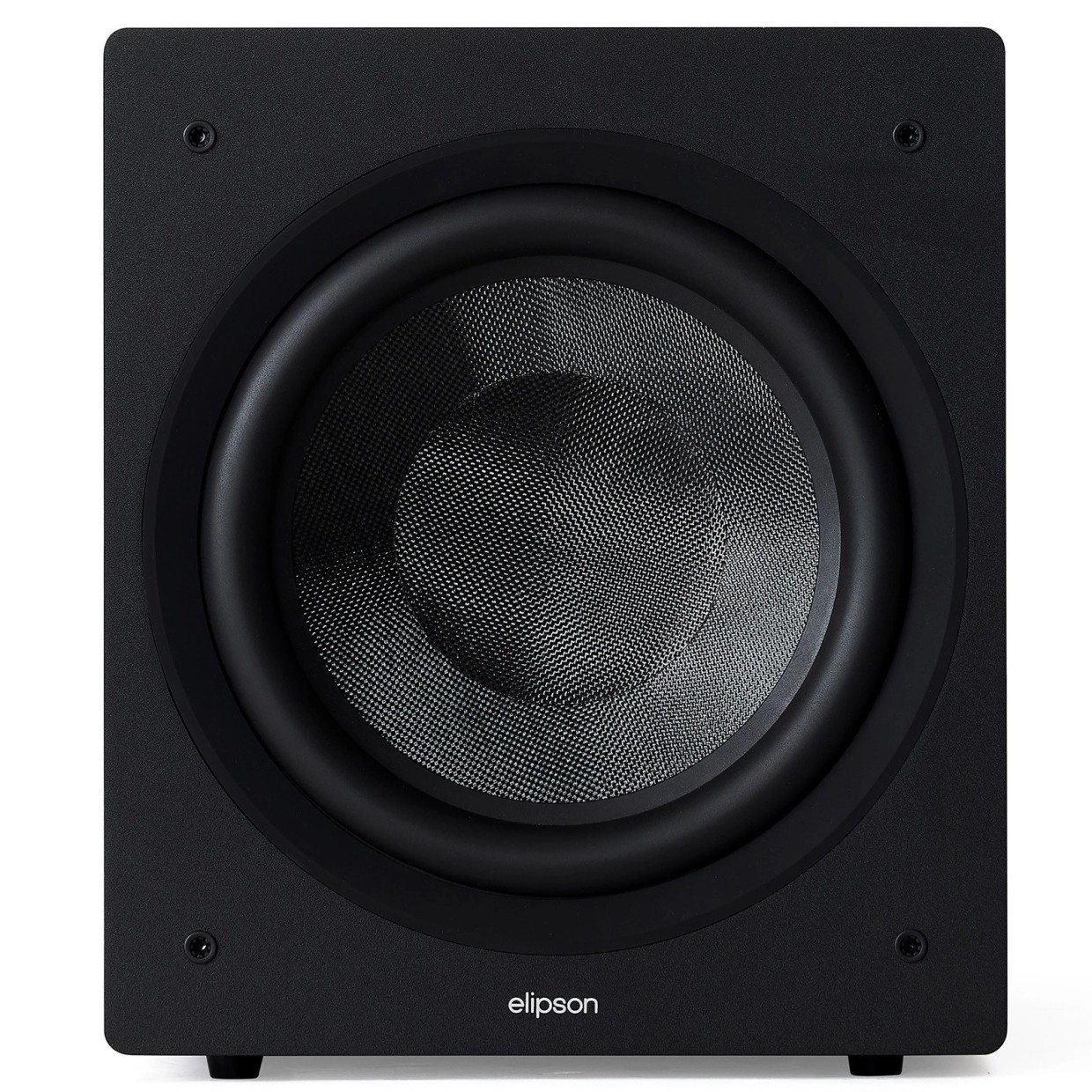
A three-step range below the Premium line
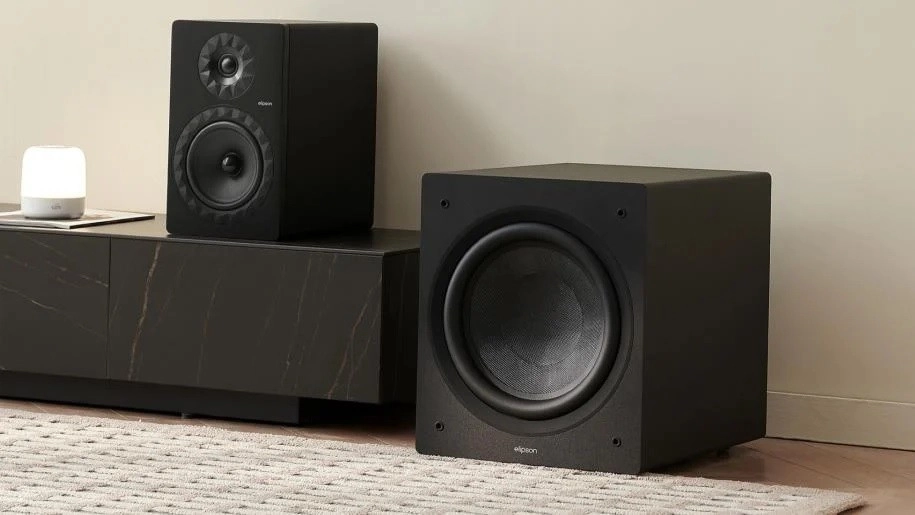
The Classic family gives Elipson a clearly graduated route into powered low-frequency reinforcement. An 8-inch model opens the range, a 10-inch version fills the middle position, and a 12-inch design sits at the top. Elipson describes the series as suitable for both music and home cinema, so these are not presented as effects-only products or as subwoofers restricted to multichannel installations.
Keeping the underlying engineering consistent helps make the range easier to understand. All three models use rigid, lightweight fiberglass cones, efficient Class D amplifier stages and DSP tailored to their low-frequency operation. The cabinets are deliberately restrained in appearance, while the controls are arranged to limit their impact on placement. The result is a family intended to fit into varied rooms and systems without making the smallest model feel like an unrelated entry-level design.
The implied decision is straightforward: the compact Sub 8 prioritizes a smaller footprint, the Sub 10 adds extension and amplifier power for medium-sized rooms, and the Sub 12 addresses larger spaces. That hierarchy also makes it possible to match the subwoofer to the main speakers and expected playback level without paying for cabinet volume or output capacity that a room may not need.
Shared controls keep stereo and cinema options open
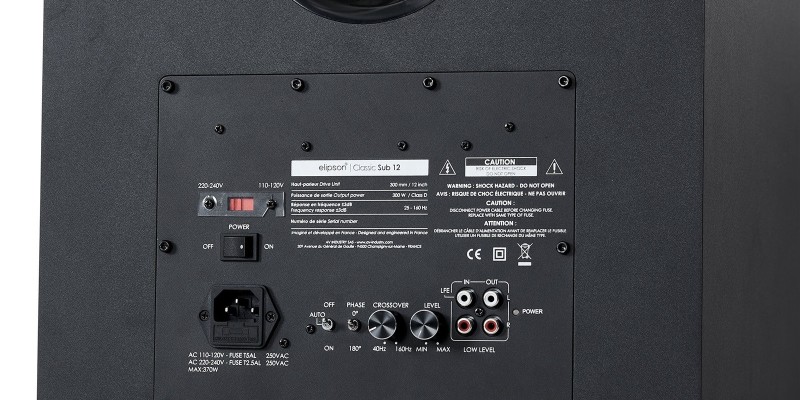
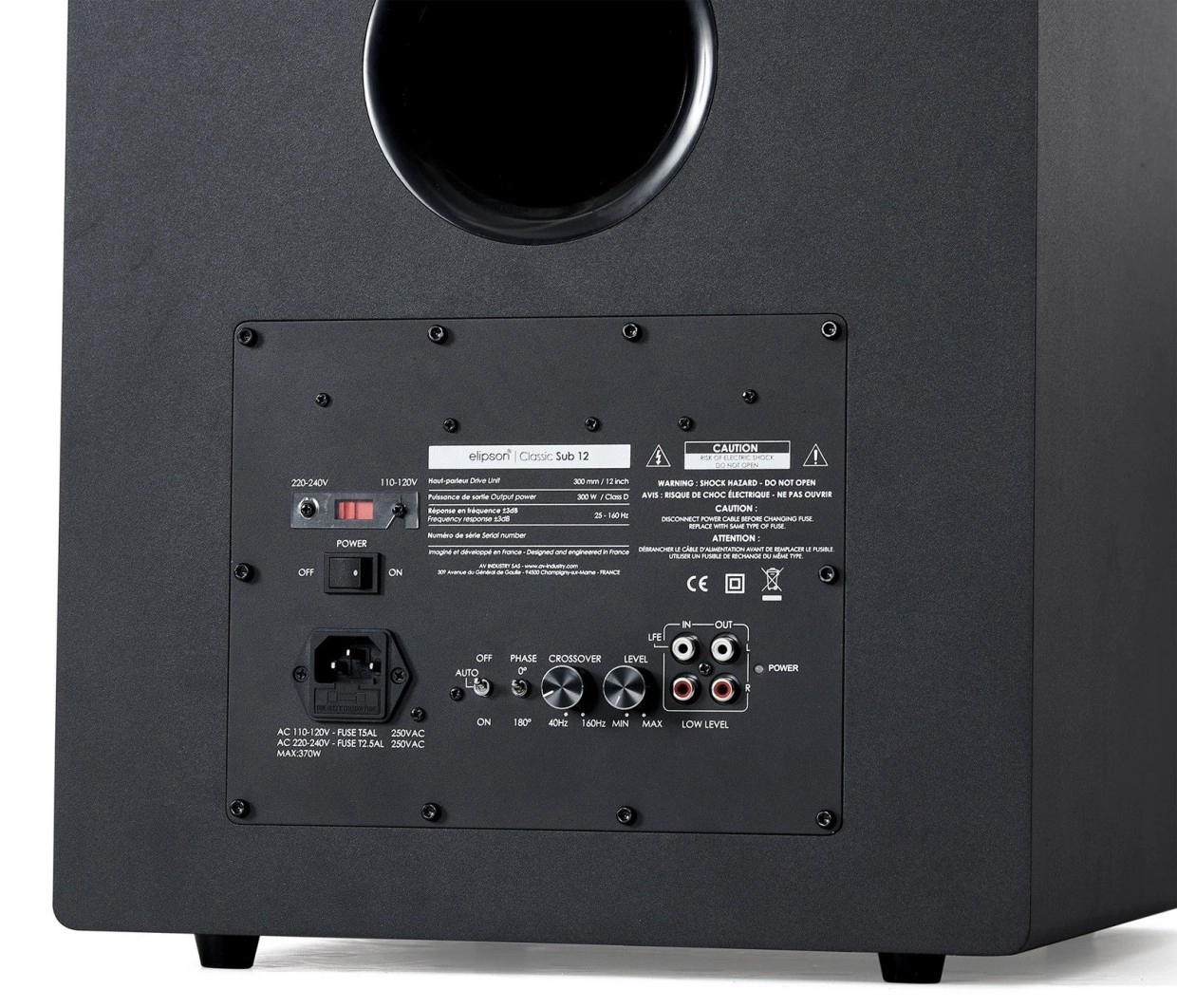
Every Classic subwoofer includes left and right low-level line inputs, along with corresponding line outputs. That arrangement supports integration beyond a conventional single-cable home theater connection and may be useful in stereo systems built around components with line-level access. The announcement does not specify every possible connection topology, but the paired inputs and outputs make the series less dependent on one type of system architecture.
Variable crossover controls allow the upper operating limit of each subwoofer to be adjusted to suit the partnering speakers. Phase can be switched between 0 and 180 degrees, providing a basic means of addressing cancellation caused by the relationship among subwoofer position, listening seat and main speakers. These controls are not a substitute for continuous phase adjustment or room-correction software, but they cover the core settings required for many conventional installations.
Automatic standby is included across the range. Although a minor feature compared with driver size or frequency extension, it matters for a powered component that may remain connected continuously. Taken together, the common controls suggest that Elipson expects the Classic models to move between two-channel and multichannel roles rather than being tied to a single use case.
Classic Sub 8 makes floor space the priority
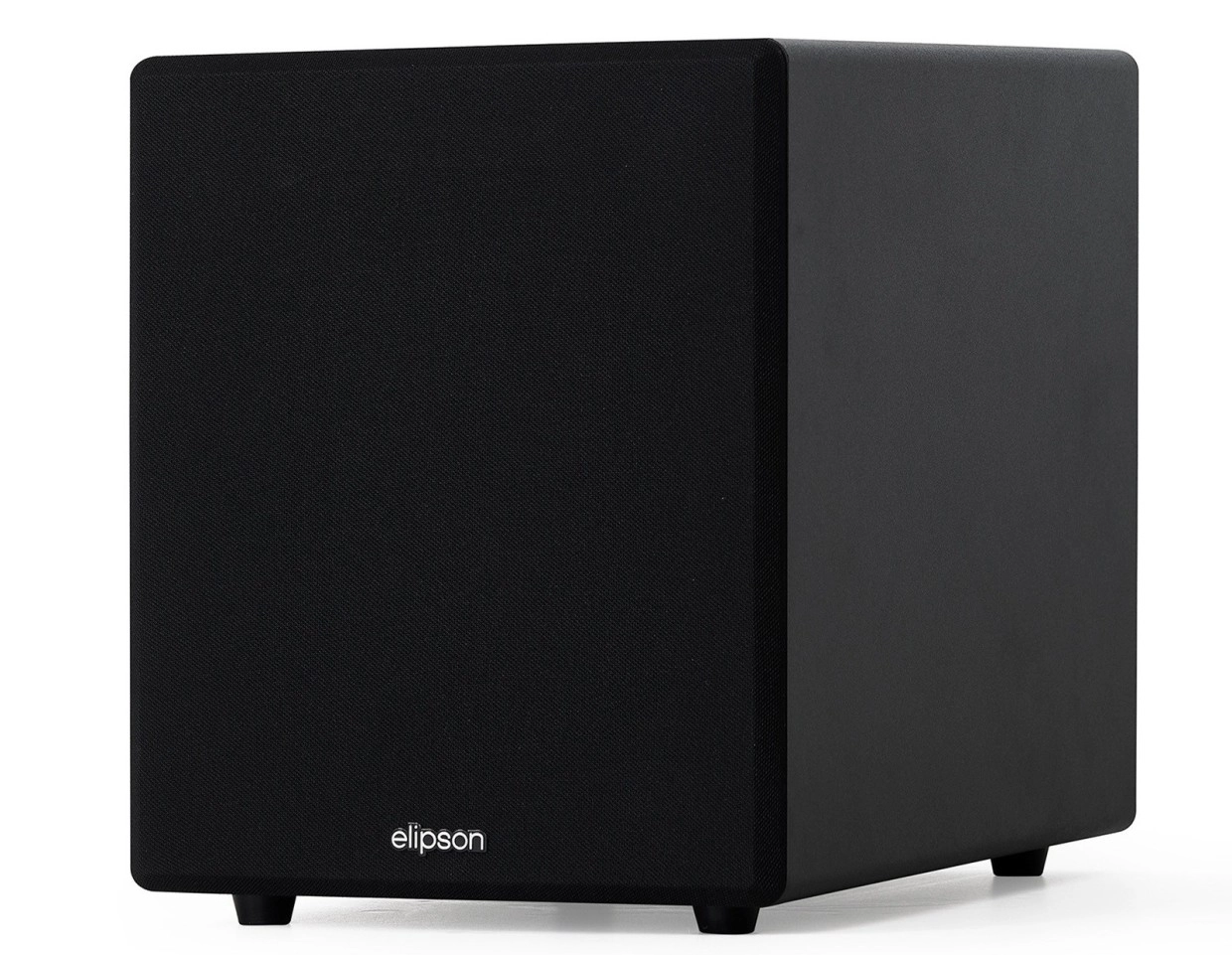
At the entry point, the Classic Sub 8 uses a 200 mm, or 8-inch, fiberglass driver powered by a 150-watt amplifier. Elipson specifies a frequency range of 37 Hz to 200 Hz at ±3 dB. Its crossover can be varied from 40 Hz to 200 Hz, giving it the broadest upper adjustment range in the series and potentially making it easier to pair with small main speakers that need support higher in the bass region.
DSP applies a 6.3 dB boost at 33 Hz. That processing sits below the stated 37 Hz lower limit, indicating an effort to reinforce the deepest region available from the compact enclosure rather than relying solely on driver area. The specification alone cannot establish how the Sub 8 will behave in a particular room, but it shows how Elipson has addressed low-frequency reach within the physical constraints of the smallest model.
Including its grille and feet, the cabinet measures 256 x 322 x 364 mm and weighs 10.1 kg. Those dimensions make it the logical choice where placement flexibility matters more than maximum extension. Elipson positions it as a first step toward fuller bass for music and films, especially in smaller listening environments where the two larger enclosures could be difficult to accommodate.
Sub 10 becomes the range’s balancing point
Moving to the Classic Sub 10 increases the driver diameter to 250 mm, or 10 inches, and amplifier output to 200 watts. The specified response extends from 29 Hz to 160 Hz at ±3 dB, providing appreciably deeper stated reach than the Sub 8 while retaining a cabinet intended for normal living-room use. Its crossover range runs from 40 Hz to 160 Hz.
Elipson identifies medium-sized rooms as the Sub 10’s intended setting and says it can partner both monitor and floorstanding speakers. That middle position is coherent with the specifications: its lower limit reaches farther into deep bass, yet the enclosure remains smaller and lighter than the 12-inch flagship. DSP again supplies a 6.3 dB boost at 33 Hz, placing the processing close to the model’s stated low-frequency boundary.
The cabinet measures 306 x 372 x 424 mm and weighs 15.4 kg. Compared with choosing purely by driver diameter, room size and the bass capability of the main speakers should be more useful guides. A compact monitor may benefit from a higher crossover point, while a floorstander could hand over lower; the Sub 10’s adjustable filter is intended to accommodate both scenarios.
Sub 12 trades compactness for deeper extension
The Classic Sub 12 is the model for listeners whose room and system can justify a larger enclosure. It combines a 300 mm, or 12-inch, fiberglass driver with 300 watts of Class D amplification. Elipson specifies a 25 Hz to 160 Hz response at ±3 dB, making it both the deepest-reaching and most powerful member of the trio on the published figures.
Its crossover is adjustable from 40 Hz to 160 Hz, while DSP introduces a 6 dB boost at 33 Hz. Unlike the Sub 8, the Sub 12’s stated response already extends below that processing frequency. The different boost level indicates model-specific DSP implementation rather than an identical setting copied across all three cabinets, although Elipson has not provided further filter details.
Size is the unavoidable trade-off. The Sub 12 measures 356 x 422 x 486 mm and weighs 20.4 kg, so placement will require more planning than with its siblings. In return, its combination of cone area, amplifier rating and specified extension makes it the range’s natural match for larger listening rooms and systems expected to handle the low-frequency demands of film soundtracks as well as music.
The Classic series is shaped less around a single headline specification than around a consistent platform offered at three useful scales. Sub 8 appears best suited to space-conscious systems and smaller speakers; Sub 10 occupies the broad middle ground for typical living rooms; and Sub 12 is aimed at installations where deeper stated extension and greater amplifier capacity outweigh cabinet size. The controls and stereo line connections also leave room for these models to serve outside conventional home theater setups. What remains to be established is how their DSP tuning, bass-reflex alignments and placement requirements translate into room-by-room performance. Elipson has not supplied USD pricing or market-specific availability in the announcement, so prospective buyers will also need to watch for regional release details before the range’s value position can be assessed fully.


Sound Off
0Join the discussion if you have something to add.