
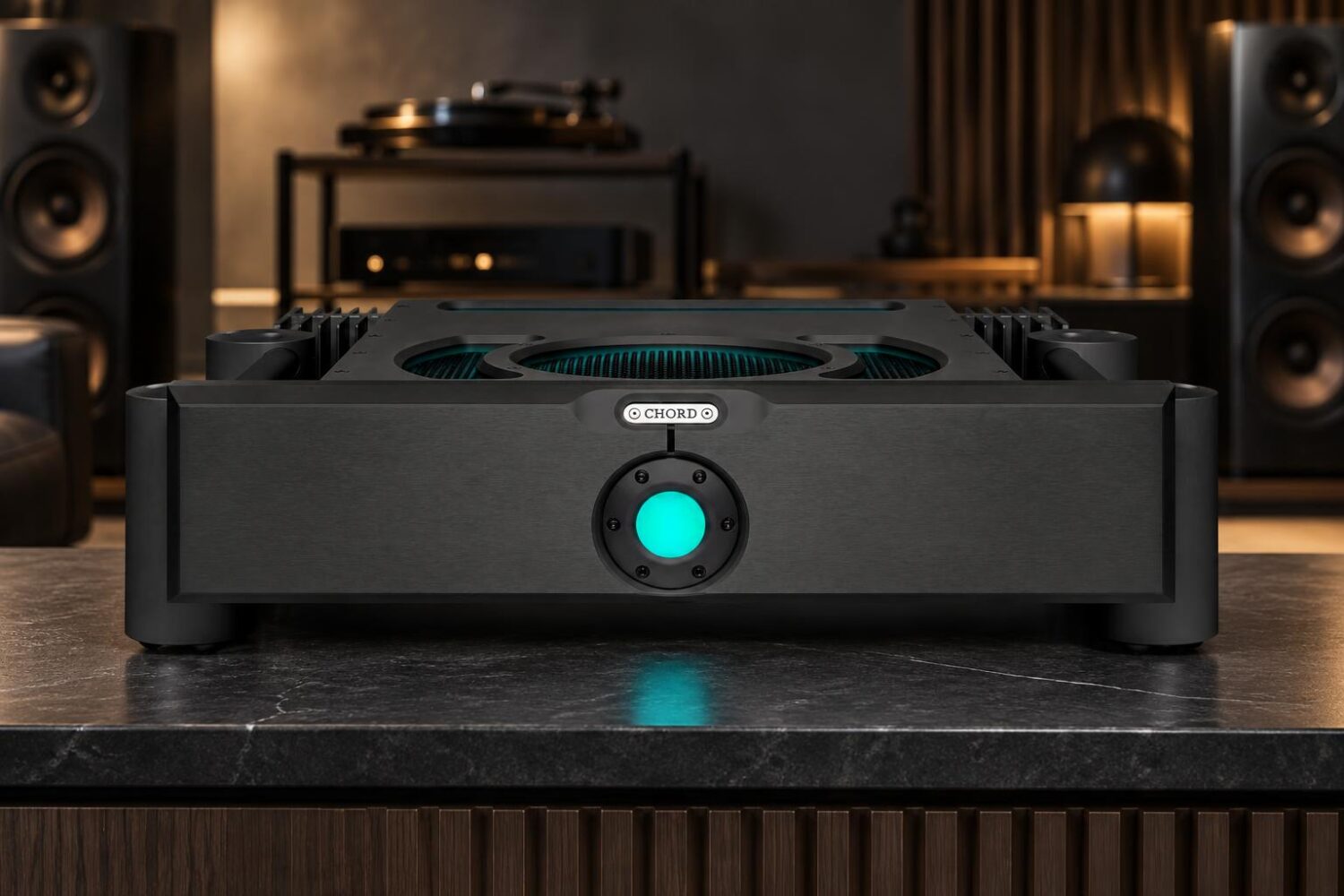
Chord Electronics has introduced the Ultima 7, a stereo power amplifier built around a practical design goal: putting substantial output into a relatively shallow enclosure. Designed by company founder John Franks, it is Chord’s first amplifier to use Class G technology and the most affordable power amplifier yet in its Ultima range. The British-made unit replaces the Ultima 6, delivers a specified 140 watts per channel into 8 ohms and is intended to pair visually with the Ultima Pre 3 preamplifier. Its approach draws on work originally undertaken for a professional amplifier, adapted here for a domestic hi-fi system.
A professional idea adapted for the living room
The starting point for the Ultima 7’s output stage was the Ultima Pro 250, a professional amplifier just 1U high. Chord developed its Class G technology for that product and then refined it for the new stereo model. The common objective was to deliver significant power without requiring a deep or especially tall chassis.
Class G amplification uses different power-supply levels as demand changes, rather than relying on a single high supply level for all signals. That approach can reduce wasted power during less demanding passages. Chord says its implementation allows the Ultima 7 to run considerably cooler in everyday use than a conventional amplifier of comparable output.
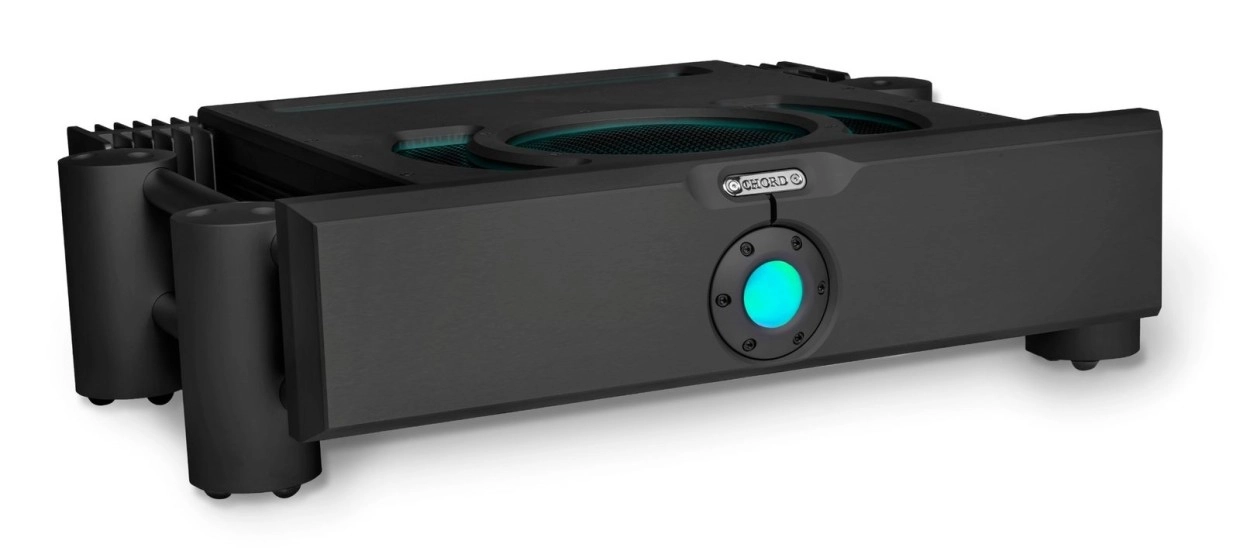
That claimed thermal advantage is relevant to the physical design: a relatively shallow aluminum enclosure can be easier to accommodate in a system than a deeper power amplifier, although Chord has not supplied dimensions in the announcement. The chassis uses aircraft-grade aluminum, while the amplifier’s height is matched to the Ultima Pre 3 for a coordinated two-box combination.
Power reserves and the transition between levels
Chord rates the Ultima 7 at 140 watts per channel into 8 ohms and 250 watts into 4 ohms. It also specifies short peaks exceeding 1,000 watts. The peak figure is distinct from the continuous per-channel ratings, so it should not be read as the amplifier’s sustained output.
The increase in rated output at the lower impedance is useful information when considering speakers that present a more demanding electrical load. Chord positions the amplifier for a range of speakers, from compact monitors to larger floorstanders, although speaker sensitivity, impedance behavior and room requirements will still matter when selecting a partner.
Switching between power-supply levels can introduce small disturbances in a Class G amplifier. Chord says its patented topology addresses that issue. It also uses high-current vertical MOSFETs in the output design, a choice the manufacturer associates with the amplifier’s power reserves in a compact enclosure.
Ultima error correction in a new output stage
Alongside the Class G circuitry is Chord’s Dual Feed Forward error-correction technology. The approach is already used across the Ultima amplifier family, from the Reference line to the desktop-oriented Anni. Its inclusion gives the Ultima 7 a link to the wider range even as its output stage takes a different direction.
Chord attributes very low distortion and a fast transient response to the combination of error correction and the Class G stage. Those are manufacturer claims rather than independently verified results; the announcement does not provide a numerical distortion figure or the conditions under which it was measured.
The company also describes an exceptional damping factor and says the amplifier is designed to remain thermally stable across different climates. Damping factor relates to the amplifier’s electrical control of a connected speaker, but no numerical figure is supplied here. The practical results will depend on the speakers and system in which the amplifier is used.
A matched partner for the Ultima Pre 3
As a power amplifier, the Ultima 7 is intended to be used with a separate preamplifier. Chord has made the Ultima Pre 3 its obvious visual companion by matching their heights, creating a coordinated preamp and power amp pairing rather than combining both functions in one enclosure.
The separate-box approach gives a buyer a choice of preamplifier, but it also makes that additional component part of the system planning. Chord has not detailed the Ultima 7’s inputs or other connections in the supplied announcement, so prospective owners should check compatibility with their chosen preamp before making a purchase.
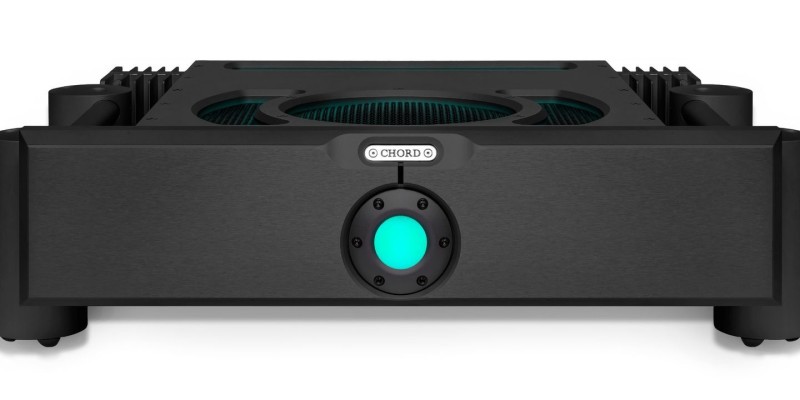
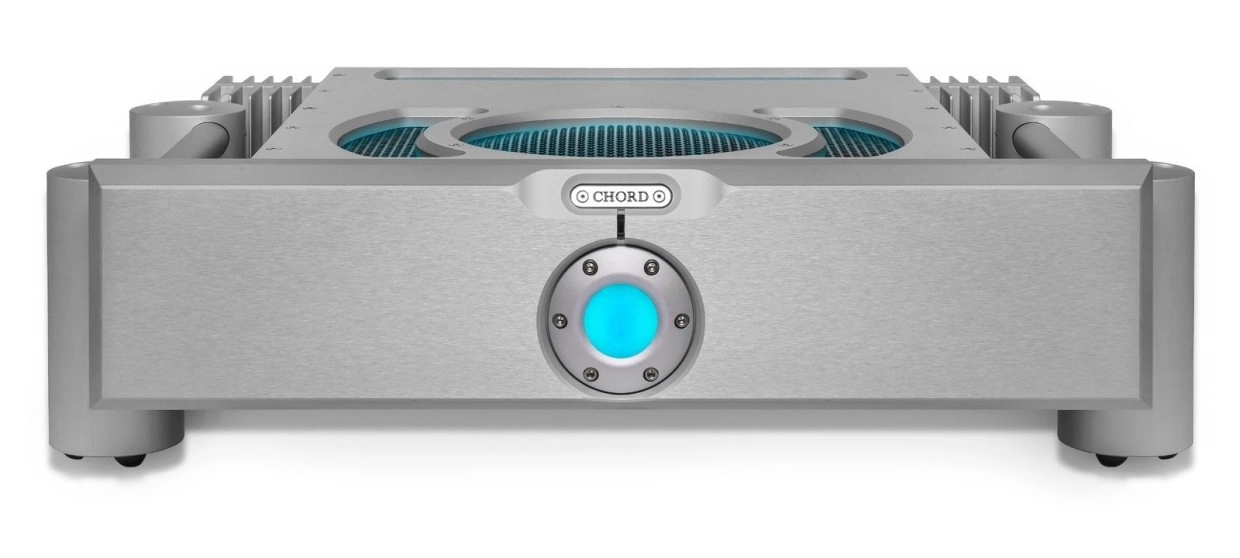
The Ultima 7 is available in Jett Black or Argent Silver and carries a five-year warranty. Chord says it is the least expensive Ultima power amplifier to date, but no USD price has been provided.
The Ultima 7 looks most relevant to listeners assembling a separate preamplifier and power amplifier system who want substantial rated output without automatically moving to a deep chassis. Its relationship to the Ultima Pre 3 gives Chord customers a coordinated starting point, while the Class G design marks a change in how the company packages power for the range. Before deciding whether it fits a particular system, buyers will need more than the headline output figures: physical dimensions, connection details, a USD price and fuller measurement conditions remain to be confirmed in the information supplied. An audition with the intended speakers would also help establish how the amplifier behaves in that combination, something the published specifications alone cannot settle.


Sound Off
0Join the discussion if you have something to add.