
Sony WH-1000XM4C Revives the Legendary XM4 With Bluetooth 6.0 and Replaceable Battery
The Sony WH-1000XM4C has emerged as a returning headphone model, although technical specifications, pricing and availability have yet to be detailed.
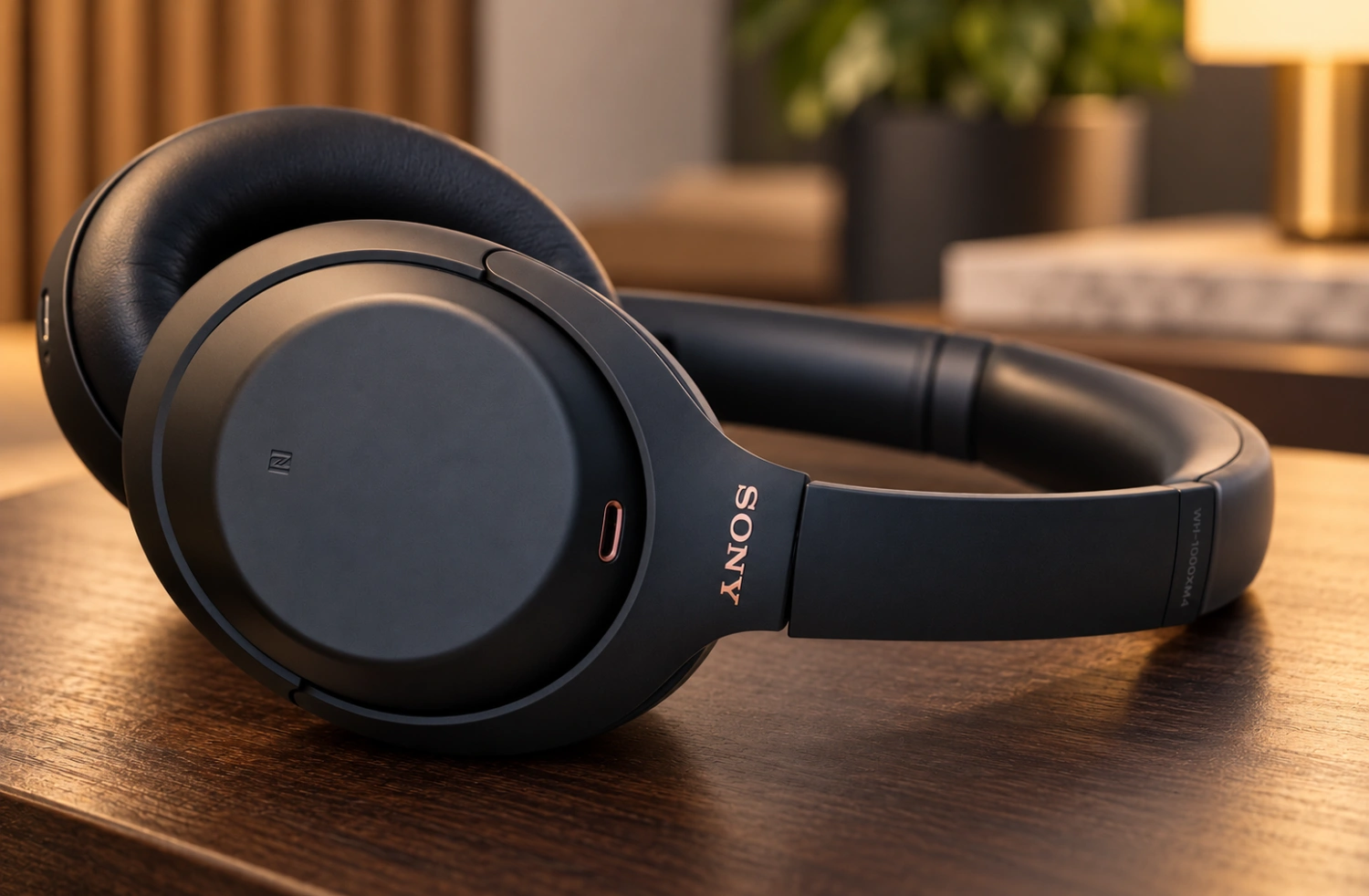
Sony has done something unusually refreshing in a headphone market obsessed with constant replacement: instead of consigning one of its most popular designs to history, it has brought it back.
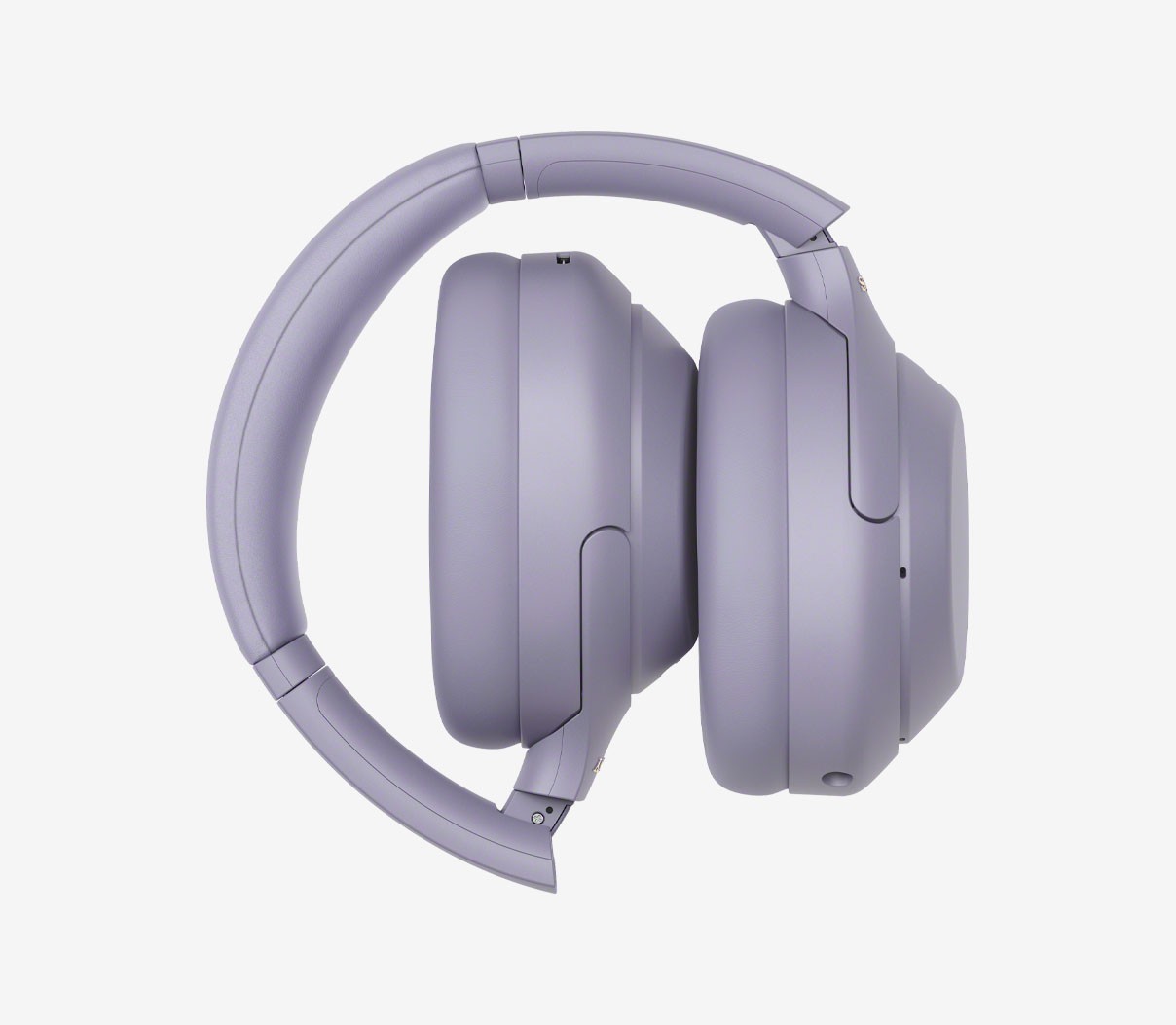
The Sony WH-1000XM4C is effectively the second generation of the much-loved WH-1000XM4, and Sony itself describes the new model in the US as the “M4 2nd Gen.” Rather than radically redesigning the headphone, Sony has retained the compact folding architecture that helped make the original XM4 such a familiar sight on trains, planes and city streets, while updating several of the areas that matter most in 2026.
That means revised sound tuning, a substantially expanded equaliser, Bluetooth 6.0, refreshed colours and a battery design intended to give the headphone a longer useful life.
And perhaps most importantly, Sony has resisted the temptation to turn the XM4C into another flagship. The WH-1000XM6 remains above it in Sony's range. The XM4C instead takes a proven design and gives it another run at the increasingly crowded premium wireless headphone market.
A six-year-old design Sony wasn't ready to abandon
The original WH-1000XM4 arrived in 2020 and became one of the defining wireless noise-cancelling headphones of its generation.
Its successor, the WH-1000XM5, changed the formula considerably, most visibly by moving away from the XM4's compact folding mechanism. Sony has now returned directly to the older architecture for the WH-1000XM4C.
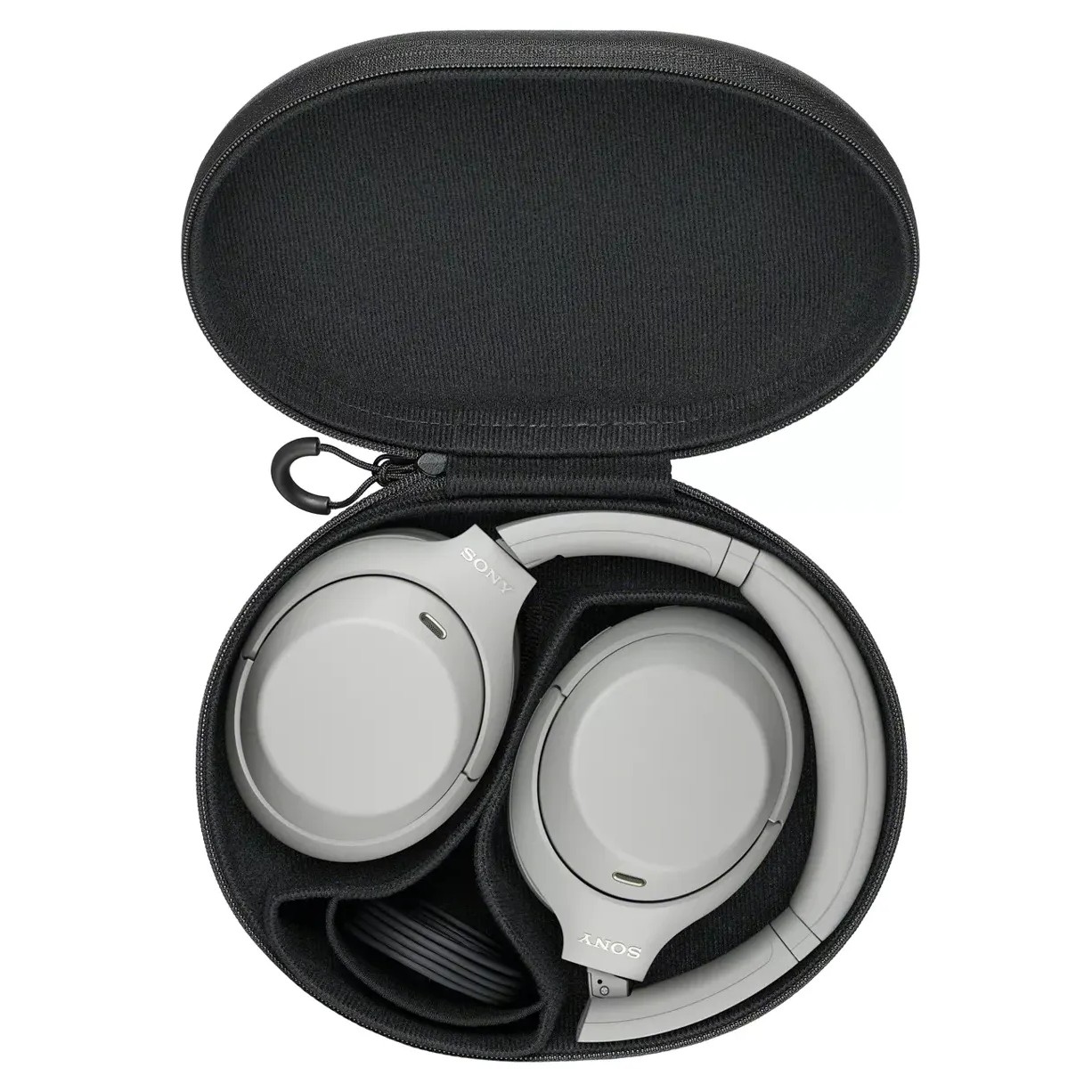
The familiar hinges remain, allowing the earcups to fold inward for transport, and Sony includes a carrying case. At approximately 253 grams, the XM4C remains reasonably light for a full-size wireless ANC headphone.
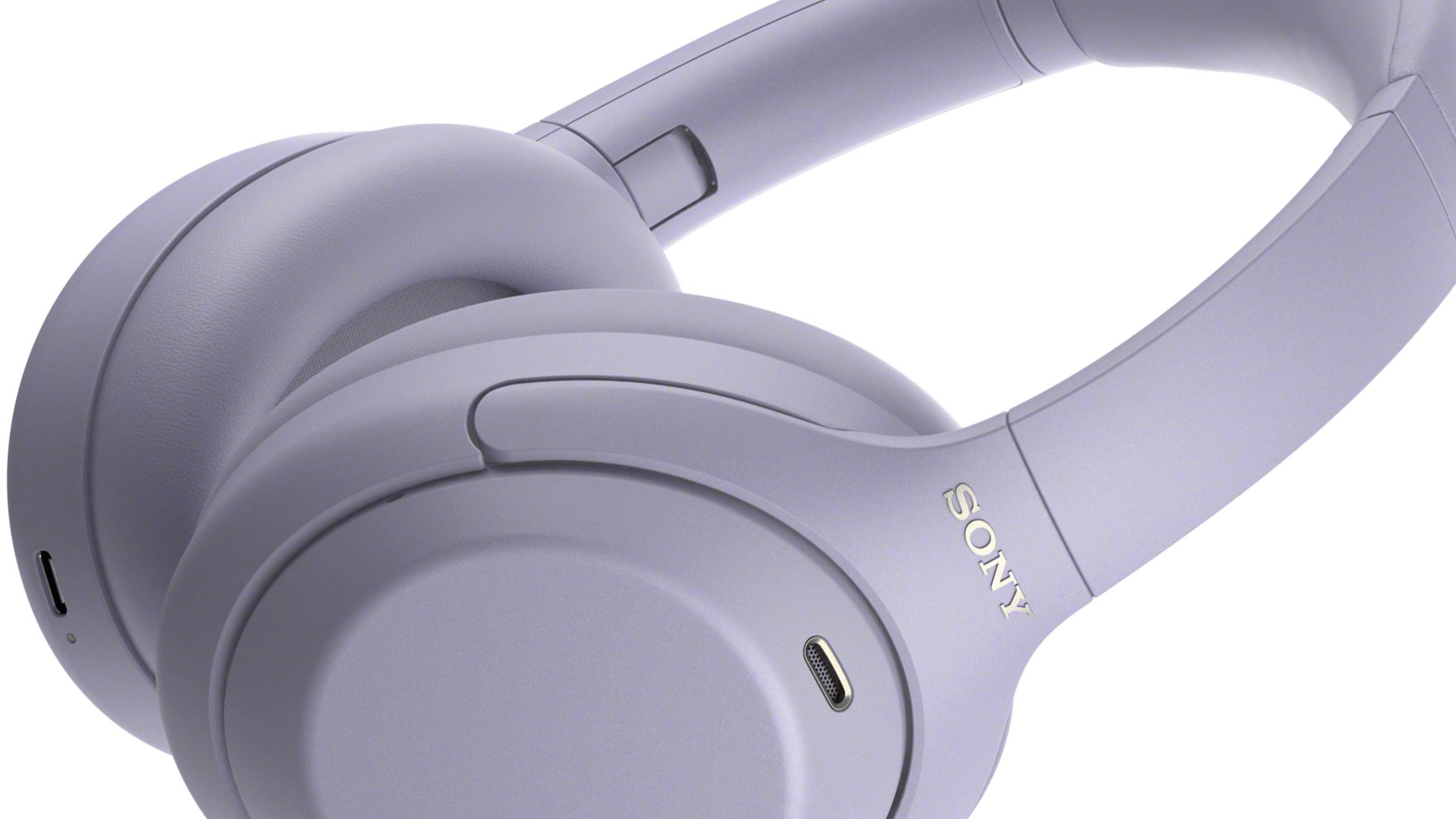
It is available in Black, Platinum Silver and Lavender, with Lavender being the obvious visual departure from the older model.
There is something almost countercultural about the decision. Instead of creating an XM7-lite or stripping features out of a completely new chassis, Sony has taken an established headphone people already know and attempted to modernise the parts that had begun to age.
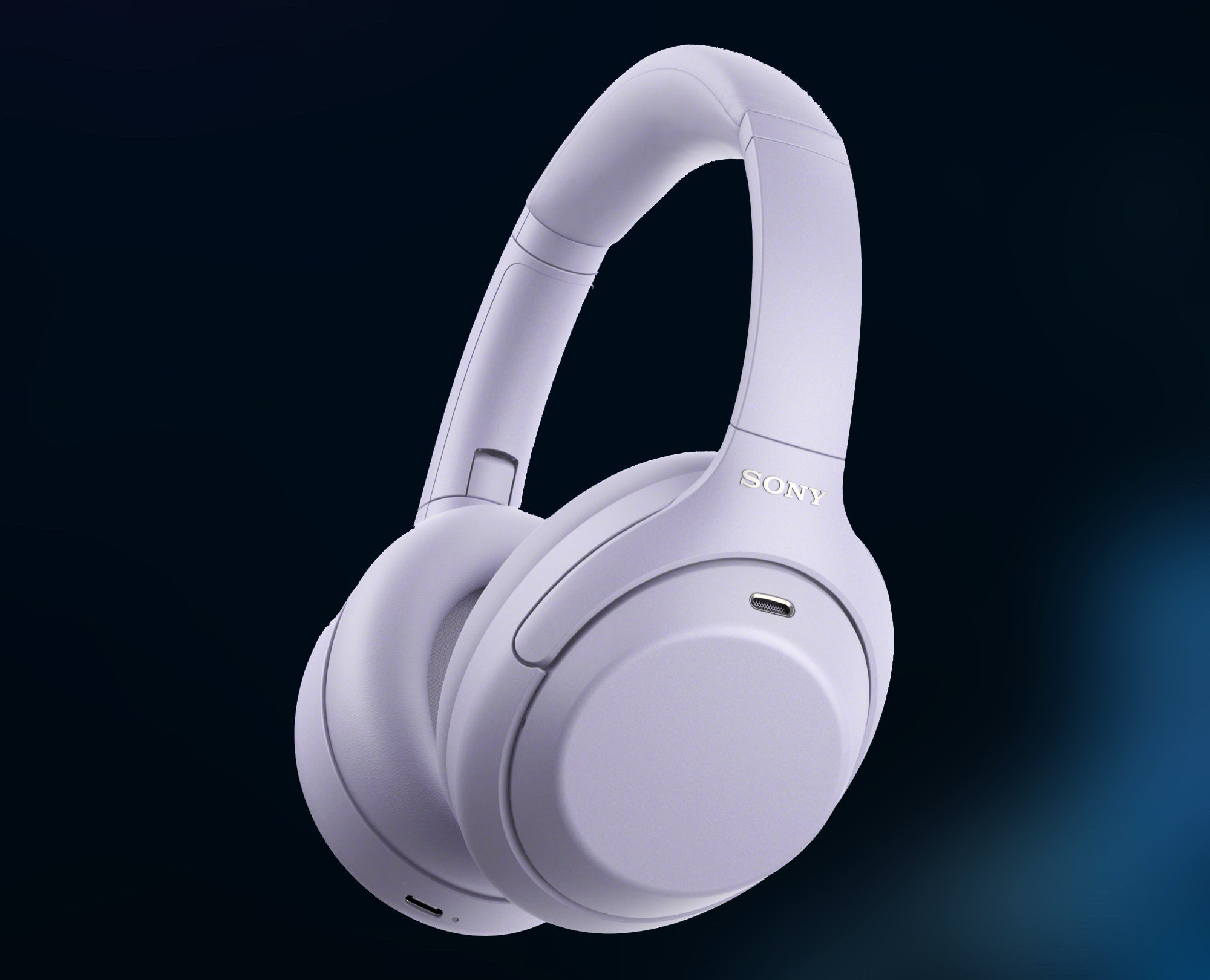
The 40mm driver is back
Underneath the familiar exterior sits a 40mm dynamic driver, essentially continuing one of the defining pieces of the original XM4 architecture. Sony specifies a wired frequency response of 4Hz to 40kHz with the electronics active.
Bluetooth playback is rated at 20Hz–20kHz with standard 44.1kHz material and extends to 20Hz–40kHz when using LDAC at 96kHz/990kbps.
Codec support consists of:
SBC, AAC and LDAC.
LDAC remains particularly important here. While the XM4C is clearly not attempting to compete with dedicated wired audiophile headphones, Sony continues to offer its higher-bandwidth Bluetooth codec for compatible Android devices.
DSEE Extreme processing also returns, designed to analyse and reconstruct information in compressed audio sources.
Sony has retuned the sound
Keeping the driver does not mean Sony has simply copied the old sonic profile.
Sony says the WH-1000XM4C has received updated sound tuning intended to suit contemporary listening preferences. The company has not published a detailed technical explanation of every DSP change, but independent early testing and launch briefings point toward a presentation with clearer vocals, improved separation and a somewhat tighter low end than the character traditionally associated with the original XM4.
That could be one of the most important changes to the headphone.
The original XM4 was known for a warm, generous presentation with a fairly prominent low-frequency balance. The XM4C appears to preserve the accessible character of that headphone while bringing its tuning somewhat closer to Sony's newer models.
Users who want to go much further can now do so through the Sony | Sound Connect app.
The five-band EQ becomes a 10-band EQ
One of the clearest upgrades is the equaliser.
The original WH-1000XM4 offered a five-band EQ. The XM4C expands that to a 10-band equaliser, giving owners considerably finer control over the headphone's tonal balance.
Sony has also added additional listening personalisation through the Sound Connect app, including a system that can help users determine their preferred tuning.
A Gaming EQ is also available, providing another preset intended for game audio.
For a mainstream wireless headphone, this level of adjustment makes the XM4C considerably more interesting. Buyers are no longer as dependent on liking Sony's factory tuning out of the box.
The famous QN1 noise cancelling survives
Sony has not thrown away the noise-cancelling system that helped make the XM4 famous.
The WH-1000XM4C retains the HD Noise Cancelling Processor QN1 architecture associated with the original model, along with the established microphone arrangement.
Sony continues to position the headphone for use against transport noise, office environments, traffic and other persistent background sound.
There is also Ambient Sound mode, allowing outside sound to be introduced when awareness is required, plus Sony's Personal NC Optimizer.
Quick Attention remains part of the experience as well, allowing the listener to temporarily hear the outside world without fully removing the headphones.
It means the XM4C's ANC platform is not Sony's newest technology, but it is built around one of the company's most established noise-cancelling designs.

Bluetooth jumps all the way to 6.0
One specification that makes the XM4C feel considerably less like a straightforward reissue is Bluetooth.
Sony officially lists the headphone as using Bluetooth 6.0.
Multipoint connectivity is supported, allowing the headphone to maintain connections with multiple devices. That remains particularly useful for anyone regularly moving between a laptop and smartphone.
Profiles include A2DP, AVRCP, HFP and HSP.
Interestingly, Sony has retained its familiar SBC/AAC/LDAC codec strategy rather than using the refresh as an opportunity to move to a completely different codec ecosystem.
Quick Access puts streaming services on the headphone
The XM4C also incorporates Sony's Quick Access functionality.
Through the Sound Connect app, the noise-cancelling/Ambient Sound button can be assigned to launch supported services or functions with a double press. Availability varies by country and service.
It is a relatively small feature, but one that illustrates what Sony is doing with the XM4C: retaining the mechanical form of the older headphone while bringing its software experience closer to the company's current models.
The battery is arguably the biggest change
The most consequential change may be hidden inside the earcup.
Multiple reports surrounding the XM4C launch identify its battery as user replaceable, a significant shift from the original XM4 and one that arrives shortly before new European battery rules take effect.
EU Regulation 2023/1542 introduces requirements from 18 February 2027 under which portable batteries incorporated into many products must generally be readily removable and replaceable by the end user using commercially available tools.
That has potentially enormous implications for wireless headphones.
Battery degradation is one of the biggest practical limitations on the useful lifespan of otherwise functional Bluetooth headphones. Making replacement easier means a headphone such as the XM4C may no longer have to be discarded simply because its lithium battery has lost much of its original capacity.
There is, however, a trade-off.
Battery life drops to 27 hours
Sony rates the WH-1000XM4C at up to 27 hours of continuous music playback with noise cancelling enabled.
Switch ANC off and the figure rises to 34 hours.
The original XM4 was rated for around 30 hours with ANC active, meaning the revived version actually loses several hours of headline endurance.
Continuous communication is rated at up to 20 hours with noise cancellation and 27 hours without it.
Charging takes approximately three hours over USB.
Twenty-seven hours is still enough for several days of normal listening or most long-haul journeys, but battery endurance is one area where the XM4C clearly does not attempt to set a new benchmark.
The more interesting question is whether owners would rather have three additional hours per charge or a battery that can potentially be replaced when it eventually wears out.
For a headphone intended to remain useful for years, the latter may prove more valuable.
You can still use it as a wired headphone
Sony has also retained a feature increasingly worth mentioning: a proper 3.5mm stereo input.
The XM4C can therefore be connected by cable, and Sony specifies both powered and passive operation.
Impedance is rated at 40 ohms at 1kHz with the headphone powered on and 16 ohms with it switched off.
A detachable connection cable is supplied in the box alongside the carrying case.
That gives the XM4C considerably more flexibility than wireless-only designs and means owners still have a fallback when Bluetooth is undesirable or the battery is depleted.
Sony has created a new tier beneath the XM6
The most interesting part of the XM4C may ultimately be where Sony has decided to position it.
This is not a replacement for the WH-1000XM6 flagship. Instead, Sony is effectively turning the XM4 platform into its enduring classic.
In the US, the WH-1000XM4C launches at $299.99, while Sony's Norwegian announcement gives an approximate price of 3,290 NOK. UK pricing is around £219, with European reporting placing it around €250.
That puts some useful distance between the resurrected XM4 design and Sony's highest-end wireless offering.
And it explains why Sony has not attempted to rebuild everything.
A surprisingly sensible way to revive a classic
The WH-1000XM4C is a strange product in the best possible way.
Most technology companies would have left a six-year-old headphone behind and created another entirely new model. Sony has instead acknowledged that the XM4 got several fundamental things right: it is light, folds compactly, offers strong noise cancellation and remains a design people clearly still like.
So Sony has modernised it rather than replacing it.
The larger EQ gives listeners far greater control over the sound. Bluetooth 6.0 brings the wireless platform forward. The revised tuning addresses an area where newer Sony headphones had moved on. And, assuming the replaceable-battery implementation proves as practical as intended, the XM4C could have a substantially longer useful life than many conventional Bluetooth headphones.
There are compromises. The ANC hardware is based on an older platform, battery life has fallen slightly, and buyers looking for Sony's most advanced headphone technology will still be directed toward the XM6.
But that is almost the point.
The WH-1000XM4C isn't Sony trying to pretend the WH-1000XM4 was invented again in 2026. It is Sony admitting that sometimes a genuinely good design doesn't need to be thrown away.
And in a category where each new generation often arrives simply because the calendar says it should, that might be the most interesting thing about the XM4C.



 VS
VS VS
VS VS
VS VS
VS VS
VS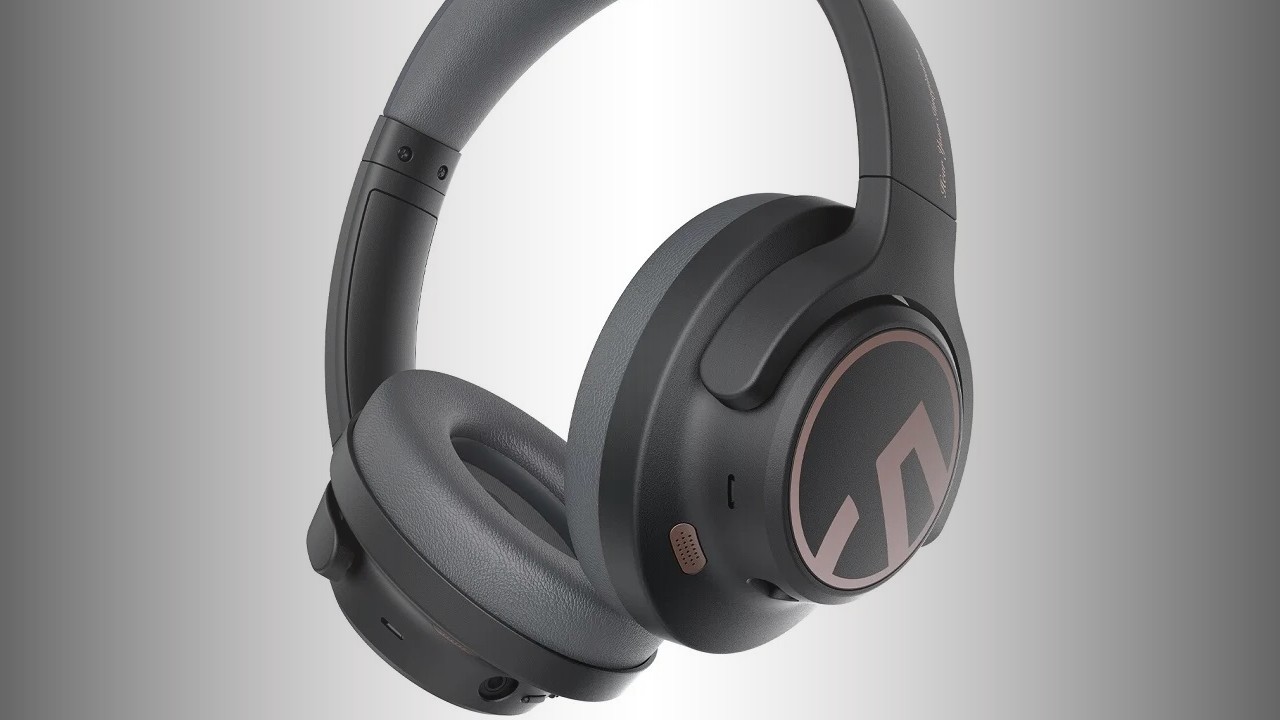 VS
VS VS
VS VS
VS

Comments 0
Share your experience, questions and perspective with other hi-fi enthusiasts.