HarmonicDyne G200: A Planar Headphone Built Around Scale, Materials, and Connectivity
The HarmonicDyne G200 combines a large 102mm planar magnetic driver, semi-open acoustic architecture, carbon fiber construction, and a generous balanced cable package in a headphone aimed at demanding music listeners and audio professionals.
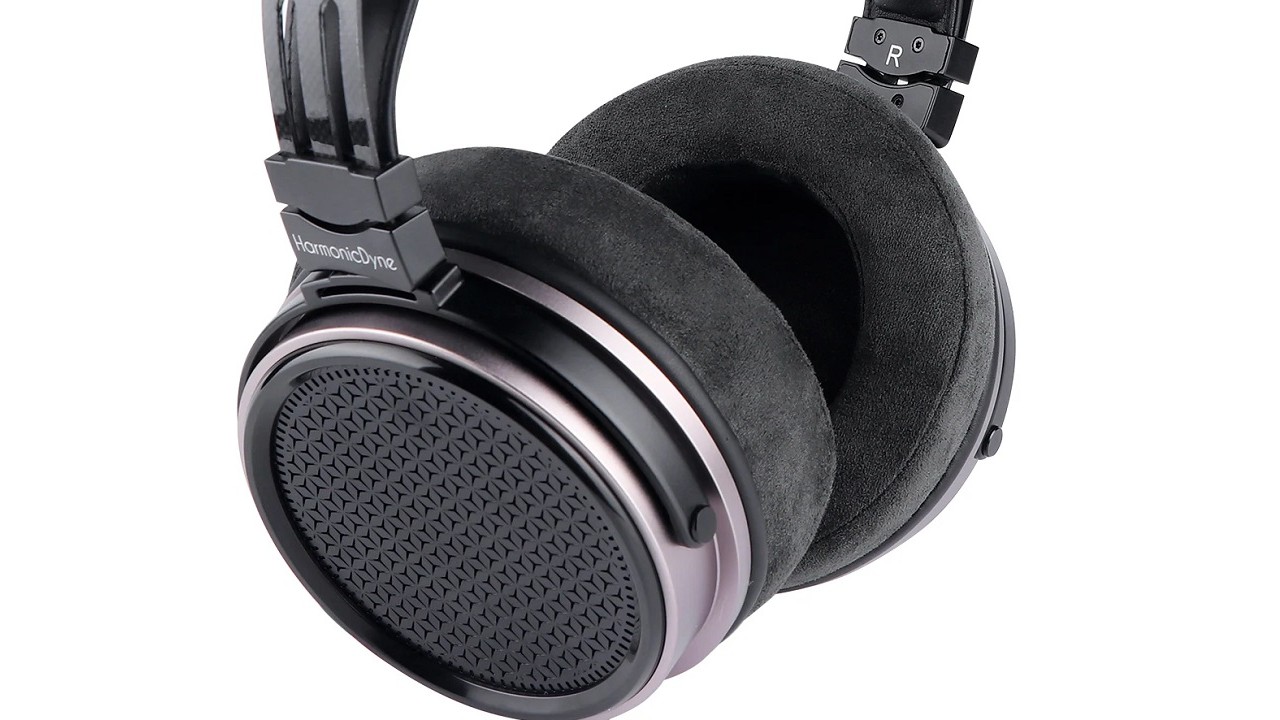
The HarmonicDyne G200 is positioned as a more ambitious entry in the company’s over-ear headphone line, following models such as the Helios, Zeus, and Poseidon. Rather than focusing on a small cosmetic update, the G200 centers its identity on a custom 102mm planar magnetic driver, a semi-open acoustic structure, and a more elaborate material package that includes aluminum, carbon fiber, suede fabric, lambskin, and a copper-silver braided Litz cable. At $699, it sits in a serious enthusiast category where buyers are likely to care not only about driver technology, but also about comfort, durability, connection options, and system compatibility.
A Large 102mm Planar Driver at the Core
The defining technical feature of the HarmonicDyne G200 is its custom-made 102mm planar magnetic driver. Planar magnetic headphones differ from many conventional dynamic-driver designs by using a thin diaphragm driven across a broad surface area by a magnetic system. In practical terms, the appeal of this approach is often linked to diaphragm control, low distortion potential, and the ability to move air evenly across a relatively large radiating surface.
HarmonicDyne’s published specification gives the G200 a frequency response of 10Hz to 45,000Hz and an input impedance of 64 ohms. Those numbers place it in territory likely to interest users with dedicated headphone amplifiers, balanced sources, desktop DAC/amp combinations, and more capable portable audio players. The impedance is not extremely high, but it does suggest that pairing the G200 with a competent source will be part of getting the most convenient and controlled setup.
The driver is described as using an isokinetic magnetic field, a high-density S+1 coil, and double-sided high-transmission magnetic tapes. The purpose of this assembly, according to the available product information, is to vibrate the diaphragm with greater uniformity and to reduce total harmonic distortion associated with split vibrations. For a prospective owner, the important point is not just the size of the driver, but the attention HarmonicDyne has placed on how evenly that diaphragm is driven. A large planar transducer only becomes useful if the magnetic system can control it consistently.
Semi-Open Acoustics for a Spacious Presentation
The G200 uses a skeletonised, semi-open acoustic structure. This is an important design choice because it tells potential buyers something about how and where the headphone is likely to be used. Semi-open and open-leaning headphones generally prioritize airflow and a more spacious acoustic character over isolation. The G200 is specifically described as being designed to provide a superior sense of space, which aligns with the decision to avoid a fully sealed enclosure.
That design direction may be attractive to listeners who mainly use headphones in quiet environments: a dedicated listening desk, a studio space, a home office, or a music room. A semi-open structure can be less suitable for commuting, travel, or shared spaces where sound leakage and outside noise are major concerns. HarmonicDyne’s approach here appears to favor a more expansive listening experience rather than maximum isolation.
The semi-open architecture also complements the G200’s identity as a headphone for music lovers and professionals with high audio demands. For users working with detailed recordings, large-scale arrangements, acoustic music, or layered production, the promise of a more open spatial presentation may be an appealing part of the product’s design philosophy. It is not a closed-back utility headphone; it is built more like a dedicated listening instrument.
Carbon Fiber, Aluminum, and a More Premium Physical Design
Beyond the driver system, the G200 places notable emphasis on materials. HarmonicDyne describes the headphone as using a handcrafted semi-closed aluminum metal stand and a full carbon multi-layer carbon fiber headband. The use of aluminum and carbon fiber gives the G200 a more technical, modern design language while also addressing structural strength.
Carbon fiber is often chosen in audio products where rigidity and low weight are both priorities. The G200 weighs 480g without accessories, so it is not an ultralight headphone. In that context, the headband design matters. A strong headband structure can help maintain fit and durability, while the broader comfort experience will depend on weight distribution, clamp, pad materials, and head shape. The documented use of carbon fiber at least indicates that HarmonicDyne has treated the headband as a central part of the product rather than an afterthought.
The ear pads are specified as suede fabric and lambskin. This combination suggests a focus on tactile comfort and a more refined wearing experience. Pad materials also affect how a headphone seals, breathes, and sits during longer listening sessions. While the source information does not provide detailed ergonomic measurements beyond the product dimensions of 230mm x 175mm x 112mm, the inclusion of these materials supports the G200’s positioning as a headphone intended for extended, attentive use rather than casual short sessions only.
A Cable Package Designed for Serious Sources
One of the most practically useful aspects of the G200 is its supplied cable and adapter arrangement. The headphone comes with a 2-meter XLR/4 balanced cable made from 6N Litz wire, described as a custom copper-silver braided Litz cable. The inclusion of a balanced XLR cable as standard is significant because many desktop headphone amplifiers and higher-end audio systems use 4-pin XLR outputs for balanced headphone drive.
HarmonicDyne also includes adapters for XLR to 4.4mm, XLR to 6.35mm, and 4.4mm to 3.5mm connections. This makes the G200 more flexible across different systems, from desktop amplifiers with full-size XLR outputs to devices using 4.4mm balanced connections, standard 6.35mm headphone jacks, or smaller 3.5mm outputs. For an owner who uses several sources, this bundled connectivity reduces the immediate need to shop for aftermarket cables.
The value of this package is not only convenience. It also reflects an understanding that planar magnetic headphones are often used with a variety of amplification chains. A listener might use a balanced desktop amplifier at home, a portable DAC/amp with 4.4mm output in another room, and a conventional single-ended output when needed. The G200’s accessories support that range of use cases from the start.
System Matching and Everyday Practicality
With a 64-ohm impedance and large planar driver, the G200 appears aimed at users who are willing to think about source quality and output options. The included adapters make it physically easy to connect to many devices, but the headphone’s overall concept suggests that a capable amplifier or DAC/amp will be a natural partner. This is especially true for buyers interested in balanced operation via 4-pin XLR or 4.4mm outputs.
The 2-meter cable length is also practical for desktop and seated listening. It is long enough for use with equipment placed on a desk, rack, or side table without being as unwieldy as very long studio cables. Combined with the headphone’s semi-open structure and 480g weight, the G200’s most natural environment seems to be a stable listening space rather than mobile use.
At $699, the G200 is not positioned as an entry-level planar headphone. Its appeal rests on a combination of driver scale, materials, and included connectivity rather than on a minimal package. Buyers considering it are likely to be looking for a complete, enthusiast-oriented headphone system component rather than a basic plug-and-play accessory.

Who the HarmonicDyne G200 Is Most Suitable For
The G200 is likely to be most suitable for listeners who prioritize planar magnetic driver technology, an open or semi-open presentation, and compatibility with balanced audio equipment. It makes particular sense for users who listen primarily at home, at a desk, or in a controlled studio-like environment where isolation is not the main requirement.
It should also appeal to owners who value physical construction and accessory completeness. The carbon fiber headband, aluminum structural elements, suede fabric and lambskin pads, and bundled Litz cable with multiple adapters all point toward a product designed for more involved headphone users. Someone building a desktop hi-fi headphone chain may appreciate that the G200 can connect to several output standards without requiring an immediate cable purchase.
On the other hand, it may be less suitable for listeners who need a compact commuting headphone, a highly isolating closed-back model, or the lightest possible over-ear design. Its semi-open architecture, full-size dimensions, and 480g stated weight make it better aligned with deliberate listening sessions than with portable everyday carry. The strongest match is a user who wants a substantial planar headphone for serious music listening and already has, or plans to add, appropriate source equipment.
Conclusion
The HarmonicDyne G200 stands out through a clear set of documented design choices: a custom 102mm planar magnetic driver, a semi-open acoustic structure, a carbon fiber headband, aluminum construction, premium pad materials, and a well-equipped balanced cable package with useful adapters. Its $699 positioning and connectivity options make it most relevant to enthusiasts and demanding listeners building a capable home or desktop headphone setup. For those who want a full-size planar headphone with flexible system matching and a materials-focused design, the G200 presents a thoughtfully specified option.