Dynavector XX-2A: A Moving-Coil Cartridge Built Around Magnetic Precision
The Dynavector XX-2A is a moving-coil cartridge shaped by the company’s long-running interest in magnetic circuits, vibration control, and careful material treatment. Its most distinctive idea is not a visible styling cue, but a redesigned Special Annealing Circuit intended to make better use of pure iron’s magnetic properties.
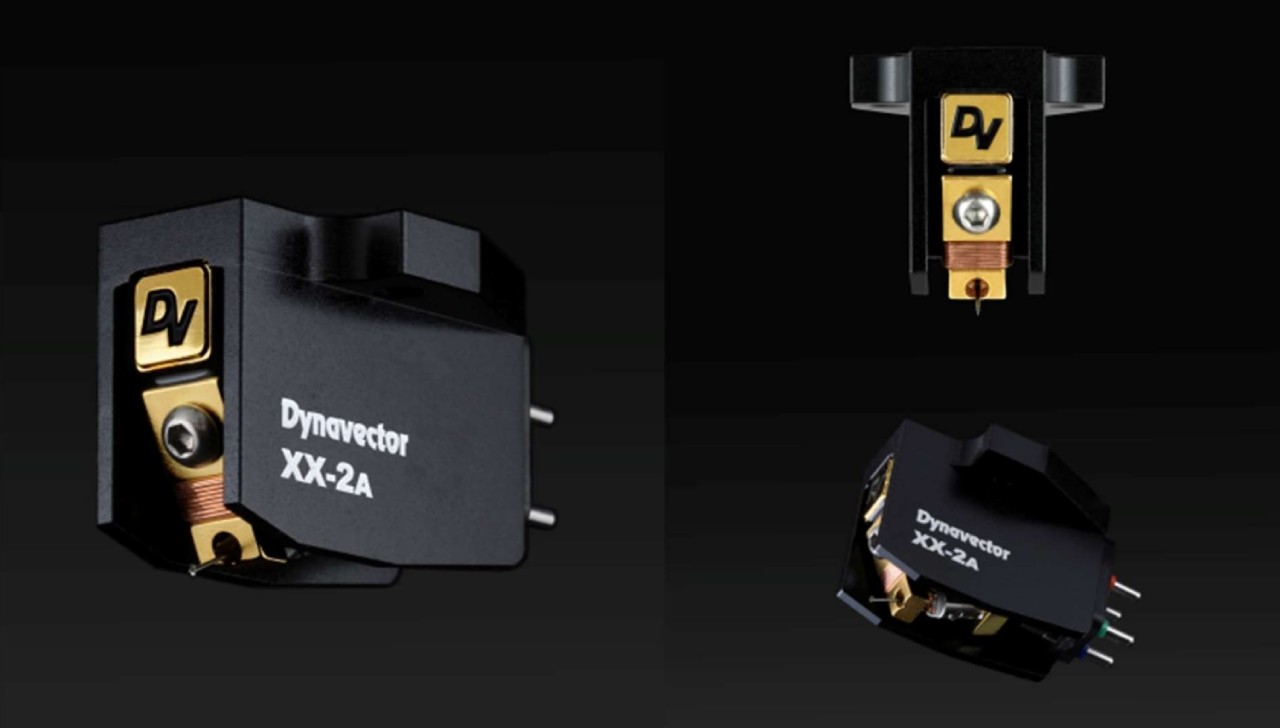
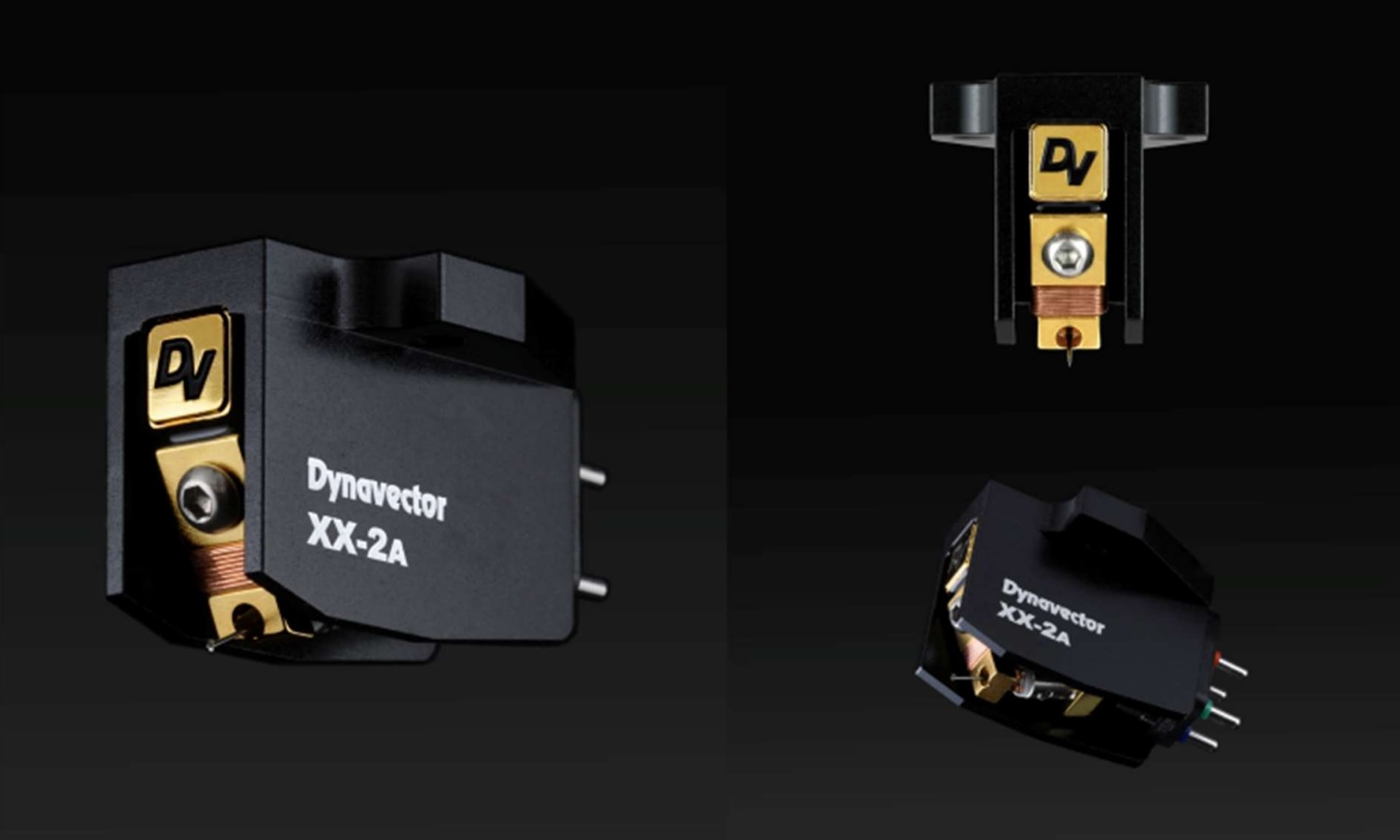
The Dynavector XX-2A arrives as a product for vinyl listeners who value the less visible engineering inside a cartridge as much as the familiar details of stylus, cantilever, and body. This is a moving-coil cartridge from a Japanese maker with a long history in high-end cartridge design, and its central story is the treatment of the iron used in its magnetic circuit. Rather than presenting the XX-2A as a simple model update, Dynavector has focused attention on a specific material process: magnetic annealing, applied under carefully chosen conditions to restore and optimize the magnetic behavior of pure iron after it has been formed into small cartridge parts.
A cartridge defined by its magnetic circuit
Many cartridge descriptions concentrate on the vibration system: the cantilever, the coil, the insulation, and the rigidity of the cartridge body. Those elements are essential, but the XX-2A highlights another part of the signal chain inside a moving-coil design: the magnetic circuit. In an MC cartridge, the electrical signal is generated as the coil moves within a magnetic field. For that signal to be produced cleanly and consistently, the magnetic field needs density and stability.
Dynavector’s design approach for the XX-2A is based on the use of pure iron in the magnetic circuit. Pure iron is valued here because of its high magnetic permeability, which means it can support a strong magnetic field. In a cartridge, where the generated electrical signal is extremely small and every mechanical and magnetic detail matters, that material choice is not a decorative specification. It is part of the basic mechanism by which groove movement becomes an audio signal.
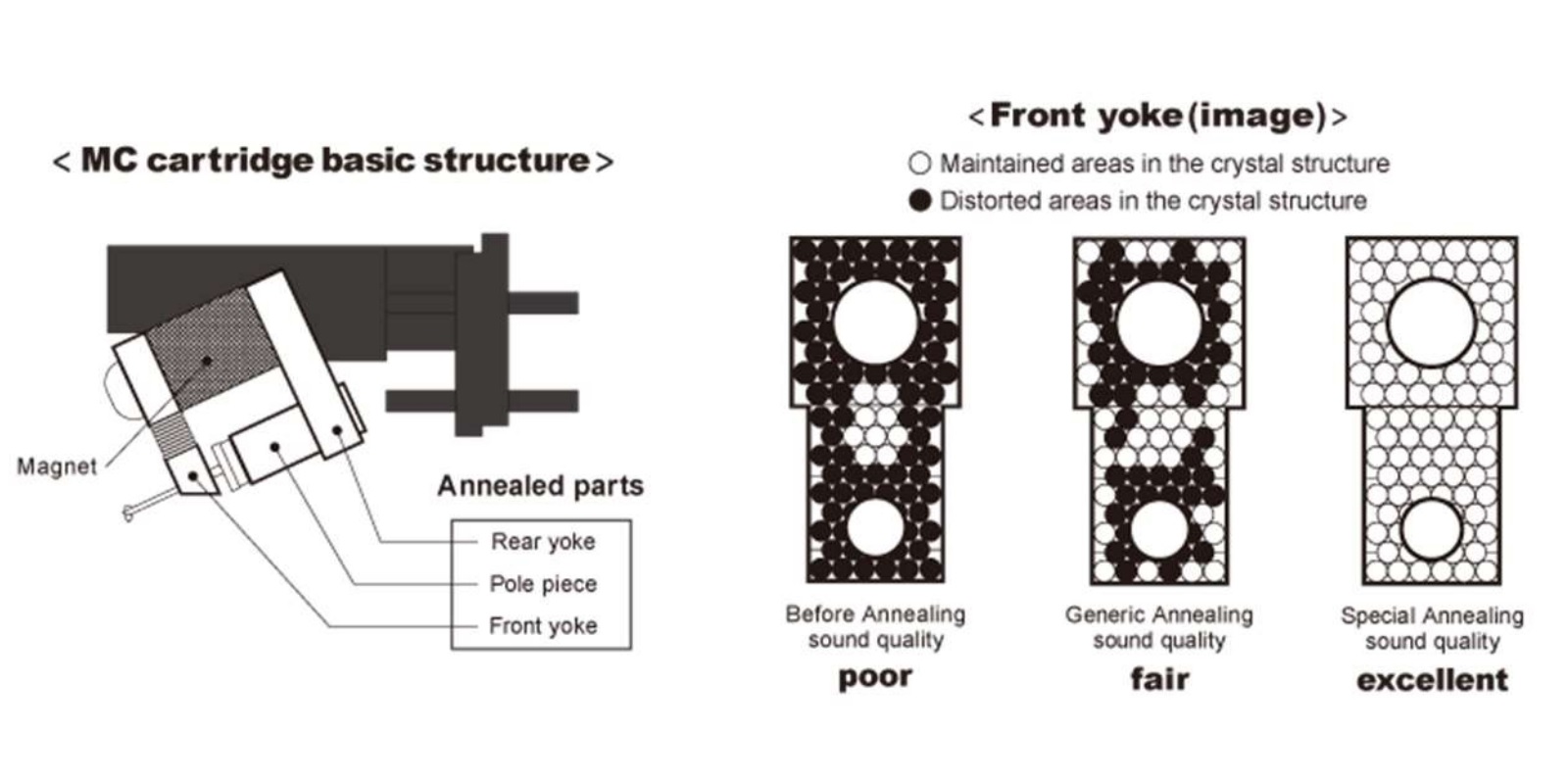
The distinctive element is that Dynavector is not merely specifying pure iron, but addressing what happens to that iron during manufacturing. When iron is shaped into very small parts, its structure can be affected at the atomic level. The source of the issue is the plastic deformation involved in converting the material into precise components. That change can reduce magnetic permeability, which in turn may limit the performance of the magnetic circuit. The XX-2A is designed around a process intended to restore those magnetic properties.
What magnetic annealing is meant to solve
Magnetic annealing is a reheating and cooling process used to recover the magnetic properties of iron after forming. For the XX-2A, Dynavector has applied this idea to the iron parts used in the cartridge’s magnetic circuit. The purpose is to bring the material closer to its desired magnetic behavior after it has been worked into the required shapes.
The important point is that this process is not treated as a generic step. Dynavector’s development work for the XX-2A centered on finding suitable annealing conditions for the specific parts involved. Temperature, heating time, heating speed, and cooling speed were all areas of focus. That matters because annealing results depend on the composition, dimensions, and shape of the part being treated. In a cartridge, the components are small and highly specific, so the process must be matched to the application rather than applied as a broad industrial recipe.
This is where the XX-2A’s Special Annealing Circuit becomes more than a name. It refers to a redesigned magnetic-circuit approach that aims to take fuller advantage of pure iron’s magnetic properties. For prospective owners, the appeal lies in the seriousness of the engineering target. The cartridge is not distinguished primarily by convenience features or external appearance, but by an attempt to refine the conditions under which the moving-coil generator operates.
Why this kind of engineering matters in vinyl playback
A phono cartridge is a mechanical, magnetic, and electrical device at once. The stylus follows the groove, the cantilever transmits movement, the coil moves, and the magnetic circuit enables the conversion of that movement into an electrical signal. Because the cartridge sits at the very beginning of the playback chain, decisions made inside it affect everything downstream. The XX-2A’s focus on magnetic-field stability is therefore directly relevant to the role a cartridge performs.
The benefit of a stable, dense magnetic field is that it gives the coil a well-controlled environment in which to generate output. Dynavector’s stated goal is interference-free signal transmission and a magnetic circuit that takes advantage of pure iron’s properties. While final performance will always depend on tonearm setup, phono-stage matching, and the rest of the system, the underlying design emphasis is clear: the XX-2A is intended for listeners who see cartridge engineering as a system of small, interdependent optimizations.
This also helps explain why the product is positioned as a high-end moving-coil cartridge rather than a mass-market replacement part. The technical focus is narrow and specialized. It concerns a material behavior that is invisible during normal use, but central to how the generator works. For a vinyl enthusiast assembling a carefully matched analog front end, that kind of hidden engineering can be a meaningful reason to consider one cartridge over another.
Dynavector’s design continuity
The XX-2A also fits into a longer Dynavector narrative. The company has concentrated on high-end cartridges since its founding in 1978, with a tradition that connects cartridge development to technical knowledge from the academic world. Founder Dr. Noboru Tominari established that orientation, and the company has continued to develop products around detailed mechanical and magnetic considerations.
Several themes from Dynavector’s history are relevant to understanding the XX-2A. The company has worked on vibration-absorbing technology, high-output coils wound with very thin wire, diamond cantilever needles, and magnetic-circuit improvements dating back to the 1990s. These are not all presented as features of the XX-2A specifically, but they show the context from which the new model emerges: a manufacturer interested in the interaction between mechanical movement, magnetic behavior, and signal generation.
That background matters because the XX-2A’s Special Annealing Circuit is not an isolated gimmick. It is an extension of a known area of Dynavector attention: stabilizing magnetic flux and refining the behavior of the magnetic circuit. The new model’s emphasis on annealing conditions suggests a continuation of that work, with the magnetic properties of pure iron placed at the center of the design.
System matching and ownership considerations
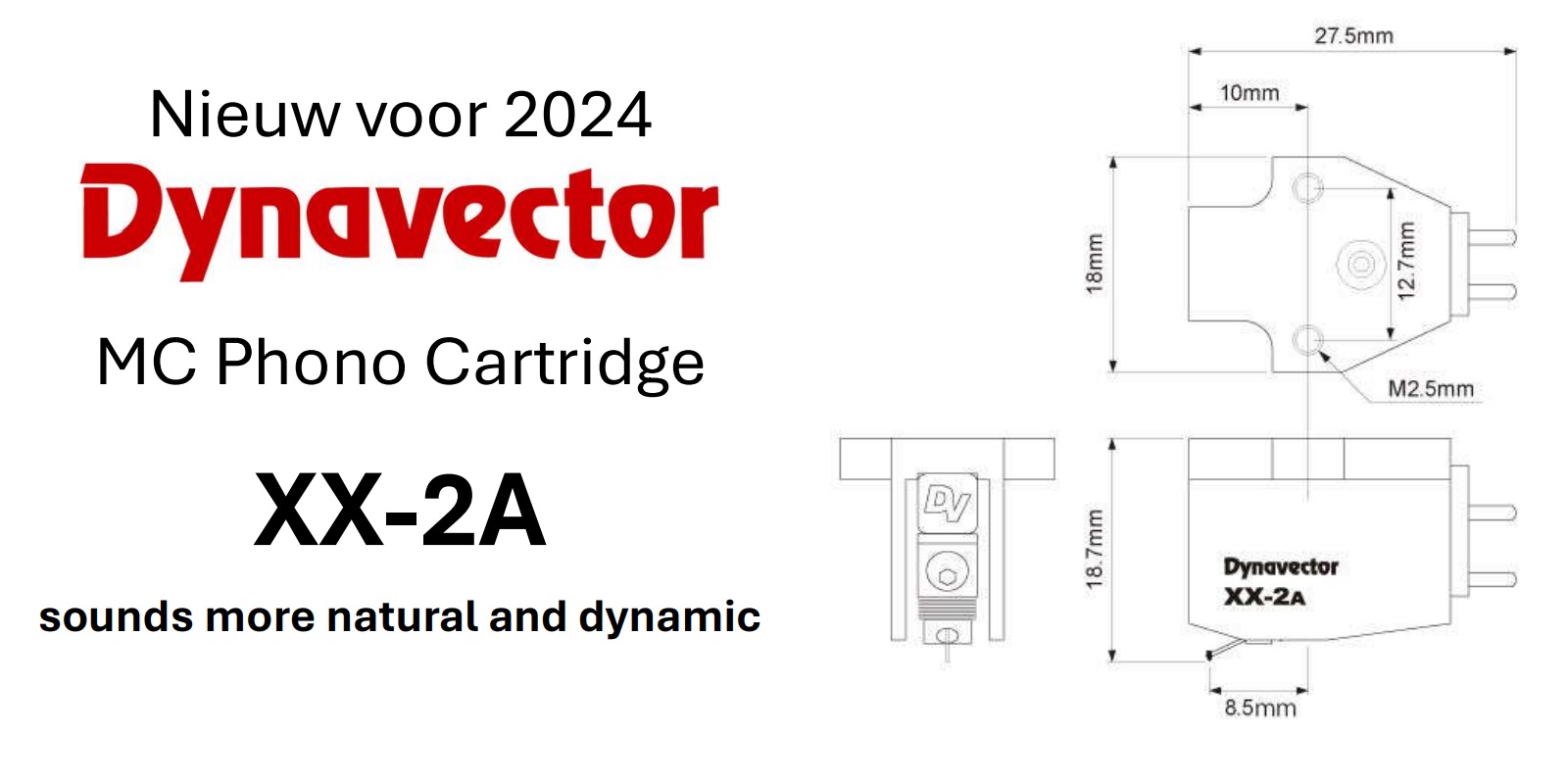
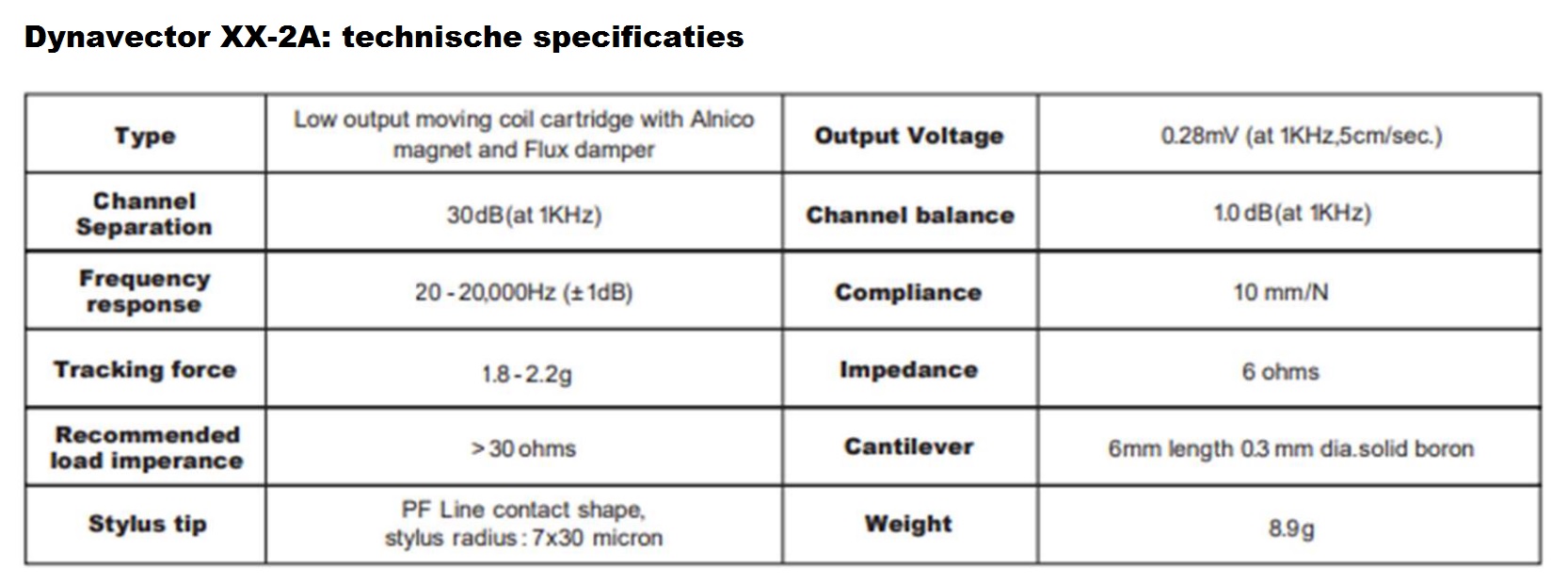
Because the XX-2A is a moving-coil cartridge, it is best considered as part of a complete analog system rather than as a standalone accessory. Prospective owners should ensure that their phono stage or step-up arrangement is suitable for an MC cartridge. They should also account for the usual cartridge requirements: careful installation, correct alignment, and compatibility with the tonearm being used.
The product’s appeal is likely strongest for listeners who already understand the importance of setup and are prepared to give the cartridge the supporting conditions it deserves. The engineering inside the XX-2A is aimed at precision, and that makes the surrounding system especially relevant. A well-chosen tonearm, properly adjusted tracking parameters, and an appropriate MC phono input are all part of allowing any cartridge of this type to operate as intended.
At the same time, the XX-2A may not be the natural choice for someone looking for the simplest possible vinyl upgrade. Moving-coil cartridges typically call for more careful system matching than many entry-level alternatives. The documented strengths of this model lie in its magnetic-circuit treatment and high-end construction philosophy, not in plug-and-play convenience.
Who the Dynavector XX-2A is most suitable for
The XX-2A is most suitable for vinyl listeners building or refining a serious analog playback system and who are interested in the engineering choices behind signal generation. It will appeal to those who value a moving-coil design from a manufacturer with a long cartridge history, especially if they are drawn to material science and magnetic-circuit optimization rather than surface-level features.
It is also a logical candidate for owners who already use, or plan to use, MC-compatible phono amplification and a tonearm capable of careful setup. The cartridge’s defining feature is internal and technical, so the ideal owner is someone who appreciates that the quality of a cartridge can depend on microscopic material behavior as much as on more familiar specifications.
It is less suited to buyers who want broad connectivity options, digital convenience, or a low-effort installation path. The XX-2A is a specialist analog component. Its value proposition is rooted in disciplined cartridge engineering, not in flexibility across multiple formats or simplified operation.
Availability and market position
The Dynavector XX-2A is expected to be available for delivery in August. Pricing has been published in euros, but no USD price is provided here. In market terms, the XX-2A sits within Dynavector’s high-end cartridge tradition and is presented as a technically focused moving-coil model with a redesigned magnetic circuit.
That positioning is important. The XX-2A is not trying to be an all-purpose cartridge for every turntable owner. It is aimed at a more committed analog audience, especially those who see value in engineering refinements that are difficult to see but central to the cartridge’s function. Its Special Annealing Circuit gives it a clear identity within the crowded world of MC cartridges.
Conclusion
The Dynavector XX-2A stands out for a documented design focus that goes deeper than cartridge cosmetics or generic specification language. Its key attraction is the redesigned Special Annealing Circuit, built around pure iron whose magnetic properties are treated through carefully optimized annealing. Combined with Dynavector’s long-running interest in vibration systems, fine coils, and magnetic-circuit development, the XX-2A is best understood as a specialist moving-coil cartridge for experienced vinyl listeners assembling a capable analog front end. Its strongest qualities are its material-focused engineering, its attention to magnetic-field stability, and its place within a cartridge-making tradition that treats the generator itself as the heart of the product.