
Bad News for Home Cinema Fans: Black Friday TV Deals Could Shrink
Higher LCD panel costs and planned production cuts could place pressure on holiday television promotions, particularly as lower-cost OLED models narrow LCD’s traditional pricing advantage.
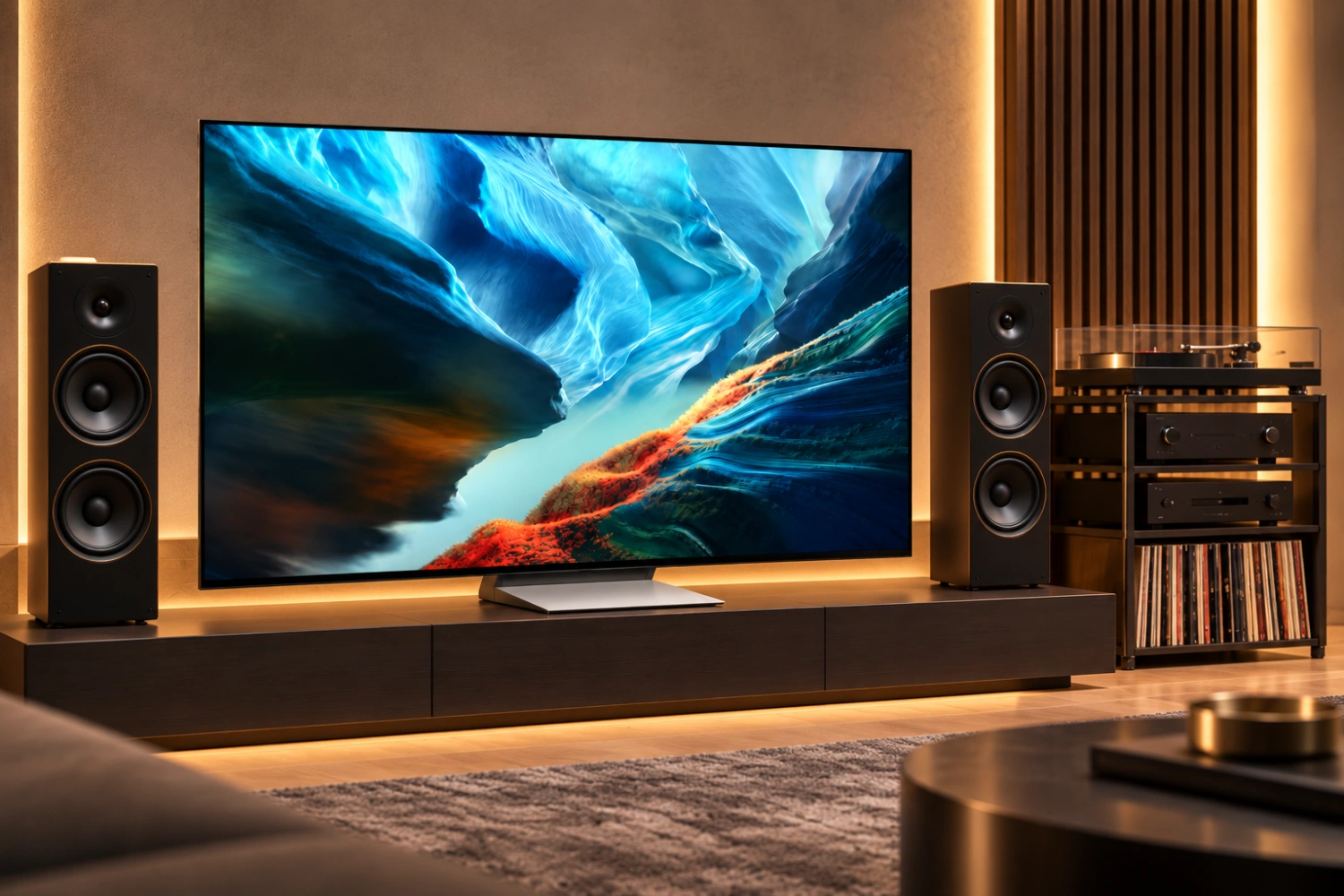
Holiday television discounts could face fresh pressure as major LCD panel suppliers increase pricing while deliberately reducing factory output. Samsung Electronics, LG Electronics and Sony are among the TV manufacturers reportedly notified of higher panel costs beginning in September or during the fourth quarter, just as brands prepare inventory and promotions for Black Friday.
Production Cuts Meet Higher Manufacturing Costs
The changing economics of LCD production are not being driven by a sudden surge in television sales. Demand is expected to soften after manufacturers build inventory during the third quarter, but panel suppliers are also limiting production to prevent supply from running too far ahead of the market.
TrendForce expects overall TV panel costs to rise by between 4% and 7% quarter over quarter during the fourth quarter of 2026. Competition from the AI industry for upstream materials and manufacturing resources is one contributing factor. At the same time, television panel unit demand is projected to fall 4% quarter over quarter.
BOE, TCL CSOT and HKC are planning output reductions around China’s Golden Week holiday, with some LCD fabrication lines expected to reduce or temporarily suspend operations. Utilization at large-generation display factories is forecast to fall to approximately 79.6% in October, a decline of 4.2 percentage points from September. The result is a market in which weaker demand can coexist with higher component prices because production is being managed more tightly.
Chinese Suppliers Hold a Decisive Market Position
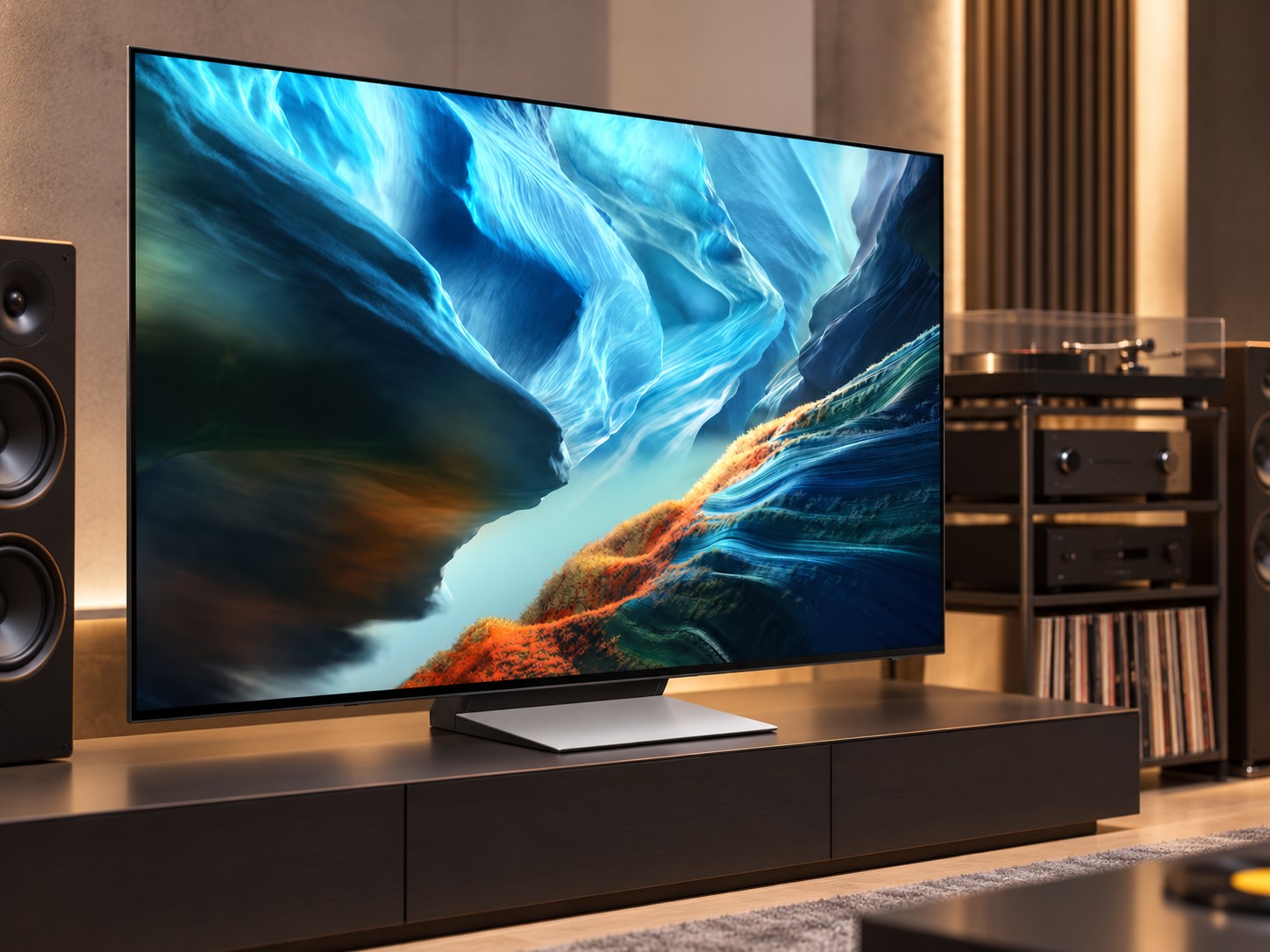
BOE, TCL CSOT and HKC collectively supply approximately 70% of the global TV panel market, according to TrendForce. Their influence is even greater in popular large-screen formats, with estimates placing their combined share of the 65, 75 and 85-inch LCD panel markets at roughly 70% to 85%.
This concentration follows the withdrawal of several established display manufacturers from LCD panel production. Samsung Display ended LCD manufacturing in 2022, while LG Display wound down its Korean TV-panel operations and later exited its Guangzhou LCD manufacturing business. Japanese manufacturers had already reduced their participation substantially.
Samsung Electronics consequently relies on external suppliers for the LCD panels used across its broad QLED, Neo QLED and other LCD-based television ranges. LG and Sony also sell significant numbers of LCD televisions alongside their OLED models, leaving all three exposed to changes in panel contracts and supplier output. TCL has a different position because its corporate structure includes TCL CSOT, giving it more direct control over panel supply and manufacturing costs.

OLED Is Narrowing LCD’s Pricing Advantage
The cost pressure arrives as OLED manufacturers pursue less expensive production methods. LG Display’s 2-stack WOLED architecture is designed to simplify panel construction by removing an emissive layer compared with more complex designs. The approach could reduce organic material requirements and the number of manufacturing steps while continuing to target strong brightness and color performance.
LG Display is also developing its FLiPP manufacturing process, which is intended to eliminate the fine metal masks traditionally used to create RGB OLED pixels. Both projects are aimed at improving manufacturing efficiency as OLED production expands.
Lower retail pricing is already making the competition more direct. Roku introduced a Pro Series OLED television starting at $999, while Samsung has expanded OLED across a lineup that includes the S85H, S90H and flagship S95H. Samsung continues to use both LG Display WOLED panels and its own QD-OLED technology within parts of its premium range.
LCD retains important practical advantages. It can deliver high full-screen brightness for brightly lit rooms and remains easier to scale into 85, 98 and 100-inch televisions. Mini LED backlighting, quantum dots and newer RGB backlighting systems also continue to advance LCD picture technology. However, rising panel costs could weaken the category’s long-standing price advantage over OLED.
What the Changes Could Mean for Black Friday
Higher component costs do not guarantee immediate increases in television MSRPs. Manufacturers negotiate supply contracts in advance, work with multiple panel suppliers and may absorb part of an increase through reduced margins. They can also alter production volumes, model mixes and promotional plans.
The more visible near-term effect may instead be smaller Black Friday discounts, shorter promotional periods or slower price reductions on particular models. Display panels account for a substantial portion of a television’s production cost, so persistent increases become harder to absorb over time.
The effect is unlikely to be identical across every brand or screen size. Samsung, LG and Sony have been specifically identified in reports concerning the latest supplier notices, while other manufacturers have not necessarily received the same terms. Competition will also be especially important in the $1,000 to $2,000 segment, where premium Mini LED LCD televisions increasingly overlap with more affordable OLED models.
LCD televisions remain central to the market, particularly at larger screen sizes and for rooms where brightness is a priority. Yet tighter supplier control, reduced output and rising production costs are changing the category’s economics. Consumers should not assume dramatic price increases, but holiday discounts may be less aggressive as LCD and OLED move closer together in price.












 VS
VS VS
VS VS
VS VS
VS VS
VS VS
VS VS
VS VS
VS


Comments 0
Share your experience, questions and perspective with other hi-fi enthusiasts.