

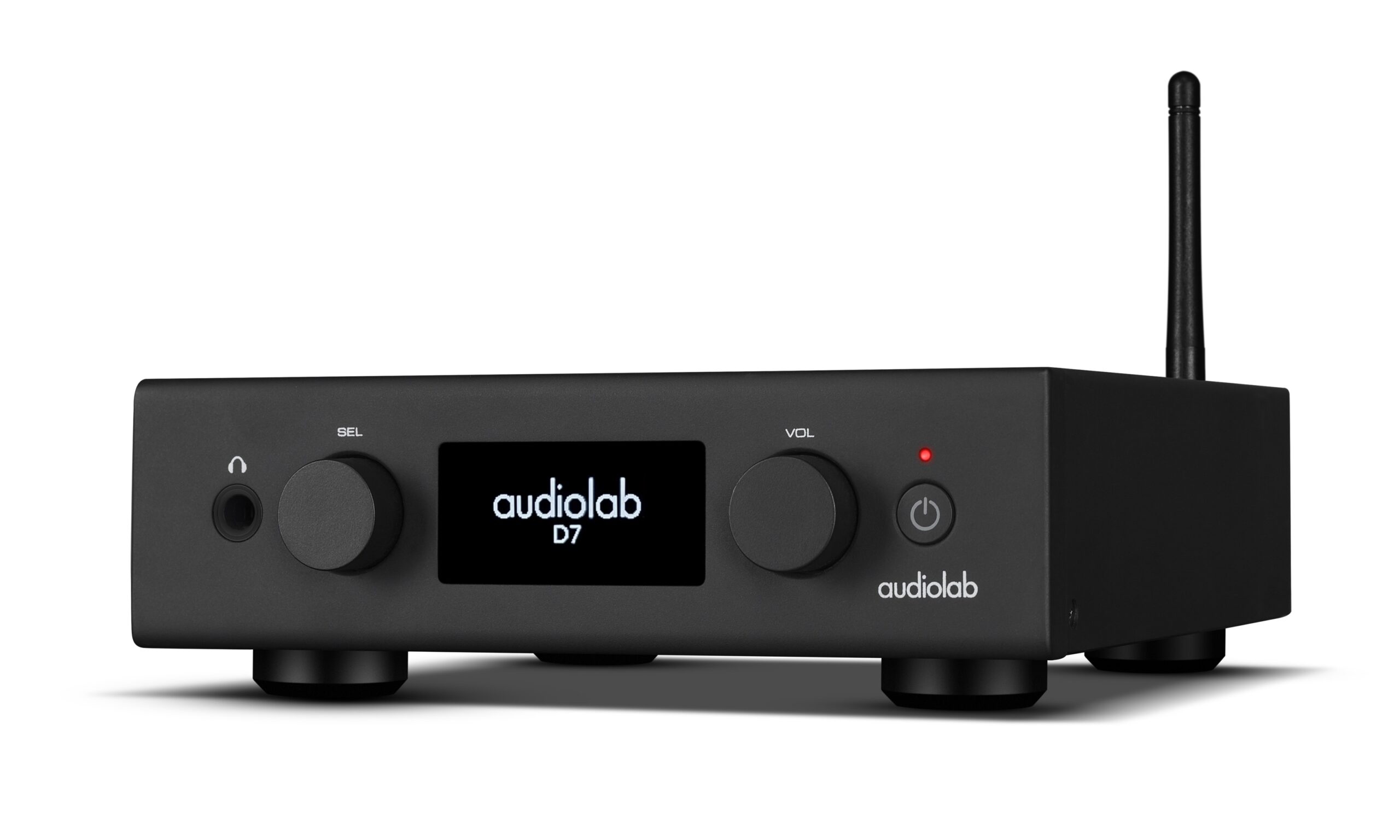
Audiolab’s D7 and D9 mark the company’s return to standalone digital-to-analog converters, following the M-DAC Mini introduced in 2017. Positioned as successors to the wider M-DAC series, the two models address different installation needs rather than simply offering the same design at two prices. The compact D7 is intended for desktop use, where space and connection flexibility are important. The larger D9 is designed to sit alongside full-size hi-fi components and adds a more elaborate conversion architecture, power supply and front-panel display. Both are available in black or silver, and both can serve as more than basic source converters thanks to variable outputs, balanced and single-ended connections, Bluetooth reception and integrated headphone amplifiers.
Two DACs for Different Kinds of System
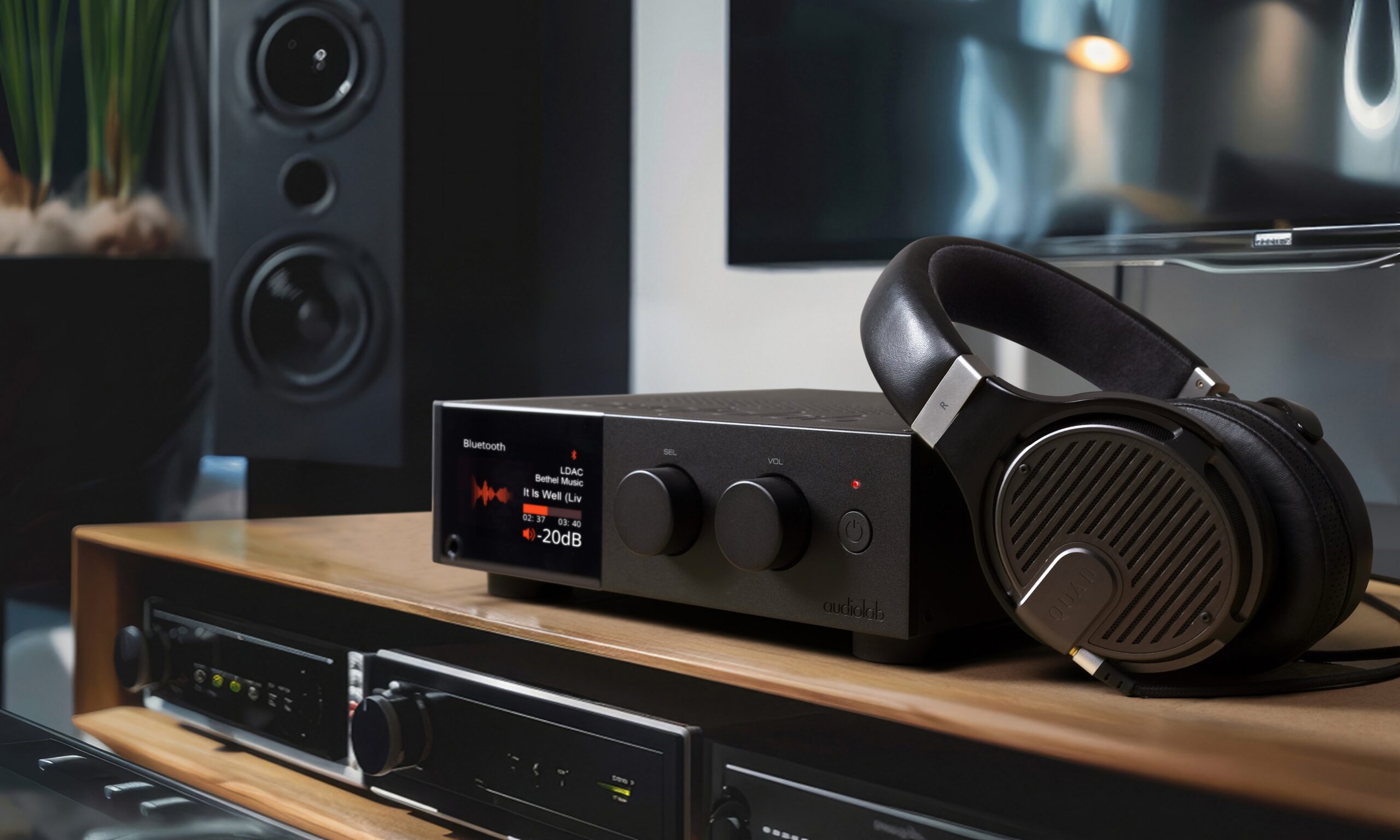
The distinction between the D7 and D9 begins with format. Audiolab describes the D7 as a compact desktop model, making it relevant to computer-based audio systems, headphone stations and smaller installations where a conventional full-width component may be inconvenient. Its role as a digital hub also means that several sources can feed one central conversion and output stage rather than requiring separate interfaces.
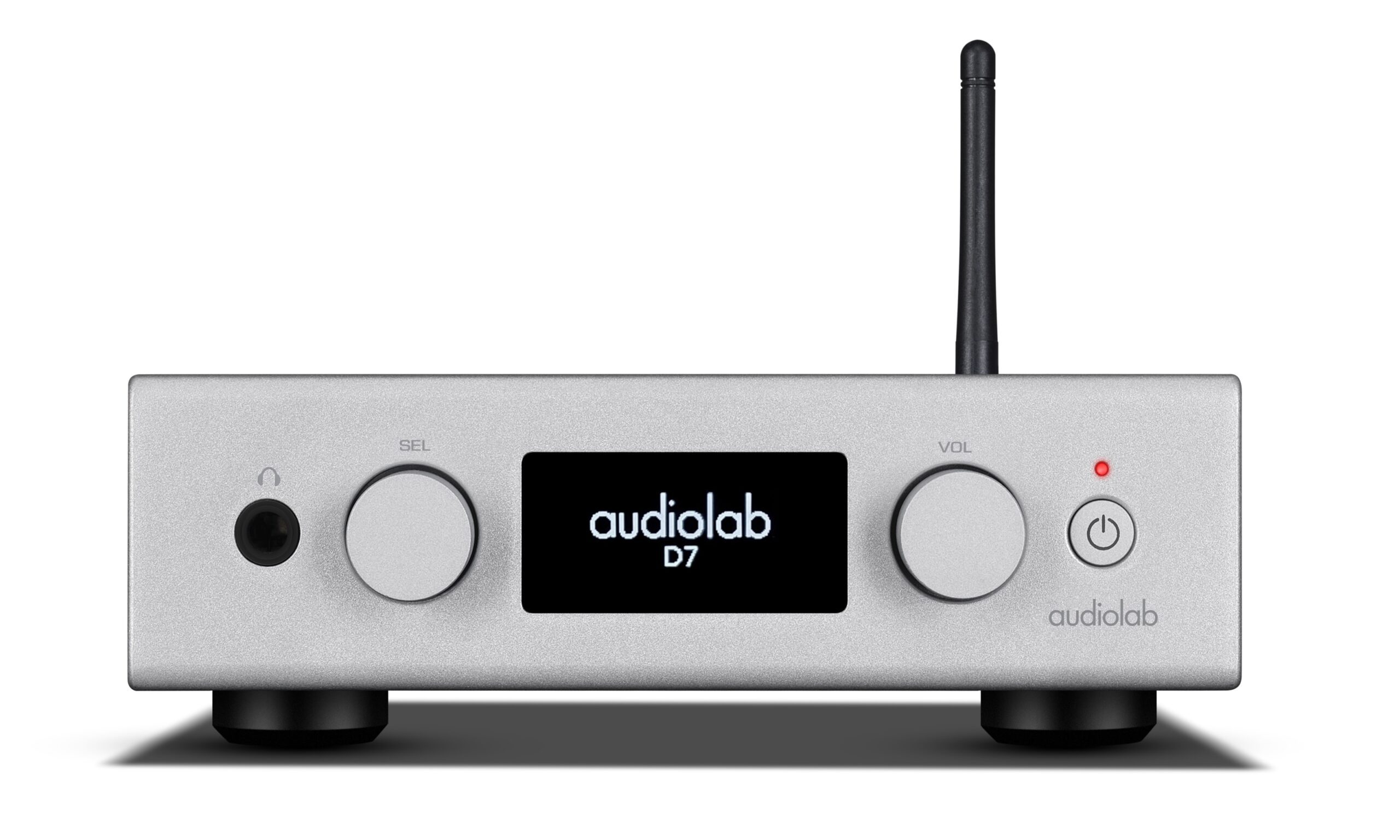
The D9 occupies the top position in the new range and follows the visual language of Audiolab’s flagship 9000 series. Its larger chassis is intended for integration with other high-fidelity components, while its expanded internal architecture and additional digital interfacing make it the more system-oriented option. This clear separation is useful: prospective owners can select according to physical space, source requirements and system complexity instead of treating the D7 merely as a reduced D9.
D7: Compact Architecture with High-Resolution Support
At the center of the D7 is ESS Technology’s ES9038Q2M DAC chip, an architecture also used in Audiolab’s 6000A MkII and 7000A integrated amplifiers. Audiolab combines it with a precision master clock and proprietary Class A filtering after the conversion stage. The company says this implementation is designed to maintain low noise and a wide dynamic range.
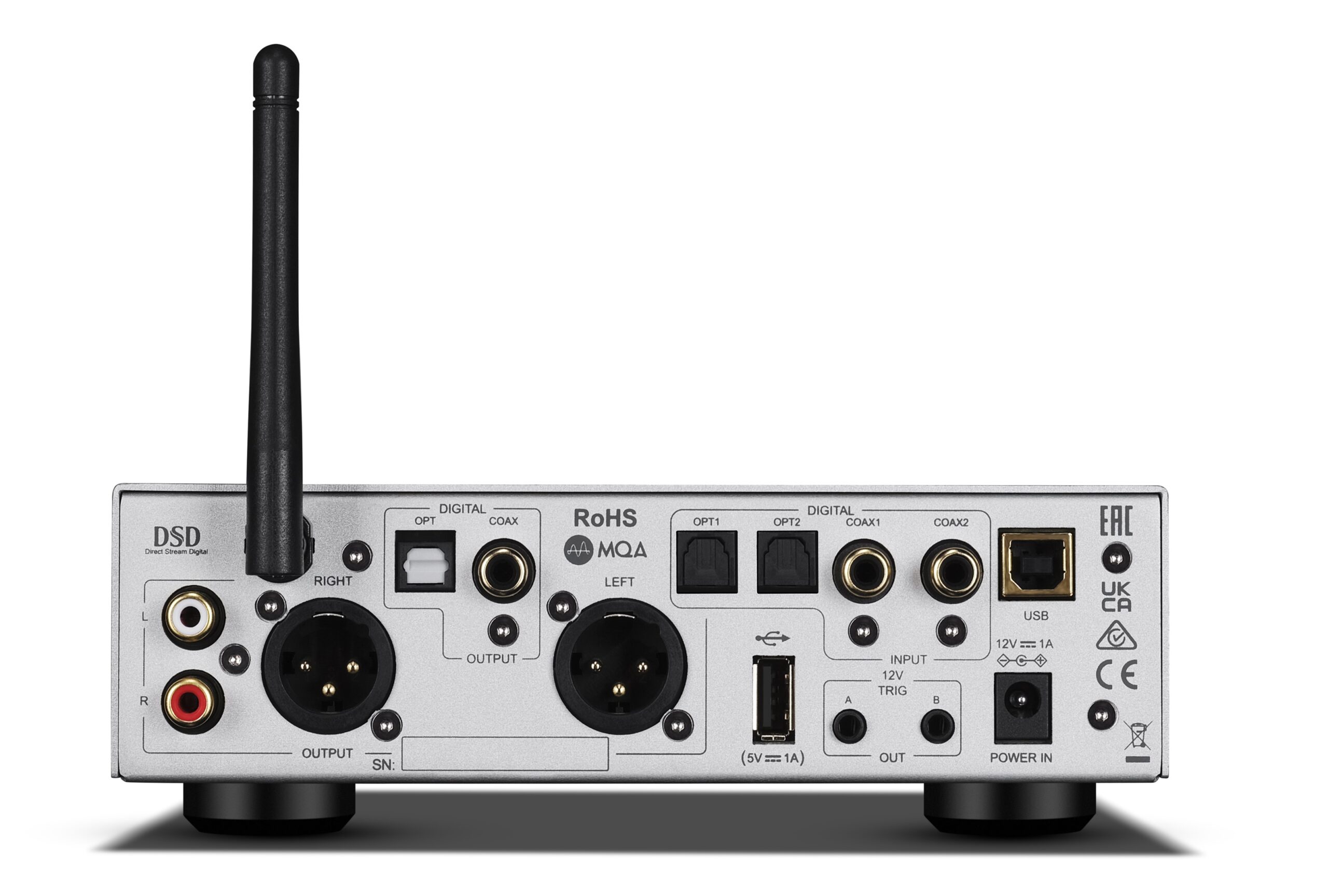
The D7 accepts digital signals through multiple USB and S/PDIF inputs. Its documented format support extends to PCM at up to 32-bit/768kHz and DSD512, while MQA decoding is also included. Those capabilities give it broad scope for computer audio, dedicated digital transports and high-resolution music libraries without limiting it to conventional CD-resolution material.
Selectable digital filters and upsampling options provide another layer of flexibility. These controls allow owners to choose how the D7 processes different content rather than imposing one fixed playback configuration. They may be especially attractive to users who maintain libraries in several formats or who prefer to explore the processing options provided by the ESS-based platform.
D9: Balanced Conversion and Segregated Power
The D9 moves to ESS Technology’s flagship ES9038PRO converter. Audiolab uses four DAC channels per side in a balanced stereo arrangement, creating a differentially balanced output architecture. According to the company, this configuration is intended to promote linearity and channel separation while reducing noise. It is a more ambitious implementation than simply installing a higher-tier conversion chip, because multiple channels are allocated to each half of the stereo signal path.
Power delivery receives similarly detailed treatment. The D9 uses a linear supply built around a toroidal transformer, accompanied by multiple discrete regulators. Separate rails feed different sections of the digital and analog circuitry. Audiolab says that isolating these circuit areas is intended to improve channel separation and support performance with high-resolution material.
For installations that include professional or studio-derived digital equipment, the D9 adds an AES3/EBU input. This connection broadens its usefulness beyond common domestic USB and S/PDIF arrangements and gives owners of compatible transports, interfaces or other digital hardware a suitable direct connection. It is one of the clearest practical reasons to choose the D9 when assembling a more extensive digital system.
Bluetooth Without Abandoning Wired Sources
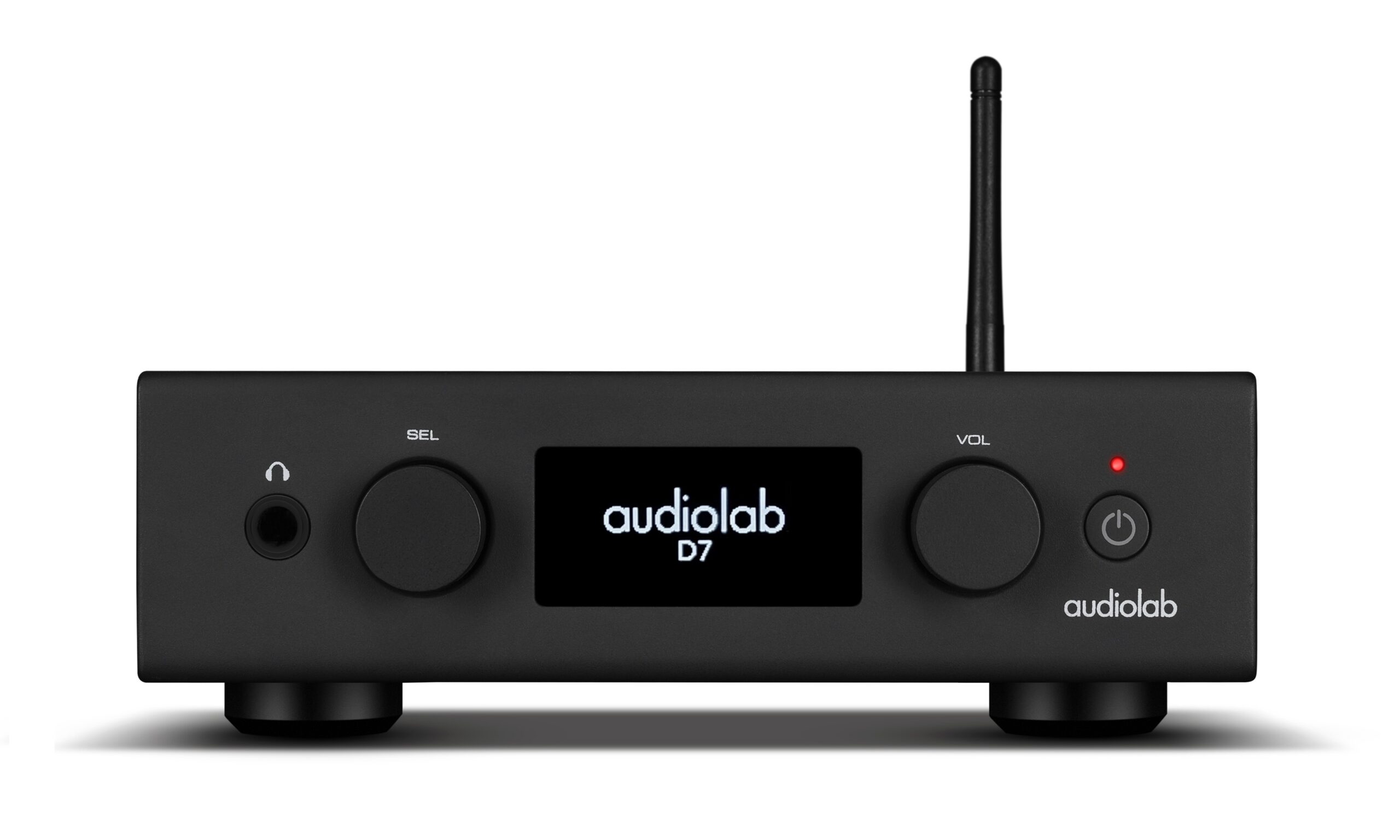
Wireless reception gives both DACs a convenient secondary route for music playback. The D7 incorporates Bluetooth 5.1 with aptX HD, allowing a compatible phone, tablet or computer to connect without occupying one of its wired digital inputs. Bluetooth is unlikely to replace USB or S/PDIF in every installation, but its inclusion can make casual listening and guest access considerably simpler.
The D9 expands codec support with LDAC, aptX HD, AAC and SBC. This wider selection is useful in households that use devices from different platforms, since available Bluetooth codecs vary between phones, tablets and computers. Wireless support also complements rather than defines the D9: it remains a dedicated component with a substantial wired digital architecture, but it does not require every listening session to begin at a fixed source.
Outputs That Support Several Operating Modes
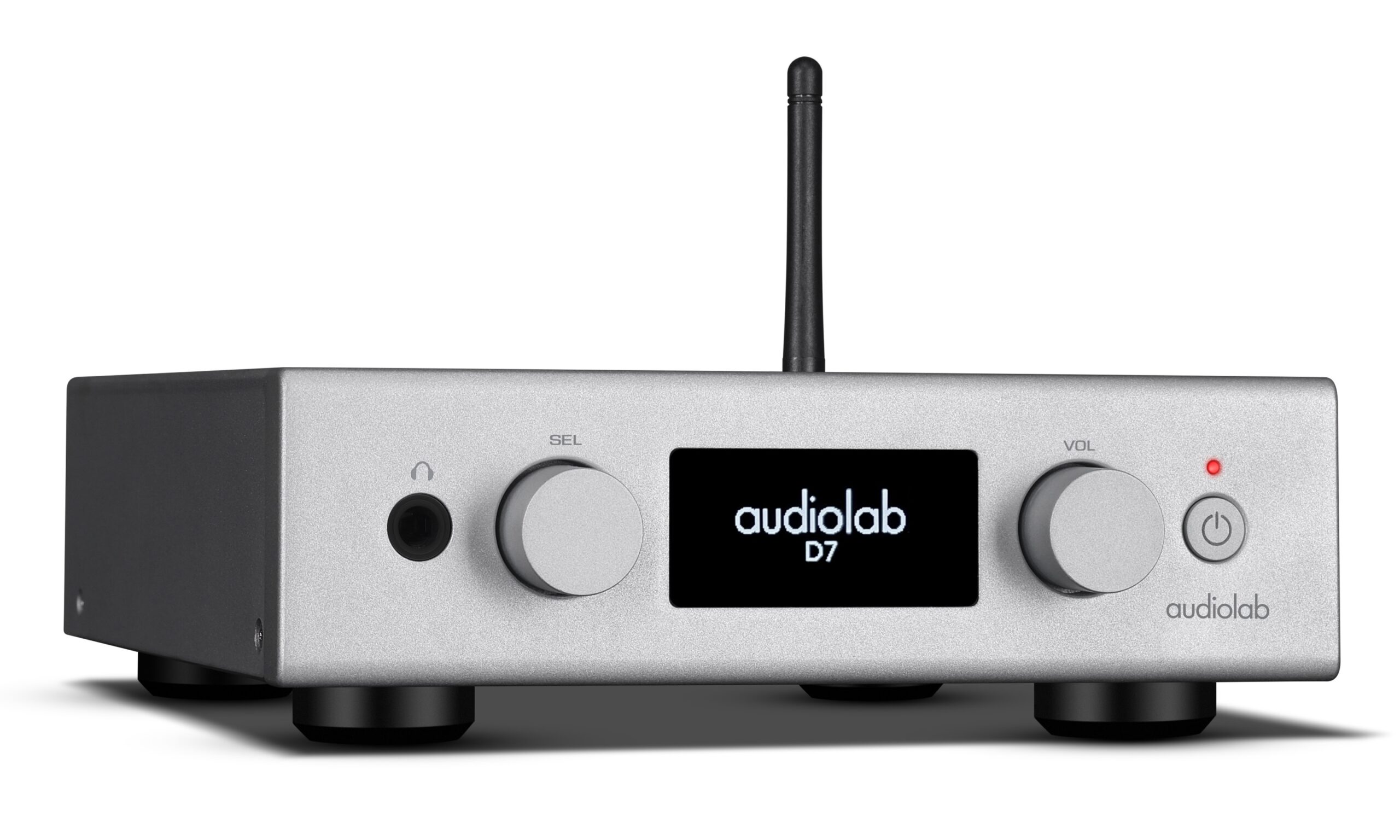
Both models provide balanced XLR and single-ended RCA outputs. The RCA connections can be switched between fixed and variable operation, allowing the DACs to fit more than one system structure. A fixed output is appropriate when volume control is handled by an integrated amplifier or preamplifier. Variable operation can simplify a system by allowing the DAC to feed a suitable downstream component directly, subject to the requirements of the complete setup.
Balanced XLR outputs are valuable for owners whose amplifiers or active loudspeakers offer corresponding connections. RCA maintains compatibility with the broad range of conventional domestic audio equipment. Supplying both formats makes the D7 and D9 easier to retain if the surrounding system changes, and it avoids tying either converter to one specific type of analog input.
A Headphone Stage in Both Models
The D7 and D9 each include a wide-bandwidth, high-slew-rate current-feedback headphone amplifier. Audiolab specifies output of up to 600mW across a wide impedance range and says the circuit is intended to drive demanding headphones with clean, low-distortion power.
Its inclusion is particularly relevant to the D7’s desktop role. A computer, the D7 and a pair of headphones can form a compact digital listening setup without requiring a separate headphone amplifier. In the D9, the headphone output adds a private-listening option to a larger component system. It also means the headphone circuit is not treated as an exclusive feature of the flagship model; both DACs provide the same stated maximum output figure.
The D9 Display Adds Everyday Clarity
A 2.8-inch color display is a prominent part of the D9’s front panel. It can show playback information, the selected input and real-time dB meters, among other information. Multiple display modes let owners choose how much data is visible, while the screen can be switched off when a more discreet appearance is preferred.
This flexibility matters in a full-size system, where the DAC may be operated from a listening position and may have several connected sources. Clearly identifying the active input and playback state can make routine operation easier. At the same time, the option to darken the display helps the D9 integrate into rooms where illuminated meters or persistent status information would be distracting.
Conclusion
The Audiolab D7 and D9 are most suitable for listeners who want a dedicated DAC to act as a flexible center for digital sources. The D7 is the more natural fit for desktops, compact systems and headphone listening, particularly where high-resolution USB and S/PDIF support, Bluetooth 5.1 and adjustable processing are priorities. The D9 is aimed at more elaborate component systems, adding the ES9038PRO’s multi-channel balanced implementation, a segregated linear power supply, AES3/EBU connectivity, broader Bluetooth codec support and a configurable color display. Shared XLR and RCA outputs, variable-level operation and capable headphone stages give both models room to serve in several system configurations without obscuring their distinct intended roles.


Sound Off
0Join the discussion if you have something to add.