
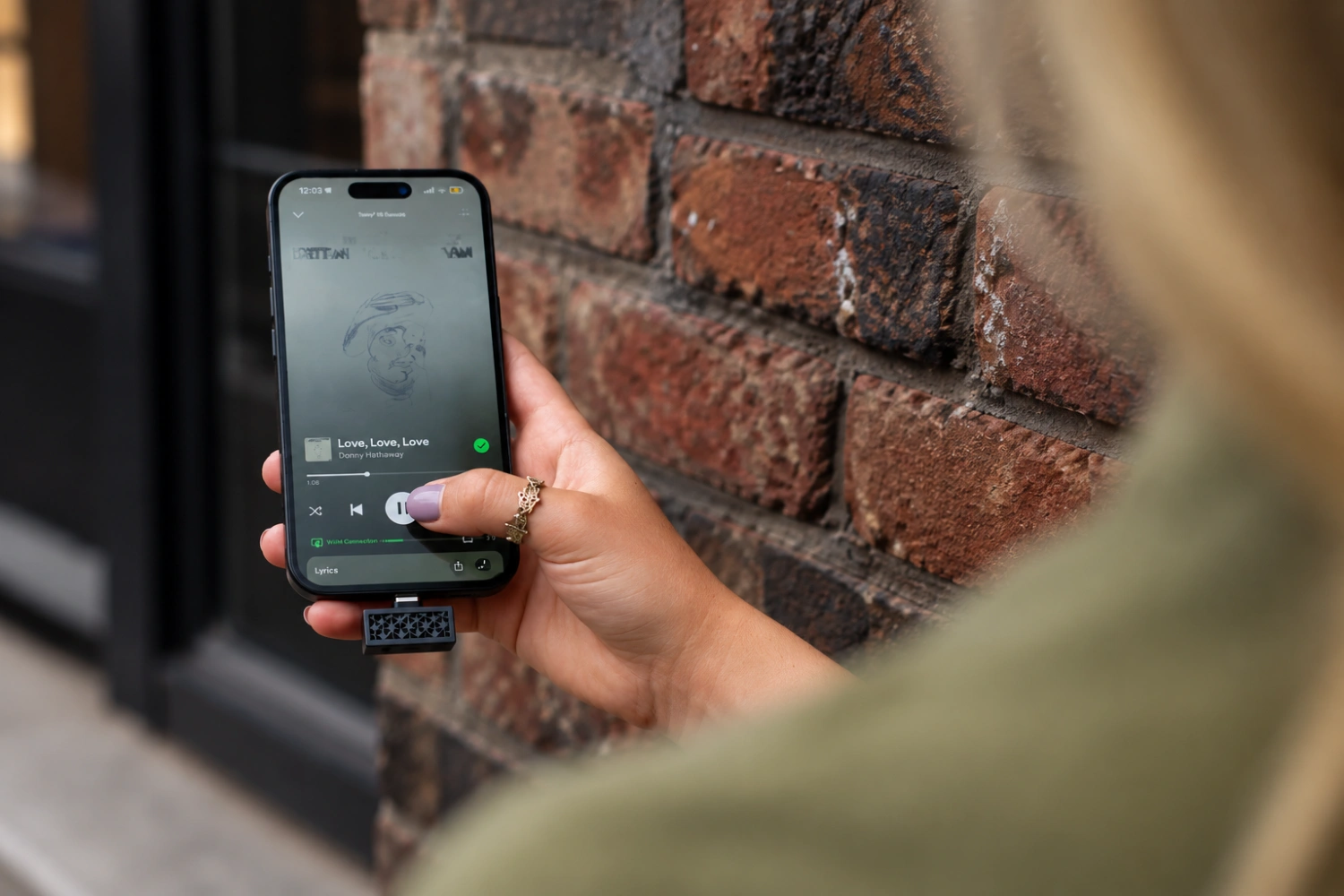
Bluetooth headphones can support an impressive range of codecs, but those capabilities are of little use when a phone, tablet or computer cannot transmit them. The iFi UP Play Max addresses that mismatch from the source end of the connection. This compact $89 USB-C transmitter takes responsibility for Bluetooth audio away from the connected device, providing access to a wider selection of codecs and several practical features for gaming, calls and shared listening. Its appeal is not simply that it adds another wireless connection. Rather, it can help owners make fuller use of compatible headphones, earbuds or Bluetooth DACs across source devices whose native Bluetooth implementations may be limited or inconsistent.
A USB-C Route Around Source Limitations
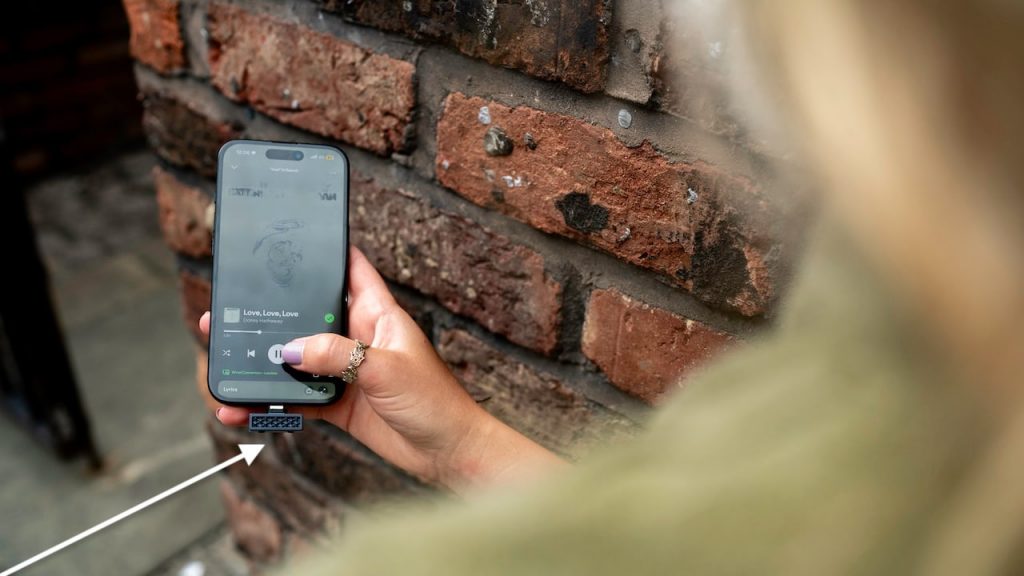
The central idea behind the UP Play Max is straightforward: connect it to a compatible USB-C source and let the accessory handle Bluetooth transmission. This creates an alternative to the phone, tablet, computer or gaming device’s built-in Bluetooth audio system, which may not provide every codec supported by the receiving hardware.
That arrangement is particularly relevant for iPhone and iPad owners. Apple’s conventional Bluetooth audio support is limited to AAC and SBC, even when the paired headphones can also receive codecs such as LDAC or members of the aptX family. Android devices and computers can offer broader support, but implementation varies by manufacturer, operating system and hardware. A separate transmitter therefore provides a more predictable set of options across compatible sources.
There is an important boundary to understand. The UP Play Max expands what the transmitting side can send; it does not upgrade the receiving side. To use LDAC, aptX Lossless or any other specific codec, the headphones, earbuds or Bluetooth DAC must support that same codec. This makes the accessory most useful when its capabilities are matched carefully to equipment already owned.
Broad Codec Support in a 3-Gram Design
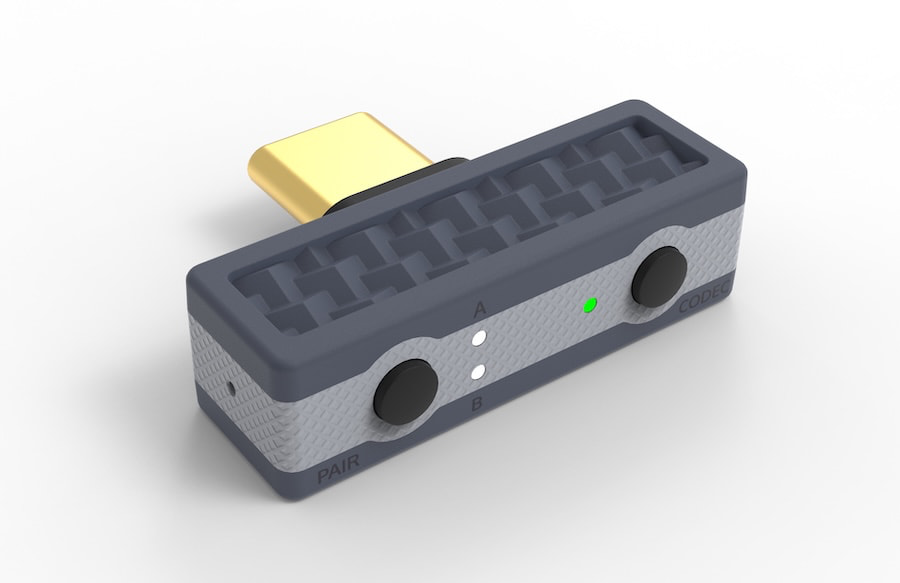
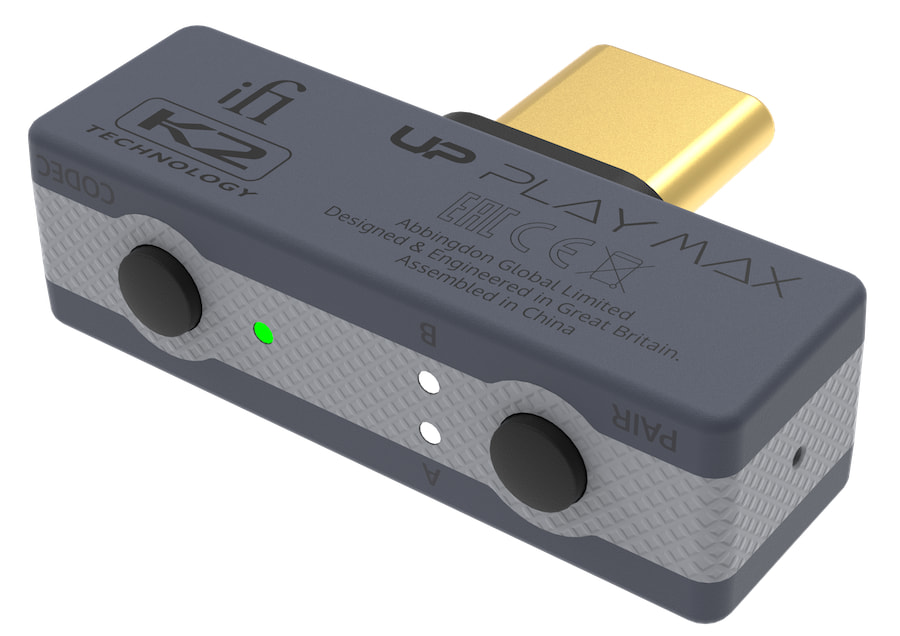
Built around Qualcomm’s QCC5181 chipset and Bluetooth 5.4, the UP Play Max supports aptX Lossless, aptX Adaptive, aptX HD, aptX, LDAC, AAC and SBC. That range gives users several ways to match the transmitter to different wireless products rather than tying the accessory to a single codec ecosystem.
Its stated maximum resolution is 24-bit/96kHz, while aptX Lossless can carry lossless 16-bit/44.1kHz audio when paired with a compatible receiver. Those figures describe supported transmission formats rather than promising a particular listening result, but the flexibility is still significant for someone whose headphones offer advanced codec support that a source device cannot normally access.
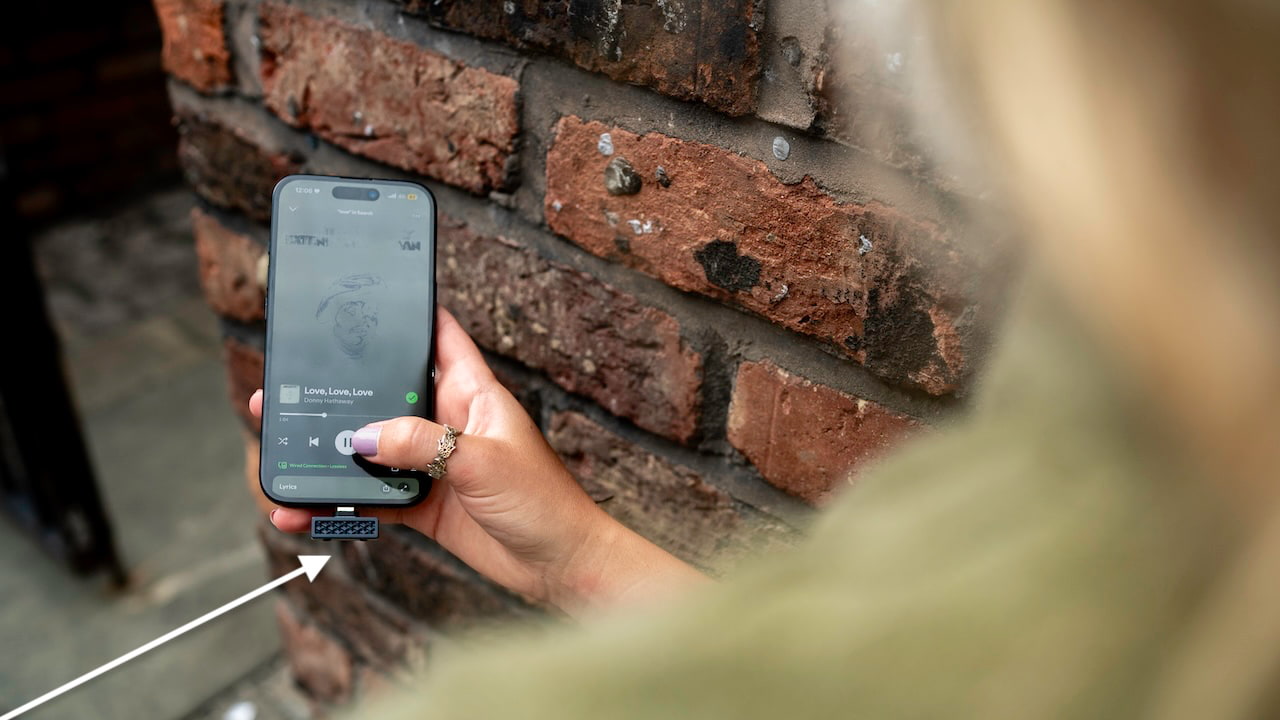
Physical restraint is another part of the design. The transmitter measures 27.6 x 20.8 x 8 mm and weighs only 3 grams. That matters because a mobile USB-C accessory needs to remain unobtrusive when attached to a phone or tablet. The UP Play Max is intended to add wireless functionality without introducing the bulk of a larger external audio component.
Optional K2 Processing and App-Based Control
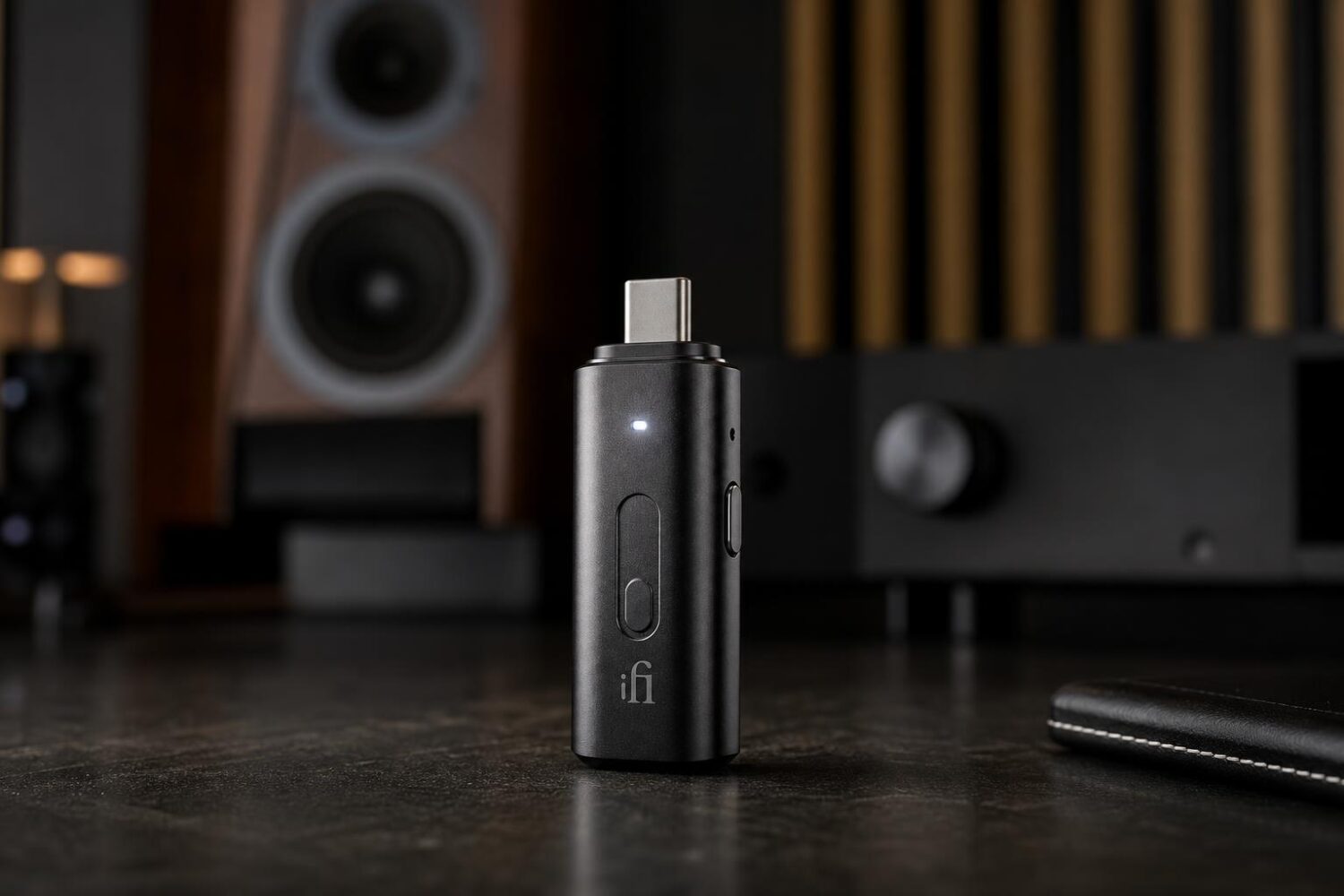
iFi has included K2 Technology licensed from JVCKENWOOD. The processing is intended to reconstruct harmonic information removed during digital processing. Crucially, it is optional rather than permanently active, allowing owners to decide whether it belongs in their playback setup instead of having it imposed on every signal.
Control is provided through the iFi Nexis app for iOS and Android. The app covers codec selection, management of paired devices, K2 activation and low-latency settings. Centralizing these functions is useful on a product with such compact dimensions, where a full set of physical controls would be impractical.
Nexis will also handle over-the-air firmware updates and the transmitter’s future Auracast controls. Firmware support gives iFi a way to maintain and extend the accessory without requiring users to replace the hardware, although any planned feature should be distinguished from what is available at launch.
Low-Latency Audio for Games and Video
Wireless audio delay can be more disruptive with games and video than with music. The UP Play Max therefore includes a dedicated low-latency mode based on aptX Adaptive, intended to reduce the gap between an on-screen event and the corresponding sound.
This broadens the accessory’s role beyond music playback. It can be relevant to compatible gaming hardware, mobile games and video viewing where synchronization matters. Once again, however, the complete wireless link determines whether the feature can be used: the receiving headphones or other audio device must also provide the necessary aptX Adaptive support.
That dependency is worth checking before purchase, particularly for owners of older Bluetooth headphones. The transmitter offers the source-side capability, but low-latency operation cannot be forced onto a receiver that lacks the matching technology.
A Built-In Microphone and Shared Listening
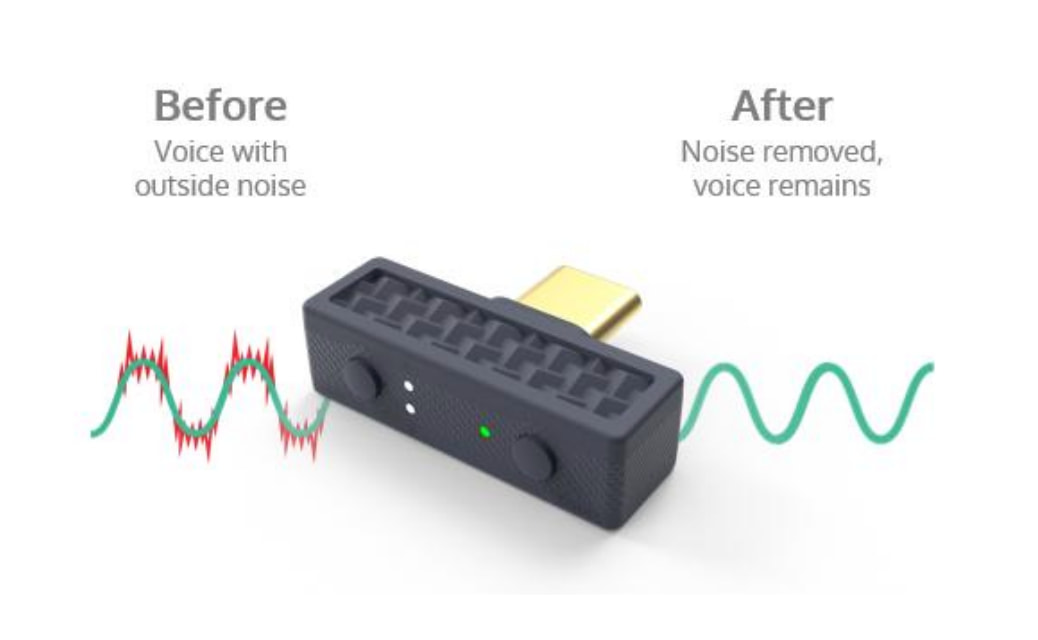
An integrated microphone gives the UP Play Max a role in calls and in-game chat as well as playback. It uses Qualcomm noise and echo suppression and provides an alternative to the microphone built into a connected wireless headset. This may be useful when moving the same headphones among music, communication and gaming applications.
The transmitter can also pair with two sets of standard Bluetooth headphones simultaneously. That feature makes private shared listening possible from one source, such as when two people want to follow the same video without using speakers.
There is a deliberate trade-off in this mode: dual-headphone playback is restricted to SBC. Users cannot combine two-receiver sharing with the transmitter’s aptX Lossless, LDAC or other advanced codec options. The choice is therefore between broader sharing and the preferred single-receiver codec, depending on the situation.
Auracast Is Planned, Not Yet Active
Auracast support is scheduled to arrive through a post-launch firmware update. Once implemented, it is intended to let one source broadcast audio to multiple compatible receivers, with controls managed through the Nexis app.
That could extend the sharing concept beyond the current two-headphone mode, but it should not be treated as an active launch feature. Prospective owners interested primarily in Auracast should base their immediate expectations on the functions already available and regard broadcast support as a planned addition. Compatible Auracast receivers will also be required.
Who the UP Play Max Is Most Suitable For
The strongest use case is an owner who already has capable Bluetooth headphones, earbuds or a Bluetooth DAC but cannot access a preferred codec from a particular USB-C source. It may be especially relevant to iPhone and iPad users seeking options beyond AAC and SBC, as well as people who move one pair of headphones among mobile devices, computers and compatible gaming equipment with different native Bluetooth capabilities.
Its low weight and compact dimensions also suit portable systems, while low-latency operation, the integrated microphone and two-headphone pairing add practical value for video, games, calls and travel. The broad codec list makes the product flexible, but only when paired with receivers that support the desired functions.
It is less compelling for someone whose source already provides every needed codec and feature, or whose headphones support only basic Bluetooth formats. Buyers focused on simultaneous high-resolution playback to two headphones should also note the SBC restriction in dual-pair mode. Finally, Auracast should not be a purchase assumption until the promised update has been delivered.
Conclusion
The iFi UP Play Max is a compact way to move Bluetooth transmission duties away from a source device with limited or inconsistent codec support. Its documented strengths are a wide selection of codecs, a 3-gram USB-C design, app-based configuration, optional K2 processing, aptX Adaptive low-latency operation, an integrated microphone and two-headphone sharing. Planned Auracast support could expand its role further, though it is not available at launch. At $89, the accessory is best suited to owners who already possess compatible wireless receivers and want to unlock more of their capabilities without replacing a phone, tablet, computer or gaming device.

Sound Off
0Join the discussion if you have something to add.