
Yamaha RX300A and RX500A Bring 8K Video and Atmos to New AV Receiver Range
The Yamaha RX300A and RX500A combine flexible multichannel layouts, current gaming features and room correction, with network streaming reserved for the larger model.
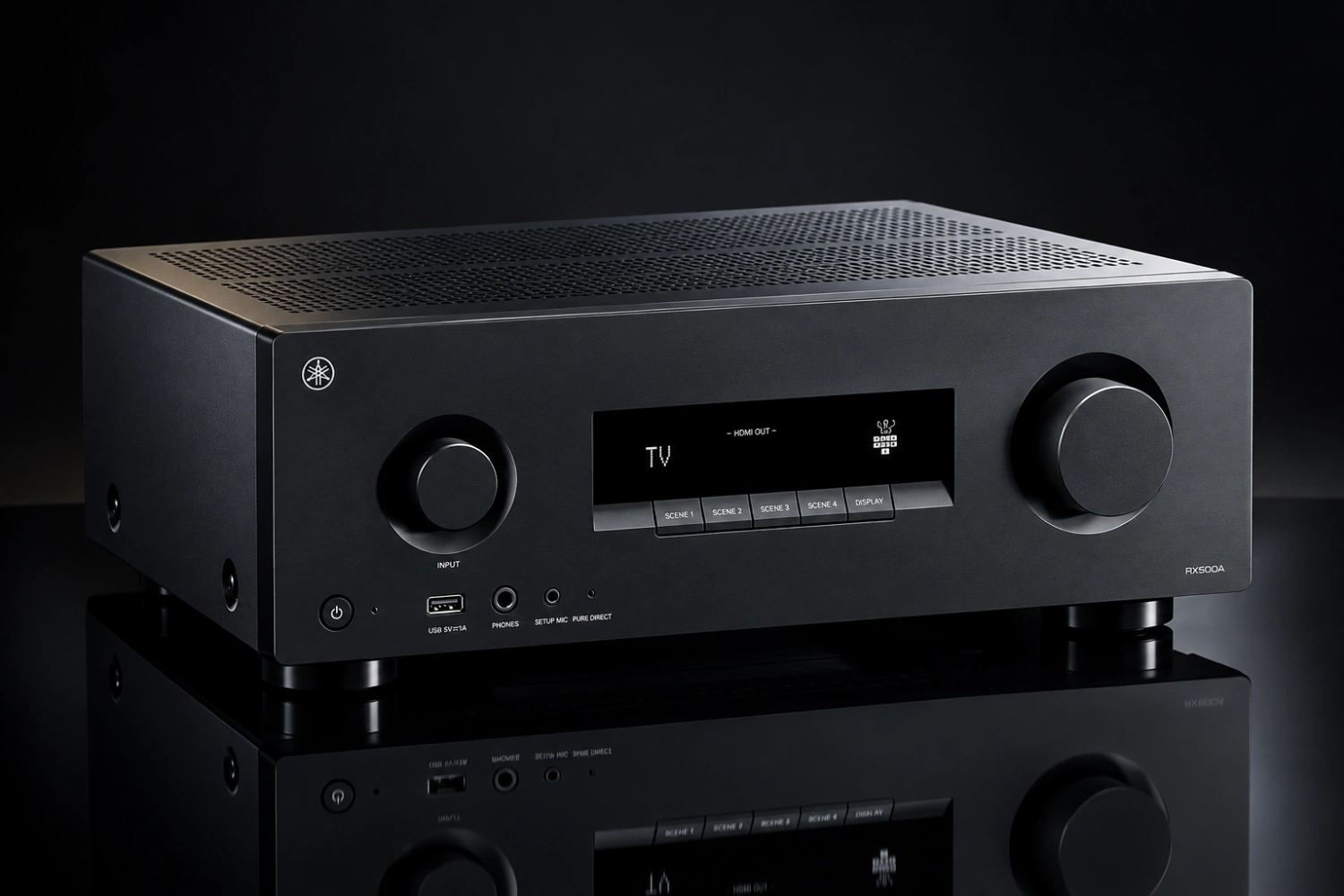
Yamaha has introduced the RX300A and RX500A, two AV receivers designed to anchor home theater systems while accommodating music, gaming and television sources. Both models support immersive audio, high-frame-rate video and automated room correction, while the RX500A adds two amplifier channels and integrated network streaming.
Two channel configurations for different systems
The principal difference between the receivers is their channel capacity. The RX300A is designed for a 5.2 speaker arrangement comprising left and right front speakers, a center channel, two surround speakers and up to two subwoofers. It can also produce virtual height effects when used in this configuration.
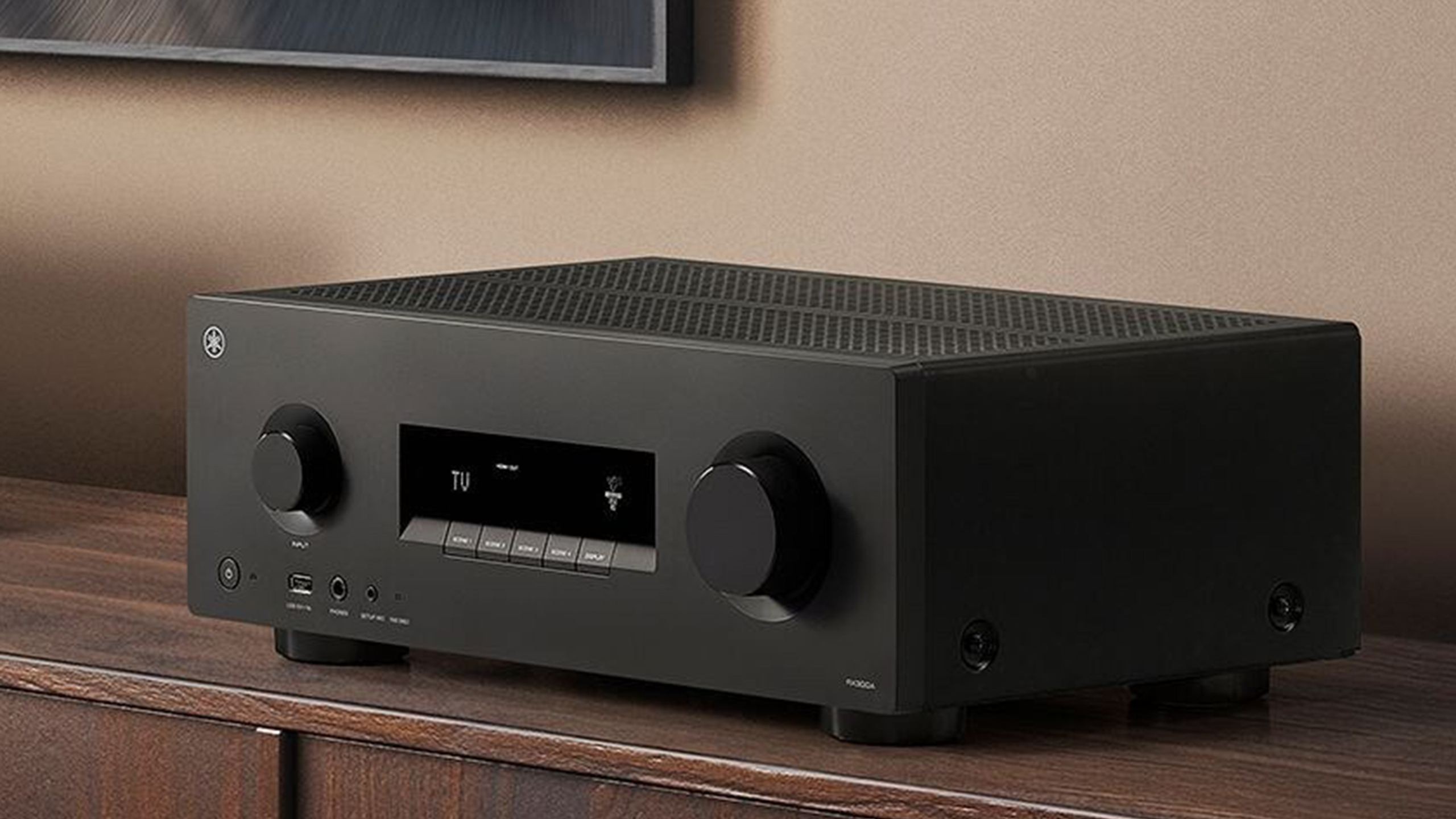
Owners who prefer physical height speakers can configure the RX300A as a 3.2.2 system, replacing the conventional surround channels with two ceiling-mounted or upward-firing speakers. This provides an entry point to a hardware-based height presentation without moving to the larger receiver.
The RX500A adds two amplifier channels and consequently offers broader system options. It can operate a 7.2 surround setup or a 5.2.2 arrangement with two ceiling or upward-firing height speakers. Both receivers support Dolby Atmos, DTS:X and DTS Virtual:X processing.
Room correction and vibration management
Each model is supplied with a calibration microphone for the onboard room-correction system. The calibration process measures the listening room and connected speakers, then adjusts the receiver’s output to account for those characteristics.
Yamaha has also carried over its Anti-Resonance Technology, known as A.R.T., from more expensive product ranges. A fifth foot positioned in the center of the chassis is intended to reduce unwanted vibration. Inside, a generously sized heat sink sits above the HDMI circuitry to manage heat and protect the DSP and HDMI components.
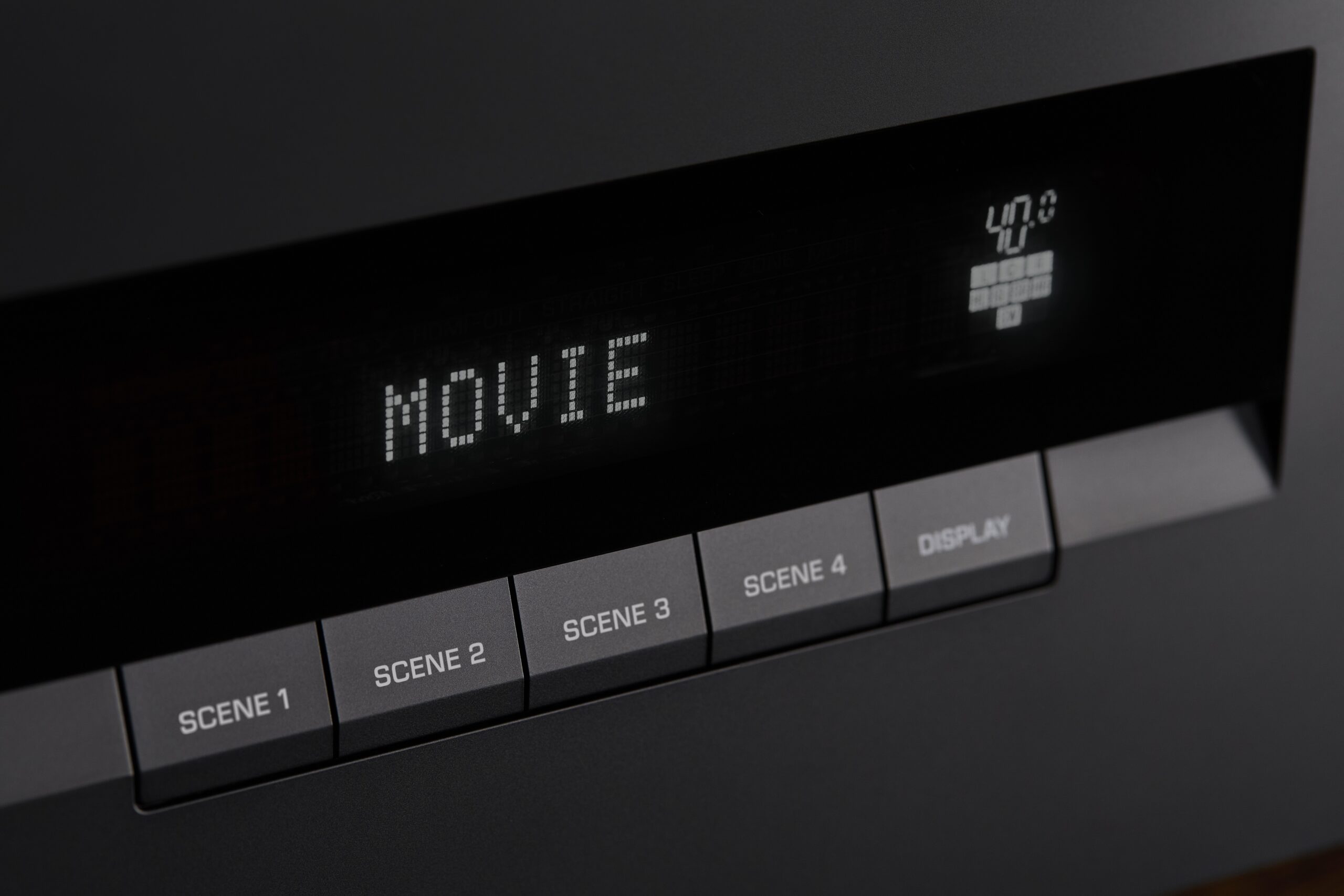
Several listening modes are available for different material and situations. Pure Direct and Stereo modes are aimed at music playback, while Movie mode is intended for cinematic content. Night mode provides an alternative for lower-key listening later in the day.
8K HDMI support and gaming features
Both receivers include four HDMI inputs for components such as disc players, media devices and game consoles. The HDMI output supports ARC, allowing compatible televisions to return audio to the receiver through the same connection used for video.
Video passthrough extends to 8K at 60 Hz and 4K at 120 Hz. Dolby Vision and HDR10+ are also supported. For gaming, the specification includes Variable Refresh Rate to address screen tearing and Auto Low Latency Mode for automatic switching to a television’s low-latency setting when compatible equipment is connected.
Wired audio, Bluetooth and RX500A streaming
Beyond HDMI, the RX300A and RX500A each provide two stereo RCA inputs, one optical digital input and one coaxial digital input. A USB-A port enables playback of audio files from compatible storage media, while a headphone jack supports private listening. Two subwoofer outputs are included on both receivers.
Radio reception is available through FM and DAB, and Bluetooth provides a wireless route for audio playback. Network streaming is the key connectivity advantage of the RX500A. It can connect through Ethernet or Wi-Fi and supports Spotify Connect, Google Cast, AirPlay, Tidal Connect and Qobuz Connect.
The RX300A and RX500A are scheduled to reach retailers in August 2026. Yamaha has not supplied USD pricing in the available product information.
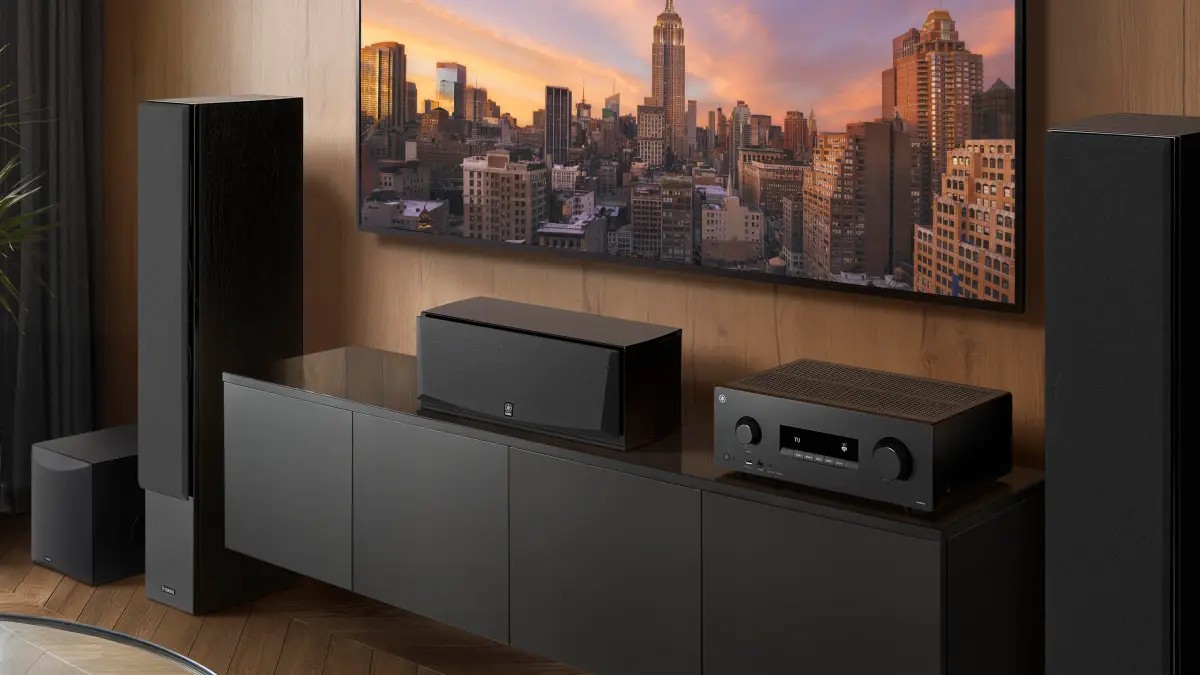
With two channel counts and a shared foundation of immersive audio, 8K video handling and room calibration, Yamaha is positioning the RX300A and RX500A for home theater systems of different sizes. The RX500A extends that formula with seven-channel amplification and a substantially broader selection of network playback options.










 VS
VS VS
VS VS
VS VS
VS VS
VS VS
VS VS
VS VS
VS

Comments 0
Share your experience, questions and perspective with other hi-fi enthusiasts.