
Headphones differ as much in intended use as they do in design.
An open-back full-size model can prioritize spacious, natural reproduction for quiet listening, while closed-back headphones suit users who prefer a more contained format.
In-ear choices introduce further distinctions among wired simplicity, active noise cancellation, open-ear awareness and compact wireless convenience. Driver technology is only part of the decision. The products covered here include dynamic, planar magnetic, balanced-armature and magnetic-fluid designs, but comfort, fit, connectivity and source compatibility can matter just as much. Wireless listeners should consider battery life, codec support, multipoint pairing and app dependence; wired buyers should examine connector type, replaceable cables and whether their equipment is suitable for the headphones. This selection spans premium home headphones, professional closed-back models, true-wireless earbuds and accessible wired in-ear monitors. Each recommendation is presented according to its stated design and features rather than treated as interchangeable with products intended for entirely different settings.

1. Grado Signature S550: Impressive Open-Back Audiophile Headphones
The open-back Grado Signature S550 pairs Brazilian walnut earcups with a newly tuned 50 mm dynamic driver.
The Grado Signature S550 is a full-size open-back reference headphone built around a newly tuned 50 mm S2 dynamic driver and Brazilian walnut earcups.
Its stated tuning retains the speed, openness and detail associated with Grado while moving toward a slightly warmer, smoother and more relaxed balance.
Long-term comfort is also central to the design, making the S550 particularly relevant to listeners assembling a dedicated home system for extended sessions.
Best for: Extended listening on a home hi-fi system
- Open-back reference design
- Newly tuned 50 mm S2 dynamic driver
- Brazilian walnut earcups
- Warmer, more relaxed tonal balance
Verdict: A thoughtfully refined Grado for listeners who want openness and immediacy with a smoother, more relaxed presentation.
2. HIFIMAN HE6 Remastered: The Legendary Planar Headphones Return
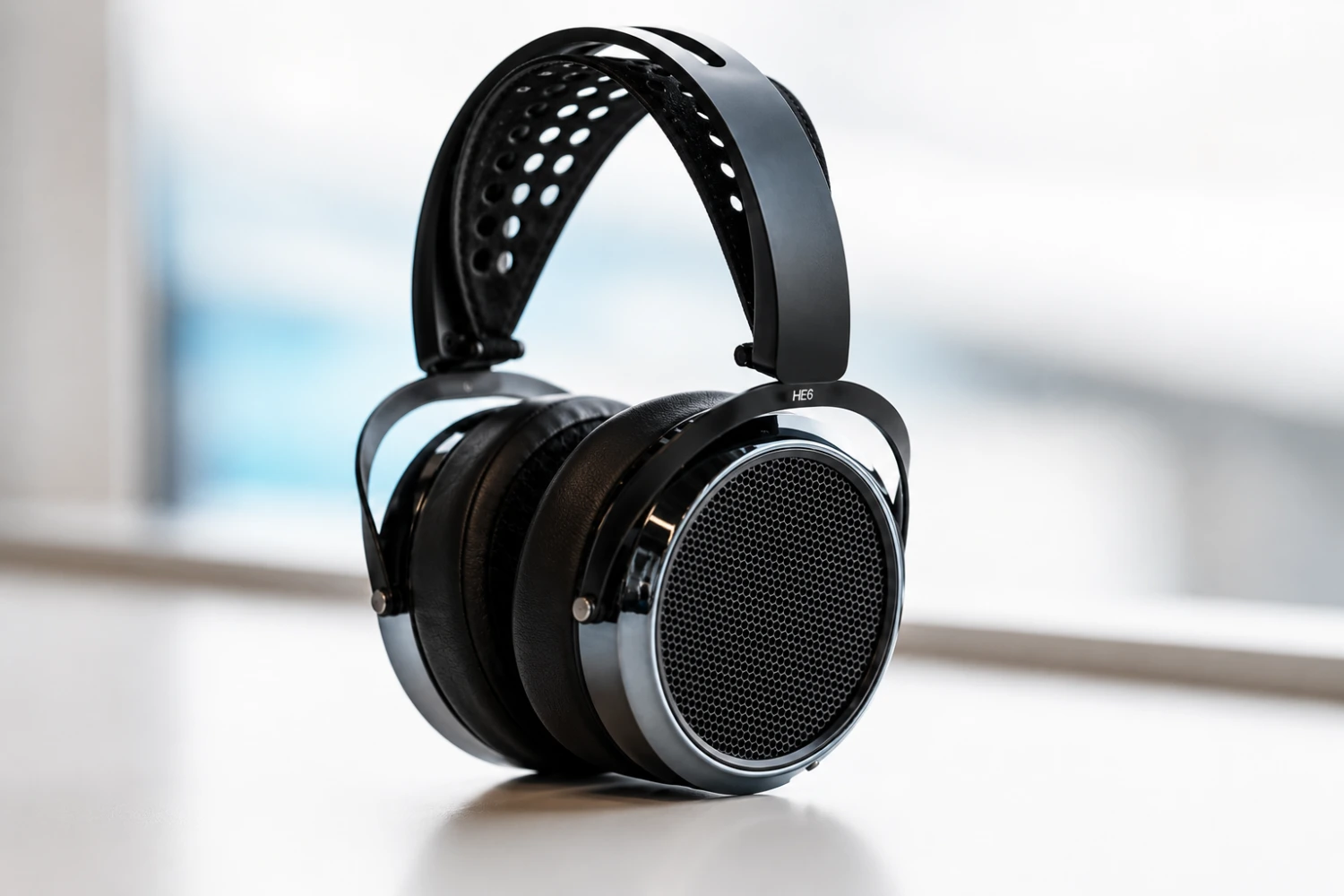
The HIFIMAN HE6 Remastered uses a redesigned composite headband while retaining the HE6 planar magnetic architecture.
HIFIMAN's HE6 Remastered retains the original planar magnetic driver architecture while revising the physical design for greater comfort.
A redesigned composite headband reduces the stated weight from 550 grams to 522 grams and is intended to distribute that weight more effectively.
Its ultra-thin Nanometer Thickness Diaphragm is designed for rapid transient response, low distortion and high resolution, while the preserved acoustic approach targets the detail, expansive soundstage and dynamics associated with the original HE6.
Best for: Planar-headphone enthusiasts prioritizing resolution and dynamics
- Original planar magnetic architecture retained
- Redesigned composite headband
- Reduced 522-gram weight
- Designed for detail, dynamics and an expansive soundstage
Verdict: The HE6 Remastered preserves the established planar design while addressing comfort through lower weight and improved distribution.

3. Marshall Minor IV: Wireless in-ear headphones boasting a rock’n’roll design
The Marshall Minor IV uses an ergonomic, tip-free form intended to remain comfortable while allowing awareness of nearby activity.
Marshall's Minor IV combines a distinctive visual identity with a loose-fitting in-ear design that does not use rubber ear tips.
That format allows more surrounding sound to remain audible and can make conversations feel less isolated, although it will not suit buyers seeking a sealed fit.
The earbuds provide up to seven hours of playback per charge and more than 30 hours with the case, along with touch controls, multipoint support, wireless charging and app-based EQ. Resistance to dust, splashes, rain and sweat broadens their everyday usefulness.
Best for: Everyday wireless listening with greater ambient awareness
- More than 30 hours of playback with the case
- Multipoint and wireless charging support
- App-based EQ and firmware updates
- Resistant to dust, splashes, rain and sweat
Verdict: The Minor IV is a practical choice for listeners who value open awareness, long case-assisted battery life and unmistakable Marshall styling.

4. Edifier LolliClip: Wireless Off-Ear Headphones with Head Tracking and ANC
The Edifier LolliClip attaches around the ear with a multi-curve clip while leaving the ear canal open.
The Edifier LolliClip takes an off-ear approach, attaching with a multi-curve ear clip rather than sealing the ear canal.
It combines that ambient-aware format with adaptive active noise cancellation, spatial audio with head tracking and LDAC support at up to 24-bit/96 kHz.
Six microphones support call handling, while Bluetooth 5.4, multipoint connectivity and IP56-rated water resistance add practical flexibility. The Edifier ConneX app provides customizable controls and heart-rate monitoring.
Best for: Feature-rich open-ear wireless listening
- Open-ear clip design
- Spatial audio with head tracking
- LDAC and multipoint connectivity
- IP56-rated water resistance
Verdict: The LolliClip stands out by combining an ear-clip design with head-tracked spatial audio, adaptive processing and extensive app features.
5. TinHiFi P1 MAX II: 14.2 mm planar in-ear headphones
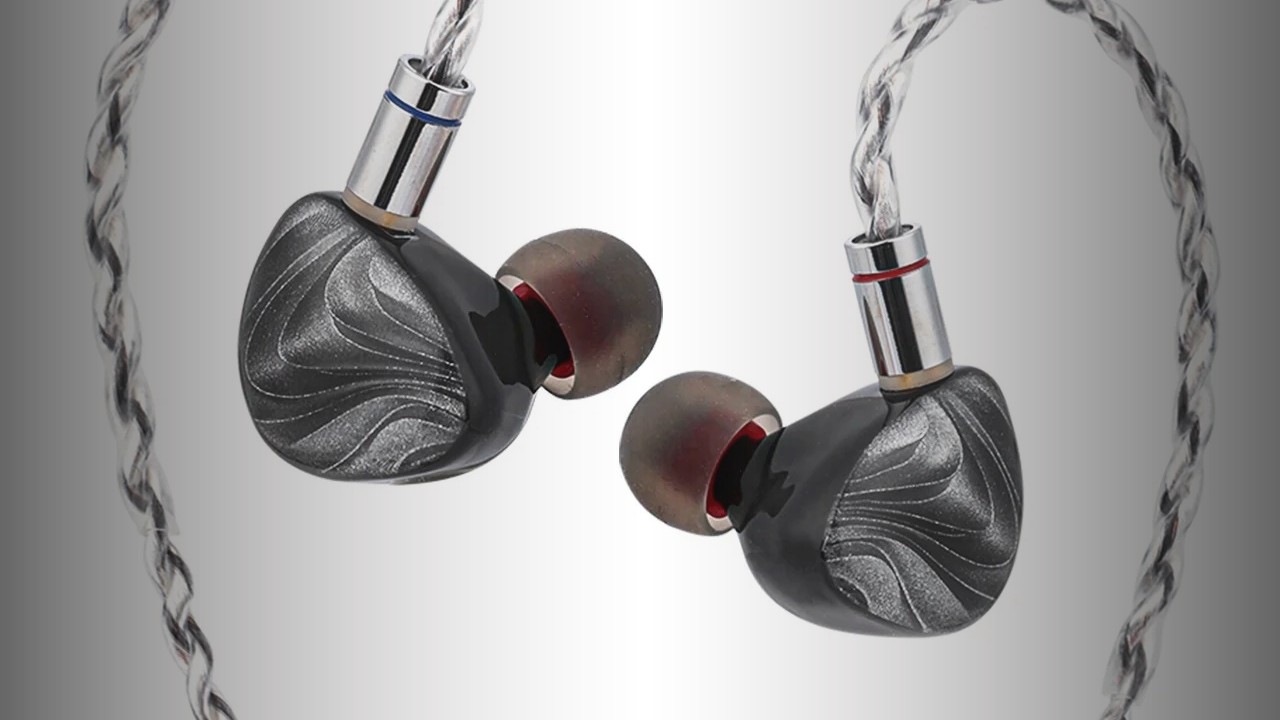
The TinHiFi P1 MAX II houses a 14.2 mm planar driver in a lightweight, ergonomically shaped 3D-printed shell.
The TinHiFi P1 MAX II brings a 14.2 mm planar driver to a lightweight wired in-ear format.
Its driver assembly uses a 2-micron diaphragm, a dual N52 magnetic circuit and a dual-chamber structure, with the design targeting clearer detail and a wider soundstage.
Each earpiece weighs 3.8 grams and uses a 3D-printed ergonomic shell. A detachable two-pin cable made with silver-plated oxygen-free copper conductors terminates in a conventional 3.5 mm plug.
Best for: Lightweight wired planar in-ear listening
- 14.2 mm planar driver
- Lightweight 3.8-gram earpieces
- Detachable two-pin cable
- Ergonomic 3D-printed shells
Verdict: The P1 MAX II offers planar-driver construction, very light shells and a replaceable cable in a compact wired design.
6. Moondrop Golden Ages: Planar TWS headphones with ANC
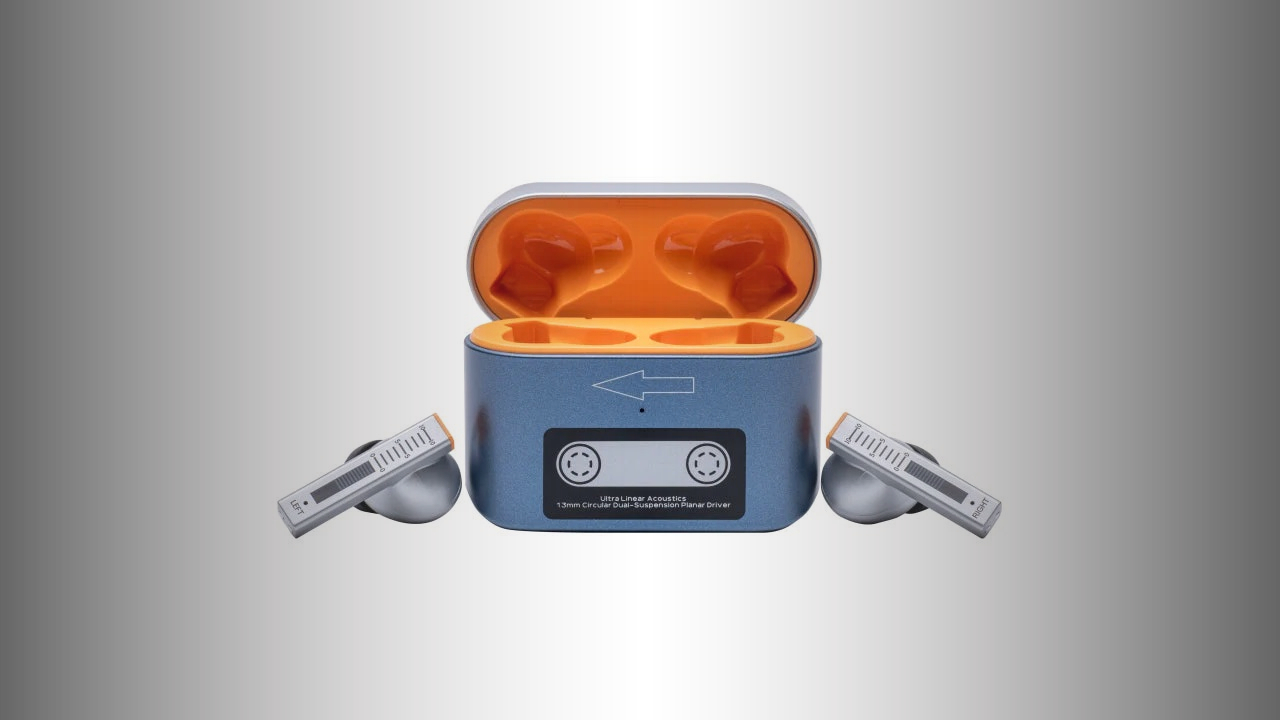
The Moondrop Golden Ages true-wireless earbuds combine 13 mm planar drivers with active noise cancellation and app-based tuning.
Moondrop's Golden Ages combines 13 mm planar drivers with true-wireless convenience and active noise cancellation.
LDAC support and Bluetooth 5.3 address higher-quality wireless transmission, while the Moondrop Link app offers Monitor, Reference and Warm bass settings.
The manufacturer specifies up to 44 dB of noise reduction, and a 55 ms low-latency mode is included for gaming. This blend of planar technology, ANC and adjustable tuning makes the Golden Ages one of the more specialized wireless options in the selection.
Best for: Wireless listeners seeking planar drivers and adjustable tuning
- 13 mm planar drivers
- Active noise cancellation
- LDAC high-definition audio support
- Three app-selectable bass settings
Verdict: The Golden Ages brings planar-driver technology, ANC and app-based sound options together in a portable true-wireless format.

7. Austrian Audio HI-X55: Made by professionals
The Austrian Audio HI-X55 is a full-size closed-back headphone developed for professional use.
The Austrian Audio HI-X55 is a professional closed-back headphone from a company founded by a team that included former AKG personnel with experience across acoustics, electronics, measurement, mechanical design and software.
The supplied material emphasizes the engineering background behind the product rather than detailing its acoustic specifications or listening performance.
Its clearest point of differentiation in this group is therefore its full-size, closed-back professional format.
Best for: Listeners seeking a professional closed-back format
- Professional closed-back design
- Developed by a team with broad audio-engineering experience
Verdict: The HI-X55 is the straightforward closed-back option here, backed by Austrian Audio's multidisciplinary engineering team.

8. KZ Krila: Budget hybrid in-ear headphones
The resin-shell KZ Krila combines two driver types with four switches for adjusting its sound profile.
The KZ Krila is a low-cost wired in-ear monitor that pairs a proprietary 10 mm XUN dynamic driver with a refined 30095 balanced-armature driver.
Four switches on each 3D-printed resin shell allow the user to adjust the tuning rather than accept a single fixed response.
The package also includes a detachable silver-plated cable with a 3.5 mm plug and memory-foam ear tips. Its combination of hybrid construction and physical tuning controls is unusually configurable for an accessible model.
Best for: Budget-conscious listeners who want adjustable wired earphones
- Hybrid dynamic and balanced-armature design
- Four physical tuning switches
- Detachable 3.5 mm cable
- Memory-foam ear tips included
Verdict: The Krila offers an accessible route to hybrid drivers and hands-on sound adjustment through its shell-mounted switches.

9. Shanling MG20: Dynamic and affordable headphones
The Shanling MG20 uses CNC-machined zinc-alloy shells and is available with either a 3.5 mm or USB Type-C cable.
The Shanling MG20 is a lightweight wired in-ear headphone built around a dynamic driver with a diamond-like carbon diaphragm.
Its zinc-alloy casing is produced through five-axis CNC machining, with each earpiece weighing 5.6 grams.
The tuning is informed by head-related transfer function principles and is described as neutral and clear, with a layered soundstage. A detachable oxygen-free copper cable is offered with either a 3.5 mm connection or a USB Type-C option; the Type-C version incorporates a DAC supporting PCM up to 96 kHz.
Best for: Lightweight wired listening across analog and USB-C sources
- Diamond-like carbon driver diaphragm
- Lightweight 5.6-gram earpieces
- Detachable oxygen-free copper cable
- Choice of 3.5 mm or USB Type-C connection
Verdict: The MG20 combines a lightweight metal construction with a replaceable cable and a useful choice of analog or USB-C connectivity.

10. Technics Unveils 60th Anniversary EAH-AZ100 with Magnetic Drivers & Dolby Head Tracking
The Champagne Gold Technics EAH-AZ100 edition features Magnetic Fluid Driver technology, adaptive noise cancellation and Dolby head tracking.
The Champagne Gold edition of the Technics EAH-AZ100 adds a commemorative finish to the existing wireless in-ear design.
Its defining technology is a Magnetic Fluid Driver, in which magnetic fluid sits between the voice coil and magnet to reduce mechanical resistance and distortion.
The slim driver also uses free edges and an aluminum diaphragm, with the stated aim of delivering controlled bass and extended treble. Adaptive Noise Cancelling responds to ambient noise and ear shape, while Dolby head tracking adds a spatial listening feature.
Best for: Premium wireless listening with adaptive ANC and spatial features
- Magnetic Fluid Driver technology
- Adaptive Noise Cancelling
- Dolby head tracking
- Distinctive Champagne Gold finish
Verdict: This EAH-AZ100 edition combines Technics' magnetic-fluid driver design and adaptive noise control with a distinctive commemorative finish.
Frequently asked questions
Should I choose open-back or closed-back headphones?
Open-back headphones such as the Grado Signature S550 are intended for spacious home listening but allow outside sound in and music to leak out.
A closed-back model such as the Austrian Audio HI-X55 is a more appropriate format when you want a contained listening setup or share your space with others.
Are planar headphones automatically better than dynamic headphones?
No.
Planar and dynamic refer to different driver approaches, not an automatic hierarchy of quality.
Products such as the HIFIMAN HE6 Remastered, TinHiFi P1 MAX II and Moondrop Golden Ages use planar technology in very different full-size, wired in-ear and wireless designs, so fit, tuning, amplification, connectivity and intended use remain essential considerations.
When is an open-ear or loose-fitting earbud useful?
Open-ear and tip-free designs let more surrounding sound remain audible, which can be useful for conversations, commuting or situations where awareness matters.
The Marshall Minor IV and Edifier LolliClip follow this approach, but listeners wanting strong physical isolation should consider a sealing in-ear design instead.
What should I check before buying wired in-ear headphones?
Confirm that the plug matches your source and check whether the cable is detachable.
The TinHiFi P1 MAX II and KZ Krila use 3.5 mm connections, while the Shanling MG20 is offered in 3.5 mm and USB Type-C versions, with a DAC integrated into the Type-C option.
How to Choose the Right Headphones
Begin with where and how you listen.
For a quiet room and a dedicated hi-fi system, an open-back model such as the Grado Signature S550 or a full-size planar design such as the HIFIMAN HE6 Remastered may make sense.
If a closed-back professional format is the priority, the Austrian Audio HI-X55 is the relevant option in this group. Remember that full-size weight and headband distribution can affect comfort over long sessions, so physical design deserves as much attention as driver type. Portable buyers should decide first whether environmental awareness or acoustic sealing matters more. The tip-free Marshall Minor IV and clip-on Edifier LolliClip deliberately admit ambient sound. By contrast, the Moondrop Golden Ages and Technics EAH-AZ100 combine conventional wireless in-ear portability with active noise cancellation. Battery life, codec compatibility, multipoint pairing, water resistance and app controls should then be weighed according to daily use rather than treated as features everyone needs. Wired in-ear monitors avoid charging and can offer replaceable cables, but connector choice is crucial. The TinHiFi P1 MAX II and KZ Krila use standard 3.5 mm terminations, while the Shanling MG20 also has a USB Type-C version with an integrated DAC. Physical tuning switches on the KZ and app-based sound settings on wireless models can be valuable for listeners who want adjustment, although a comfortable fit remains fundamental. Choose the design that fits your environment, source equipment and wearing preferences before focusing on any single piece of driver technology.


Sound Off
0Join the discussion if you have something to add.