HEDDphone D1: A Carbon-Diaphragm Dynamic Headphone with Studio Roots
The HEDDphone D1 is a $700 dynamic headphone built around Metamodal Thin-Ply Carbon Diaphragm technology, aiming to combine studio-oriented precision, accessible drive requirements, and long-term serviceability.
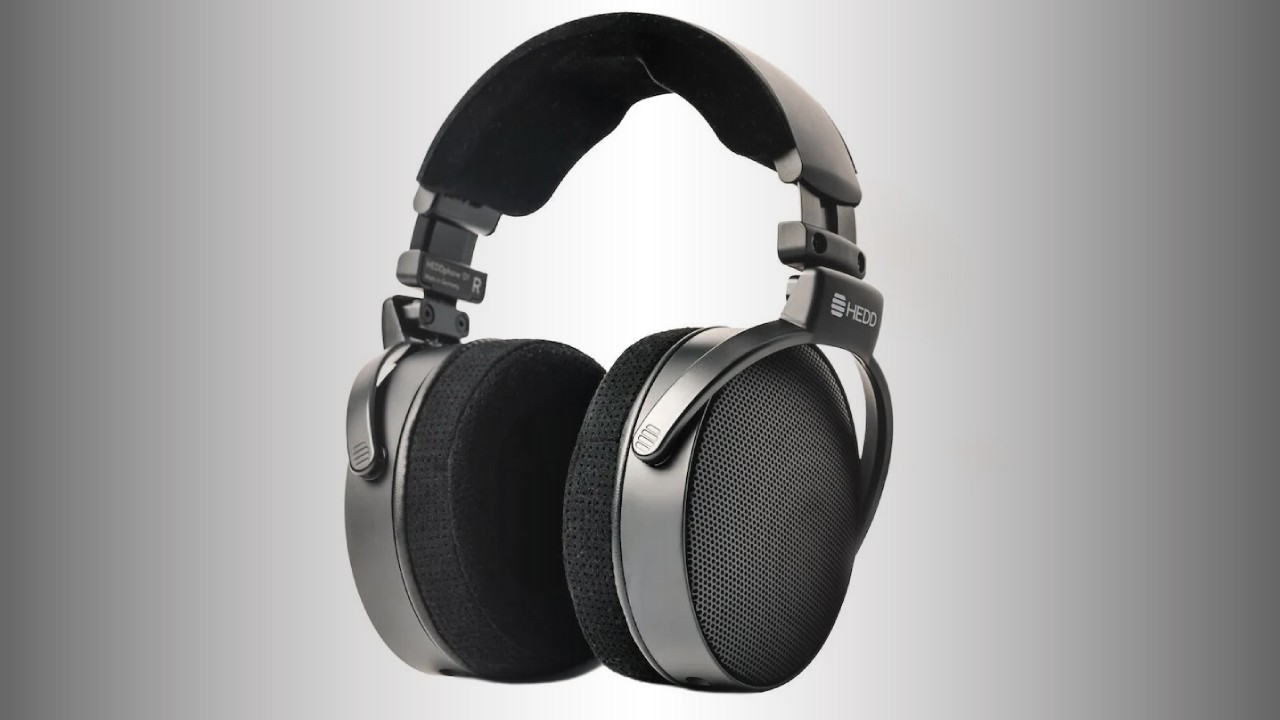
The HEDDphone D1 is an unusually focused product: a dynamic headphone whose main story is not fashion, wireless convenience, or a long list of digital features, but the material and behavior of its driver diaphragm. HEDD Audio presents it as the world’s first dynamic headphone to use Metamodal Thin-Ply Carbon Diaphragm technology, developed with Swedish diaphragm specialist Composite Sound. That gives the D1 a clear technical identity in a category where many products rely on familiar driver materials and broadly similar construction. At $700, it also occupies a serious but still reachable position for listeners who want a headphone with professional heritage, repairable build, and a defined engineering concept rather than a disposable lifestyle accessory.
A dynamic headphone built around a new diaphragm material
The central attraction of the HEDDphone D1 is its driver diaphragm. HEDD Audio has used a dynamic-driver format, but the diaphragm is made with Thin-Ply Carbon Diaphragm technology, or TPCD. The company describes this as an industry first for headphones, following development work that began with the idea of adapting thin-ply carbon to headphone use around eight years ago.
That matters because the diaphragm is one of the most important parts of any dynamic headphone. Its stiffness, weight, shape, and resonance behavior all influence how the driver moves. HEDD’s approach is not simply to use carbon as a premium-sounding material label; the documented design goal is to control the diaphragm’s behavior structurally, rather than relying on conventional damping materials at the diaphragm level. For a prospective owner, the appeal is that the D1 is based on a specific mechanical solution rather than a vague promise of refinement.
Metamodal technology and controlled breakup behavior
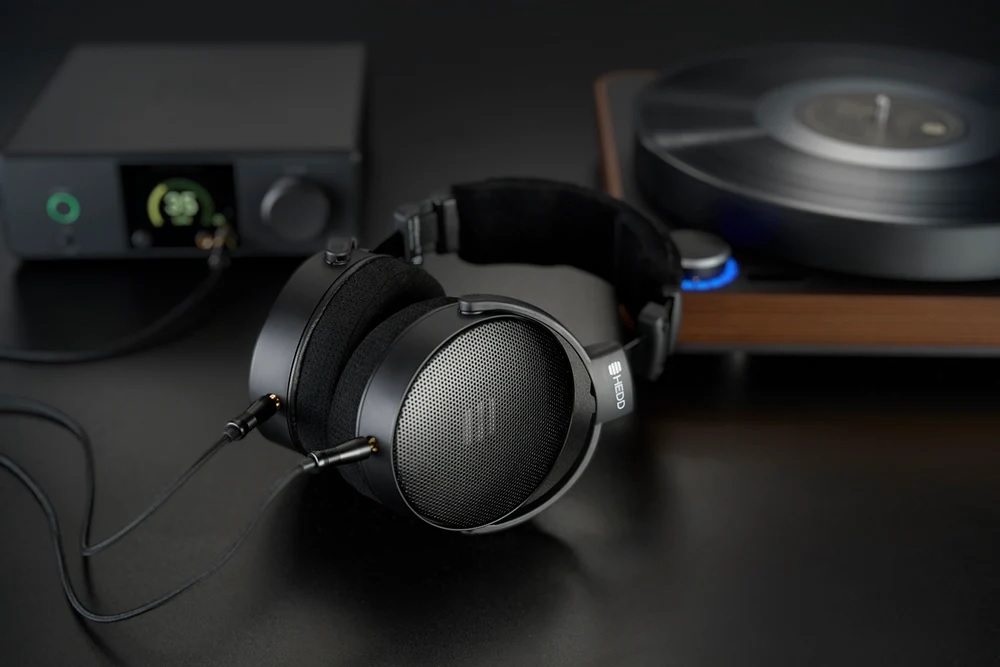
The D1’s diaphragm technology was developed with Composite Sound of Sweden, a company specializing in advanced diaphragm design and manufacturing. The key term here is Metamodal technology. According to HEDD Audio, this builds on TPCD production by allowing diaphragms to be optimized for a given geometry, with distributed breakup modes and tailored modal behavior.
In practical design terms, modal behavior refers to how a diaphragm flexes, resonates, and breaks up as it moves. All driver diaphragms face this issue. A perfectly rigid diaphragm is an ideal rather than a simple reality, so manufacturers work to manage how and where resonances occur. The D1’s concept is to optimize thickness and stiffness in different regions of the diaphragm so that resonant behavior is more deliberately controlled. That gives the headphone a distinctive engineering argument: it is not just another dynamic driver, but a dynamic driver whose diaphragm has been shaped around controlled mechanical behavior.
HEDD’s studio background in a personal-listening format
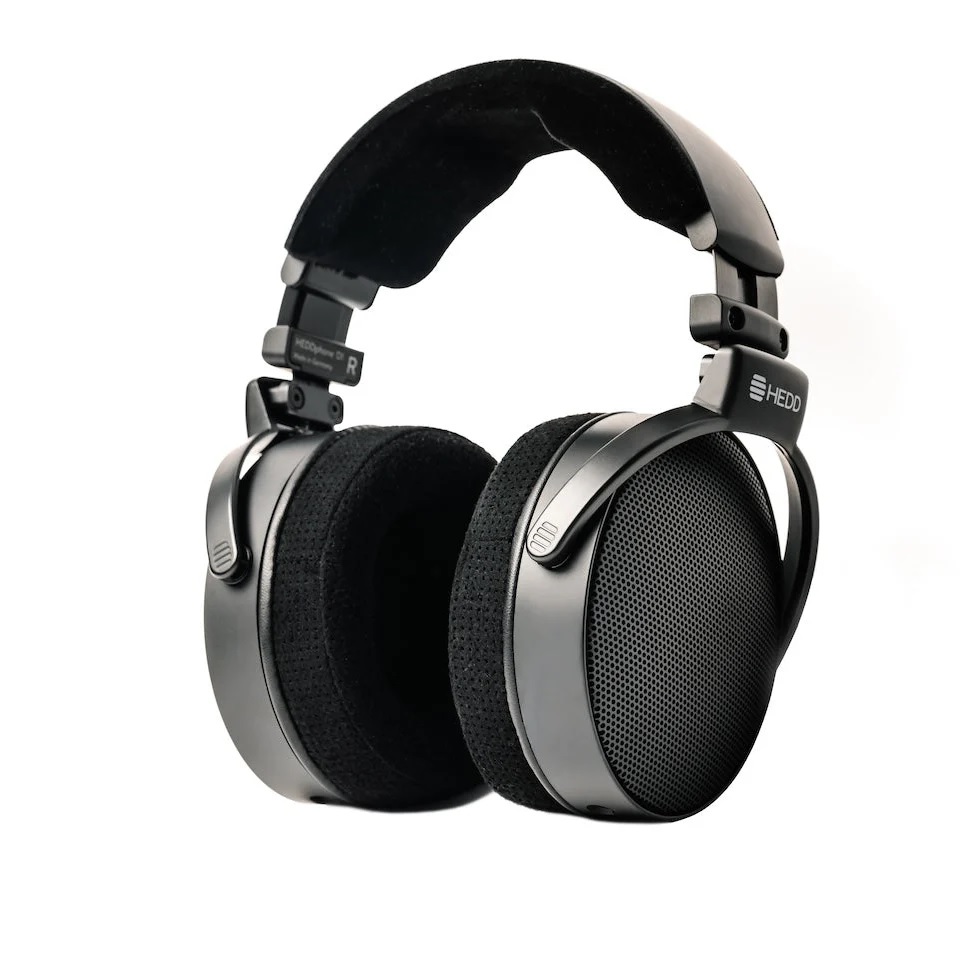
HEDD Audio, short for Heinz Electrodynamic Designs, is based in Berlin and was founded in 2015. The company is associated with loudspeakers and headphones for both professional and hi-fi use, led by Klaus Heinz and Frederik Knop. Its earlier headphone work was notable for using Air Motion Transformer drivers, a technology also connected to the company’s studio monitor identity.
The HEDDphone D1 takes a different route by using a dynamic driver, but it still reflects the company’s studio-oriented positioning. HEDD describes the D1 as aiming for studio-grade monitor precision in a headphone format. Without treating that as a listening verdict, the design direction is clear: this is intended for people who value controlled engineering, tonal integrity as a design target, and a headphone that can serve serious listening as well as personal enjoyment.
Designed to be easier to match than many specialist headphones
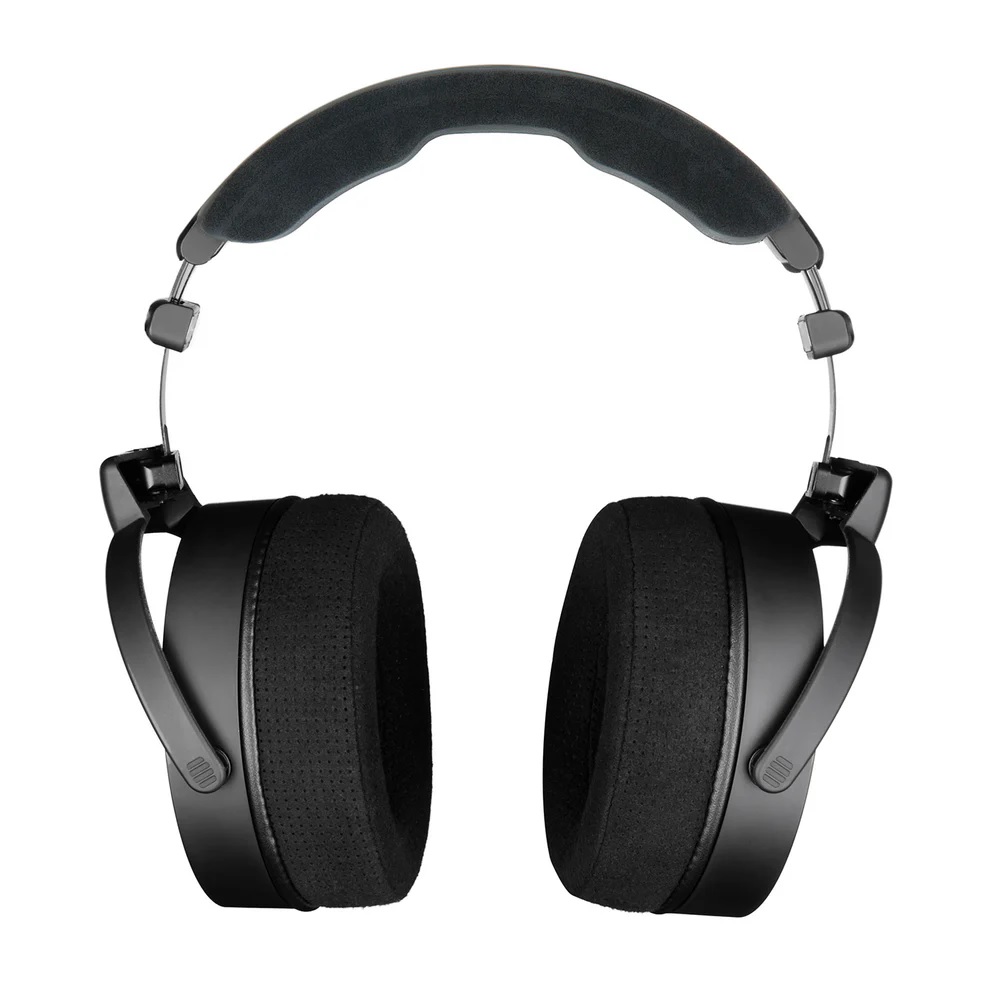
A notable practical detail is the D1’s moderate 32-ohm impedance and 100 dB sensitivity. Those figures suggest a headphone that should not demand an unusually powerful or exotic amplifier to operate. HEDD states that the D1 is intended for easy pairing with most sources, while still being able to scale with higher-quality amplification.
For owners, this flexibility can be important. Some high-end headphones are tied closely to dedicated desktop amplification, which can limit where and how they are used. The D1’s stated electrical characteristics make it more approachable for listeners who may use a range of sources, from capable portable devices to dedicated headphone amplifiers. At the same time, HEDD has not positioned it as a casual wireless product; it remains a wired, driver-focused headphone for users who care about the source chain.
Comfort, long sessions, and the value of low fatigue as a design target
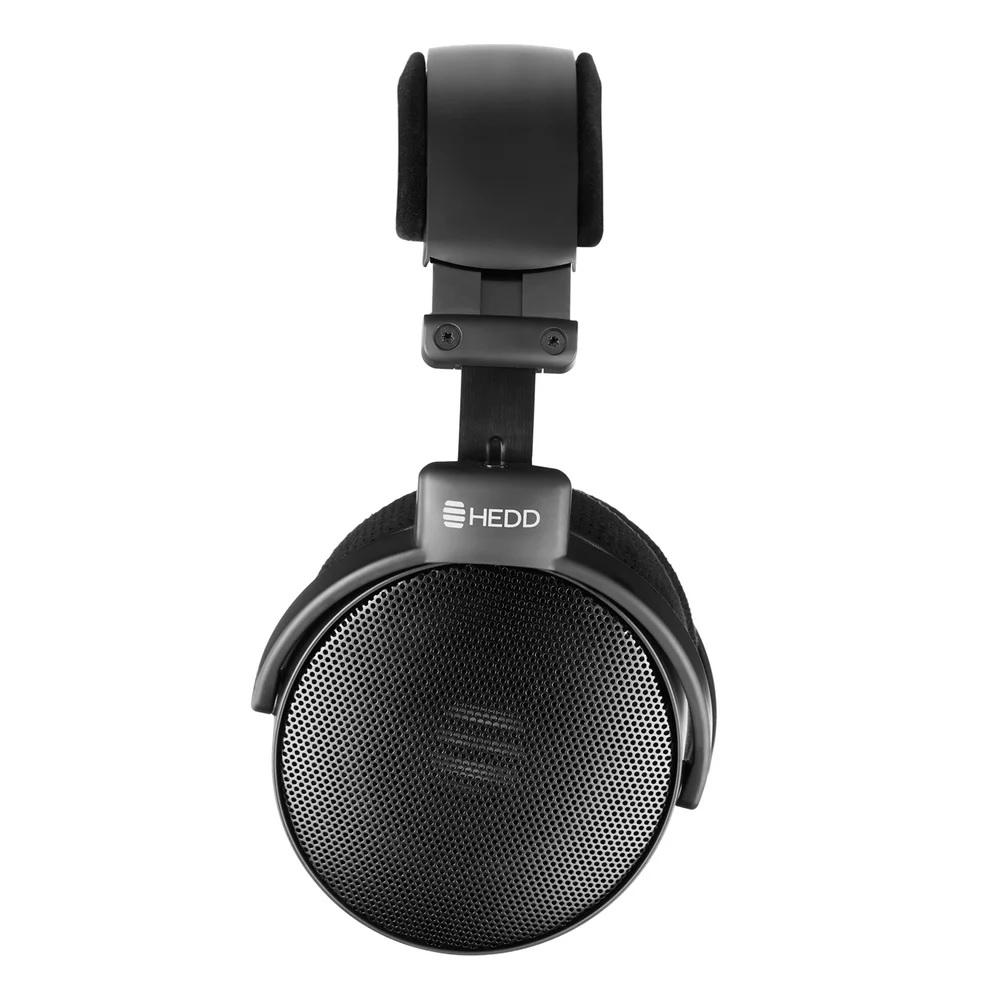
HEDD describes the HEDDphone D1 as having an ultra-lightweight construction and being designed for long, immersive sessions without fatigue. The supplied information does not provide a weight figure, so it would be inappropriate to quantify that claim. Still, the emphasis is meaningful because comfort is often a decisive factor for studio users, home listeners, and anyone who spends extended time with headphones.
Long-session suitability is not only about padding or headband shape. It also relates to the overall design philosophy: a headphone intended for monitoring or careful listening should avoid becoming physically burdensome. HEDD’s positioning of the D1 therefore speaks to people who may work through long editing sessions, listen deeply to albums, or use headphones as a primary audio system. The attraction is not merely novelty; it is the combination of a new driver concept with an everyday need for wearability.
German manufacturing and Swedish diaphragm production
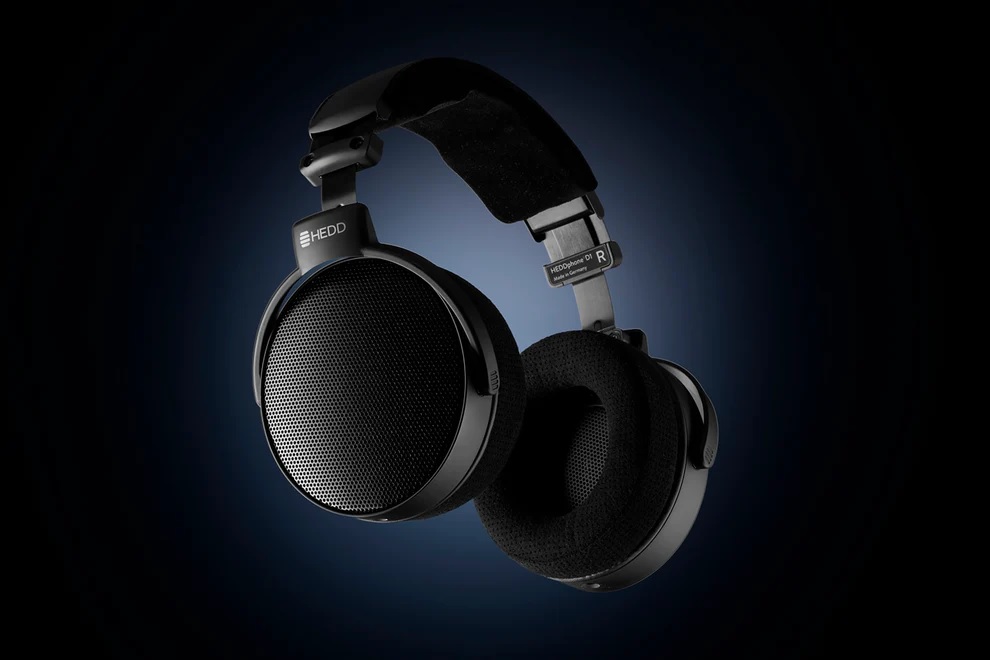
Another distinctive aspect is the D1’s manufacturing story. HEDD states that its products are developed and manufactured in Germany, while the D1’s custom TPCD diaphragm is produced exclusively by Composite Sound in Sweden. This gives the headphone a clearly defined European production chain: driver diaphragm expertise from Sweden, final product development and manufacture from HEDD in Germany.
For a prospective buyer, this can matter in two ways. First, it suggests the D1 is not simply a generic platform with a branded shell; its key component is custom-made for this application. Second, a product made within a controlled manufacturing environment can be more reassuring for buyers who value traceability and long-term support. None of that automatically guarantees performance, but it does support the D1’s identity as a purpose-built headphone rather than a cosmetic variation on an existing formula.
Repairability and a five-year warranty
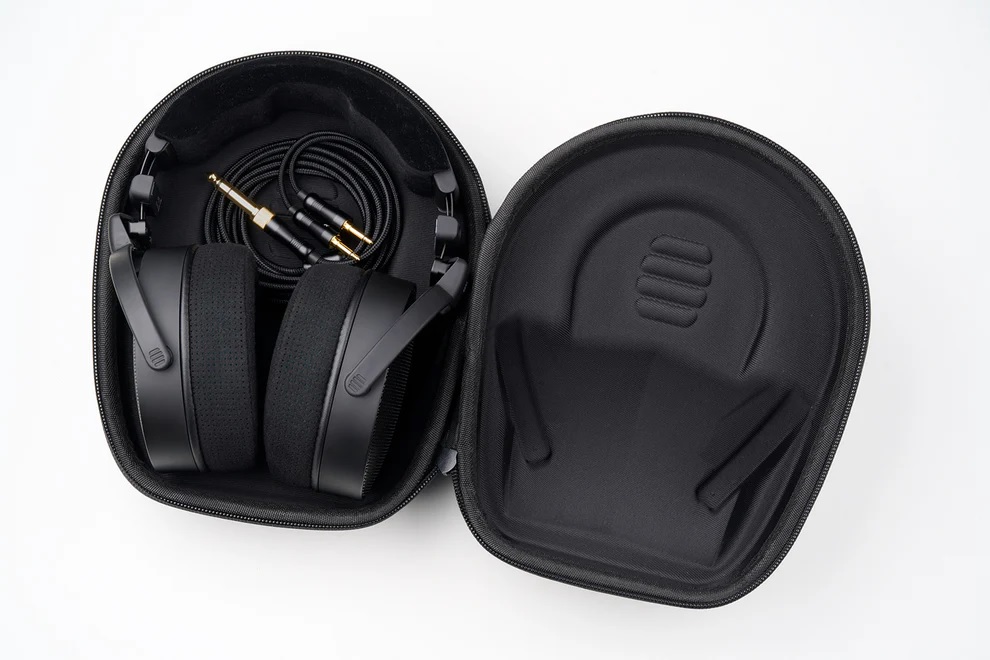
HEDD emphasizes that all components of the HEDDphone D1 are fully repairable. The company also backs the headphone with a five-year warranty. In the headphone market, where many products are difficult or uneconomical to service, repairability is a meaningful design choice.
This is one of the D1’s most useful documented qualities. A $700 headphone is not an impulse accessory for most buyers, and long-term ownership depends on more than the initial specification sheet. Pads wear, cables may need replacement, and mechanical parts can be stressed over years of use. A repairable design supports the idea that the D1 is meant to be maintained rather than discarded. For users who want to invest in one serious headphone and keep it in service, that may be as important as any individual technology claim.
Conclusion
The HEDDphone D1 is best suited to listeners who are drawn to engineering-led headphone design: studio users, serious home listeners, and hi-fi owners who want a wired dynamic headphone with a distinctive driver concept. Its strongest documented qualities are the Metamodal Thin-Ply Carbon Diaphragm, the collaboration with Composite Sound, German manufacturing, moderate 32-ohm and 100 dB drive requirements, repairable construction, and five-year warranty. It is not aimed at buyers looking for wireless convenience or lifestyle features. Instead, the D1 is for those who value a technically purposeful headphone built around controlled diaphragm behavior, practical system matching, and long-term serviceability.