YG Acoustics Titan: An Ultra-High-End Loudspeaker Built Around Scale, Control, and Configuration Choice
YG Acoustics Titan is a large-format flagship loudspeaker designed around an eight-driver architecture, a heavily engineered aluminum enclosure, external crossover design, and three system configurations ranging from fully passive to DSP-controlled active operation.
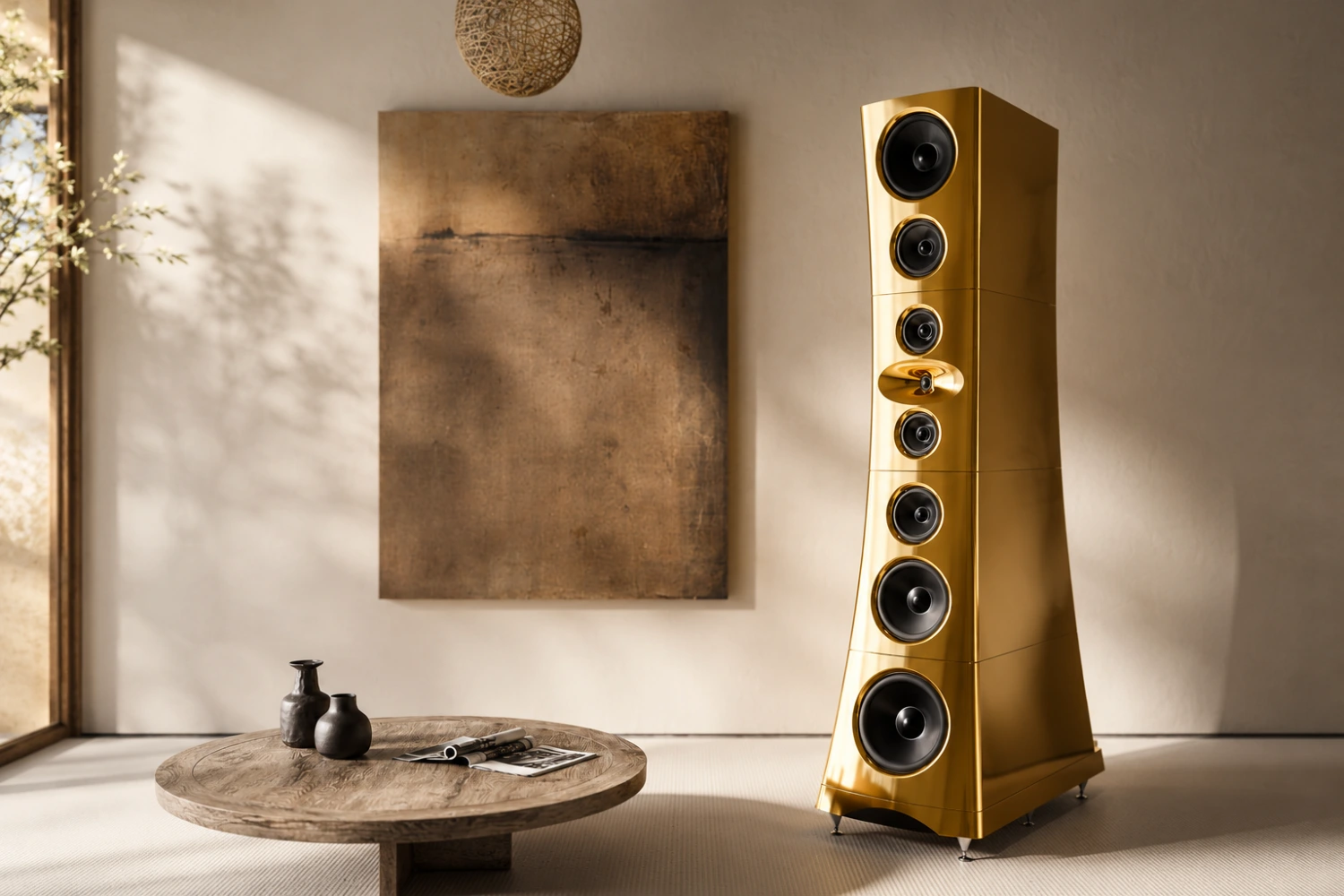
YG Acoustics Titan occupies the kind of territory where loudspeaker design becomes as much an engineering project as an audio product. Standing over two meters tall and weighing more than 450 kilograms, it is not intended to be discreet, easily relocated, or casually integrated into a modest listening space. Instead, Titan is a statement loudspeaker built for systems where scale, structural control, driver integration, and installation flexibility are central considerations. What makes it especially interesting is not simply its size or its positioning as YG Acoustics’ most ambitious loudspeaker to date, but the way the company has combined a symmetrical multi-driver layout, substantial aluminum cabinet construction, an externally housed crossover, and optional active/DSP architectures into one platform. For prospective owners in the ultra-high-end category, Titan’s appeal lies in the breadth of its design: it can be approached as a passive five-way loudspeaker, as a passive system with an active sub-bass section, or as a fully integrated active solution with fiber-optic-linked control and Roon-Ready streaming.
A Flagship Designed Around a Symmetrical Driver Architecture
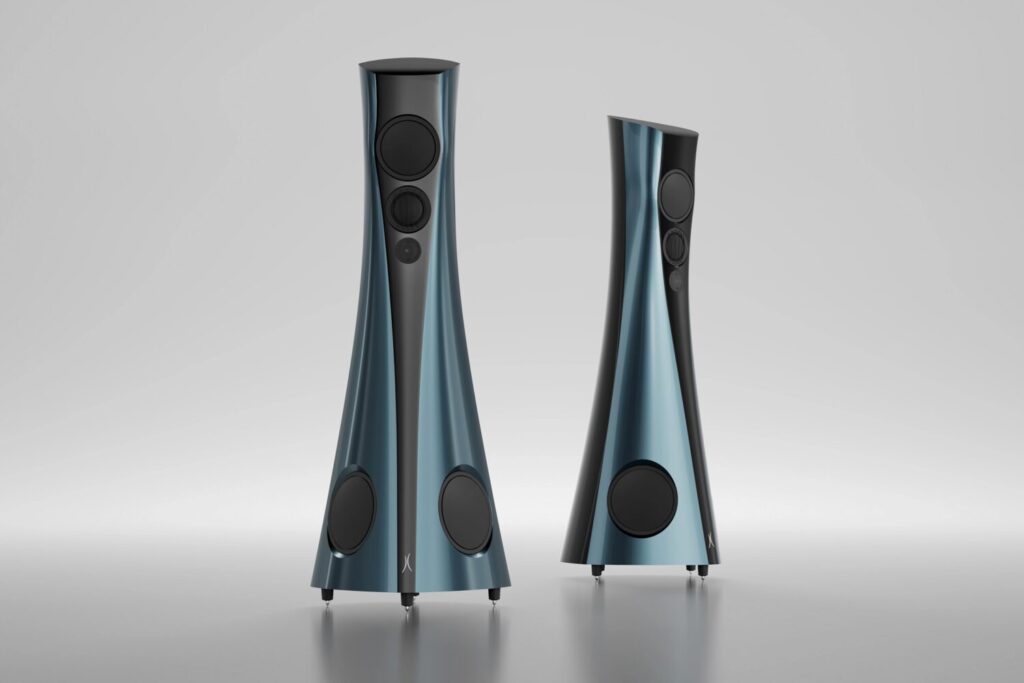
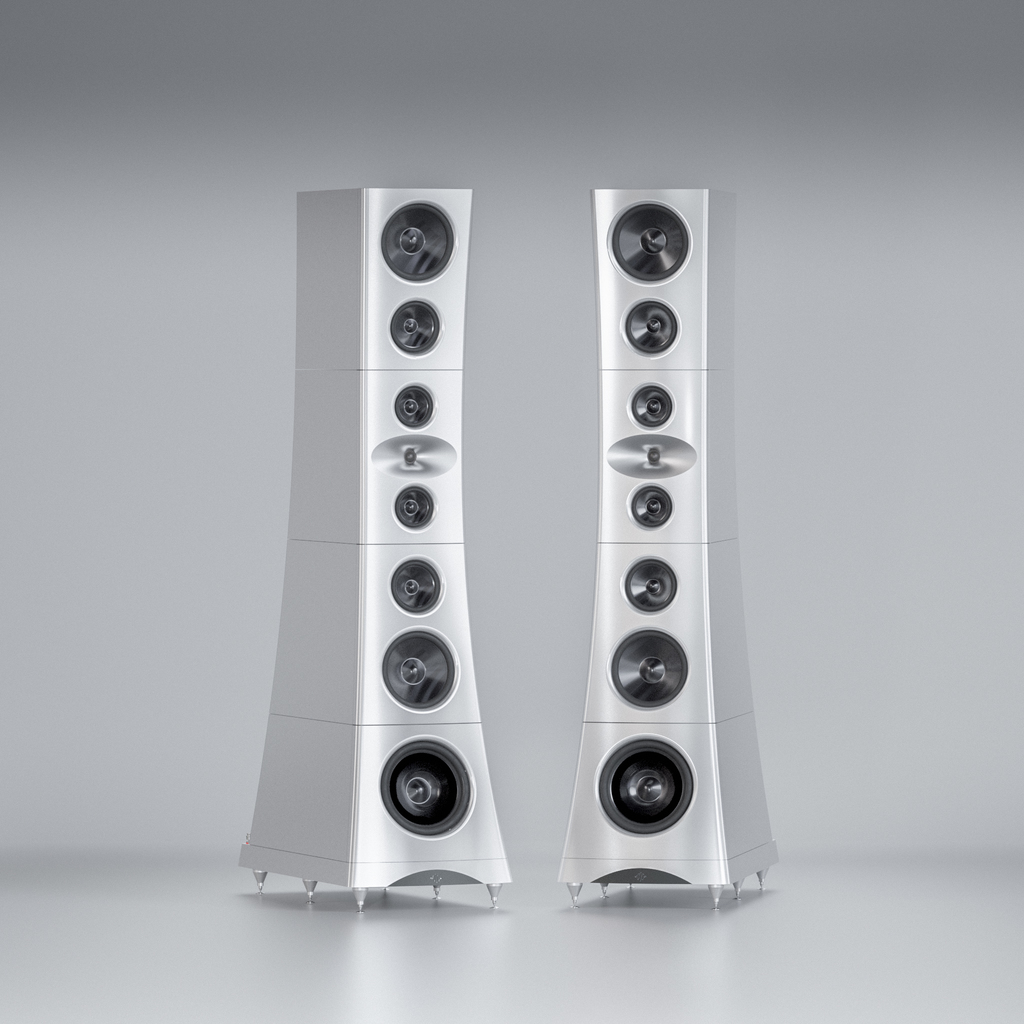
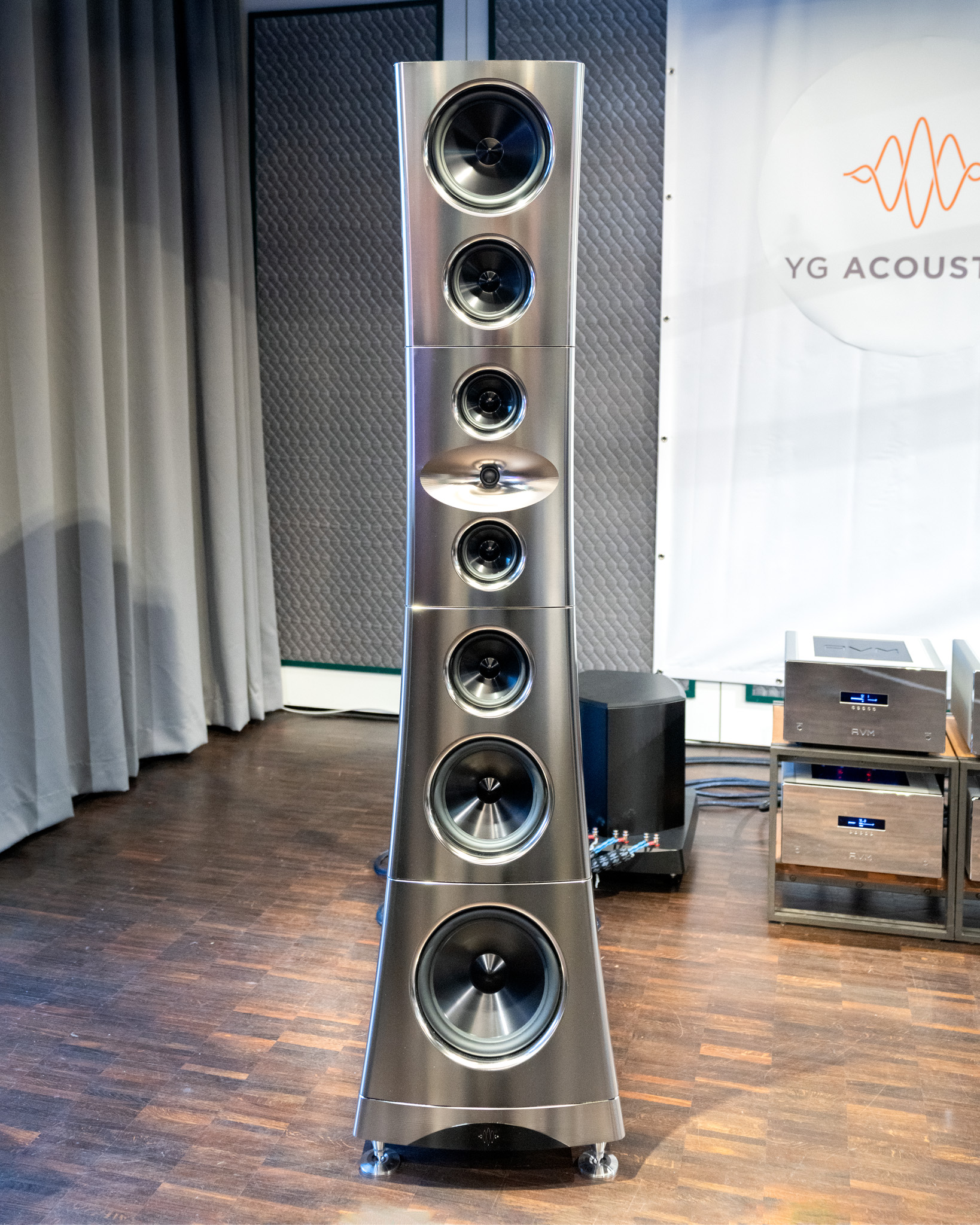
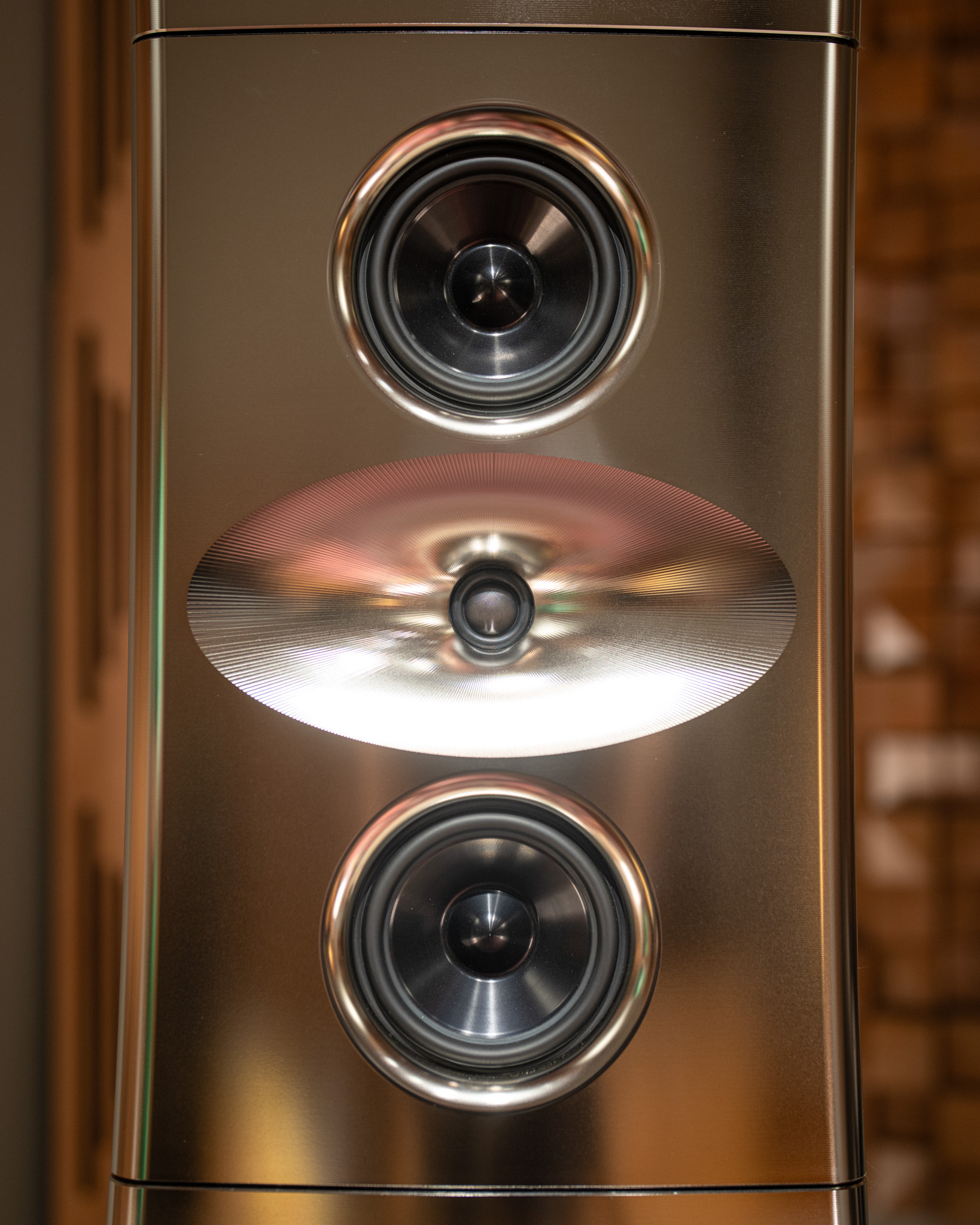
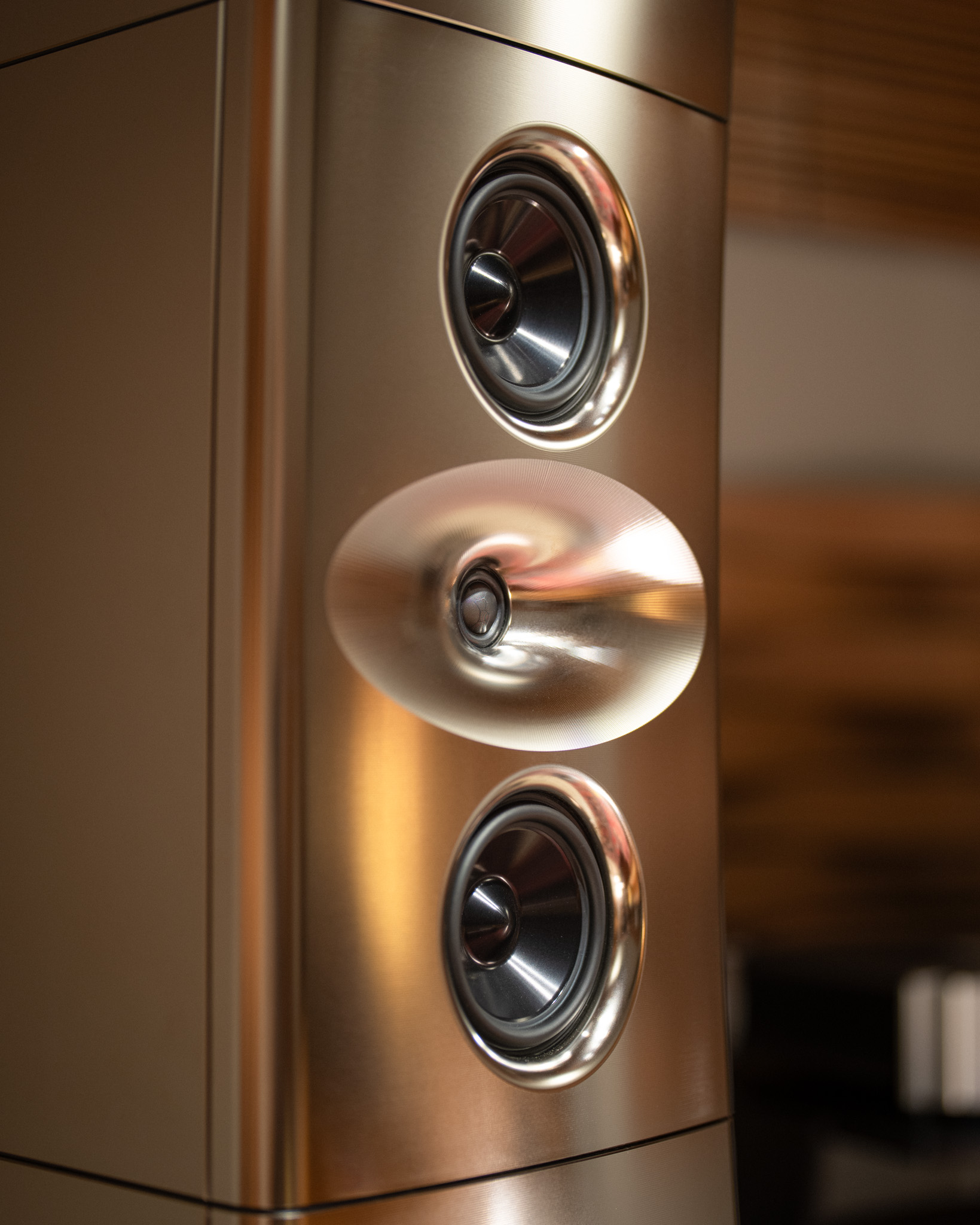
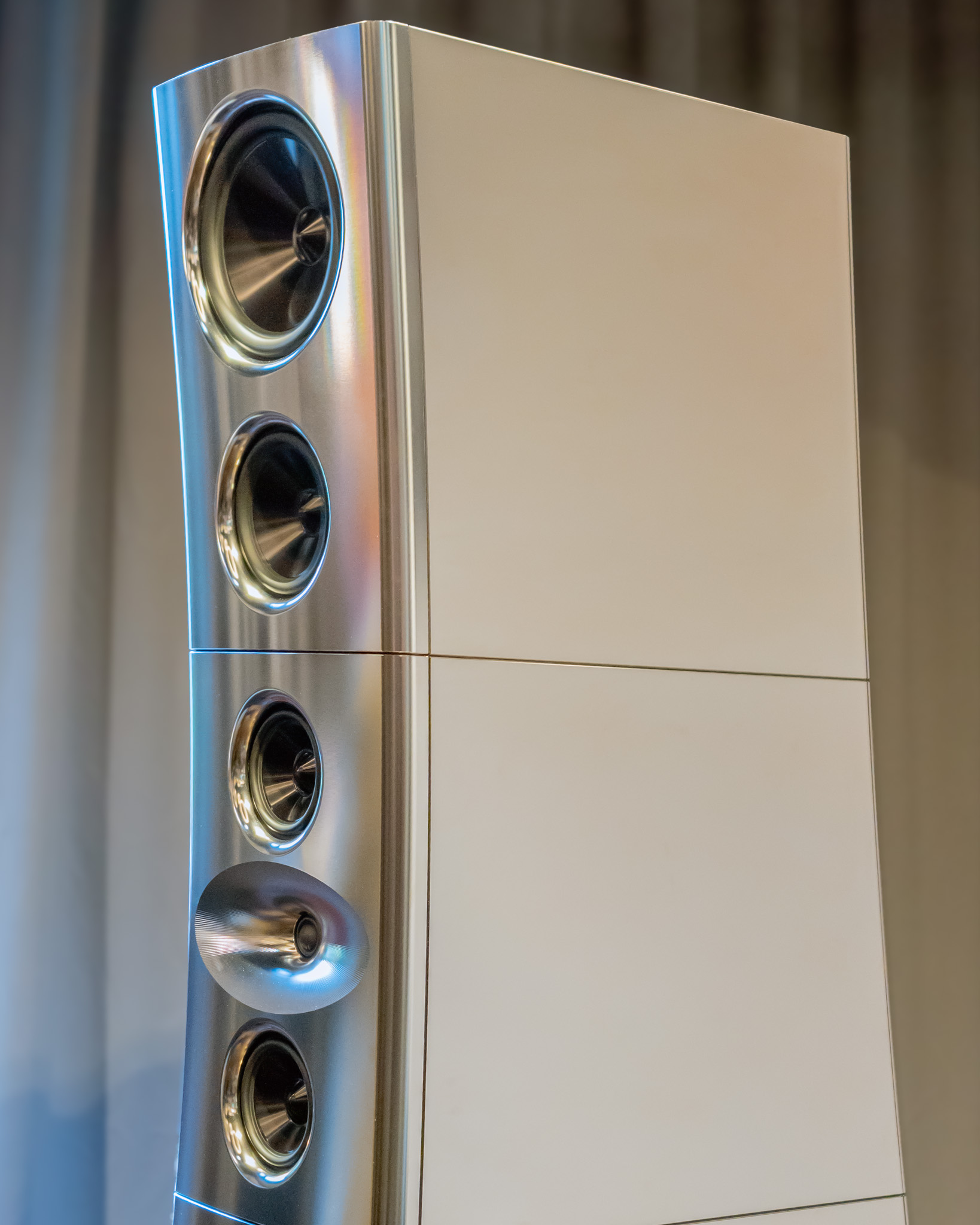
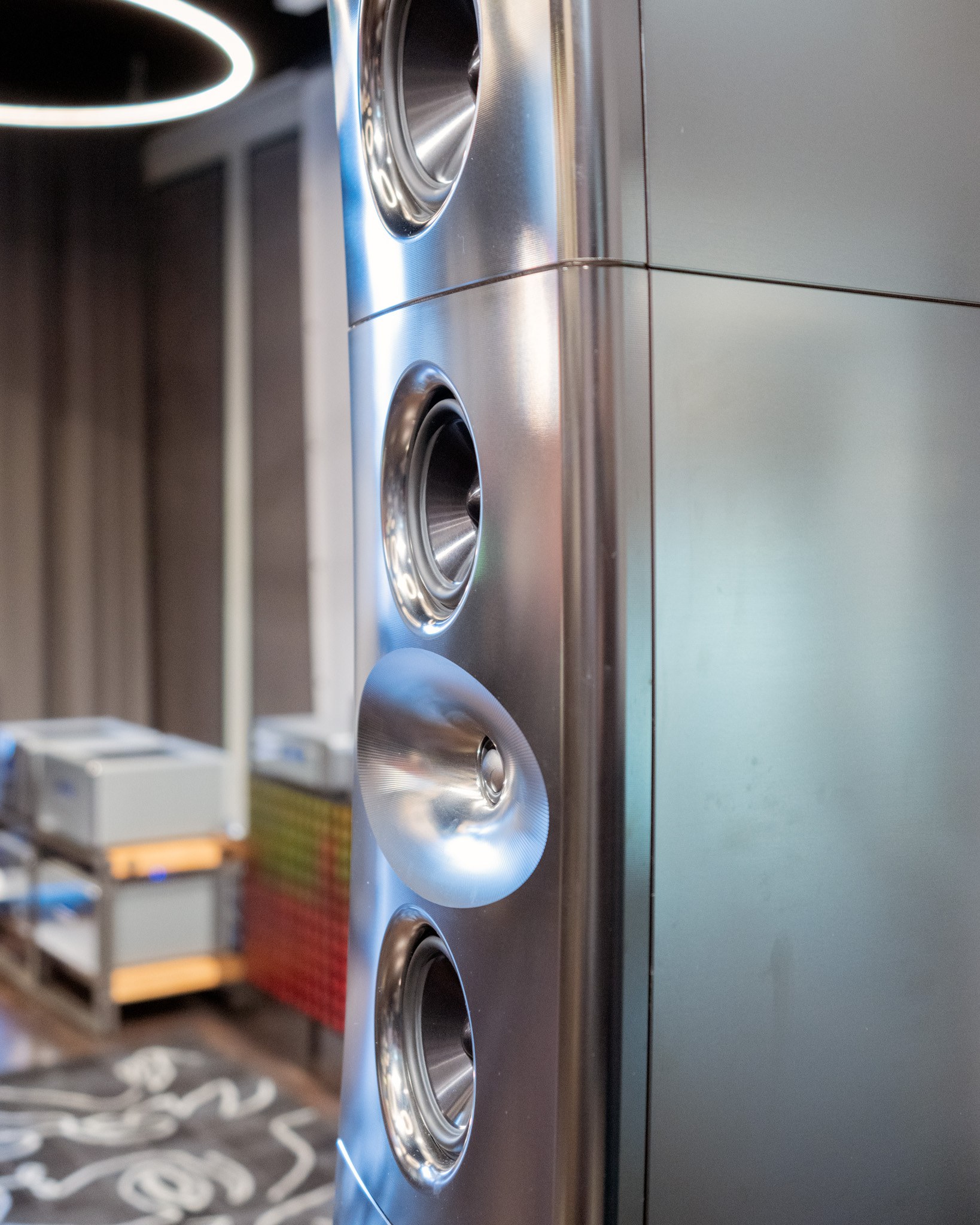
At the heart of Titan is an eight-driver arrangement. The main array uses seven drivers in a carefully positioned symmetrical layout, with pairs of drivers placed above and below the tweeter: patented 15 cm YG midrange drivers with aluminum cones, an 18 cm midbass driver, and a 26 cm bass driver. This array is supported by a custom 32 cm YG sub-bass driver with an aluminum cone and a substantial magnet structure.
paragraphs_invalid_placeholder
A Flagship Designed Around a Symmetrical Driver Architecture
At the heart of Titan is an eight-driver arrangement. The main array uses seven drivers in a carefully positioned symmetrical layout, with pairs of drivers placed above and below the tweeter: patented 15 cm YG midrange drivers with aluminum cones, an 18 cm midbass driver, and a 26 cm bass driver. This array is supported by a custom 32 cm YG sub-bass driver with an aluminum cone and a substantial magnet structure.
The documented rationale for this arrangement is phase alignment and point-source behavior across a wide frequency range. In practice, that design goal matters because large loudspeakers can face a fundamental challenge: the more drivers involved, the more carefully their output must be integrated so that the speaker behaves coherently rather than as a collection of separate radiating elements. YG Acoustics’ symmetrical layout is intended to support a broad and flexible listening area while preserving the timing relationships between neighboring drivers.
The use of different driver sizes also reflects the speaker’s five-way concept. Rather than asking one driver to cover too much of the spectrum, Titan assigns specific frequency regions to dedicated transducers. This kind of division can allow each driver to work within a more appropriate operating range, provided the crossover and cabinet design support that goal. Titan’s driver architecture is therefore not just about quantity; it is about distribution of work, physical symmetry, and integration.
Cabinet Construction as a Core Part of the Design
Titan’s enclosure is one of its most defining features. The cabinet uses a five-layer structure made from three layers of special aluminum alloys separated by engineered damping materials. The front panels are machined from solid 75 mm-thick aerospace-grade aluminum, with heat treatment used to optimize the material’s crystalline structure before precision machining.
For a loudspeaker of this scale, cabinet behavior is not a secondary matter. Drivers generate mechanical energy as well as acoustic output, and a large enclosure must manage that energy if it is to avoid adding unwanted vibration. Titan addresses this through mass, rigidity, damping, and internal control structures. The cabinet includes advanced bracing, composite resin damping, and computer-optimized diffuser and absorber elements positioned inside the enclosure.
The result is a design philosophy in which the cabinet is treated as an active engineering problem rather than a decorative shell. That matters to prospective owners because a loudspeaker at this level is often expected to operate at a wide range of playback levels and in substantial rooms. A highly controlled enclosure is intended to give the drivers a stable platform from which to operate, while the sheer weight and construction quality also make installation planning a serious part of ownership. At more than 450 kilograms per cabinet, Titan requires an environment where placement, floor loading, access, and professional setup can be addressed properly.
External Crossover Engineering and Signal Isolation
Titan’s crossover system is another area where YG Acoustics has emphasized control. In the passive configuration, the crossover is housed externally rather than inside the main loudspeaker enclosure. This external crossover is built on a specially developed multilayer printed circuit board material selected for dielectric properties and internal resonance damping. The crossover traces are precision-milled in-house from extra-thick, high-purity copper and optimized through simulation.
The external housing is made from a selected polymer material, a choice intended to prevent field interaction with the crossover signal. Separating the crossover from the main cabinet can also be significant in a loudspeaker of this size because it distances sensitive filter components from some of the mechanical and magnetic activity inside the speaker enclosure.
For owners building systems around Titan, the crossover design also connects directly to amplification strategy. The passive version can be used with one to five amplification channels per loudspeaker, giving system designers considerable latitude. A simpler installation might use fewer channels, while a more elaborate system could assign amplification in a more segmented way. The key point is that Titan’s passive architecture is not limited to a single conventional wiring approach.
Three Versions for Different System Philosophies
Titan is offered in three documented versions: Titan Passive, Titan Active Sub, and Titan Live. This is one of the product’s most useful distinctions, because it acknowledges that ultra-high-end loudspeaker buyers do not all want the same relationship between speaker, amplifier, crossover, and source system.
Titan Passive is the most traditional version in concept, though still technically elaborate. It is a fully passive five-way loudspeaker with eight drivers and an external crossover. It supports one to five amplification channels per loudspeaker, making it suitable for owners who want to choose their own amplification and preserve a passive loudspeaker architecture.
Titan Active Sub takes a hybrid route. It combines a fully passive four-way system with a dedicated external 1 kW amplifier for sub-bass frequencies. That amplifier is phase- and time-tuned to integrate with the passive drivers. This version may appeal to listeners and system builders who want to retain passive operation through much of the frequency range while giving the deepest bass section dedicated amplification and control.
Titan Live is the most integrated configuration. Each channel is supplied with an external audiophile amplifier and an advanced DSP crossover, connected to the Live Controller via fiber optics. It also includes Roon-Ready streaming along with extensive digital and analog connectivity. This version shifts the emphasis from traditional component matching toward a more complete loudspeaker ecosystem in which amplification, crossover behavior, control, and connectivity are managed as a system.
Why the Active and DSP Options Matter
The availability of active and DSP-based configurations is important because Titan is not a compact standmount that can be placed casually and driven by almost any suitable amplifier. It is a very large, complex, multi-driver loudspeaker. In such a product, the relationship between drivers, crossover, amplifiers, and room installation can be especially consequential.
The Active Sub version addresses the sub-bass range with a dedicated external amplifier, allowing that demanding portion of the frequency spectrum to be handled independently. Low-frequency reproduction places significant demands on amplification and driver control, so a dedicated sub-bass amplifier is a practical design choice for a loudspeaker intended to reproduce a wide bandwidth at different playback levels.
Titan Live goes further by using an advanced DSP crossover and system-level integration. The fiber-optic connection to the Live Controller also suggests a design priority around clean signal routing between control and amplification elements. For users who value digital source integration, the inclusion of Roon-Ready streaming may reduce the number of separate boxes needed in a system, while the stated digital and analog connectivity keeps the concept from being limited to one type of source.
A Product for Purpose-Built Listening Environments
Titan’s strongest documented qualities also define its limitations. This is a loudspeaker for purpose-built listening rooms, ambitious private systems, and installations where space, access, amplification, and setup expertise are already part of the plan. Its height, weight, driver count, and available configurations make it unsuitable for casual placement or frequent repositioning.
It is most suitable for owners who want a flagship loudspeaker platform with multiple implementation paths. A traditional high-end system builder may be drawn to Titan Passive because it leaves room for carefully selected external amplification. Someone who wants extra control in the lowest octaves while preserving much of a passive system architecture may prefer Titan Active Sub. A listener interested in a more integrated route, with DSP crossover management, external dedicated amplification, fiber-optic system links, and Roon-Ready streaming, may find Titan Live the most coherent expression of the platform.
It is less suitable for listeners seeking simplicity, compactness, low visual impact, or flexible day-to-day room use. The reported pricing of approximately $900,000 to $1,000,000 depending on version places Titan in a rarefied category, and a gilded version has also been reported at approximately $2,000,000 depending on the applied gold layer. At this level, the purchase is inseparable from room planning, installation support, and a clear idea of how the loudspeaker will fit into a larger system.
Conclusion
YG Acoustics Titan is compelling because its ambition is expressed through specific design choices rather than size alone. Its eight-driver architecture, symmetrical layout, aluminum-cone drivers, heavily damped multi-layer aluminum enclosure, externally housed crossover, and three configuration options give it unusual breadth as a flagship platform. The Passive, Active Sub, and Live versions allow different approaches to amplification and system integration, from traditional external amplifier matching to a DSP-controlled, Roon-Ready active architecture. Titan is best suited to highly committed listeners with dedicated rooms, installation resources, and a desire for a large-scale loudspeaker system built around structural control, driver integration, and configuration flexibility.