
Headphones are most useful when their design fits the way you actually listen.
This selection covers wireless over-ear models for travel and television, open-back headphones for focused home listening, open-ear true wireless earbuds for greater environmental awareness, and wired in-ear monitors with several different driver configurations.
The distinctions matter more than any single specification. Active noise cancellation can make a wireless model better suited to commuting, while an open-back design prioritizes an airy presentation at the expense of isolation. Wired IEMs can offer replaceable cables, alternative sound nozzles or unusually elaborate driver arrays, but fit and source compatibility remain essential considerations. Each recommendation below is grounded in the supplied product information and reviews. Rather than treating every model as interchangeable, the guide highlights the particular use case, construction or listening feature that gives each one a reason to be considered.

1. DALI IO-8: Wireless headphones with audiophile ANC
The DALI IO-8 is an over-ear wireless headphone with 50 mm drivers, wired playback and selectable ANC, Transparency and Off modes.
The DALI IO-8 is a wireless over-ear model that can also receive music through a cable, making it more adaptable than a purely Bluetooth design.
Developed by the team behind DALI’s KORE loudspeaker and drawing on technology from the IO-12, it uses 50 mm drivers and provides three noise-control settings: ANC On, Transparency and ANC Off.
Its combination of wired operation, wireless convenience and selectable noise management makes it particularly relevant for listeners who want one full-size headphone for both mobile and home use.
Best for: Versatile wireless listening with adjustable noise control
- Wireless and wired playback
- Three noise-control settings
- Large 50 mm drivers
- Intuitive multifunction buttons
Verdict: The IO-8 is a flexible over-ear option for listeners who want ANC without giving up the choice of a wired connection.

2. ND X12: In-ear headphones with a 10 mm driver and 5 armature drivers
The aluminum ND X12 combines one 10 mm dynamic driver with five balanced-armature drivers and a detachable two-pin cable.
The ND X12 combines a 10 mm nano dual-magnet dynamic driver with five balanced-armature drivers: four assigned to the midrange and one to high frequencies.
Audio-setting switches provide an additional degree of tuning, while versions are offered with or without a microphone.
The CNC-machined aluminum-alloy shells, over-ear cable routing and supplied ear tips are designed to provide a secure fit and passive isolation. A detachable 0.78 mm two-pin connection also makes the cable replaceable.
Best for: Listeners seeking a configurable hybrid IEM
- Six-driver hybrid configuration
- Audio-setting switches
- Replaceable two-pin cable
- Versions with or without a microphone
Verdict: The ND X12 offers an unusually involved driver layout and useful tuning options in a lightweight aluminum in-ear design.
3. SIMGOT EA1000: Accurate 1DD in-ear headphones
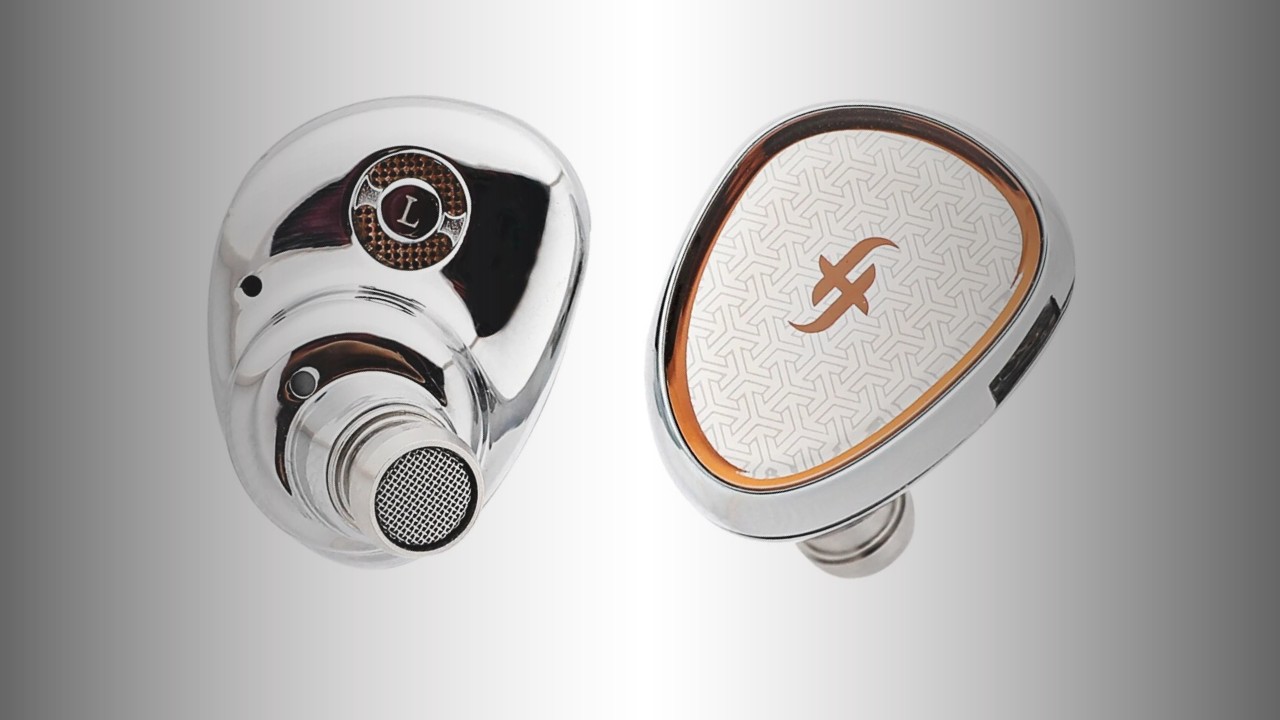
The SIMGOT EA1000 features a 10 mm dynamic driver, a 6 mm passive diaphragm and interchangeable threaded sound nozzles.
SIMGOT’s EA1000 uses a 10 mm full-range dynamic driver alongside a 6 mm passive diaphragm in a 1DD+1PR architecture.
Its dynamic driver incorporates the company’s dual-magnet, dual-chamber design and a purple-gold deposited diaphragm intended to balance rigidity with low weight.
The most practical differentiator is the threaded acoustic-nozzle system: three sets of brass and stainless-steel sound tubes allow the listener to alter the presentation without changing the entire earphone.
Best for: IEM users who value straightforward sound tuning
- Dynamic driver and passive-diaphragm architecture
- Three replaceable acoustic-nozzle sets
- Brass and stainless-steel tuning options
- Dual-magnet, dual-chamber driver design
Verdict: The EA1000 stands out through its replaceable acoustic nozzles and focused dynamic-driver engineering.

4. Noble Audio XM1: 2-way IEM with MEMS driver and USB-C Connection
Noble Audio’s XM1 uses an xMEMS Cowell driver, an 8.3 mm dynamic driver and a direct USB-C connection.
The Noble Audio XM1 is a wired USB-C in-ear monitor designed to connect directly to compatible smartphones without requiring a separate external DAC and amplifier.
Its two-way hybrid configuration pairs an xMEMS Cowell solid-state driver for the midrange and treble with an 8.3 mm dynamic driver responsible for bass.
That direct digital connection and division of driver duties make the XM1 a distinctive proposition for phone-based listening, although buyers should confirm that their USB-C source supports digital audio.
Best for: Direct USB-C listening from compatible mobile devices
- Direct wired USB-C connection
- No separate external DAC or amplifier required
- Two-way MEMS and dynamic-driver system
- Designed for smartphone use
Verdict: The XM1 is a convenient specialist IEM for listeners who want a wired digital connection and a hybrid MEMS driver system.

5. FREEDOTS C1: TWS headphones with Aptx Adaptive support
The FREEDOTS C1 combines an open-ear shape with adjustable earhooks, touch controls and IPX4-rated protection.
The FREEDOTS C1 takes an open-ear approach rather than sealing deeply inside the ear canal.
Its 120-degree adjustable earhooks are intended to keep the earbuds secure while allowing the wearer to remain more aware of the surrounding environment.
Bluetooth 5.1, touch controls and an IPX4 rating support everyday wireless use, including exercise where resistance to sweat and rain is useful. The trade-off inherent to the open design is that it will not isolate like a sealed IEM.
Best for: Exercise and listening where awareness matters
- Open-ear design preserves awareness
- Adjustable earhooks
- IPX4-rated against sweat and rain
- Touch controls on both earbuds
Verdict: The C1 is a practical open-ear true wireless option for active users who prioritize a secure fit and environmental awareness over isolation.
6. Sennheiser RS 275 Review: Wireless TV Headphones with Speech Clarity & 50h Battery
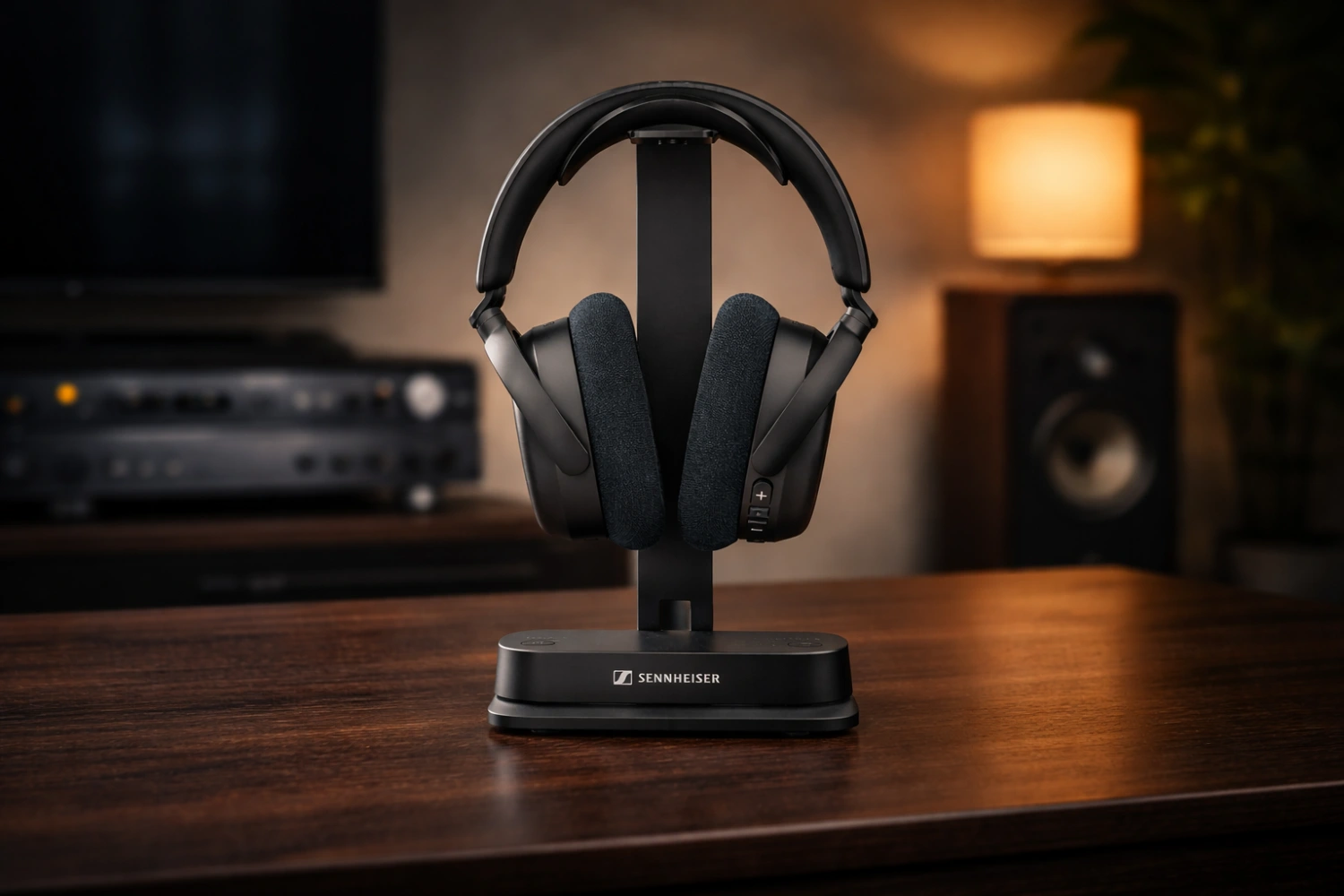
The Sennheiser RS 275 is a wireless over-ear TV headphone with speech enhancement, volume normalization and channel-balance adjustment.
The Sennheiser RS 275 is built specifically for television rather than general portable listening.
Its low-latency wireless system keeps sound aligned with the picture, while Speech Clarity mode brings voices forward without making them excessively harsh.
Normalize Volume reduces abrupt changes between quiet and loud material, and independent left/right balance adjustment can accommodate differences between a listener’s ears. The reviewed presentation is described as clean and controlled, with crisp dialogue and dynamic effects, while the stated 50-hour battery life supports extended viewing.
Best for: Private television viewing and clearer dialogue
- Low-latency TV audio
- Effective Speech Clarity mode
- Volume normalization
- Independent left/right balance
Verdict: The RS 275 is a purpose-built TV headphone whose speech, volume and balance controls address genuine everyday viewing problems.

7. Sennheiser HD 660S2: A new iteration of the famous six hundred
The open-back Sennheiser HD 660S2 is tuned for precision, smooth treble and extended sub-bass during long home sessions.
The Sennheiser HD 660S2 is an open-back dynamic headphone intended for attentive home listening.
Its tuning is described as warm and calm, with smooth treble, precise reproduction and more extended sub-bass than the preceding design.
Sennheiser attributes the stronger output in the lowest octaves to changes in the suspension, transducer airflow and voice coil. The open construction and emphasis on non-fatiguing sound suit long sessions, but they also mean limited isolation and audible sound leakage.
Best for: Focused audiophile listening in a quiet room
- Extended sub-bass response
- Warm tuning with smooth highs
- Open-back presentation
- Designed for long listening sessions
Verdict: The HD 660S2 is a strong home-listening choice for those who want an open, precise presentation with fuller low-bass weight.

8. Myer CKLVX D62: In-ear headphones with 6 armature and 2 dynamic drivers
The MYER CKLVX D62 houses two dynamic and six balanced-armature drivers in a 3D-printed chamber finished with wooden faceplates.
The MYER CKLVX D62 places eight drivers in each earpiece: 10 mm and 8 mm dynamic drivers cover bass and midrange duties, while six balanced-armature drivers handle the upper midrange and high frequencies.
A 3D-printed acoustic chamber organizes this complex array, and wooden faceplates provide a distinctive exterior finish.
The supplied four-wire silver-plated copper cable uses 0.78 mm two-pin connectors and interchangeable plugs, including 3.5 mm and another supplied termination, giving the IEM useful source flexibility.
Best for: Listeners interested in a high-driver-count hybrid IEM
- Eight drivers per earpiece
- Purpose-made 3D-printed acoustic chamber
- Detachable two-pin cable
- Interchangeable cable plugs
Verdict: The CKLVX D62 combines an ambitious eight-driver layout with a replaceable, adaptable cable system.
9. Sendy Audio Egret Review: Beautiful Planar Headphones That Put Music Before Analysis
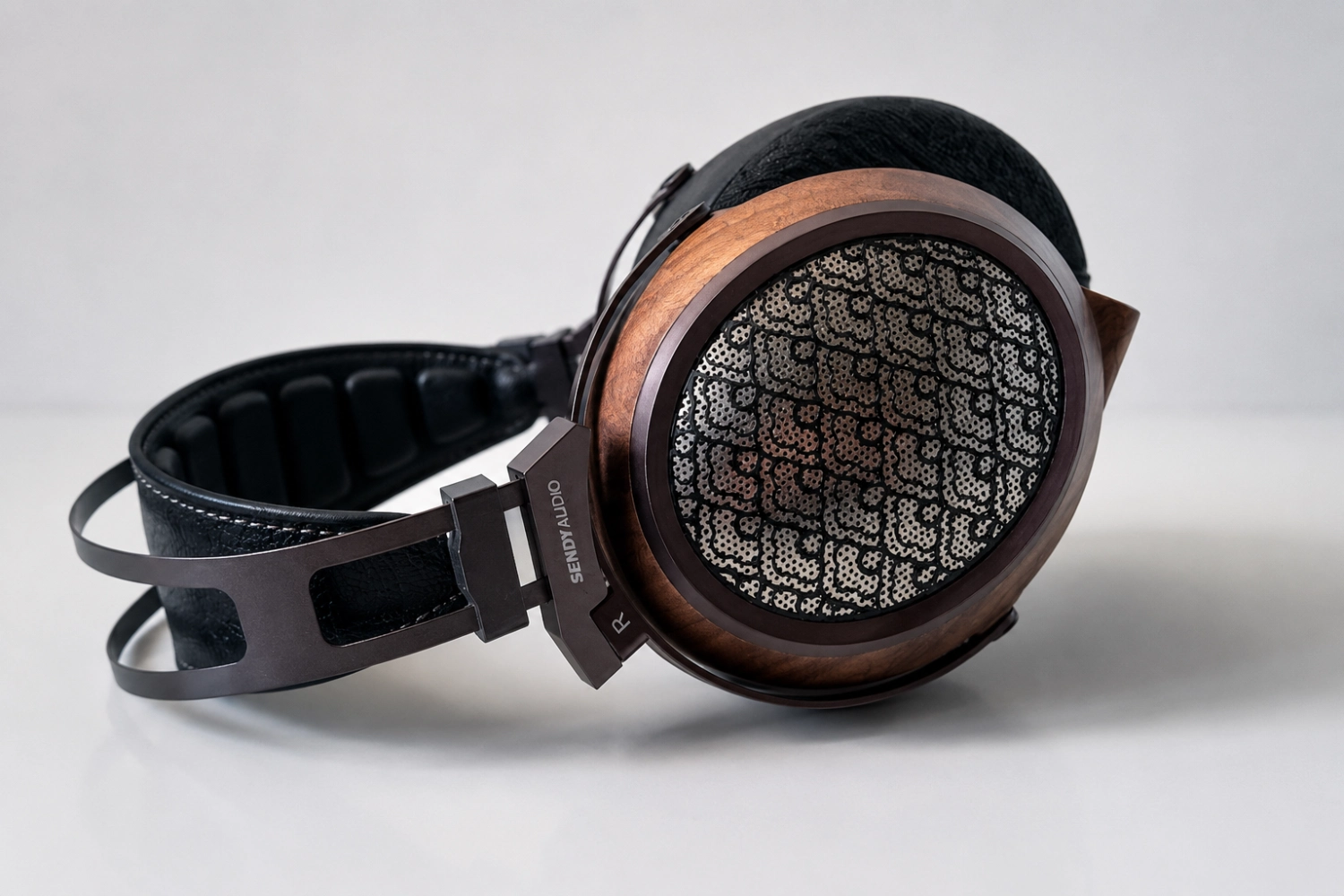
The Sendy Audio Egret combines planar-magnetic drivers and walnut ear cups with a balanced cable, two adapters and a carrying case.
The Sendy Audio Egret is a planar-magnetic headphone whose reviewed character favors musical enjoyment over a relentlessly analytical presentation.
Handcrafted walnut ear cups and a shape inspired by a heron’s wings give it a distinctive appearance.
Its accessory package is also notably complete: a carrying case, balanced 4.4 mm cable, 4.4-to-3.5 mm adapter and 6.3 mm adapter are included. That output flexibility makes the supplied balanced cable practical across a wider range of headphone amplifiers and conventional sockets.
Best for: Planar enthusiasts who prefer an engaging musical balance
- Large planar-magnetic drivers
- Handcrafted walnut ear cups
- Balanced 4.4 mm cable
- Adapters and carrying case included
Verdict: The Egret pairs a music-first planar presentation with distinctive woodwork and a thoughtfully complete connection package.

10. Rose Technics Aurora Ultra: Designed for the most demanding music lovers
The Rose Technics Aurora Ultra uses planar and dynamic drivers inside an ergonomic metal shell with a detachable two-pin cable.
The Rose Technics Aurora Ultra is a hybrid in-ear design combining a dual-magnet planar driver with a dynamic driver that uses the company’s third-generation topological diaphragm.
The planar element is assigned to precise high-frequency reproduction, while the dynamic driver contributes range, detail and weight across the presentation.
A metal shell provides a durable enclosure, and the shape was developed using feedback from more than a thousand users. Its detachable cable uses 0.78 mm two-pin connectors and 5N OCC copper conductors.
Best for: Listeners seeking a metal-bodied planar hybrid IEM
- Planar and dynamic hybrid system
- Durable metal shells
- Ergonomically developed shape
- Detachable two-pin cable
Verdict: The Aurora Ultra is notable for combining planar and dynamic drivers in an ergonomic metal enclosure with a replaceable cable.
Frequently asked questions
Should I choose over-ear headphones or in-ear monitors?
Over-ear models generally suit extended home, travel or television use, while IEMs are smaller and easier to carry.
Comfort is personal: full-size headphones distribute contact around the ears, whereas an IEM depends on obtaining the correct ear-tip size and a stable seal.
Are open-back and open-ear headphones suitable for commuting?
Usually not when isolation is the priority.
An open-back model such as the HD 660S2 leaks sound and admits outside noise, while an open-ear design such as the FREEDOTS C1 deliberately preserves environmental awareness.
For noisy travel, a closed over-ear model with ANC, such as the DALI IO-8, is the more relevant type.
What should I check before buying USB-C headphones?
Confirm that the phone, tablet or computer supports digital audio through its USB-C port and that its operating system is compatible with the headphone.
A direct USB-C model such as the Noble Audio XM1 can remove the need for a separate external DAC and amplifier, but it is less universally interchangeable than a conventional 3.5 mm plug.
Do more drivers automatically produce better sound?
No.
Multiple drivers can divide the frequency range among specialized components, as seen in the ND X12 and CKLVX D62, but driver integration, acoustic chamber design, tuning and fit remain crucial.
A focused single-dynamic-driver design can be just as compelling when it is well implemented.
How to choose the right headphones
Begin with the listening situation rather than the most elaborate specification.
For travel or shared spaces, decide whether active noise cancellation and wireless operation are essential; the DALI IO-8 adds the useful option of wired playback.
Television viewers should prioritize low latency and intelligibility features, areas in which the Sennheiser RS 275 is purposefully equipped. Quiet-room listeners who do not need isolation may find the open-back HD 660S2 more appropriate. For portable wired listening, connection type and fit deserve as much attention as the driver system. The Noble Audio XM1 is tailored to compatible USB-C sources, while the other wired IEMs use detachable two-pin cables with conventional or interchangeable plugs. The SIMGOT EA1000 provides replaceable sound nozzles for accessible tuning, whereas the ND X12, CKLVX D62 and Aurora Ultra explore different hybrid-driver arrangements. Finally, consider what each design gives up. Open headphones preserve space or awareness but do not block much noise. ANC models add electronics and controls, while wired IEMs avoid wireless charging but place greater importance on cable and source compatibility. Check ear-tip fit, connector support, isolation requirements and intended location before comparing secondary details; those practical choices will usually determine which headphone remains satisfying in daily use.


Sound Off
0Join the discussion if you have something to add.