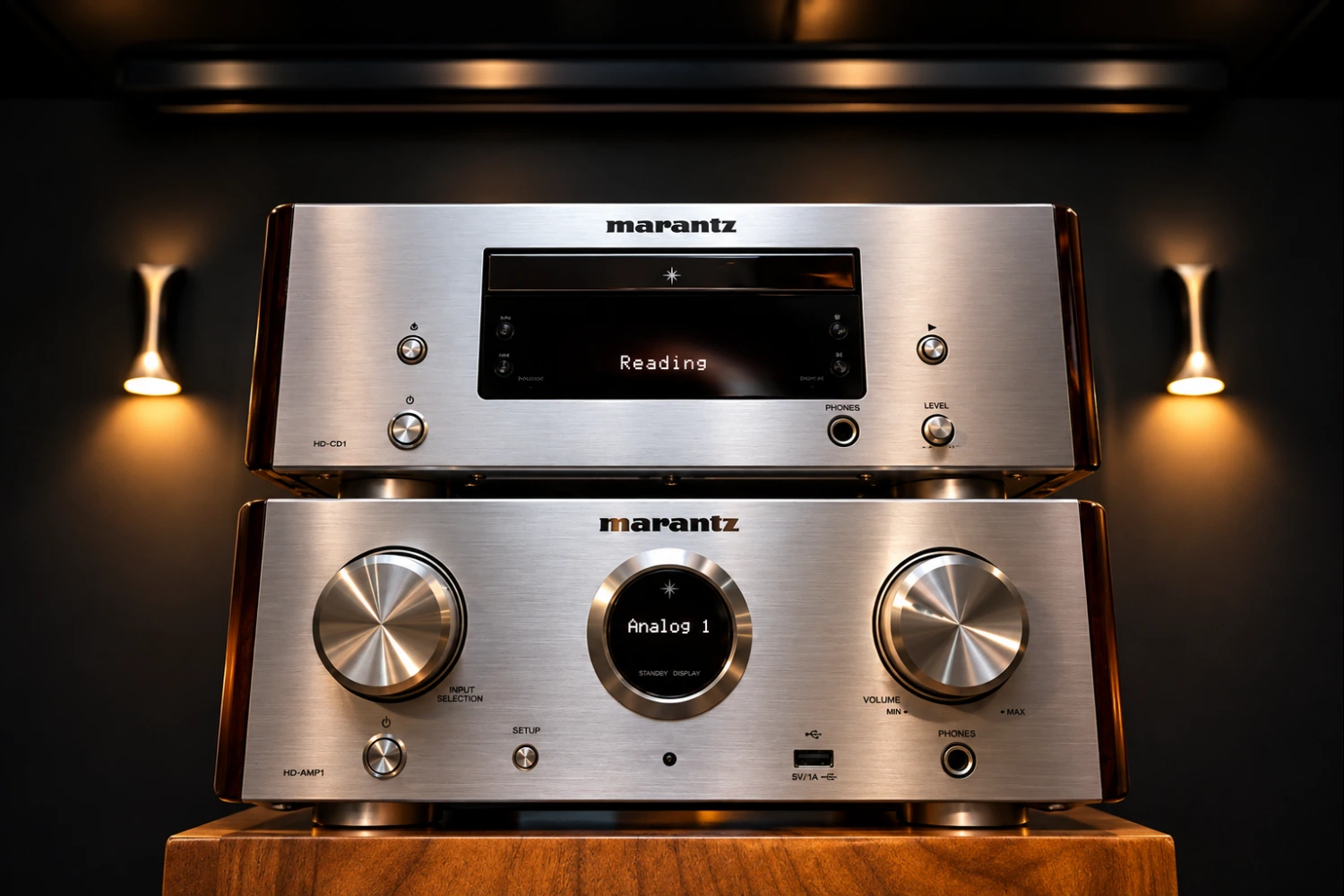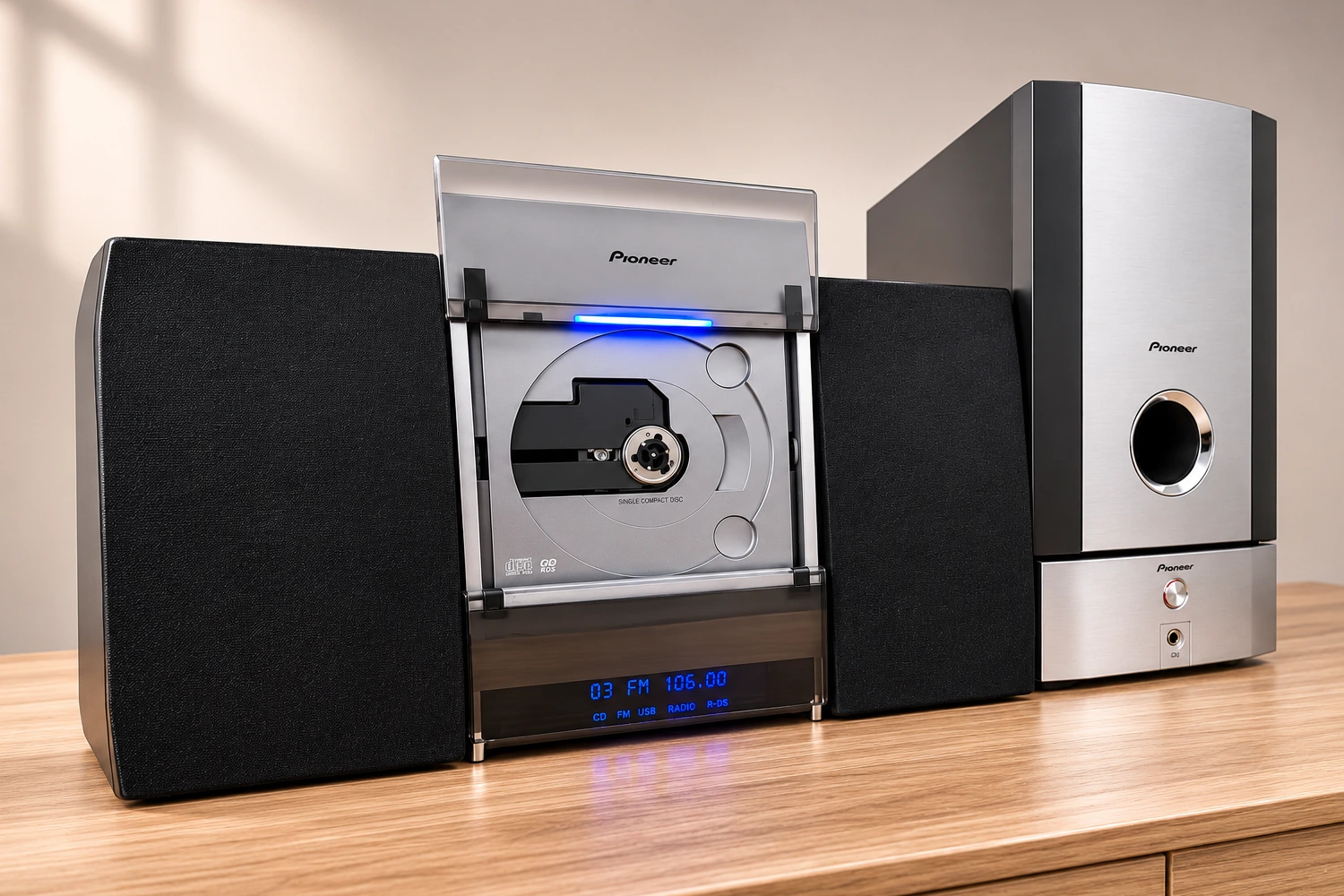
For much of hi-fi’s history, building a system meant choosing its parts: a source, an amplifier and a pair of loudspeakers, often from different manufacturers. The music centre offered another proposition. It brought the principal components together as a coordinated purchase, reducing the decisions, cables and space required to get music playing. That made it an important way into home audio for listeners who wanted more than a portable radio but did not want to assemble a component system. Pioneer’s music centres belong to that wider shift. An archival heading presents the company’s story as an evolution and names XC, XR, XV and Selfie. It does not provide a chronology, specifications or a model-by-model account, so those names cannot safely be turned into a sequence of technical breakthroughs. They do, however, point toward a significant subject: the years in which established hi-fi brands had to make home audio fit changing formats, rooms and habits. The history is not simply one of separate boxes shrinking into a single cabinet. It is about what happens when a manufacturer takes responsibility for the whole listening package, from the source and controls to the speakers supplied with the system. Music centres changed how hi-fi was bought, positioned in the home and judged by its owners.
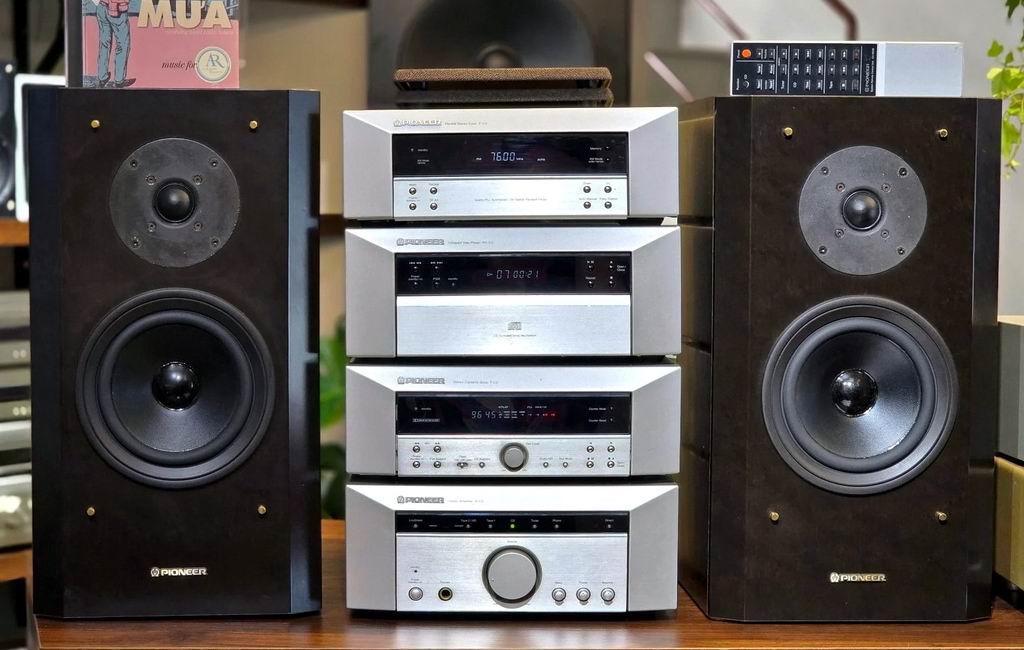
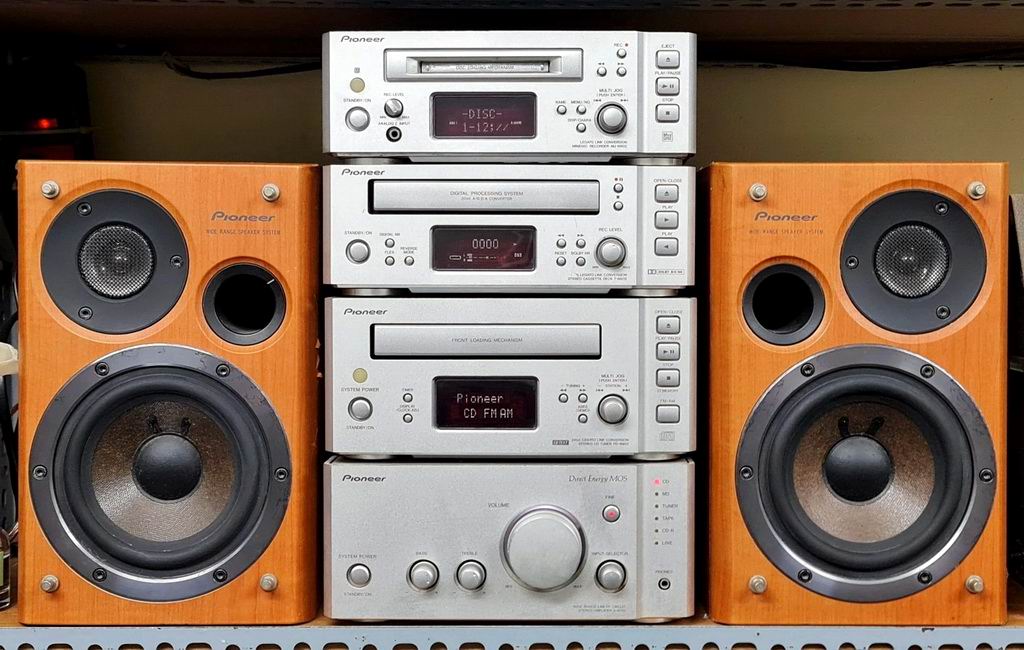
A different way to buy hi-fi
Traditional component hi-fi offered flexibility. A listener could replace a turntable without changing an amplifier, try different speakers or add a new playback format as it arrived. The trade-off was complexity. Matching equipment, finding room for it and connecting it correctly took time and some confidence. For many households, the question was less about the ideal combination of components than about how easily they could listen to records, broadcasts or, later, discs. A music centre answered by presenting audio as a system rather than a collection of decisions. Its components might share a cabinet or be designed to sit together, while the loudspeakers completed the package. That approach did not automatically make the product better or worse than separates. It changed the terms of ownership: convenience, appearance, footprint and a clear route from purchase to playback became part of the appeal. For a company associated with home audio, this was a meaningful market. It placed the manufacturer’s name in households that might never have considered selecting individual hi-fi components. Pioneer’s presence in the music-centre category is therefore historically interesting even without a catalogue of particular models. It shows how a hi-fi brand could address everyday listening as well as the more specialist ambitions of the separates market.
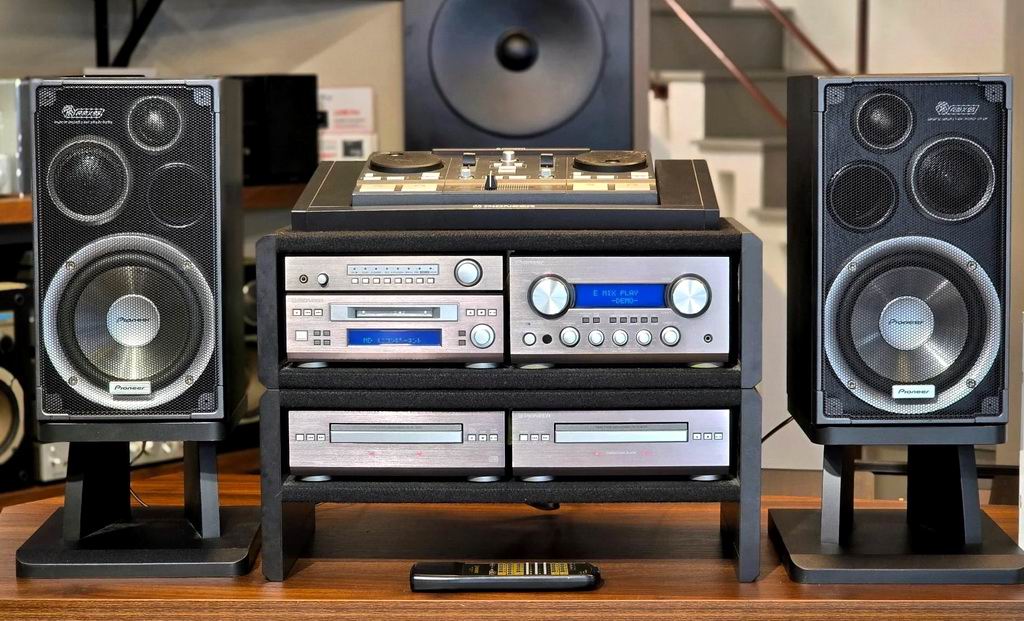
From the component rack to the living room
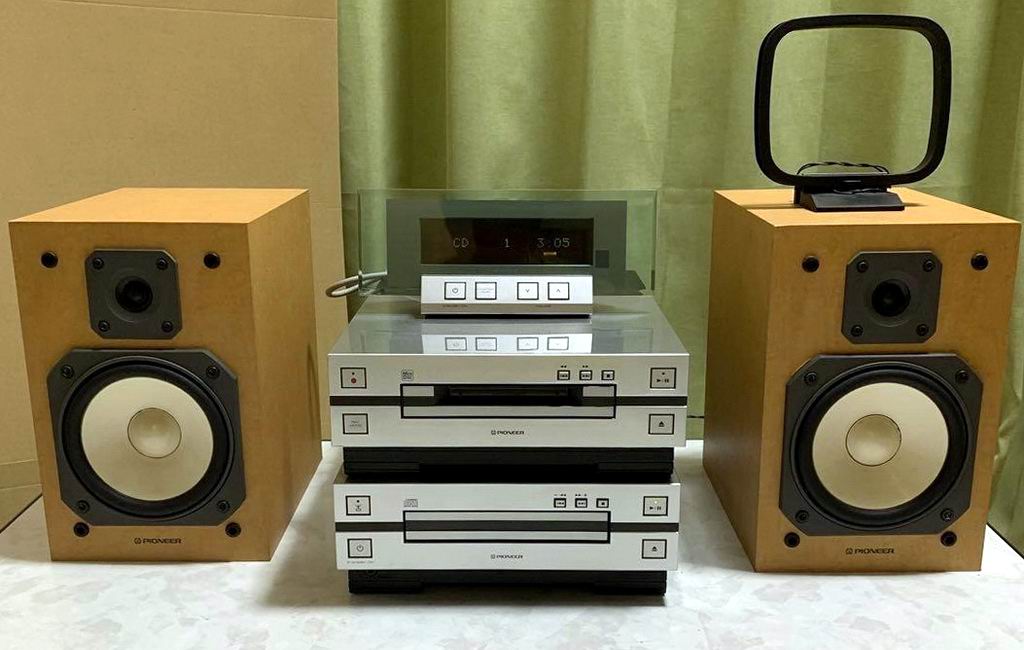
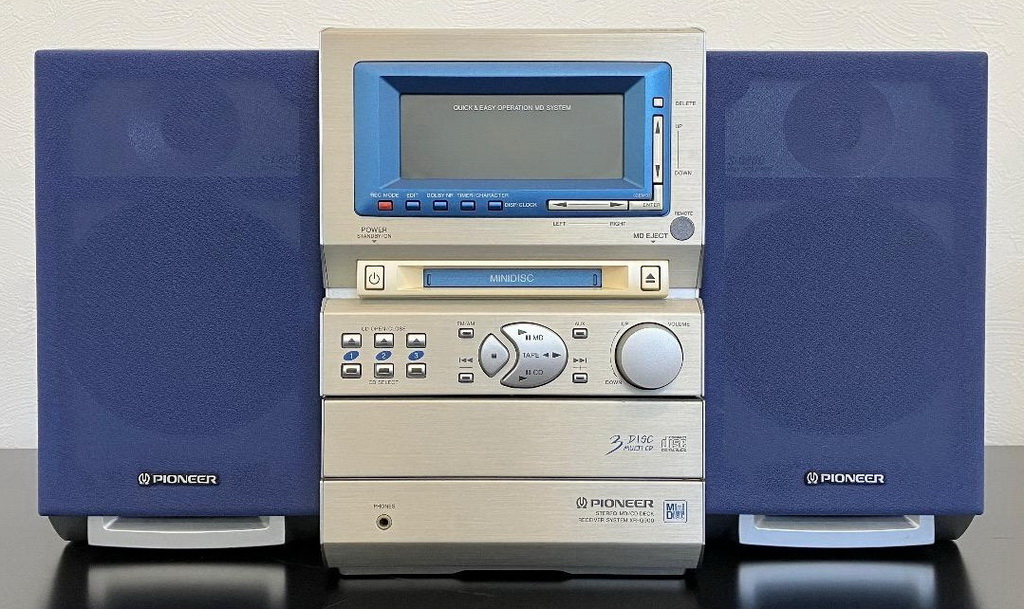
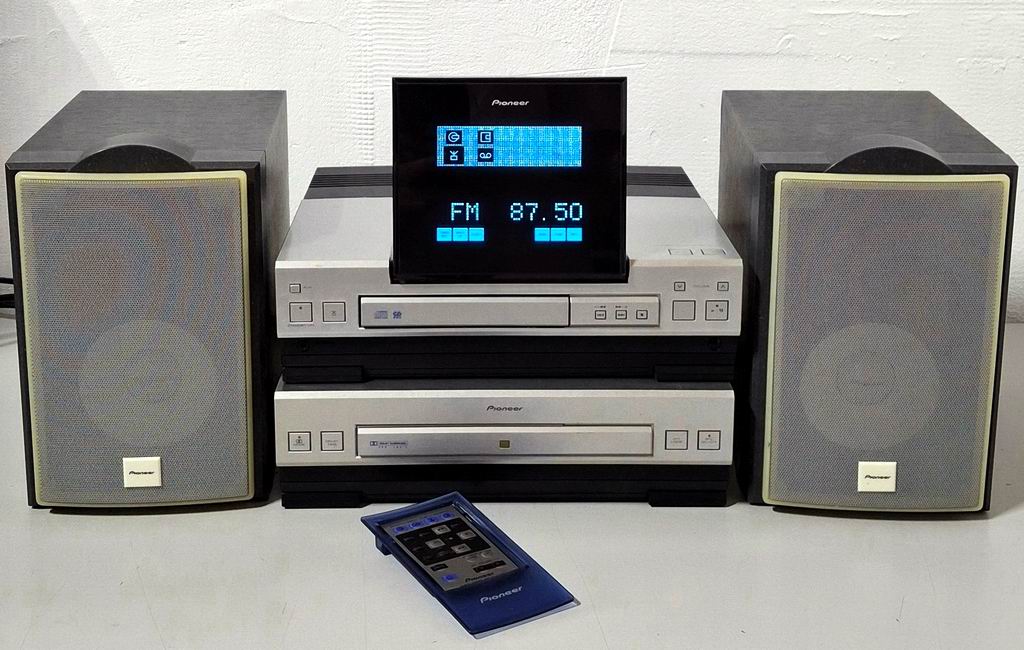
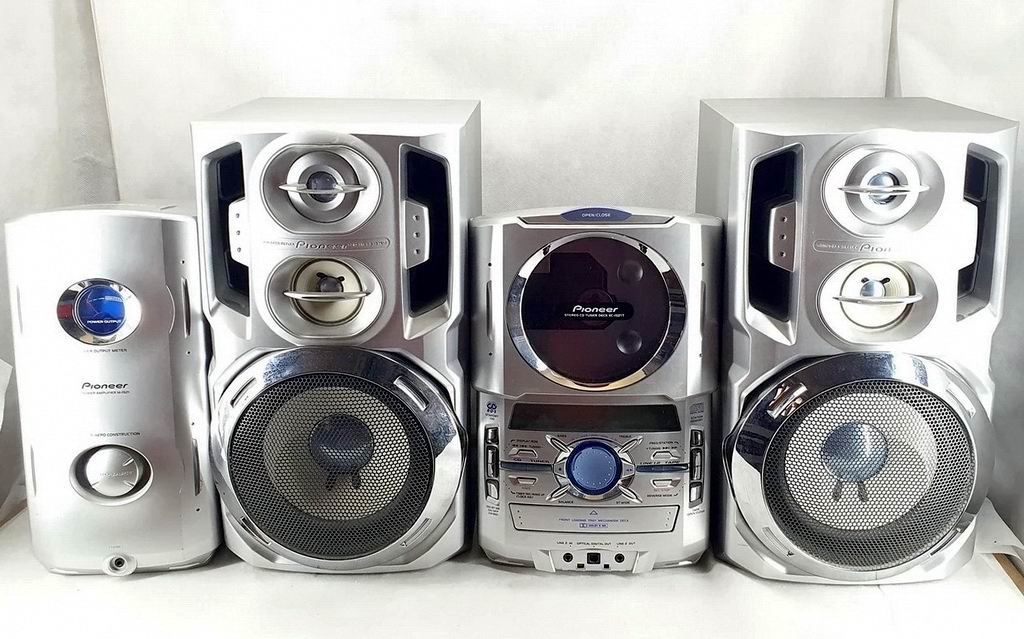
The setting for a music centre mattered almost as much as its circuitry. A rack of separate components could make sense to an enthusiast with the space and interest to accommodate it. A coordinated system was easier to imagine on a shelf, in a bedroom or in a shared living area. The music centre became a visible domestic object, and its styling, controls and physical arrangement were part of what a buyer chose. That made integration a design task rather than merely a packaging exercise. A manufacturer had to decide how the sources would be operated, how clearly the system would communicate what it was doing and how the supplied speakers would fit the overall proposition. Those decisions affected daily use even when they could not be reduced to an amplifier rating or a list of inputs. A system that was simple to live with had a practical advantage over equipment that looked imposing or demanded more attention. This is also why music centres resist a single technical definition. Some were comparatively compact; others occupied substantial space. Some stressed convenience, while others borrowed the appearance and language of component hi-fi. The archival names XC, XR, XV and Selfie indicate a broader Pioneer subject, but the surviving text gives no basis for assigning any of those labels a particular size, feature set or place in a timeline. The larger design question is clear even where the individual products are not.
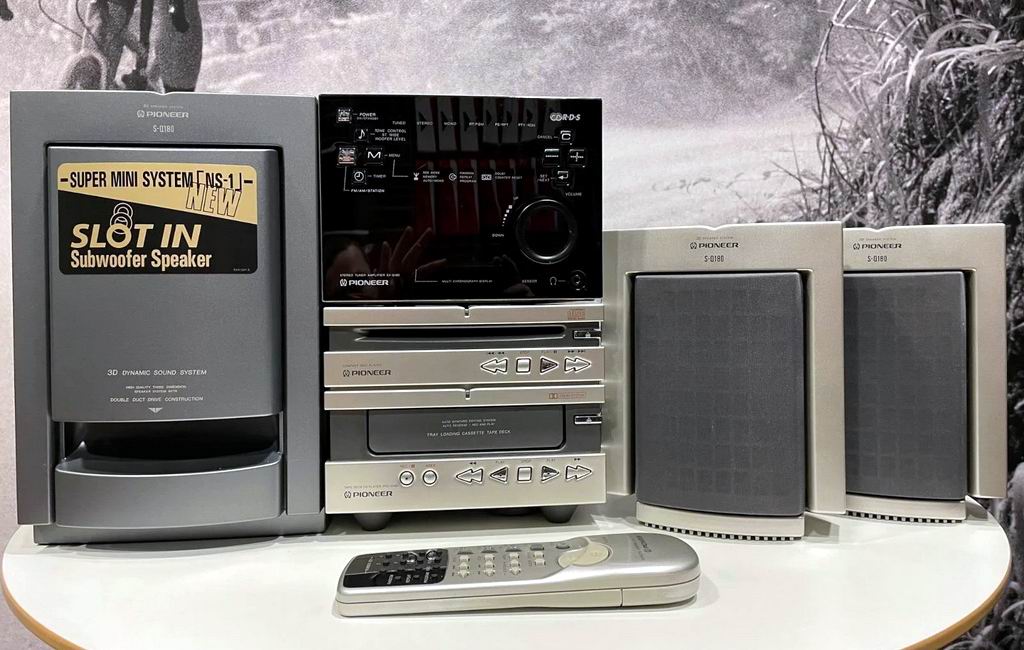
Formats drove the need to adapt
Home audio changed repeatedly during the music-centre era. Radio remained a familiar source, while the compact cassette made recorded music easy to collect, move between rooms and play without the handling required by a record. The commercial introduction of the Compact Disc in 1982 brought a further change. As CD players became more common in homes during the 1980s and 1990s, a music system that included disc playback could offer access to a growing library of recordings without asking its owner to buy a separate player. These shifts did not occur all at once, and they did not instantly retire older formats. Households often owned recordings in more than one medium. That overlap helps explain the appeal of a system able to serve several everyday listening habits through a common set of controls and speakers. The centre was not simply a container for whatever source was newest; it was a way to manage a period in which old and new ways of listening coexisted. The source does not say which formats any named Pioneer system supported. It would be misleading to attach a cassette deck, CD mechanism or particular radio feature to XC, XR, XV or Selfie on that evidence. What can be said is that changing formats made music centres a continuing design challenge for the industry. Each new source raised the same practical question: should it be added as another separate box, or become part of a ready-to-use system?
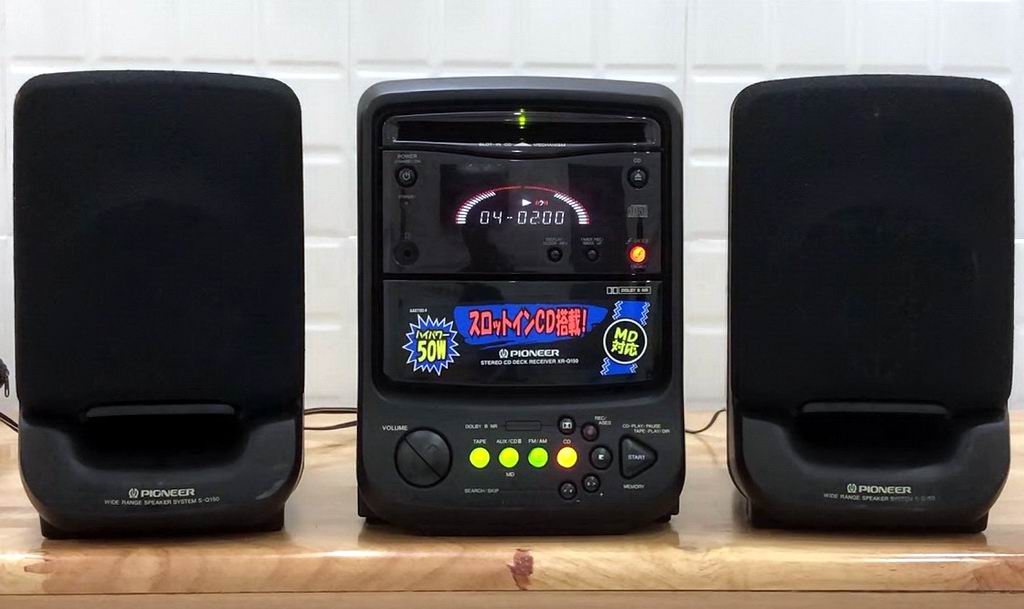
The value and limits of integration
An integrated system could spare its owner some of the work of matching equipment. The manufacturer chose the main electronics and the supplied loudspeakers as parts of one package. For the buyer, that made the initial choice more straightforward. It also gave the manufacturer considerable influence over the eventual result: the system would usually be heard through the speakers chosen for it, rather than through an open-ended range of alternatives. Integration had costs. A component system could be updated one part at a time, and a failed or outdated source did not necessarily require reconsidering everything else. A tightly coordinated music centre could offer fewer such options. The balance varied from product to product, so neither convenience nor flexibility should be treated as an absolute property of the category. The important point is that music centres offered a different ownership bargain from separates. That bargain complicates the idea that hi-fi history is only a succession of better specifications. Sound quality matters, but so do access and use. A system that fits a household’s space and makes its recordings easy to play can have a more lasting place in daily life than an arrangement that is theoretically more adaptable but seldom used. Pioneer’s music centres are worth considering within that practical history of listening, not just as potential entries in a performance hierarchy.
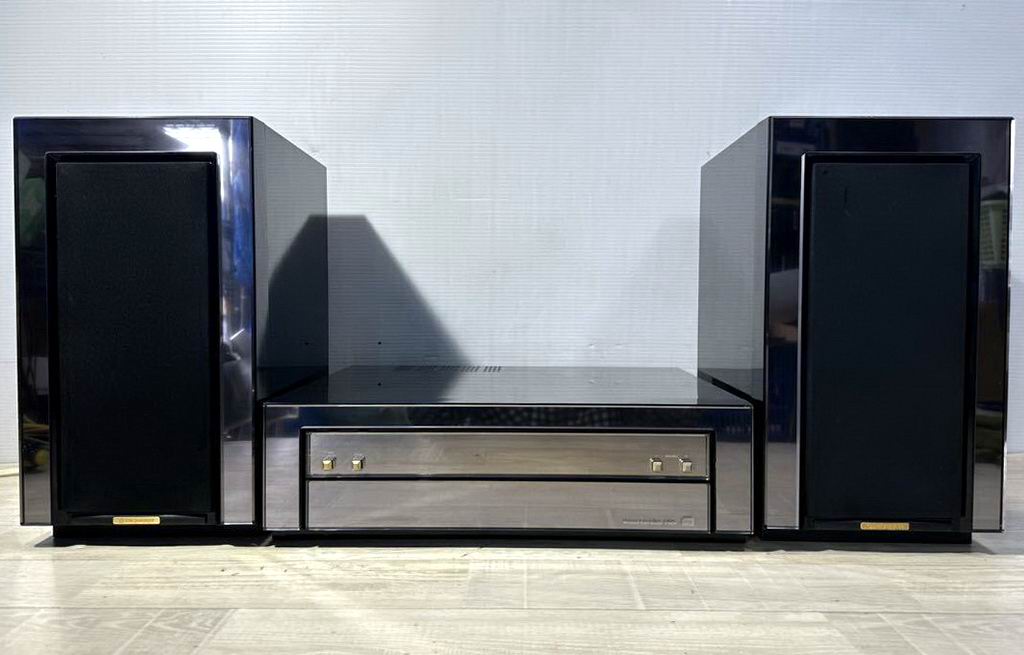
A mainstream route into a hi-fi brand
For an established audio manufacturer, the music centre offered a way to reach beyond the dedicated enthusiast. A buyer might recognise a hi-fi brand’s name without wanting to compare amplifiers, tuners and loudspeakers individually. A complete system made that brand accessible through a single purchase. It also put the company in competition on terms different from those of the specialist component shop: presentation, convenience and suitability for ordinary rooms became especially visible. This did not mean that all music centres were aimed at the same listener. The category covered different sizes, designs and expectations. Nor does the presence of several names in an archival title establish how Pioneer positioned each one. The available source gives no prices, launch dates or evidence of who bought the systems. Claims that a particular Pioneer line defined a generation, outsold a rival or introduced a feature would require a much fuller record. The broader market significance is nevertheless substantial. Music centres helped make branded home audio an approachable purchase. They let people acquire a coordinated listening setup without first becoming experts in equipment matching. In doing so, they widened the everyday meaning of hi-fi. The term could describe not only a carefully assembled stack of separates but also a complete system chosen for its combination of sound, ease of use and domestic fit.
What changed as listening moved on
The pressures that shaped music centres continued beyond the cassette and CD years. Digital music files and, later, networked and phone-based listening changed what people expected a home system to receive and play. A collection no longer had to sit beside the equipment in the form of records, tapes or discs. At the same time, smaller speakers and simpler connections gave buyers alternatives to the traditional source-and-amplifier arrangement. Those developments did not make the music centre’s central idea disappear. They changed its form. The appeal of a coordinated system—one decision that provides a clear way to hear music at home—remained visible in later compact audio products. What weakened was the assumption that a household needed a built-in physical-media source at the centre of its listening. The question shifted from how many playback mechanisms a system could contain to how readily it could connect listeners with music held elsewhere. There is no basis in the supplied material for tracing a direct line from any named Pioneer system to a later product or technology. The connection is conceptual rather than genealogical. Music centres established an enduring consumer expectation that audio equipment should work as a coherent whole, even as the sources feeding that whole changed.
Their place in hi-fi history
Music centres can be overlooked when hi-fi history concentrates on landmark components and measurable advances. Yet they addressed a question central to the spread of recorded music: how does capable home audio become practical for people who are interested in listening, not in building a system? By combining equipment into an intelligible purchase, the category helped bring hi-fi brands into more ordinary domestic settings. Pioneer’s XC, XR and XV names, together with Selfie, are preserved in the archival title, but the text offers too little detail to rank them, date them or describe their individual achievements. Their value as a historical prompt lies elsewhere. They direct attention to the part of the industry where convenience and engineering met, and where a manufacturer’s decisions about an entire system shaped the owner’s experience from the first use. The music centre did not replace separates, nor should it be treated as a lesser version of them. It served a different purpose. Its legacy is the idea that fidelity belongs not only to individual components but also to a complete, usable path between a recording and a listener. As formats and products changed, that principle remained one of home audio’s most durable ambitions.
A history of listening, not just equipment
The surviving source identifies Pioneer music centres as a subject but leaves their individual histories largely undocumented. The wider story is still important: complete systems helped make home audio easier to choose and easier to use while recorded-music formats were changing. They belong in hi-fi history because they show how technology reaches listeners—not only through new components, but through thoughtful decisions about how those components work together.