
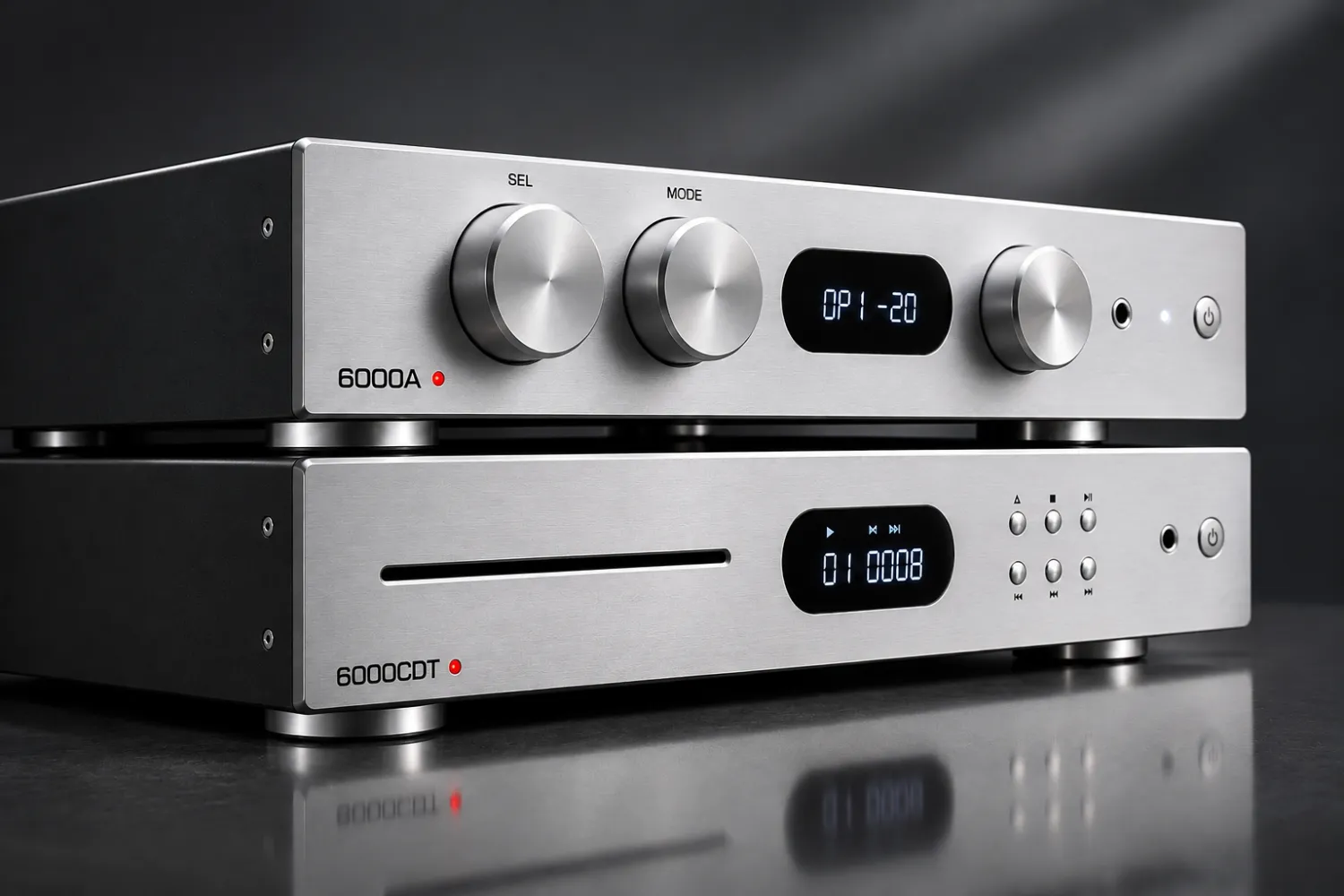
Audiolab has updated its most affordable CD transport, the 6000CDT, with a new mechanism and a substantial internal redesign. The 6000CDT MkII remains a digital source rather than a self-contained CD player, so it is intended to work with a separate digital-to-analog converter or a component that includes one. Alongside conventional CDs, it can read several music-file formats from data discs. Its changes draw on work from Audiolab's more expensive 7000 and 9000 series, while keeping the straightforward role established by the original 6000CDT in the 2018 launch of the 6000 range.
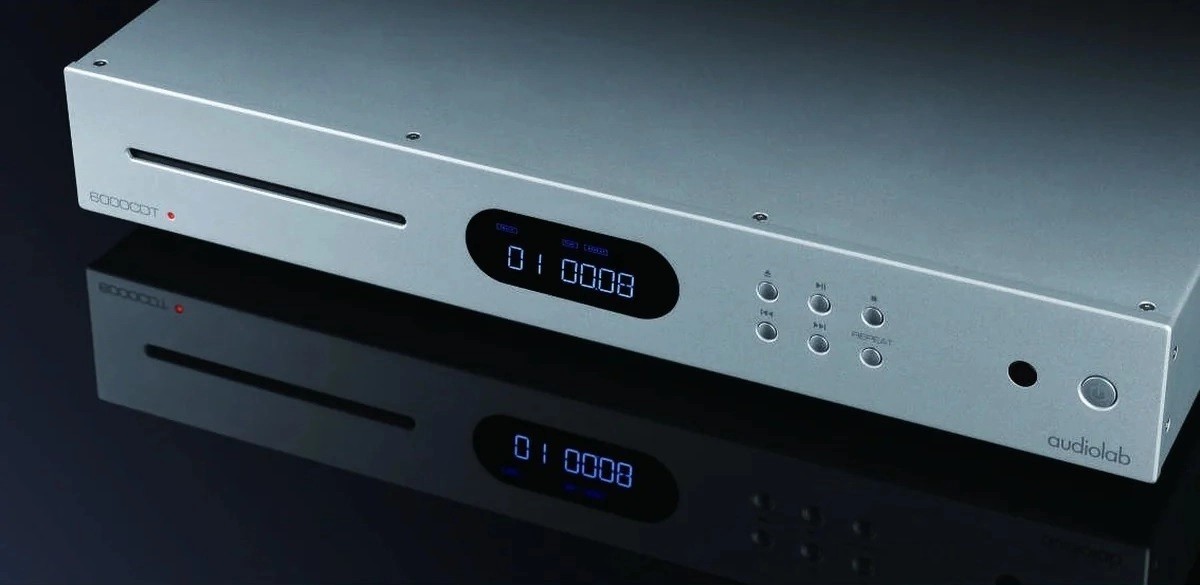
A transport that needs a DAC
The distinction between a CD transport and a CD player matters when planning a system. The 6000CDT MkII reads a disc and sends a digital signal onward; a DAC is needed to convert that signal for an amplifier and speakers. That DAC might be a separate unit or part of another component, but buyers should check their existing equipment before adding the transport.
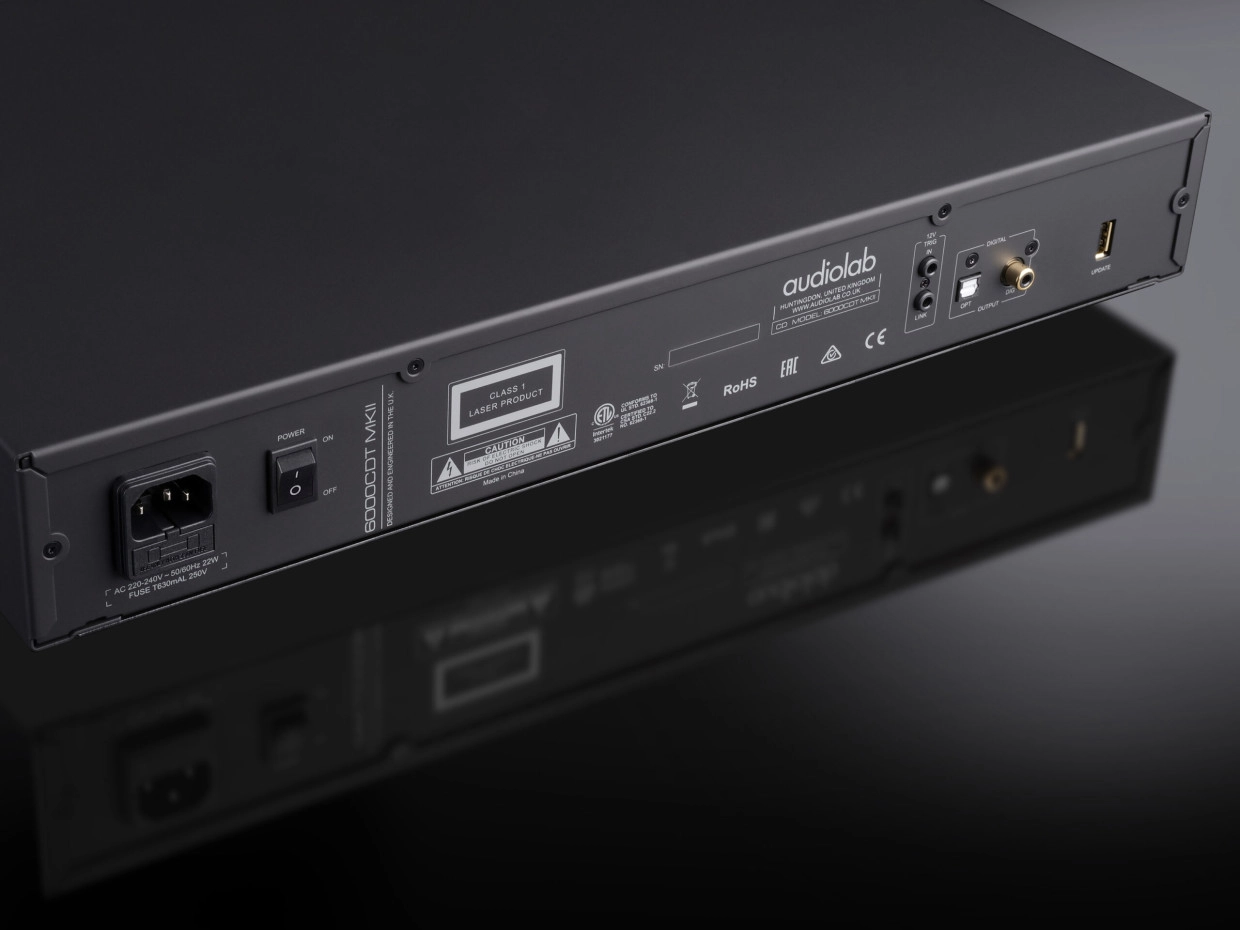
Audiolab has retained the original model's focused digital-output concept rather than turning the MkII into an all-in-one source. Its S/PDIF output is the link between the disc-reading hardware and the receiving DAC. The supplied information does not specify the physical output connectors, so their compatibility is one detail to confirm when arranging a connection.
This division of duties will be most relevant to listeners who already have a DAC they want to use, or who prefer to choose conversion separately. It also means that adding the transport to a system without a suitable digital input requires an additional component.
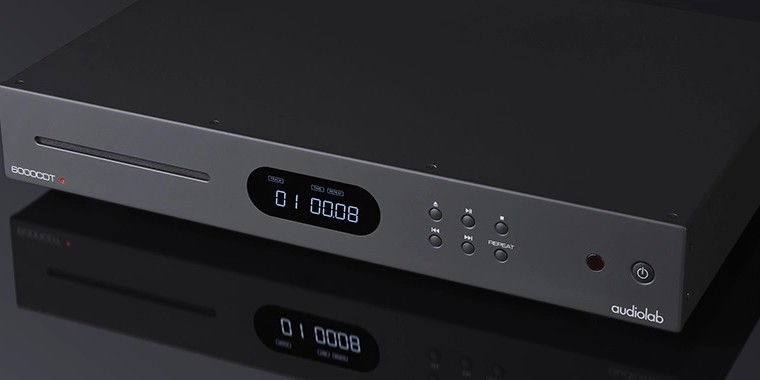
Reading the disc is now a coordinated redesign
Although the exterior remains familiar, Audiolab has reworked five related areas: the CD mechanism, servo architecture, power circuitry, transformer implementation and master clock. The mechanism, servo and power arrangements were conceived as a system, with the stated aim of more consistent disc reading and a stable digital output.
The revised servo controls focus, tracking and disc speed as the laser follows the data track. It must respond to factors such as disc eccentricity, surface imperfections and vibration, as well as the changing rotational speed required as playback moves across a CD. The goal is to keep tracking consistent while avoiding unnecessary corrections.
That approach is particularly relevant to discs that are not in perfect condition, where the format's error-correction process may be called upon. It is not intended to alter the information on a correctly read disc; the aim is to recover the data reliably before it reaches the clock and output stages. How well the revised mechanism handles individual worn discs remains a question for use, not something established by the announcement.
Power and timing before the DAC
A specially designed transformer supplies the mechanism and servo while supporting a low-noise environment for the clock and digital output stages. Audiolab's approach reflects development work on the 7000 and 9000 ranges: the supply is designed around the electronic and mechanical systems it serves, rather than considered in isolation.
The master clock has also been modernized around a high-precision, temperature-compensated crystal oscillator. Its job is to provide a stable timing reference for the digital output. Audiolab's stated objective is to minimize timing errors, or jitter, in the S/PDIF signal passed to the receiving DAC.
These are engineering changes rather than a promise that every connected system will produce a particular audible result. The practical point is that the MkII addresses both the recovery of data from the disc and the timing of the signal sent to the next component.
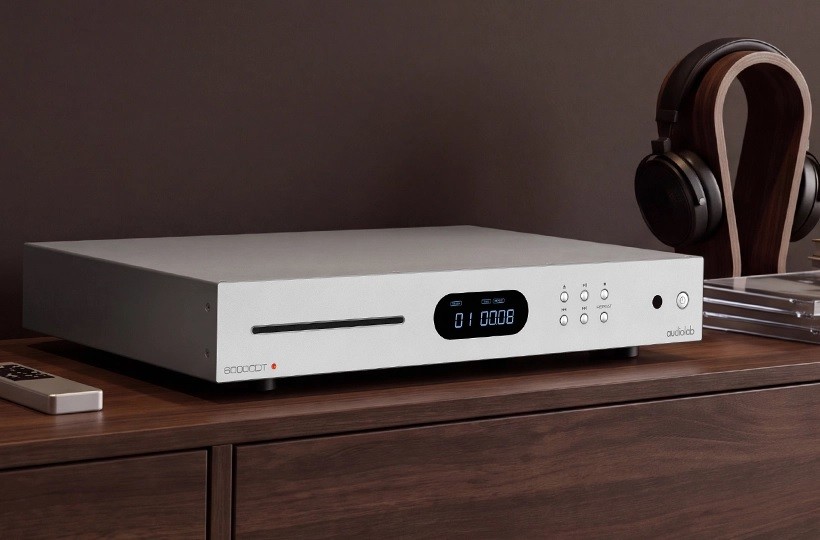
More than standard audio CDs
For a conventional collection, the transport supports Red Book CDs at 16-bit/44.1 kHz, as well as CD-R and CD-RW discs. It can also play data CDs containing FLAC, WAV, WMA, MP3 or APE files, with sample-rate support up to 96 kHz depending on the file format.
That file support gives owners another way to use music stored on discs, though the stated list concerns data CDs rather than a general-purpose file-input system. Anyone with a collection organized around a particular format or sample rate should check the applicable compatibility details.
Playback controls include direct track access, repeat and random play, plus programmed playback for up to 99 tracks. An OLED display presents playback information. For someone using the unit as a dedicated disc source, those functions provide options for listening to an album in order or assembling a longer sequence without changing the transport's basic role.
The 6000CDT MkII is aimed at a listener who wants disc playback within a system that already has, or will have, a suitable DAC. Its file support and programming functions add flexibility, but the most consequential changes are behind the familiar exterior: Audiolab has revisited how the disc is read, powered and timed before the signal leaves the transport. Prospective buyers still have practical details to check, particularly the physical output connections and format-specific limits for data CDs. Audiolab has listed the model as coming soon, with deliveries expected to begin shortly, but pricing has not been announced. A confirmed release schedule and a fuller specification will be useful before planning a purchase.


Sound Off
0Join the discussion if you have something to add.