
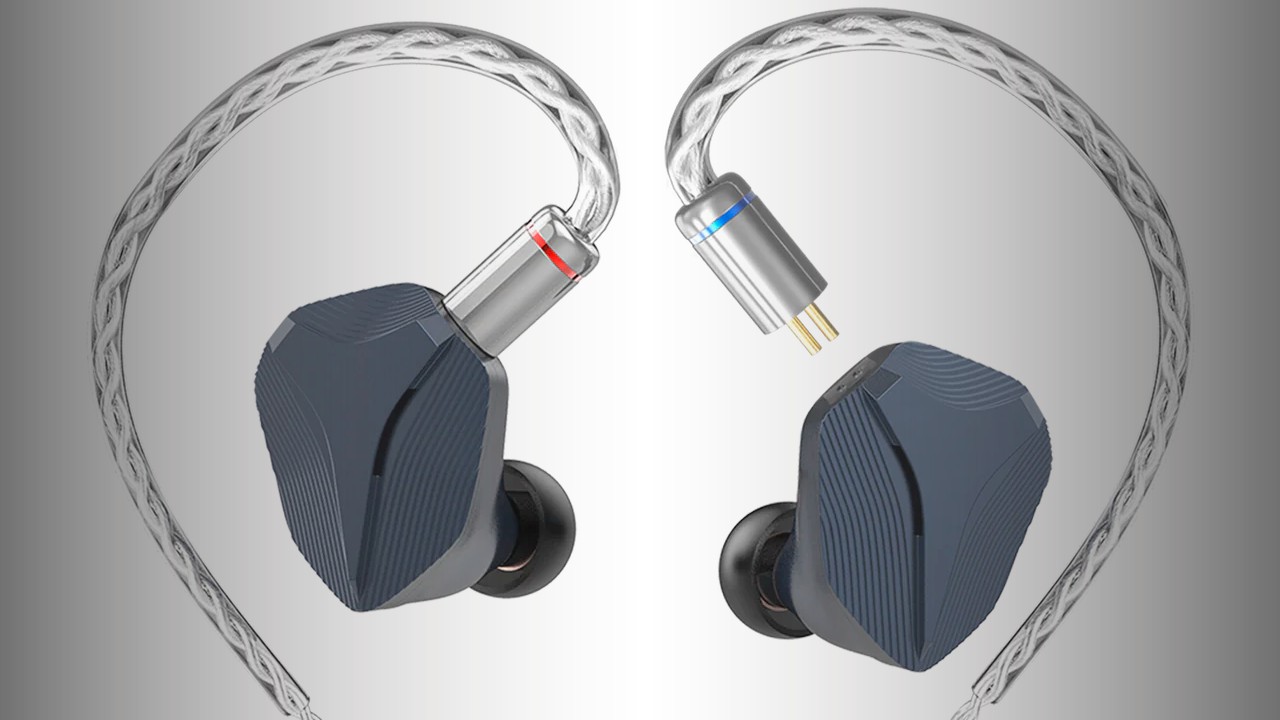
Planar-magnetic earphones often have to reconcile a relatively large driver with the practical demands of an in-ear design. The Hidizs MP145 addresses that challenge with a 14.5mm planar diaphragm housed in a sculpted shell weighing less than 9.5g per earpiece without the cable. Around that foundation, Hidizs has developed an unusually configurable package, including three interchangeable pneumatic tuning filters, three styles of ear tip and a detachable 0.78mm two-pin cable. The result is an IEM designed not around a single fixed setup, but around the ability to adapt to different listeners, sources and music libraries.
A large planar driver in an in-ear format
The central component of the MP145 is its 14.5mm planar-magnetic driver. Planar designs use a thin diaphragm acted upon across its surface by a magnetic field, rather than the more localized voice-coil arrangement associated with a conventional dynamic driver. Accommodating such a large diaphragm inside an IEM requires both sufficient internal volume and careful control of the surrounding magnetic structure.
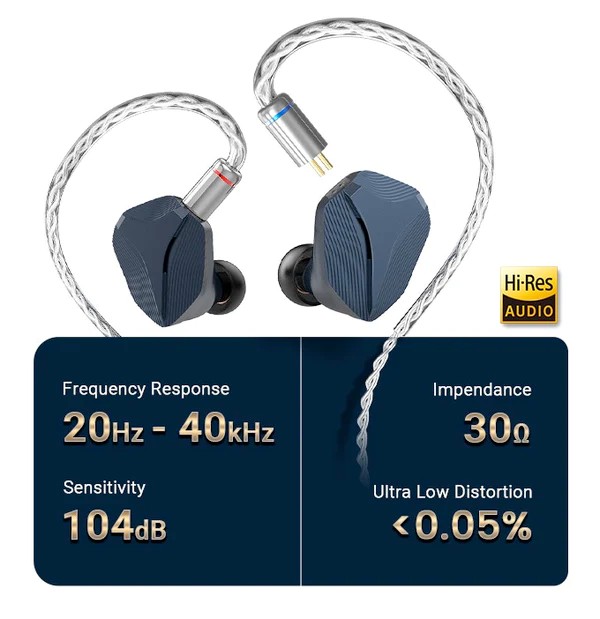
Hidizs employs a fully symmetrical magnetic circuit with 14 N52H magnets arranged as two sets of seven. The company specifies magnetic flux approaching 1 Tesla at the magnetic gap and total distortion below 0.05%. Its published effective frequency range is 20Hz to 40kHz, while Hi-Res Audio certification provides an additional indication of the bandwidth the design is intended to cover. These figures are manufacturer specifications rather than Stereoindex measurements, but they clarify the engineering priorities behind the MP145: a broad operating range, low stated distortion and efficient use of the planar diaphragm.
Two ventilation ports are concealed in the transition area of the faceplate. These openings manage airflow within the acoustic cavity while preserving the shell’s visual design. Venting is especially relevant when a large diaphragm is operating in a compact enclosure, and its discreet integration helps the MP145 avoid looking overtly technical.
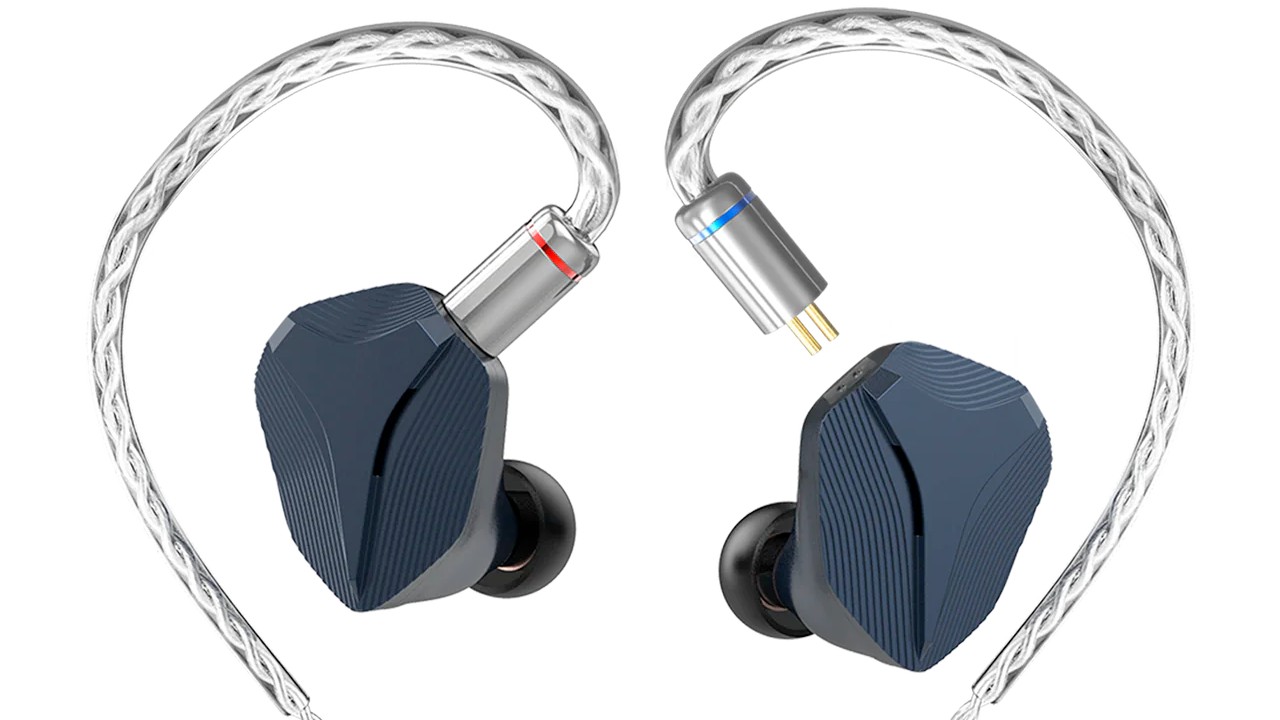
Nine tuning combinations without electronic processing
The MP145’s most useful feature may be its replaceable pneumatic tuning filters. Three filter choices provide high-frequency, balanced and low-frequency configurations, allowing the acoustic presentation to be adjusted mechanically rather than through an app or digital equalizer. This means the chosen tuning remains in place regardless of whether the earphones are connected to a phone, computer, portable player or analog amplifier.
Hidizs also supplies ear tips developed around vocal, balanced and bass-oriented options. Combining three filters with three tip types creates the nine advertised sound-style combinations. The ear tips can influence both the acoustic balance and the physical seal, while the filters offer a further level of adjustment. In practice, fit remains individual, so not every combination will suit every owner equally, but the range provides more scope for experimentation than a fixed-nozzle IEM.
This approach is valuable for listeners whose preferences change with genre or context. A person might want a more neutral configuration for general listening, for example, while retaining the option to adjust the frequency emphasis for a particular recording. It also gives owners a way to refine the MP145 without replacing the cable, adding an external processor or relying on software that may not be available on every source device.

Whale-inspired industrial design with an ergonomic purpose
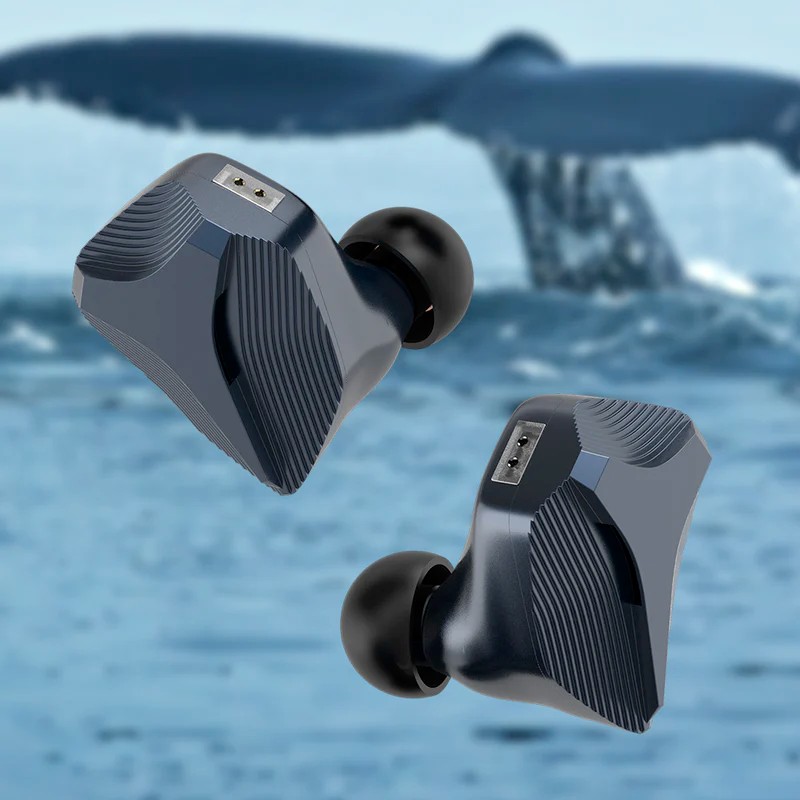
The metal shell draws on whale anatomy, developed with assistance from Whale and Dolphin Conservation. The faceplate’s layered milling pattern references tail fins and pectoral flippers, while the longitudinal detailing is influenced by the ventral pleats found on rorqual whales. Five-axis CNC machining divides the panel into three visual sections and creates a 12-layer pattern.
The biological theme is more than a printed motif. Hidizs has used the flowing forms to shape the transition between the faceplate, body and nozzle, with the intention of making a large-driver IEM sit naturally at the ear. No shell can guarantee a universal fit, particularly when accommodating a 14.5mm driver, but the curved profile and selection of liquid-silicone ear tips show attention to both stability and extended use.
Weight is another important part of the design. Each earpiece is specified at less than 9.5g without its cable. That does not make the MP145 exceptionally small, but it helps limit one of the practical disadvantages associated with substantial metal IEM shells. Hidizs also says the internal layout was calculated to keep the center of gravity stable, an important consideration for reducing the tendency of an earpiece to shift or pull outward.
Straightforward source matching
With a stated sensitivity of 104dB and an impedance of 30 ohms, the MP145 is designed to work with a broad range of portable sources. Hidizs specifically identifies phones, dongle DACs and dedicated music players as suitable partners. Those specifications suggest that unusually powerful amplification is not a basic requirement, although available volume and performance will still depend on the output characteristics of the connected device.
This accessibility makes the MP145 relevant to listeners who want planar technology without committing to a large desktop system. A compact USB DAC can form the basis of a travel or laptop setup, while a dedicated player or headphone amplifier remains an option for owners who already use more specialized hardware. Because the tuning system is entirely acoustic, its operation does not depend on the capabilities of the source.
The MP145 is available with either a 3.5mm single-ended or 4.4mm balanced cable termination. The former offers broad compatibility with conventional headphone outputs, while the latter suits players and amplifiers equipped with balanced connections. Prospective owners should therefore select the version that matches their equipment rather than assume both terminations are included.
A detachable cable supports long-term flexibility
At the earpieces, the MP145 uses standard 0.78mm two-pin connectors. This has two practical benefits: a damaged cable can be replaced without retiring the earphones, and owners can use compatible aftermarket cables if they need a different length, termination or physical construction.
The supplied cable consists of four strands of silver-plated, 99.9999% pure single-crystal oxygen-free copper wire. Hidizs emphasizes low resistance, conductivity and tensile strength in its description of the cable. Without independent measurements, it is more useful to view the principal advantage as a combination of robust construction and replaceability rather than assume a particular sonic result.
Copper-plated connector housings are intended to reinforce the connection points, which are among the areas most frequently subjected to mechanical stress on portable earphones. A customized storage pouch is also included, giving owners a dedicated place to protect the shells, filters and cable during transport.
Target-based development rather than a sealed black box
Hidizs says the MP145 was calibrated with a Brüel & Kjær head-and-torso simulator and aligned with the H-2019 target curve. The company also applied adjustments based on head-related transfer function principles. A target curve does not determine whether every listener will prefer an earphone, but it provides a documented reference for the standard tuning rather than leaving the design philosophy undefined.
The interchangeable filters are particularly relevant in this context. They allow listeners to begin with the balanced configuration and move away from it according to taste, fit or recording. This combination of a stated tuning reference and user-accessible acoustic adjustment gives the MP145 a clear identity: it is structured enough to have a defined baseline, yet not locked into one presentation.
Who the Hidizs MP145 is for
The MP145 is most suitable for listeners interested in a large planar-magnetic driver but who still need an earphone that can be used with portable equipment. Its 30-ohm impedance, 104dB sensitivity and choice of 3.5mm or 4.4mm termination make it adaptable to many common hi-fi sources. The mechanical tuning system will be especially appealing to owners who like to experiment but do not want to depend on digital EQ.
It may also suit users who value maintainability. The standard two-pin interface makes the cable replaceable, while the multiple tips provide options for fit and sealing. The distinctive CNC-machined shell offers a stronger visual identity than a purely utilitarian monitor, yet its whale-inspired detailing is integrated into the physical form rather than added as surface decoration.
There are considerations to keep in mind. A shell built around a 14.5mm driver will not feel as compact as the smallest single-driver IEMs, and comfort will depend on individual ear shape. Listeners who prefer a simple, fixed configuration may also find the filter and tip choices unnecessary. Finally, those ordering the MP145 need to choose between the 3.5mm and 4.4mm cable versions based on their existing equipment.
Conclusion
The Hidizs MP145’s strongest documented qualities are its substantial 14.5mm planar-magnetic driver, symmetrical 14-magnet circuit, mechanically adjustable tuning and practical source compatibility. Its three filters and three tip styles provide nine possible configurations, while the detachable 0.78mm two-pin cable and choice of single-ended or balanced termination support different systems and future replacement needs. Combined with a sub-9.5g-per-earpiece metal shell and a distinctive whale-inspired CNC design, these features position the MP145 as a flexible planar IEM for listeners who value personalization, portable use and serviceable connections more than a completely minimalist earphone.

Sound Off
0Join the discussion if you have something to add.