
Headphones that share a category can serve markedly different purposes.
This selection spans wired in-ear monitors, true wireless earbuds, a full-size noise-cancelling model and an open-back limited edition, so the most useful comparison begins with format rather than driver count or marketing language.
The KZ X Angelears Libra and TRN Medusa keep their wired designs relatively simple with one dynamic driver, while the HiBy Yvain, Kontinum Soara and Softears Karma use increasingly elaborate multi-driver systems. Elsewhere, the Tanchjim MINO prioritizes cable-free convenience, the Lenovo LP6 adopts gaming-oriented styling, and the FiiO JN3 combines active noise cancellation with modern wireless connectivity. There is no universal winner across such different designs. Consider where you listen, whether isolation or openness matters, which connections your source supports and how much complexity you actually need. The summaries below distinguish the practical strengths documented for each model without treating specifications as a substitute for fit or personal preference.
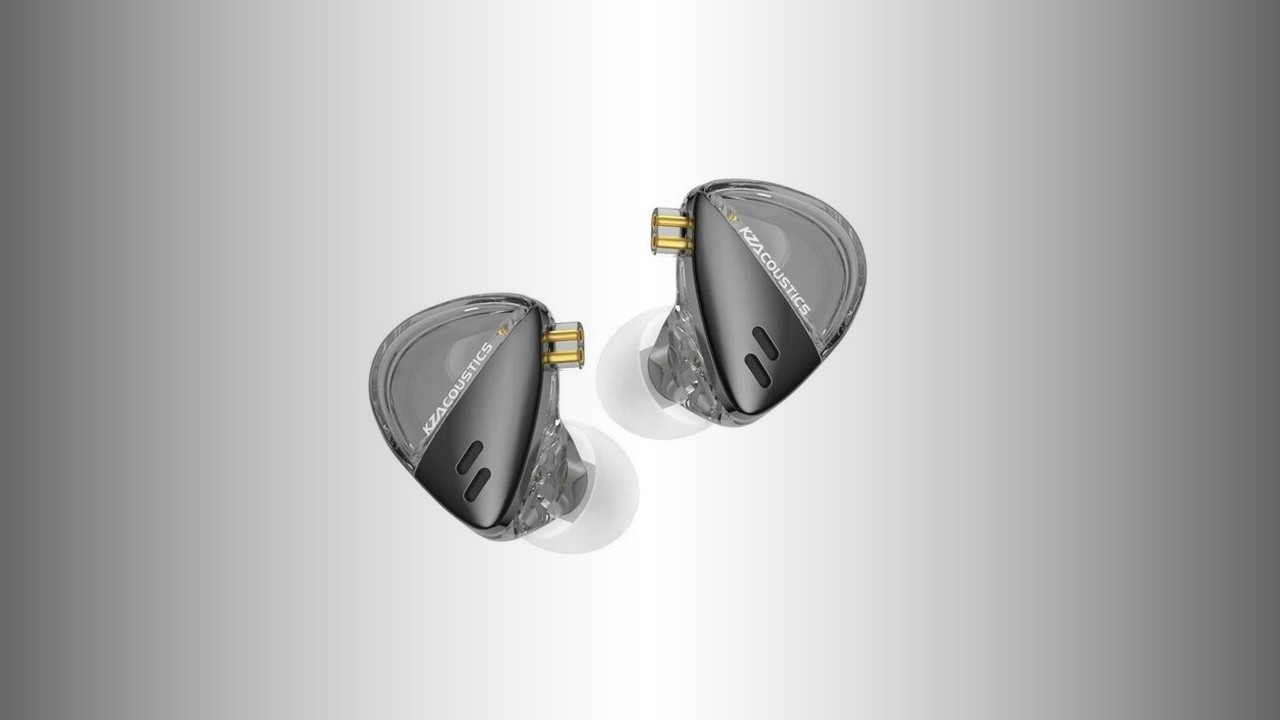
1. KZ X Angelears Libra
The constellation-inspired KZ X Angelears Libra with its wired single-dynamic-driver design.
The KZ X Angelears Libra is an affordable wired in-ear model built around a single dynamic driver.
Its stated 25-ohm impedance and 108 dB sensitivity are intended to make it usable with a wide range of sources, while the quoted response extends from 20 Hz to 40 kHz.
A 120 cm silver-coated cable and interchangeable ear tips are included. The constellation-inspired appearance gives the collaboration a clear visual identity. At about $15 in the supplied material, the Libra is the most explicitly budget-focused option here, making its straightforward configuration more relevant than comparisons with the list’s complex flagship systems.
Best for: Budget wired listening
- Affordable single-dynamic-driver design
- 25-ohm impedance and 108 dB sensitivity
- Interchangeable ear tips included
- Distinctive constellation-inspired styling
Verdict: A straightforward, inexpensive in-ear option for listeners who value broad source compatibility and included fit choices.

2. TRN Orca
The TRN Orca, featuring a 10 mm LCP diaphragm and three sound-control switches.
The TRN Orca combines a 10 mm liquid-crystal-polymer diaphragm with a dual-chamber dynamic design.
The supplied description emphasizes the LCP material’s damping, rigidity and responsiveness, with the intended result of accurate transient behavior and detailed high-frequency reproduction.
Three sound-control switches are the Orca’s clearest point of differentiation. They provide a degree of hardware-level adjustment that fixed-tuning alternatives do not offer, although the source does not define the individual switch configurations or their precise effects.
Best for: Listeners seeking adjustable wired earphones
- 10 mm LCP dynamic-driver diaphragm
- Three sound-control switches
- Dual-chamber dynamic construction
Verdict: The Orca stands out for pairing a single dynamic-driver platform with three physical sound-control switches.

3. HiBy Yvain
The HiBy Yvain with lion-engraved aluminum faceplates and its interchangeable cable plugs.
The HiBy Yvain places four balanced-armature drivers in each earpiece, using components from Knowles and Sonion with a three-way crossover.
The arrangement comprises a Knowles bass driver, a Sonion dual-composite full-range unit and a Knowles treble driver, with a reference-oriented tuning profile stated by the manufacturer.
Connection flexibility is another important feature. Its PCOCC balanced Litz Type 4 coaxial cable uses standard 0.78 mm connectors and accepts interchangeable 3.5 mm single-ended, 4.4 mm balanced and 2.5 mm balanced plugs. CNC-machined aluminum faceplates engraved with a lion motif complete the design.
Best for: Multi-source wired listening
- Four balanced-armature drivers per side
- Knowles and Sonion driver complement
- Interchangeable 3.5 mm, 4.4 mm and 2.5 mm plugs
- Standard 0.78 mm cable connectors
Verdict: A four-BA in-ear monitor whose interchangeable plugs make it unusually adaptable to different portable and desktop outputs.
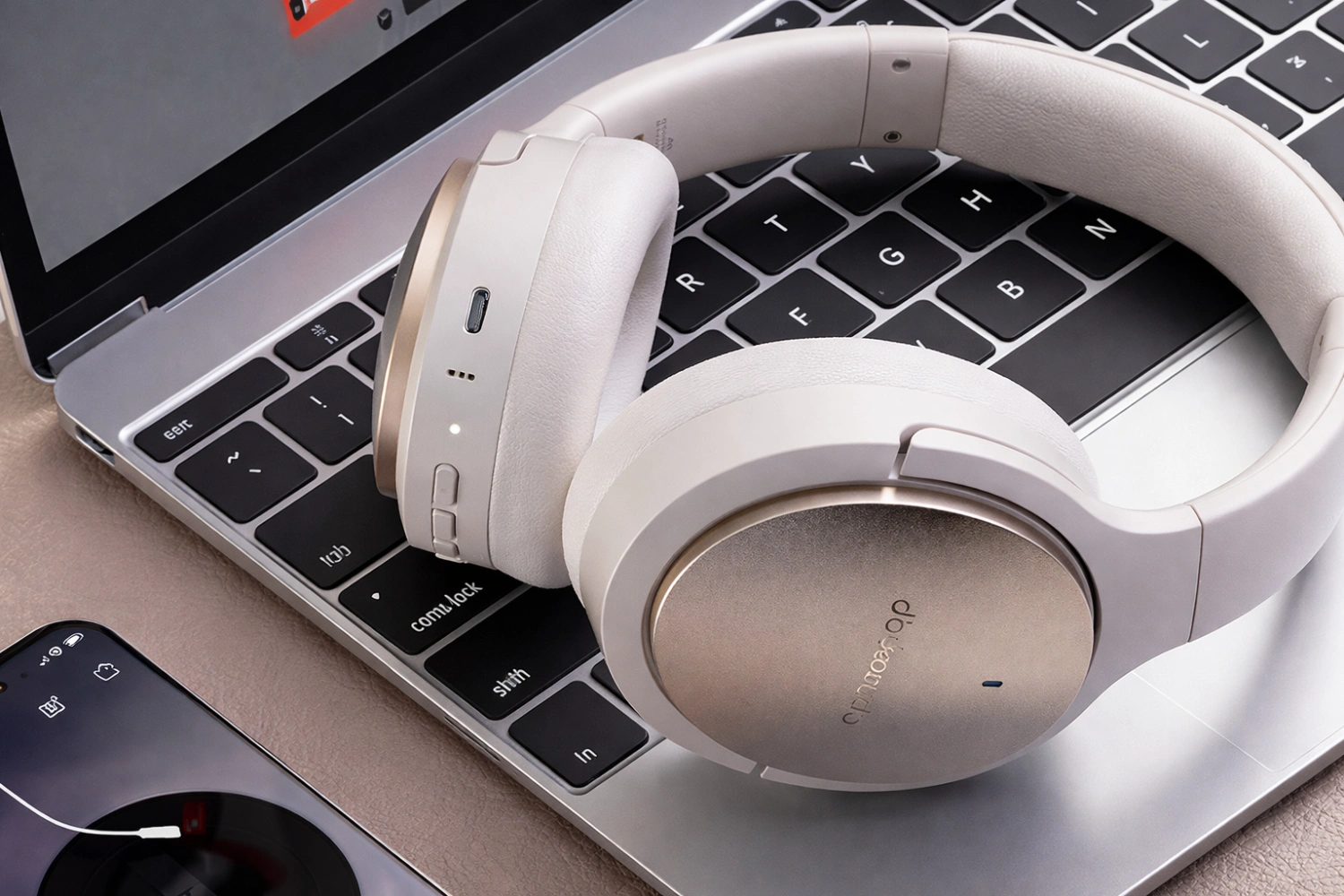
4. FiiO JN3
The full-size FiiO JN3, an over-ear wireless headphone with ANC, LDAC and multipoint support.
The FiiO JN3 is the only full-size wireless model in this group.
Its over-ear design combines active noise cancellation, LDAC support, Bluetooth 6.0 and multipoint pairing, positioning it for commuting, desk use and longer wireless sessions.
A 40 mm dynamic driver uses a PET composite diaphragm with a nanotitanium coating, an N52 neodymium magnet system and a copper-plated aluminum voice coil. Battery life is described as a strength in the source, but no specific runtime is provided, so it should be verified separately if endurance is a deciding factor.
Best for: Everyday over-ear wireless use
- Active noise cancellation
- LDAC wireless streaming
- Bluetooth multipoint connectivity
- 40 mm nanotitanium-coated PET driver
Verdict: The JN3 offers the broadest everyday wireless feature set here, especially for listeners who need ANC and two-device connectivity.
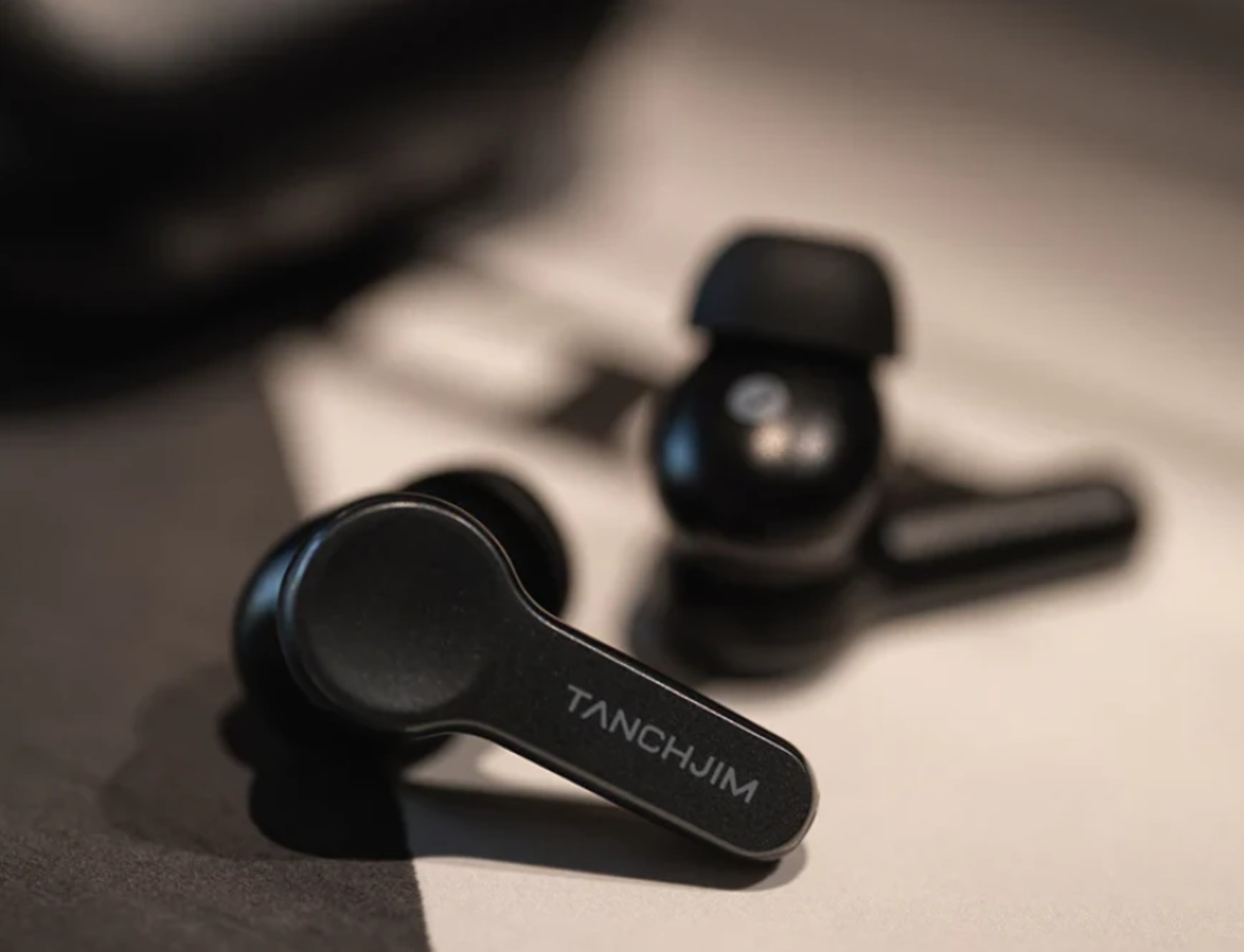
5. Tanchjim MINO
The Tanchjim MINO true wireless earbuds with their clear-lid charging case.
The Tanchjim MINO is a true wireless in-ear model with Bluetooth 5.3 and a stated operating range of up to 15 meters.
Its acoustic system uses a 10 mm dynamic driver with a composite diaphragm and carries a quoted frequency range of 20 Hz to 20 kHz.
Total battery life reaches a claimed 37 hours when the clear-lid charging case is included. The earbuds are offered in black, pink and white, and the package contains a USB-C cable plus three sizes of silicone ear tips.
Best for: Compact true wireless convenience
- Up to 37 hours with the charging case
- Bluetooth 5.3 connectivity
- Three silicone ear-tip sizes
- Black, pink and white color choices
Verdict: The MINO is the practical true wireless choice for buyers prioritizing stated case-assisted endurance and simple everyday portability.

6. Kontinum Soara
The Kontinum Soara hybrid in-ear monitor with its detachable silver-plated OFC cables.
The Kontinum Soara uses a four-driver hybrid system in each earpiece: three balanced-armature drivers, including Knowles units, and one dynamic driver.
A three-way crossover coordinates the configuration, while the source also identifies a 3D spatial sound chamber as part of the acoustic design.
Two silver-plated oxygen-free copper cables are supplied, one terminated in 3.5 mm and the other in balanced 4.4 mm. The earpieces use 0.78 mm two-pin connectors, allowing the detachable cables to be replaced independently.
Best for: Hybrid-IEM users with single-ended and balanced sources
- Three balanced-armature drivers and one dynamic driver per side
- Three-way crossover
- Separate 3.5 mm and 4.4 mm cables
- Detachable 0.78 mm two-pin connections
Verdict: The Soara combines a four-driver hybrid layout with two complete cables for convenient use across 3.5 mm and 4.4 mm equipment.

7. Drop + Grell OAE1 Signature
The round-cupped Drop + Grell OAE1 Signature, showing its distinctive open-back form.
Developed with former Sennheiser chief acoustic engineer Axel Grell, the Drop + Grell OAE1 Signature is an open-back, full-size headphone limited to 1,000 examples.
Its perfectly round ear cups and unusual internal geometry place the driver in front of the ear rather than directing it conventionally toward the eardrum.
That placement is intended to involve the listener’s natural ear geometry and create a speaker-like sound field, while the open-back construction is central to the concept. The claimed frequency range is 12 Hz to 32 kHz. As with open headphones generally, the format is better suited to quiet spaces than situations requiring isolation.
Best for: Focused listening in a quiet room
- Open-back full-size construction
- Driver positioned in front of the ear
- Designed in collaboration with Axel Grell
- Limited production of 1,000 units
Verdict: A specialized open-back design for listeners interested in unconventional driver placement and speaker-like spatial presentation.

8. Lenovo LP6
The black Lenovo LP6 earbuds and case accented by green gaming-style lighting.
The Lenovo LP6 is a true wireless model designed around a gaming theme.
Green lighting appears on both the earbuds and their case, giving the otherwise familiar in-ear format a more distinctive visual identity.
The supplied material lists black as the only color and gives overall dimensions of 10 by 3.4 by 10 cm with a weight of 200 grams. No latency figure, battery duration or codec support is provided, so buyers interested in gaming performance should confirm those details rather than assuming the styling guarantees a particular technical result.
Best for: Buyers who prioritize gaming-themed styling
- Gaming-oriented true wireless design
- Green lighting on the earbuds and case
- Distinctive all-black presentation
Verdict: The LP6 is chiefly differentiated by its illuminated gaming aesthetic, with key performance specifications absent from the supplied information.
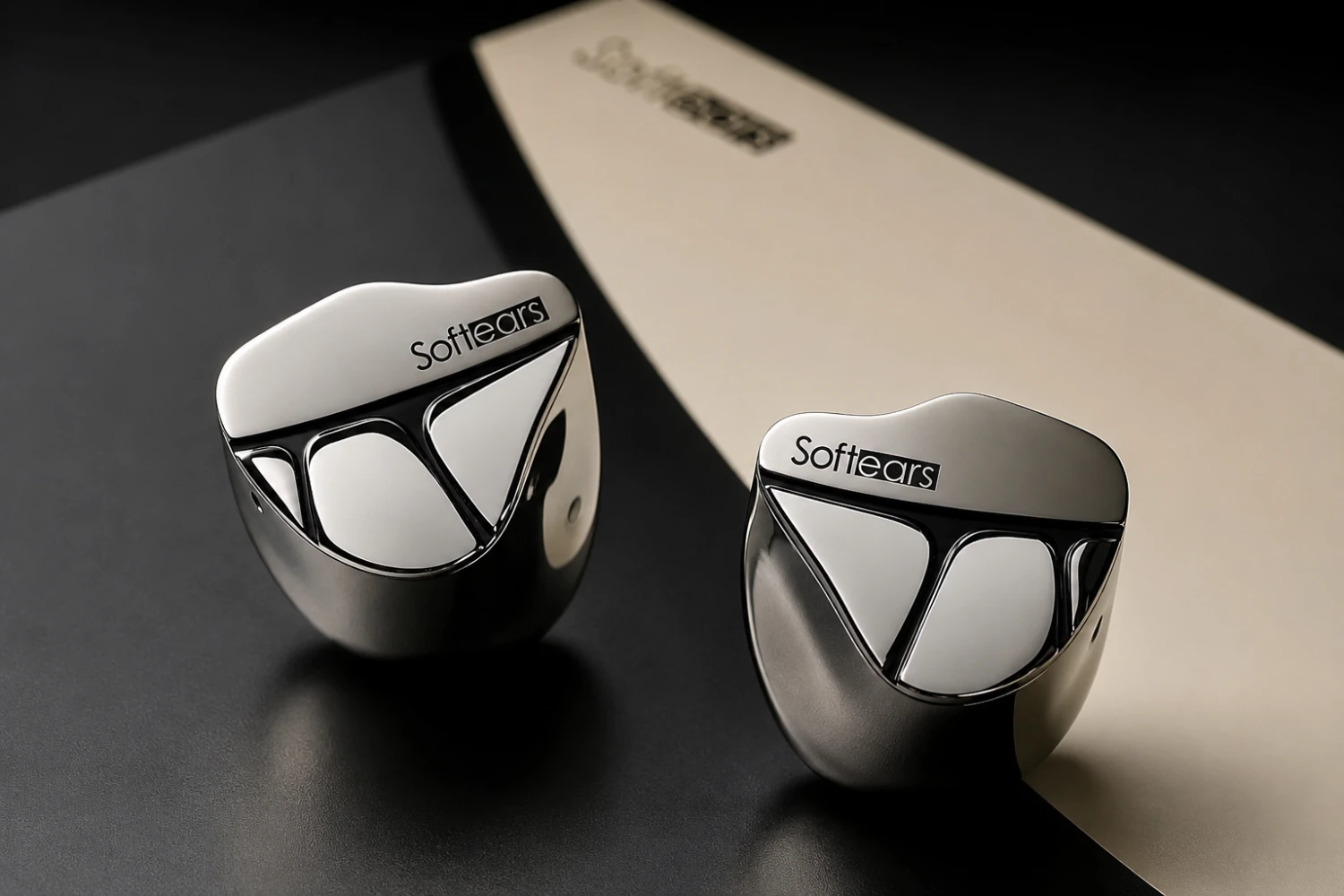
9. Softears Karma
The titanium-shelled Softears Karma, housing ten drivers drawn from five transducer technologies.
The Softears Karma is the most complex in-ear monitor in this selection, placing ten drivers and five driver technologies in each titanium-shelled earpiece.
Its hybrid architecture combines dynamic, balanced-armature, bone-conduction, electrostatic and MEMS elements, with each technology assigned to a part of the frequency range.
A 10 mm dynamic driver with a biological-wool diaphragm forms the low-frequency foundation, assisted by two Sonion 37AAX bone-conduction drivers. Four custom-tuned full-range balanced-armature drivers handle the midrange, with neutral balance, natural vocal presentation and accurate instrumental timbre stated as design goals. The source does not provide the full allocation or detailed specifications for the electrostatic and MEMS sections.
Best for: Buyers seeking an elaborate flagship hybrid IEM
- Ten-driver architecture per earpiece
- Five different driver technologies
- Titanium shell construction
- Dedicated dynamic, bone-conduction and balanced-armature sections
Verdict: The Karma is the technical showcase of the group, distinguished by titanium shells and an unusually diverse ten-driver architecture.
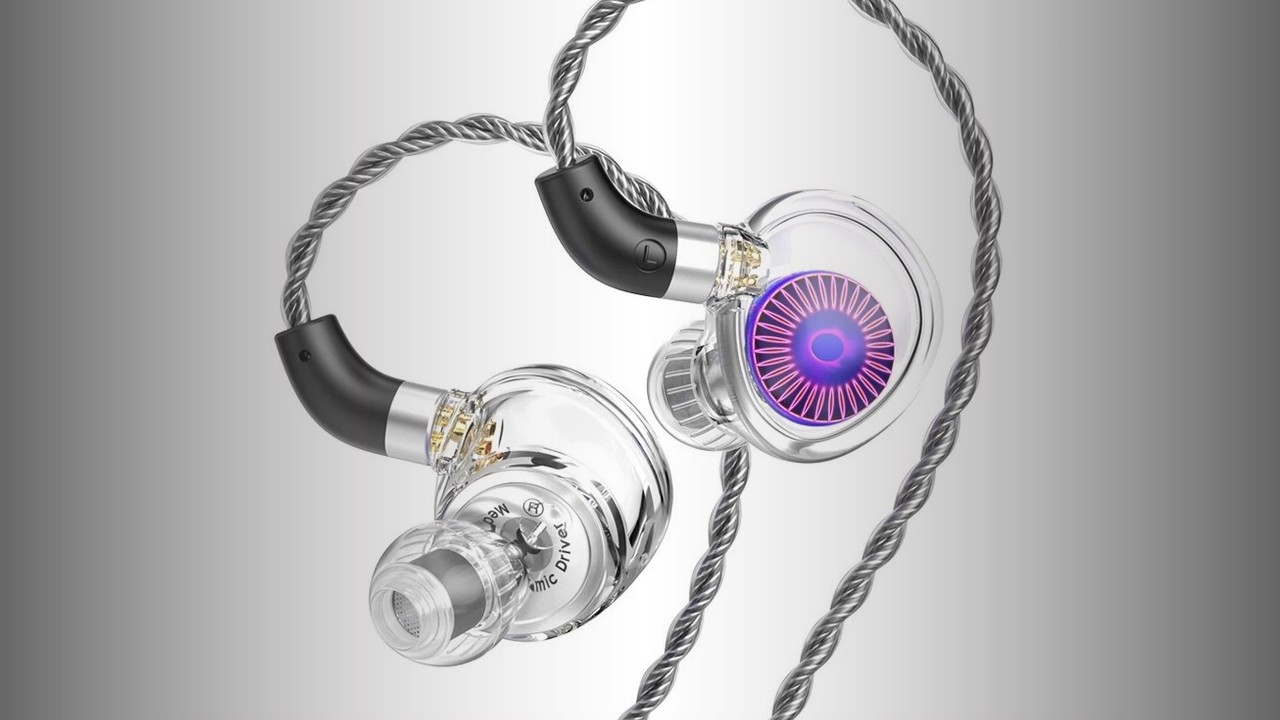
10. TRN Medusa
The transparent TRN Medusa, whose three-chamber dynamic system is visible through its jellyfish-inspired shell.
The TRN Medusa returns to a single dynamic driver but surrounds it with a more elaborate second-generation, dual-magnet system.
Its three-chamber internal structure is intended to separate parts of the audio spectrum, extend the reproduced range and improve localization and dynamic behavior.
A transparent shell inspired by the patterns and movement of a jellyfish makes the internal texture part of the visual design. Compared with multi-driver models in this list, the Medusa offers a simpler transducer count while retaining a distinctive acoustic chamber arrangement.
Best for: Single-driver fans wanting distinctive engineering
- Second-generation single dynamic-driver system
- Dual-magnet construction
- Three-chamber acoustic design
- Transparent jellyfish-inspired shell
Verdict: The Medusa differentiates its single-driver approach through a three-chamber, dual-magnet system and transparent ocean-inspired styling.
Frequently asked questions
Should I choose wired, true wireless or full-size wireless headphones?
Choose according to where and how you listen.
Wired in-ear monitors avoid charging and can offer replaceable cable connections, true wireless earbuds emphasize compact convenience, and a full-size wireless model such as the FiiO JN3 adds over-ear coverage, ANC and multipoint connectivity.
Does a higher driver count guarantee better sound?
No.
Driver count describes architecture, not final quality.
A single-driver model such as the Libra or Medusa avoids crossover complexity, while multi-driver designs such as the Yvain, Soara and Karma divide the frequency range among specialized components; implementation and personal preference remain decisive.
What should I check before using a balanced headphone connection?
Confirm that both the cable plug and source output are compatible.
The HiBy Yvain includes interchangeable 2.5 mm and 4.4 mm balanced plugs alongside 3.5 mm, while the Kontinum Soara supplies separate 3.5 mm and 4.4 mm cables.
Never assume differently sized outputs are electrically interchangeable.
How important are fit and listening environment?
Both can matter more than headline specifications.
In-ear models need correctly sized tips for comfort and sealing, while an open-back headphone such as the Drop + Grell OAE1 Signature is intended for quiet surroundings rather than isolation.
ANC models are more appropriate when reducing environmental noise is a priority.
How to choose among these headphones
Start with the listening situation.
For commuting or shared spaces, wireless convenience and noise management may outweigh complex driver technology, making the FiiO JN3 relevant when ANC and multipoint are priorities.
The Tanchjim MINO provides a smaller true wireless alternative with up to 37 hours of stated total battery life, while the Lenovo LP6 is more clearly defined by gaming-oriented styling than by documented performance features. For wired in-ear listening, decide whether simplicity or configuration flexibility matters more. The affordable KZ X Angelears Libra uses one dynamic driver and includes interchangeable tips. The TRN Orca adds physical sound-control switches, and the TRN Medusa uses a three-chamber, dual-magnet structure. Buyers moving toward multi-driver systems can choose among the four-BA HiBy Yvain, the hybrid Kontinum Soara and the substantially more intricate ten-driver Softears Karma. Connection details deserve close attention. The Yvain’s interchangeable plug system is useful across several source types, while the Soara includes separate cables for 3.5 mm and 4.4 mm outputs. Do not select a balanced connection merely because it is available; it must match the source and does not by itself establish sound quality. Finally, treat fit, isolation and format as primary criteria. Ear-tip choice affects the comfort and seal of an in-ear monitor, whereas the open Drop + Grell OAE1 Signature is designed around an entirely different, room-oriented experience. Specifications can narrow the field, but the right form factor is what makes a headphone practical for regular use.



Sound Off
0Join the discussion if you have something to add.