
Music streaming is no longer a single product category.
It encompasses subscription services, mobile apps, compact adapters, dedicated network players and digital transports designed for use with an external DAC.
Choosing well therefore starts with identifying which part of your system needs to change. An older amplifier may only require a compact adapter such as the Yamaha WXAD-10, while a system built around a separate high-quality DAC could suit a transport-only design such as the Kalista DreamPlay S. Integrated network players from Arcam, Cambridge Audio, Atoll, Leak and Lumin combine streaming with digital-to-analog conversion, but differ in connectivity, supported platforms, physical size and system integration. The service layer matters as much as the hardware. Tidal’s move from MQA to FLAC can affect saved material and format compatibility, while Qobuz’s redesigned mobile player highlights the importance of navigation, lyrics and tablet support. Before choosing any streamer or service, check the complete path from app and network connection to DAC, amplifier and speakers.

1. Tidal says “bye bye” to MQA and here’s what that means for subscribers
Tidal now favors FLAC for high-resolution music after discontinuing MQA and 360 Reality Audio.
Tidal’s transition away from MQA simplifies its high-resolution offering around the open FLAC format.
The service has also removed 360 Reality Audio material and retained Dolby Atmos as its cited multichannel option.
Existing subscribers should review saved or downloaded music that was previously available in the discontinued formats, because replacement versions may differ or may not be available.
Best for: Tidal subscribers reviewing format compatibility
- Open FLAC format
- Dolby Atmos remains supported
- Clearer high-resolution format choice
Verdict: Tidal’s FLAC-centered approach is easier to assess when matching the service with streaming hardware and DAC support.

2. Yamaha WXAD-10: Compact Music Streaming Adapter for High-Quality Audio
The compact Yamaha WXAD-10 adds MusicCast, network playback, AirPlay and Bluetooth to an existing system.
The Yamaha WXAD-10 is a compact way to add network playback to an existing audio system.
It supports Wi-Fi, Ethernet, Bluetooth, AirPlay, DLNA, internet radio, Spotify and Deezer, while MusicCast enables integration with compatible Yamaha products in a multi-room setup.
Its Burr-Brown PCM5121 DAC supports WAV, FLAC and AIFF up to 192 kHz/24-bit, with ALAC supported up to 96 kHz/24-bit.
Best for: Adding streaming to an existing audio system
- Compact adapter format
- Wi-Fi and Ethernet connectivity
- MusicCast multi-room integration
- Support for local and online sources
Verdict: The WXAD-10 is a practical retrofit for listeners who want broad wireless, network and MusicCast functionality without replacing their amplifier.
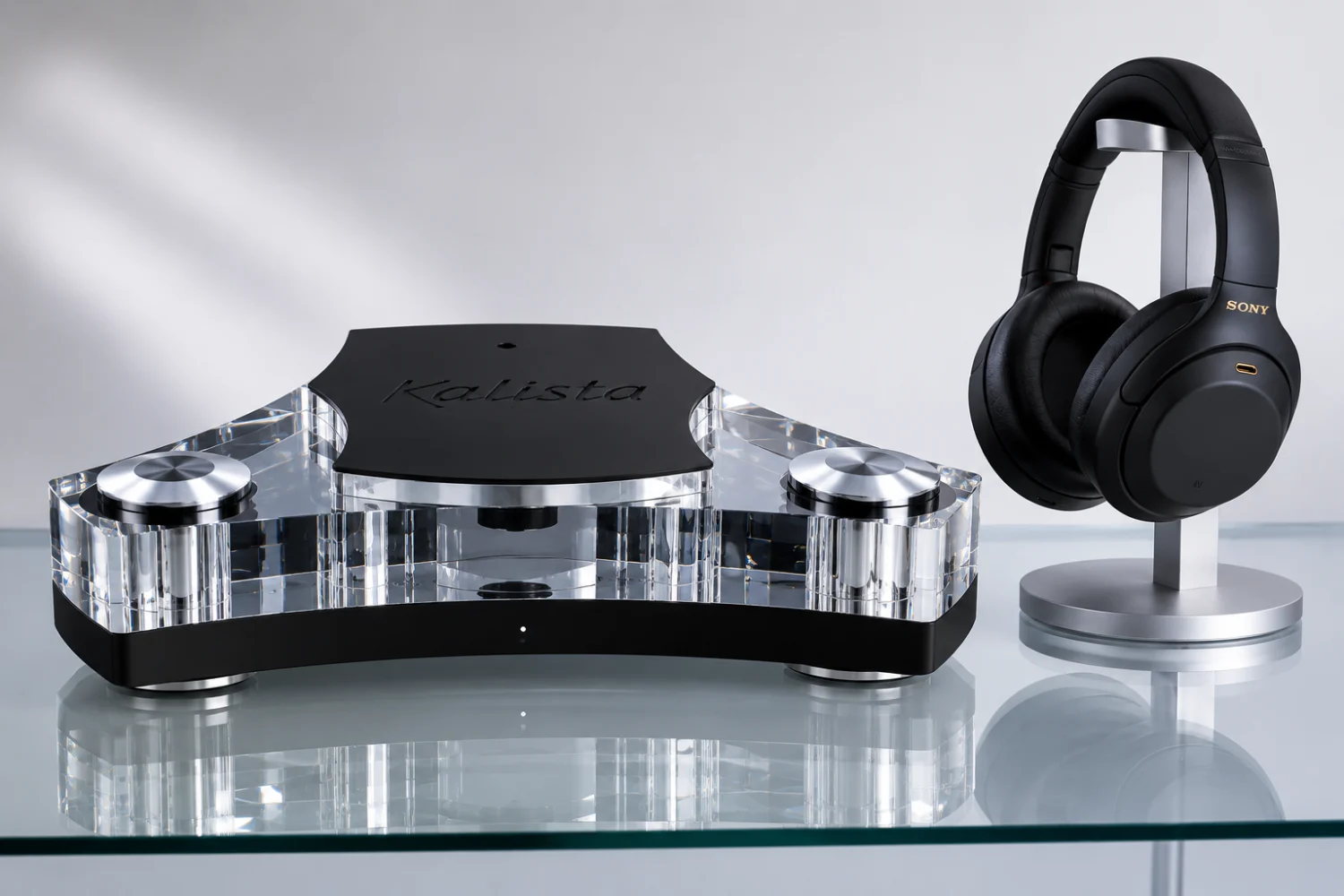
3. Kalista DreamPlay S & DreamPlay SC: French Reference Streamers for High-End Audio
Kalista DreamPlay S omits a DAC, while DreamPlay SC combines network streaming and digital-to-analog conversion.
The two Kalista models address different high-end system architectures.
DreamPlay S is a network player without digital-to-analog conversion, making it the relevant option for owners of a separate DAC.
DreamPlay SC incorporates its own DAC for a more integrated digital source. Both are handcrafted in France and are presented with advanced power supplies, broad protocol support and Kalista’s characteristic material choices, although the supplied material does not identify individual protocols.
Best for: High-end systems built around either an external or integrated DAC
- Choice of transport-only or integrated-DAC models
- Advanced power-supply design
- Handcrafted in France
Verdict: The DreamPlay S and SC offer a clear architectural choice, but buyers should confirm detailed protocol and service compatibility before specifying either model.
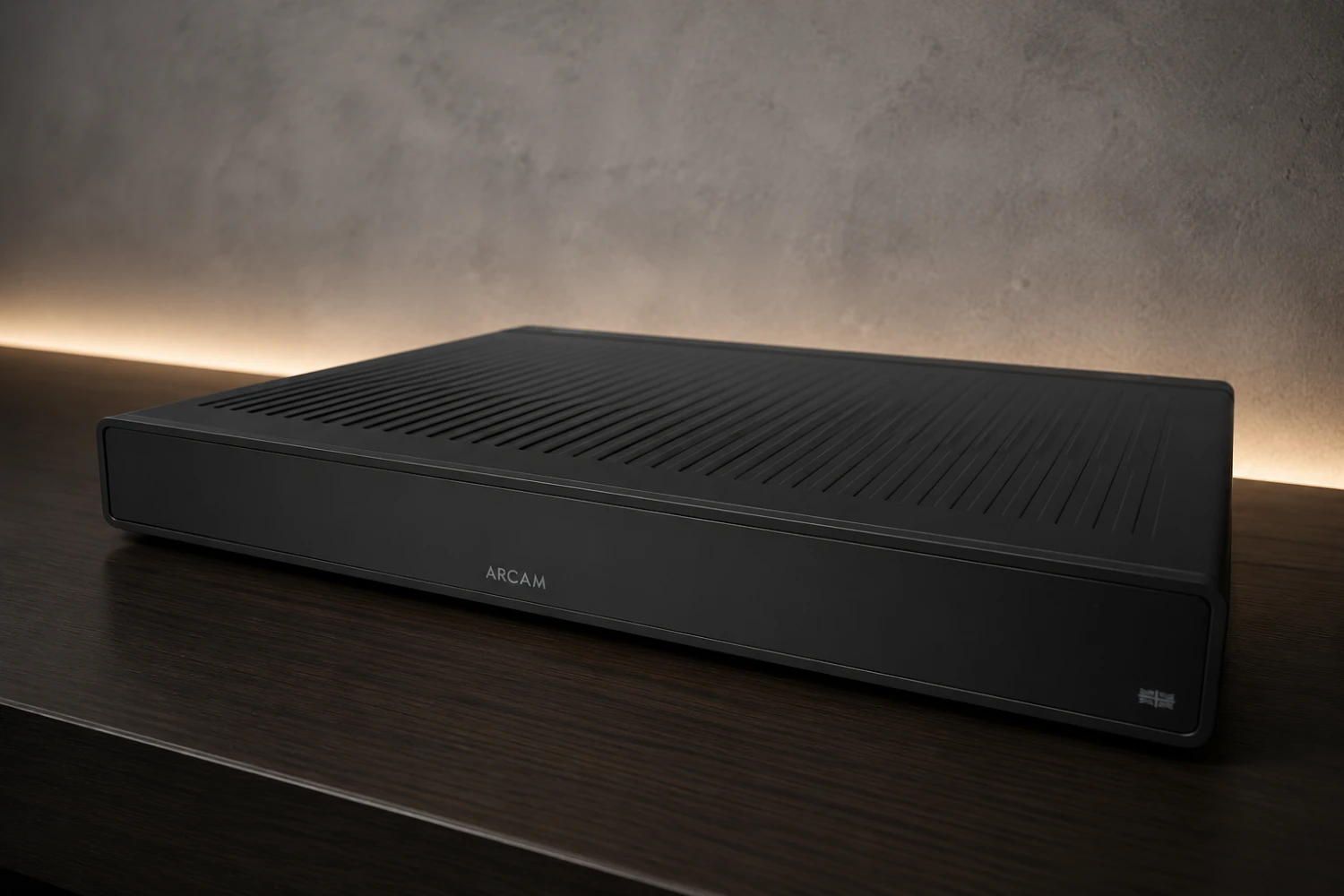
4. Arcam ST5 Review: One of the Best Music Streamers Under $1,000?
The Arcam ST5 uses the Radia Series’ matte-black aluminum styling and slim front-panel display.
The Arcam ST5 is a dedicated network streamer from the Radia Series, designed to partner with the A5, A15 and A25 integrated amplifiers.
Its thick anodized-aluminum chassis, matte-black finish, slim monochrome display and restrained controls give it a close visual match with those components.
The source review’s extensive listening led to a largely positive conclusion, positioning the ST5 as a bridge between everyday streaming convenience and a serious hi-fi system.
Best for: Owners of Arcam Radia amplifiers
- Designed to match Arcam Radia amplifiers
- Thick anodized-aluminum chassis
- Clean, understated interface
Verdict: The ST5 is most compelling as a visually and functionally coherent streaming partner for an Arcam Radia system.

5. Cambridge Audio EXN100: Reference Class Network Streamer
The Cambridge Audio EXN100 combines fourth-generation StreamMagic software with an ESS ES9028Q2M DAC and extensive connectivity.
Cambridge Audio’s EXN100 combines an ESS ES9028Q2M DAC with the fourth-generation StreamMagic platform.
It supports Spotify Connect, Tidal Connect, Deezer, Qobuz, Roon Ready, UPnP, internet radio, Chromecast, AirPlay 2 and Bluetooth aptX HD.
HDMI eARC, USB, coaxial and optical connections broaden its role beyond network streaming, while balanced XLR outputs make it suitable for systems with compatible amplification. The digital input stage can handle PCM up to 32-bit/768 kHz and DSD512.
Best for: Versatile digital-source duties in a full-size hi-fi system
- Broad service and protocol support
- HDMI eARC and multiple digital inputs
- Balanced XLR outputs
- StreamMagic app control
Verdict: The EXN100 stands out for combining extensive streaming support with the connections needed to serve as a broader digital hub.

6. Atoll MS120: A classic network player that gets the job done
The compact Atoll MS120 features a central color display and a front USB connection for external storage.
The Atoll MS120 places the network platform used in Atoll’s other player lines into a compact MINI LINE enclosure.
Its TI Burr-Brown DAC is specified at 32-bit/384 kHz, while supported playback from a local network or USB reaches 24-bit/192 kHz.
LAN and Wi-Fi provide network access, front and rear USB ports accept external storage, and the color TFT screen displays album art and playback information. The cited vTuner service provides access to more than 15,000 internet radio stations.
Best for: Compact systems using local files and internet radio
- Compact all-metal enclosure
- LAN and Wi-Fi networking
- Front and rear USB ports
- Color display with album information
Verdict: The MS120 is a straightforward compact player for listeners who value local-network playback, USB storage and an informative front display.
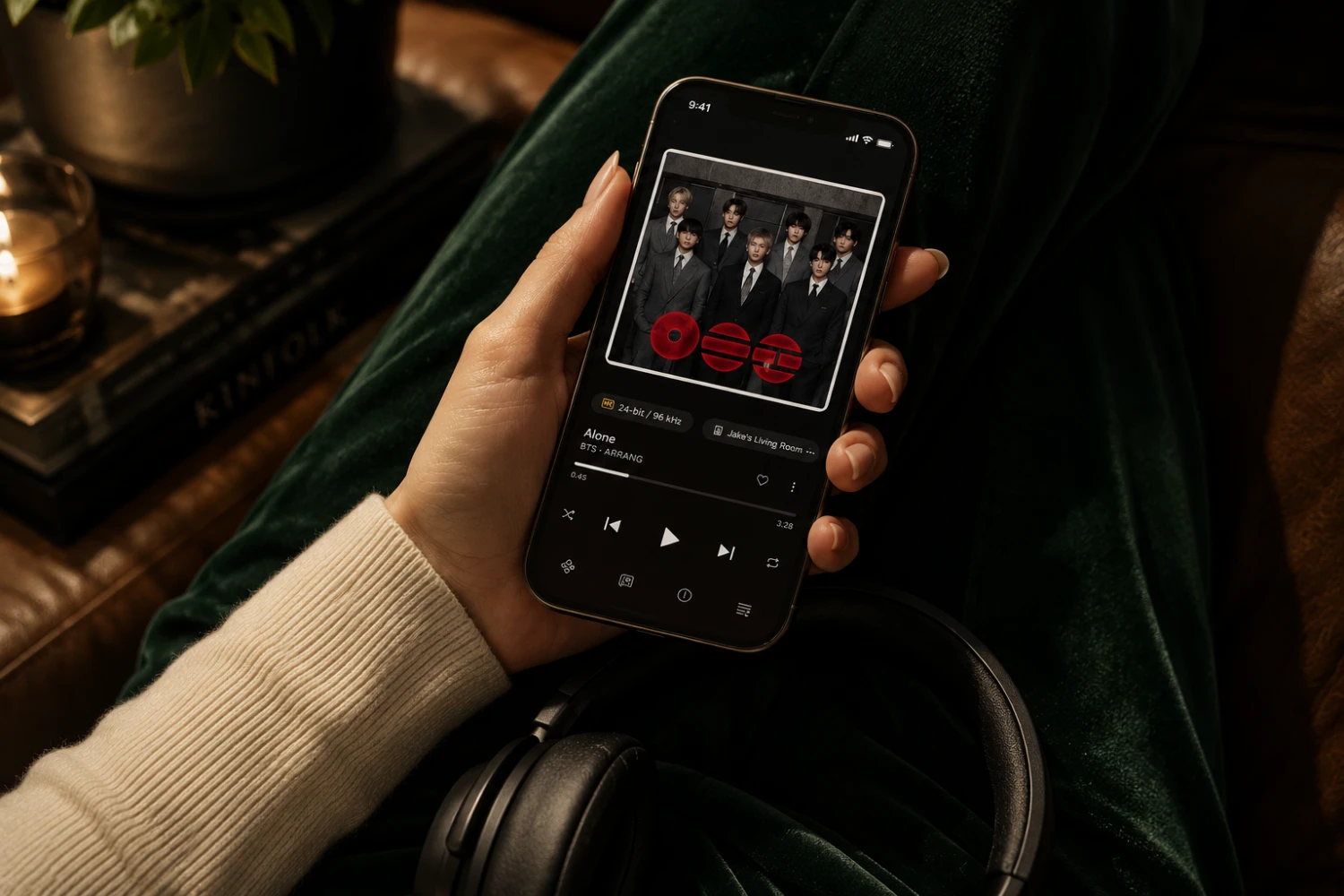
7. Qobuz Refreshes Its Mobile Apps With a Redesigned Player and Live Lyrics
Qobuz’s redesigned mobile player emphasizes album artwork, synchronized lyrics and persistent playback controls.
Qobuz’s mobile app update focuses on everyday interaction rather than changing the underlying purpose of the service.
The redesigned player gives album artwork a more prominent role, synchronized lyrics scroll in real time, and a persistent mini-player keeps basic controls available while users browse.
Expanded tablet usability is also relevant to listeners who use a larger mobile device as the main controller for a streaming system.
Best for: Qobuz users who control playback from phones or tablets
- Synchronized live lyrics
- Persistent playback controls
- More prominent album artwork
- Expanded tablet usability
Verdict: The refreshed Qobuz app improves navigation and presentation, particularly for album listeners and tablet-based system control.

8. Leak TruStream: A Premium Network Streamer for Modern Audiophile Systems
The Leak TruStream is the brand’s first dedicated network player and uses an ESS Sabre ES9038Q2M DAC.
The TruStream is Leak’s first dedicated music streamer, extending the company’s vintage-influenced design approach into network audio.
It uses an ESS Sabre ES9038Q2M DAC with HyperStream II architecture and Time Domain Jitter Eliminator technology, followed by an actively tuned post-filter stage.
Its network engine comes from Silent Angel. The supplied material does not list individual services or protocols, so prospective owners should verify those details against their preferred playback setup.
Best for: Systems pairing classic Leak styling with network audio
- ESS Sabre ES9038Q2M DAC
- Active post-filter stage
- Silent Angel network platform
- Distinctive vintage-influenced design
Verdict: The TruStream brings modern conversion and streaming hardware to Leak’s established visual language, although service compatibility warrants confirmation.

9. Lumin T3X: Network player equipped with linear power supply
The Lumin T3X adds a toroidal-transformer linear power supply, fiber networking and a second USB-A port to the T3 platform.
The Lumin T3X develops the earlier T3 platform by replacing its switching supply with a linear power supply built around a substantial toroidal transformer.
It retains dual ES9028Pro Sabre DACs in dual-mono operation and adds a second USB-A port.
Both conventional RJ45 Ethernet and optical-fiber networking are provided; the fiber connection offers galvanic isolation, while the retained network connections can accommodate a router and another network device such as a NAS.
Best for: Network systems prioritizing connection flexibility and electrical isolation
- Linear power supply
- Dual-mono ES9028Pro DACs
- Optical-fiber network connection
- Two USB-A ports
Verdict: The T3X is differentiated by its linear supply, dual-mono conversion and choice of copper or galvanically isolated fiber networking.
Frequently asked questions
Do I need a streamer with a built-in DAC?
Choose a model with a built-in DAC if you want analog outputs feeding an amplifier directly.
If you already own a preferred external DAC, a transport-only player such as the Kalista DreamPlay S avoids duplicating that stage.
Always confirm that the available digital outputs match the inputs on your DAC.
Should I use Wi-Fi, Ethernet or fiber for streaming?
Wi-Fi is convenient where running a cable is impractical, while Ethernet usually provides a direct wired network connection.
Fiber, as offered by the Lumin T3X, adds galvanic isolation because it does not carry electrical noise between network devices.
The right choice depends on the connections supported by both the streamer and the home network.
Which service and protocol checks matter before buying?
Confirm support for the services you use and the control method you prefer, such as Spotify Connect, Tidal Connect, Qobuz, AirPlay, Chromecast, Roon or UPnP.
Compatibility should be checked explicitly rather than inferred from general claims about broad streaming support.
Are high sample-rate specifications the most important consideration?
No.
Format limits matter when playing files that use them, but app stability, service support, output compatibility, network options and everyday control can have a greater practical effect.
Note that DAC capability and supported playback resolution may also differ, as illustrated by the Atoll MS120.
How to Choose the Right Streaming Upgrade
Begin with the system you already own.
If an amplifier lacks network functions but still meets your needs, a compact adapter such as the Yamaha WXAD-10 may be the least disruptive solution.
A full network player becomes more appropriate when you also need digital-to-analog conversion, a front-panel display, USB playback or additional digital inputs. Next, map the complete signal and control chain. List your preferred music services, local storage sources and control devices, then confirm that the streamer supports each one directly. Features such as Tidal Connect, Spotify Connect, AirPlay, Chromecast, Roon and UPnP are not interchangeable. App design also deserves attention: Qobuz’s interface changes demonstrate how persistent controls, tablet support and clear navigation can influence daily use even when the audio system itself remains unchanged. Decide whether integrated conversion or a separate DAC is the better fit. The Kalista DreamPlay S is explicitly intended for an external converter, whereas the DreamPlay SC and the integrated players from Yamaha, Cambridge Audio, Atoll, Leak and Lumin include DAC hardware. Check outputs as carefully as inputs; balanced XLR connections, HDMI eARC, USB, optical and coaxial sockets only add value when they suit the rest of the system. Finally, avoid choosing by headline resolution alone. Network reliability, service compatibility, software control, physical size and sensible system matching are more likely to determine whether a streamer remains satisfying to use. Format policies can also change, as Tidal’s replacement of MQA with FLAC shows, so support for open formats and flexible connection methods can reduce dependence on any single platform.



Sound Off
0Join the discussion if you have something to add.