
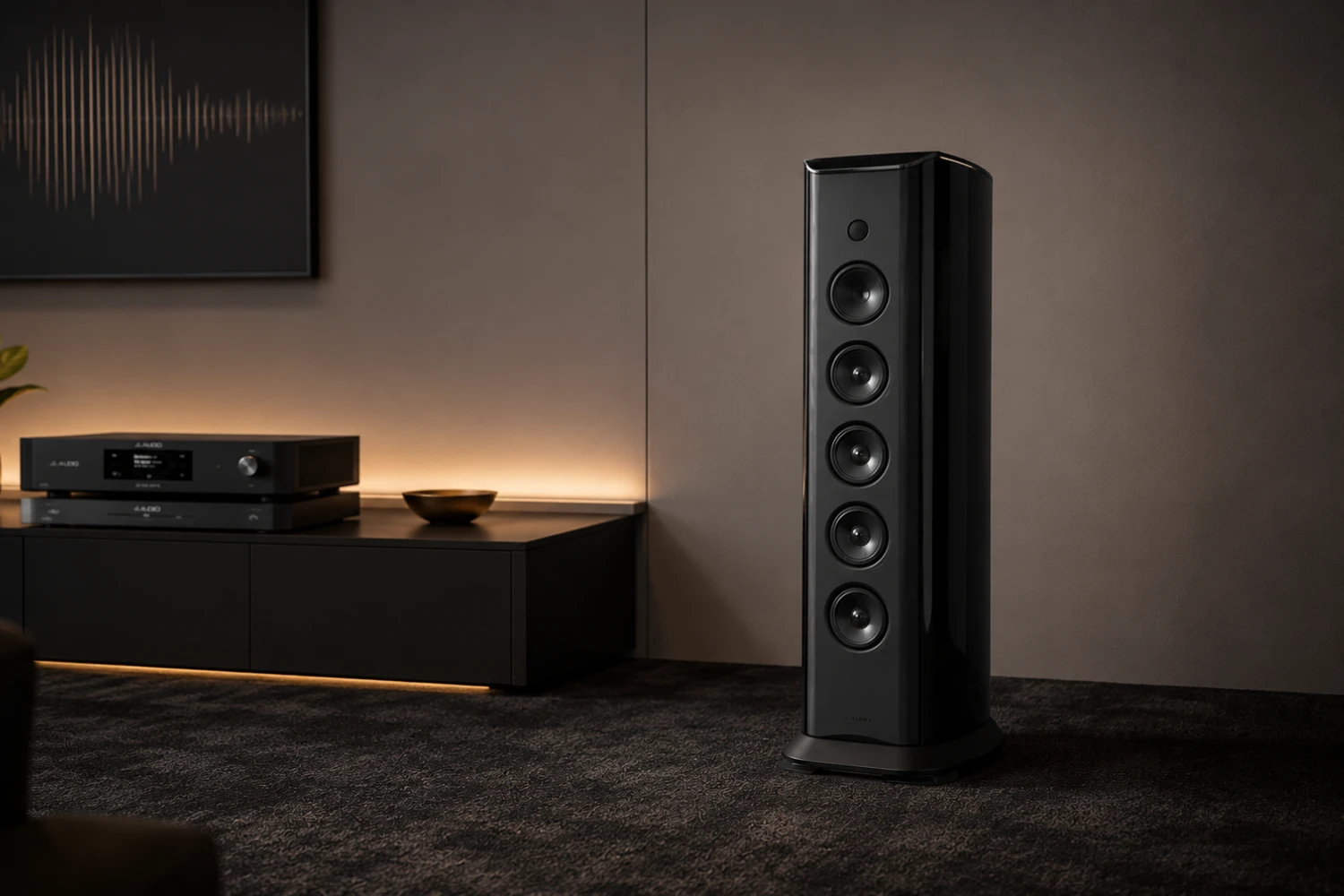
The JL Audio Primacy series marks a notable expansion of Garmin’s audio ambitions into the luxury residential hi-fi space. Developed under the JL Audio name following Garmin’s 2023 acquisition of the company, Primacy is not simply a pair of high-end loudspeakers with matching electronics. It is a complete active audio platform built around dedicated amplification, digital crossover control, networked signal distribution, room optimization and modern streaming access. For prospective owners, the appeal lies in how much of the system architecture has been designed as a unified whole rather than assembled from separate conventional components.
An active loudspeaker platform designed as a system
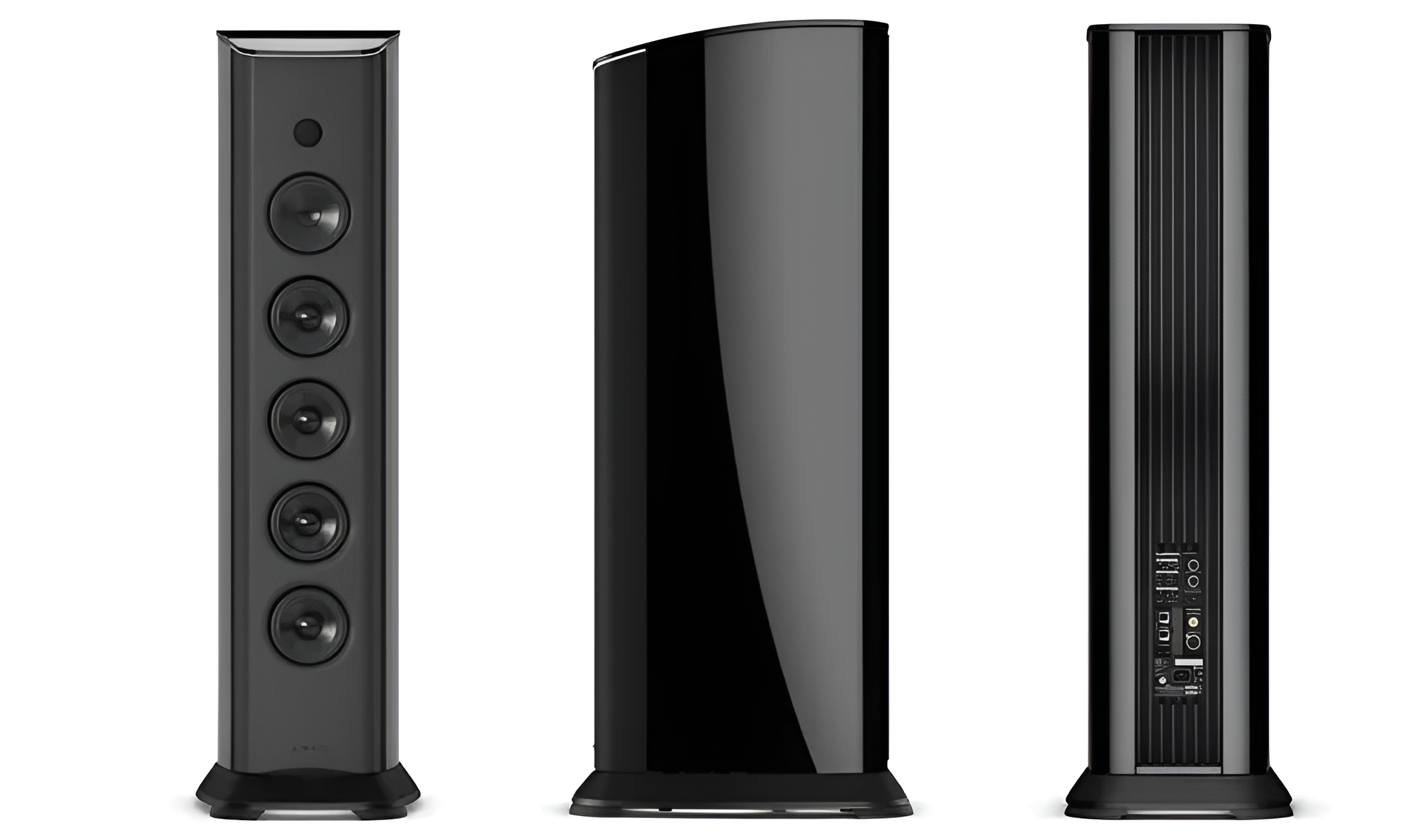
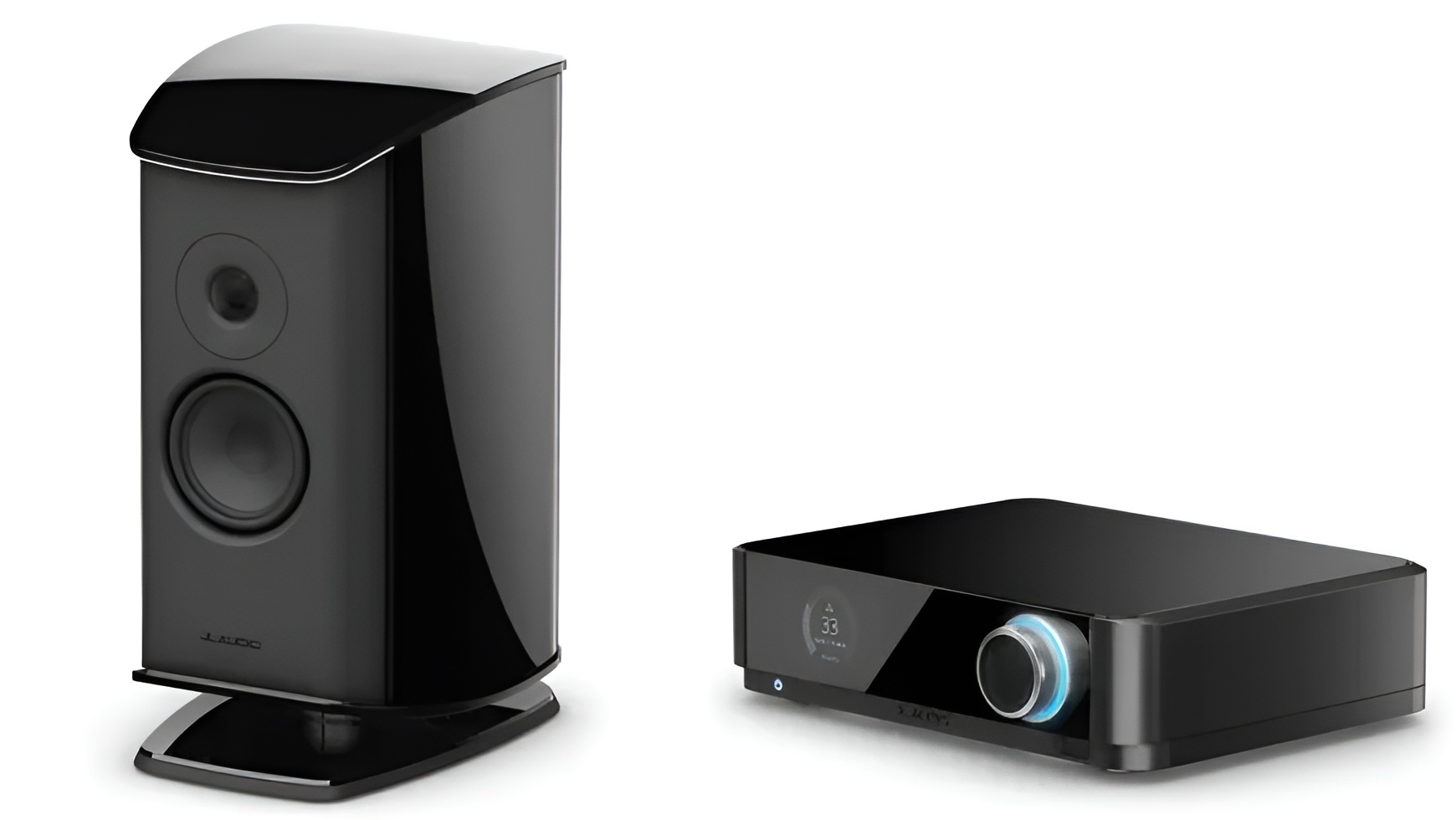
At the heart of the Primacy range are two active loudspeaker models: the Primacy T6 floorstanding speaker and the Primacy S3 bookshelf speaker. The T6 is positioned as the larger, full-range three-way model for reference listening in more spacious rooms, while the S3 is a more compact two-way design intended for smaller rooms or high-end bookshelf-style installations.
The defining technical choice is that both models are fully active. In practical terms, each driver is assigned its own amplifier channel, with crossover duties handled digitally rather than by a conventional passive crossover network inside the speaker. This matters because the amplification, crossover behavior and driver operation can be developed together as one controlled system. Instead of asking an external amplifier to drive a passive speaker through a fixed electrical network, the Primacy architecture gives the manufacturer more direct control over how each driver is powered and managed.
According to Garmin, the Primacy loudspeakers use 32-bit/192 kHz digital signal processing throughout the signal path. That DSP platform allows crossover behavior and tuning to be implemented with a degree of precision that is difficult to achieve in a purely passive design. The documented benefits include optimized performance, lower distortion, improved timing accuracy and greater dynamic control. Those are not listening impressions; they are the engineering goals enabled by the active architecture. For an owner, the broader point is that Primacy reduces the need to match separate amplifiers, speaker cables and passive loudspeaker characteristics by placing those decisions inside the speaker system itself.
Two speaker formats for different rooms
The Primacy T6 and S3 give the platform two distinct use cases. The T6 is the statement model: a three-way floorstanding speaker designed for full-range listening in larger spaces. Its role in the range is to serve installations where scale, output capability and a freestanding loudspeaker presence are appropriate.
The S3, by contrast, is described as a more compact two-way bookshelf model. That does not make it a casual product; at $35,000 per pair, with dedicated stands available for $3,500, it remains firmly in the ultra-premium category. Its value is in making the Primacy architecture available where a floorstanding speaker may not suit the room, décor or installation plan. For apartments, secondary listening rooms, design-conscious interiors or spaces where a large tower would dominate visually, the S3 provides a more compact route into the same ecosystem.
This split is useful because luxury audio increasingly needs to accommodate different forms of living space. Not every serious system is installed in a dedicated listening room, and not every high-end customer wants a visually dominant tower loudspeaker. By offering both floorstanding and bookshelf formats, Garmin and JL Audio allow the core platform to be scaled around room size and placement priorities.
Primacy CS as the control center
The Primacy CS Stereo Centerpiece is the system’s central electronics component. It combines network streaming, preamplifier functions and system control into a single unit intended to manage the Primacy platform. Priced at $15,000 as a standalone component, it is not presented as a simple accessory; it is effectively the system brain.
Its importance comes from integration. A conventional hi-fi setup may involve a separate streamer, DAC, preamplifier, room-correction processor and control interface. Primacy consolidates those roles around a product designed specifically for the matching active loudspeakers. That can simplify setup, reduce component-matching uncertainty and make day-to-day use more coherent, particularly in homes where multiple users may interact with the system.
The Primacy CS also includes Garmin’s PARO, or Primacy Automatic Room Optimization. This technology analyzes room acoustics and automatically adjusts playback characteristics to better suit the listening environment. Room behavior is one of the largest variables in any high-performance audio system, especially in luxury living spaces where speaker placement may have to coexist with architecture, furniture and interior design. Built-in room optimization does not remove the value of careful installation, but it gives the system a documented method for adapting to real rooms rather than assuming ideal conditions.
Dante networking and modern streaming access
Primacy components communicate using Dante network audio technology. Dante is used to transmit high-resolution digital audio across the system with low latency and precise synchronization. In a product such as Primacy, that choice supports a cleaner, more scalable architecture than traditional analog signal routing between multiple boxes and speakers.
For custom installations and premium residential projects, networked audio can be especially useful. It allows digital signal distribution to be organized over a network-based infrastructure, which may be more flexible than long analog cable runs. The source material identifies Dante as the means by which Primacy handles connectivity between components, giving the platform a professional-style backbone for timing and signal management.
The system also supports several major streaming routes: Spotify Connect, TIDAL Connect, Apple AirPlay and Google Cast. That combination is important because it bridges audiophile and mainstream listening habits. TIDAL Connect will interest users who prefer a service associated with higher-resolution streaming options, while AirPlay and Google Cast make the system accessible from common phones, tablets and apps. Spotify Connect adds convenience for households already organized around Spotify. The result is a luxury system that does not require every user to learn a specialized playback method before playing music.
Control options for everyday usability
A high-end system’s technical architecture is only valuable if it remains practical to use. Primacy addresses control through both a dedicated mobile app and a wireless desktop controller. The app provides the familiar smartphone-based approach expected from modern networked audio systems, while the desktop controller adds a physical interface with volume adjustment and touch-sensitive controls.
That combination is sensible. Many listeners appreciate app-based browsing and streaming, but physical volume control remains useful in a living room, office or dedicated music area. A desktop controller can make the system feel less dependent on a phone, especially when several people use the same space. It also gives the system a more intentional, tactile point of interaction, which matters in a product category where ownership experience extends beyond specifications.
Luxury design with interior flexibility
Garmin and JL Audio have also addressed the visual side of high-end ownership. Both Primacy speaker models feature interchangeable side panels and finish options intended to complement different living spaces. The design direction is described as closer to luxury furniture than traditional hi-fi equipment, which is significant for the intended market.
This is not merely cosmetic. In many premium homes, audio equipment must earn its place visually as well as technically. Large loudspeakers can be difficult to integrate into carefully designed rooms, and finish flexibility can make the difference between a system that feels imposed on a space and one that belongs there. Interchangeable side panels also suggest that the system can adapt if décor changes over time, potentially extending its suitability across different rooms or interior schemes.
The Primacy series therefore sits at the intersection of performance-oriented engineering and lifestyle-oriented design. It does not appear to abandon audiophile priorities, but it also recognizes that a $90,000 pair of floorstanding speakers will often be installed in a highly considered living environment rather than hidden away.
Who the JL Audio Primacy system is most suitable for
The Primacy range is best suited to listeners and homeowners seeking a highly integrated luxury audio ecosystem rather than a traditional component-by-component hi-fi project. It will particularly appeal to buyers who value active speaker engineering, digital signal management, room optimization and networked connectivity, and who want those elements developed under one platform.
It is also well aligned with premium residential installations where aesthetics, ease of use and system coordination are priorities. The combination of interchangeable finishes, streaming support, app control, a physical controller and Dante networking makes sense for modern living spaces where the system may be used by more than one person and may need to coexist with interior design expectations.
It is less suitable for enthusiasts who specifically enjoy choosing separate amplifiers, experimenting with passive speaker pairings, or building a system around interchangeable source and amplification components. The same integration that makes Primacy attractive to one customer may feel restrictive to another. Its pricing also places it in a rarefied segment: the T6 costs $90,000 per pair, the S3 costs $35,000 per pair, the S3 stands add $3,500, and the Primacy CS is $15,000. This is a platform for buyers already considering ultra-high-end audio, not a general step-up system.
Conclusion
JL Audio Primacy is distinctive because it treats the loudspeakers, amplification, DSP, streaming, room optimization and control interface as parts of one coordinated luxury platform. Its strongest documented qualities are its fully active speaker architecture, 32-bit/192 kHz DSP processing, Dante network audio, PARO room optimization, broad streaming support and interior-conscious finish flexibility. For the right owner, especially someone seeking a refined high-end system for a premium living space without assembling separate components, Primacy offers a carefully integrated approach to modern residential hi-fi.



Sound Off
0Join the discussion if you have something to add.