Audio Research D-80: Balanced Tube Power with Practical Intent
The Audio Research D-80 brings Reference-inspired balanced tube amplifier design, KT150 output tubes, automatic bias control, and speaker-matching flexibility to a two-channel power amplifier built for serious systems.

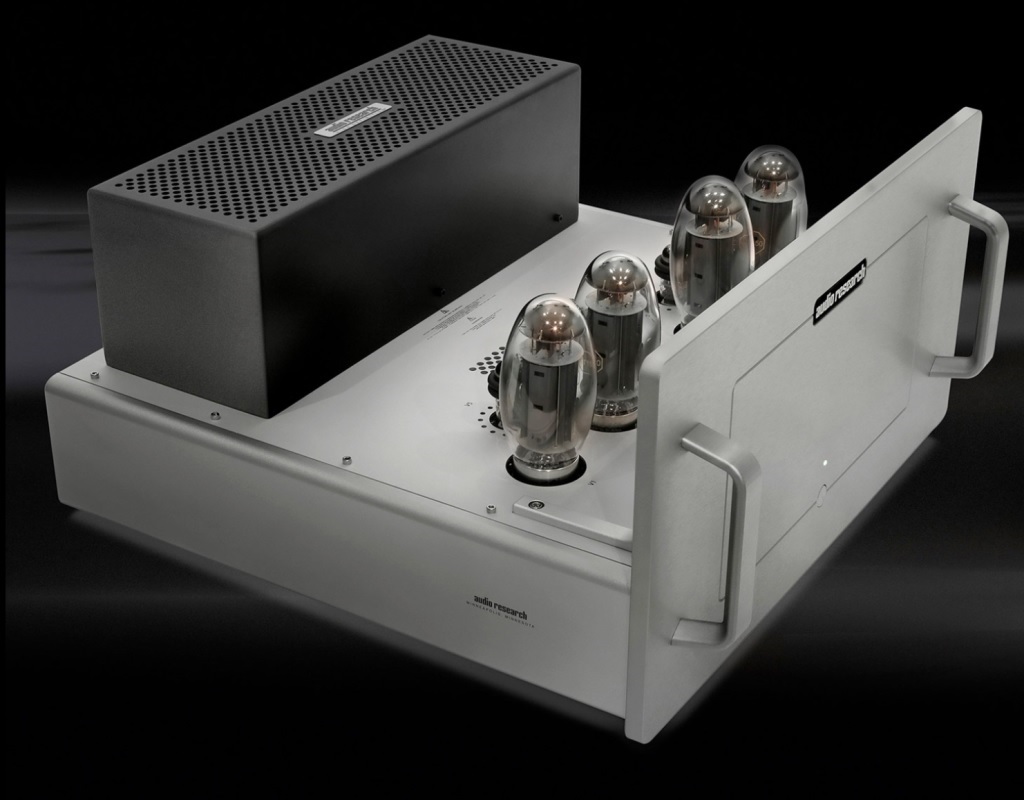
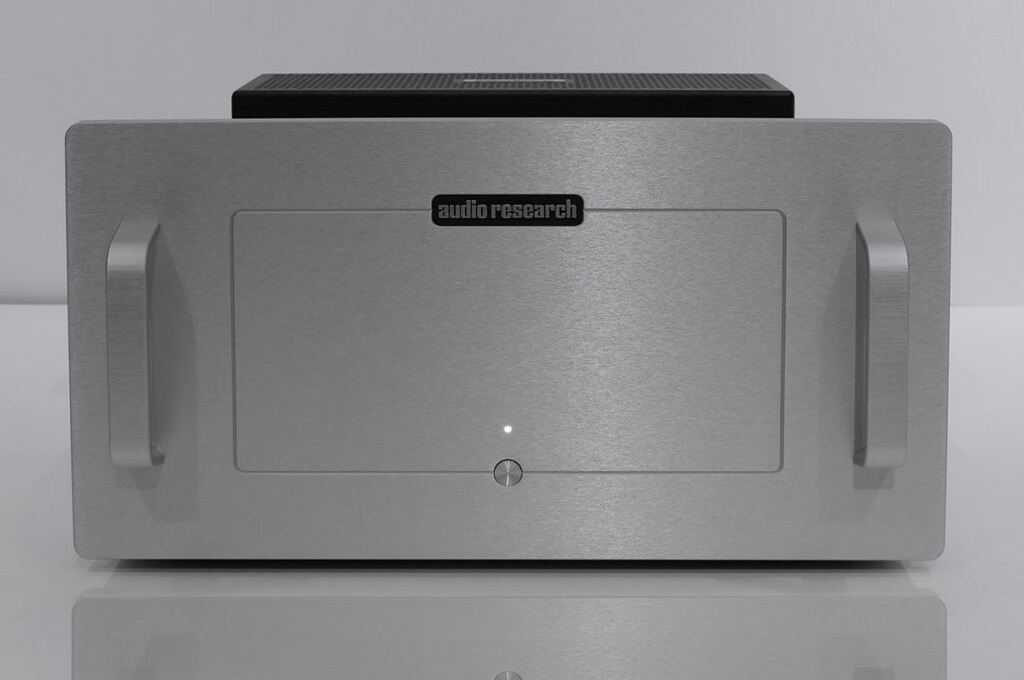
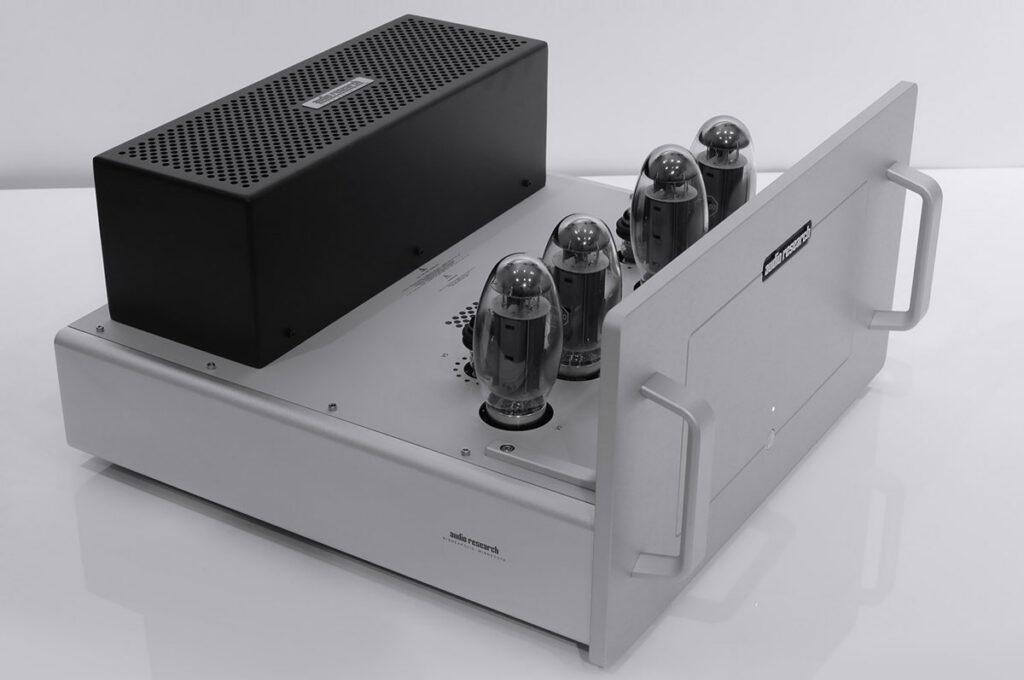
The Audio Research D-80 is a two-channel tube power amplifier aimed at listeners who want the character and engineering priorities of a traditional valve design without making the ownership experience unnecessarily involved. Rated at 70 watts per channel and built around matched KT150 output tubes, it combines a fully balanced signal path, pentode operation, automatic bias control, and dedicated speaker impedance taps in a package that draws from Audio Research’s Reference-series thinking while occupying a more accessible position in the company’s amplifier lineup at $15,000.
A Balanced Architecture from Input to Output
One of the D-80’s defining design choices is its fully symmetrical, differential circuit architecture. The amplifier is designed to keep the signal balanced from the XLR input stage through to the speaker terminals. That is not simply a connector choice; it shapes how the amplifier is intended to sit within a high-end system.
Balanced signal transmission can be useful in serious audio installations because it is designed to reject noise picked up along the signal path. This is especially relevant when a power amplifier is located some distance from a preamplifier, or in systems where multiple components and cables increase the possibility of interference. By offering only XLR inputs, the D-80 makes a clear statement about its intended use: it is built for systems centered on balanced preamplification rather than legacy single-ended connectivity.
That decision may narrow compatibility for some owners, but it also gives the product a strong identity. Rather than trying to be all things to all systems, the D-80 is optimized for modern high-end setups in which balanced connections are already part of the signal chain. For prospective buyers with a balanced Audio Research preamplifier or another fully balanced preamp, the D-80’s connection philosophy is straightforward and coherent.
KT150 Output Tubes and 70 Watts per Channel
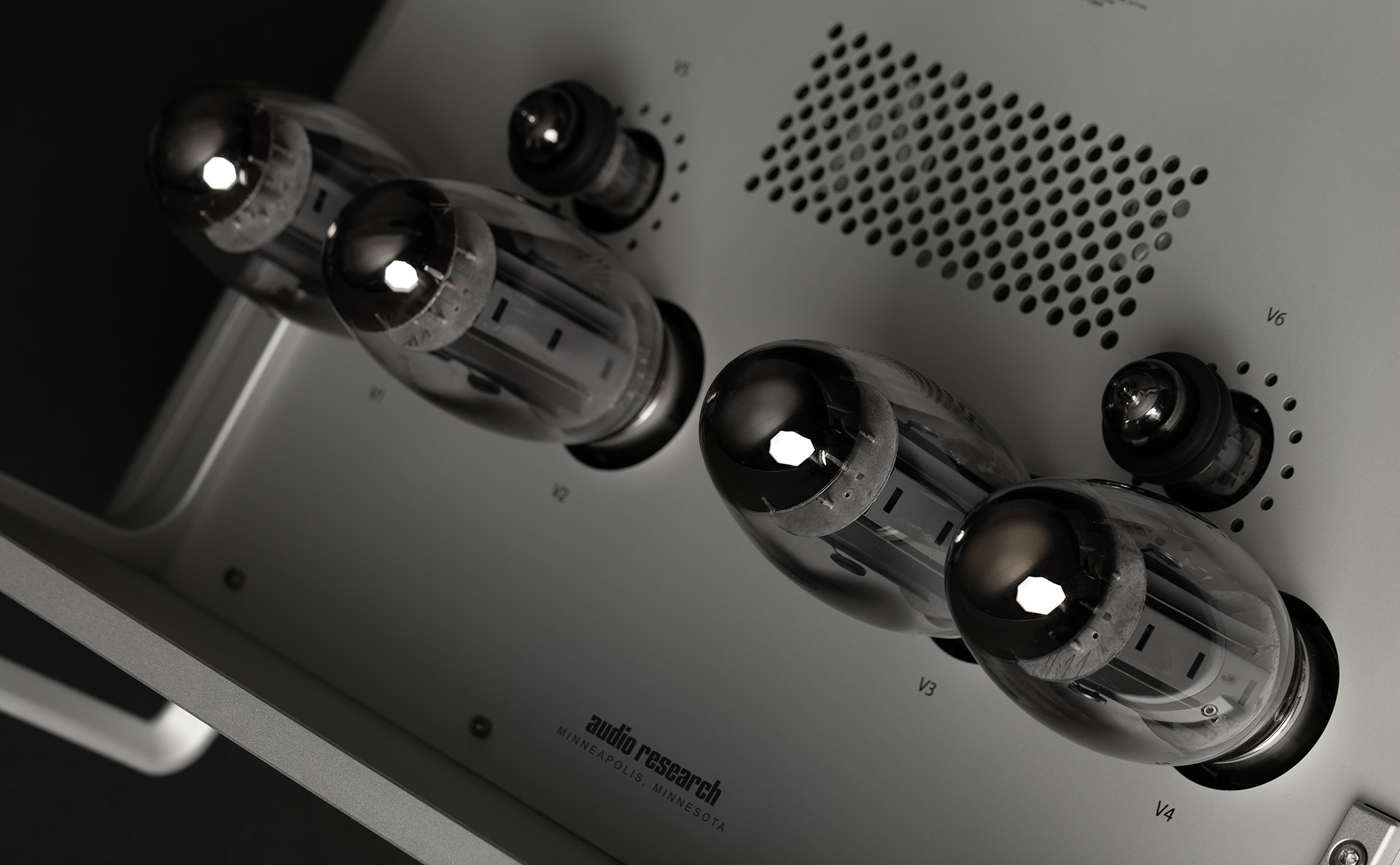
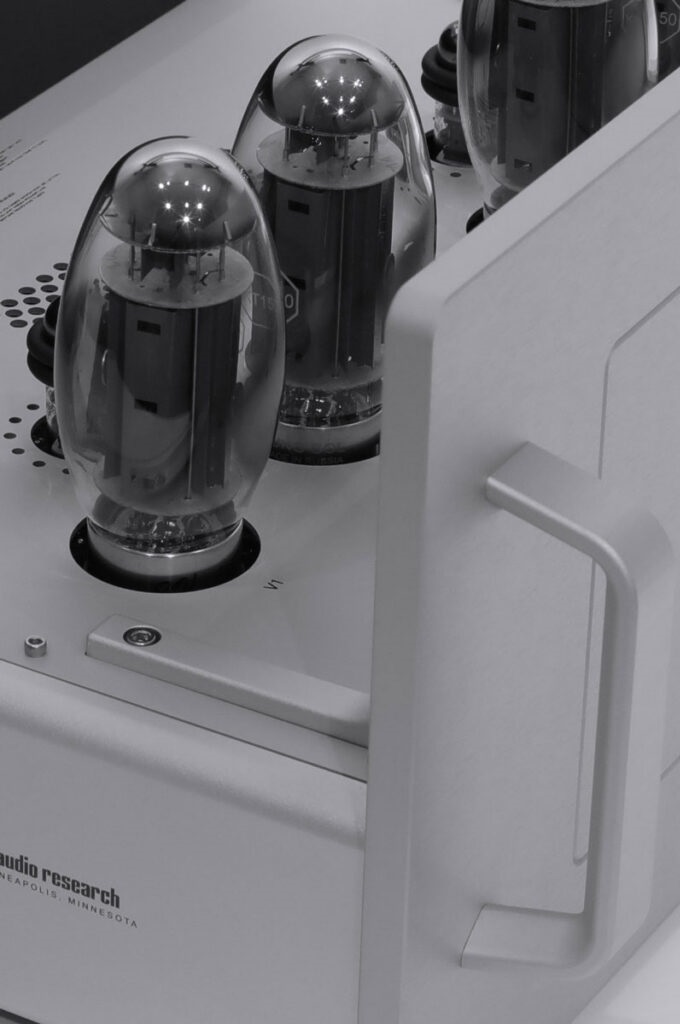
The D-80 uses a pair of matched KT150 power tubes per channel, supported by two 6H30 tubes in the driver and amplification stages. The KT150 has become an important tube in contemporary high-power valve amplifier design because it is associated with robust power handling and stable delivery. In the D-80, this tube complement is used to produce a nominal output of 70 watts per channel.
That figure is significant because it places the amplifier in a practical middle ground. It is not a low-powered tube amplifier intended only for highly sensitive loudspeakers, yet it also remains recognizably a tube power amplifier rather than attempting to mimic the massive output ratings of large solid-state designs. For many serious two-channel systems, 70 watts per channel can be a useful and flexible power rating, provided the partnering loudspeakers are sensibly matched.
Audio Research specifies that the amplifier’s output is available across a broad relevant frequency range, from 7 Hz to 68 kHz at the -3 dB level, with additional dynamic headroom for transient peak loads. For a prospective owner, the key point is not simply the bandwidth figure in isolation, but what it suggests about the amplifier’s engineering margin. A design with wide bandwidth and dynamic headroom is intended to handle musical demands without operating constantly at the edge of its capability.
Pentode Operation with a Focused Feature Set
The D-80 operates in pentode mode, a choice that supports higher output power from the tube complement. Audio Research has not built this amplifier around switchable modes or a menu of operating options. Instead, the company has deliberately avoided switchable operating modes and complex added features in favor of stability, reproducibility, and sonic consistency.
That approach will appeal to listeners who prefer a power amplifier to be a fixed, purpose-built component rather than a device requiring repeated configuration. Some amplifiers invite experimentation with operating modes, feedback settings, or tube behavior. The D-80 takes a more direct route: it is designed around one operating approach and asks the owner to integrate it properly into a suitable system.
This restraint can be a strength in ownership terms. Fewer operating choices mean fewer variables to manage, and a more consistent baseline for setup, servicing, and long-term use. For a product in this category, that simplicity is not the same as minimal engineering. It reflects a decision to concentrate the design around a specific circuit philosophy rather than broaden the feature list for its own sake.
Automatic Bias Control Reduces Tube-Amplifier Maintenance
A central usability feature of the D-80 is continuously operating automatic bias control. In a tube power amplifier, bias management matters because the operating point of the output tubes can shift over time. Tube aging, mains voltage variation, and normal use can all affect how the tubes behave. Traditionally, some tube amplifiers require manual bias adjustment to keep performance within the intended range.
The D-80’s automatic system monitors the output tubes in real time and compensates for changes without requiring the owner to make manual adjustments. This does not remove the realities of tube ownership altogether, but it does make daily use more approachable. For listeners attracted to tube amplification but wary of routine maintenance, automatic biasing is one of the D-80’s most practical documented features.
It also supports consistency. If the amplifier is automatically maintaining the correct operating conditions, the owner is less likely to wonder whether changes in performance are related to drift in tube bias. That makes the D-80 especially relevant for users who want a serious valve amplifier but prefer not to engage in hands-on tube setup beyond normal care and eventual tube replacement.
Speaker Matching Through 4, 8, and 16 Ohm Outputs
The D-80 includes separate speaker outputs for 4 ohm, 8 ohm, and 16 ohm loudspeakers. This is an important practical feature in a tube amplifier because output transformers are part of the interface between the amplifier and the speaker load. Providing multiple impedance taps allows the owner or installer to match the amplifier more precisely to the loudspeaker’s nominal impedance.
This flexibility expands the range of speakers with which the amplifier can be sensibly partnered. It does not mean every speaker will be an ideal match, and it does not remove the need to consider sensitivity, impedance behavior, room size, and listening habits. However, the presence of three impedance options gives system builders a more adaptable starting point than a single fixed output would.
For prospective owners, this matters because loudspeakers vary considerably. A system built around an 8 ohm floorstander may have different needs from one using a lower-impedance design, while some horn or specialty speakers may present higher nominal impedance. The D-80’s output options help support careful matching rather than forcing the same output configuration on every installation.
Reference-Series Thinking in a More Economical Enclosure
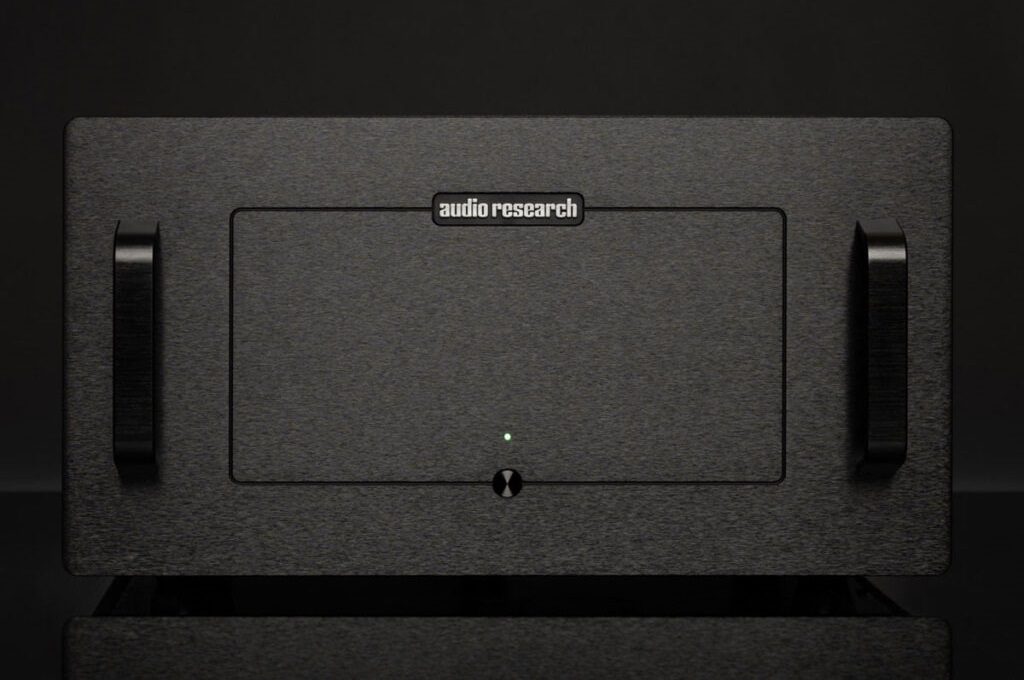
The D-80 draws on design principles associated with Audio Research’s Reference product line, with the closest similarities to the Reference 80S appearing in the power supply and output stage design. At the same time, the D-80 is built in a more economical enclosure, which helps position it below the company’s more expensive Reference-level offerings.
This market position is one of the amplifier’s more interesting aspects. It is not presented as a stripped-down casual product; it remains a balanced, KT150-based, U.S.-built tube power amplifier with automatic bias control and impedance-matching outputs. Yet its enclosure strategy appears to be part of how Audio Research offers a lower price than its Reference-series sibling.
For buyers who care more about circuit design, power supply implementation, tube complement, and system integration than about owning the most elaborate chassis in the range, that may be a rational compromise. The D-80 is still a premium amplifier at $15,000, but its appeal lies in bringing selected Reference-inspired engineering ideas into a comparatively less costly form within the Audio Research catalog.
Built in the USA with Individual Testing
Audio Research manufactures the D-80 entirely in the USA. Each unit undergoes multiple test cycles and is finally tested individually against the manufacturer’s reference system. This kind of production and validation process is especially relevant for tube amplification, where component matching, operating stability, and final quality control can influence the ownership experience.
The company’s stated goal is to ensure that the amplifier’s performance data is not merely achieved in theory, but consistently realized in practice. Without making any independent claim about measured performance, this documented process points to a product designed with repeatability in mind. For a prospective owner, that is meaningful because high-end audio components are expected to perform reliably over many years, not just impress on a specification sheet.
Individual testing also supports confidence in a relatively specialized product. A balanced tube power amplifier with matched KT150 tubes and automatic bias control is not a commodity device. The more complex and carefully tuned the design, the more important final verification becomes.
Conclusion
The Audio Research D-80 is best suited to listeners building a serious two-channel system around balanced preamplification and high-quality loudspeakers that can make good use of a 70-watt-per-channel tube amplifier. Its strongest documented qualities are its fully balanced differential architecture, KT150 output stage, automatic bias control, 4/8/16 ohm speaker outputs, Reference-inspired power supply and output-stage thinking, and U.S. manufacturing with individual testing. It will not be the right fit for systems that require RCA inputs, extensive user-adjustable modes, or very high solid-state-style output power. For the right owner, however, the D-80 offers a focused and practical route into contemporary Audio Research tube amplification, with an emphasis on stability, system matching, and reduced maintenance rather than feature overload.