
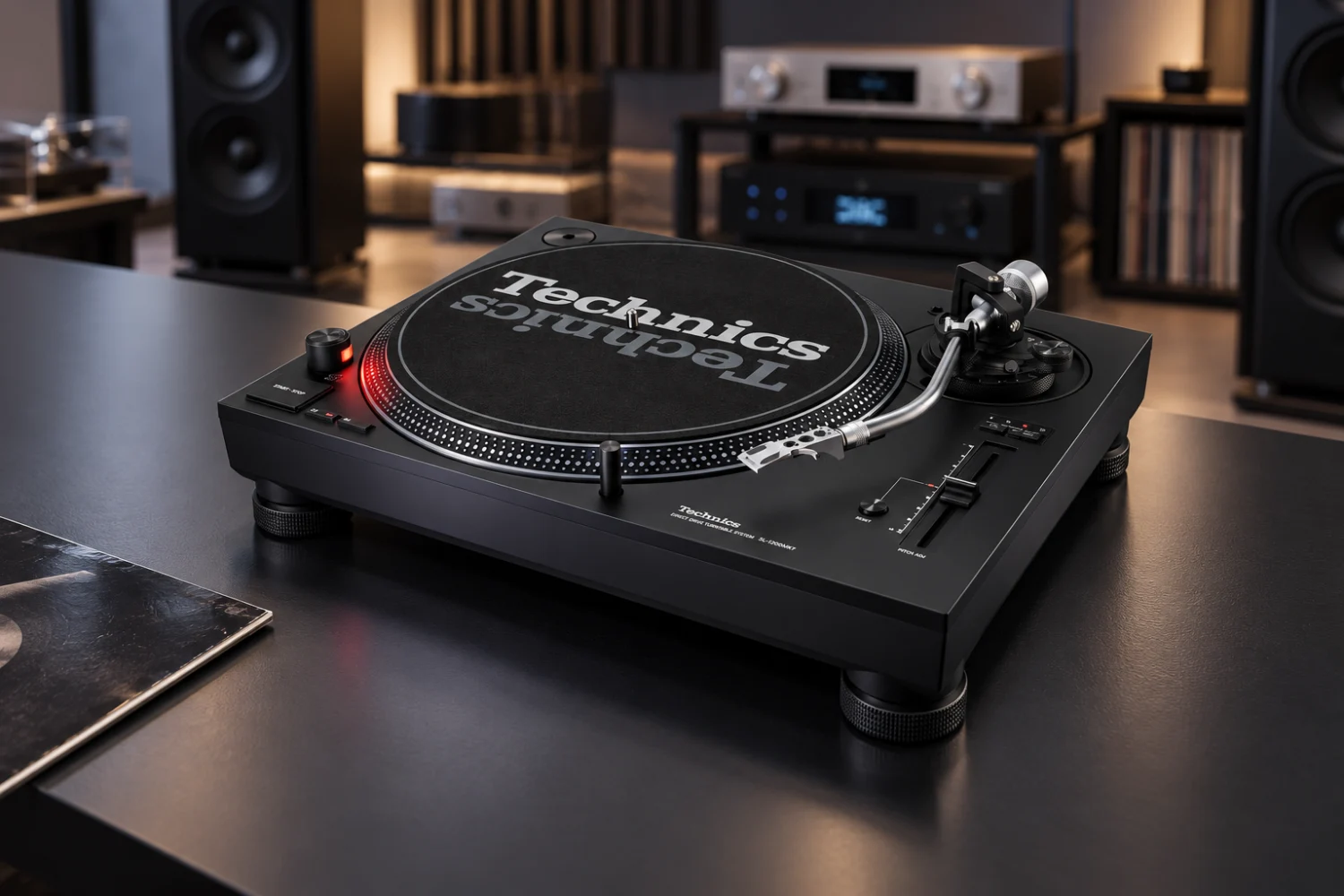
Technics is extending the SL-1200 family with a direct-drive turntable shaped around the less glamorous realities of professional DJ work: vibration, powerful sound systems, rapid control changes and the need for repeatable deck behavior. Positioned above the SL-1210MK7, the SL-1210MKX combines a heavier, lower-set chassis with redesigned isolation feet, four pitch ranges and user-adjustable torque and braking. Its familiar operating concept remains central, but the changes target situations in which small setup details can determine whether a turntable feels predictable in the booth. The SL-1210MKX is scheduled to become available in January 2027.
A heavier deck built to resist the room around it
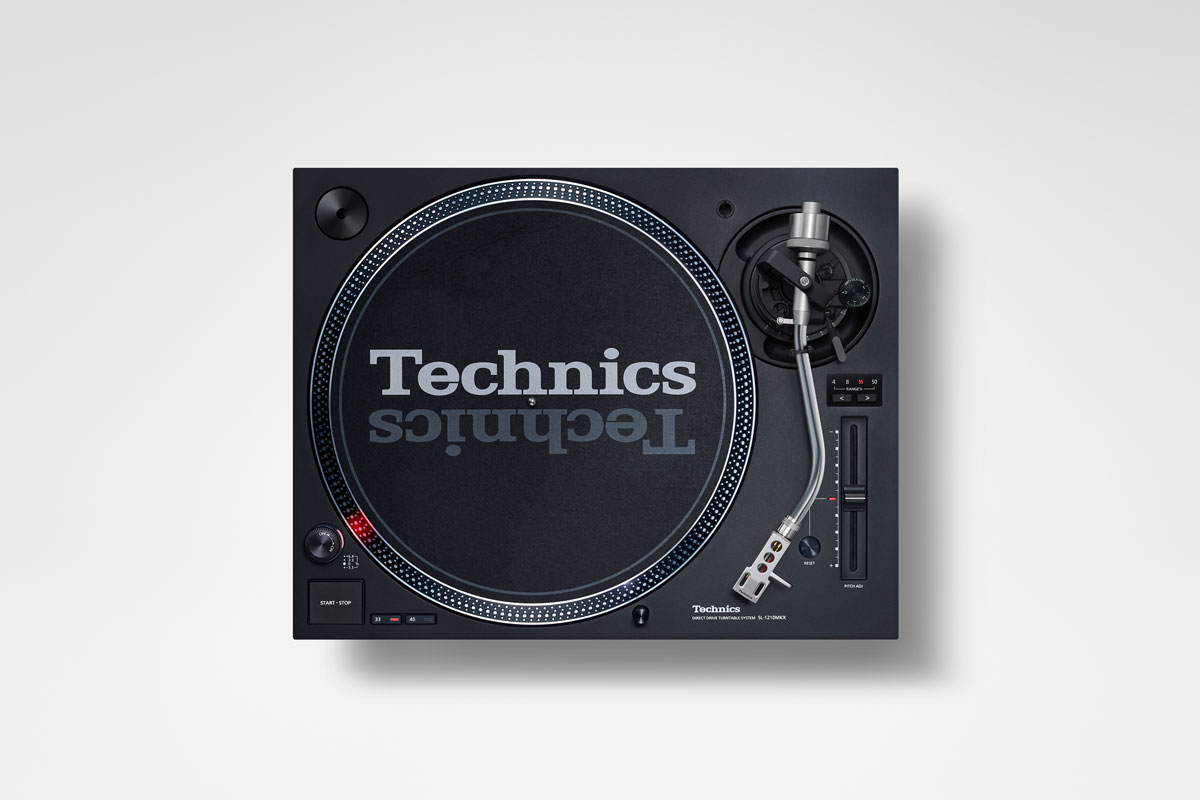
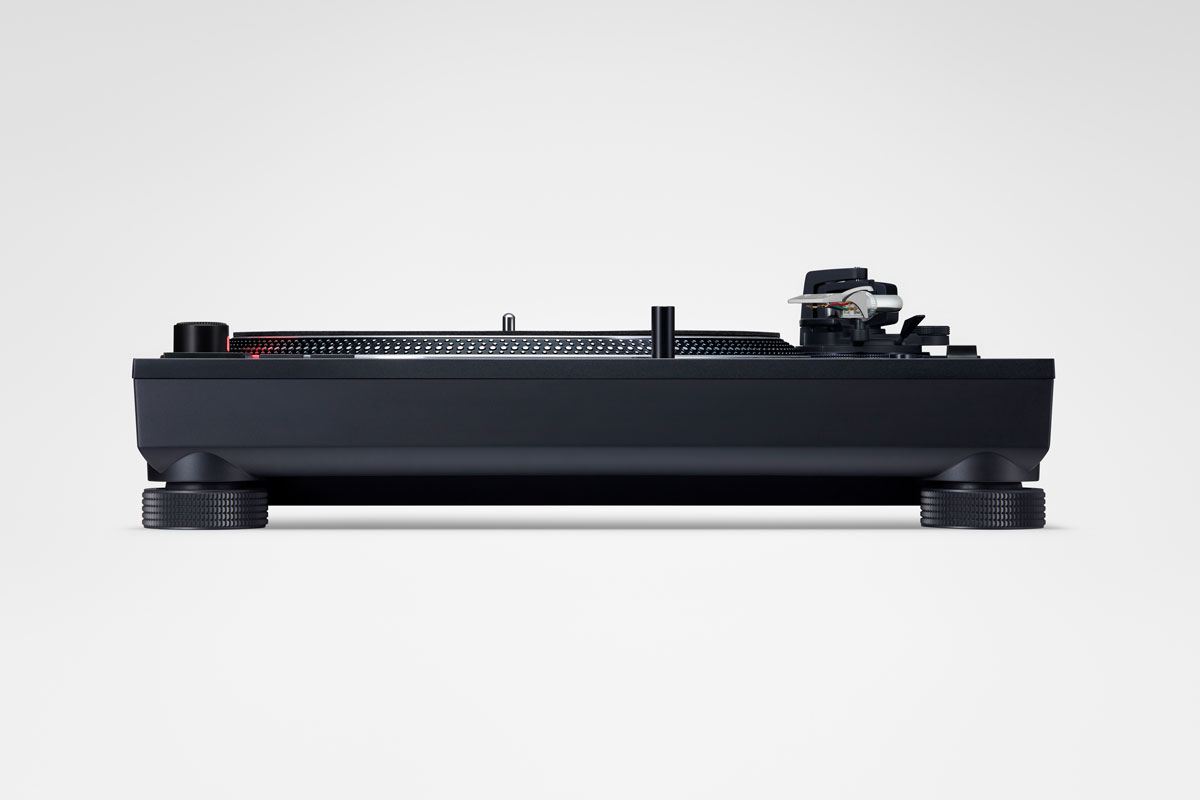
The most consequential revisions begin below the platter. Technics has reworked the cast chassis to provide greater mass, revised weight distribution and a lower center of gravity. Complete with its dust cover, the turntable weighs approximately 11.9 kg. That figure is relevant not simply as a construction detail, but because a DJ deck rarely operates in isolation from its surroundings.
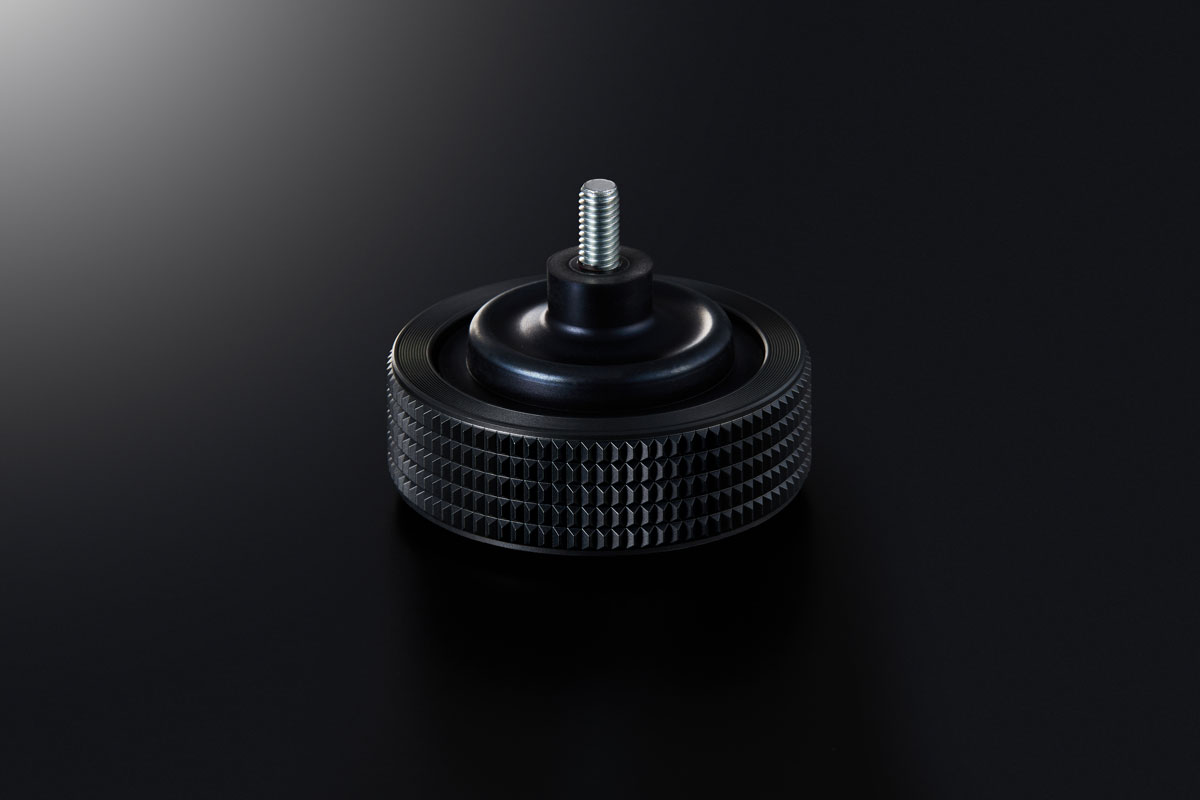
Club sound systems and stage monitoring can send energy through furniture, floors and the air. Once those vibrations reach the stylus and cartridge, feedback may become a practical operating problem. The SL-1210MKX is intended to improve resistance to that process by combining its heavier structure with newly developed isolation feet.
Those feet use a flatter rubber form and a hybrid rubber compound, balancing damping with the mechanical stability required when a record is being cued, held or manipulated. Greater mass may be less welcome to mobile DJs transporting two decks, but it reflects the SL-1210MKX’s priority: maintaining stable operation in demanding installed and performance environments.
Four pitch ranges split precision from performance effects
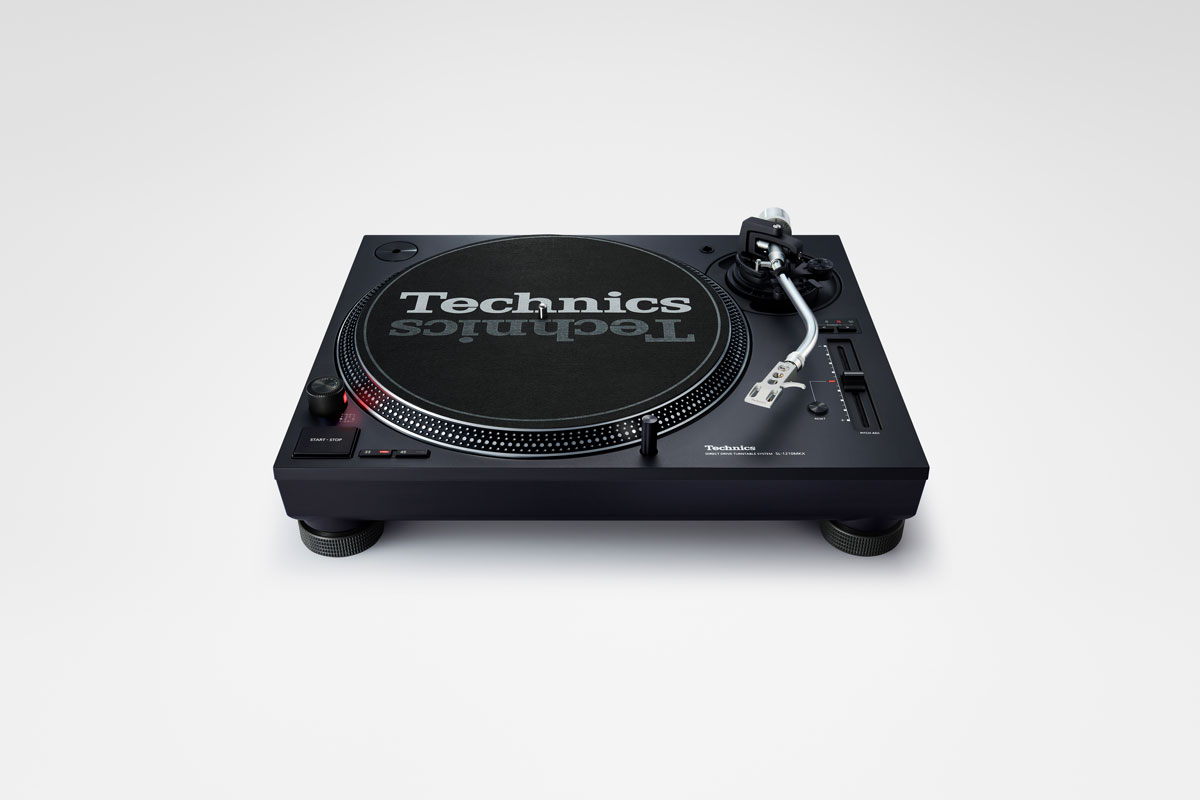
Pitch control receives a particularly useful expansion. The available ranges are ±4%, ±8%, ±16% and ±50%. The dedicated ±4% setting is a first for the SL-1200 Series and gives the pitch fader a narrower adjustment window for small tempo corrections. For conventional beatmatching, that should make fine changes easier to place when two tracks are already close in tempo.
The familiar ±8% and ±16% options cover broader adjustments, while the ±50% range is intended for much more pronounced speed variation and experimental performance techniques. Providing all four modes lets the deck serve two very different tasks: restrained tempo alignment and deliberate, large-scale manipulation.
A lock function prevents an accidental direct change between the ±4% and ±50% ranges. That protection matters because the two settings assign radically different behavior to the same physical control. In a busy booth, avoiding an unintended jump from the finest range to the widest one is more useful than adding another unguarded option.
Torque and braking can be matched to working habits
The SL-1210MKX retains a coreless direct-drive motor with precise speed control. Direct drive is integral to the model’s intended role because the platter is driven without the intermediate belt found in many domestic turntables, while the coreless motor architecture is carried forward as part of the established design.
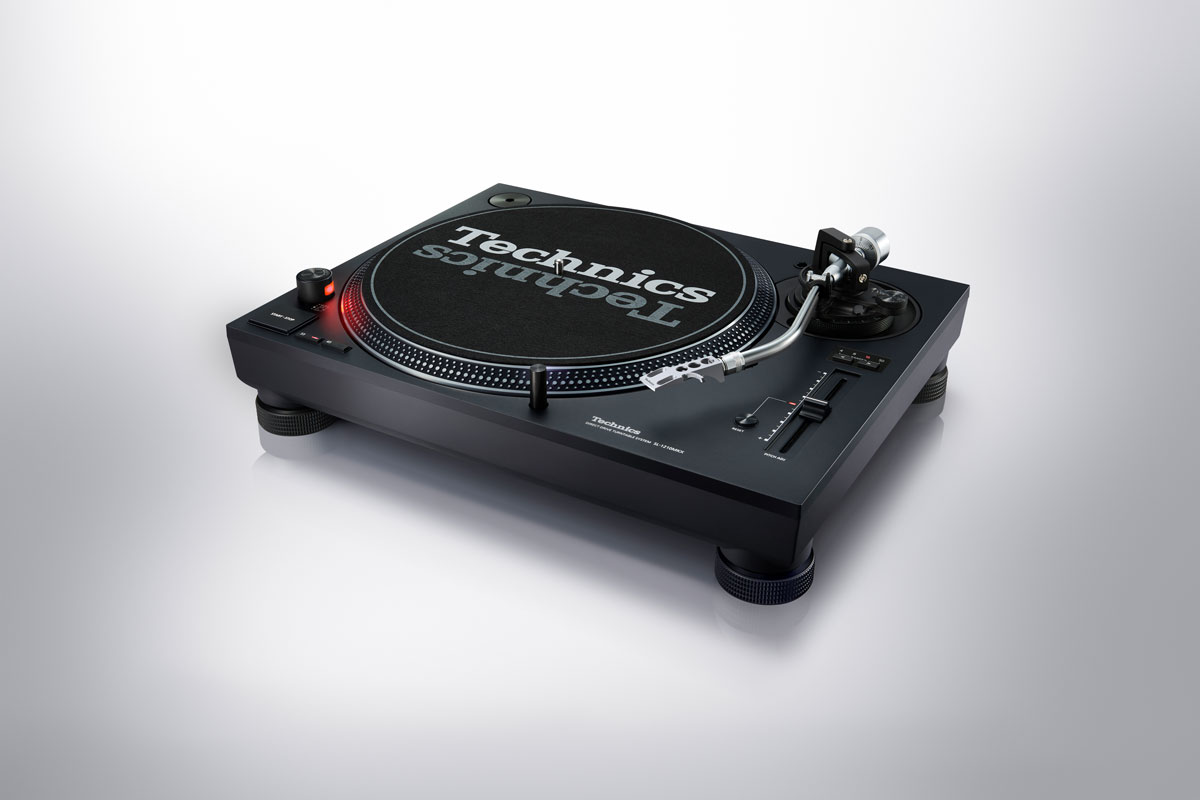
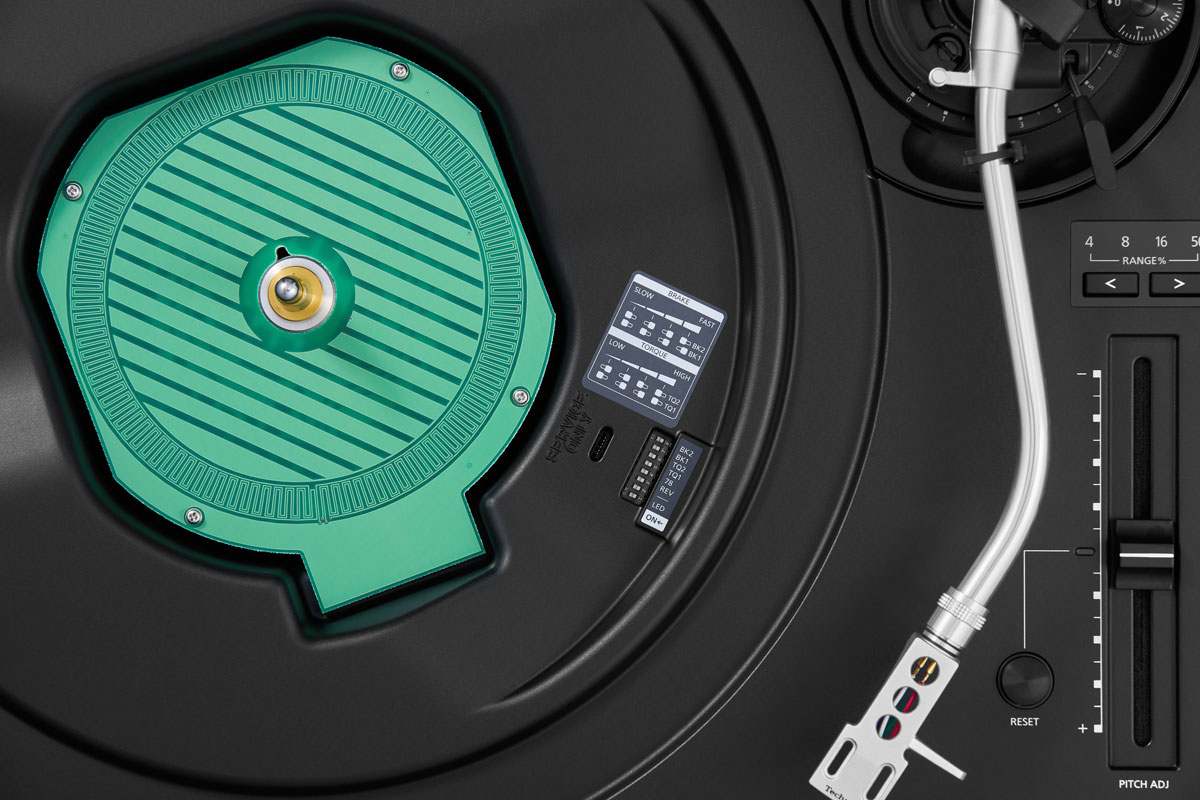
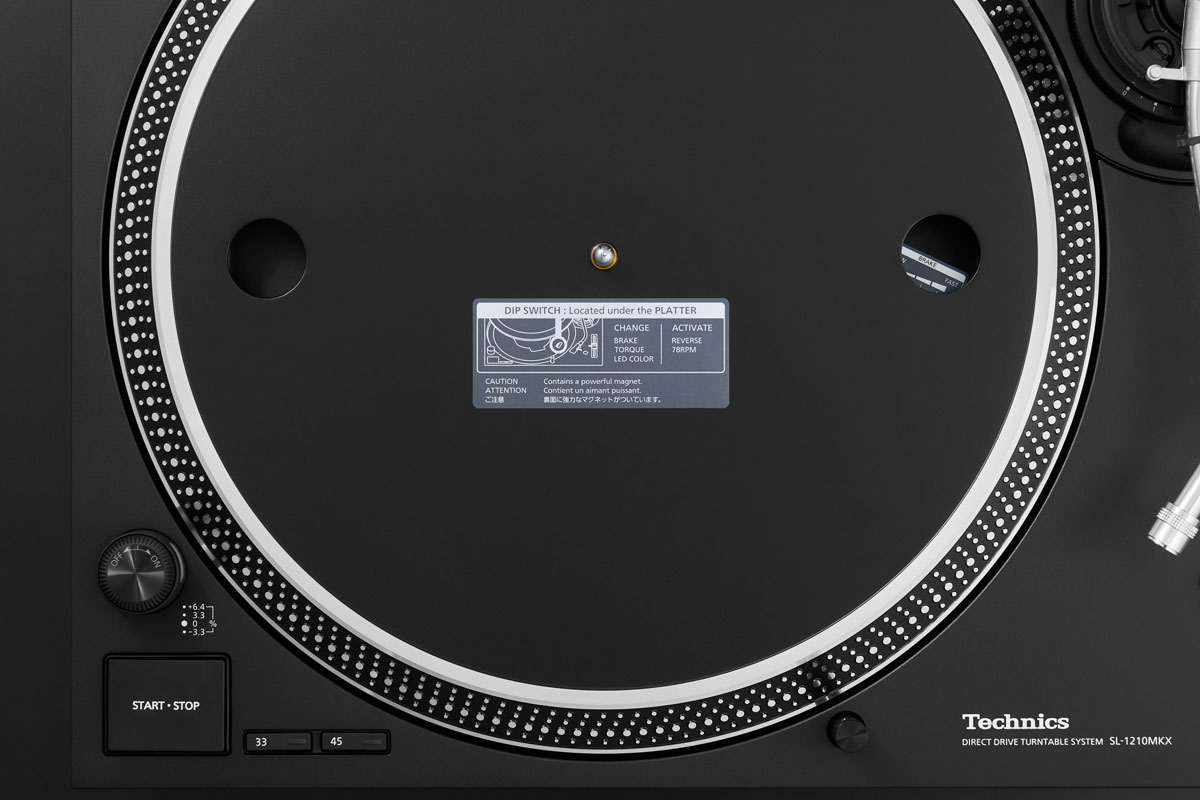
More important for day-to-day use, both torque and braking behavior can be adjusted individually. DJs differ in how quickly they want a platter to respond and how abruptly it should stop, particularly when moving between mixing, scratching and other performance styles. Adjustable behavior allows the deck to be configured around those preferences rather than imposing one fixed response.
This configurability also has implications for multi-deck setups. Matching the torque and brake settings across two SL-1210MKX units should help maintain consistent operation from one side of the mixer to the other. Technics has not presented the turntable as a complete break from the series’ established feel; the emphasis is on making that behavior more adaptable.
The tonearm keeps a familiar form with one targeted revision
An S-shaped tonearm continues the layout associated with the series, reducing the need for experienced SL-1200 users to relearn the basic working arrangement. Technics has, however, revised the headshell attachment. The supplied information does not detail cartridge pairing, so system matching will still depend on the cartridge and associated equipment chosen for a particular installation.
Retaining the recognizable arm and control philosophy is significant for a professional tool. DJs may encounter different decks at venues, share equipment or move between home practice and live performance. Familiar control placement can reduce disruption, while the revised mechanical elements address the environment in which those controls are used.
Technics developed the SL-1210MKX with input from professional DJs and audio engineers and tested it under realistic operating conditions. That development approach is consistent with the restrained nature of the updates: isolation, pitch resolution and configurable response are all features that affect repeated use rather than adding unrelated functions.
Where the SL-1210MKX sits in the Technics range
Rather than replacing the SL-1210MK7 in the announced lineup, the SL-1210MKX is positioned above it. Its role is therefore defined by tougher professional requirements, especially operation around high sound-pressure levels, substantial bass energy and performance techniques that rely on direct physical interaction with the record.
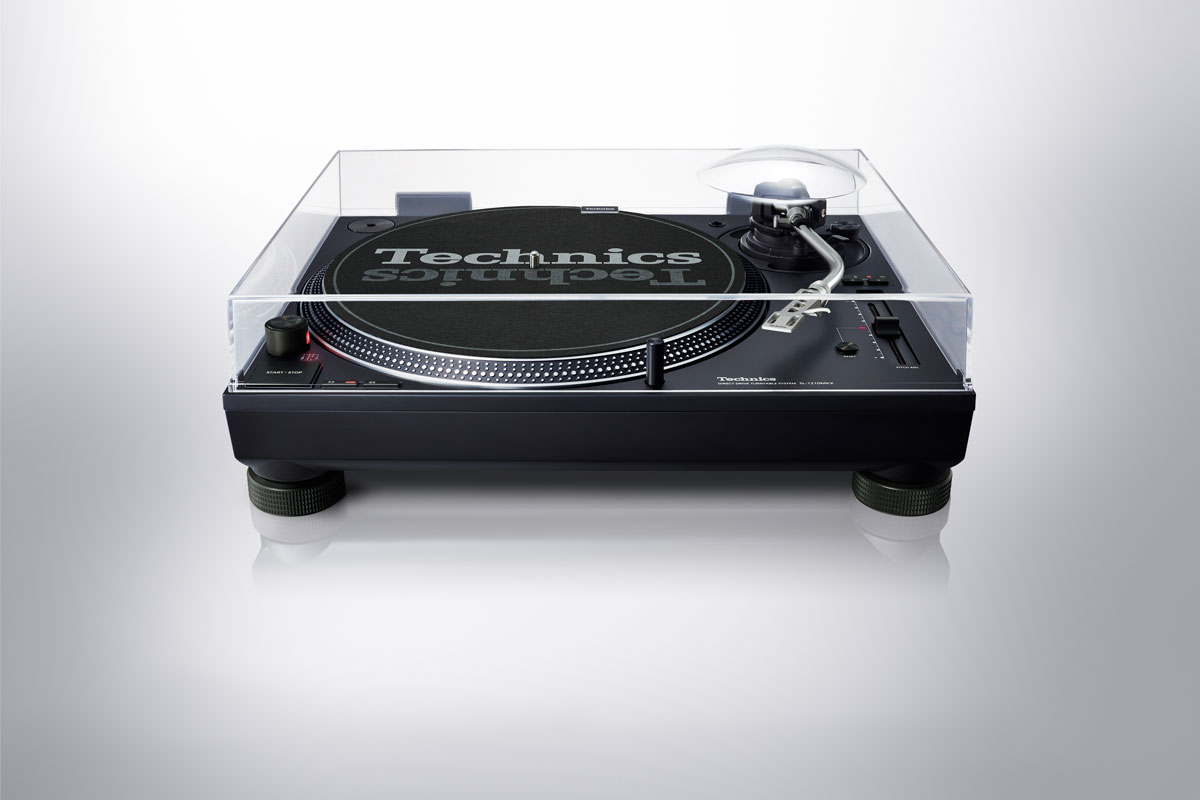
The distinction is clearest when the changes are considered together. The heavier chassis and hybrid-rubber feet address external vibration; the ±4% range concentrates pitch adjustment for close tempo matching; the ±50% mode expands creative speed control; and adjustable torque and braking let the user tune the deck’s response. None of these additions changes the fundamental job of the turntable, but each alters how it can be prepared for that job.
No USD price has been announced in the supplied information. Availability is planned for January 2027, making final regional distribution and complete package details points to watch closer to release.
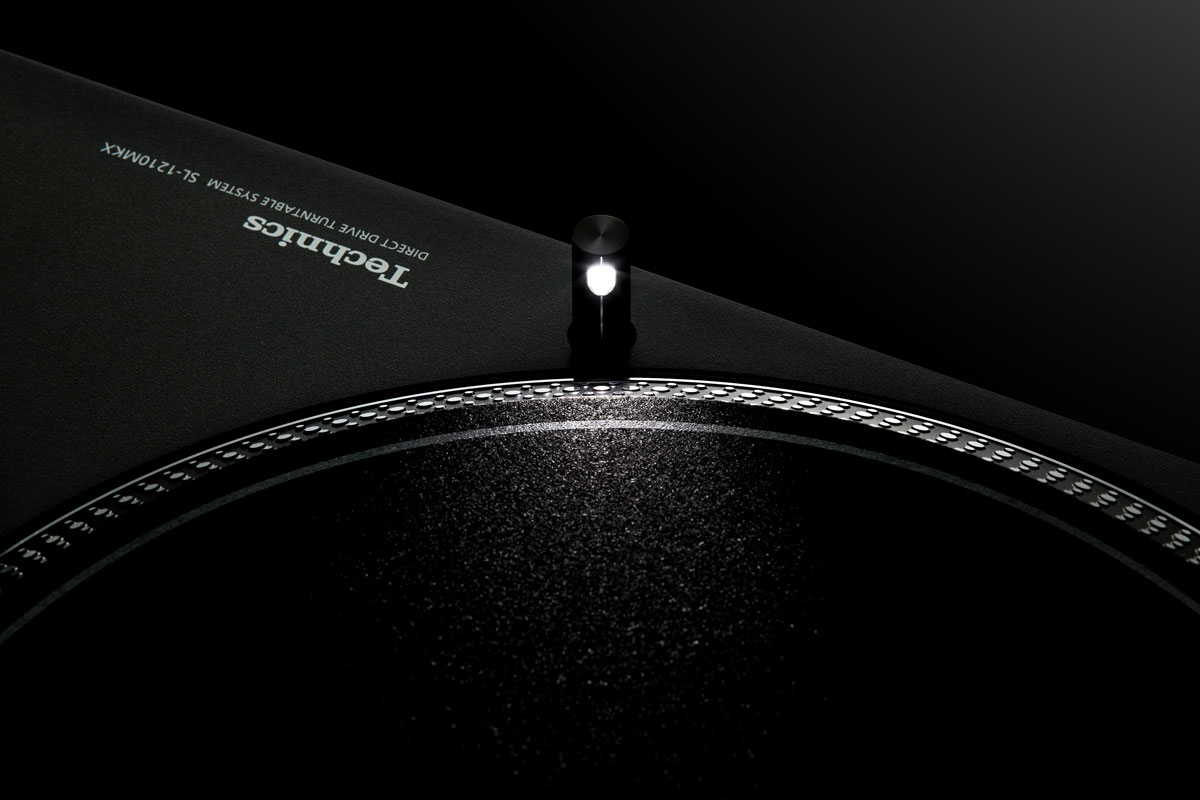
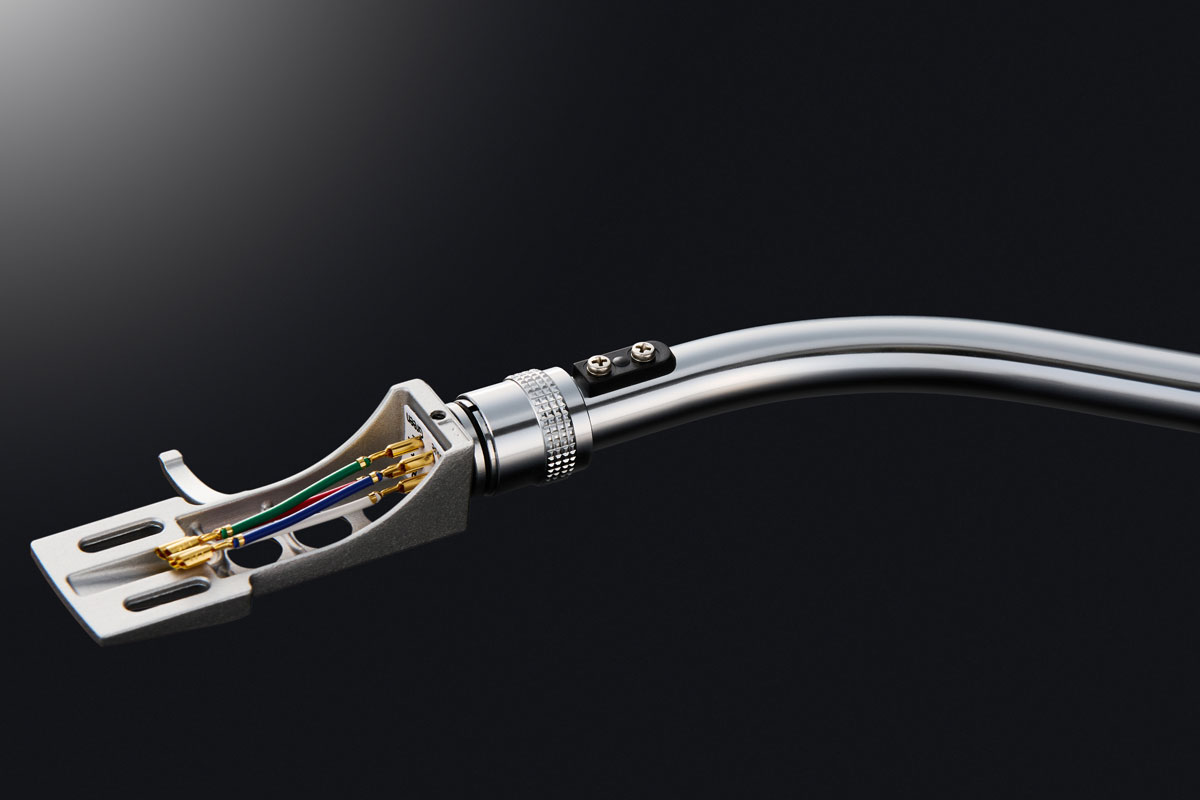
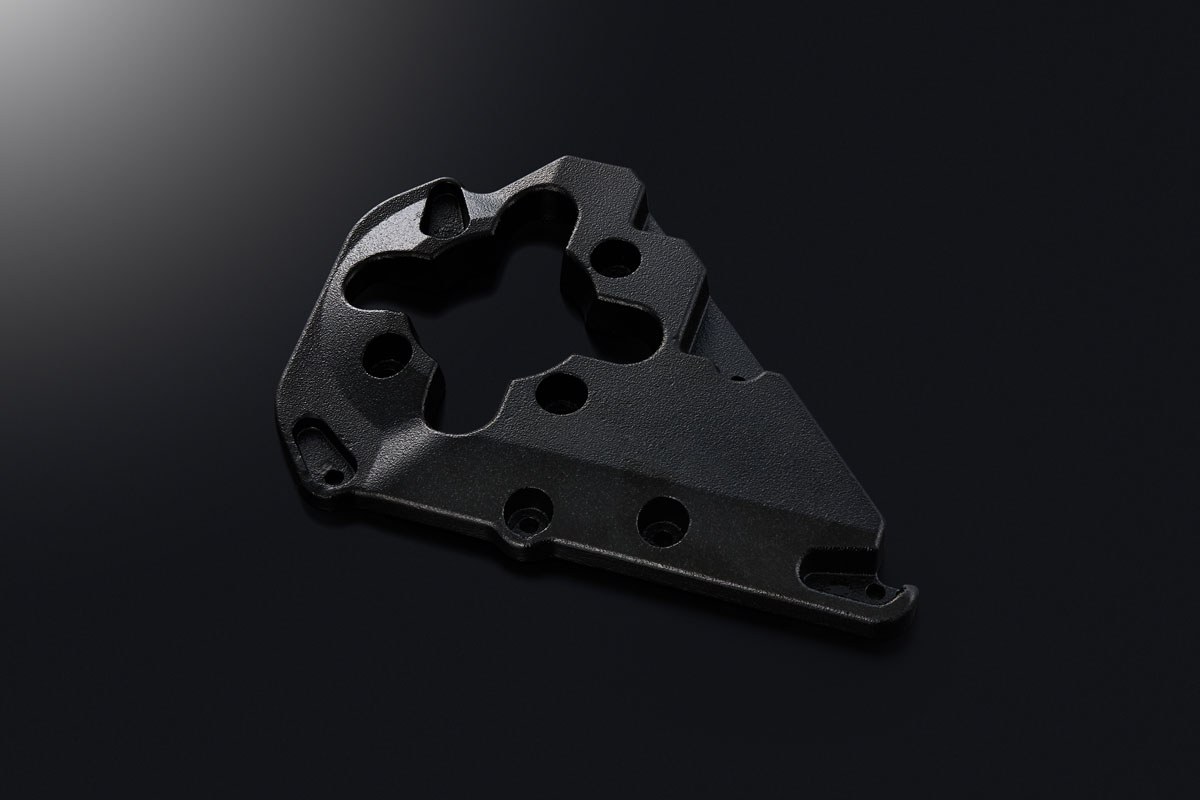
The SL-1210MKX appears aimed at DJs who already understand the SL-1200 operating language but want more control over how a deck behaves in a specific booth or performance setup. The finer ±4% pitch range may be the most immediately useful addition for traditional mixing, while the heavier chassis and revised feet address a problem that becomes obvious only when a turntable is placed near serious amplification. Adjustable torque and braking should also matter to users trying to keep a pair of decks consistent. Before January 2027, the remaining practical questions include regional availability, the full supplied package and a USD price. Those details will determine how readily the MKX fits into existing installations and whether its professional refinements justify moving above the SL-1210MK7.


Sound Off
0Join the discussion if you have something to add.