
Cayin has introduced the HA-1A Mk3, the third generation of its compact Class A tube headphone amplifier. Designed for desktop audio systems, the new model is the smallest component in the company’s HA amplifier range and combines a fully tube-based circuit with specially developed transformers.
A compact addition to Cayin’s HA range
The HA-1A Mk3 updates Cayin’s established headphone amplifier concept for listeners who want a tube design that can fit more easily into a personal audio setup. Its smaller format distinguishes it within the company’s HA family, where it is positioned as the most compact model.
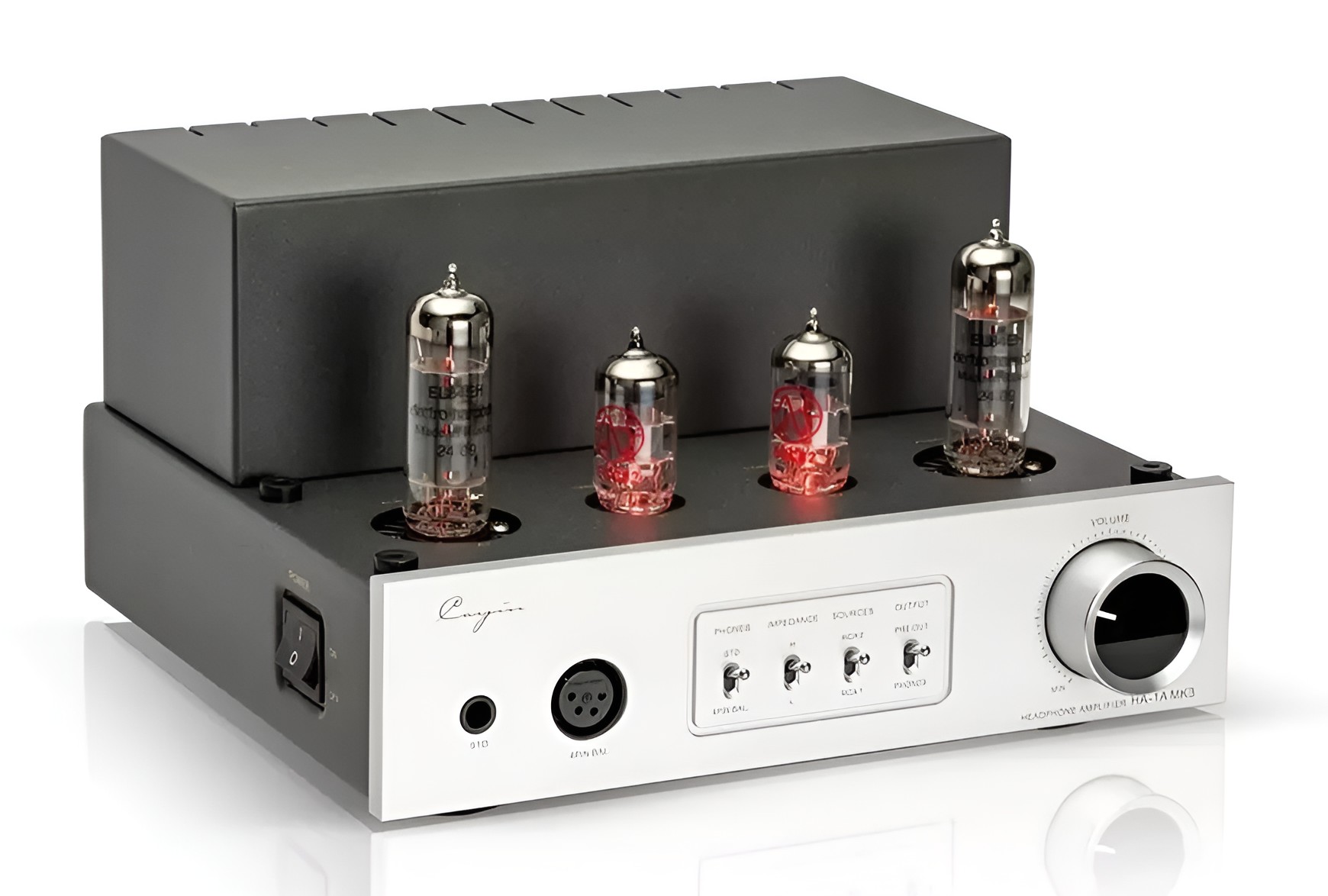
That desktop focus is central to the new amplifier. Cayin says the design is intended to integrate simply into modern personal audio systems while retaining the traditional tube architecture associated with its headphone amplifiers. The company has not replaced the valve-based signal path with a hybrid arrangement simply to reduce the enclosure size; the HA-1A Mk3 remains a fully tube-amplified product.
Class A operation with EL84 output tubes
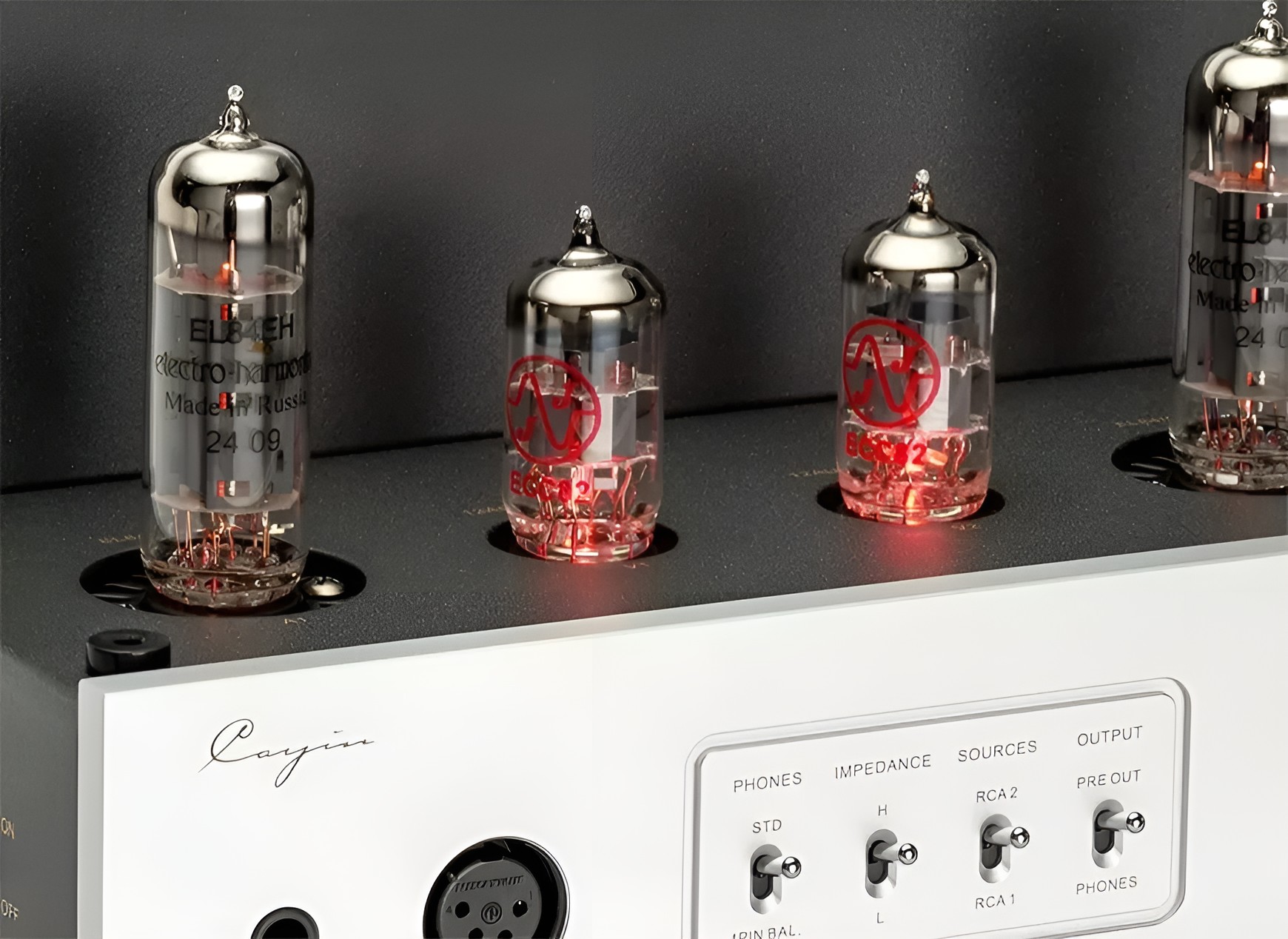
Inside, the HA-1A Mk3 uses four tubes in total. The circuit is built around two JJ 12AU7/ECC82 valves and two Electro-Harmonix EL84EH/6BQ5 valves. This configuration gives the new model a clearly defined tube complement while preserving the all-valve approach highlighted by Cayin.
The amplifier operates in Class A, continuing the technical direction stated for the HA-1A line. Cayin has not provided additional performance figures in the supplied announcement, so details such as power output, supported headphone impedance ranges and measured distortion remain unspecified.
Custom transformers remain part of the design
Cayin has also equipped the HA-1A Mk3 with transformers developed specifically for the amplifier. Together with the fully tube-based amplification circuit, these components form the core of the model’s internal architecture.
The emphasis on purpose-designed transformers suggests that the smaller chassis was treated as more than a cosmetic update. However, Cayin has not disclosed further information about transformer construction, winding materials or the internal layout, and no additional claims about sonic performance have been announced.

Built for personal listening systems
Rather than presenting the HA-1A Mk3 as a large, full-width component, Cayin is targeting desktop headphone installations and other compact personal listening environments. The combination of reduced dimensions, Class A operation and a four-tube circuit is intended to make the company’s traditional amplifier design easier to place in a contemporary system.
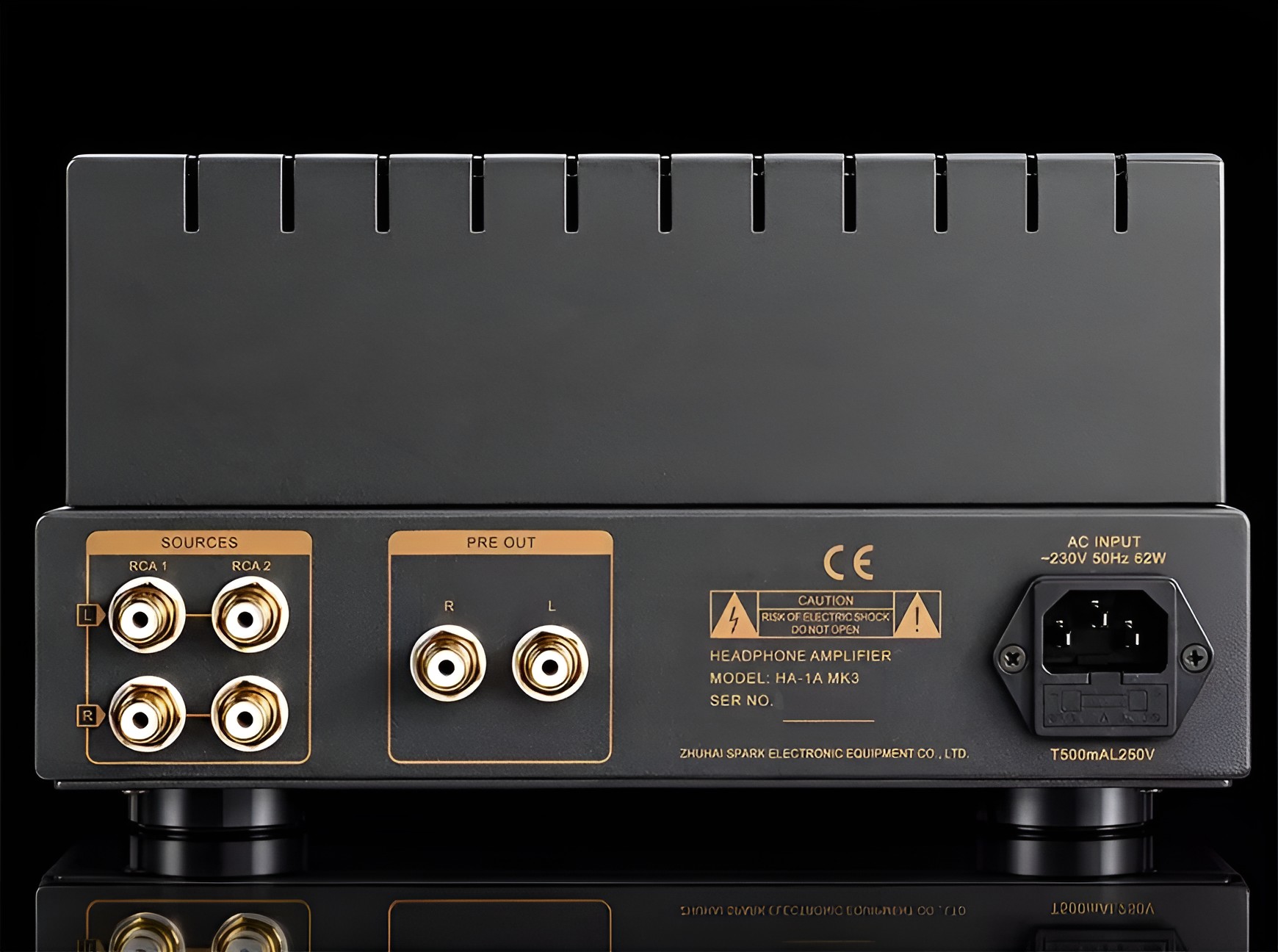
Connectivity, finish options, dimensions and included accessories were not detailed in the supplied product information. Pricing and availability have also not been specified.
The HA-1A Mk3 extends Cayin’s tube headphone amplifier range with its smallest HA-series model to date. Its Class A operation, four-valve configuration and custom-developed transformers give desktop listeners a compact route into the company’s fully tube-based amplifier architecture.