Eversolo DMP-A8: A Network Player, DAC and Preamp Built for Modern Systems
The Eversolo DMP-A8 is designed as more than a network streamer. With DAC, preamplifier, local storage, DSP and wide digital connectivity, it is positioned as a flexible control center for contemporary hi-fi systems.
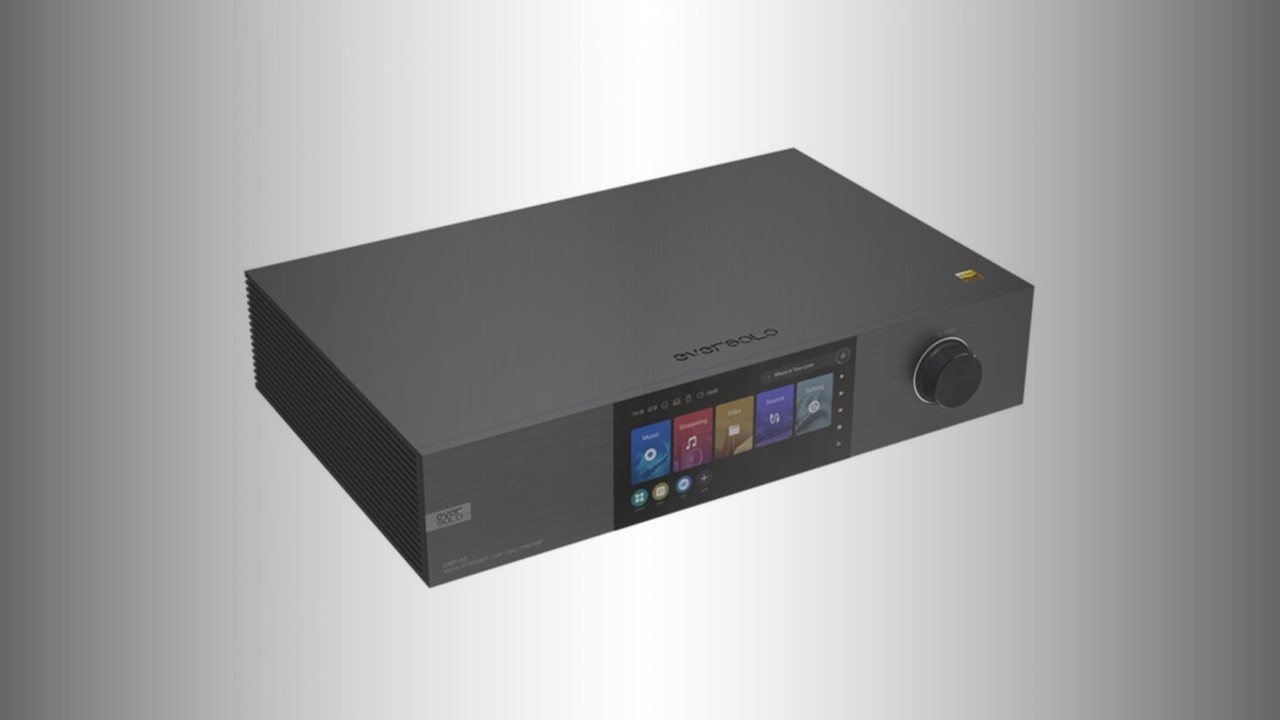
The Eversolo DMP-A8 is aimed at listeners who want a single component to handle a large share of today’s digital audio chain. It combines network streaming, local file playback, DAC functionality, preamplifier duties, Bluetooth reception, app control and internal storage expansion in one full-width chassis. That combination is significant because many modern systems are assembled around multiple digital sources: streaming services, NAS libraries, USB audio from a computer, local high-resolution files and sometimes a television or phone. The DMP-A8’s appeal lies in how many of those roles it is designed to cover without forcing the owner into one playback method.
A central role rather than a single-purpose streamer
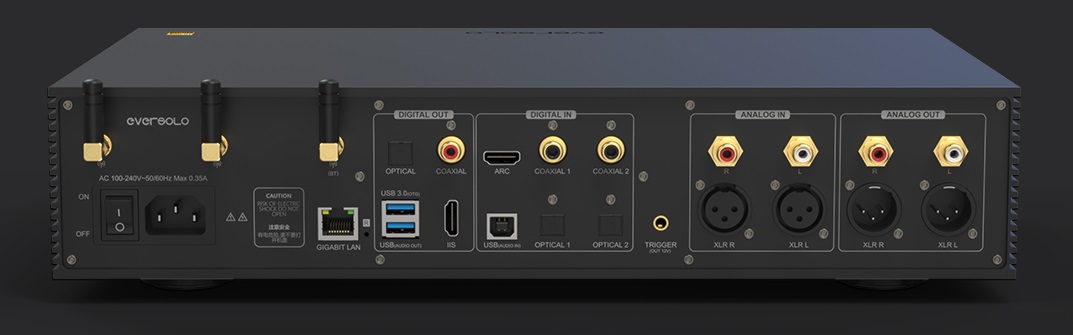
The DMP-A8 is best understood as a digital hub with analog control capabilities. It can operate as a network player feeding another DAC through I2S HDMI, USB, optical or coaxial outputs. It can also serve as the DAC itself, accepting digital sources through two coaxial inputs, two optical inputs and USB-B for connection to a computer or compatible mobile device. In another system layout, it can act as a preamplifier, with balanced XLR and single-ended RCA analog inputs, plus balanced XLR and RCA analog outputs for direct connection to active loudspeakers or a power amplifier.
That flexibility matters because system needs often change over time. A listener might initially use the DMP-A8 as a streamer into an existing DAC, then later simplify the rack by using its internal DAC and analog outputs. Another owner might value its preamp functions in a compact system where reducing box count is important. The inclusion of a trigger output also supports neater integration with amplifiers or powered components that can be switched on as part of an automatic power-up sequence.
EOS processing and broad high-resolution file support
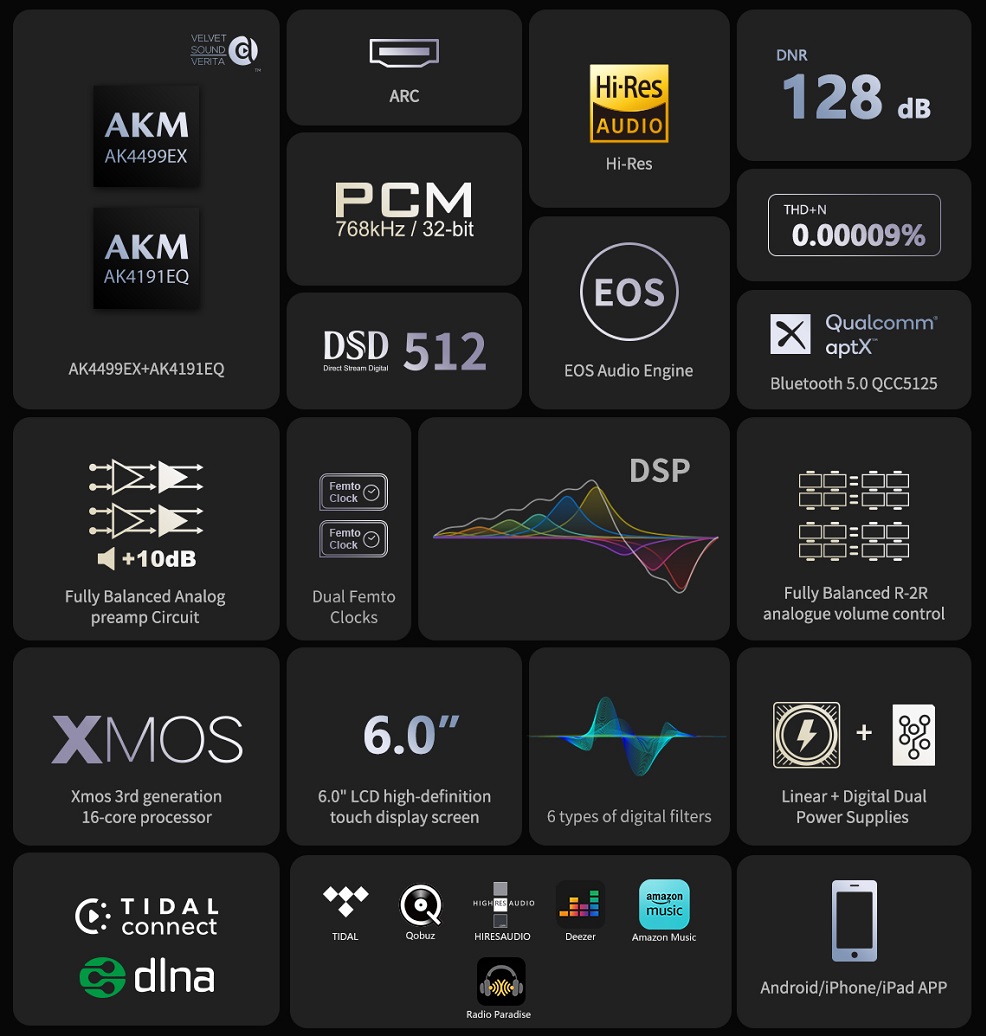
A key part of the DMP-A8’s digital platform is Eversolo’s EOS, or Eversolo Original Sampling-rate Audio Engine. Its purpose is to allow audio output at the original sampling rate and bypass the sample-rate conversion limitation associated with Android. For users who run third-party music applications, that is a practical design choice: it is intended to preserve the file’s native parameters rather than forcing everything through a fixed system rate.
The player supports a wide range of file formats, including FLAC, WAV and APE for PCM music libraries, as well as DSD512 in .dsf, .dff, .iso and .dst forms. It also supports stereo and multichannel streams. Over USB and I2S, the specified ceiling is PCM up to 32-bit/768 kHz and DSD up to DSD512; optical and coaxial support PCM up to 24-bit/192 kHz and DSD DoP64, while HDMI ARC supports PCM up to 24-bit/192 kHz. These figures give the DMP-A8 plenty of compatibility headroom for users with large high-resolution libraries, without making them dependent on one input type for every source.
DAC architecture, USB interface and digital filtering
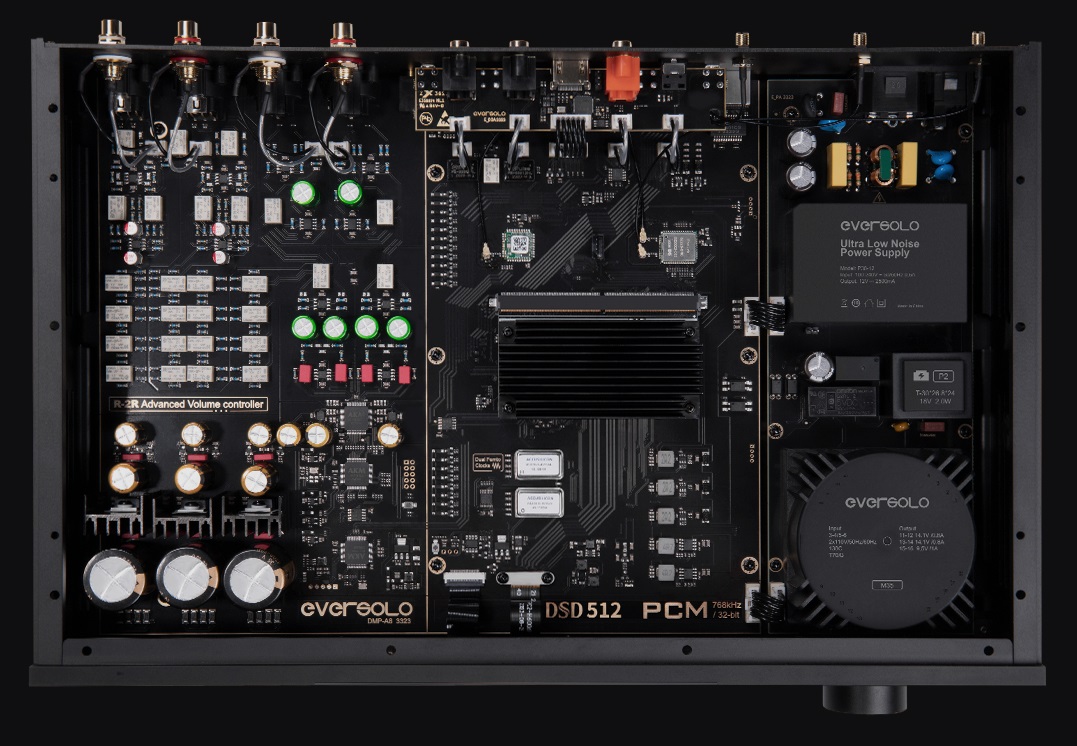
Inside, the DMP-A8 uses an AK4191EQ and AK4499EX DAC arrangement, supported by an XMOS XU316 USB interface. The third-generation XMOS platform is specified for high throughput and lossless transmission of high-resolution streams, which is particularly relevant for owners using a computer, server or USB-based source. The unit is also listed with OPA1612 operational amplifiers and separate low-noise linear and digital power supplies, indicating that Eversolo has separated analog and digital requirements in the internal design.
The DAC section includes six digital filter modes. These are not a substitute for loudspeaker placement or room treatment, but they do offer a degree of user choice in how the conversion stage behaves. The DMP-A8 also includes a DSP processor with volume control, parametric EQ, FIR filters, high-pass and low-pass filtering, bass boost, compressor functions and delay control. For many prospective owners, the value of this is not novelty; it is the ability to adapt a system. Filtering can be useful with subwoofers, active speakers, room-related adjustments or specific integration requirements, provided the user understands how to apply it carefully.
Streaming platforms, network libraries and local storage
The DMP-A8 supports direct access to major services including Tidal, Qobuz, Deezer, Amazon Music, Apple Music, HighResAudio and Paradise Radio. It also supports Tidal Connect and network playback protocols including DLNA, UPnP, AirPlay, WebDAV, NFS and SMB v1/v2/v3. In practical terms, this means it can pull music from online services, receive music from supported apps over the local network, and browse libraries stored on a NAS or other network device.
Local storage is another notable part of the design. The chassis includes an accessible M.2 NVMe SSD slot on the underside, allowing installation of an SSD without fully opening the unit. Eversolo specifies support for SSDs up to 4TB, with the drive sold separately. This can be attractive for listeners who want a quiet, self-contained music library without relying on a computer or an external USB drive. NVMe storage also keeps the solution compact and mechanically unobtrusive.
Display, app control and day-to-day usability
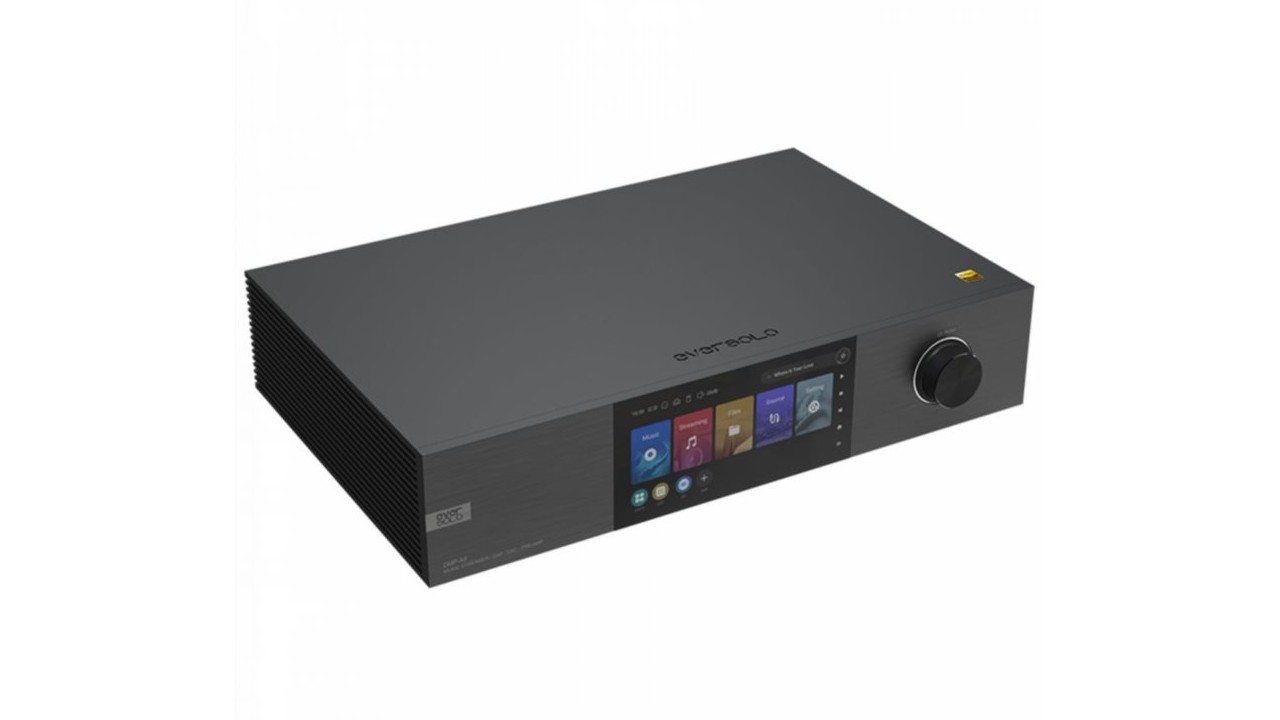
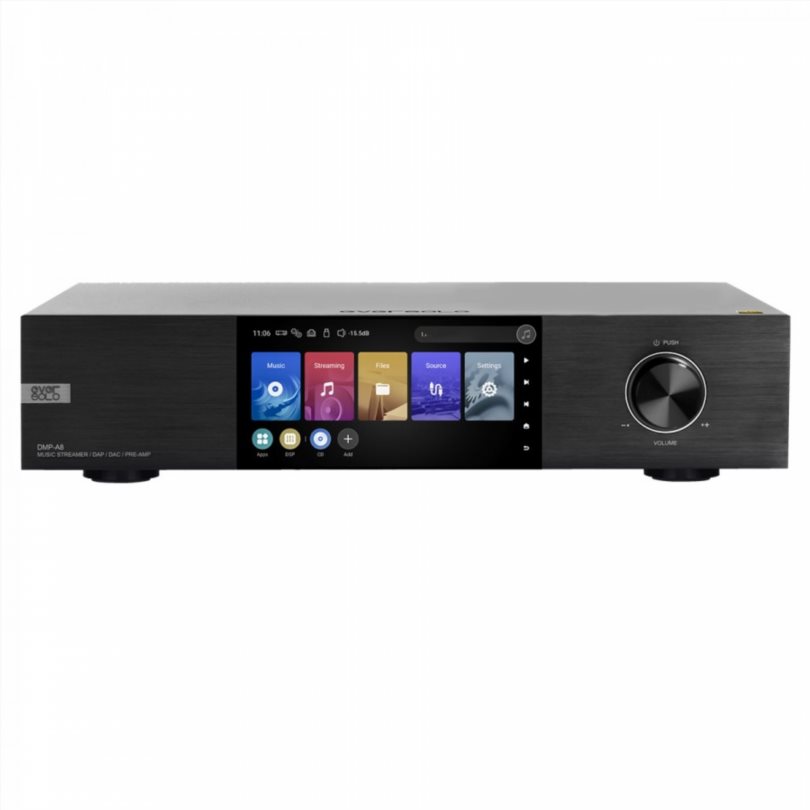
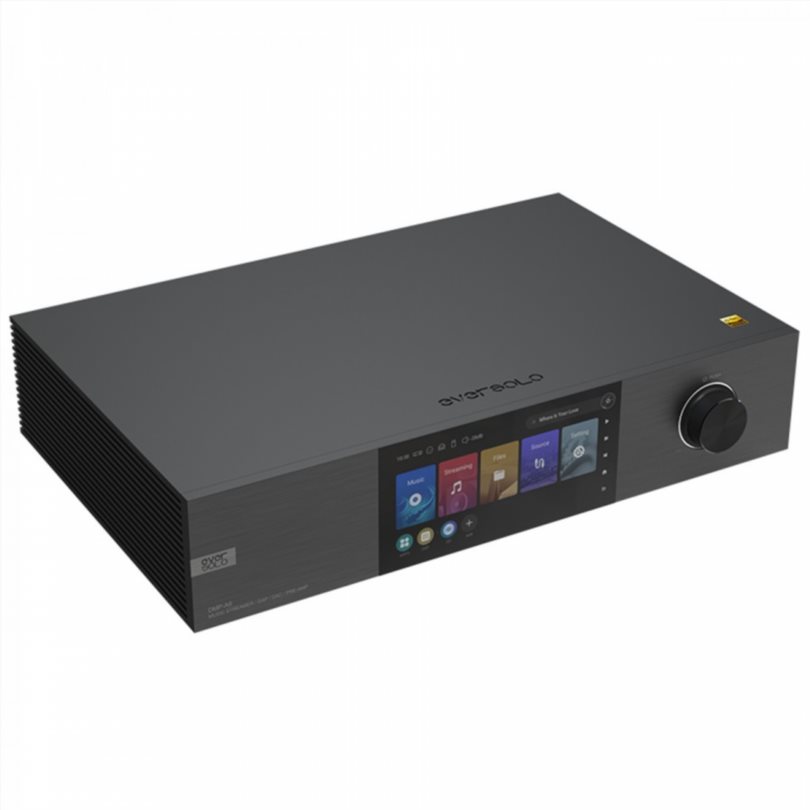
The front panel is built around a 6-inch Full HD LCD touchscreen. For a component with this many functions, the interface is more than a cosmetic feature: it provides local access to music browsing, settings and playback control without always requiring a phone or tablet. The DMP-A8 also offers visual display modes with meters and audio spectra, which may appeal to users who like a more informative front-panel experience.
Remote operation is equally important. Eversolo provides a dedicated mobile control app for Android and iOS, offering playback management, access to local system settings, asynchronous library access, system menus and streaming-service control through the app interface. The package also includes an infrared and Bluetooth remote control. Wake on LAN is supported when the unit is connected to a wired network, enabling remote power control over the network. Together, these features make the DMP-A8 suitable for both hands-on operation at the rack and more relaxed control from the listening position.
Connectivity for mixed digital and analog systems
The connection panel reflects the DMP-A8’s role as a bridge between old and new sources. Network access is available through gigabit Ethernet, while wireless connectivity includes dual-band 2.4 GHz and 5 GHz Wi-Fi. Bluetooth 5.0 is included for quick wireless source connection, with codec support listed for SBC, AAC, aptX, aptX HD, aptX LL and LDAC. Bluetooth is not always the main path in a serious hi-fi setup, but it is useful for guests, casual listening or quick playback from a phone.
The HDMI ARC input gives the DMP-A8 a route into television-based systems, while I2S HDMI output will interest users with compatible external DACs. USB-A 3.0 outputs, coaxial and optical digital outputs broaden integration options further. On the analog side, balanced XLR and RCA outputs make the unit compatible with a wide range of amplifiers and active speakers. The specified RCA output level is 2.1 Vrms, while the XLR output level is 4.2 Vrms, matching common expectations for single-ended and balanced line-level operation.
Chassis design and system placement
The DMP-A8 uses a CNC-machined chassis made from aircraft-grade aluminum, with a matte front panel and anodized body. Beyond appearance, a rigid metal chassis can help a component feel stable in a rack and provide a more substantial physical platform for connectors, the touchscreen and internal boards. Its dimensions are 388 x 248 x 90 mm, so it is wider than many compact streamers but still more manageable than a traditional full-depth hi-fi component.
The black finish and modern display-forward design make it visually suited to contemporary systems, particularly those where the source component is meant to remain visible rather than hidden. The bottom-access SSD bay is a particularly practical design decision, because storage expansion is often something an owner may revisit after purchase as a library grows.
Conclusion
The Eversolo DMP-A8 is most suitable for listeners building a modern digital-first hi-fi system who want one component to handle streaming, file playback, DAC conversion, preamp duties and flexible control. It will make the most sense for owners with high-resolution libraries, NAS storage, multiple digital sources, active speakers or a power amplifier that can benefit from balanced or RCA line outputs. It may be less necessary for someone who only needs a simple streamer into an existing integrated amplifier and has no interest in DSP, local SSD storage or broad input/output routing. Its strongest documented qualities are its wide format and service support, EOS sampling-rate handling, extensive connectivity, internal storage expansion, DSP tools, large touchscreen and app-based control. For the right system, the DMP-A8 is designed to serve as a capable and adaptable centerpiece rather than just another source component.