KZ XTRA TWS Earbuds: A Feature-Rich Wireless Design Built Around Qualcomm Bluetooth
The KZ XTRA is a true wireless earbud built around Qualcomm’s QCC3091 platform, combining Bluetooth 5.4, active noise cancellation, aptX, AAC, Snapdragon Sound support, a 10mm dynamic driver and a stated total runtime of around 32 hours.
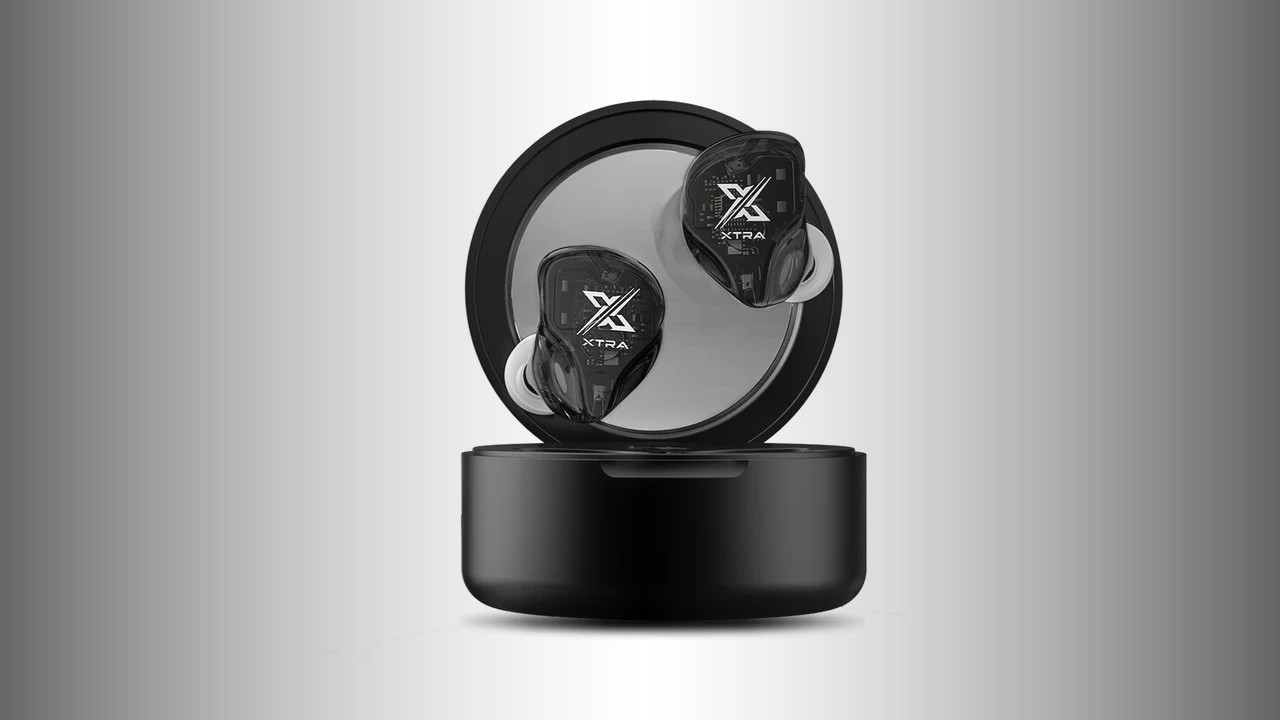
The KZ XTRA is presented as a true wireless earbud for listeners who want more than basic Bluetooth convenience. Its appeal lies in how much of the product is built around a modern wireless audio platform: Qualcomm’s QCC3091 chip, Bluetooth 5.4, aptX transmission, AAC decoding, Snapdragon Sound support, active noise cancellation, low-latency operation and call-noise processing are all part of the documented package. Rather than relying on a single headline feature, the XTRA is notable for combining wireless audio, mobility, battery life and everyday usability features in a compact TWS format.
### A Qualcomm-based wireless foundation
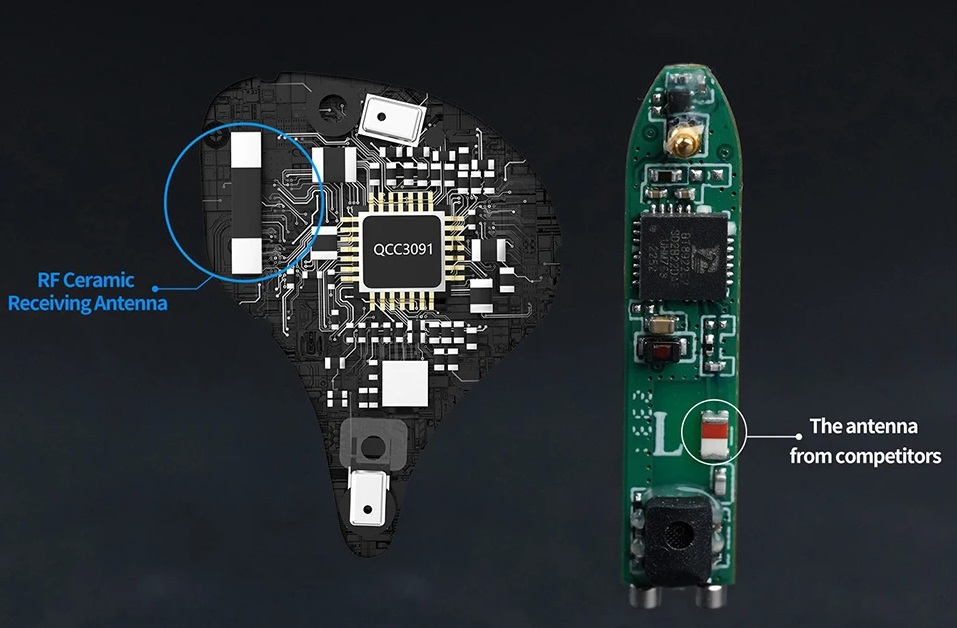
At the center of the KZ XTRA is Qualcomm’s QCC3091 Bluetooth chip. For a true wireless earbud, the choice of chipset matters because it influences several practical aspects of ownership: connection behavior, codec support, latency, power use and signal processing. KZ also specifies an optimized PCB layout, which is relevant because the physical implementation of a wireless audio circuit can affect efficiency and stability, not just the feature list printed on a box.
The XTRA supports Bluetooth 5.4, the latest Bluetooth version listed in the product information. For prospective owners, this matters because wireless earbuds are often used in environments filled with competing radio signals: commuting, offices, gyms and homes with multiple connected devices. Bluetooth 5.4 support gives the XTRA a contemporary connectivity base, while the stated wireless range of approximately 15 meters provides useful flexibility for everyday movement around a room, desk or workspace.
KZ specifies a signal-to-noise ratio of up to 120 dB for the QCC3091-based platform. While that figure should not be treated as a listening impression, it does indicate that the product is designed with low noise performance in mind. In wireless earbuds, minimizing background noise from the electronics can be particularly important because the listener is often close to small amplification and processing circuits housed inside the earpiece.
### Codec support for modern phones and sources
The XTRA’s codec support is one of its more attractive documented strengths. The earbuds support Qualcomm aptX, which offers higher bandwidth than the basic SBC Bluetooth codec. For Android users with compatible devices, aptX support can be a meaningful advantage because it gives the earbud a more capable transmission path than the most basic Bluetooth profile.
AAC support is also included, which is important for broad compatibility across many phones, tablets and laptops. AAC remains a common codec in the portable audio world, and its presence makes the XTRA more flexible across different ecosystems. A prospective owner does not have to rely on a single codec path; the earbuds offer several established wireless audio options depending on the source device.
The XTRA is also listed with Snapdragon Sound support, including 24-bit/48 kHz lossless music streaming when paired with compatible equipment. This point is especially relevant for users who already own Snapdragon Sound-capable phones or are building a mobile audio setup around compatible Qualcomm features. As always with platform features, the benefit depends on the source device supporting the same standard, but the inclusion gives the XTRA a more forward-looking wireless specification than many basic TWS models.
### Noise cancellation for listening and calls
KZ specifies Triple Mic Hybrid Noise Canceling Technology with active noise cancellation depth of approximately 55 dB. For a true wireless earbud, ANC is not just a convenience feature; it can change where and how the product is useful. Reducing external noise can make listening more comfortable on public transport, in shared workspaces or while walking near traffic, and it may allow lower listening levels in noisy environments.
The use of multiple microphones is also relevant because ANC performance depends heavily on how external sound is captured and processed. A triple-microphone arrangement gives the system more information to work with than a minimal design, supporting both environmental noise reduction and voice pickup functions.
For calls, the XTRA includes CVC noise reduction. This is separate from music-focused ANC and is aimed at improving voice clarity by reducing background noise during conversations. For users who take calls on the move, participate in video meetings from a laptop, or use earbuds for in-game communication, this call-processing feature may be as important as the music playback specification.

### Low-latency operation for video and gaming
Latency is one of the most practical differences between ordinary Bluetooth earbuds and models designed for broader media use. KZ specifies an ultra-low latency figure of 55 ms for the XTRA. The company describes this as latency measured across the full signal chain from the mobile device through reception, decoding and output to the earbuds.
For prospective owners, the point is straightforward: lower latency can help align sound more closely with video, games and voice chat. This is particularly useful for mobile gaming, short-form video, streaming content and communication apps where noticeable delay can become distracting. Compatibility and real-world results will depend on the source device, wireless conditions and settings, but the documented 55 ms target shows that KZ has positioned the XTRA for more than casual music listening.
### 10mm dynamic driver and DSP processing
The acoustic side of the XTRA is built around a 10mm Super Linear Dynamic Driver. A 10mm driver is a familiar choice in compact true wireless designs because it provides enough diaphragm area for a full-range earbud implementation while still fitting inside a portable shell. KZ describes the tuning as offering enhanced bass along with clear midrange and treble reproduction, though the product should ultimately be judged by each listener’s preferences and fit.
The earbuds also include an exclusive DSP acoustic algorithm. Digital signal processing is a major part of modern TWS design, as it can be used to manage driver behavior, noise processing and tuning targets within the constraints of a small enclosure. The significance here is not that DSP automatically guarantees a particular sound, but that KZ has designed the XTRA as an integrated wireless audio system rather than simply placing a driver behind a Bluetooth receiver.
### Battery life and charging practicality
Battery life is a clear practical strength in the documented specification. Each earbud uses a 48 mAh battery, and KZ states approximately eight hours of playback time from the earbuds. The charging case has a 400 mAh battery, with total operating time listed at around 32 hours. For commuters, office users and travelers, that combination reduces the need to recharge during the day and gives the case enough reserve for several listening sessions.
The QCC3091 chip is specified with low power consumption, with KZ citing actual consumption of only 4 mAh. The larger point for owners is that chipset efficiency and battery capacity work together: a compact earbud needs enough battery to be useful, but it also needs electronics that do not drain that battery too quickly. The XTRA’s stated eight-hour earbud runtime makes it suitable for longer work sessions, flights, study periods or extended media use.
Charging is handled through a Type-C interface, which is now the most convenient choice for many users. It allows the earbud case to share charging cables with phones, tablets, portable DACs, laptops and other contemporary devices. That may seem like a small detail, but cable simplicity is one of the things that makes a daily-use wireless product easier to live with.
### Ergonomic design for daily wear
KZ highlights an original ergonomic design intended to improve comfort and stability. Fit is especially important with true wireless earbuds because it affects isolation, ANC performance, bass response, long-term comfort and whether the earbuds remain secure during movement. A well-seated earbud can also help the electronic noise cancellation system work more effectively by reducing the amount of outside sound entering physically around the ear tip.
The XTRA is described as suitable for long periods of use and for staying in place during activity. That makes the design relevant not only for dedicated music listening but also for mixed daily routines: calls, commuting, walking, desk work, casual gaming and travel. As with all in-ear products, individual ear shape will determine the final fit, but the emphasis on stability is well matched to the intended portable use case.
Conclusion
The KZ XTRA is most suitable for listeners who want a compact true wireless earbud with a broad modern feature set rather than a stripped-down Bluetooth design. Its strongest documented qualities are the Qualcomm QCC3091 platform, Bluetooth 5.4 support, aptX and AAC codec compatibility, Snapdragon Sound capability with compatible sources, active noise cancellation rated at approximately 55 dB, CVC call-noise reduction, a 10mm dynamic driver, low-latency operation specified at 55 ms, and stated battery life of around eight hours from the earbuds with roughly 32 hours total from the case. It should appeal most to mobile users, commuters, gamers, remote workers and everyday listeners who value wireless flexibility, call handling, ANC and long runtime in one TWS package.