
Headphones now span far more than the familiar choice between in-ear and over-ear designs.
This selection includes affordable dynamic IEMs, multi-driver armature and planar models, closed-back headphones for longer sessions, open-ear wireless designs, spatial-audio headphones and an ambitious open model derived from flagship engineering.
The products are distinguished here by their documented designs, connectivity, tuning options and intended uses. Manufacturer sound claims are treated as positioning rather than independent listening findings, so the recommendations focus on concrete differences such as driver configuration, enclosure type, fit, cable design and wireless features. Choosing among them starts with how and where you listen. An open-ear wireless model prioritizes awareness, a closed over-ear design provides a more conventional listening environment, and an IEM offers compactness and varying degrees of passive isolation. Beyond form factor, consider whether you need replaceable cables, adjustable tuning, wired operation or app-based controls.

1. ZiiGaat Nuo
The ZiiGaat Nuo combines a 3D-printed resin shell with a detachable 0.78 mm cable and 10 mm dynamic driver.
The ZiiGaat Nuo is a straightforward wired IEM built around a 10 mm dynamic driver with a liquid-crystal-polymer diaphragm and dual neodymium magnets.
Its synthetic-resin housing is produced by 3D printing, while the detachable cable uses 0.78 mm connectors and terminates in a standard 3.5 mm plug.
With a stated impedance of 32 ohms and sensitivity of 107 dB, it presents a conventional specification set in a model introduced at a notably low price.
Best for: Low-cost wired IEM experimentation
- 10 mm liquid-crystal-polymer dynamic driver
- Detachable 0.78 mm cable
- Standard 3.5 mm connection
- Low introductory price
Verdict: The ZiiGaat Nuo is a sensibly specified entry point for listeners who want a detachable-cable dynamic IEM without a large outlay.

2. HIFIMAN HE-R9
The closed-back HIFIMAN HE-R9 features large lightweight pads, a memory-foam headband and a steel frame.
The HIFIMAN HE-R9 is a closed-back dynamic headphone designed with extended listening sessions in mind.
Its topology diaphragm receives nano-scale coatings in different patterns and layers, while rare-earth magnets contribute to the stated 100 dB sensitivity.
Comfort provisions include large lightweight ear pads, a memory-foam headband, a steel frame and a genuine-leather exterior. The specified frequency response is 15 Hz to 35 kHz, with an impedance of 32 ohms.
Best for: Long sessions with a closed over-ear design
- Closed-back dynamic construction
- Large lightweight ear pads
- Memory-foam headband
- 32-ohm impedance
Verdict: The HE-R9 pairs HIFIMAN’s topology-diaphragm approach with substantial comfort-focused over-ear construction.
3. KZ AS10 Pro
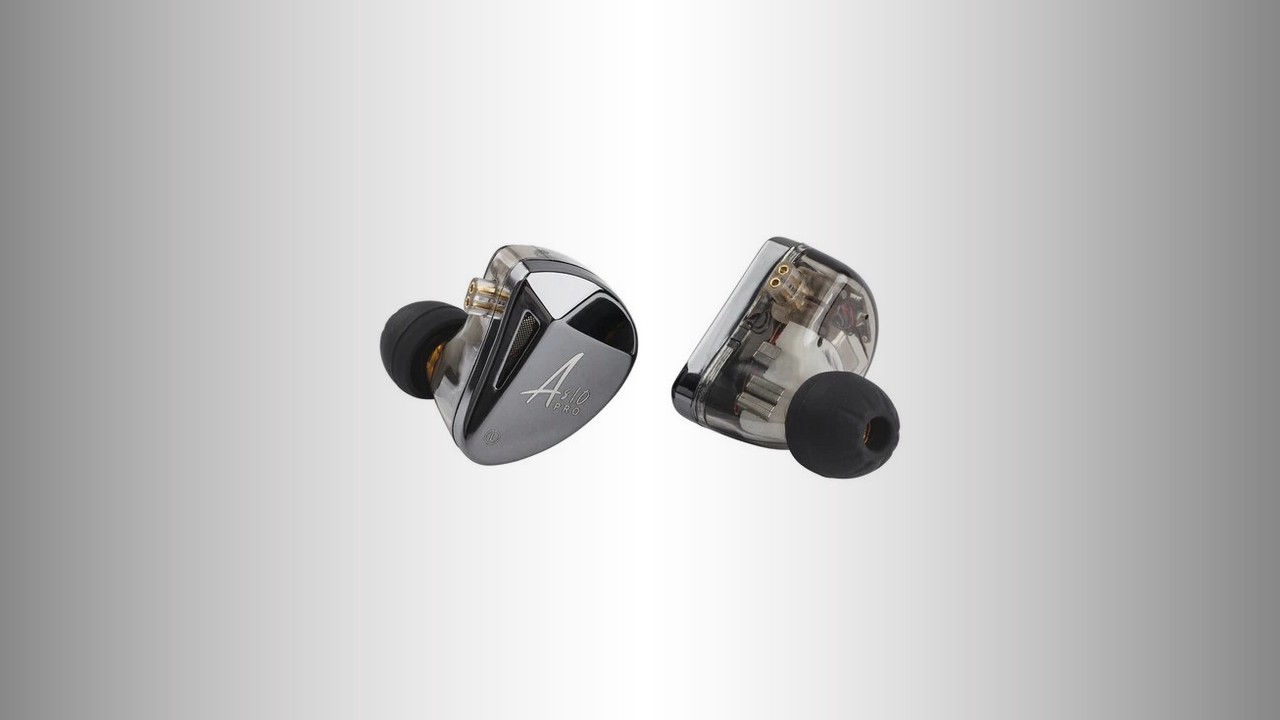
The KZ AS10 Pro places five balanced-armature drivers in an ergonomic shell with a detachable two-pin cable.
The KZ AS10 Pro uses five balanced-armature drivers per earpiece, assigning different units to low, middle, high and ultra-high frequencies.
That specialized architecture is the central reason to consider it, particularly for listeners interested in a multi-driver alternative to dynamic IEMs.
A detachable gold-plated two-pin connection allows cable replacement, and the supplied cable uses silver-plated oxygen-free copper conductors. The shells are shaped for an around-the-ear fit intended to improve security and comfort.
Best for: Exploring a multi-armature IEM design
- Five balanced-armature drivers per earpiece
- Detachable two-pin connection
- Silver-plated oxygen-free copper cable
- Secure around-the-ear configuration
Verdict: The KZ AS10 Pro offers a five-armature layout and replaceable cable for listeners who value a specialized multi-driver configuration.

4. NiceHCK F1 Pro
The blue NiceHCK F1 Pro uses CNC-machined aluminum shells and a 14.2 mm planar driver.
The NiceHCK F1 Pro brings planar technology to an in-ear format through a 14.2 mm isodynamic driver.
Its diaphragm is stated to be 2 microns thick and operates with a double-sided neodymium magnetic system.
The blue housings are CNC-machined from aluminum alloy, and the detachable 0.78 mm cable combines monocrystalline copper with silver-plated copper conductors. Buyers can choose between 3.5 mm and 4.4 mm terminations, while the package includes several ear-tip types and a leather carrying case.
Best for: Planar IEM buyers wanting plug options
- 14.2 mm planar driver
- CNC-machined aluminum housings
- Choice of 3.5 mm or 4.4 mm plug
- Carrying case and multiple ear tips included
Verdict: The NiceHCK F1 Pro stands out through its large planar driver, metal construction and choice of single-ended or balanced cable termination.
5. CrinEar Daybreak
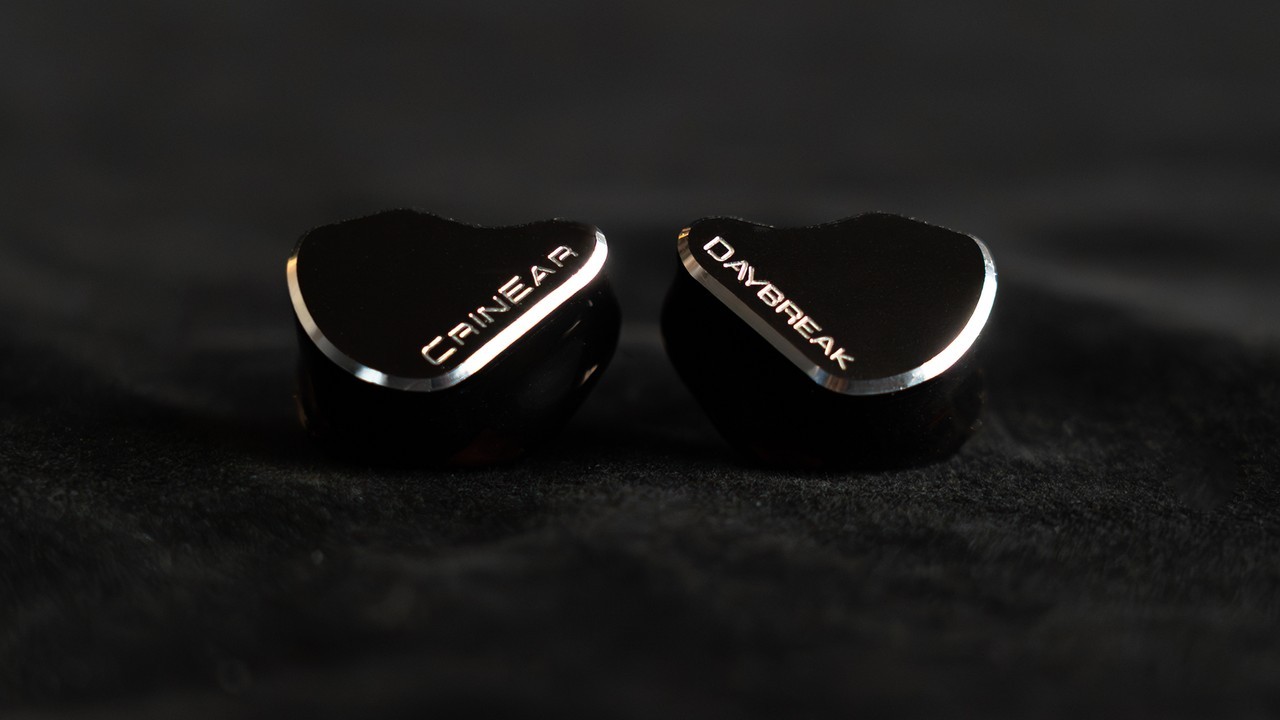
The CrinEar Daybreak integrates dynamic, balanced-armature and microplanar drivers inside a filled medical-resin enclosure.
The CrinEar Daybreak is positioned as an accurately tuned, neutral-leaning IEM informed by Crinacle’s measurement and acoustic work.
Its five-driver hybrid system combines one dynamic bass driver, two balanced-armature midrange drivers and two microplanar tweeters.
A 3D-printed waveguide coordinates the drivers with the aim of reducing phase and crossover distortion. The medical-resin body is filled internally for greater acoustic stability, while its shaped profile and sub-6 mm aluminum sound guide are intended to support comfort and passive isolation.
Best for: Listeners seeking a neutral-oriented hybrid IEM
- Five-driver hybrid configuration
- Neutral-focused tuning approach
- Integrated 3D-printed waveguide
- Ergonomic medical-resin body
Verdict: The Daybreak is the most tuning-focused hybrid here, combining five drivers with an engineered waveguide and a neutral target.
6. Beyerdynamic Verio 200
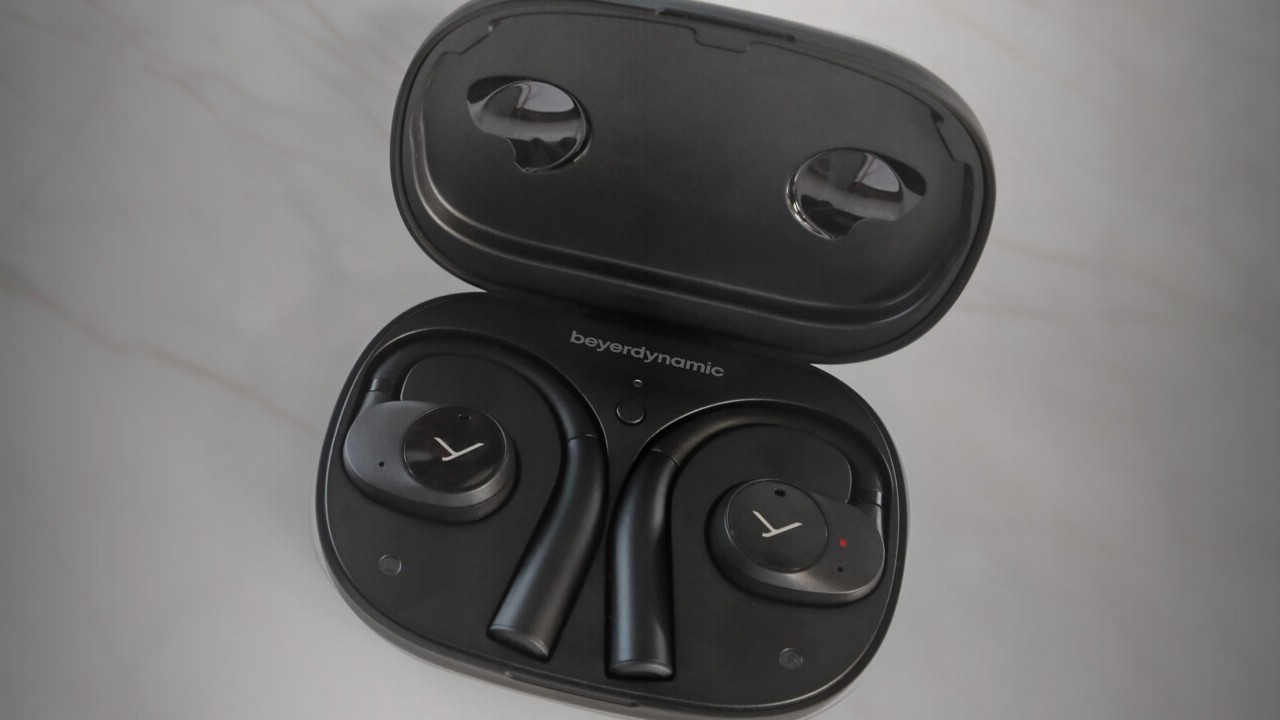
The Beyerdynamic Verio 200 uses an open-ear fit, 16.22 mm graphene-diaphragm drivers and a rechargeable carrying case.
The Beyerdynamic Verio 200 adopts an open-ear wireless design that leaves listeners more aware of their surroundings than a sealed in-ear model.
Each earpiece uses a 16.22 mm dynamic driver with a graphene diaphragm and neodymium magnetic system.
Bluetooth 5.3 includes Multipoint operation and adaptive aptX support, while two microphones use aptX Voice technology. Battery life is rated at up to eight hours from the earpieces, with a further 27 hours available through the case; a 10-minute charge provides a stated hour of playback. Beyerdynamic’s app adds a five-band equalizer, profiles and control customization.
Best for: Wireless listening while remaining aware of surroundings
- Open-ear design preserves awareness
- Bluetooth Multipoint support
- Five-band app equalizer
- Up to eight hours of earpiece playback
Verdict: The Verio 200 combines open-ear awareness with useful wireless features, app-based tuning and a charging case.
7. CCA Trio
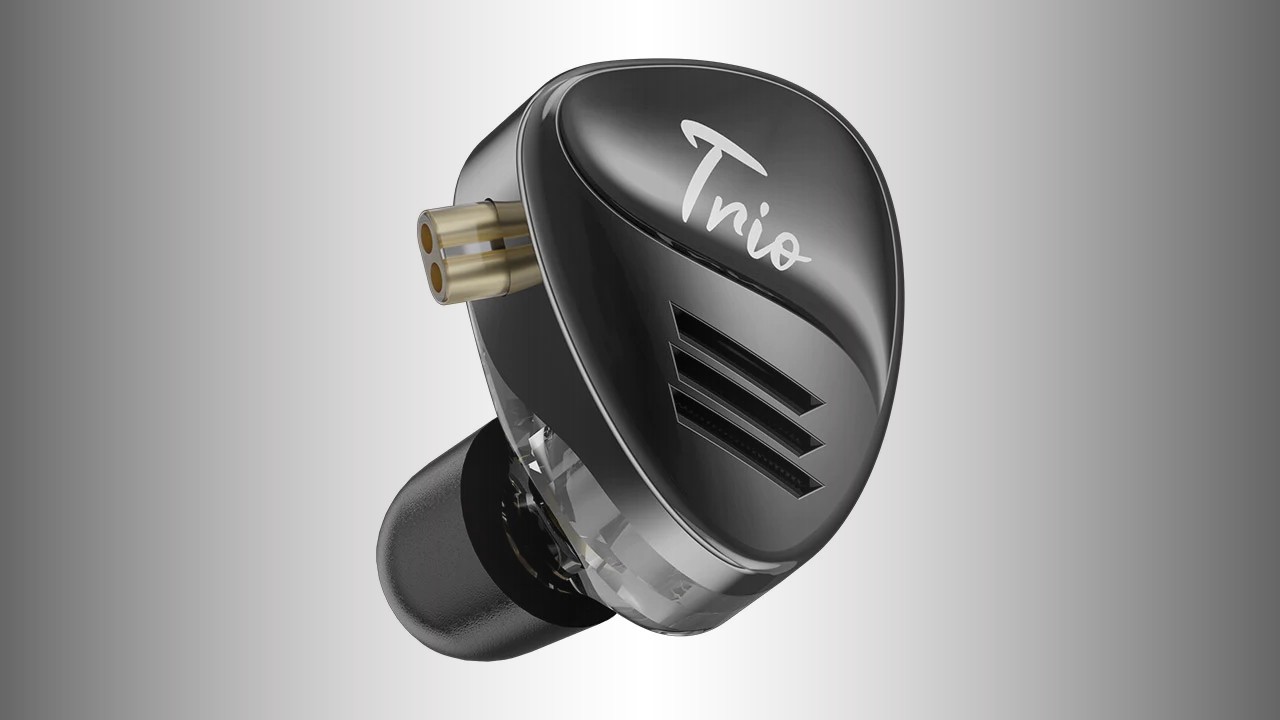
The CCA Trio divides the frequency range among three 8 mm dynamic drivers and provides switchable tuning.
The CCA Trio is an unusual IEM built around three 8 mm dynamic drivers, with an electronic three-way crossover distributing low, middle and high frequencies.
Its most practical distinction is a four-level switching system that lets the listener alter the tuning rather than accept a single fixed presentation.
CCA describes the underlying signature as a variation on a Harman-style balance, with the switches providing scope to adjust bass and treble emphasis.
Best for: Listeners who want hardware-based tuning choices
- Three 8 mm dynamic drivers
- Electronic three-way crossover
- Four-level tuning switches
- User-adjustable sound balance
Verdict: The CCA Trio is a flexible option for anyone intrigued by triple dynamic drivers and physical tuning controls.

8. Yamaha YH-L500A
The Yamaha YH-L500A is a wireless over-ear model built around 40 mm drivers and proprietary spatial processing.
The Yamaha YH-L500A is a wireless over-ear headphone centered on movies, concerts and other spatially presented content.
Yamaha’s proprietary Sound Field Technology is designed to create a more spacious, three-dimensional presentation, drawing on the company’s home-cinema experience.
The headphones use 40 mm drivers and include a Cinema mode for video-focused listening. Bluetooth handles wireless playback, but wired use is also supported when a direct connection is preferable.
Best for: Personal movie and concert listening
- Proprietary Sound Field Technology
- Cinema-oriented listening mode
- 40 mm drivers
- Wireless and wired operation
Verdict: The YH-L500A is the clearest fit for listeners who prioritize Yamaha’s spatial, cinema-oriented processing over a conventional feature set.

9. Stax SR-007S
The Stax SR-007S retains the series’ circular open earcups while introducing revised internal and anti-resonance structures.
The Stax SR-007S develops the established round-driver, open-earcup design with technology derived from the SR-X9000 flagship.
Its core changes include a newly developed diaphragm and solid electrode structure, along with vent holes reduced in diameter through a high-precision etching process.
Stax says these revisions optimize airflow and acoustic response while retaining the series’ characteristic warmth and tonal depth. An Anti-Resonance Structure uses a stainless-steel arch for rigidity, and a redesigned hinge mechanism improves adjustment without manual calibration.
Best for: Flagship-derived open-headphone engineering
- New diaphragm and solid electrode structure
- Open round-driver construction
- Stainless-steel anti-resonance arch
- Redesigned self-adjusting hinge mechanism
Verdict: The SR-007S is the specialist choice here, refining a long-running Stax design with updated diaphragm, electrode and support structures.
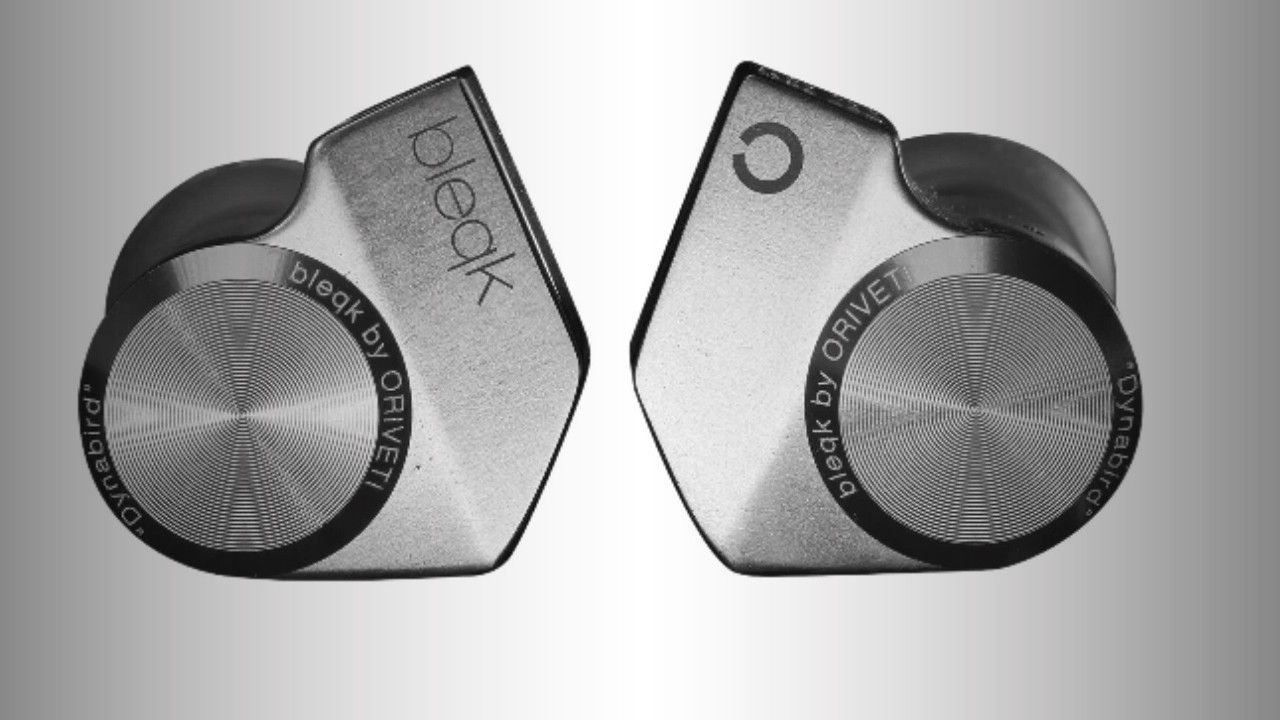
10. ORIVETI bleqk Dynabird
The ORIVETI bleqk Dynabird houses a 9.2 mm beryllium-coated dynamic driver in a CNC-machined aluminum shell.
The ORIVETI bleqk Dynabird uses a 9.2 mm dynamic driver with a beryllium-coated diaphragm and dual-chamber construction.
ORIVETI positions the design around a lively, musical balance, supported by strong bass and carefully defined midrange reproduction.
The aluminum-alloy enclosures are CNC-machined and shaped for an ergonomic fit, while a custom sound-guide filter is used to fine-tune the output. It is an appealing alternative for listeners who prefer one dynamic driver over more complex multi-driver arrangements.
Best for: Single-driver IEM enthusiasts
- 9.2 mm beryllium-coated diaphragm
- Dual-chamber dynamic driver
- CNC-machined aluminum housing
- Custom sound-guide filter
Verdict: The bleqk Dynabird combines a beryllium-coated dynamic driver with precisely machined metal shells and purposeful acoustic filtering.
Quick comparison
These headphones differ more in format and intended use than in any directly comparable performance ranking.
The table focuses on each model’s clearest documented distinction, from low-cost wired simplicity and switchable IEM tuning to open-ear awareness and cinema-oriented wireless processing.
| Product | Best for | Verdict |
|---|---|---|
| ZiiGaat Nuo | Low-cost wired IEM experimentation | A simple 10 mm dynamic IEM with a detachable cable and standard 3.5 mm plug. |
| HIFIMAN HE-R9 | Long sessions with a closed over-ear design | A comfort-focused closed-back headphone using HIFIMAN’s topology diaphragm. |
| KZ AS10 Pro | Exploring a multi-armature IEM design | Five balanced-armature drivers and a replaceable two-pin cable define this specialized IEM. |
| NiceHCK F1 Pro | Planar IEM buyers wanting plug options | A metal-bodied planar IEM offered with either a 3.5 mm or 4.4 mm cable termination. |
| CrinEar Daybreak | Listeners seeking a neutral-oriented hybrid IEM | A neutral-focused five-driver hybrid with an integrated 3D-printed waveguide. |
| Beyerdynamic Verio 200 | Wireless listening while remaining aware of surroundings | An open-ear wireless model with Multipoint, app equalization and case-assisted battery life. |
| CCA Trio | Listeners who want hardware-based tuning choices | Three dynamic drivers and four-level switches provide an adjustable alternative to fixed-tuning IEMs. |
| Yamaha YH-L500A | Personal movie and concert listening | A wireless over-ear headphone centered on Yamaha’s spatial Sound Field Technology. |
| Stax SR-007S | Flagship-derived open-headphone engineering | An open Stax design updated with a new diaphragm, solid electrodes and anti-resonance construction. |
| ORIVETI bleqk Dynabird | Single-driver IEM enthusiasts | A CNC-machined aluminum IEM built around a dual-chamber, beryllium-coated dynamic driver. |
Frequently asked questions
Should I choose an IEM, closed-back headphone or open-ear wireless model?
Choose an IEM for compact wired listening and potential passive isolation, a closed-back over-ear model for a conventional enclosed fit, or an open-ear wireless design when awareness of surrounding activity matters most.
Does a higher driver count guarantee better sound?
No.
The five-driver KZ and CrinEar models, triple-driver CCA Trio and single-driver ZiiGaat and ORIVETI designs use different engineering approaches, but driver count alone does not establish tuning quality, coherence, comfort or suitability.
When is a detachable cable worth prioritizing?
A detachable cable makes replacement easier and may let you choose a different termination.
Check the connector standard carefully: the ZiiGaat Nuo and NiceHCK F1 Pro use 0.78 mm connections, while the KZ AS10 Pro uses a detachable two-pin connector.
Which features matter most for wireless headphones?
Start with fit, battery life and connection options.
The Verio 200 emphasizes open-ear awareness, Multipoint and app equalization, while the Yamaha YH-L500A focuses on spatial processing and can also operate through a wired connection.
How to Choose the Right Headphone Design
Begin with listening context rather than driver technology.
For awareness outdoors or around other people, the Beyerdynamic Verio 200’s open-ear format is the relevant distinction.
For films and concerts, the Yamaha YH-L500A places spatial processing at the center of the experience. The closed-back HIFIMAN HE-R9 is the conventional over-ear alternative, with large pads and a memory-foam headband intended for extended use. Among the IEMs, decide whether adjustability, tuning philosophy or driver type matters most. The CCA Trio provides physical tuning switches, the CrinEar Daybreak pursues a neutral target through a five-driver hybrid system, and the NiceHCK F1 Pro offers a large planar driver with a choice of plug termination. The KZ AS10 Pro is the all-armature option, while the ZiiGaat Nuo and ORIVETI bleqk Dynabird retain the relative simplicity of a single dynamic driver. Fit remains critical, especially with in-ear models. Included tip choices, nozzle dimensions, shell shape and around-the-ear cable routing can matter as much as the internal architecture. Also confirm that the plug, wireless codec and connection type suit the devices you already use. Finally, treat manufacturer tuning and performance descriptions as useful orientation rather than substitutes for direct comparison; the strongest purchase is the model whose form, features and connection requirements align with your everyday listening.



Sound Off
0Join the discussion if you have something to add.