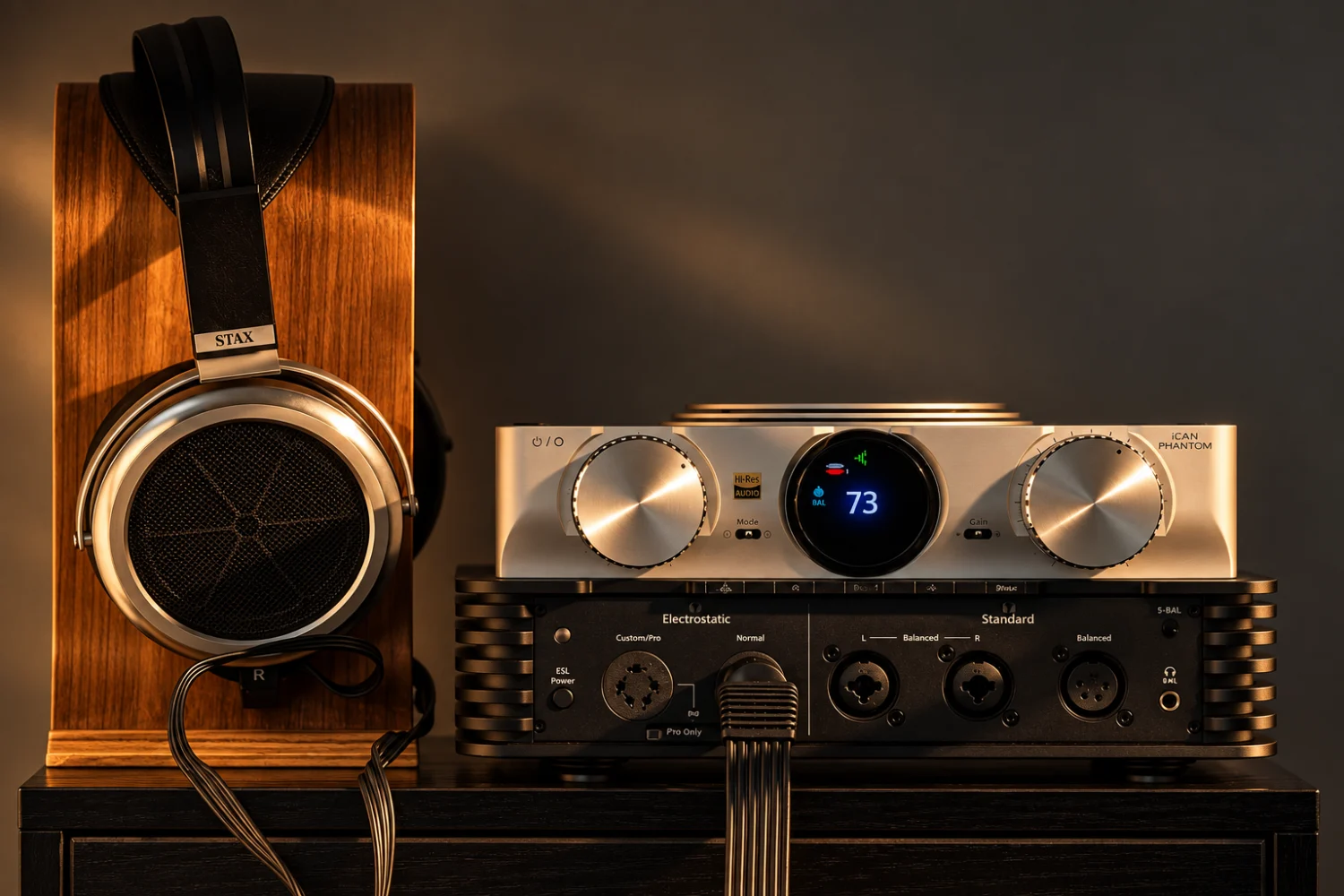
iFi Audio has updated its flagship analog headphone amplifier with the iCan Phantom 1.5, an evolutionary model focused on broader headphone matching and easier operation. The revision introduces new gain settings, stronger attenuation for sensitive in-ear monitors, a central VU meter and additional controls through the Nexis app.
One amplifier for several headphone technologies
The iCan Phantom 1.5 is designed to work with a particularly broad range of headphones. Its intended partners extend from sensitive in-ear monitors to dynamic and low-sensitivity planar-magnetic models, while integrated support also covers compatible electrostatic headphones.
Rather than replacing the original platform, iFi has retained its True Differential Balanced PureWavePRO circuit architecture and capacitive power-supply design. The result is a refinement of the existing Phantom concept instead of a ground-up amplifier redesign, which is reflected in the 1.5 designation.
The amplifier continues to provide two separate Class A input stages. Owners can select a discrete solid-state circuit or a tube stage built around matched General Electric 5670 tubes. A third Tube+ mode reduces loop gain and negative feedback, providing another operating option within the same chassis.
Revised gain steps improve system matching
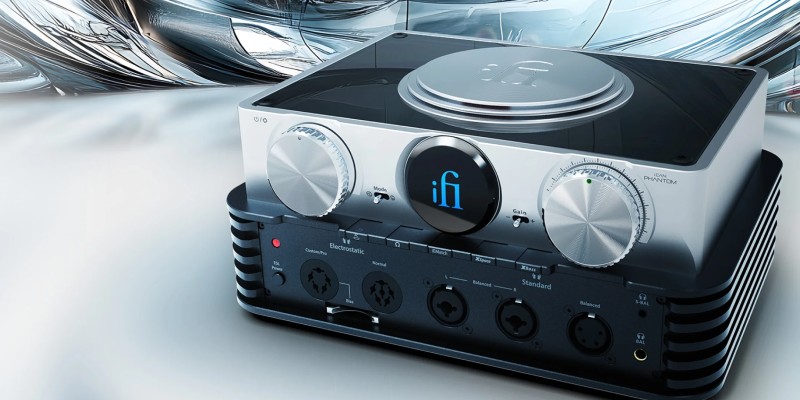
One of the most consequential changes concerns gain. The original Phantom’s 0dB, 9dB and 18dB settings have been replaced by 0dB, 12dB and 24dB steps. That wider spread is intended to make the amplifier easier to configure for headphones with substantially different sensitivity requirements.
IEMatch attenuation has also been revised. The unbalanced headphone output now provides 12dB of attenuation, while the balanced output offers 24dB. These settings are intended to give users finer volume control when connecting highly sensitive earphones to an amplifier capable of driving much more demanding loads.
The existing analog sound-adjustment features remain part of the package. XBass supplies three levels of low-frequency adjustment, while XSpace is designed to alter the perceived openness and width of the presentation. Separate XSpace matrices are provided for headphone and loudspeaker listening.
Integrated power for electrostatic headphones
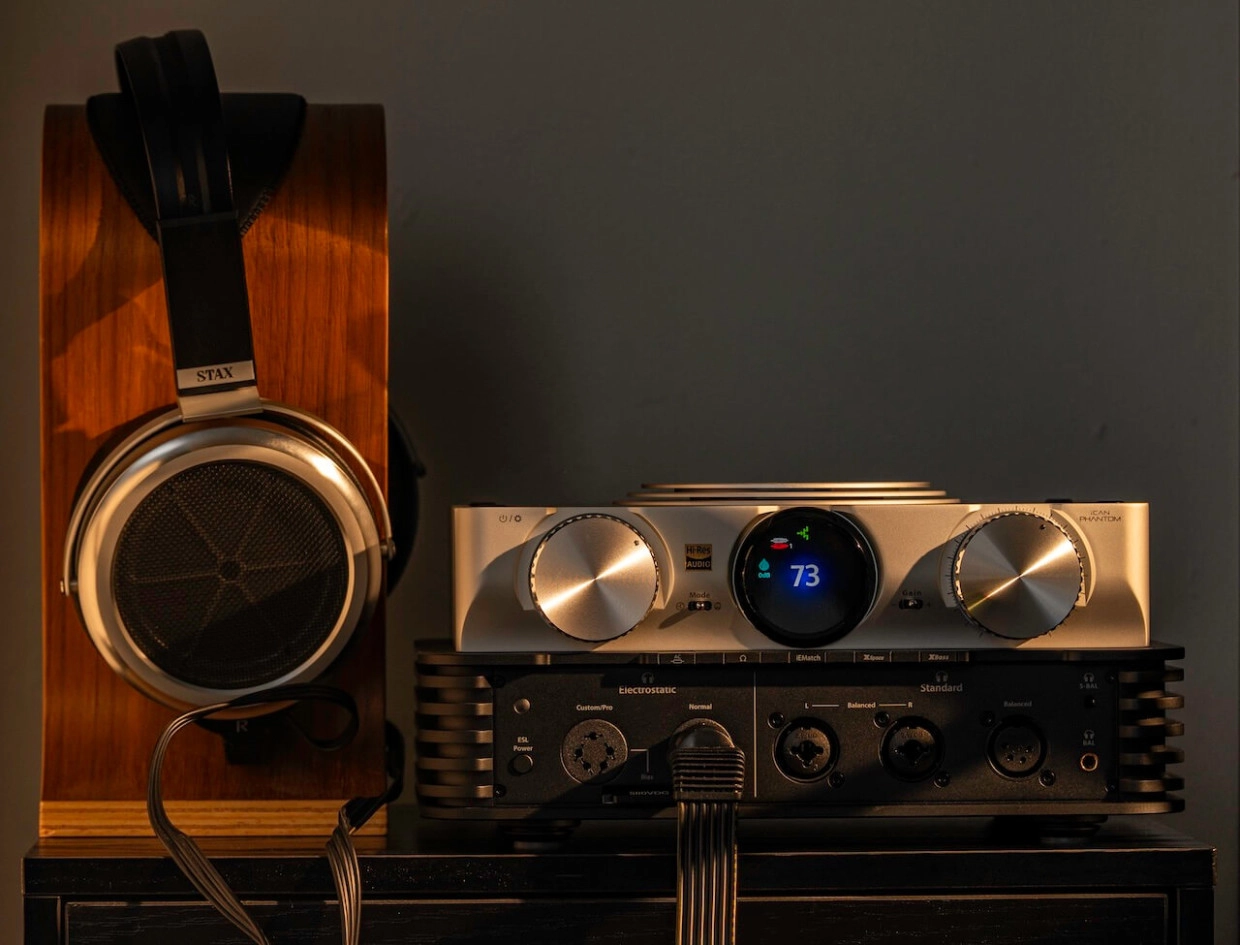
Electrostatic compatibility remains a defining part of the Phantom design. iFi’s integrated iESL energizer technology can supply up to 640 volts, allowing compatible electrostatic headphones to operate without the separate energizer normally required by that type of transducer.
This capability distinguishes the iCan Phantom 1.5 from conventional headphone amplifiers that are limited to dynamic and planar-magnetic designs. Combined with the revised IEM attenuation and broader gain range, it allows one amplifier to accommodate headphone categories that would often require different supporting hardware.
Whether it can replace every specialist amplifier in an enthusiast’s system will depend on the headphones involved and the owner’s preferences. Its central proposition, however, is clear: consolidate support for markedly different headphone technologies into a single flagship component.
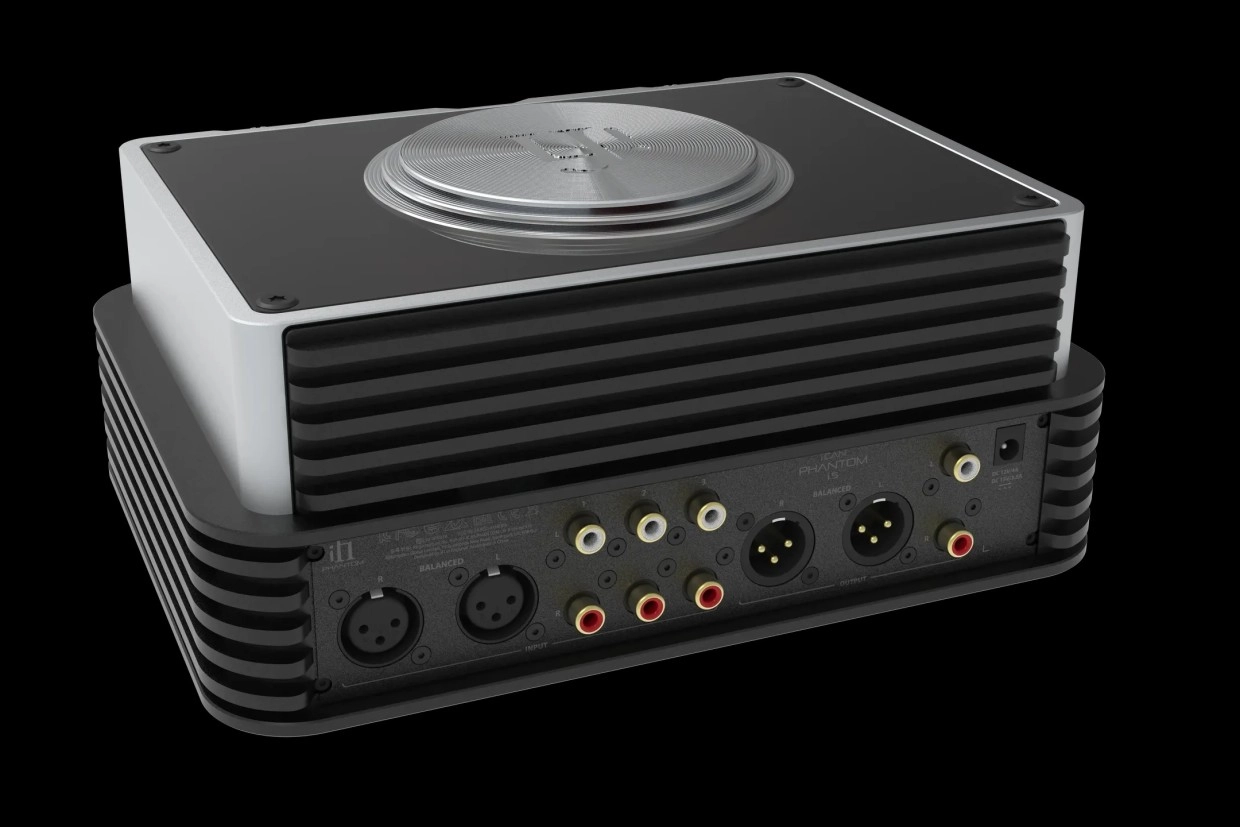
New display and expanded Nexis app controls
The most visible external addition is a centrally positioned VU meter for real-time level monitoring. iFi has also redesigned the user interface to bring the amplifier closer to the visual and operational approach of the company’s iDSD Phantom DAC and headphone amplifier.
Mechanical and cosmetic details have received attention as well. The volume control now uses buffered pads for smoother, more damped operation, while an anti-fingerprint coating has been applied to the top glass and display.
Control through iFi’s Nexis app has been expanded beyond its existing remote-control, diagnostic and wireless firmware-update functions. Users can now rename the product, perform a reset and monitor tube status in real time from the app.
The iCan Phantom 1.5 keeps the original model’s hybrid solid-state and tube architecture while concentrating its changes on practical flexibility. Wider gain spacing, stronger IEMatch attenuation, integrated electrostatic support and revised controls make this update particularly relevant to listeners who use several very different types of headphones.