

The Meze Audio Poet is a magnetostatic open-back headphone designed for listeners who value engineering detail as much as everyday usability. Built around the Isodynamic Hybrid Array MZ6 driver developed by Rinaro Isodynamics, it places the driver system, chassis materials, and long-session comfort at the center of its appeal. Rather than treating the headphone as a simple fashion object, Meze Audio has specified a combination of magnesium, steel, titanium alloy, suede leather, magnetic ear cushions, and a handmade braided copper cable to create a product that is intended to feel durable, serviceable, and refined in regular use.
A driver platform designed for precision
The most important technical element in the Meze Audio Poet is its Isodynamic Hybrid Array MZ6 driver. Developed by Rinaro Isodynamics, this driver is described as the result of extensive research and development, with each unit hand-assembled. That level of attention matters because the driver is the central component responsible for converting electrical signal into movement, and consistency in assembly can be especially significant in a high-end headphone where channel matching, distortion control, and fine detail retrieval are central design goals.
The MZ6 uses a hybrid magnet array intended to create a consistent and powerful magnetic field. In an isodynamic headphone, the diaphragm’s behavior is closely tied to the stability and distribution of that magnetic field. A more controlled field can help the diaphragm move in a more predictable way, supporting the product’s stated goals of clarity, separation, and detailed reproduction. The documented distortion figure of less than 0.05% also reinforces that the Poet is being positioned as a technically focused headphone rather than simply a luxury object.
Another notable element is the Parus diaphragm, which weighs only 0.06g. A very light diaphragm can respond rapidly to changes in signal, which is one reason such designs are attractive to audiophile listeners. The appeal is not just a number on a specification sheet: a low-mass diaphragm, when paired with a carefully arranged magnetic system, is intended to support fine resolution and controlled movement without unnecessary inertia. For prospective owners, that helps explain why the driver architecture is such a central part of the Poet’s identity.

Open-back architecture for private listening
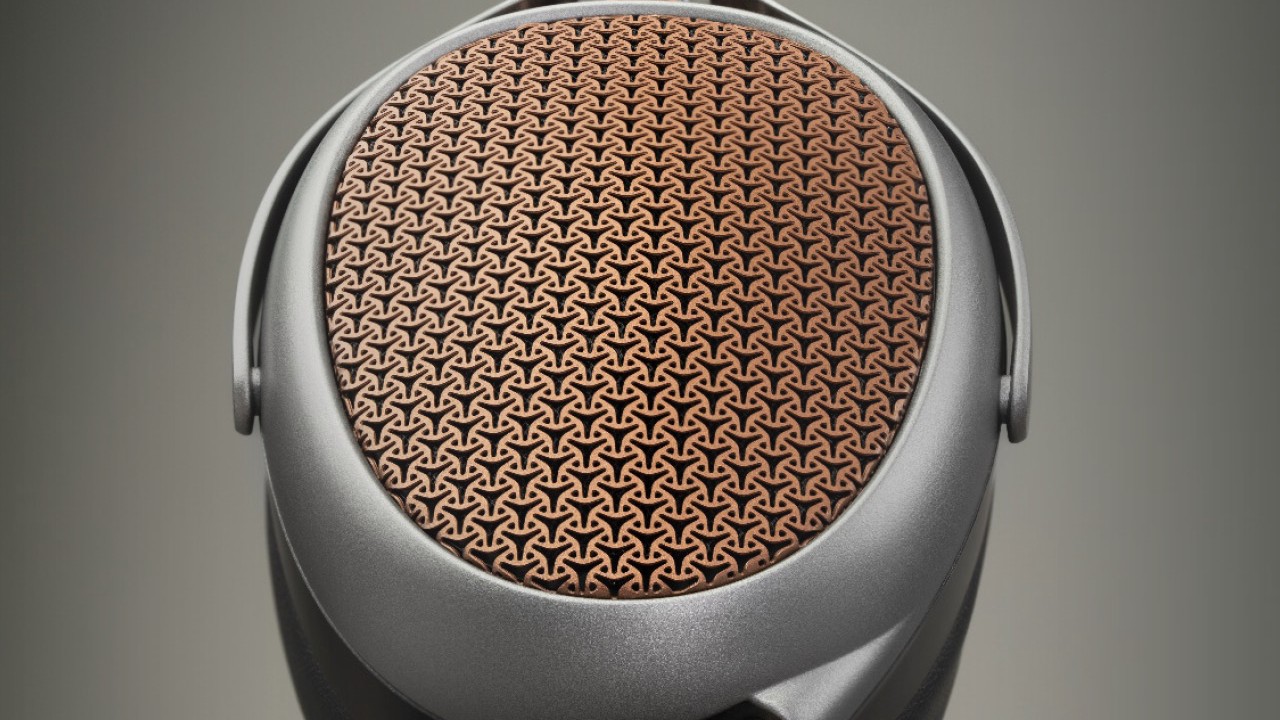
The Poet uses an open-back design, a choice that strongly shapes how and where the headphone is likely to be used. Open-back headphones are typically intended for quiet, stationary listening rather than commuting, office isolation, or travel. They allow the earcup to interact more freely with the surrounding air, and in the Poet’s case the design is presented as part of the headphone’s acoustic performance strategy.
For a listener building a dedicated headphone station at home, this approach has obvious appeal. An open-back headphone does not aim to block external noise in the same way as a closed-back model, and it will generally not be the most considerate option in shared spaces. Its strengths are better aligned with focused listening in a private room, where isolation is less important than openness, comfort, and the ability to hear into a recording without the physical enclosure dominating the experience.
This makes the Poet a product with a clearly defined purpose. It is not trying to be an all-situations headphone. Instead, it is aimed at audiophiles who can give a revealing open-back design the right environment and who want a headphone engineered around technical accuracy, detail, and spatial separation rather than portability or noise rejection.

Materials chosen for rigidity, weight, and longevity
The Poet’s construction combines a magnesium chassis with steel stems, a titanium alloy headband, and suede leather ear cushions. Each of these material choices serves a practical role. Magnesium is often valued in audio product design because it can offer a strong structure without unnecessary weight, while steel stems add a sense of mechanical solidity to the adjustment hardware. Together, these parts suggest that Meze Audio has paid attention to the areas of a headphone that experience repeated handling over time.
The flexible titanium alloy headband is another important part of the design. Its stated purpose is to distribute weight evenly and provide a secure fit, which is especially relevant for long listening sessions. In premium open-back headphones, comfort is not a secondary concern; it can determine whether a technically ambitious design is enjoyable to live with. A headphone may include an advanced driver, but if the clamp, weight distribution, or contact points become distracting, the listening experience suffers.
Suede leather ear cushions contribute to the Poet’s comfort-focused approach. Earpads are among the most personal parts of any headphone because they determine how the product contacts the head and ears for extended periods. Meze Audio also uses magnetic ear cushions, which adds a useful maintenance benefit. Magnetic attachment can make pad removal and replacement more straightforward, reducing the sense that routine upkeep is a delicate or inconvenient process. For owners who expect to keep a premium headphone for years, that kind of service-friendly detail is meaningful.

A cable that complements the overall build
The included handmade braided copper cable is another documented part of the Poet’s construction. While cables are sometimes discussed in exaggerated terms, the practical value here is straightforward: a well-made cable contributes to reliability, handling, and the overall impression of care in the product. The braided finish also gives the headphone a more finished visual character, aligning with Meze Audio’s emphasis on craftsmanship and premium materials.
For a headphone positioned at serious audiophiles, the cable is not merely an accessory tossed into the box. It is part of the tactile experience of daily use. A cable that feels considered can make setup and storage more pleasant, and it reinforces the idea that the Poet has been designed as a complete object rather than a driver system placed inside a generic frame. The source information does not specify connector types or alternative cable options, so the key takeaway is the use of handmade braided copper as part of the headphone’s premium construction package.

Comfort as a core engineering requirement
The Poet’s comfort story is not limited to soft pads. The combination of lightweight design, flexible titanium alloy headband, suede leather cushions, and balanced weight distribution indicates that Meze Audio has treated ergonomics as a central engineering requirement. That matters because open-back audiophile headphones are often used for album-length sessions, late-night listening, or extended work at a desktop system.
A secure fit is also important. A headphone that shifts easily can interrupt concentration, while one that applies too much pressure can become fatiguing. The Poet’s design aims to balance these concerns through its headband structure and cushion materials. Without claiming any hands-on experience, the documented design choices suggest a headphone intended to remain stable without relying on excessive pressure.
The magnetic ear cushions add to this user-focused approach. Even careful owners eventually need to clean or replace pads, and a simple attachment system can make the product feel less disposable. In a premium headphone, longevity is not only about strong metals and low distortion figures; it is also about whether the owner can maintain the parts that naturally wear with use.
Who the Meze Audio Poet is most suitable for
The Meze Audio Poet is best suited to listeners who want a premium open-back headphone for attentive home listening and who are interested in the technical advantages of an isodynamic driver system. Its appeal will be strongest for audiophiles who value documented engineering features such as the MZ6 driver, hybrid magnet array, ultra-light Parus diaphragm, hand assembly, and low stated distortion.
It is also a logical match for those who appreciate high-quality physical design. The magnesium chassis, steel stems, titanium alloy headband, suede leather ear cushions, magnetic pad system, and handmade braided copper cable all point toward a headphone intended to feel carefully built. Someone who values materials, maintainability, and long-session comfort may find these qualities just as important as the driver technology.
The Poet is less suitable for listeners seeking isolation, travel convenience, or a headphone designed primarily for public use. Its open-back format is better aligned with a quiet listening space than a noisy environment. It is also aimed at a premium audiophile audience, so casual users who simply need a compact everyday headphone may not be the intended buyer. The clearest fit is the listener who already understands the benefits and compromises of open-back listening and wants a carefully engineered design centered on detail, comfort, and refined construction.

Conclusion
The Meze Audio Poet stands out through a focused combination of documented engineering and thoughtful physical design. Its Rinaro-developed Isodynamic Hybrid Array MZ6 driver, 0.06g Parus diaphragm, hybrid magnet array, and stated distortion below 0.05% establish its technical foundation, while the magnesium chassis, steel stems, titanium alloy headband, suede leather cushions, magnetic pads, and handmade braided copper cable reinforce its premium positioning. The Poet is most compelling for audiophiles who listen in a quiet private space, appreciate open-back headphones, and want a product that balances driver technology, comfort, maintainability, and material quality without pretending to be a portable all-purpose solution.



Sound Off
0Join the discussion if you have something to add.