

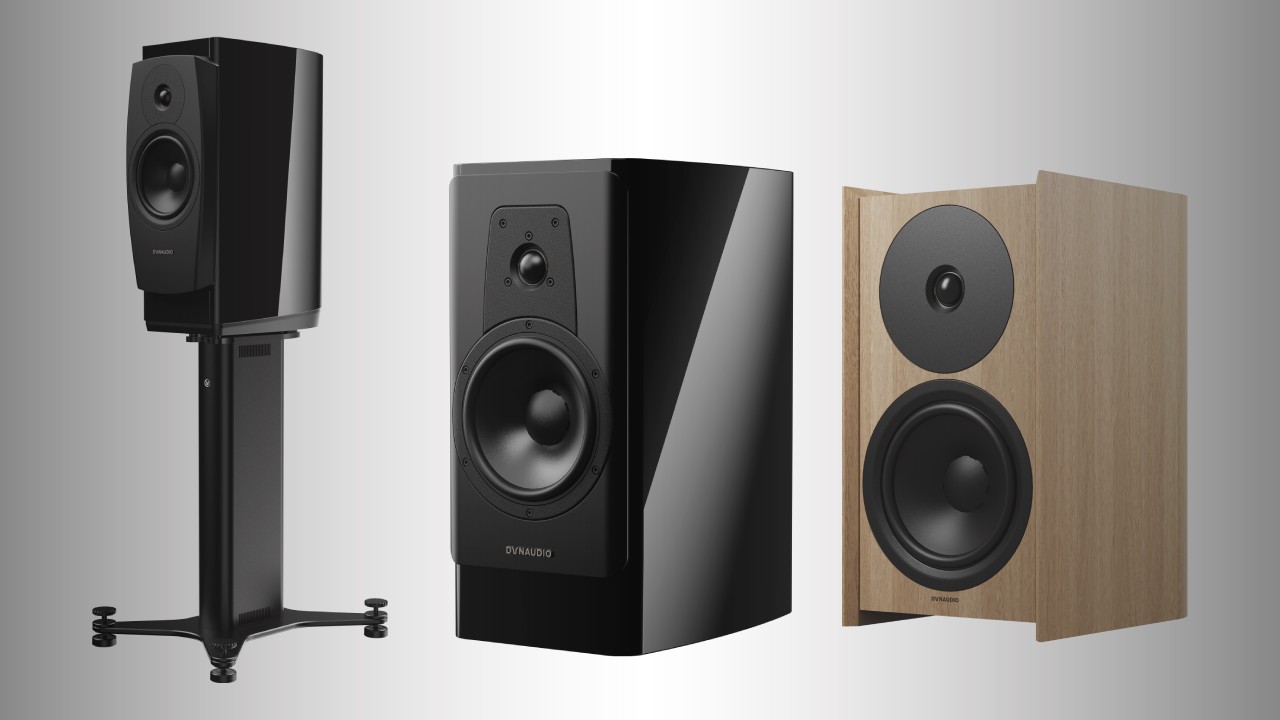
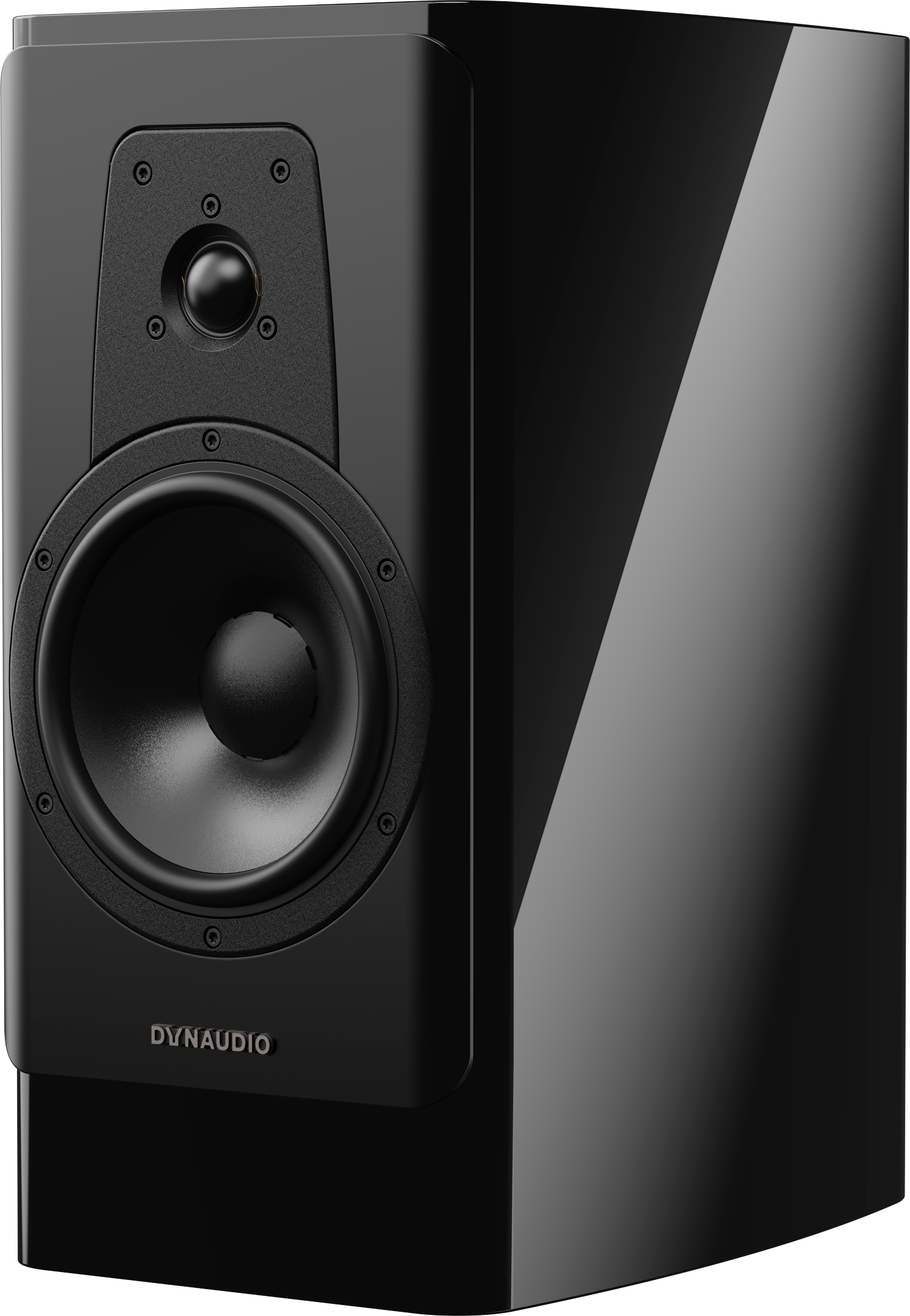
The Dynaudio Confidence 20A is a notable development for listeners who like the idea of a high-end standmount loudspeaker but would rather not build a system around separate power amplifiers. Based on the passive Confidence 20, the Confidence 20A is an active version that places the amplification inside the speaker’s base and keeps the visual presentation deliberately restrained. The practical result is a loudspeaker intended to work with a preamplifier, or with a source component that has its own volume control, without requiring an external power amplifier in the signal chain. That single design decision changes the way the speaker fits into a room, a rack, and a buying decision.
An Active Version of a Familiar Standmount Concept
The Confidence 20A starts from a straightforward idea: take Dynaudio’s Confidence 20 standmount platform and make it active. For many prospective owners, that is the central attraction. A standmount loudspeaker in a serious hi-fi system often demands careful amplifier matching, additional cabling, more shelf space, and more decisions about system synergy. By integrating amplification into the speaker, Dynaudio reduces some of that complexity while preserving the basic appeal of a compact high-end speaker format.
This is not the same as turning the speaker into an all-in-one lifestyle product. The Confidence 20A still expects to be part of a system. The user connects a preamp or a source with volume control, which means the speaker remains compatible with a wide range of upstream choices. A listener can still select a preferred streaming preamplifier, DAC with variable output, analog preamp, or other source component, but the power amplification stage is no longer a separate purchase or matching exercise.
Discreet Integration Rather Than Visual Drama
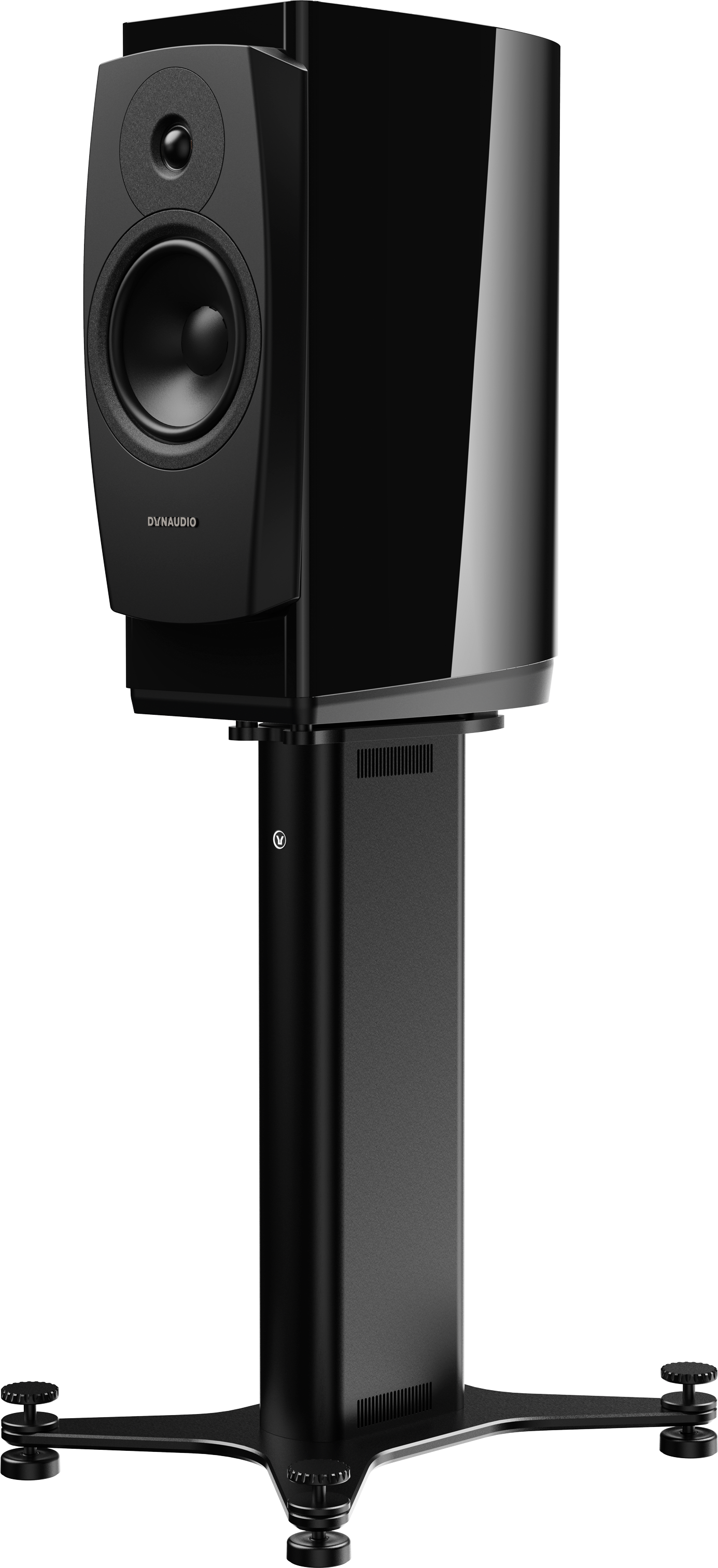
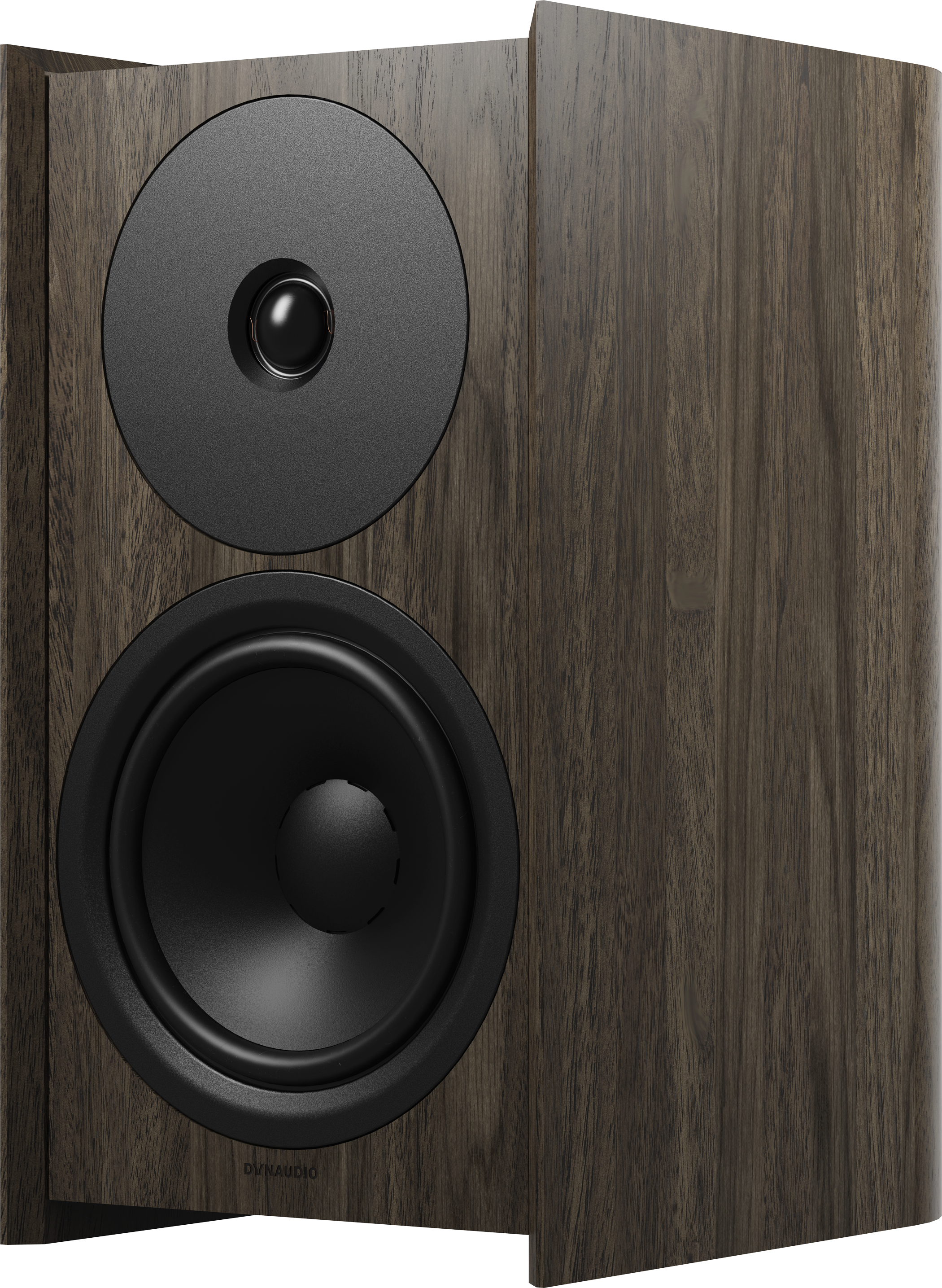
One of the more important design choices is where the active hardware is placed. Dynaudio has hidden the amplifier in the base of the speaker, with the operating elements incorporated on the back of that base. This keeps the speaker’s main cabinet visually clean and allows the Confidence 20A to present itself more like a refined standmount loudspeaker than a piece of studio equipment or a technology showcase.
That approach matters in domestic systems. Active speakers can sometimes announce their complexity through visible heatsinks, front-panel indicators, or utilitarian control layouts. The Confidence 20A takes a more discreet route. For owners who want the functional advantages of active operation but prefer a traditional high-end loudspeaker presence in the room, the hidden-base arrangement is a meaningful design decision. It also keeps day-to-day interaction simple: once connected and configured, the speaker is intended to stay visually quiet and operationally unobtrusive.
Pascal Amplification and a Link to Dynaudio’s Studio Work
The amplification used in the Confidence 20A is supplied by Pascal, the same company associated with the amplifiers in Dynaudio’s Core professional speakers. That connection is significant because it shows that the active platform is not an isolated consumer experiment. Dynaudio is drawing on technology and supplier relationships from its professional monitor range, where active amplification and controlled signal paths are central parts of the product philosophy.
For a home listener, the practical appeal is not simply that the speaker has an amplifier inside. It is that the amplification has been chosen as part of the loudspeaker system rather than selected afterward by the owner. In a passive setup, the final result depends partly on how the loudspeaker and amplifier interact. In an active design, the manufacturer has more control over that relationship. The Confidence 20A’s appeal lies in this more integrated approach: speaker and amplification are conceived as a coordinated system rather than assembled as separate components.
Digital Signal Handling With Flexibility
Dynaudio also emphasizes the signal path in the Confidence 20A, describing the technology as being derived from its professional speakers. One documented feature is the ability to turn sample-rate conversion off or on. This is a useful example of a product designed for both signal purists and practical system builders.
With sample-rate conversion turned off, the speaker is intended to manipulate the incoming signal as little as possible. That option will appeal to owners who are careful about source configuration and want a more direct digital path where supported. At the same time, the ability to turn sample-rate conversion on gives the speaker greater compatibility with digital sources. That dual approach is sensible: high-end users often want fewer interventions, but real systems must also accommodate different source behaviors and formats. By offering both modes, the Confidence 20A addresses both priorities rather than forcing a single philosophy on every installation.
Why the Active Format May Matter
The most obvious benefit of the Confidence 20A is system simplification. A conventional high-end standmount system might involve speakers, stands, power amplifier, preamplifier, source components, speaker cables, interconnects, and power management. The Confidence 20A does not remove every box, but it does remove the need for a separate power amplifier and conventional speaker-cable run between amplifier and speaker. For some rooms and owners, that can make the difference between an ambitious system and one that feels too complex.
There is also a system-matching advantage. Passive loudspeakers often invite extended comparison of amplifier power, tonal balance, current delivery, and compatibility. The Confidence 20A shifts more of that responsibility to Dynaudio. A prospective owner still needs to choose the right source or preamp, but the amplification decision is essentially built into the product. That may be attractive to listeners who want high-end performance engineering without turning the system into a long chain of separate optimization projects.
The format also suits modern listening habits. Many serious systems now center on digital sources, streaming preamps, or DACs with variable output. A speaker that can be driven from a preamp or volume-controlled source fits naturally into that architecture. It is not limited to one-box convenience, but it acknowledges that many listeners no longer want a rack filled with multiple amplification components.
A High-End Speaker for Cleaner System Architecture
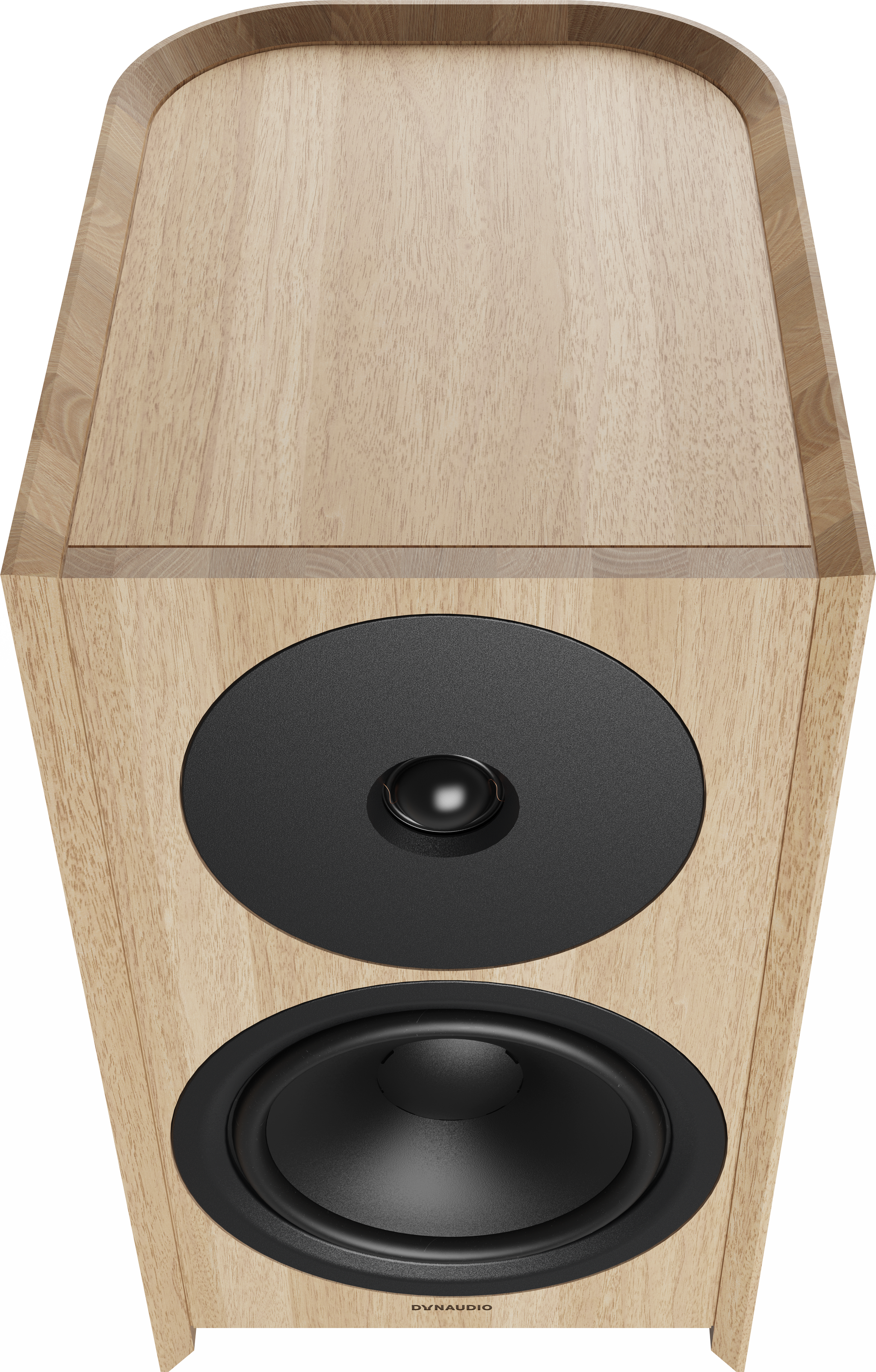
The Confidence 20A occupies an interesting position in Dynaudio’s lineup because it brings active operation into the Confidence family rather than limiting it to professional monitors or more lifestyle-oriented products. That gives it a different identity from a passive speaker and separate amplifier combination. It is designed for people who want a refined domestic loudspeaker but are open to the engineering logic of active systems.
Its market position is also shaped by its restraint. The speaker does not appear to be designed around visible novelty. The amplifier is hidden, the controls are placed at the rear, and the core promise is integration rather than spectacle. For high-end listeners who are curious about active speakers but wary of products that look too technical or studio-like in a living space, that restraint could be one of the Confidence 20A’s strongest attractions.
Who the Dynaudio Confidence 20A Is Most Suitable For
The Confidence 20A is best suited to listeners who want a serious standmount loudspeaker system with fewer separate amplification decisions. It should be especially appealing to owners who already use, or plan to use, a high-quality preamplifier or a source component with volume control. Those users can build a comparatively clean system while leaving the speaker’s amplification to Dynaudio’s integrated design.
It is also a logical candidate for people who appreciate the principles behind professional active monitoring but want a domestic loudspeaker presentation. The Pascal amplification link and studio-derived signal-path thinking give the product a technical foundation that may interest listeners who value engineering integration. At the same time, the discreet base-mounted implementation keeps it oriented toward home hi-fi rather than control-room ergonomics.
It may be less suitable for owners who specifically enjoy changing power amplifiers, experimenting with speaker cables, or building a system around a favorite amplifier’s character. Because the amplification is built in, that part of the system is no longer open-ended. For some buyers, that will be a benefit; for others, it removes an important part of the hobby. The Confidence 20A is therefore not aimed at everyone, but it is clearly aimed at listeners who value simplicity, integration, and a controlled loudspeaker-amplifier relationship.
Conclusion
The Dynaudio Confidence 20A stands out because it brings active design into a high-end standmount format while keeping the appearance clean and domestic. Its hidden Pascal amplification, rear-mounted controls, compatibility with a preamp or volume-controlled source, and selectable sample-rate conversion reflect a product built around integration rather than complication. For prospective owners who want a refined Confidence-series speaker without choosing a separate power amplifier, and who are comfortable letting Dynaudio define the amplifier-speaker relationship, the Confidence 20A offers a focused and thoughtfully engineered route into a simpler high-end system.


Join the discussion
Share your thoughts, listening impressions or product experience.