
Wireless headphones are no longer simply the convenient alternative to a “proper” wired pair. The category has exploded in every direction. You can now buy inexpensive over-ear headphones with multi-day battery life, tiny earbuds built specifically for sleeping, gaming headsets with near-endless endurance, sports-focused TWS models, and genuinely ambitious audiophile designs that happen to use Bluetooth.
That variety also makes buying wireless headphones more complicated. A pair designed for running has very different priorities from one intended for long-haul flights, while an audiophile wireless model may sacrifice some convenience in pursuit of better sound.
So rather than forcing ten completely different products into an artificial ranking, we have picked ten wireless headphones that stand out for different reasons. Some are about value, some about comfort or battery life, and others push wireless sound considerably further upmarket.
Here are the wireless headphones we think are especially interesting right now.
Anker Soundcore Q11i – The Affordable Everyday Choice
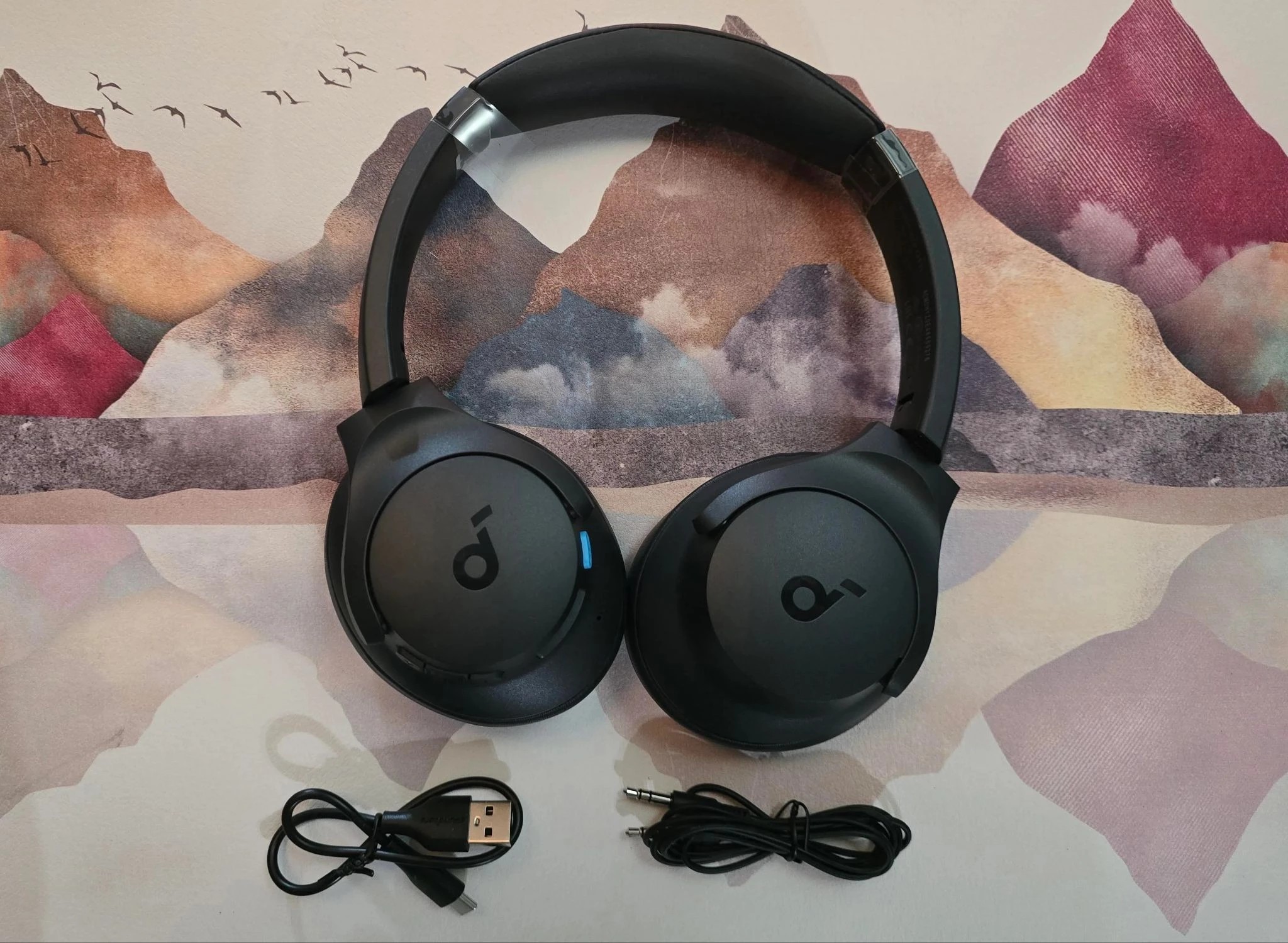
The Soundcore Q11i demonstrates just how capable inexpensive wireless headphones have become.
There is nothing particularly exotic here, and that is part of the appeal. These are straightforward over-ear Bluetooth headphones designed for everyday listening without requiring a serious investment.
The full-size design should make them more comfortable for extended sessions than many in-ear alternatives, particularly if you dislike having silicone tips sitting inside your ears. They make sense for working at a desk, watching movies, commuting, studying or simply listening around the house.
Battery life is one of their biggest attractions. Anker claims up to 60 hours from a charge, putting the Q11i firmly into the category of headphones you charge occasionally rather than constantly.
There is also an AUX connection. That sounds mundane, but it can be surprisingly useful when the battery eventually runs flat or when connecting to equipment without Bluetooth.
You don't get the sophisticated ANC, premium codecs or refinement of considerably more expensive headphones. Nor should you expect them at this price.
Instead, the Q11i concentrates on getting the fundamentals right.
For someone wanting an affordable pair of comfortable wireless over-ear headphones, that makes a lot of sense.
Skullcandy Sesh ANC – Built for Training
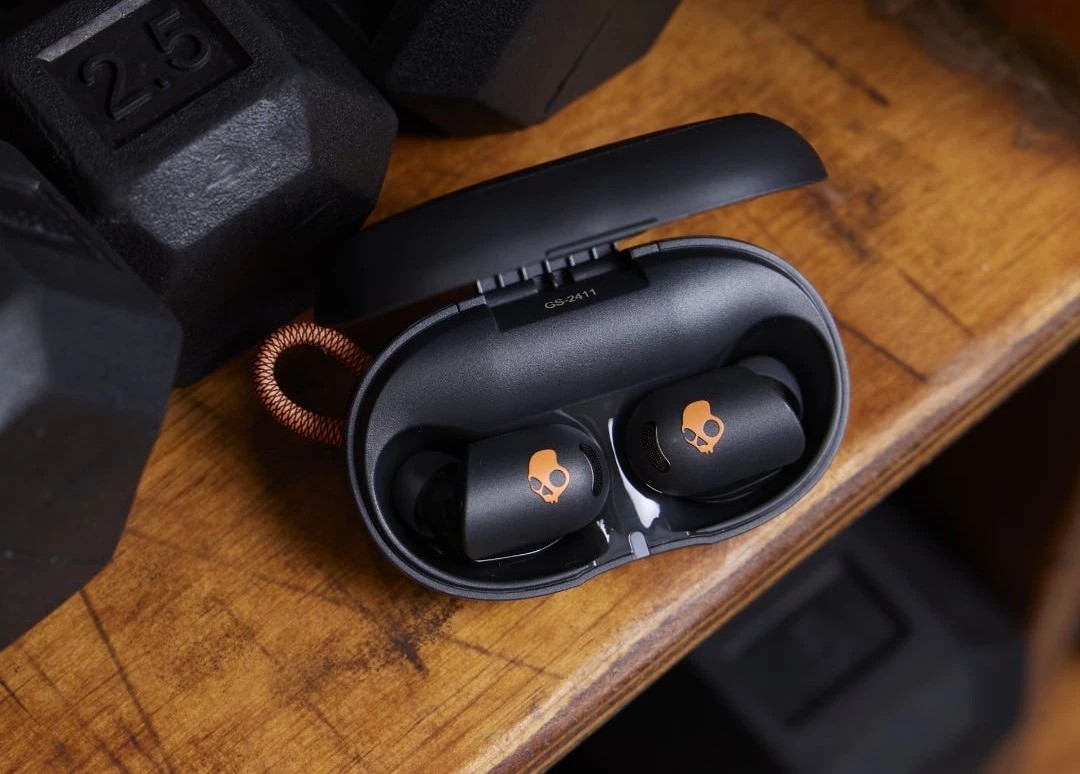
The requirements change considerably once headphones leave the sofa and enter the gym.
Fit, sweat resistance and stability suddenly matter just as much as sound quality.
That is where the Skullcandy Sesh ANC comes in.
These compact true-wireless earbuds combine active noise cancellation with a design intended for active use. Skullcandy's Fit Grip system is designed to improve stability in the ear, something that becomes considerably more important once you start running or moving quickly.
Their sound character also suits the job. Expect an energetic presentation with plenty of punch and bass rather than something tuned primarily for delicate audiophile listening.
Electronic music, hip-hop and workout playlists are natural territory.
If your idea of listening involves a quiet room and carefully recorded acoustic music, there are better options in this selection. But that's missing the point.
The Sesh ANC is about putting your headphones in, starting your workout and forgetting about them.
For listeners wanting something more ambitious sonically while retaining an active-use format, the Noble Audio FoKus Kama is another interesting step up.
Sennheiser Accentum Open – For People Who Hate Ear Tips
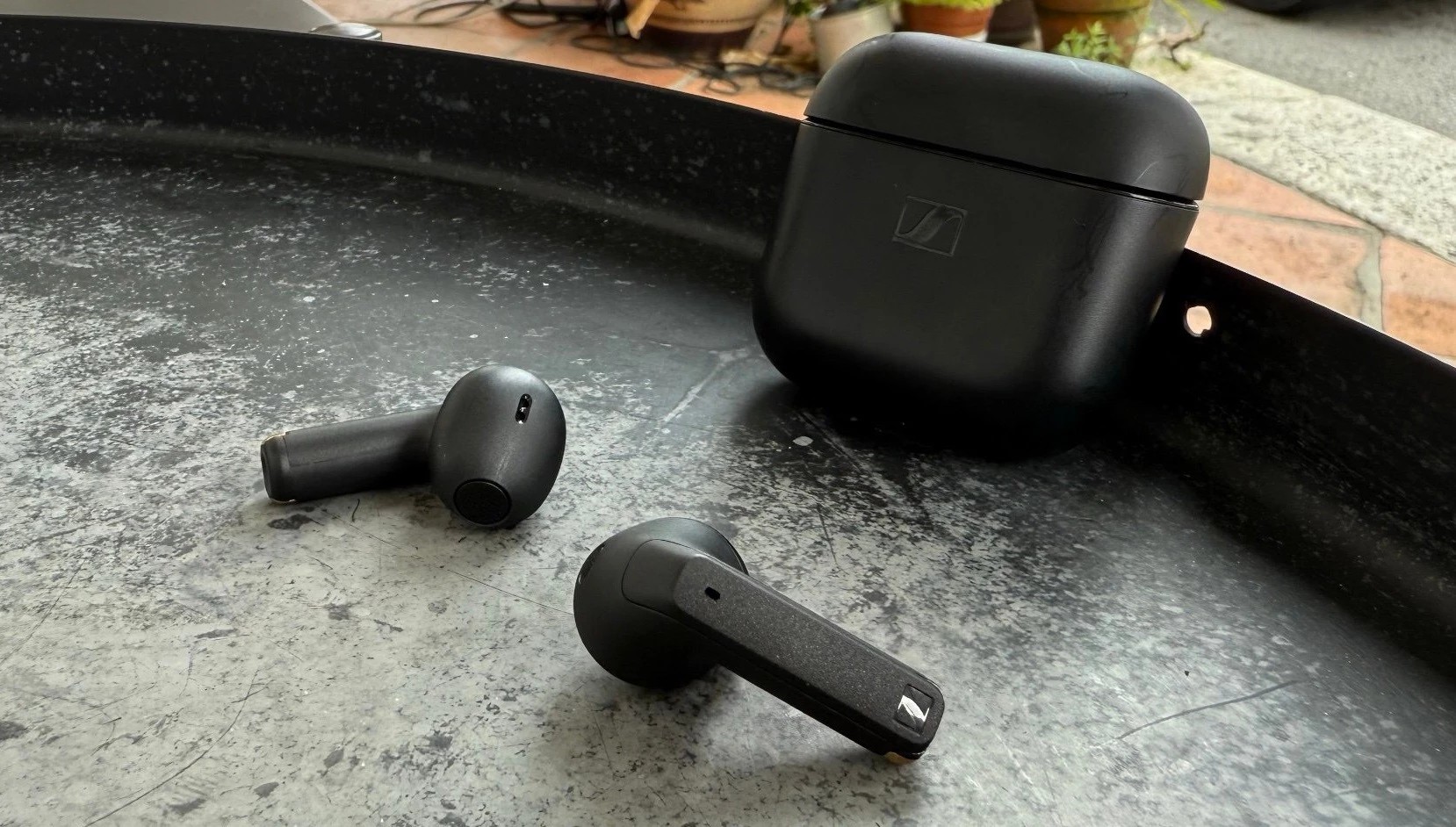
Not everyone likes conventional in-ear headphones.
Silicone tips can create pressure, isolation and that familiar plugged-ear sensation. If you wear earbuds for several hours every day, those things matter.
The Sennheiser Accentum Open takes the opposite approach.
Its open-earbud design sits without sealing the ear canal, making it much closer in concept to traditional open-fit earbuds. You retain more awareness of your surroundings and avoid the pressure associated with tightly sealed TWS models.
That makes them particularly appealing for the office, walking around town, working from home, podcasts and long phone calls.
The trade-off is unavoidable: an open fit cannot isolate external noise like a properly sealed ANC earbud. Deep bass also becomes more difficult to reproduce convincingly.
But those are compromises inherent to the format rather than failures of the product.
If comfort and environmental awareness matter more than shutting yourself off from the outside world, Accentum Open offers an appealing alternative.
Marshall's Minor IV occupies similar territory but adds considerably more visual attitude and a more characterful presentation.
Marshall Major V – 100+ Hours and Plenty of Character
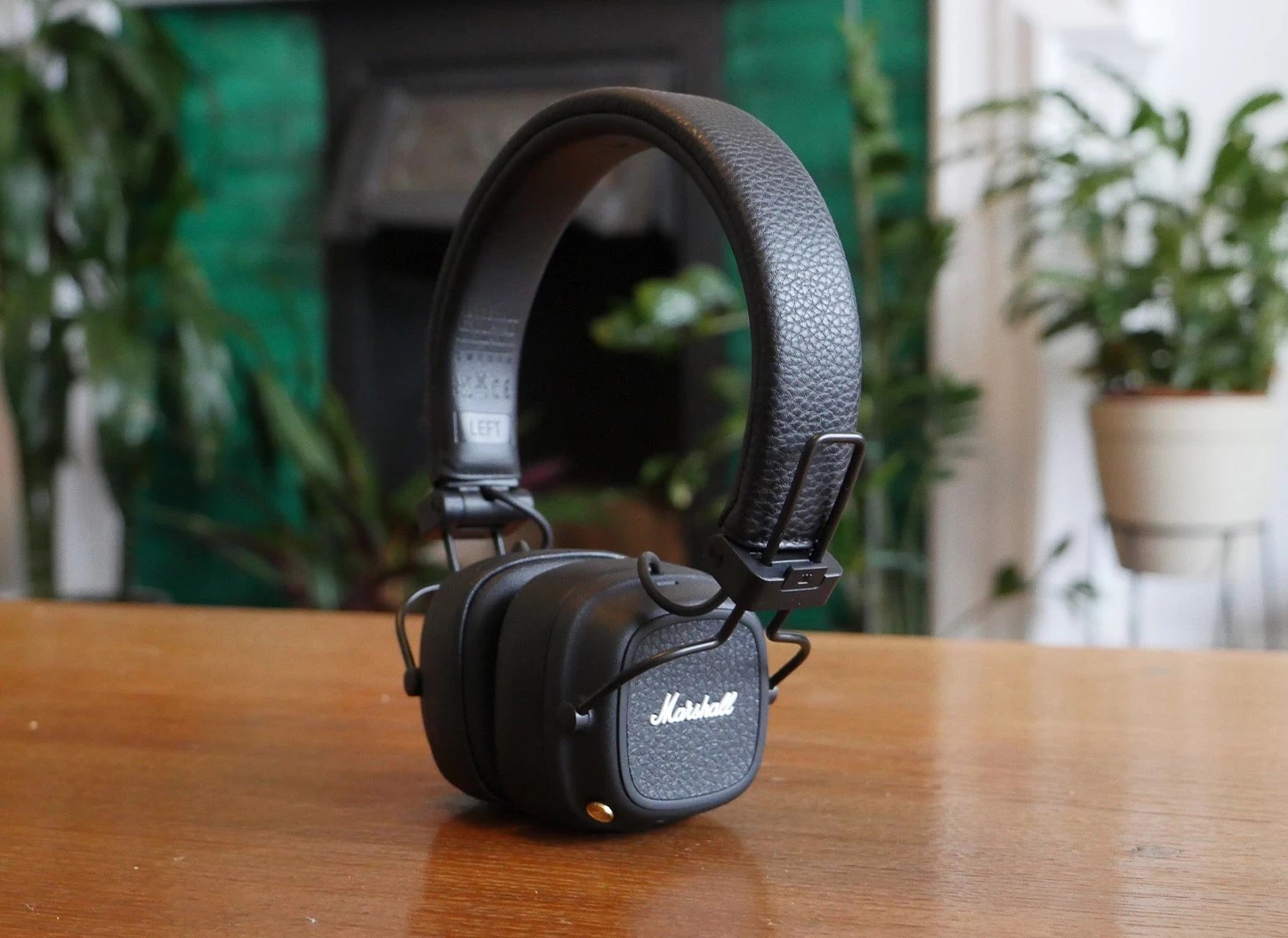
Few headphone designs are as immediately recognizable as the Marshall Major.
The Major V keeps the familiar recipe: compact on-ear cups, textured surfaces, prominent Marshall branding and a folding design that feels equally at home next to a guitar amplifier or inside a commuter's backpack.
But underneath the retro appearance is a thoroughly modern wireless headphone.
The headline specification is battery life. Marshall rates the Major V at more than 100 hours of wireless playback. That's enough that charging can almost disappear from your daily routine.
There's wireless charging too, along with Marshall's customizable M-button.
The sound follows the personality of the product. Major V isn't pretending to be a mastering monitor. Its presentation is designed to be lively, entertaining and energetic, which works particularly well with rock, pop and similarly rhythmic material.
There are compromises. This is an on-ear rather than circumaural design, so comfort will depend considerably on personal preference. There is no active noise cancellation either.
But Major V isn't trying to win a specification contest.
It is compact, distinctive, enormously long-lasting and unmistakably Marshall.
HyperX Cloud III S Wireless – The One for Gaming
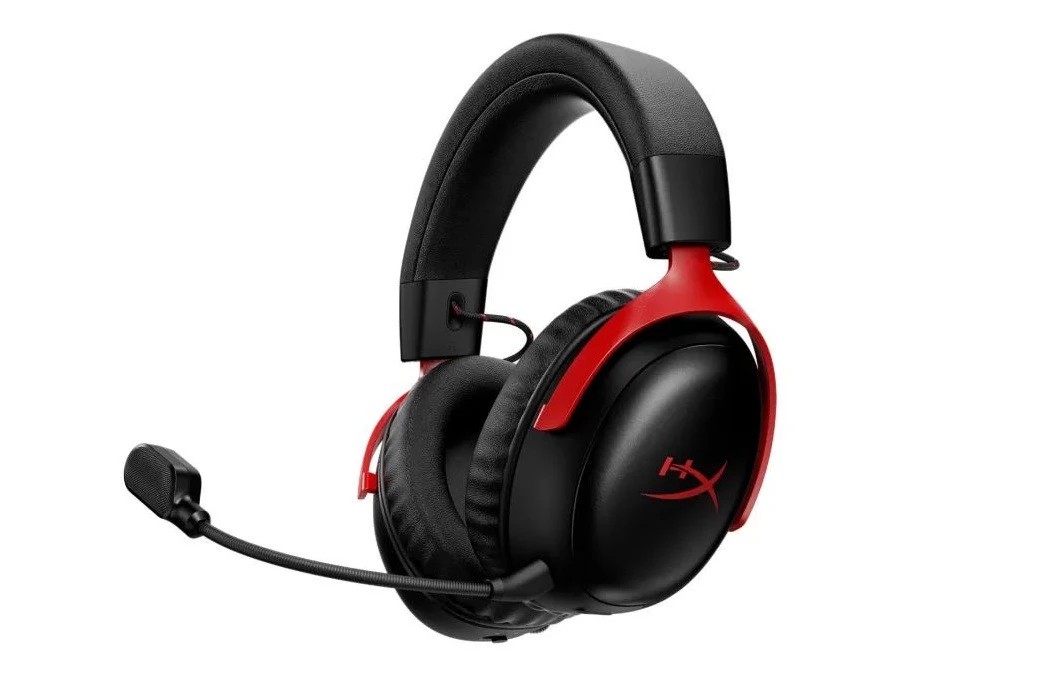
Gaming headsets face a slightly different set of challenges.
Low latency matters. Microphone quality matters. Comfort becomes critical when sessions stretch into hours. And nobody wants a headset announcing a low battery halfway through a multiplayer match.
The HyperX Cloud III S Wireless addresses those priorities with both 2.4GHz wireless and Bluetooth connectivity.
For gaming, the USB wireless connection provides the more appropriate low-latency link. Bluetooth makes it considerably easier to use the same headset with phones, tablets and laptops.
Battery endurance is another major advantage, with up to 120 hours quoted when using the USB connection.
HyperX's Cloud family has also developed a strong reputation for comfort, and that may ultimately matter more than another line on the specifications sheet. Soft pads and a sensible clamping force can make the difference between a headset you tolerate and one you happily wear all evening.
The tuning is naturally aimed at gaming rather than critical music listening. Effects, dialogue, voice communication and spatial cues are the priorities. The microphone similarly targets clear communication rather than studio recording.
For music first, look elsewhere.
For games, Discord and multimedia, the Cloud III S Wireless makes considerably more sense.
Soundcore Sleep A30 – Headphones Designed for Bed
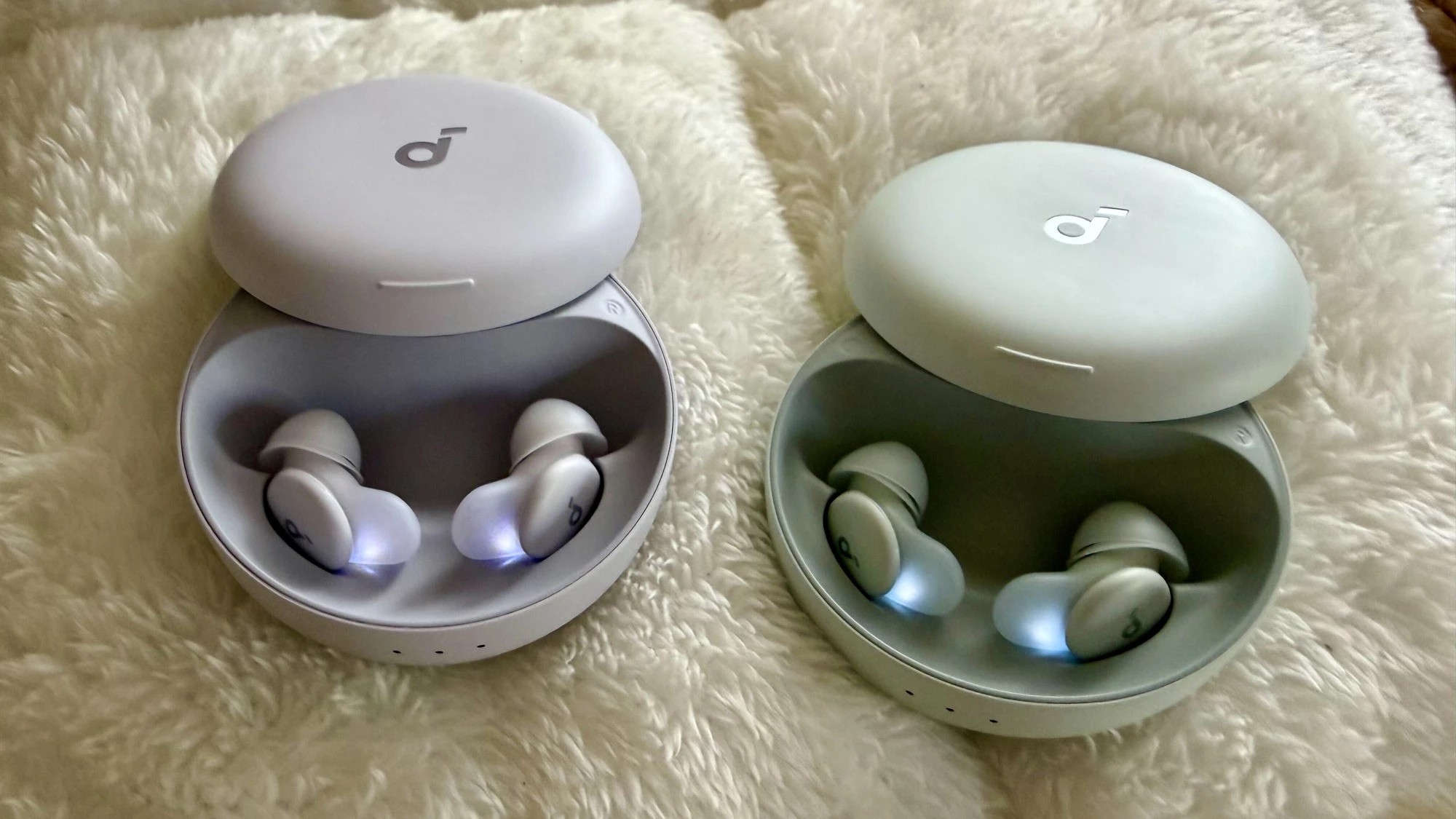
Most headphones can technically be worn in bed.
That doesn't mean you'll want to sleep in them.
Regular TWS earbuds protrude from the ear, which becomes uncomfortable as soon as your head meets the pillow. Over-ear headphones are even less practical.
The Soundcore Sleep A30 exists specifically to solve that problem.
Its low-profile construction is designed to reduce pressure on the ear, particularly for side sleepers. That's the fundamental difference between a dedicated sleep earbud and simply wearing your normal TWS pair overnight.
Noise management goes further than ordinary passive isolation. The A30 combines isolation, active noise cancellation and adaptive snoring masking, while the smart charging case can analyze snoring sounds and help the system adapt its masking response.
It is an unusually specialized product, and that means it shouldn't be judged against normal wireless earbuds.
You probably wouldn't choose the Sleep A30 as your only pair of headphones.
But if nighttime comfort and reducing distracting background noise are the priority, specialization is precisely what makes them interesting.
Noble Audio Osprey – TWS With Audiophile Ambitions
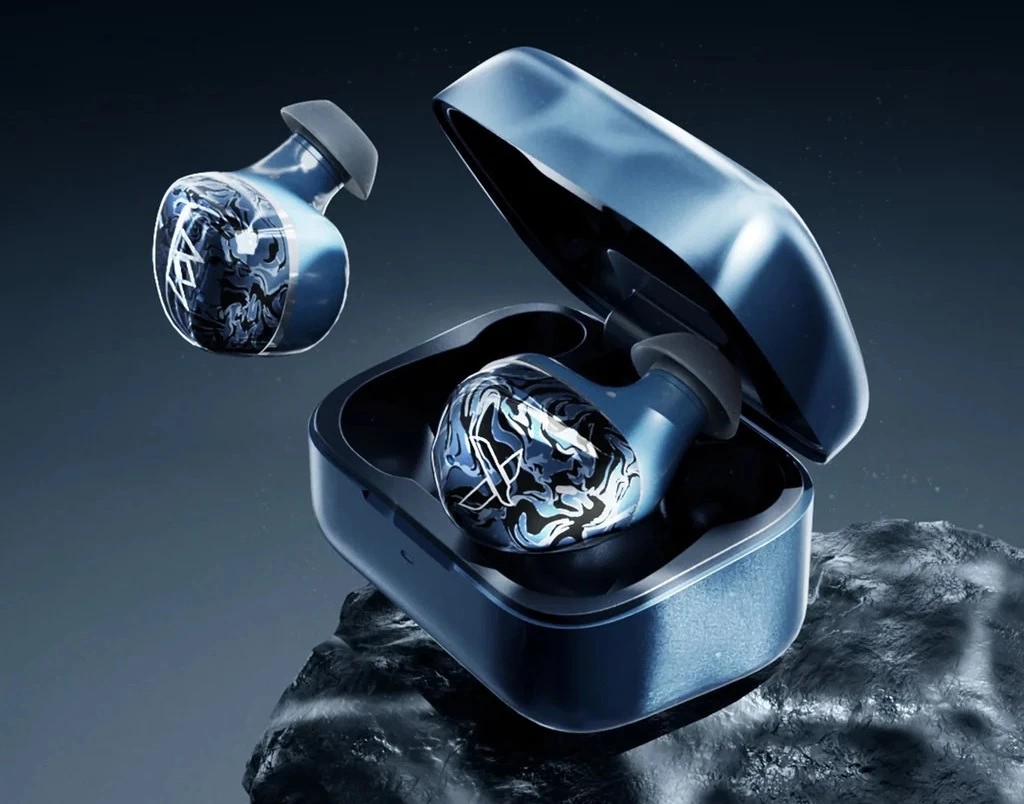
Noble Audio approaches true-wireless headphones differently from many mainstream manufacturers.
The Osprey isn't simply trying to cram as many smartphone features as possible into an earbud. Sound quality gets much more attention.
Each earpiece uses a hybrid driver arrangement combining dynamic and balanced-armature drivers. The intention is to combine the physical weight and bass performance of a dynamic driver with the speed and detail associated with balanced-armature designs. LDAC support gives the wireless side of the equation more room to breathe with compatible devices.
Importantly, Noble hasn't forgotten that these are still everyday wireless earbuds.
ANC, transparency mode and Bluetooth 5.4 are all present, making the Osprey considerably easier to live with than a purist audiophile product.
If maximum ANC effectiveness or a huge ecosystem of clever software functions tops your priority list, other brands may have the advantage.
But if you're primarily interested in sound and still want the practicality of modern TWS, Osprey becomes considerably more compelling.
Technics' EAH-AZ80 is a strong alternative for buyers placing greater emphasis on all-round usability, ANC and multipoint connectivity.
Final Audio UX5000 – A More Serious Bluetooth Listen
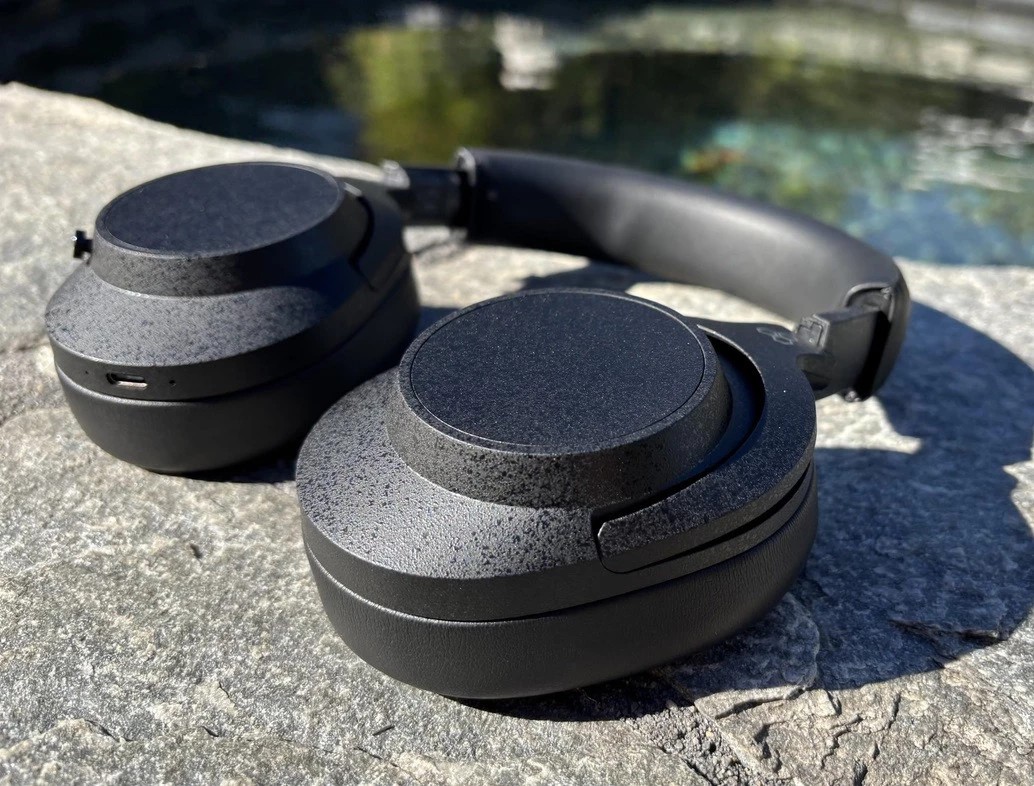
The middle of the wireless over-ear market can be frustrating.
Some models are packed with features but deliver unremarkable sound. Others sound better but feel oddly outdated once you use them every day.
Final Audio's UX5000 attempts to bridge those worlds.
Final has traditionally put considerable emphasis on tuning, and the UX5000 follows that philosophy with a presentation aimed more toward balance and detail than immediately impressive bass.
That should make it particularly interesting to listeners moving from mainstream Bluetooth headphones toward something more focused on music reproduction.
Wired operation is also unusually relevant here. The headphones retain Final's DSP processing when connected by cable, helping maintain the intended sound character across different usage modes.
That makes the UX5000 potentially useful beyond smartphones: laptops, players, computers and other wired sources can all become part of the equation.
Beyerdynamic's Aventho 200 provides an interesting alternative with more emphasis on practical longevity. Its feature set includes more than 60 hours of battery life, multipoint Bluetooth, fast charging and a replaceable battery.
Final is the more obviously sound-focused proposition.
Noble Audio FoKus Prestige Encore – When TWS Gets Serious
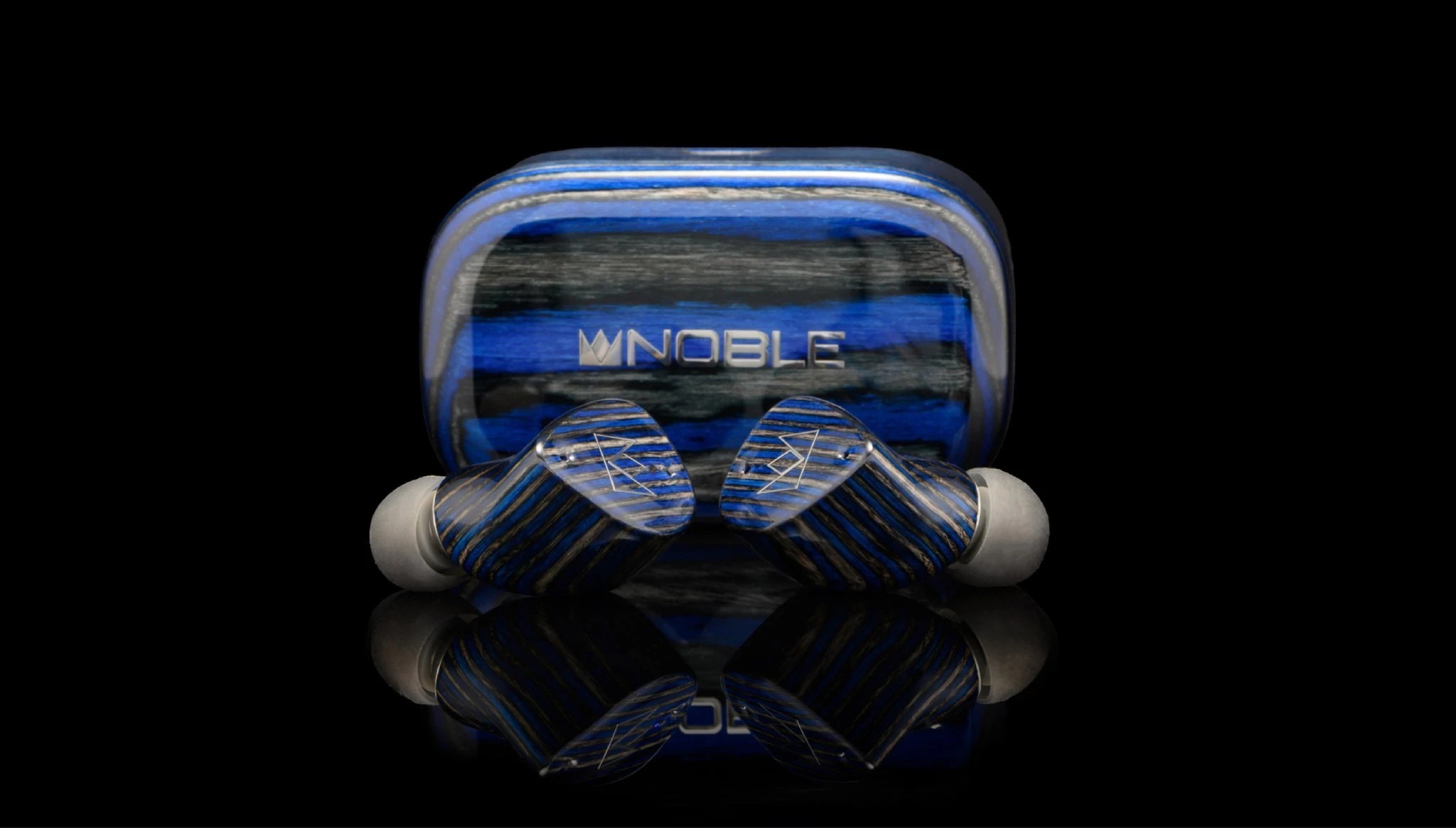
At the expensive end of true wireless, simply having ANC and an attractive app isn't enough.
The Noble Audio FoKus Prestige Encore is built around a more ambitious proposition: how close can completely wireless earbuds get to a serious audiophile listening experience?
The hardware certainly isn't conventional.
Each earpiece combines a dynamic driver, two Knowles balanced-armature drivers and a planar driver. Different technologies are therefore tasked with different areas of the frequency spectrum.
Codec support is equally ambitious, including LDAC, aptX Adaptive and aptX Lossless.
None of those technologies automatically guarantees excellent sound, of course. Implementation matters far more than the badge printed on the box. But they show clearly where Noble's priorities lie.
The FoKus Prestige Encore isn't primarily chasing the smallest case or the cleverest smartphone integration. It is trying to extract more scale, resolution and musical involvement from the TWS format.
That makes it inherently niche.
If convenience comes first, spending this much on earbuds is difficult to justify. If you want TWS without giving up the pursuit of genuinely high-end sound, however, Noble is playing a much more interesting game.
Sennheiser HDB 630 – Wireless Headphones for Audiophiles
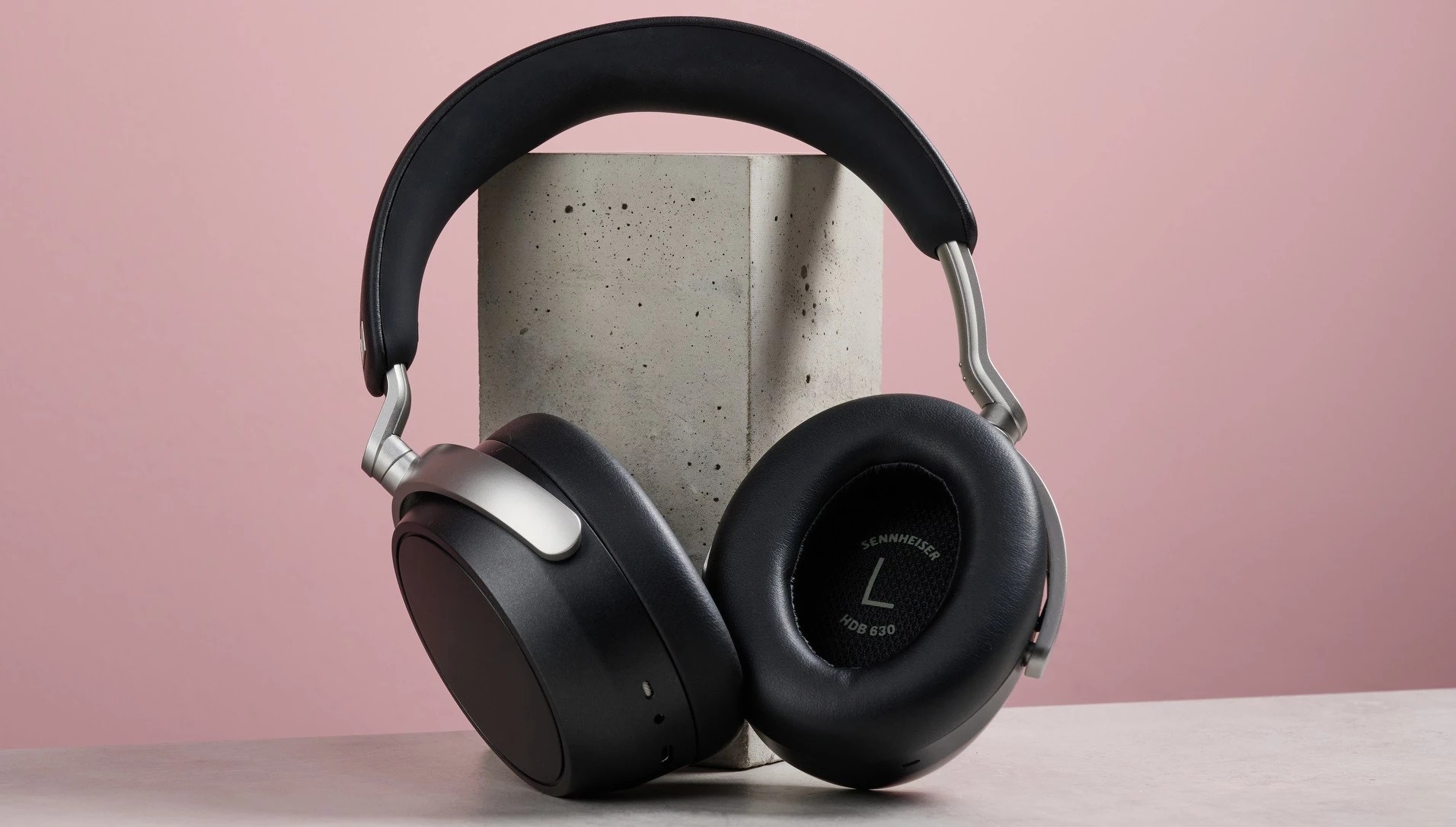
For years, “audiophile Bluetooth headphones” sounded almost contradictory.
That distinction is becoming increasingly difficult to defend.
The Sennheiser HDB 630 represents the new generation of wireless headphones that treat Bluetooth as one input option rather than the entire identity of the product.
At its heart is a 42mm Sennheiser driver with tuning focused on neutrality, detail and natural reproduction rather than exaggerated bass or an immediate showroom-style wow effect.
More interesting is the connectivity.
Bluetooth is available for everyday listening, but you can also use USB-C for Hi-Res playback or fall back to a conventional 3.5mm connection. Sennheiser also supplies its BTD 700 USB-C dongle, providing a route to higher-quality Bluetooth operation with source devices that may not natively support the desired codec.
ANC and up to 60 hours of battery life keep the HDB 630 practical enough for travel and daily use.
Yet the attraction is ultimately the combination of convenience and serious listening.
These are headphones for somebody who cares about codecs, EQ, connection methods and source quality but doesn't necessarily want to return to a permanently wired setup.
There are alternatives with very different personalities. Bang & Olufsen's Beoplay HX puts greater emphasis on luxurious materials, design and everyday refinement, while Noble Audio's FoKus Apollo Pro pushes further into enthusiast territory with a hybrid dynamic/planar driver arrangement.
Which Wireless Headphones Should You Buy?
There isn't one answer, because there isn't really one wireless-headphone category anymore.
The Soundcore Q11i and Noble FoKus Prestige Encore may both play music over Bluetooth, but they're designed for completely different buyers. The same applies to a gaming headset, sleep earbuds and an audiophile over-ear model
Start with how you're actually going to use them.

For commuting and travel, ANC and comfort may matter most. For training, secure fit and durability become priorities. Gamers should care about latency and microphone performance. Audiophiles are more likely to focus on driver design, tuning, codecs and wired connectivity.
Battery life matters too, but don't let spectacular endurance numbers distract you from fit. Headphones capable of playing for 100 hours aren't particularly useful if you want to remove them after 30 minutes.
And whenever possible, listen before buying.
Specifications can tell you what a headphone is capable of doing. They cannot tell you whether its tonal balance suits your taste, whether the headband fits your head properly, or whether its ear pads remain comfortable after an entire album.
Wireless audio has reached the point where convenience no longer has to mean settling for mediocre sound.
The more important question now is simply: what kind of wireless headphone actually fits the way you listen?