

Nagra’s Compact Player is built around a straightforward idea: combine network playback and digital-to-analog conversion in a single high-end source, then concentrate the engineering effort on delivering a carefully managed analog output. Rather than acting as a flexible digital transport for external converters, it includes its own DAC and omits digital outputs entirely. That decision gives the product a distinct role within a system. It is intended to receive music from streaming services, network libraries, or USB storage, convert it internally, and feed an analog signal to the next component. Support for PCM up to 32-bit/384kHz and DSD256 provides broad compatibility with high-resolution libraries, while a wide selection of streaming integrations makes the Compact Player useful without requiring owners to adopt one particular software ecosystem.
A complete source rather than a digital transport
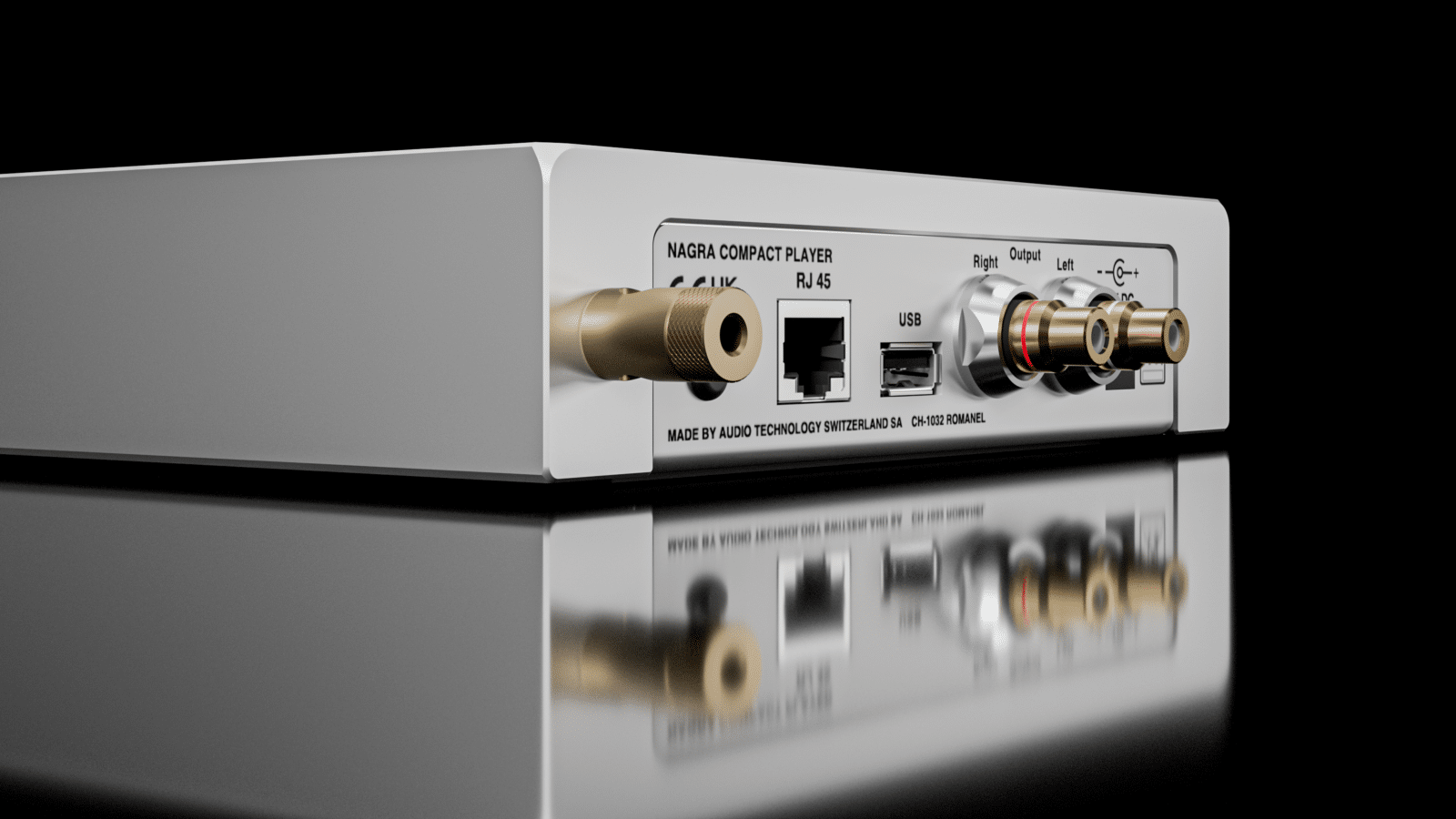
The most important aspect of the Compact Player is not an isolated specification but its tightly defined system function. Nagra already offers the Compact Streamer, a network player designed without an onboard DAC and equipped with digital connections for external conversion. The Compact Player takes the opposite approach: its converter and analog output stage are central to the design, and digital outputs are omitted.
For a prospective owner, this distinction simplifies system planning. The Compact Player is not intended to be purchased as an interim transport before adding a separate DAC. It offers a consolidated route from online or locally stored music to an analog amplifier input. Fewer separate digital components can also mean fewer interconnects, power supplies, and compatibility decisions, although owners who prefer to change DACs independently will find the lack of digital outputs restrictive.
This focused architecture suits systems in which the source is expected to remain coherent and self-contained. It also makes the product’s priorities unusually clear: streaming flexibility on the input side, followed by internal conversion and a purpose-designed analog output.
High-resolution conversion and dual-mono output design
The internal DAC supports PCM data at resolutions up to 32-bit/384kHz and DSD up to DSD256. These limits cover a wide range of commercially available downloads, locally archived high-resolution files, and material delivered through compatible playback platforms. The value is primarily one of format flexibility: owners with mixed libraries do not need to downsample supported files simply to play them through the unit.
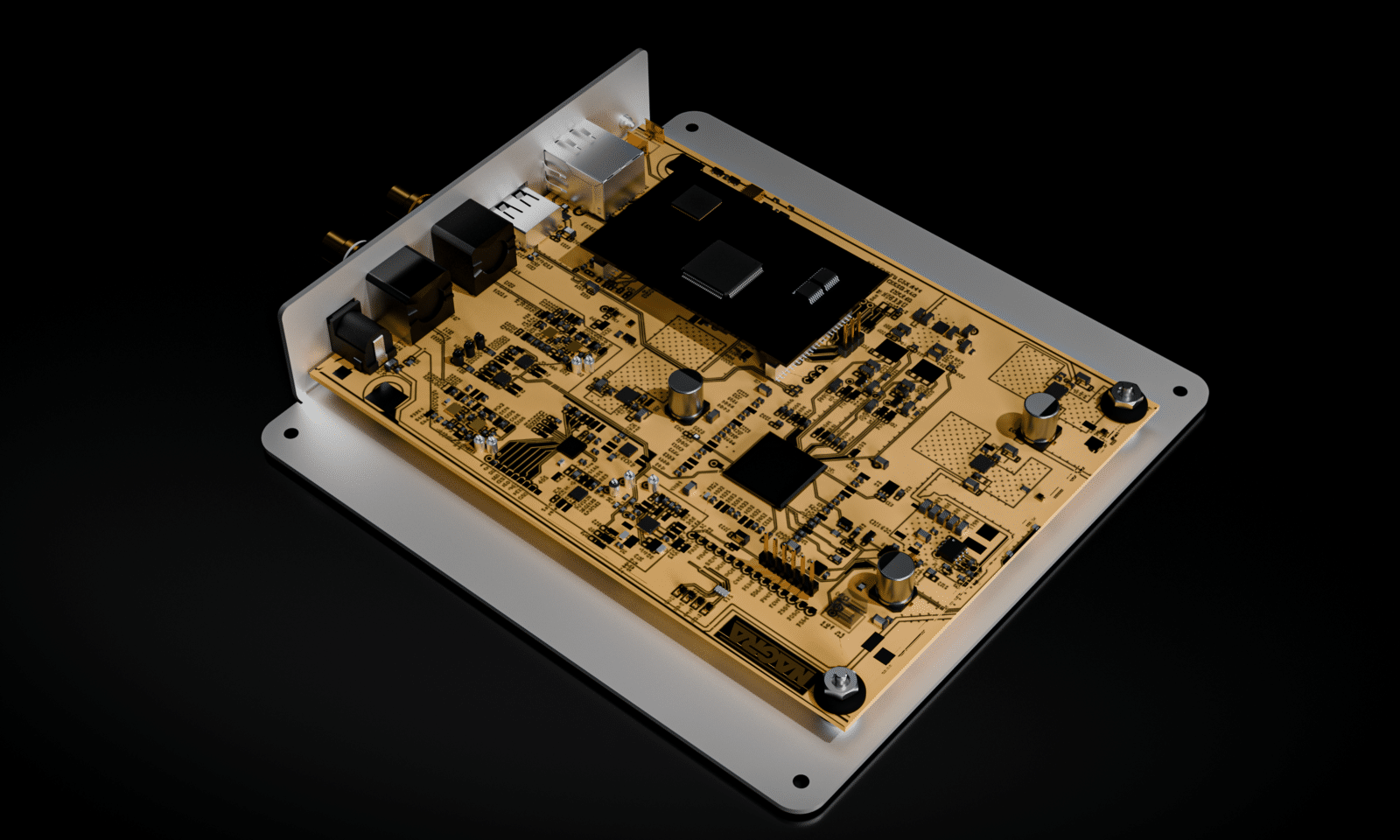
After conversion, the signal passes through a dual-mono analog output stage. Each channel has dedicated circuitry, an arrangement intended to improve channel separation and reduce crosstalk. Nagra also identifies clock architecture, supply voltages, and circuit-board layout as important parts of the design. In a digital source, those areas are relevant because timing behavior, electrical noise, and the physical routing of signals can affect the integrity of the conversion and output stages.
A stated A-weighted noise floor of –140 dB indicates that low-noise operation was a specific engineering target. The output impedance is 14 ohms, which is designed to make the player compatible with a broad variety of downstream equipment. Nagra positions it for connection to preamplifiers and integrated amplifiers, as well as direct use with suitable power amplifiers or active loudspeakers. The exact connection strategy should still be matched to the gain and control requirements of the wider system.
Streaming without dependence on one platform
A network player becomes much more useful when it can fit into established listening habits rather than forcing every owner into the same application. The Compact Player supports Qobuz Connect, TIDAL Connect, and Spotify Connect, allowing playback to be initiated from the corresponding service interfaces. AirPlay 2 adds a familiar route for users of compatible Apple devices.
Internet radio is available through vTuner, providing access to thousands of stations. The player is also designated Roon Ready and Roon Tested, making it relevant to listeners who use Roon to organize streaming services, local libraries, metadata, and playback across multiple rooms or systems. “Plays with Audirvana” certification provides another option for users who prefer Audirvana’s library management and playback environment.
This breadth matters because control software and library organization are often as important to daily usability as headline file support. The Compact Player can be incorporated into several common ecosystems, reducing the risk that the hardware becomes tied to a single proprietary browsing method. Its functions can also be operated through a mobile interface.
Local libraries remain part of the design
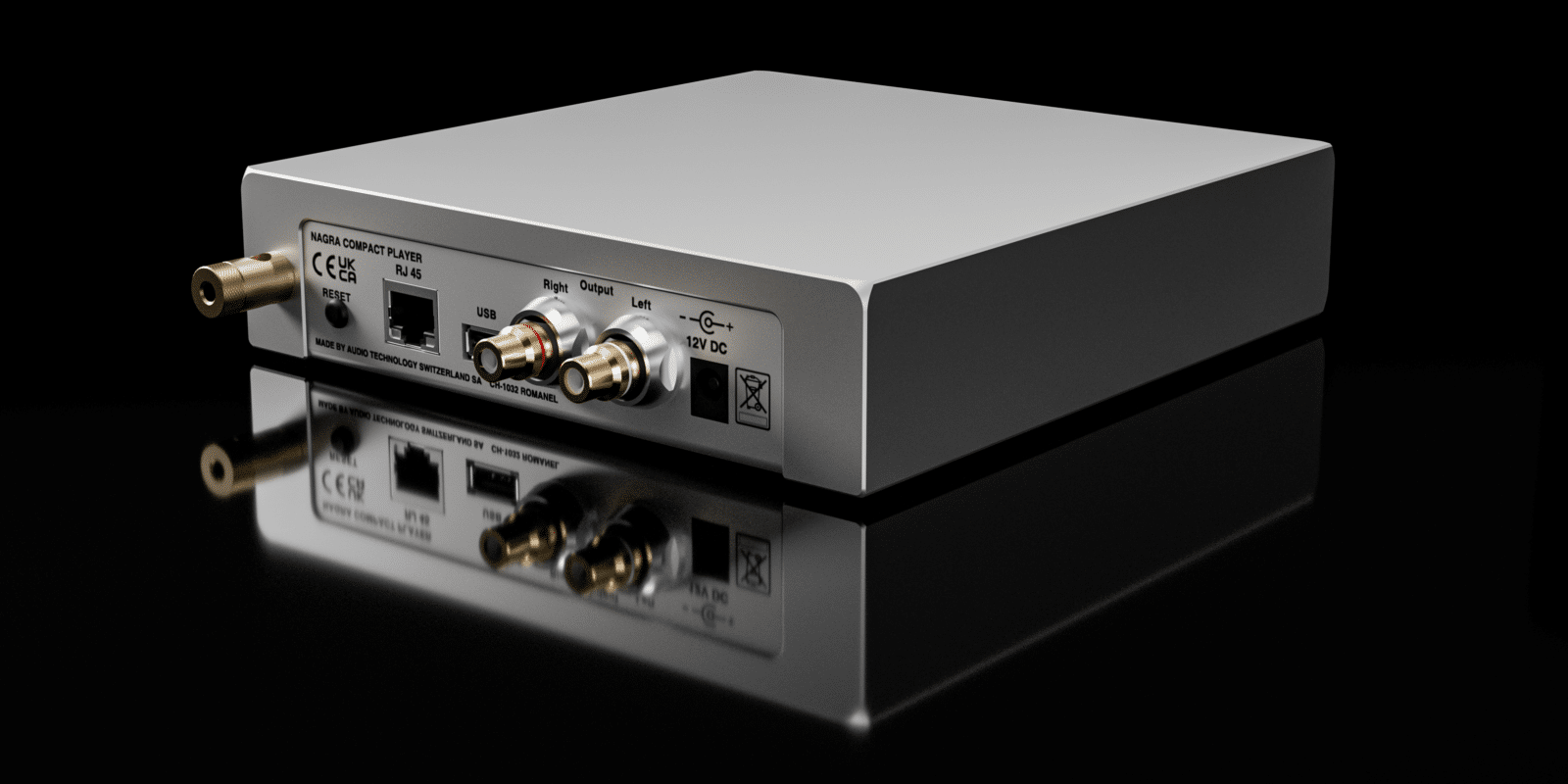
The Compact Player is not limited to subscription streaming. Music stored on a network can be accessed through UPnP/DLNA, allowing it to work with compatible servers and network-attached storage arrangements. Files can also be played from USB storage. A USB Type-A-to-Type-C connection is required for this use, so owners planning direct USB playback should account for the necessary cable or adapter.
Supporting both network libraries and attached storage gives the player relevance to collectors who maintain purchased downloads, archived recordings, or other personally managed files. It also allows streaming services and owned music to coexist in the same source component rather than requiring separate hardware for each.
The combination of PCM and DSD support is particularly useful in this context, because local collections are more likely than mainstream streaming catalogs to include a mixture of file types and high sampling rates. Compatibility alone does not determine playback quality, but it does remove practical obstacles when organizing and accessing a varied digital library.
Mechanical construction and power options
The enclosure is precision CNC-milled from a solid billet of aluminum. Nagra associates this construction with mechanical rigidity and resistance to vibration, both of which support the broader goal of maintaining a controlled, low-noise environment for the digital and analog circuitry. The solid chassis also aligns the Compact Player with the company’s emphasis on durable, long-term component design.
A 12-volt DC external power supply is included as standard. Separating the supply from the main chassis provides the player with its required stable power arrangement without making an optional purchase necessary at the outset. Owners can therefore use the complete product in its supplied configuration.
Nagra has nevertheless provided an upgrade path through a dedicated Compact power supply. The optional unit is intended to improve voltage regulation and current delivery. This modular approach gives buyers a choice: keep the standard external supply, or invest later in the matching power component without replacing the player itself. It is a practical expression of long-term system development, provided the owner is comfortable with the additional cost and shelf space that an external upgrade would entail.
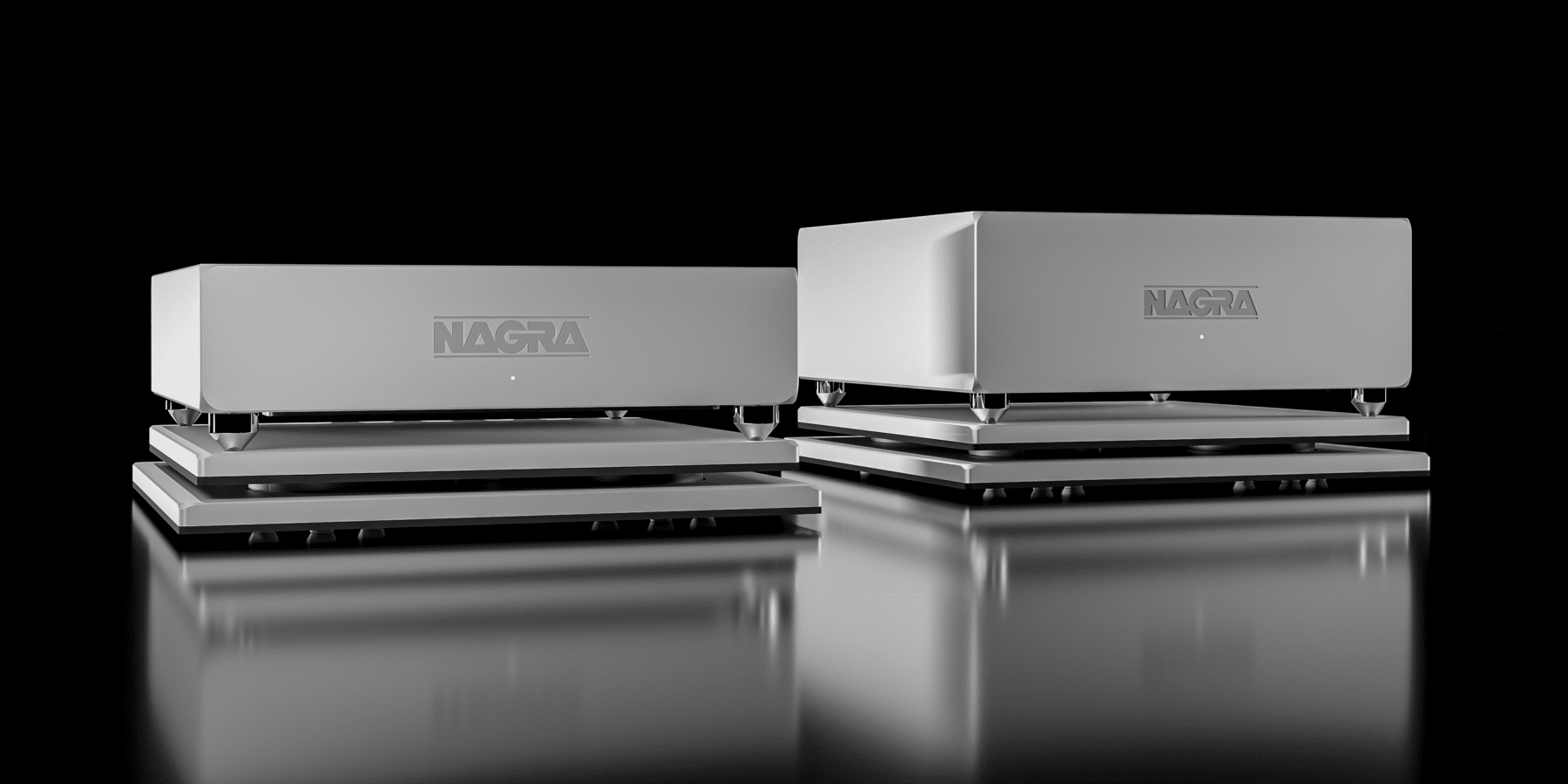
Who the Nagra Compact Player is for
The Compact Player is most suitable for listeners assembling a high-end system around an integrated digital source. It makes particular sense for owners who use Qobuz, TIDAL, Spotify, Roon, Audirvana, AirPlay 2, internet radio, or network storage and want those sources handled by one component with its own DAC and analog output circuitry.
It may also appeal to users seeking to reduce the number of digital boxes in a system. With streaming, local-file playback, conversion, and analog output combined, there is no requirement for a separate network bridge and DAC. Its low output impedance also gives system designers flexibility when selecting a preamplifier, integrated amplifier, active speaker, or an appropriate direct connection to amplification.
The product is less suitable for listeners who already own a preferred external DAC or who want a streamer with coaxial, optical, USB, or proprietary digital outputs. Because the Compact Player deliberately omits digital output connections, its internal conversion stage is not optional. Buyers should therefore view it as a complete source rather than as a modular transport. Likewise, anyone requiring physical disc playback would need a separate component, since the documented playback routes are network streaming, UPnP/DLNA, and USB storage.
Conclusion
The Nagra Compact Player’s strongest qualities are its clearly defined architecture, extensive streaming support, high-resolution file compatibility, and dedicated dual-mono analog output stage. CNC-machined aluminum construction, attention to clocking and power delivery, a stated –140 dB A-weighted noise floor, and a 14-ohm output impedance reinforce its role as a carefully engineered digital source. It is best suited to listeners who want streaming and DAC functions combined in one component and who plan to use its analog outputs as the permanent connection to their system. Those who need a digital transport for an external DAC should look elsewhere, but for an owner seeking a focused network-to-analog solution with optional power-supply development, the Compact Player presents a coherent proposition.


Sound Off
0Join the discussion if you have something to add.