


Power supplies rarely receive the same attention as DAC chips, amplifier topology, loudspeaker design, or headphone matching, yet they are part of the operating environment for every audio component. FiiO’s DARKSIDE PRO addresses that less visible side of system building with a dedicated low-noise linear power supply for externally powered hi-fi and desktop audio products. Its purpose is straightforward: replace the compact switching adapters commonly bundled with sensitive electronics with a more substantial, regulated DC supply built around stable voltage delivery, low ripple, and useful voltage flexibility. Rather than adding features unrelated to its role, the DARKSIDE PRO concentrates on the fundamentals of clean power: a 75-watt toroidal transformer, discrete regulation, selectable 12V or 15V output, up to 3A of current capability, and practical controls for matching compatible equipment.
A component built around the value of stable power
Many compact audio devices rely on external power adapters because that keeps the main chassis smaller, simpler, and less expensive to manufacture. Those adapters are often switching designs, which are efficient and convenient, but they can also introduce high-frequency noise and voltage instability into the environment surrounding sensitive audio circuits. For streamers, DACs, preamps, and headphone amplifiers, that can be a meaningful consideration because these products often combine digital processing, clocking, analog conversion, and low-level signal handling in close proximity.
The DARKSIDE PRO takes the alternative linear-power-supply approach. Instead of using high-frequency switching, it is designed to deliver a smooth DC output with minimal ripple and interference. FiiO specifies ripple noise at no more than 30 µVrms, A-weighted, which positions noise reduction as one of the product’s core engineering goals. For a prospective owner, the attraction is not that the power supply changes the function of the connected component, but that it aims to provide a cleaner and more consistent electrical foundation for equipment that already depends on external DC power.
Toroidal transformer and discrete regulation
At the center of the DARKSIDE PRO is a 75-watt toroidal transformer. This is an important distinction from the small modules typically found inside lightweight plug-top or inline switching adapters. Toroidal transformers are commonly used in audio equipment because their construction can offer low magnetic leakage and stable behavior when implemented properly. The DARKSIDE PRO’s approximately 2.2-kilogram weight also reflects the physical substance of a true linear design rather than a minimal accessory-style adapter.
FiiO combines the transformer with a fully discrete regulation stage using parallel N-MOSFETs. The stated purpose of this arrangement is to reduce internal resistance and improve response to changing current demands. That matters because externally powered digital audio products do not always draw current in a perfectly steady way; network activity, processing load, conversion stages, and amplifier demand can all create changing requirements. A supply with generous reserves and responsive regulation is intended to maintain stable output under these conditions.
12V and 15V output make it more adaptable
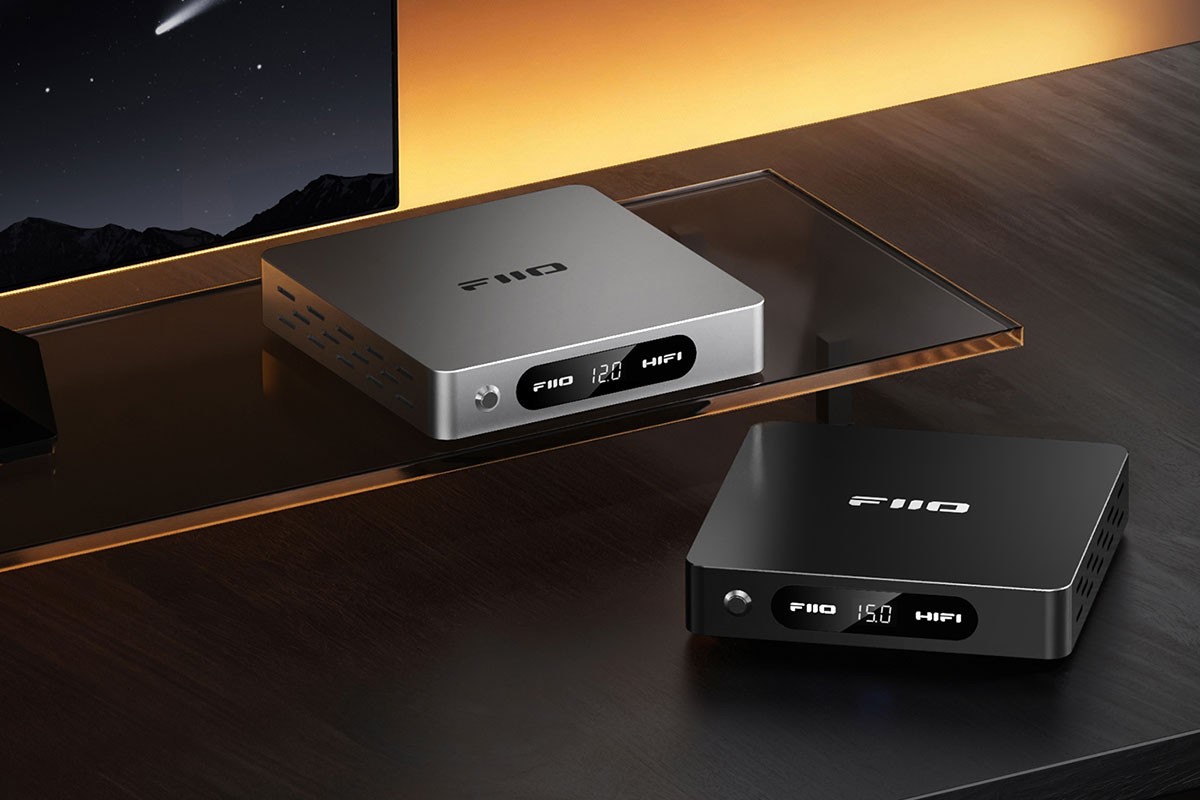
One of the DARKSIDE PRO’s most useful design choices is its switchable output voltage. A rear-panel switch allows the unit to operate at either 12V or 15V, covering two common requirements among desktop and compact hi-fi components. That gives it broader relevance than a fixed-voltage supply, especially for users who may own several compatible devices or who want a power supply that can remain useful if their system changes.
The maximum output current is specified at up to 3A, supported by the 75-watt transformer reserve. Current capability is a practical point rather than a headline number: the connected device must receive the voltage it requires while having sufficient current available for normal operation. The DARKSIDE PRO is therefore aimed at equipment such as network streamers, DACs, compact preamps, and headphone amplifiers that fall within its voltage and current range. As with any external supply, owners should confirm the requirements of the connected device before use, including voltage, current demand, and connector compatibility.
Fine voltage adjustment for careful system matching
Beyond the 12V/15V switch, FiiO includes a precision potentiometer that allows fine adjustment within ±0.2 volts. This is a small but thoughtful feature for users who pay close attention to the exact needs of their equipment. Some audio products specify a narrow preferred input range, and the ability to trim the output slightly may help align the supply with the connected component’s stated requirements.
The front panel uses a simple three-LED display to indicate the current output voltage. This reinforces the product’s practical character: it is not built around a complex interface, app control, or decorative display behavior. Instead, it provides immediate confirmation of the voltage setting, which is precisely the information an owner needs when connecting or reconfiguring equipment. Internal overcurrent protection is also included, adding an important safeguard for both the power supply and the connected device.
A restrained physical design with serious connections
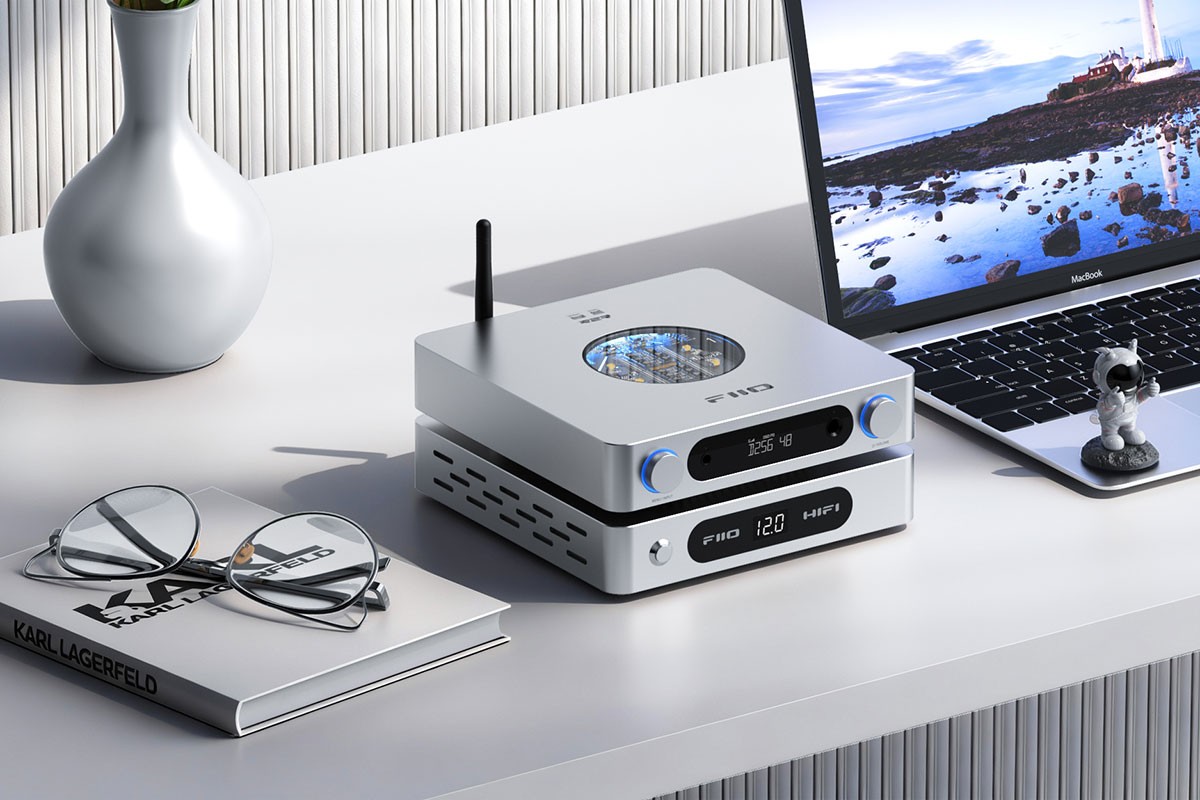
The DARKSIDE PRO is housed in a flat metal chassis, giving it the look and footprint of a dedicated hi-fi accessory rather than a disposable adapter. The substantial weight is not merely cosmetic; it follows from the use of a large transformer and linear architecture. This kind of construction can be particularly appealing in desktop and rack-adjacent systems where a power supply may sit alongside compact streamers, DACs, or headphone components.
Connectivity is intentionally straightforward. The DC output uses a GX16-2 aviation connector, while mains power enters through a standard three-pin AC socket. The GX16-2 connector is more secure and mechanically purposeful than many small barrel-style connections, though it also means owners need to ensure the proper cable and compatibility for their specific device. The standard AC inlet is convenient for installation and gives the DARKSIDE PRO the feel of a conventional audio component rather than a generic external brick.
Who the FiiO DARKSIDE PRO is most suitable for
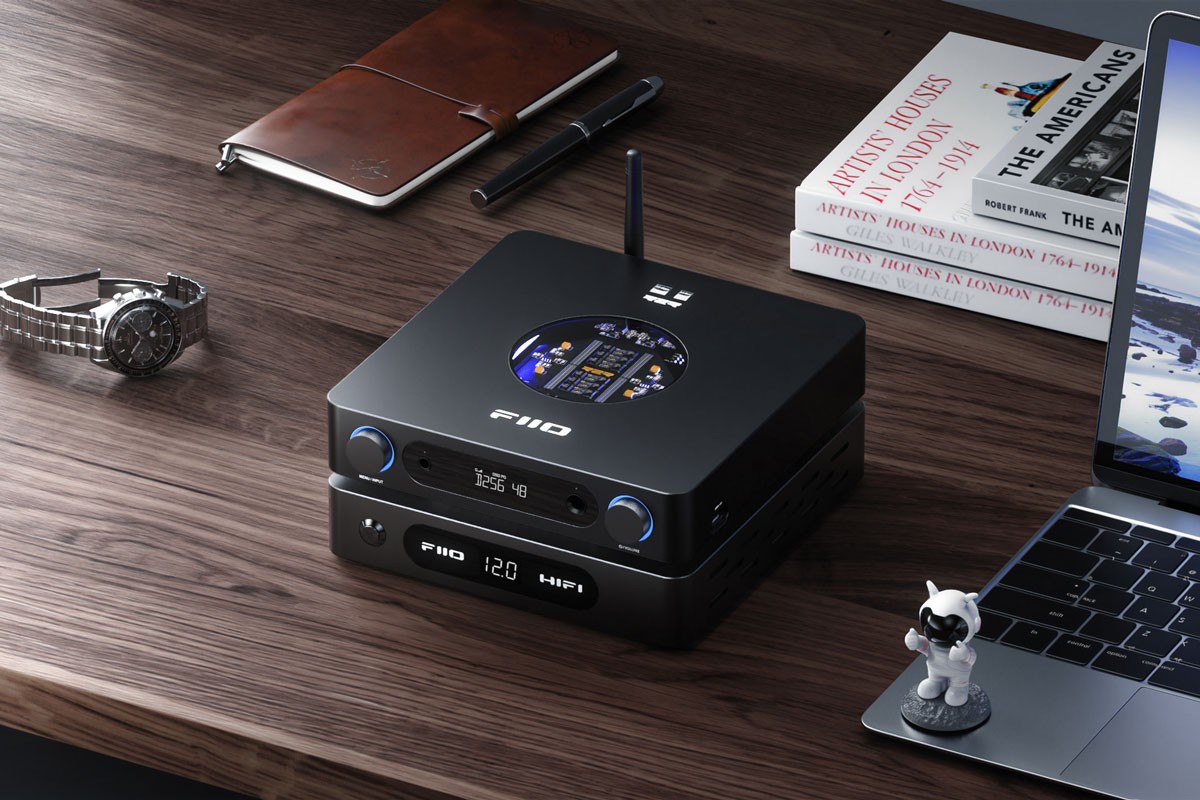
The DARKSIDE PRO is best suited to listeners who already own compatible external-powered audio components and want to address the quality and stability of the DC supply feeding them. It makes the most sense in systems built around sensitive devices such as streamers, DACs, compact preamps, and headphone amplifiers, particularly where the original power source is a basic switching adapter. It may also appeal to users who prefer a tidy, dedicated power component with clear voltage indication and a metal chassis.
It is less relevant for equipment with internal power supplies, products that require voltages other than 12V or 15V, devices that draw more than 3A, or systems where the supplied adapter is already purpose-built and well matched. It is also not a universal fix for every audio concern. The audible impact of any external power supply depends on the design of the connected component, the rest of the system, and the electrical environment. The DARKSIDE PRO’s appeal lies in its documented engineering approach and usability, not in a guaranteed change that would apply identically to every setup.
Conclusion
The FiiO DARKSIDE PRO is a focused product for a specific but important role: supplying cleaner, more stable DC power to compatible external-powered hi-fi components. Its strongest documented qualities are its 75-watt toroidal transformer, low-noise linear design, discrete regulation with parallel N-MOSFETs, switchable 12V/15V output, up to 3A current capability, fine voltage adjustment, clear front-panel indication, protective circuitry, and robust metal construction. For owners of streamers, DACs, preamps, or headphone amplifiers that can use its output, it offers a practical way to upgrade the electrical foundation of a system without adding unnecessary complexity. It is most compelling for careful system builders who understand their equipment’s power requirements and want a dedicated linear supply designed around stability, flexibility, and straightforward operation.

Join the discussion
Share your thoughts, listening impressions or product experience.