
Five Network Streamers Compared: Which One Should You Buy?
These five streamers take very different approaches, from compact all-rounders to specialist digital transports and high-end network players. Here is how they compare, and which one makes the most sense for your system.

Choosing a network streamer is no longer just a question of which model supports Spotify or Qobuz. The five options compared here differ significantly in their connectivity, internal storage, DAC arrangements, control systems, upgrade paths and intended level of system.
The Cambridge Audio MXN10 is the strongest all-round purchase because it combines a compact design with both analogue and digital outputs, extensive streaming support, Bluetooth, USB playback and high-resolution capability. But it is not the automatic choice for everyone: the Arcam ST5 is the more compelling option for listeners prioritising its reviewed sound performance, while the Matrix Audio models and Gustard S26 target more specialised high-end systems.
Quick verdict
- Best Overall: Cambridge Audio MXN10 — the most complete and flexible choice for a wide range of systems.
- Best Sound: Arcam ST5 — particularly when its digital output is used with an external DAC.
- Best for a high-end digital transport system: Matrix Audio NT-1 — with SFP networking, external-clock input and five digital outputs.
- Best for storage and computer-style functionality: Gustard S26 — with a Ryzen processor, 1TB SSD and substantial expansion potential.
- Best for retro styling and headphone use: Leak TruStream — a high-resolution streamer with balanced and unbalanced outputs plus a 6.35mm headphone output.
Comparison table
| Model | Best suited to | Analogue output | Digital connectivity | Storage or expansion | Notable network features |
|---|---|---|---|---|---|
| Cambridge Audio MXN10 | Most systems and mixed streaming sources | Unbalanced line out | Coaxial and optical | USB storage | AirPlay 2, Chromecast, Bluetooth, Spotify Connect, Tidal, Qobuz, Roon Ready |
| Arcam ST5 | Listeners wanting a polished streamer with internal DAC and upgrade flexibility | Analogue RCA | Optical and coaxial | USB-A local storage | AirPlay 2, Chromecast, Spotify Connect, TIDAL Connect, Qobuz, Roon Ready, UPnP |
| Leak TruStream | High-resolution streaming with classic styling and headphone listening | XLR and RCA | Optical and coaxial | Dual USB-A ports for external storage | TIDAL Connect, Qobuz Connect, Spotify Connect, AirPlay 2, Roon Ready, UPnP/DLNA |
| Gustard S26 | Advanced digital systems and users wanting internal storage | None listed | USB, HDMI I2S, AES, optical and coaxial | 1TB NVMe SSD; additional M.2 slot up to 4TB | Roon Core, UPnP, AirPlay, Spotify Connect, QQ Music |
| Matrix Audio TT-1 / NT-1 | External-DAC systems and dedicated digital transport use | None | Coaxial, optical, AES/EBU, USB-DAC and IIS-LVDS | Optional internal SSD; USB storage or CD drive | MA Remote app and Roon endpoint functionality |
Cambridge Audio MXN10
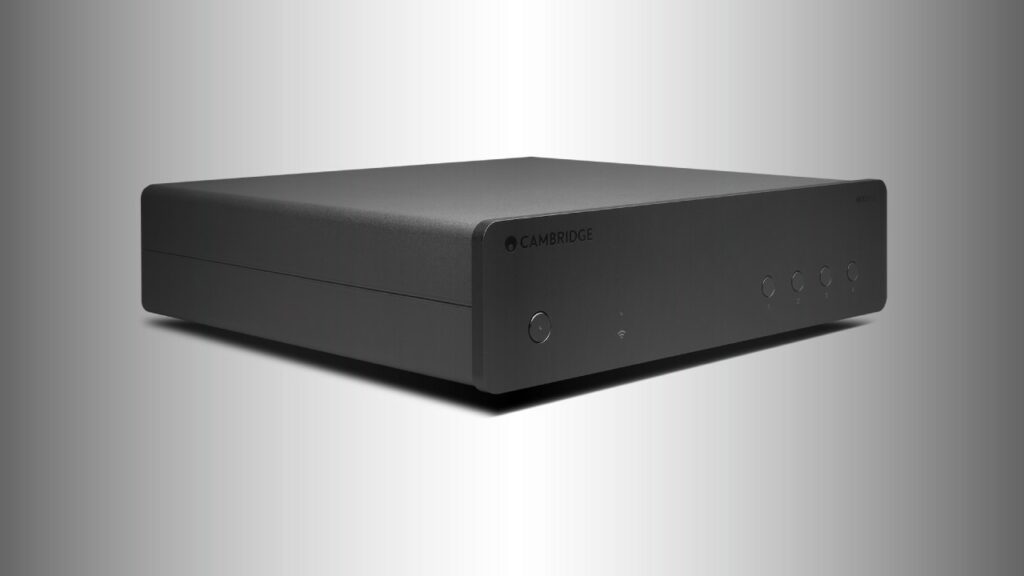
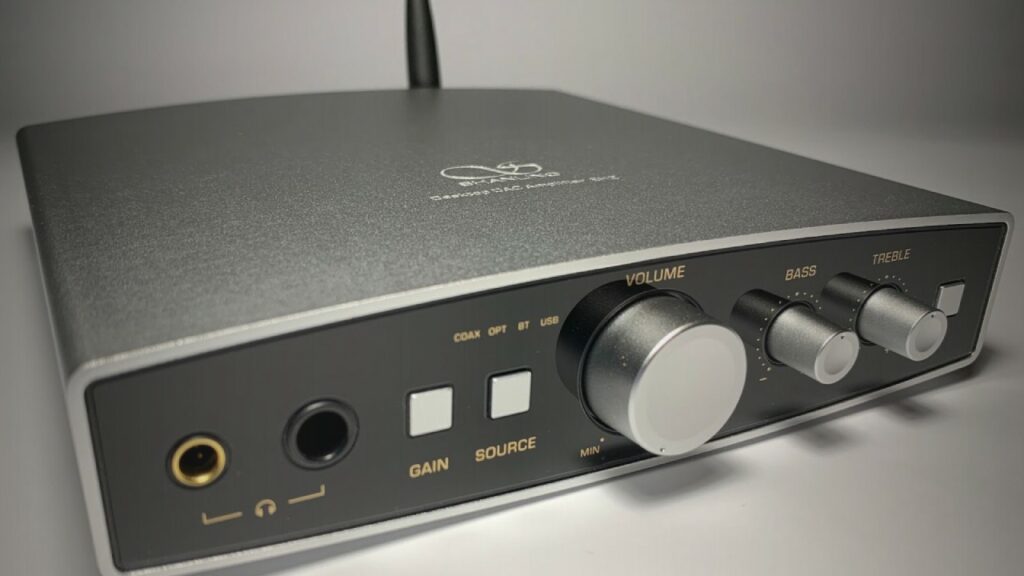
The Cambridge Audio MXN10 is the easiest recommendation when the goal is to add streaming to an existing hi-fi system without committing to a narrowly specialised component. Its compact chassis measures 215 x 52 x 191mm and weighs 1.2kg, so it should be straightforward to accommodate in systems where a full-width component would be excessive.
Its key advantage over the digital-only Matrix Audio and Gustard options is the inclusion of an unbalanced line-level output. The MXN10 can therefore feed an amplifier directly using its internal ESS Sabre ES9033Q DAC, while its coaxial and optical outputs allow the owner to use a separate DAC later. That combination makes it more adaptable than a streamer designed solely as a transport.
The feature list is unusually broad. The MXN10 supports Wi-Fi, Ethernet, AirPlay 2, Chromecast, UPnP, internet radio, Roon Ready, Spotify Connect, Tidal, Qobuz and Bluetooth with SBC and AAC codecs. Local music can be played from USB storage, and the supported formats include ALAC, WAV, FLAC, AIFF, DSD512, WMA, MP3, AAC and OGG Vorbis. It also handles up to 32-bit/768kHz PCM and DSD512.
This is why the Cambridge wins overall: not because it is the most elaborate design here, but because it asks the fewest compromises from the buyer. It has an analogue route, two digital outputs, wired and wireless networking, local USB playback and broad service support. The sources do not provide a price for the MXN10, so it cannot be called the cheapest option or Best Value, but its functionality makes it the safest general-purpose purchase in this group.
Arcam ST5
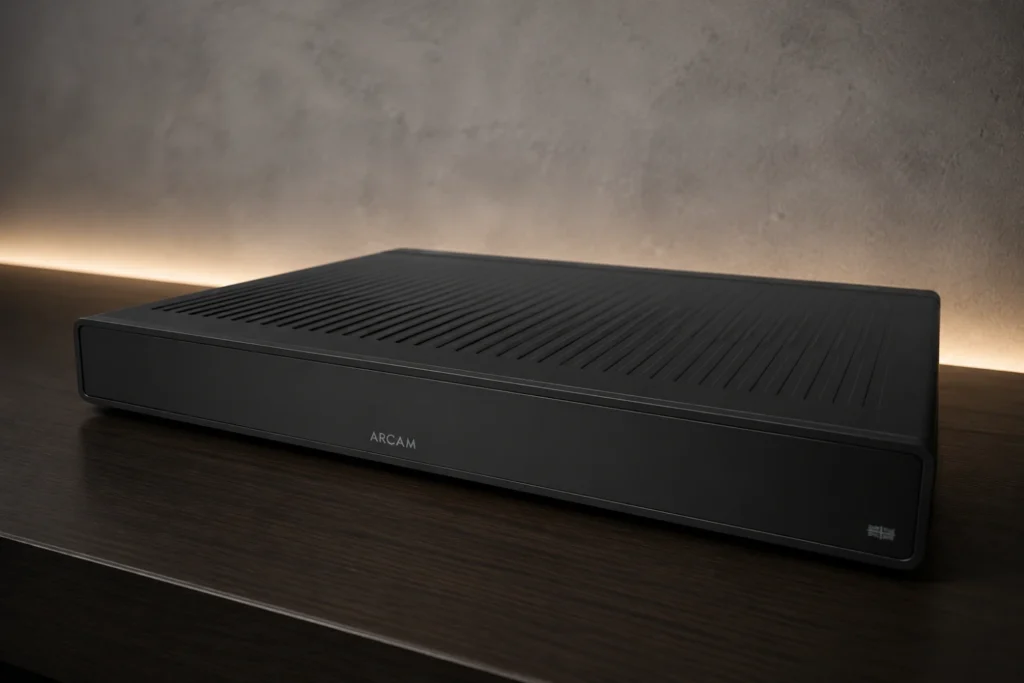
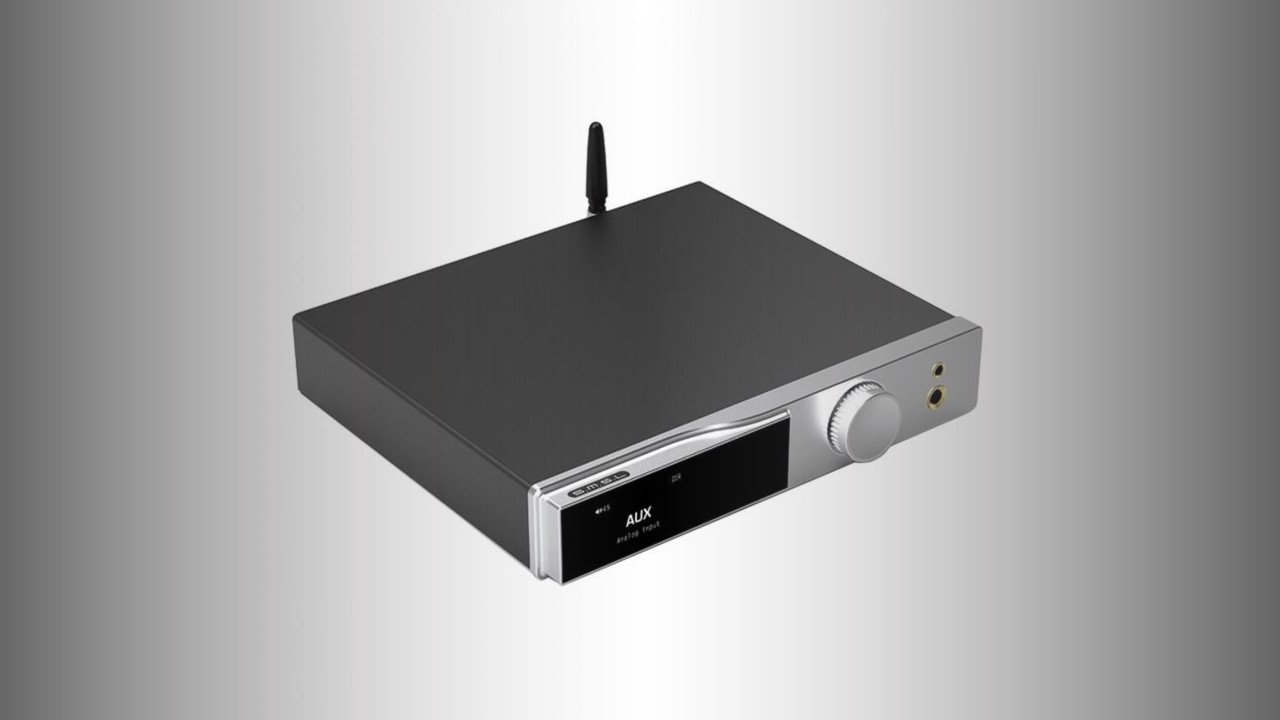
The Arcam ST5 is the closest rival to the Cambridge as a conventional, system-friendly network streamer. It offers both analogue RCA and optical/coaxial digital outputs, allowing the owner to use its internal ESS Sabre ES9018 DAC or connect an external converter. Ethernet, Wi-Fi and USB-A for local storage are also provided.
Arcam’s streaming support covers Apple AirPlay 2, Chromecast Built-In, Spotify Connect, TIDAL Connect, Qobuz, Amazon Music, Roon Ready, internet radio, podcasts and UPnP. It supports 24-bit/192kHz playback and files including FLAC, WAV, ALAC, AIFF, AAC, DSD128 and MQA. Compared with the Cambridge, the Arcam has a less ambitious headline resolution, but the supplied review presents a more specific account of its listening performance.
Using the analogue RCA output, the review describes the ST5 as smooth, balanced and enjoyable, with articulate bass, natural vocals and refined treble. The more significant result came through the optical output: the review reported a larger soundstage, improved instrument separation, more audible micro-detail, greater transparency and stronger definition in the bass and midrange. The review system used an Arcam A15 amplifier and KEF Q750 loudspeakers.
That makes the ST5 the justified Best Sound pick within this comparison, with an important qualification: the source’s strongest listening conclusion concerns the digital-output configuration, not a universal claim that its internal DAC is superior to every alternative here. Choose it if you value the reviewed presentation and want a streamer that can remain useful as the rest of the system develops.
Leak TruStream
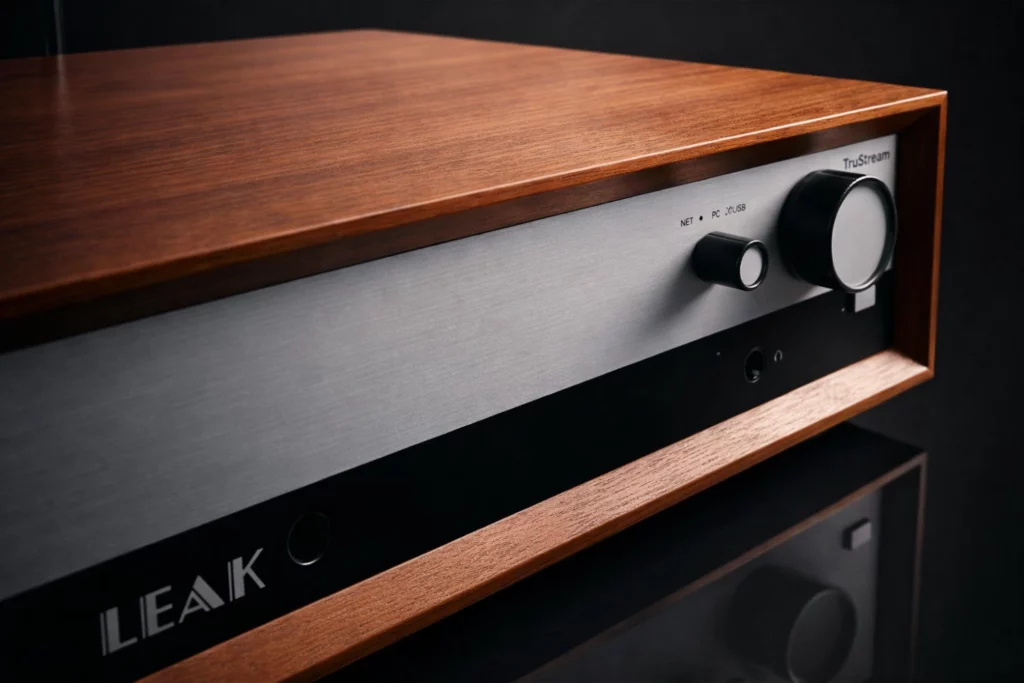
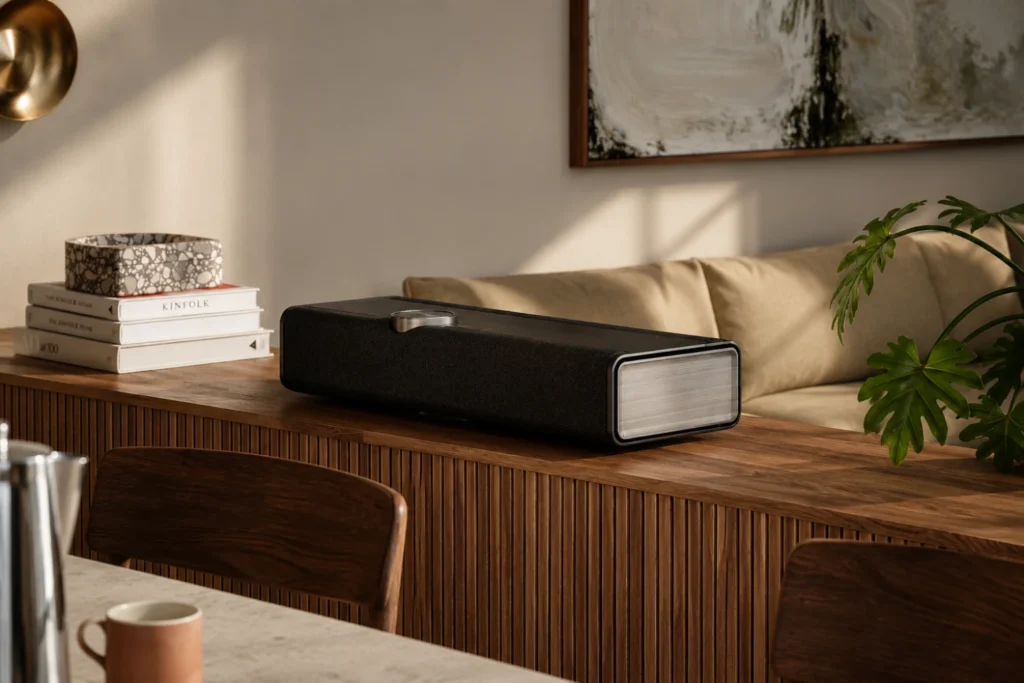
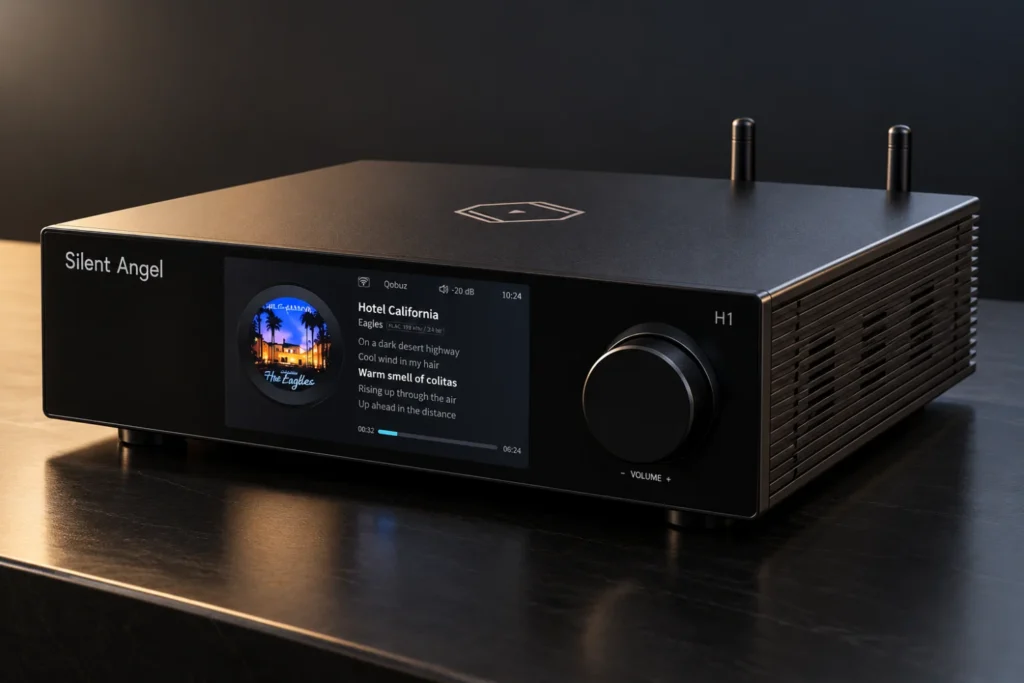
The Leak TruStream takes a different approach to the Cambridge and Arcam. It combines modern streaming functions with a walnut-finished cabinet and brushed aluminium chassis inspired by Leak’s mid-century design language. For buyers who want a streamer to look like a distinctive hi-fi component rather than a generic network accessory, that is a meaningful advantage.
It is also particularly versatile at the output stage. The TruStream includes balanced XLR and unbalanced RCA outputs, optical and coaxial digital outputs, a USB-C audio input, dual USB-A ports for external storage and a 6.35mm headphone output. The headphone connection gives it a use that none of the other supplied options clearly matches.
The Leak uses an ESS Sabre ES9038Q2M DAC with ESS HyperStream II architecture, Time Domain Jitter Eliminator technology and an active post-filter stage. The streaming platform supports PCM up to 32-bit/768kHz and DSD512. Service support includes TIDAL Connect, Qobuz Connect, Spotify Connect, AirPlay 2, TuneIn internet radio, Silent Angel’s own radio service, UPnP/DLNA and Roon Ready operation.
Its main buying consideration is timing. The source says the TruStream is expected to become available in April 2026, with a suggested retail price of €1,199 / $1,495. That makes it a future purchase rather than the immediately available all-round recommendation in this comparison. It is the better choice for someone who specifically wants balanced analogue connectivity, headphone listening and Leak’s retro-modern presentation.
Gustard S26
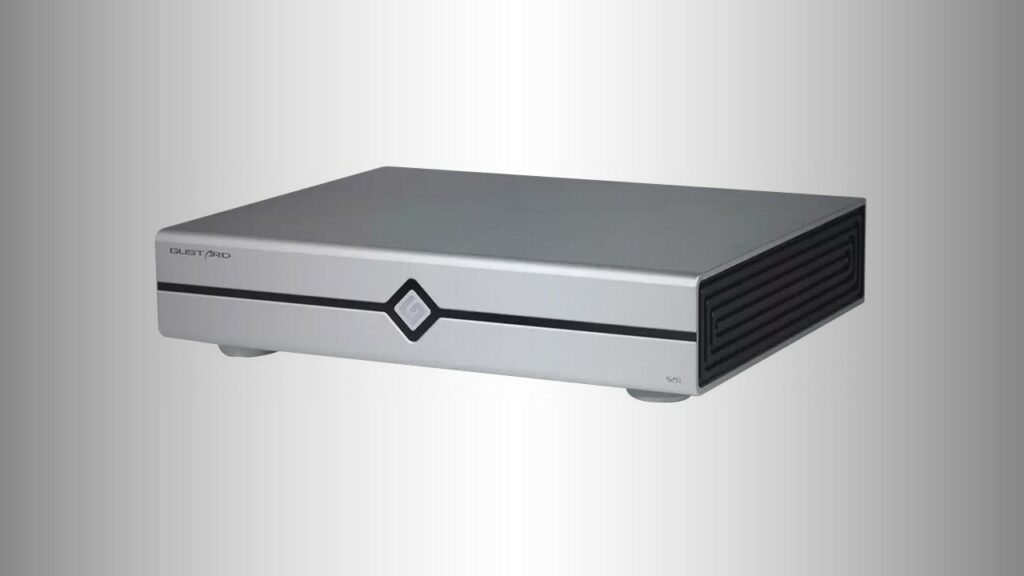
The Gustard S26 is not simply a compact streaming endpoint. It is built around a Ryzen 5 5600U processor with six cores and twelve threads, 8GB of DDR4 RAM and an integrated 1TB NVMe SSD. An additional M.2 PCIe 3.0 NVMe SSD of up to 4TB can be installed separately, giving it a storage and computing orientation that the Cambridge, Arcam and Leak do not share.
Its design also concentrates heavily on internal noise control. The source describes a copper-tubing cooling system, a 120VA toroidal transformer, separate low-noise voltage-stabilisation circuits and a GCLK-02 clock system. There is also a BNC input for an external 10MHz generator. These are substantial provisions for buyers building a carefully specified digital source, but they are more relevant to an enthusiast who will use them than to someone who simply wants convenient access to streaming services.
The S26 is compatible with Roon Core and UPnP Server, and supports Spotify Connect, Apple AirPlay and QQ Music. Its outputs are USB-A, HDMI I2S, HDMI I2S-G, XLR AES, optical Toslink and coaxial. The listed capabilities reach PCM 32-bit/768kHz and native DSD512 over I2S, while AES, coaxial and optical support PCM 24-bit/192kHz and DSD DoP256.
There is no analogue output listed, so the S26 requires a downstream DAC or another component able to accept one of its digital connections. That rules it out as the simplest purchase for a conventional amplifier, but makes it attractive for a system centred on an external DAC, stored music library and advanced digital connections. It is the most computer-like option here, not the most universally straightforward one.
Matrix Audio TT-1 and NT-1
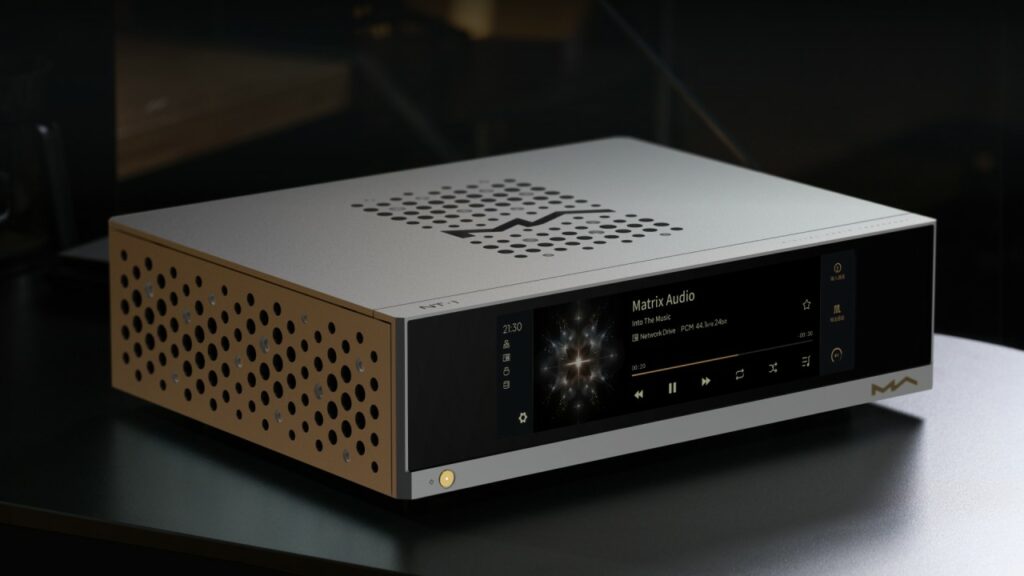
The Matrix Audio TT-1 and NT-1 are dedicated digital transports. Neither model is presented as an analogue-output streamer, and both are intended for listeners who already have, or plan to choose, a separate DAC. Their five digital outputs are coaxial RCA, optical Toslink, AES/EBU, a dedicated USB-DAC output and IIS-LVDS through an HDMI connector.
The TT-1 is the more accessible model, priced at $2,249 according to the source, and measures 28cm wide. It includes an RJ45 network connection, two USB ports for storage or a CD drive, an SSD slot for a separate NVMe drive and a large touch screen. A connected CD drive can be used for ripping, with music stored on the internal SSD and managed through the Matrix Audio Control app. It can also be fully managed through the MA Remote app and operate as a Roon endpoint.
The NT-1 costs $4,899 and is 33cm wide. Its additional features explain the higher position in the range: an enhanced linear power supply, an SFP port for fibre-optic networking and a 10MHz external-clock input. The SFP connection is intended to provide electrical isolation between the network and audio source, while the external clock can replace the NT-1’s internal clock as the timing reference.
The TT-1 is therefore the more sensible Matrix Audio choice for someone wanting the brand’s transport concept, touch-screen control, CD ripping and optional SSD storage without moving to the NT-1’s premium architecture. The NT-1 is the specialist choice for an external-DAC system where fibre networking and clocking are central priorities. Neither is as broadly accommodating as the Cambridge because neither offers the same direct analogue-output option.
How they differ
Analogue versus digital-only systems: The Cambridge, Arcam and Leak can all provide analogue output, while the Gustard S26 and Matrix Audio TT-1/NT-1 are presented as digital sources requiring a downstream DAC. This is the first decision to make. If the streamer will connect directly to an integrated amplifier, start with the Cambridge, Arcam or Leak.
Sound-focused upgrade paths: The Arcam and Cambridge both offer digital outputs alongside their internal DACs, while the Leak adds balanced XLR output as well as RCA. The Arcam review specifically found a substantial improvement when using its optical output, making it the strongest pick for an owner who expects to use an external DAC.
Storage: The Gustard is the most complete out of the box, with a 1TB SSD, while the Matrix models offer optional SSD storage and CD-ripping functionality. The Cambridge, Arcam and Leak provide USB-based local playback, but the supplied sources do not describe internal music storage for those models.
High-resolution support: The Cambridge, Leak and Gustard all list support reaching PCM 32-bit/768kHz and DSD512, while the Matrix models are described through their digital transport connections rather than a single DAC resolution specification. The Arcam supports up to 24-bit/192kHz, DSD128 and MQA according to its source article.
System style: The Cambridge is compact and discreet. The Arcam is designed to stack neatly with the company’s A5, A15 and A25 amplifiers. Leak offers the most obviously retro styling. Gustard and Matrix Audio are aimed more squarely at enthusiast digital systems, with the Matrix models adding touch-screen control and the NT-1 adding SFP and external-clock facilities.
Which one should you buy?
- Buy the Cambridge Audio MXN10 if you want one compact streamer that can work with an existing amplifier, an external DAC, USB storage, wireless devices and the major streaming platforms. It is the best overall choice because it combines the widest practical flexibility with a relatively uncomplicated system role.
- Buy the Arcam ST5 if sound performance is your first priority and you are likely to use its optical or coaxial output into an external DAC. It is also the natural match for an Arcam Radia system, particularly the A5, A15 or A25 amplifiers named in the source.
- Buy the Leak TruStream if you want balanced XLR output, a headphone output and a distinctive walnut-and-aluminium appearance. Check its availability first, since the supplied article gives an expected April 2026 launch.
- Buy the Gustard S26 if you want an internal music library, considerable processing hardware, multiple advanced digital outputs and the option of adding more NVMe storage. It makes less sense if you need a direct analogue connection.
- Buy the Matrix Audio TT-1 if you want a compact, digital-only transport with touch-screen control, optional SSD storage and CD ripping. Choose the NT-1 instead when SFP network isolation, a linear power supply and external-clock input justify its much higher price.
Final verdict
The Cambridge Audio MXN10 is the Best Overall because it covers the greatest number of realistic system requirements without forcing the buyer into a particular DAC, network architecture or storage strategy. The Arcam ST5 is the better sound-led alternative, the Leak TruStream is the more characterful and headphone-friendly option, and the Gustard S26 and Matrix Audio players are stronger choices for dedicated high-end digital systems. Match the streamer to the rest of your system first, but for the broadest and least restrictive purchase, choose the MXN10.











 VS
VS VS
VS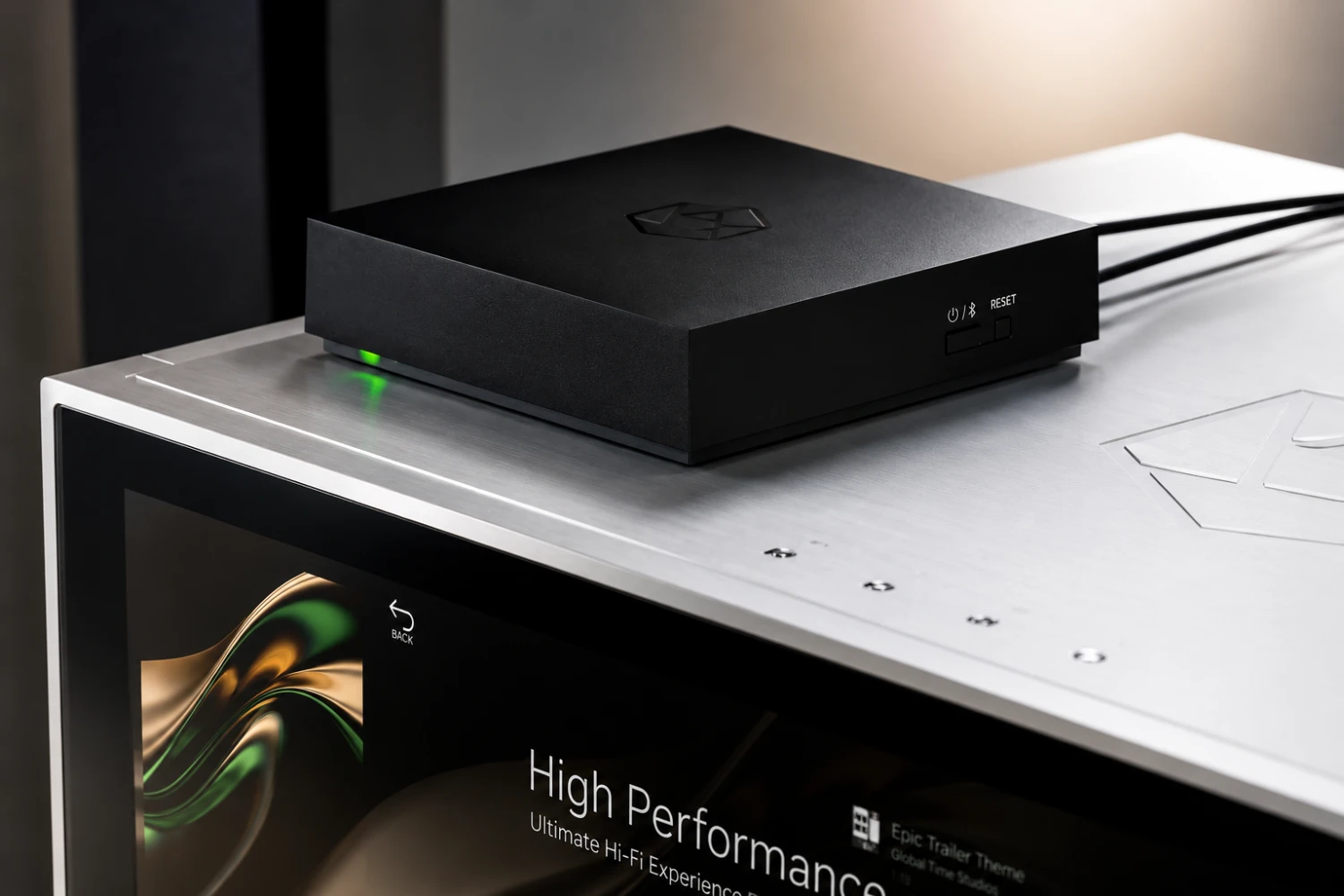 VS
VS VS
VS VS
VS VS
VS
Comments 0
Share your experience, questions and perspective with other hi-fi enthusiasts.