
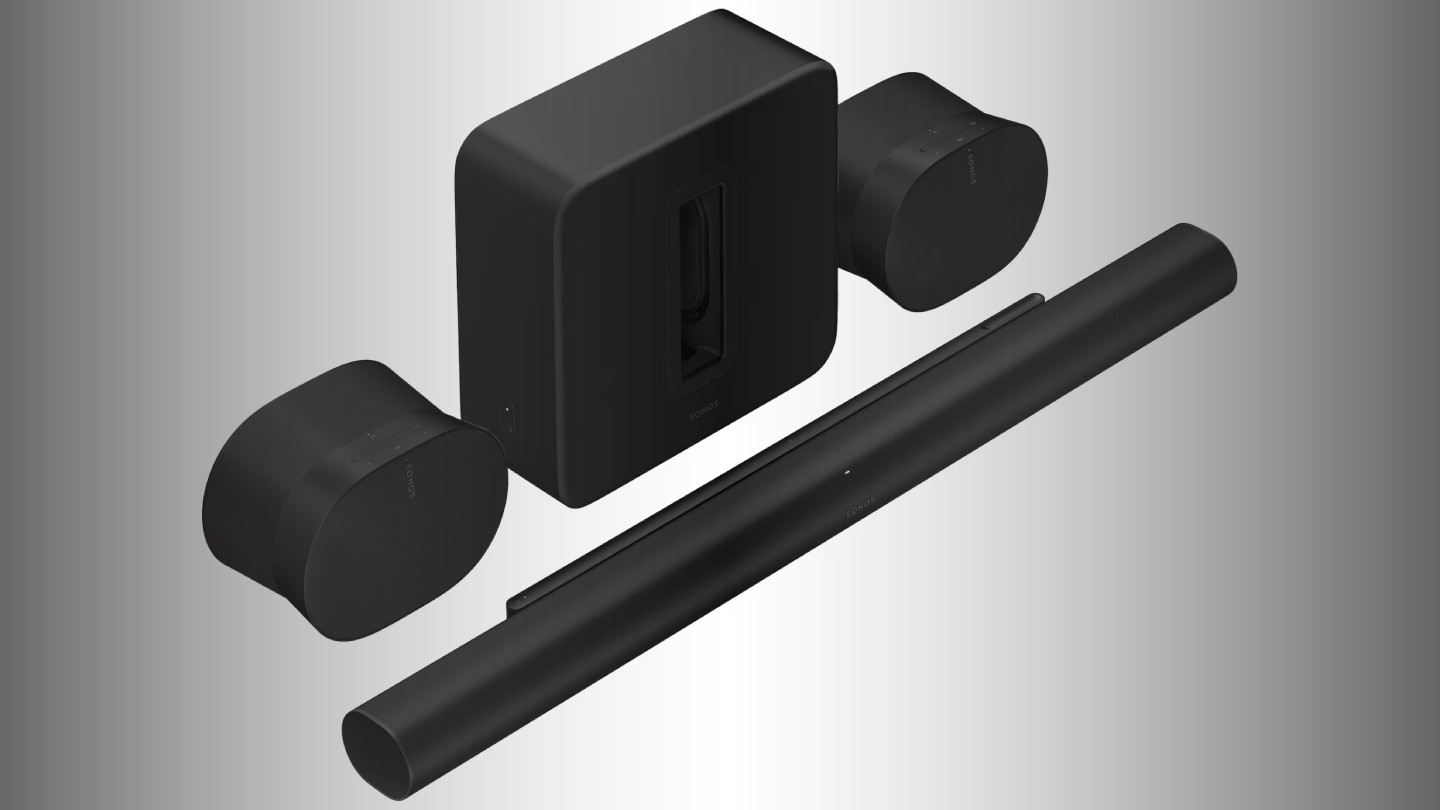
The Sonos Arc Ultra arrives as a significant update to one of the most recognizable names in premium soundbars. Rather than treating home-cinema sound as a choice between simplicity and immersion, the Arc Ultra is built around the idea that a single slim enclosure can still provide a structured spatial presentation, room-aware tuning, and meaningful low-frequency output. Its headline features are Dolby Atmos support, a 14-driver acoustic architecture, and the debut of Sonos’ Sound Motion transducer technology, which is intended to increase bass performance while keeping the hardware compact. For listeners who want a living-room system that remains visually restrained but still integrates into a modern smart-home and multi-room setup, the Arc Ultra is positioned as a particularly flexible centerpiece.
A slim soundbar with home-cinema ambitions
The appeal of the Sonos Arc Ultra starts with its role in the room. It is a soundbar, so it is designed to sit beneath or near a television without the footprint of a traditional multi-speaker AV system. That matters for many homes where the main entertainment space is also a shared living area, and where loudspeaker placement, visible wiring, and equipment racks may not be practical.
Sonos has long been associated with multi-room systems and smart-home-friendly audio products, and the Arc Ultra follows that logic. It is not presented merely as a TV speaker, but as part of a broader connected ecosystem. For prospective owners already invested in Sonos components, that system context is important: the soundbar can serve as the front end of a more complete entertainment arrangement while remaining consistent with the company’s familiar emphasis on integration and app-based control.
Sound Motion technology and the bass question
The most distinctive technical element in the Arc Ultra is Sonos’ Sound Motion technology. According to Sonos, the Arc Ultra is the first product to use this transducer approach, which is intended to improve bass performance while reducing the size required from the transducer itself. In soundbar design, that is a meaningful engineering target. Low frequencies typically benefit from cabinet volume and driver excursion, both of which are difficult to accommodate in a slim enclosure intended for domestic spaces.
By incorporating a Sound Motion woofer into the Arc Ultra, Sonos is addressing one of the central compromises of compact soundbar design: how to provide bass weight without turning the product into a large, visually dominant cabinet. The source material does not provide measured bass extension or output figures, so the practical performance should not be assumed. Even so, the design direction is clear. Sonos is using new transducer engineering to make the Arc Ultra more capable as a standalone bar for users who want stronger low-frequency support than a conventional slim format might suggest.
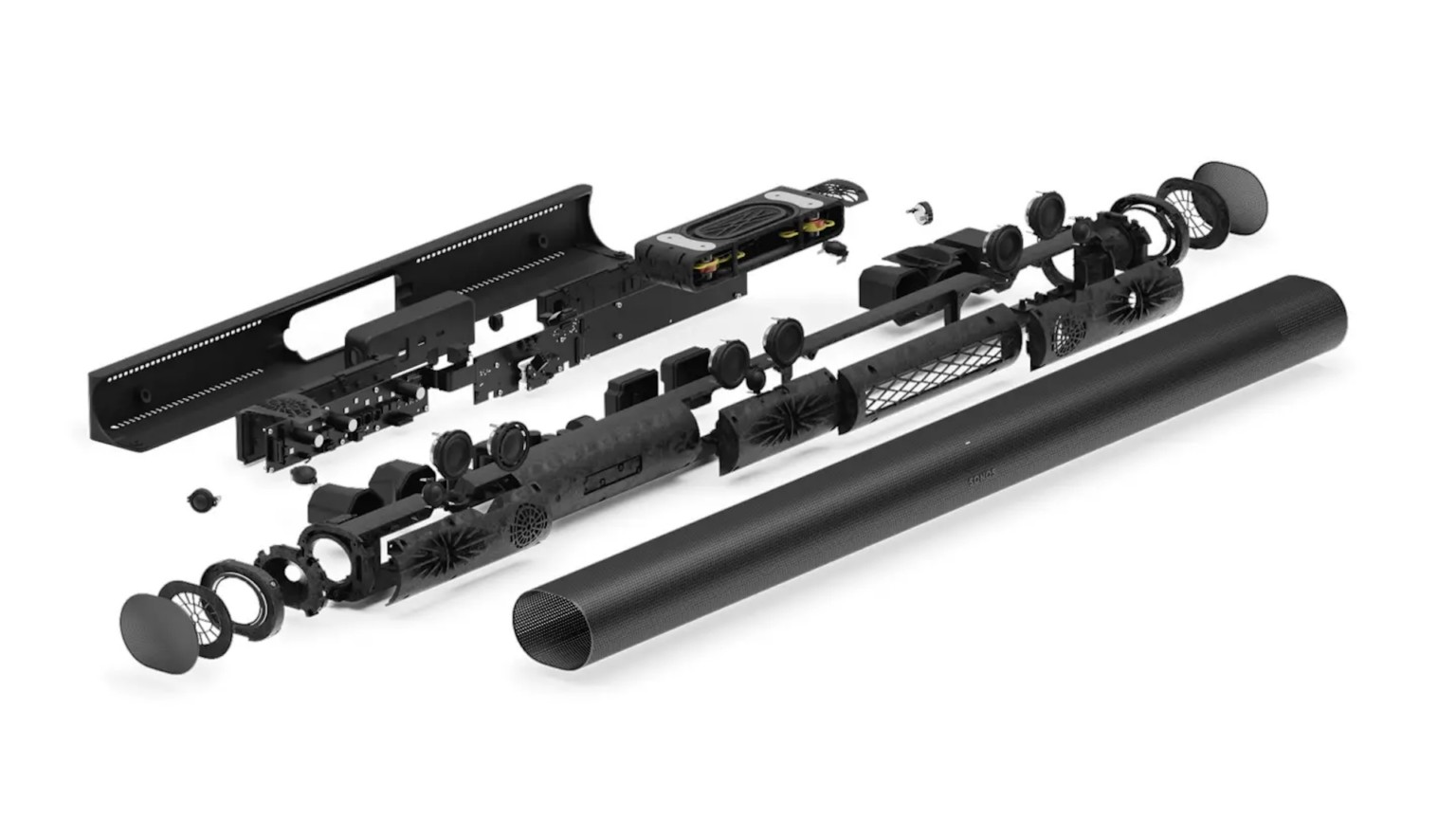
A 14-driver layout for 9.1.4 surround rendering
Inside the Arc Ultra, Sonos has specified 14 drivers engineered by the company. The array includes the Sound Motion woofer and a set of tweeters with waveguides positioned at both ends. The purpose of this layout is to create a 9.1.4 surround sound experience from a single soundbar form factor. In practical terms, that means the Arc Ultra is intended to reproduce front, side, height, and bass information in a way that supports immersive movie and television soundtracks.
The inclusion of Dolby Atmos is central to that proposition. Atmos soundtracks are designed around spatial audio objects and height information, and a soundbar needs carefully managed driver dispersion to make that format useful without installing discrete speakers around the room. The waveguides on the tweeters are therefore not a decorative detail; they are part of the acoustic strategy for directing sound into the listening area and helping the bar create a wider and taller impression than its physical dimensions alone would imply.
Trueplay room tuning now reaches iOS and Android
Room acoustics can have a major influence on how any soundbar behaves. Furniture, wall distance, flooring, curtains, ceiling height, and the placement of the television can all affect tonal balance and spatial cues. The Arc Ultra includes Sonos’ Trueplay technology, which allows the system to be tuned to the specific room in which it is installed.
A notable usability point is that Trueplay support is described as available for both iOS and Android devices. That broader platform support matters because room correction features are most useful when they are easy for the actual owner to access. If a household does not use iPhones or iPads, Android compatibility removes a previous kind of practical limitation. It also makes the Arc Ultra more approachable for mixed-device homes, where control and setup should not depend on one mobile platform.

App improvements and everyday usability
The Arc Ultra also arrives alongside planned improvements to the Sonos application. The company has acknowledged functionality shortcomings in a previous version of its app, and the software update launching with the new soundbar is intended to address those issues. For a product like this, app reliability is not a minor accessory; it is part of the ownership experience.
Soundbars in connected systems are adjusted, updated, grouped, and configured through software. Input behavior, room tuning, multi-room grouping, and general control can all depend on the app feeling stable and predictable. The fact that Sonos is pairing the Arc Ultra launch with application enhancements is therefore relevant to prospective owners, particularly those who value straightforward setup and long-term manageability as much as hardware specifications.
How the Sub 4 fits into the system
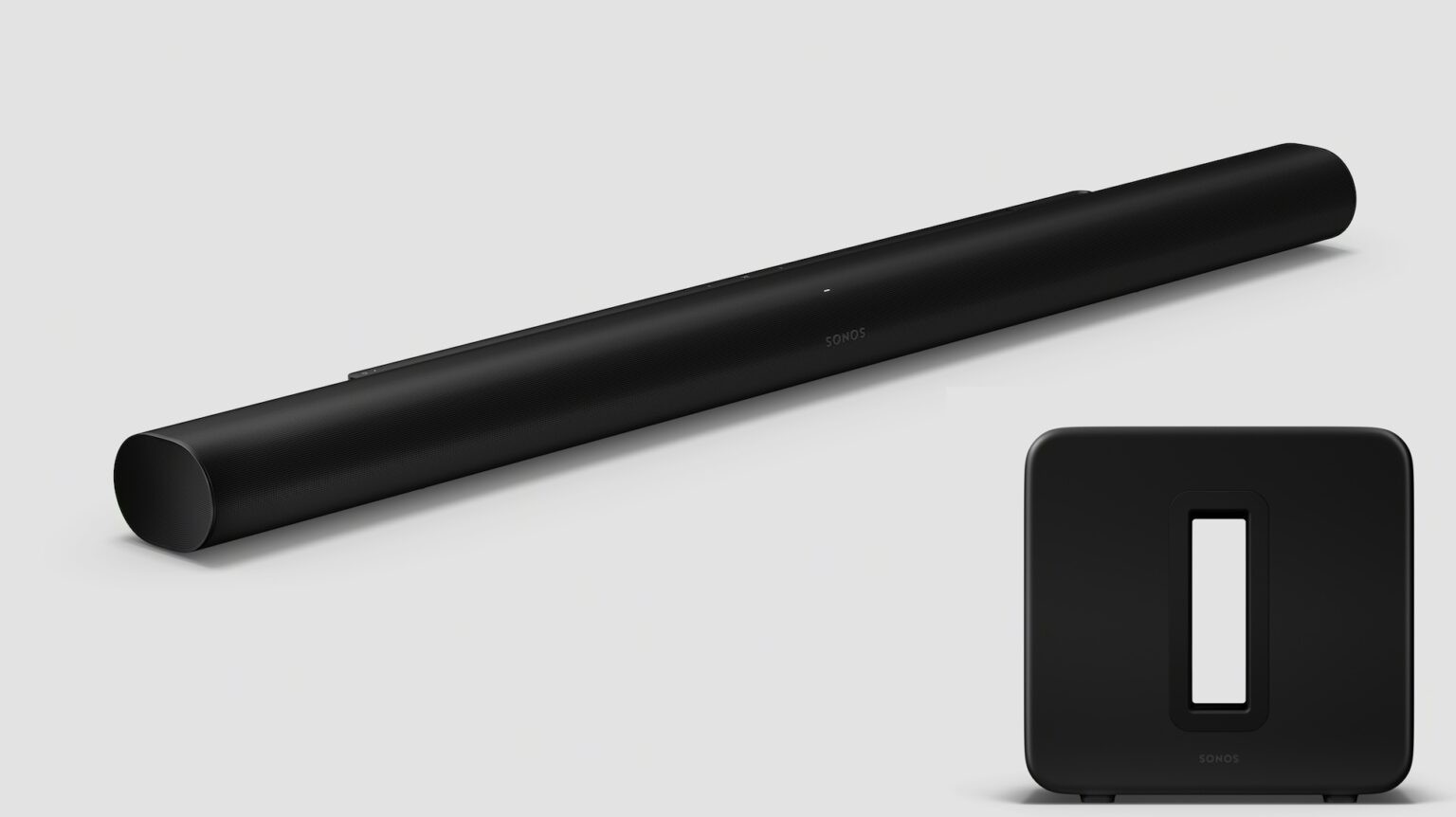
Alongside the Arc Ultra, Sonos has introduced the Sub 4, a new generation Wi-Fi subwoofer. It uses two inward-facing elliptical woofers, each measuring 5 inches by 8 inches, powered by a pair of digital Class-D amplifiers. Sonos describes it as suitable for medium to large spaces.
The Sub 4 is not required to understand the Arc Ultra’s core appeal, but it does show the system path Sonos is offering. A buyer could consider the Arc Ultra as a slim, self-contained soundbar first, while the Sub 4 represents a way to extend the system for rooms that need greater low-frequency support. The inward-facing woofer arrangement is also consistent with a design approach aimed at managing vibration and delivering bass from a relatively controlled cabinet layout, although no performance measurements are provided in the available information.
Who the Sonos Arc Ultra is most suitable for
The Arc Ultra appears best suited to listeners who want an immersive TV and film system without committing to a traditional surround installation. It will likely be most attractive to households where room aesthetics, reduced cabling, and simple integration matter. The slim design, Dolby Atmos support, 14-driver configuration, and room-tuning tools all point toward a product intended for living rooms rather than dedicated cinema rooms filled with separate components.
It is also a logical option for existing Sonos users who want a new home-theater anchor inside a familiar ecosystem. The combination of multi-room heritage, app control, Trueplay tuning, and potential pairing with the Sub 4 makes sense for people who want their TV sound to coexist with broader household audio. On the other hand, users who prefer fully discrete loudspeaker placement, external AV receivers, or published bench specifications before making a decision may want to evaluate whether a soundbar-based system matches their priorities. The Arc Ultra’s strengths are integration, spatial processing, compact design, and system expandability, not the custom configurability of a component-based theater.
Conclusion
The Sonos Arc Ultra stands out for the way it combines a slim soundbar format with a more ambitious acoustic platform. Its documented strengths include the debut of Sound Motion bass technology, a 14-driver layout designed for 9.1.4 surround reproduction, Dolby Atmos support, Trueplay tuning for both iOS and Android, and a clear upgrade path through the Sub 4 Wi-Fi subwoofer. It is aimed at listeners who want immersive, room-aware TV sound in a clean, connected package, especially those who value Sonos-style multi-room integration and do not want the complexity of a conventional surround system.



Sound Off
0Join the discussion if you have something to add.