
Headphones become more interesting when the designs solve genuinely different problems.
This selection ranges from analytical over-ear models and noise-cancelling wireless options to planar-magnetic flagships and compact in-ear monitors.
Some prioritize mobility and isolation; others concentrate on driver construction, acoustic control or adjustable tuning. That variety makes direct ranking less useful than matching each model to an appropriate listener. The Sennheiser HD 560S offers a relatively straightforward route into reference-oriented listening, while the Kiwi Ears Aventus and TANCHJIM RITA emphasize wireless flexibility. Final, T+A and Dan Clark Audio explore different planar-driver approaches, and the in-ear choices distinguish themselves through hybrid arrays, airflow management or replaceable cables. The recommendations below are based strictly on the supplied product information. Manufacturer performance claims are identified or presented cautiously, and no unsupported listening impressions have been added.

1. Sennheiser HD 560S: Affordable high-quality headphones
The understated Sennheiser HD 560S with its detachable cable and threaded 6.3 mm adapter.
The HD 560S is presented as a reference-class model intended for analytical listening.
Its understated construction is predominantly plastic, placing the emphasis on acoustic purpose rather than decorative materials.
The supplied 1.8-meter cable uses Sennheiser's 2.5 mm connection at the headphone end and a 3.5 mm source plug, while a threaded 6.3 mm adapter accommodates compatible home audio equipment.
Best for: Analytical home listening
- Reference-oriented positioning
- 1.8-meter detachable cable
- 6.3 mm adapter included
- Understated, lightweight-looking construction
Verdict: The HD 560S is a sensibly equipped choice for listeners who value a reference-oriented design over luxurious materials.

2. Kiwi Ears Aventus: Wireless headphones for DJs and Gamers
Kiwi Ears Aventus wireless headphones, featuring folding earcups and RGB lighting.
Kiwi Ears gives the Aventus an unusually broad feature set aimed at gaming, DJ use and everyday entertainment.
A coaxial arrangement combines a 40 mm full-range dynamic driver with a 10 mm auxiliary driver intended to increase detail and soundstage width.
Bluetooth 5.4, wired operation and simultaneous pairing with two devices make connectivity flexible, while the rotating, folding earcups support single-ear monitoring. Hybrid active noise cancellation is specified to work in both wireless and wired modes, with a claimed reduction of up to 35 dB.
Best for: Gamers, DJs and multi-device users
- Bluetooth 5.4 and wired modes
- Two-device simultaneous connection
- Rotating and folding earcups
- ANC available in wired and wireless use
Verdict: Aventus stands out for combining adaptable connectivity, single-ear monitoring and active noise cancellation in one over-ear design.

3. TANCHJIM RITA Wireless ANC Headphones: 92-Hour Battery, LDAC and Beryllium Driver
The over-ear TANCHJIM RITA combines hybrid ANC with a beryllium-coated 40 mm dynamic driver.
RITA is designed as a lightweight over-ear wireless model for listening at home, in the office or while travelling.
Its 40 mm dynamic driver uses a PET diaphragm with a beryllium coating and a dedicated rear acoustic chamber intended to manage airflow and improve control.
Hybrid active noise cancellation relies on four microphones and carries a manufacturer claim of up to 47 dB of ambient-noise reduction. LDAC support and a stated battery life of up to 92 hours further distinguish it as a convenience-focused wireless option.
Best for: Long wireless listening sessions
- Up to 92 hours of stated battery life
- LDAC support
- Four-microphone hybrid ANC
- Beryllium-coated 40 mm driver
Verdict: RITA brings together extended claimed battery life, high-bitrate Bluetooth support and hybrid noise cancellation for frequent daily use.
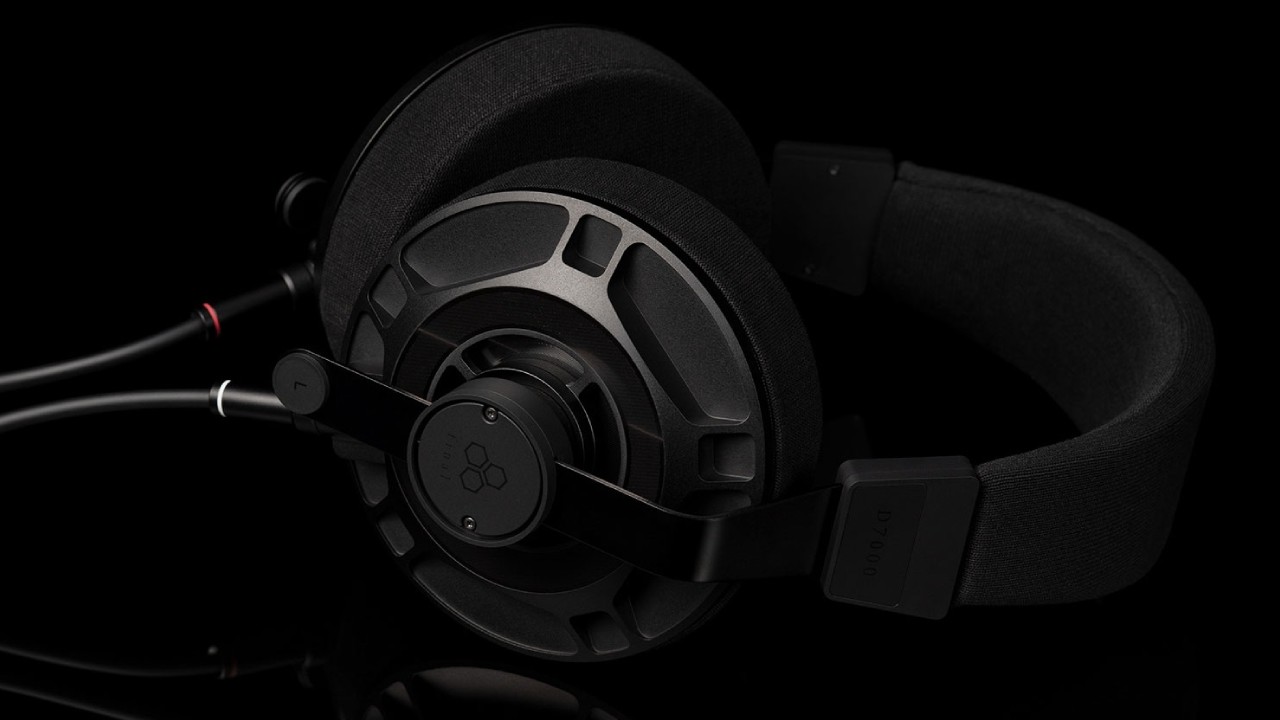
4. Final D7000: Over-ear headphones with a unique AFDS planar magnet driver
Final D7000 over-ear headphones with machined aluminum earcups and a proprietary AFDS planar driver.
The D7000 is the fourth model in Final's D series and centers on the company's proprietary AFDS planar-magnetic driver.
Final says this design seeks to combine the high-frequency qualities associated with planar headphones with the bass presence and sense of scale associated with dynamic drivers.
Finely machined aluminum earcups give the construction a more substantial material focus, and a robust carrying case is included. Final also acknowledges that differences in outer-ear shape can influence perceived sound, an important qualification for any highly tuned headphone.
Best for: Listeners exploring Final's planar technology
- Proprietary AFDS planar-magnetic driver
- Machined aluminum earcups
- Robust carrying case included
- Design informed by ear-shape simulations
Verdict: The D7000 is a technically distinctive over-ear model built around Final's AFDS driver and carefully considered physical construction.

5. Jabra Elite 10: Flagship earbuds from Denmark
Jabra Elite 10 true wireless earbuds presented as the premium model in Jabra's TWS range.
The Elite 10 represents the premium end of Jabra's true wireless earbud range.
The supplied article emphasizes the company's extensive product testing, use of premium materials and effort to combine its available technologies in a flagship model.
However, the excerpt provides few concrete performance or connectivity details, so the strongest source-grounded reason to consider the Elite 10 is its position as Jabra's leading TWS offering rather than any specific unverified feature claim.
Best for: Listeners seeking Jabra's premium true wireless model
- Flagship Jabra TWS model
- Compact two-section packaging
- Premium positioning within the range
Verdict: The Elite 10 is the range-topping Jabra earbud in this selection, although the supplied material does not provide enough detail for deeper feature comparisons.

6. Softears unveils VolumeS in-ear headphones
Softears VolumeS in-ear monitors with a housing-mounted switch for POP and Classical tuning modes.
Softears VolumeS uses a hybrid configuration comprising an active 10 mm silicone-diaphragm dynamic driver, a passive 6 mm driver and two balanced-armature drivers in each earpiece.
Its defining practical feature is a housing-mounted Copal switch that changes between POP and Classical sound modes.
POP follows a standard HRTF-based target for contemporary music, while Classical is intended to provide a more authentic presentation for orchestral and classical material. A revised crossover and acoustic-channel system are also intended to reduce delays and improve integration.
Best for: Listeners who want switchable in-ear tuning
- Two selectable tuning modes
- Hybrid dynamic and balanced-armature array
- Japanese-made Copal tuning switch
- Revised crossover and acoustic channels
Verdict: VolumeS offers meaningful tuning flexibility through two clearly differentiated modes and an elaborate hybrid driver system.

7. ORIVETI OD200: 1DD in-ear headphones
The British Racing Green ORIVETI OD200 uses a CNC-machined metal shell and a single 9.8 mm dynamic driver.
The OD200 is a single-dynamic-driver in-ear monitor built around ORIVETI's patented Dedicated Airflow Distribution system.
That design is intended to regulate airflow around its 9.8 mm driver, making acoustic control the central engineering idea.
The CNC-machined metal shells combine durability with an ergonomic form, while the detachable 0.78 mm two-pin cable system supports 2.5 mm, 3.5 mm and 4.4 mm connector options. A selection of ear tips is also included to help users find an appropriate fit.
Best for: Single-driver IEM enthusiasts
- Patented airflow-control design
- CNC-machined metal shells
- Detachable 0.78 mm two-pin connection
- 2.5 mm, 3.5 mm and 4.4 mm options
Verdict: The OD200 is a focused single-driver design with useful termination choices and an emphasis on controlled airflow.

8. Solitaire P: Magnetic planar headphones
T+A Solitaire P planar-magnetic headphones, designed as a minimalist partner for the Solitaire HA 200 amplifier.
T+A's Solitaire P uses a thin synthetic-film diaphragm driven by a magnetic field, following a planar-magnetic rather than conventional dynamic operating principle.
The low-mass membrane is intended to reduce inertia, while the exterior combines minimalist styling with high-quality materials.
T+A recommends pairing the headphones with its Solitaire HA 200 amplifier, signaling that the Solitaire P is conceived as part of a dedicated, high-end home listening system.
Best for: Dedicated high-end planar systems
- Thin-film planar-magnetic diaphragm
- Low-mass membrane design
- High-quality material construction
- Designed to partner the Solitaire HA 200
Verdict: The Solitaire P is a specialized planar-magnetic model aimed at listeners assembling a purpose-built home headphone setup.

9. Dan Clark Noire X: Closed-back headphones with magnetostatic drivers
Dan Clark Audio Noire X closed-back headphones with a self-adjusting headband and detachable cables.
The closed-back Noire X develops Dan Clark Audio's original Noire concept with a stiffer version of the Aeon planar driver, a refined V-Planar suspension and the company's full Acoustic Metamaterial Tuning System.
Dan Clark Audio says these changes improve consistency, reliability and frequency-response smoothness while reducing distortion.
AMTS is designed to suppress high-frequency standing waves, and practical details include detachable cables and a self-adjusting headband intended to maintain comfort over longer sessions.
Best for: Closed-back planar listening
- Closed-back planar construction
- Full AMTS tuning system
- Self-adjusting headband
- Detachable cables
Verdict: Noire X combines an updated planar driver with AMTS tuning and practical comfort features in a closed-back format.
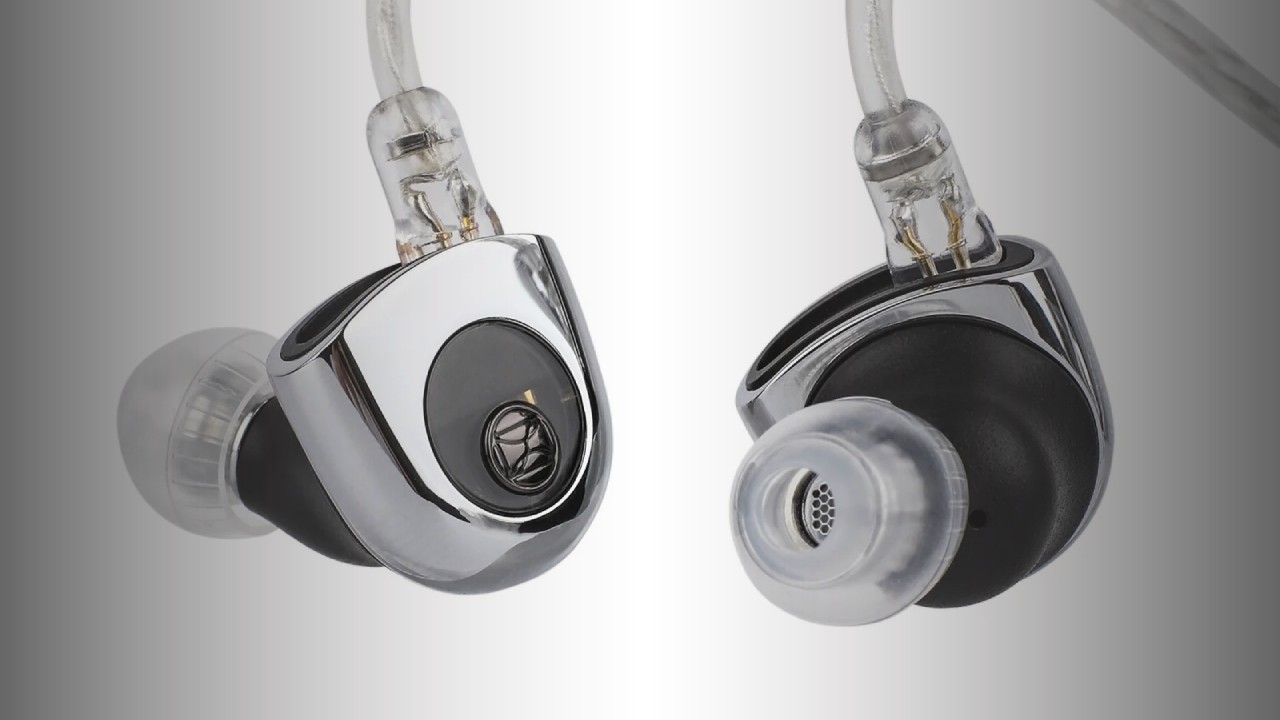
10. TWISTURA D-Major: In-ear headphones with a dynamic Aperture 10 mm driver
TWISTURA D-Major in-ear headphones combine zinc alloy, transparent resin and a 10 mm dual-magnet driver.
The D-Major uses a 10 mm dual-chamber, dual-magnet dynamic driver with a beryllium-coated composite diaphragm and polyurethane surround.
Its driver system is intended to improve control, positioning and clarity, while the rigid, lightweight coating is designed to limit unwanted diaphragm behavior.
Zinc-alloy sections and a transparent resin faceplate give the shells a mixed-material construction, and two replaceable cables with a threaded quick-release structure add flexibility.
Best for: Dynamic-driver IEM listeners who value cable flexibility
- 10 mm dual-magnet dynamic driver
- Beryllium-coated composite diaphragm
- Replaceable quick-release cables
- Zinc-alloy and resin construction
Verdict: D-Major pairs an ambitious single-driver assembly with durable shell materials and a versatile replaceable-cable system.
Frequently asked questions
Should I choose over-ear headphones or in-ear monitors?
Over-ear models are generally the more natural fit for extended desk, studio or home listening, while in-ear monitors are easier to carry and can provide strong passive isolation when correctly fitted.
The choice should reflect where you listen, how much equipment you want to carry and whether you are comfortable wearing ear tips.
When is active noise cancellation worth prioritizing?
ANC is most useful in offices, on public transport and around steady environmental noise.
Among the supplied models, Kiwi Ears Aventus and TANCHJIM RITA explicitly include hybrid ANC; Aventus also supports it during wired operation.
Manufacturer decibel figures are useful reference points but do not describe performance against every type of sound.
What is the practical difference between dynamic and planar-magnetic drivers?
Dynamic drivers use a voice-coil-driven diaphragm and appear here in models such as the ORIVETI OD200 and TWISTURA D-Major.
Planar designs drive a thin diaphragm across a magnetic field, as used by Final, T+A and Dan Clark Audio.
Driver type alone does not determine quality, so enclosure design, tuning, fit and amplification should remain part of the decision.
Why do fit and ear shape matter so much?
Fit affects comfort, isolation and perceived tonal balance, especially with in-ear models.
Tip selection is therefore important, while over-ear pad seal and earcup space deserve equal attention.
Final specifically notes that differences in outer-ear shape can change perceived sound, so even carefully measured headphones may not sound identical to every listener.
How to choose the right headphone for your listening
Begin with the listening environment rather than the driver technology.
For quiet home use and analytical listening, the Sennheiser HD 560S offers a straightforward reference-oriented proposition.
A closed-back design such as the Dan Clark Noire X may be more suitable when acoustic separation matters, while the ANC-equipped Kiwi Ears Aventus and TANCHJIM RITA address travel, office noise and wireless convenience. Next, consider connectivity and supporting equipment. Aventus accommodates Bluetooth, wired use and two simultaneous devices, whereas the Solitaire P is positioned for a dedicated system built around suitable amplification. Detachable cables are valuable for serviceability and flexibility: the OD200 provides several termination options, and the Noire X and D-Major also use replaceable cables. For in-ear models, fit and tuning flexibility can matter more than the number of drivers. Softears VolumeS offers two selectable sound profiles, the OD200 concentrates on airflow around one dynamic driver, and the D-Major uses a dual-magnet driver with a beryllium-coated diaphragm. These are distinct engineering approaches rather than a simple hierarchy. Finally, treat claimed noise-reduction figures, material benefits and driver-performance descriptions as starting points, not guarantees of personal preference. Comfort, seal, intended use and compatibility with existing sources should narrow the field before premium construction or elaborate driver arrays influence the decision.



Sound Off
0Join the discussion if you have something to add.