
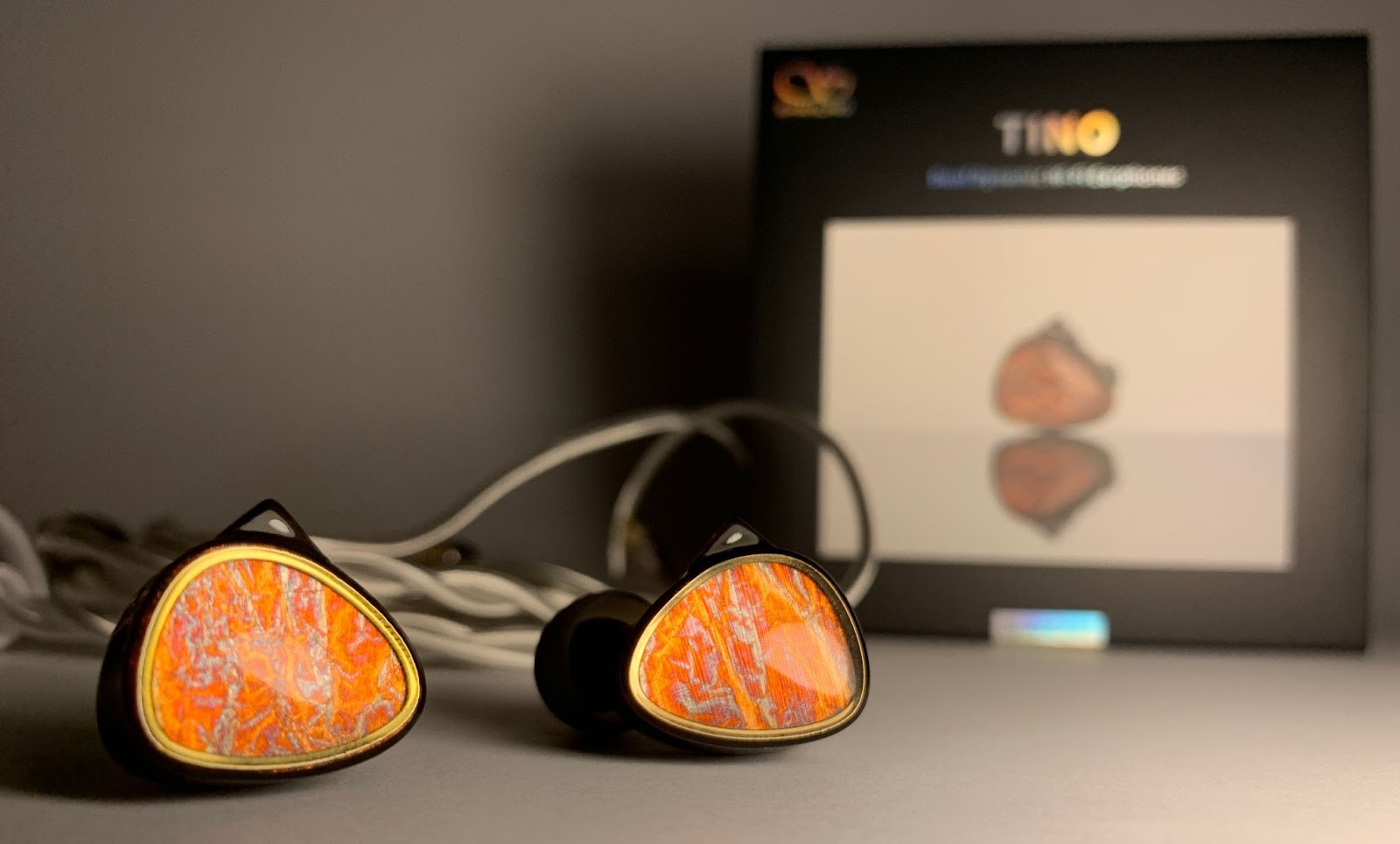
How much should you really spend on a pair of good headphones? For many, price is the first and often final deciding factor. But while premium models often promise “audiophile” quality, that doesn’t mean affordable ones can’t surprise you. The real trick lies in finding that rare gem — a true diamond among the glass.
Enter the Shanling Tino, a new in-ear monitor designed to challenge expectations of what budget-friendly headphones can do. Shanling is positioning the Tino as an accessible entry point into high-fidelity listening — and from both a design and acoustic standpoint, it succeeds far beyond what the price suggests.
Unboxing & First Impressions
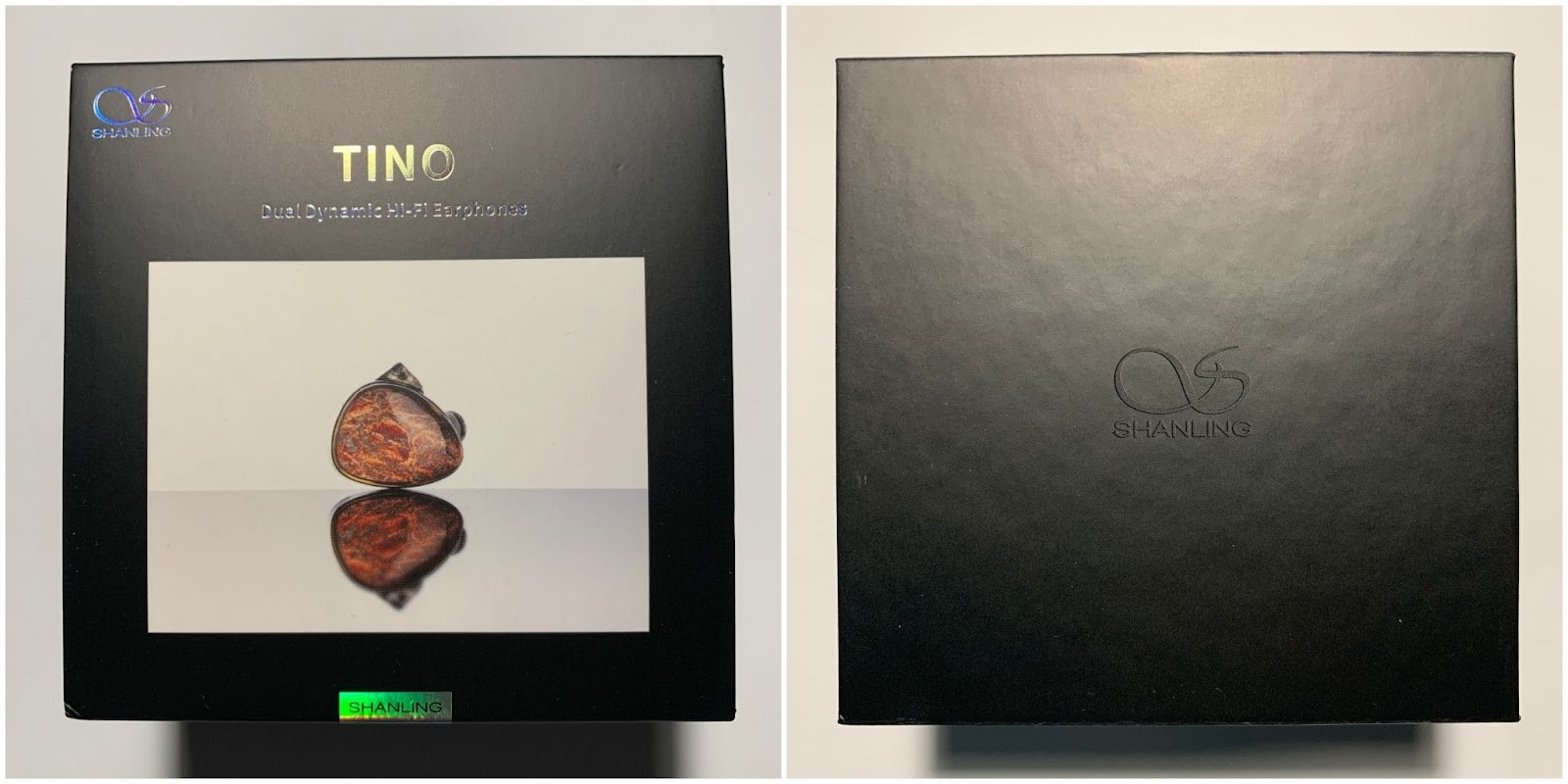
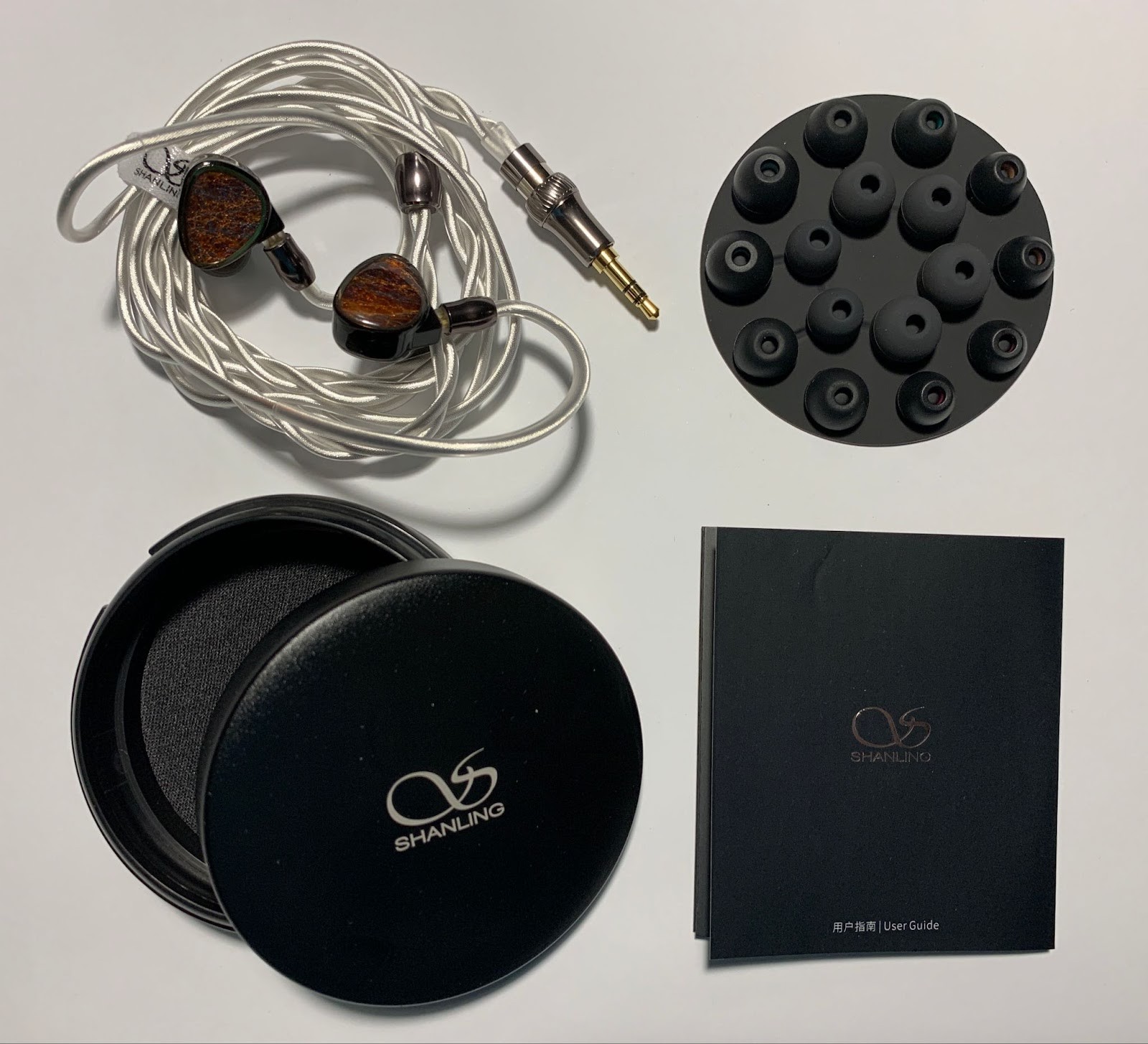
The Tino comes in elegant, minimalist packaging — a sturdy, magnetically latched box wrapped in a colorful sleeve. Inside, you’ll find the earphones securely placed in a foam insert, a high-quality copper cable already attached, a well-built metal storage case, and a generous set of nine pairs of ear tips in three distinct types for tuning comfort and sound.
Included in the box:
-
Shanling Tino earphones
-
9 pairs of silicone tips (various sizes and styles)
-
Metal carrying case
-
User manual (Chinese, but easy to follow)
The round metal case deserves special mention: it’s compact, sturdy, and lined with fabric padding to protect the earphones. Shanling’s attention to detail extends even here — nothing about this packaging feels “budget.”
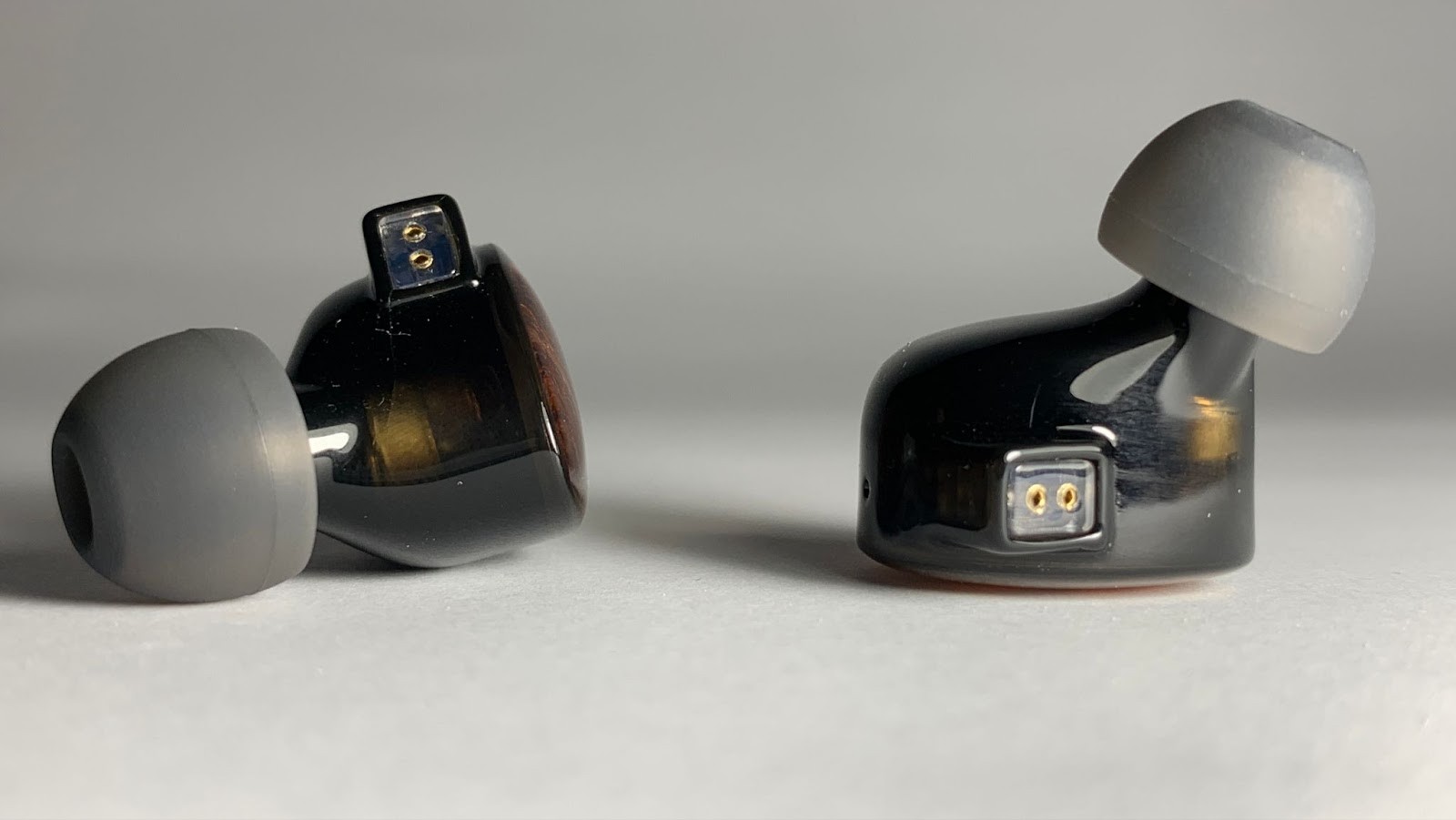
By default, you get a 3.5 mm plug, but optional 4.4 mm balanced and USB-C connectors are available for around $12 each. This modular system keeps the initial cost down while giving enthusiasts flexibility to upgrade later.
Technical Highlights
-
Drivers: Dual dynamic (10 mm liquid-crystal diaphragm + 8 mm diamond-like carbon diaphragm)
-
Frequency Response: 18 Hz – 40 kHz
-
Impedance: 16 Ω
-
Sensitivity: 113 dB
-
Distortion: ≤ 0.05%
-
Cable: 1.3 m OFC coaxial copper with interchangeable connectors
-
Certification: Hi-Res Audio
Each earbud features two dynamic drivers — a rarity in this price segment — working through a dedicated two-way crossover. Combined with Japanese copper coils, N52 magnets, and a low-distortion design, the Tino aims for a blend of warmth, depth, and precision typically reserved for higher-end models.
Design & Comfort
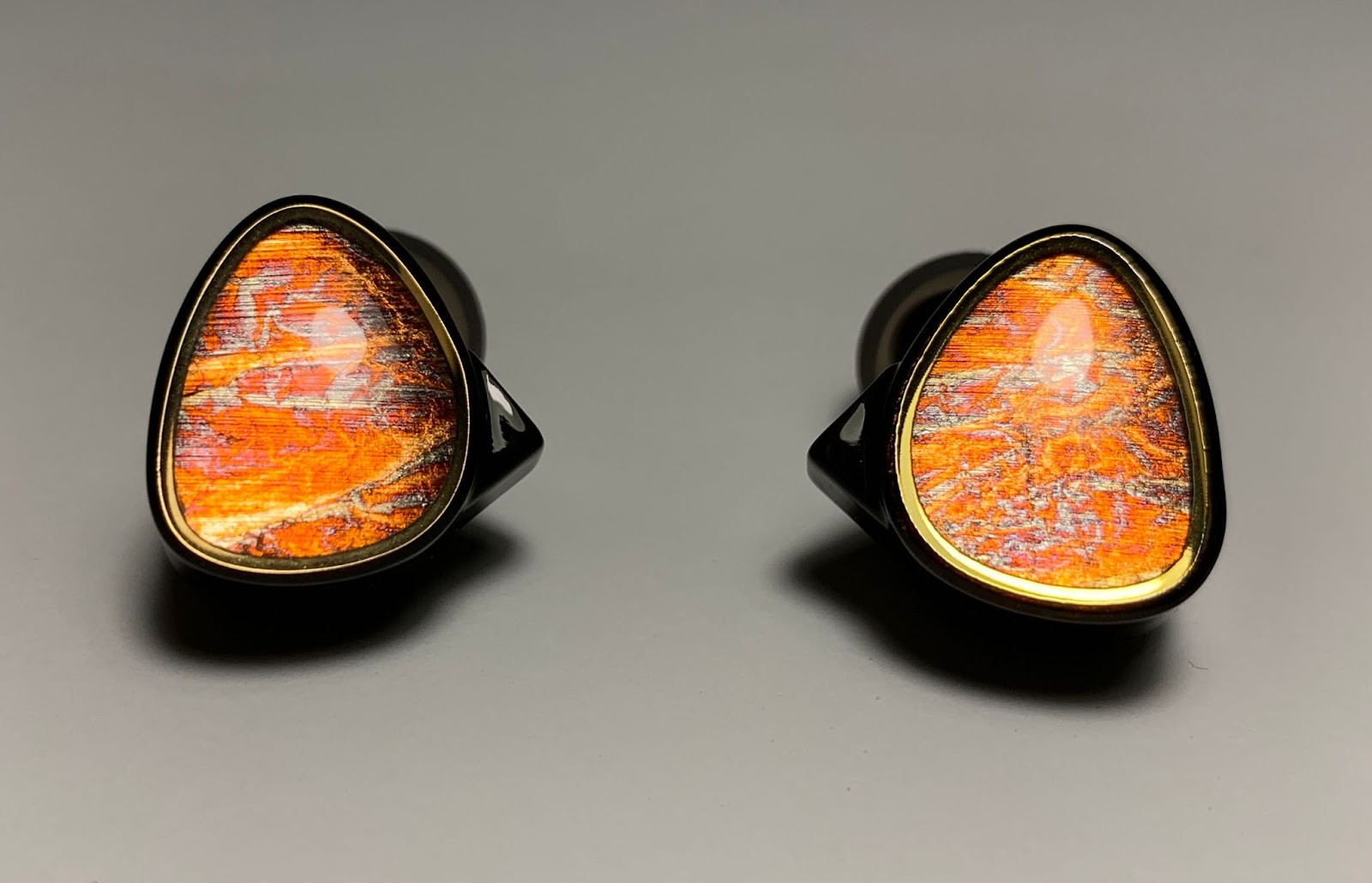
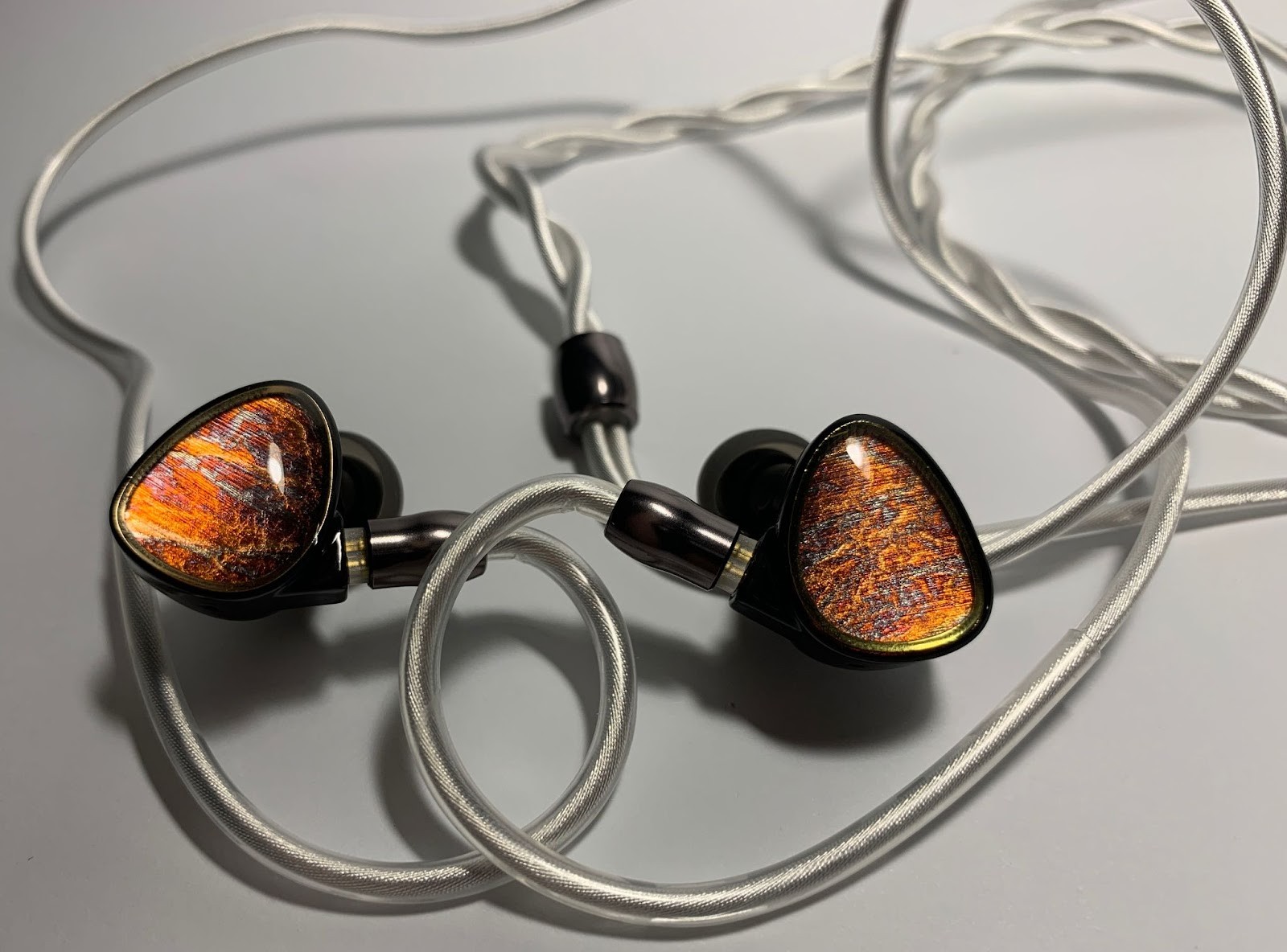
Visually, the Tino impresses. Each faceplate displays a hand-finished amber mineral pattern, shimmering under light with red, gold, and black undertones. The shells themselves are made from high-quality resin, giving them a lightweight yet durable feel. A gold trim completes the design, adding a subtle premium flair.
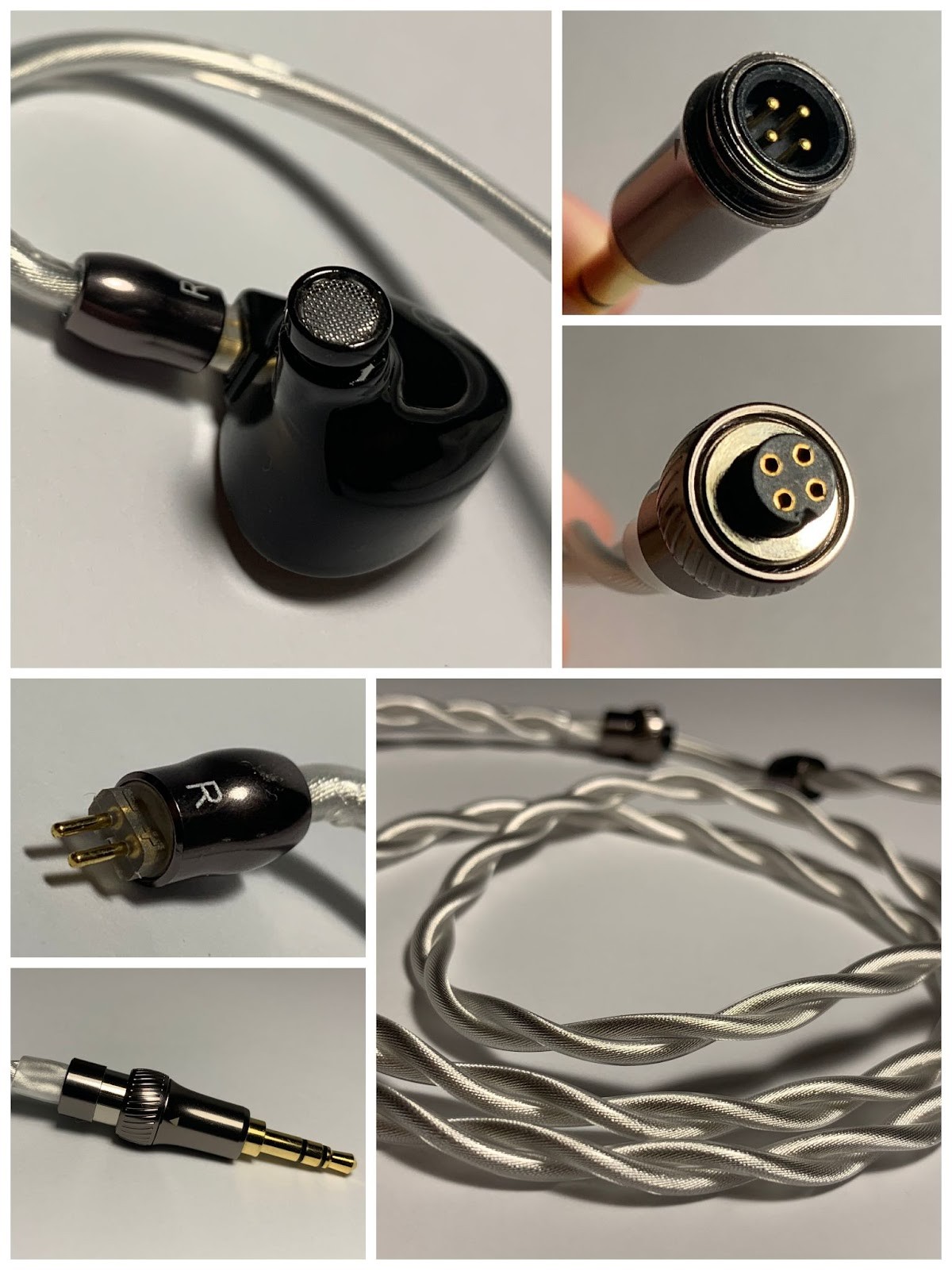
The fit is excellent — snug but not intrusive — and passive noise isolation is solid. With the right ear tips, they stay comfortable even during long sessions. Despite being relatively compact, the Tino feels secure and suitable for smaller ears as well.
The 182-core copper cable looks and feels more expensive than it should. It’s thick, flexible, and semi-transparent, showcasing the silvered copper strands inside. Soft ear hooks keep the cable comfortably over the ear, and the 2-pin connectors ensure easy replacement if needed.
Sound Impressions
At the heart of the Shanling Tino experience lies its signature warmth. These are not reference-tuned monitors — they’re built for musicality and comfort. Expect a lush, full-bodied sound with rich bass, smooth mids, and polished highs.
-
Bass: Deep, rounded, and immersive. Sub-bass reaches low without bloat, and mid-bass warmth adds body to drums and bass guitars.
-
Midrange: Clean and natural with a slightly warm tilt. Vocals sound organic and inviting.
-
Treble: Smooth, controlled, and fatigue-free. There’s enough sparkle for clarity, but it never turns sharp.
This tuning makes the Tino an excellent match for jazz, blues, rock, and electronic music. It’s a “sit back and enjoy” type of sound — musical rather than clinical, immersive rather than dissecting. The soundstage is moderately wide, imaging is stable, and overall coherence between the dual drivers is impressive for the price.
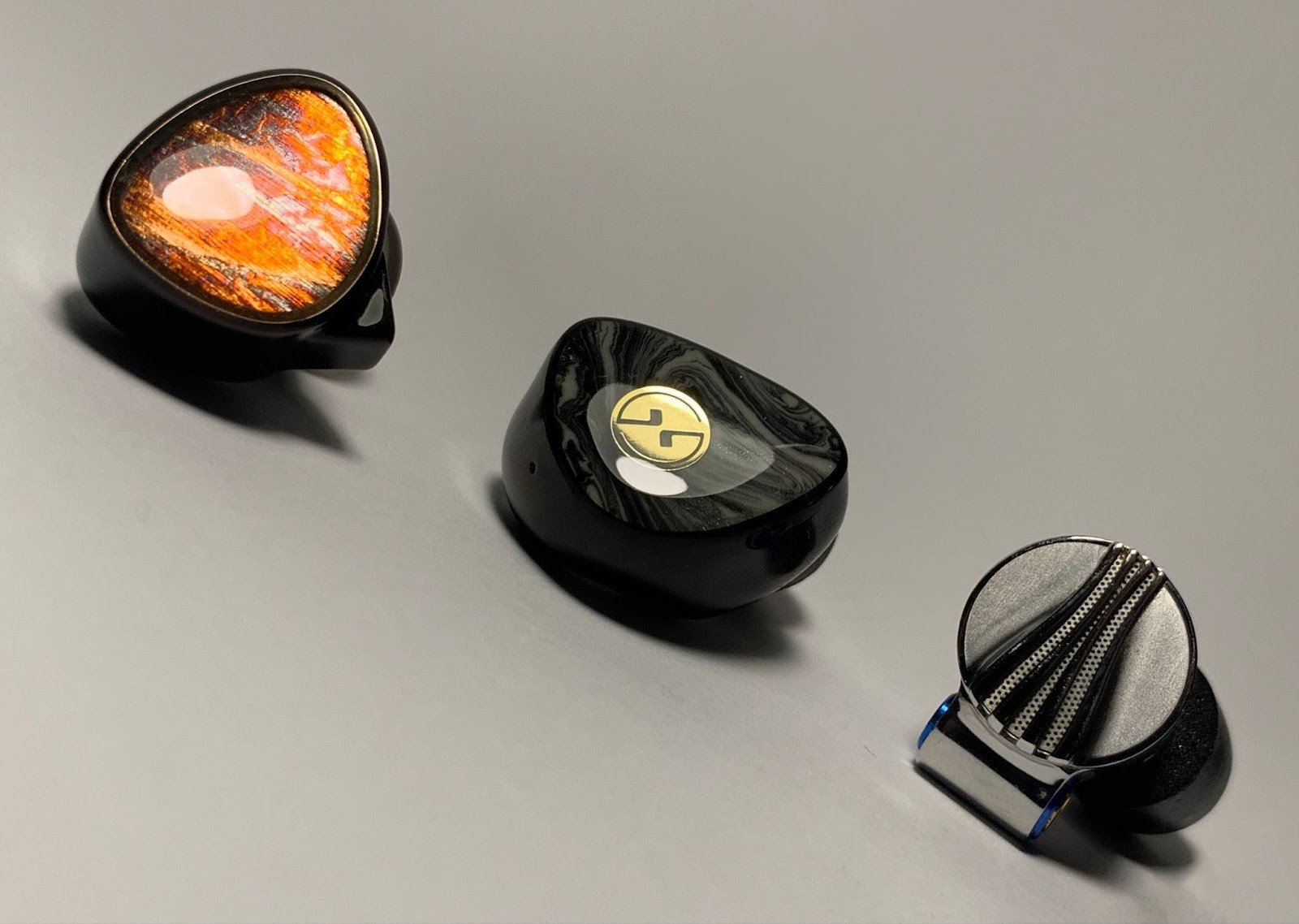
DAC Pairings & Comparisons
To explore how source equipment affects performance, I tested the Tino with several DACs and compared them to a few other popular IEMs.
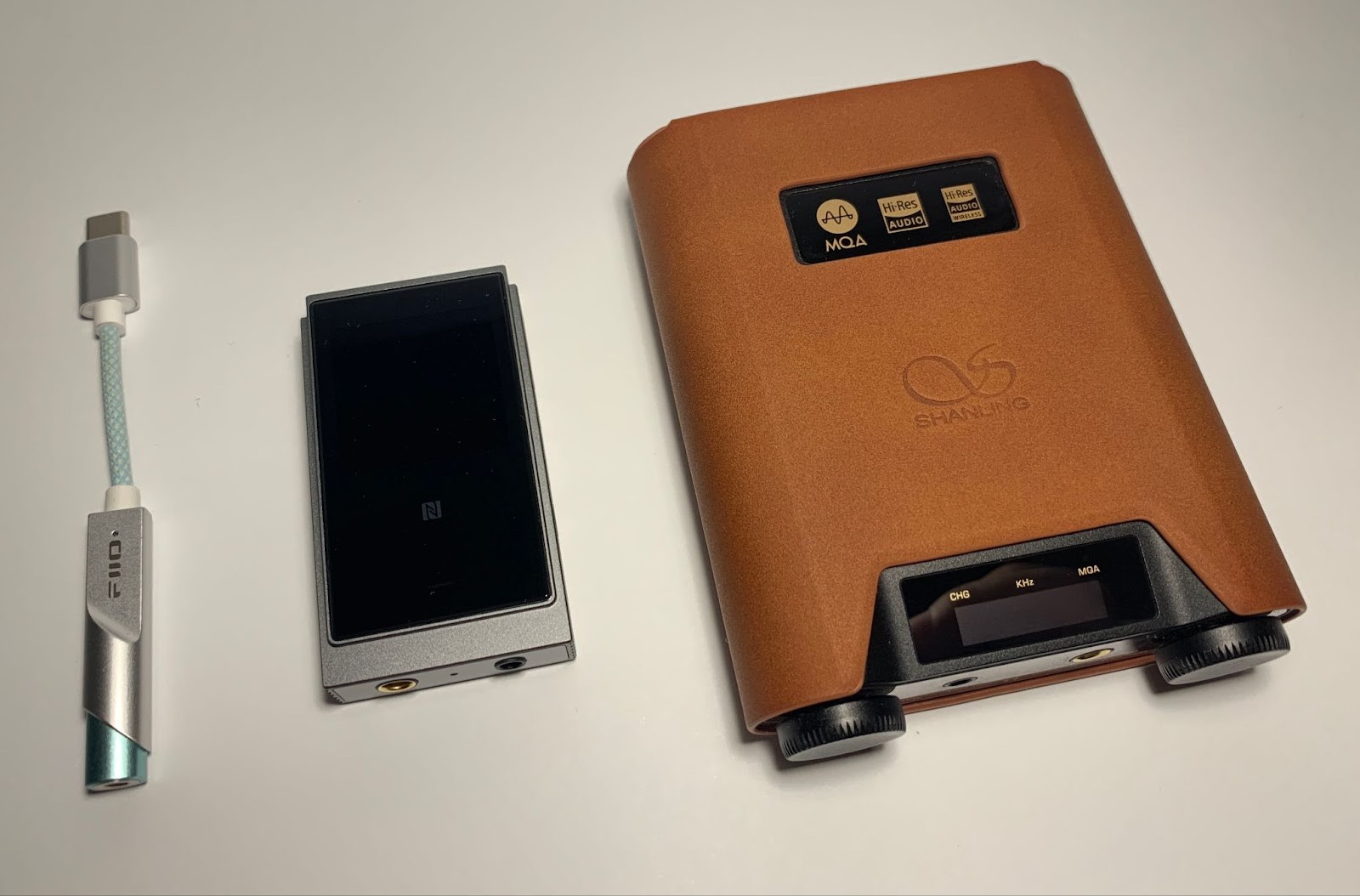
Sources tested:
-
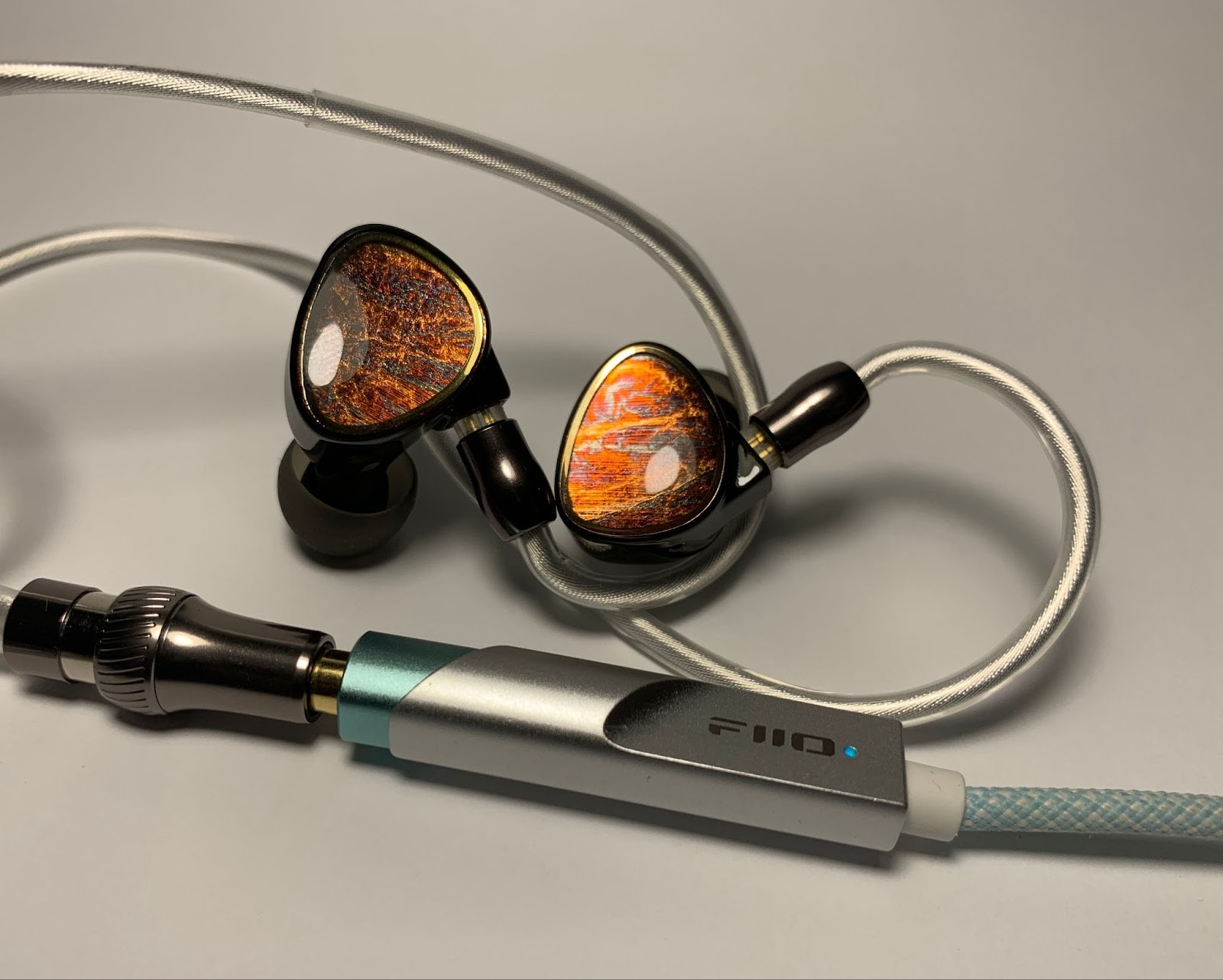
FiiO KA11 (compact dongle DAC)
-
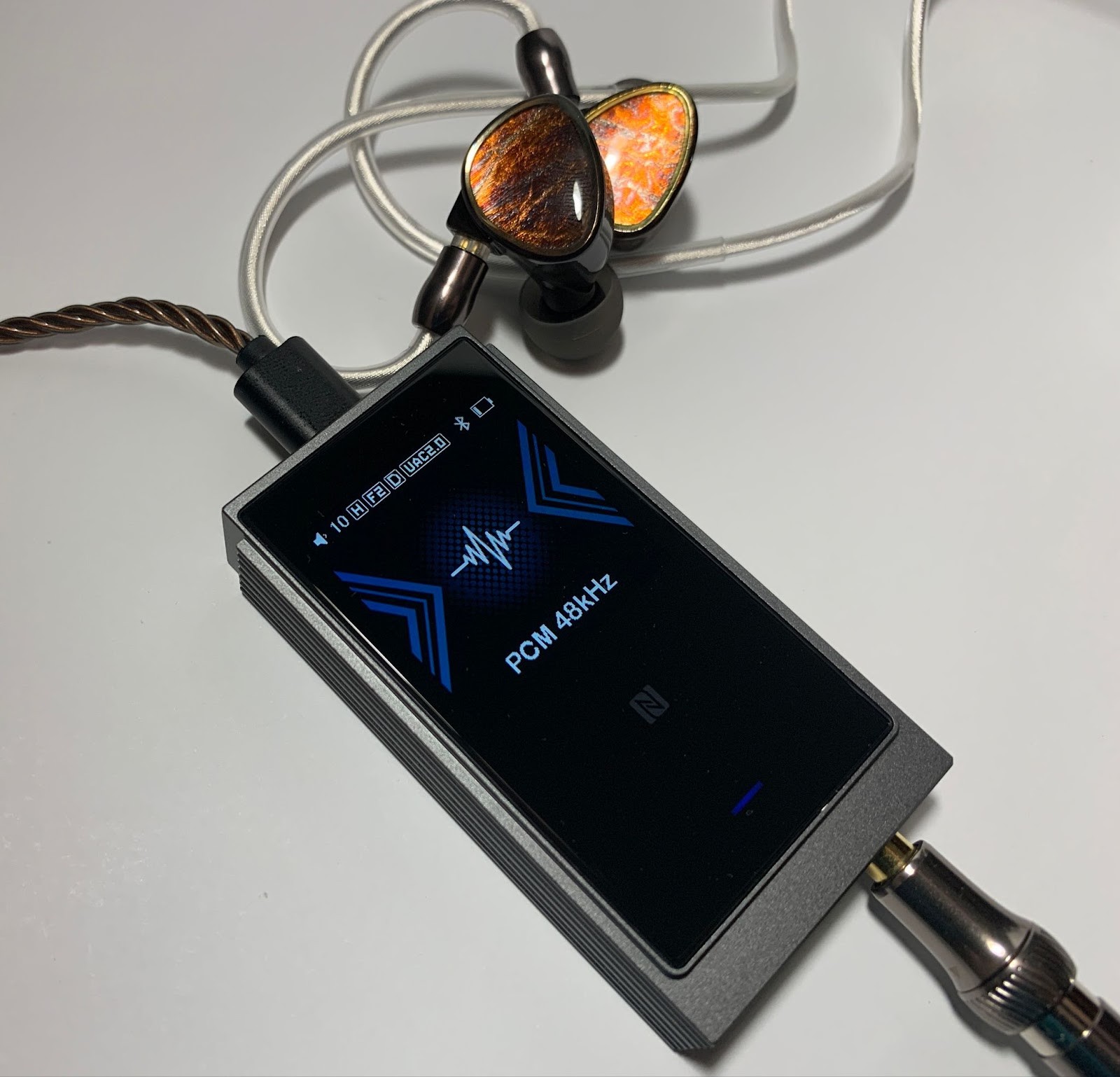
Shanling UP6 (wireless DAC with screen)
-
Shanling H5 (high-end portable DAC/amp)
Headphones for comparison:
-
TinHiFi T3 Plus
-
FiiO FD5
With the FiiO KA11, the Tino delivered a lighter, airier sound but lost some bass depth and warmth — a clean, analytical presentation but slightly less engaging.
Paired with the Shanling UP6, the synergy was excellent. The sound gained body, richer mids, and balanced treble extension — easily the most natural and emotionally satisfying pairing.
With the Shanling H5, the sound leaned warmer and softer, with slightly less detail but greater long-term comfort — a pleasant, relaxed tuning ideal for extended listening.
Compared to competitors:
-
TinHiFi T3 Plus: more neutral and detailed, but thinner and less immersive.
-
FiiO FD5: brighter, faster, and more dynamic, but also more fatiguing.
Overall, the Tino stands out for its warmth and smoothness — it’s less analytical, more emotional, and forgiving across genres and sources.
Verdict
The Shanling Tino proves that you don’t need to spend a fortune to experience real musical pleasure. For under $100, it offers craftsmanship, comfort, and sound tuning that feel far above its price bracket.
Warm, rich, and fatigue-free, it’s an excellent choice for newcomers to hi-fi who want an easy-listening signature with enough resolution to appreciate quality recordings. Pair it with a good DAC (like the Shanling UP6 or FiiO KA11), and it can easily compete with models twice its price.
If you value comfort, emotionality, and beautiful design over sheer analytical precision, Shanling Tino might just be your next favorite discovery.



Sound Off
0Join the discussion if you have something to add.