
Exceptional DACs for Discerning Audiophile Systems
A practical audiophile DAC guide covering full-size desktop converters, portable USB DAC/amps, R2R designs, streaming DACs and compact headphone-focused hubs.
A great digital-to-analog converter is not defined by one headline specification.
Architecture, clocking, input flexibility, output stage design, headphone support, streaming features and portability all matter, and the right choice depends heavily on where the DAC will sit in the system.
This guide focuses on DACs and DAC-equipped components that stand out for clearly stated engineering choices: R2R conversion, ROHM and ESS implementations, dual-mono layouts, advanced USB handling, built-in streaming, headphone amplification, analog volume control and compact mobile use. Some are full-size desktop units for separates-based systems, while others are pocketable upgrades for phones, tablets and laptops. The recommendations below are grounded in the supplied product material only. Where a feature is manufacturer-specified, it is treated as such; where a listening character is claimed by the maker, the wording is kept appropriately cautious. The aim is not to crown a single universal winner, but to help match each DAC to the system and listener it most logically serves.
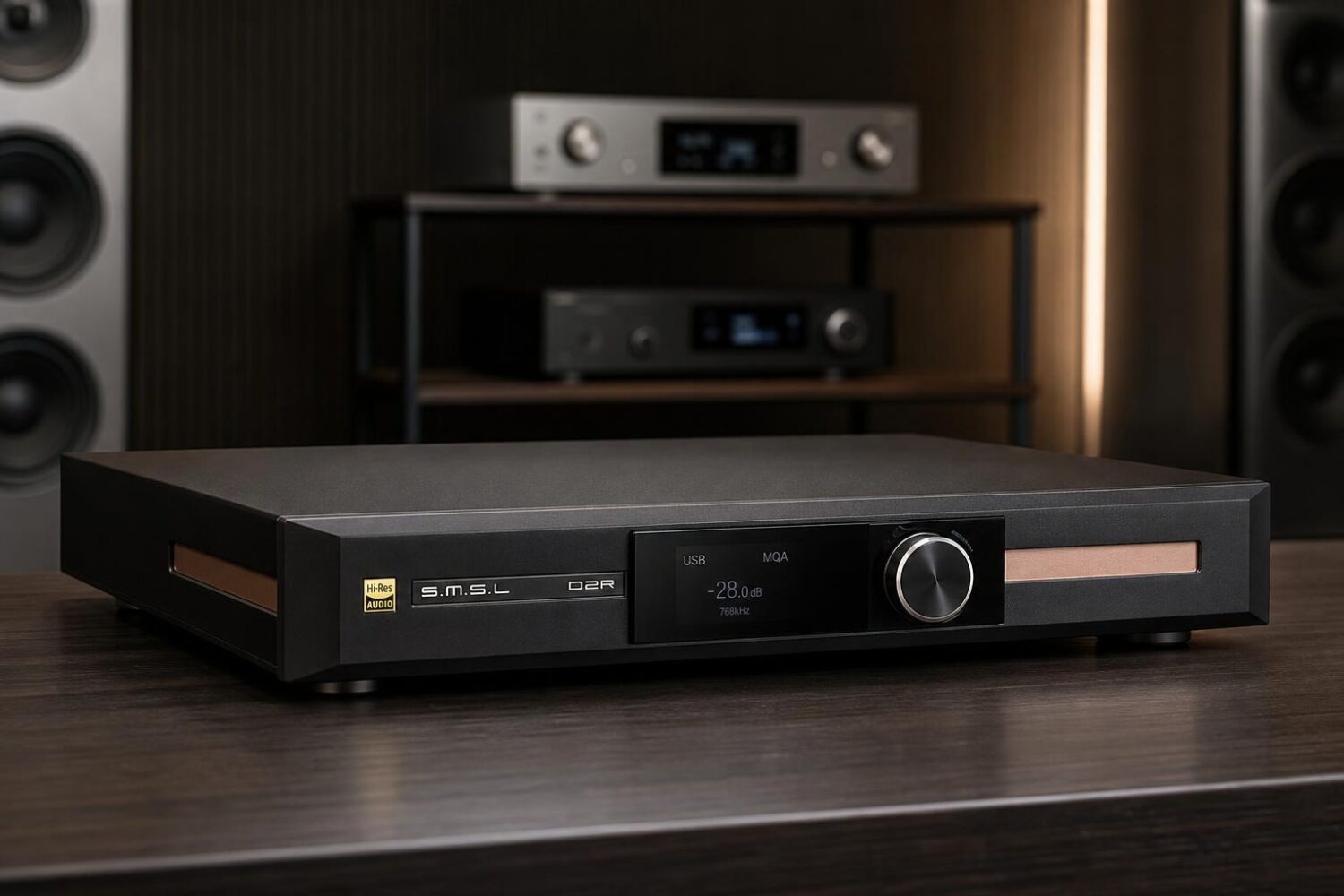
1. SMSL VMV D2R MK2 Brings ROHM Conversion and OCXO Clocking to a Desktop DAC
SMSL VMV D2R MK2 desktop DAC with ROHM conversion, XMOS USB handling and OCXO-based clocking.
The SMSL VMV D2R MK2 is a full-size desktop DAC built around a ROHM BD34302EKV conversion stage, XMOS XU-316 asynchronous USB handling and an internal 10 MHz OCXO oscillator.
Its appeal lies in broad digital compatibility: USB and I²S support PCM up to 768 kHz at 32-bit resolution, native DSD up to DSD512 over USB, and DoP support across several inputs.
Optical, coaxial and AES inputs cover PCM up to 192 kHz at 24-bit resolution, and the DAC is specified for full MQA and MQA-CD decoding across USB, optical, coaxial and AES. For users combining computer audio, disc transports, streamers and wireless playback, it is one of the more feature-rich desktop options in this selection.
Best for: Full-size desktop systems with multiple digital sources
- ROHM BD34302EKV DAC implementation
- XMOS XU-316 asynchronous USB interface
- Internal 10 MHz OCXO clocking
- MQA and MQA-CD decoding across multiple wired inputs
Verdict: A strong choice for listeners who want a serious desktop DAC with wide wired-format support and clocking attention built into the design.
2. iFi Audio Go Link 2: Tiny DAC, Massive Upgrade for Everyday Listening

iFi Audio Go Link 2 portable USB DAC designed for everyday headphone listening from mobile and computer sources.
The iFi Audio Go Link 2 is aimed at listeners who want to bypass the basic audio hardware in a phone, tablet or laptop without carrying a larger DAC/amp.
It uses an ESS Sabre DAC and supports up to 32-bit/384 kHz PCM and native DSD256, giving it headroom beyond many common streaming sources.
The source material describes it as plug-and-play with no drivers required, and the second-generation model is smaller and lighter than before. Through the iFi Nexis app, users can customize digital filters and receive over-the-air updates, while iFi’s S-Balanced output design is specified to reduce channel crosstalk.
Best for: Portable listening from phones, tablets and laptops
- Very compact and lightweight design
- ESS Sabre DAC with PCM and native DSD support
- Plug-and-play USB operation
- App-based digital filter customization
Verdict: A practical portable DAC for users who want a simple USB upgrade with high-resolution support and minimal setup.
3. PS Audio PMG Signature 512 DAC: PureStream DSD512 Engine Delivers Uncompromising Sound Quality

PS Audio PMG Signature 512 DAC with PureStream DSD512 processing and balanced analog outputs.
The PS Audio PMG Signature 512 DAC takes a distinctive route by converting all incoming digital music signals, including PCM, into an 8x DSD stream through the company’s PureStream DSD512 engine.
The digital signal is then processed by PS Audio’s SpectraWave 64-Tap Sequencer before reaching a fully balanced, direct-coupled analog output stage with RCA and XLR outputs.
The feature set goes beyond conventional DAC duties, with galvanically isolated inputs, a built-in high-performance streamer and precision analog volume control. For a system where the DAC may become the digital hub, streamer and level-control point, the PMG Signature 512 DAC is positioned as a highly integrated reference-style component.
Best for: High-end systems centered on DSD-based processing and integrated digital control
- PureStream DSD512 engine converts all inputs to 8x DSD
- SpectraWave 64-Tap Sequencer digital processing
- Fully balanced direct-coupled analog output stage
- Built-in streamer and precision analog volume control
Verdict: A compelling option for listeners who want PS Audio’s proprietary DSD conversion approach combined with streaming and analog volume control in one component.
4. Gold Note DS-10: High-quality DAC and streamer combined

Gold Note DS-10 DAC and streamer with preamp, headphone output and adjustable digital profiles.
The Gold Note DS-10 combines a digital-to-analog converter with a streamer, an all-analog line preamp, a headphone amplifier and Bluetooth 5.0 support.
Based on ideas from Gold Note’s DS-1000 and IS-1000 platforms, it is presented as a compact way to bring digital connectivity and system control into one component.
Its most distinctive feature is user-adjustable DAC behavior: three profiles can be configured and saved, with access to parameters including low-pass filter and high-pass attenuation. Adjustments can be made through the display and rotary control or via remote, making the DS-10 especially relevant for listeners who want to tune the digital section rather than accept a fixed voicing.
Best for: Audiophiles who want a compact digital hub with user-adjustable DAC settings
- DAC, streamer, line preamp and headphone amplifier in one unit
- Bluetooth 5.0 support
- Three user-adjustable sound profiles
- Filter and attenuation parameters accessible to the listener
Verdict: The DS-10 is best suited to systems where flexibility, streaming and hands-on DAC tuning are as important as basic conversion duties.
5. Luxsin X8: DAC/amp with AI-driven sound and 8-DAC architecture
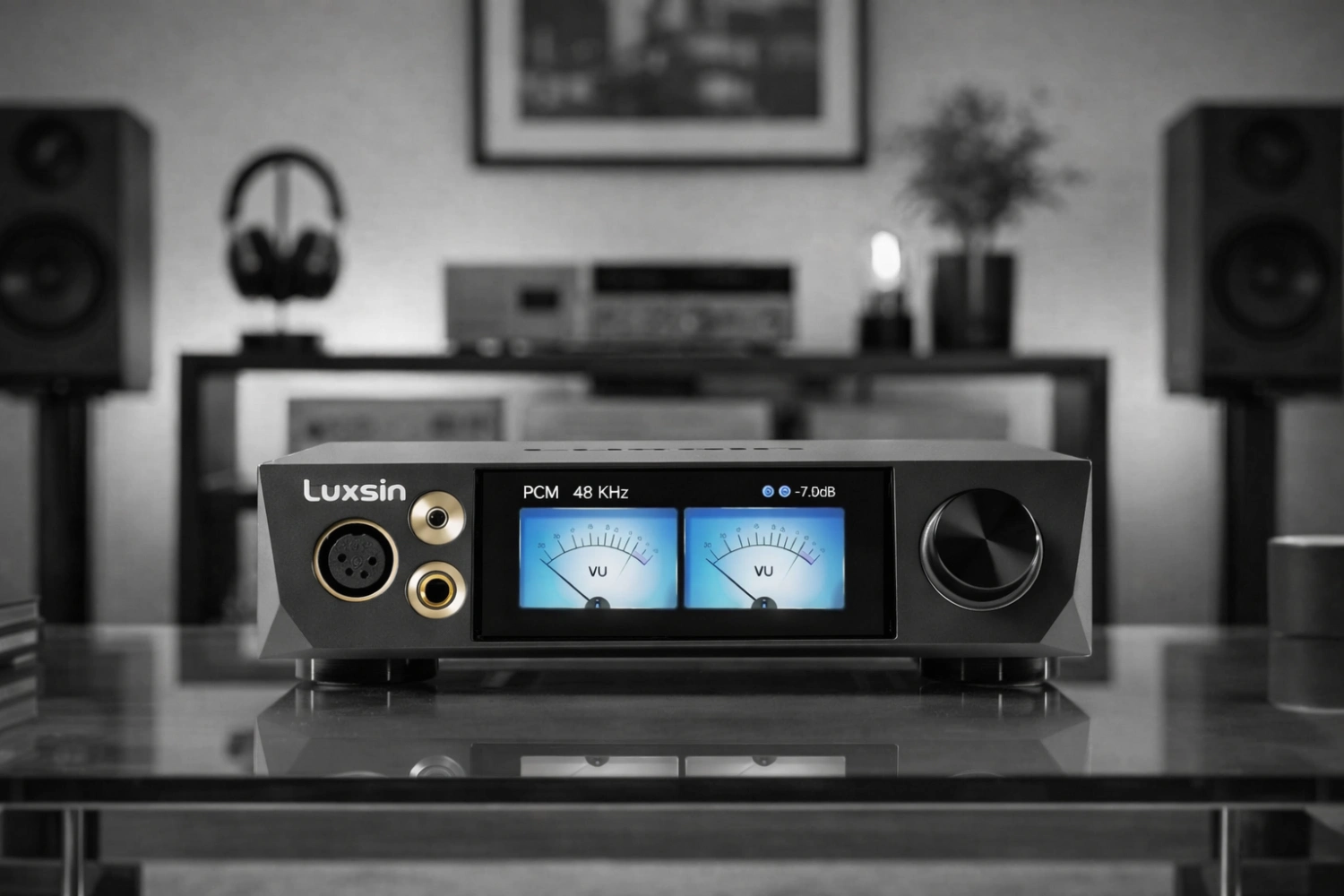
Luxsin X8 desktop DAC/amp using an eight-DAC Cirrus Logic architecture and separated dual-mono signal paths.
The Luxsin X8 is a desktop DAC/amp built around an eight-DAC array using Cirrus Logic CS43198 chips in a true dual-mono parallel architecture.
Four DACs per channel operate in sync, with separate left and right signal paths and independent power delivery.
The source material also specifies nearly 5 watts per channel of output power and a fully separated linear power supply. Its design emphasizes both hardware separation and a personalization layer for the listening experience, making it a notable choice for users who want a desktop DAC/amp with substantial output capability and a more interactive control concept.
Best for: Desktop headphone systems needing high output and extensive channel separation
- Eight Cirrus Logic CS43198 DAC chips
- True dual-mono parallel architecture
- Separated left and right power delivery and signal paths
- Nearly 5 watts per channel of output power
Verdict: The X8 is a hardware-forward DAC/amp for users who value a multi-DAC dual-mono layout and strong headphone-driving capability.
6. Musical Fidelity M6S DAC: Promises the highest quality sound

Musical Fidelity M6S DAC with multiple optical and coaxial inputs, USB, headphone amplification and balanced outputs.
The Musical Fidelity M6S DAC is a full-size converter with a dual-mono, fully balanced circuit using four 32-bit stereo DACs.
It handles PCM up to 32-bit/768 kHz and supports DSD64/128, while incoming PCM streams are upsampled to the chip’s maximum resolution.
Data resynchronization is used to reduce jitter, and the unit includes three coaxial inputs, three optical inputs and USB for computer connection. The M6S DAC also includes a headphone amplifier, and its balanced and unbalanced outputs can operate in fixed or variable mode, allowing it to connect directly to active speakers or power amplifiers.
Best for: Traditional hi-fi systems needing many S/PDIF inputs and optional preamp-style output control
- PCM support up to 32-bit/768 kHz
- DSD64/128 support
- Three coaxial and three optical inputs plus USB
- Fixed or variable balanced and unbalanced outputs
Verdict: A versatile full-size DAC for systems with several digital sources, headphone use and the need for either fixed or variable analog outputs.
7. Shanling SM1.3R R2R DAC: A More Analog Take on Streaming with Roon, Tidal & Qobuz
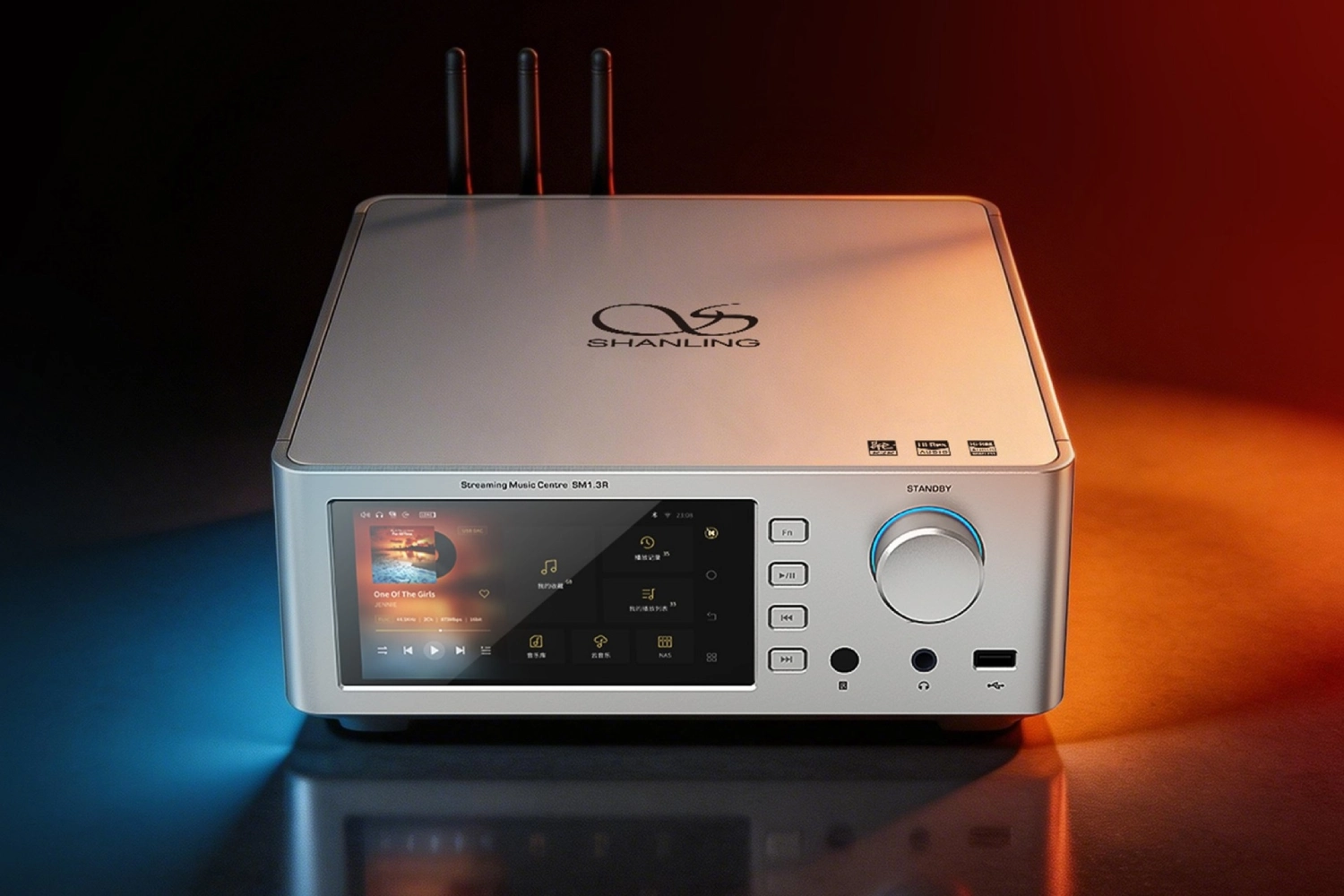
Shanling SM1.3R streaming DAC with touchscreen control, R2R conversion and built-in streaming platform.
The Shanling SM1.3R is an R2R version of Shanling’s SM1.3 streaming DAC, retaining the housing, 5.8-inch touchscreen, Android-based streaming platform and connectivity concept while changing the conversion architecture.
Its proprietary 24-bit R2R module uses 212 resistors with 0.01% accuracy, replacing the delta-sigma configuration used in the related model.
Streaming support is extensive within its closed Android environment: the SM1.3R is Roon Ready and includes Tidal Connect, Qobuz Connect and Spotify Connect, alongside apps for services including Apple Music, Apple Classical and Amazon Music. An internal SSD slot is also available for local playback.
Best for: Streaming-focused systems where an R2R DAC architecture is preferred
- Proprietary 24-bit R2R conversion module
- 5.8-inch touchscreen interface
- Roon Ready with Tidal Connect, Qobuz Connect and Spotify Connect
- Internal SSD slot for local playback
Verdict: The SM1.3R is a good fit for listeners who want modern streaming access combined with Shanling’s R2R conversion approach.
8. Hidizs SD2: Portable DAC and headphone amplifier with 3.5mm output

Hidizs SD2 compact Type-C DAC and headphone amplifier with standard 3.5 mm output.
The Hidizs SD2 is a very small portable DAC and headphone amplifier built around the ESS ES9270 decoding chip.
It supports PCM up to 384 kHz at 32-bit resolution and native DSD64/128, with a built-in SABRE headphone amplifier specified at up to 70 mW + 70 mW into 32 ohms.
Its Type-C interface allows connection to smartphones, computers, tablets and game consoles, while the standard 3.5 mm output works with wired headphones or external powered speakers. With dimensions listed at 34.5 x 20 x 10 mm, it is the most explicitly pocket-sized option here.
Best for: Ultra-portable wired headphone listening
- ESS ES9270 decoding chip
- PCM up to 384 kHz/32-bit and native DSD64/128
- Type-C connection for multiple device types
- Compact 34.5 x 20 x 10 mm body
Verdict: The SD2 is a straightforward miniature DAC/amp for users who need Type-C connectivity, a 3.5 mm output and high-resolution decoding in a tiny format.
9. D&A Alpha: Dual-Mono Precision in a Compact DAC and Headphone Amplifier

D&A Alpha compact DAC, preamplifier and headphone amplifier with dual-mono ES9039Q2M architecture.
The D&A Alpha is a compact desktop DAC, preamplifier and headphone amplifier built around a dual-mono architecture.
It uses two ES9039Q2M DAC chips, each with its own clocking and signal path, with the stated goal of minimizing crosstalk and noise while preserving channel separation.
Rather than relying on integrated amplifier chips, the Alpha uses a fully discrete 4-channel balanced amplifier design optimized for low output impedance and high current delivery. Analog-domain volume control via an NJU72315 chip lets it function as a true preamplifier, while femtosecond oscillators and a two-stage PLL system address clock stability.
Best for: Compact desktop systems needing DAC, preamp and headphone amplifier functions
- Dual-mono design with two ES9039Q2M DAC chips
- Fully discrete 4-channel balanced amplifier stage
- Analog-domain volume control
- Femtosecond oscillators with two-stage PLL clocking
Verdict: The Alpha is a compact control center for listeners who want balanced design, analog volume control and headphone capability without moving to full-size separates.
10. Denafrips Ares 12TH-1: High-performance, balanced NOS R2R DAC

Denafrips Ares 12TH-1 balanced NOS R2R DAC with USB, I²S, optical and coaxial inputs.
The Denafrips Ares 12TH-1 is a balanced NOS R2R DAC using 480 selected precision resistors integrated with an Altera FPGA.
Its power stage includes a 60-watt O-core transformer with UP-OCC copper windings, eight LDOs and high-performance capacitors, all housed in an anodized aluminum chassis.
Connectivity is broad for a compact DAC: USB-B with STM32 interface, I²S over HDMI, optical Toslink and coaxial inputs are provided, with stereo RCA and balanced XLR outputs. USB supports PCM up to 1536 kHz and DSD up to DSD1024, while I²S, optical and coaxial support PCM up to 24-bit/192 kHz and DSD DoP up to DSD64.
Best for: Hi-fi systems seeking a compact balanced R2R DAC with extensive digital inputs
- Balanced NOS R2R conversion
- 480 selected precision resistors with Altera FPGA integration
- USB-B, I²S over HDMI, optical and coaxial inputs
- RCA and balanced XLR outputs
Verdict: The Ares 12TH-1 is a focused R2R DAC for listeners who want balanced outputs, NOS operation and wide-format USB support in a manageable chassis.
Quick comparison
Each DAC here serves a different role.
Some are full-size digital hubs for separates systems, others are streaming DACs, desktop headphone centers or pocketable USB upgrades.
The distinctions below focus on architecture, system role and supported use cases rather than ranking one design philosophy above another.
| Product | Best for | Verdict |
|---|---|---|
| SMSL VMV D2R MK2 | Full-size desktop systems with USB, I²S, S/PDIF, AES and MQA requirements | ROHM conversion, XMOS USB handling and OCXO clocking make it a broad-format wired digital hub. |
| iFi Audio Go Link 2 | Portable USB listening from everyday devices | A compact plug-and-play DAC with ESS Sabre conversion, high-resolution support and app-based filter control. |
| PS Audio PMG Signature 512 DAC | High-end systems built around PS Audio’s all-to-DSD processing approach | PureStream DSD512 processing, balanced outputs, streaming and analog volume control position it as a central digital component. |
| Gold Note DS-10 | Compact systems needing DAC, streamer, preamp and headphone functions | Its defining strength is flexibility, especially the ability to adjust and save DAC behavior through three profiles. |
| Luxsin X8 | Desktop headphone systems requiring strong output and dual-mono separation | Eight Cirrus Logic DAC chips, separated channels and nearly 5 watts per channel make it a powerful DAC/amp choice. |
| Musical Fidelity M6S DAC | Hi-fi systems with multiple optical and coaxial sources | Multiple S/PDIF inputs, USB, balanced topology, headphone output and variable output modes give it broad system utility. |
| Shanling SM1.3R | Streaming systems where R2R conversion and touchscreen control are priorities | A streaming DAC with proprietary R2R conversion, Roon Ready status, Connect services and local SSD playback support. |
| Hidizs SD2 | Smallest possible Type-C DAC/amp upgrade with 3.5 mm output | A miniature ESS-based portable DAC for phones, computers, tablets and game consoles. |
| D&A Alpha | Compact desktop rigs needing DAC, preamp and headphone amplifier operation | Dual-mono ES9039Q2M conversion, discrete balanced amplification and analog volume control make it a serious small-format hub. |
| Denafrips Ares 12TH-1 | Balanced R2R DAC systems with USB, I²S and S/PDIF sources | NOS R2R conversion, balanced outputs and wide USB format support define its appeal. |
Frequently asked questions
Should I choose an R2R DAC or a delta-sigma DAC?
Choose by system needs and design priorities rather than assuming one architecture is automatically superior.
The Shanling SM1.3R and Denafrips Ares 12TH-1 use R2R approaches, while models such as the SMSL VMV D2R MK2, iFi Go Link 2, Musical Fidelity M6S DAC and D&A Alpha use chip-based conversion platforms.
R2R designs may appeal if you specifically want that conversion method; delta-sigma and modern chip-based DACs often bring broad format support, compactness or advanced integration.
Do I need a DAC with balanced XLR outputs?
Balanced outputs are useful if the rest of your system supports them, especially in a separates setup or when longer analog cable runs are involved.
Models including the PS Audio PMG Signature 512 DAC, Musical Fidelity M6S DAC, D&A Alpha and Denafrips Ares 12TH-1 include balanced design elements or balanced outputs.
If you are using short cables into an integrated amplifier or powered speakers with RCA inputs only, a single-ended output may be entirely sufficient.
Which DACs here are suitable for headphone listening?
Several options include headphone capability.
The iFi Audio Go Link 2 and Hidizs SD2 are portable DAC/amps for wired headphones from mobile or computer sources.
The Gold Note DS-10, Luxsin X8, Musical Fidelity M6S DAC and D&A Alpha are desktop or component-style units with headphone amplifier functionality. Match the form factor and output needs to the headphones you plan to use.
When does a streaming DAC make more sense than a standalone DAC?
A streaming DAC makes sense when you want network music access and conversion in one component.
The Gold Note DS-10 and Shanling SM1.3R combine DAC and streaming functions, while the PS Audio PMG Signature 512 DAC also includes a built-in streamer.
A standalone DAC is more logical if you already own a preferred streamer, disc transport or computer source and only need conversion and analog output.
How to choose the right DAC for your system
Start with the source you use most.
Computer audio users should prioritize USB implementation and supported formats; the SMSL VMV D2R MK2, Musical Fidelity M6S DAC, D&A Alpha and Denafrips Ares 12TH-1 all put meaningful emphasis on USB or broader digital input support.
If the DAC will sit next to a phone, tablet or laptop, the iFi Audio Go Link 2 and Hidizs SD2 are far more practical than full-size components. Next, decide whether the DAC is only a converter or the center of the system. The PS Audio PMG Signature 512 DAC includes streaming and analog volume control, the Gold Note DS-10 adds streaming, preamp duties, headphone amplification and Bluetooth 5.0, and the Shanling SM1.3R is built around a touchscreen streaming platform with Roon Ready and Connect-service support. These make sense when reducing box count is part of the goal. Architecture is important, but it should not be treated in isolation. R2R options such as the Shanling SM1.3R and Denafrips Ares 12TH-1 will appeal to listeners specifically seeking that conversion topology. Chip-based and multi-DAC designs such as the SMSL, Luxsin, Musical Fidelity and D&A models emphasize their own strengths: clocking, channel separation, output power, input count or compact integration. Finally, check outputs before choosing. Balanced XLR, RCA, variable output, headphone output and 3.5 mm portable connections serve very different systems. The most suitable DAC is the one that matches your sources, amplifier or headphones, control needs and preferred level of integration without paying for functions that will remain unused.



 VS
VS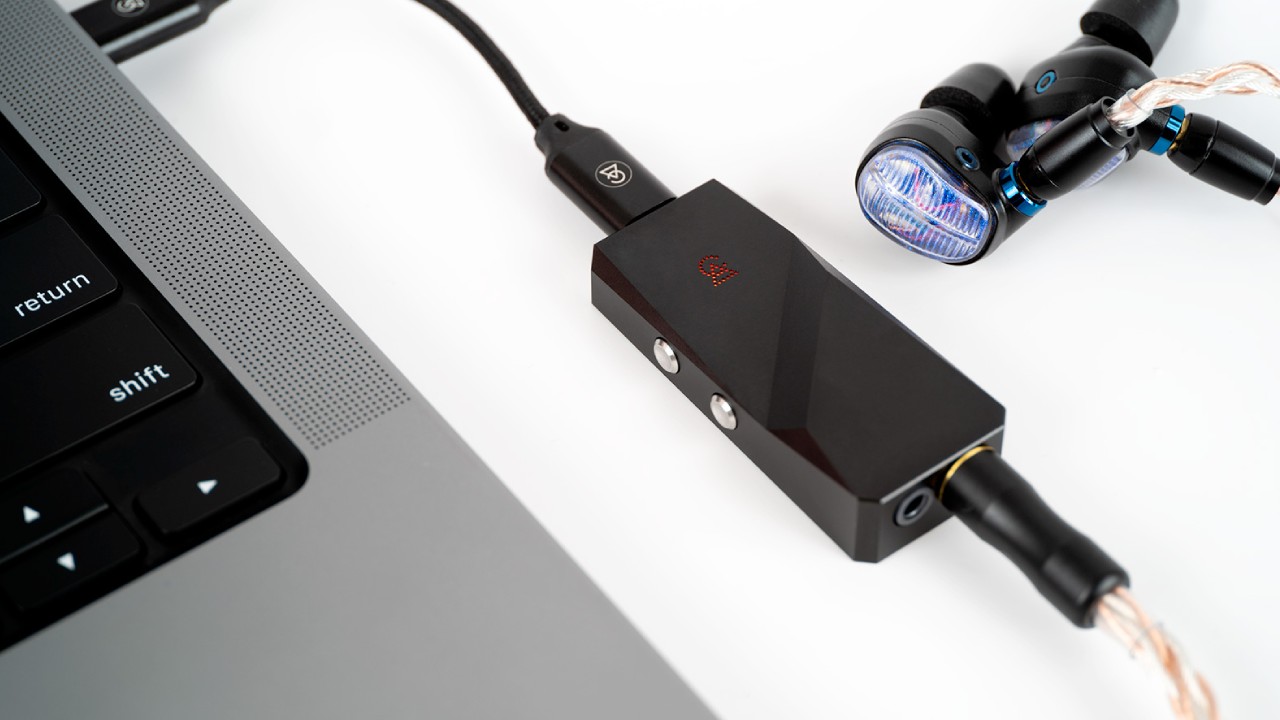 VS
VS VS
VS VS
VS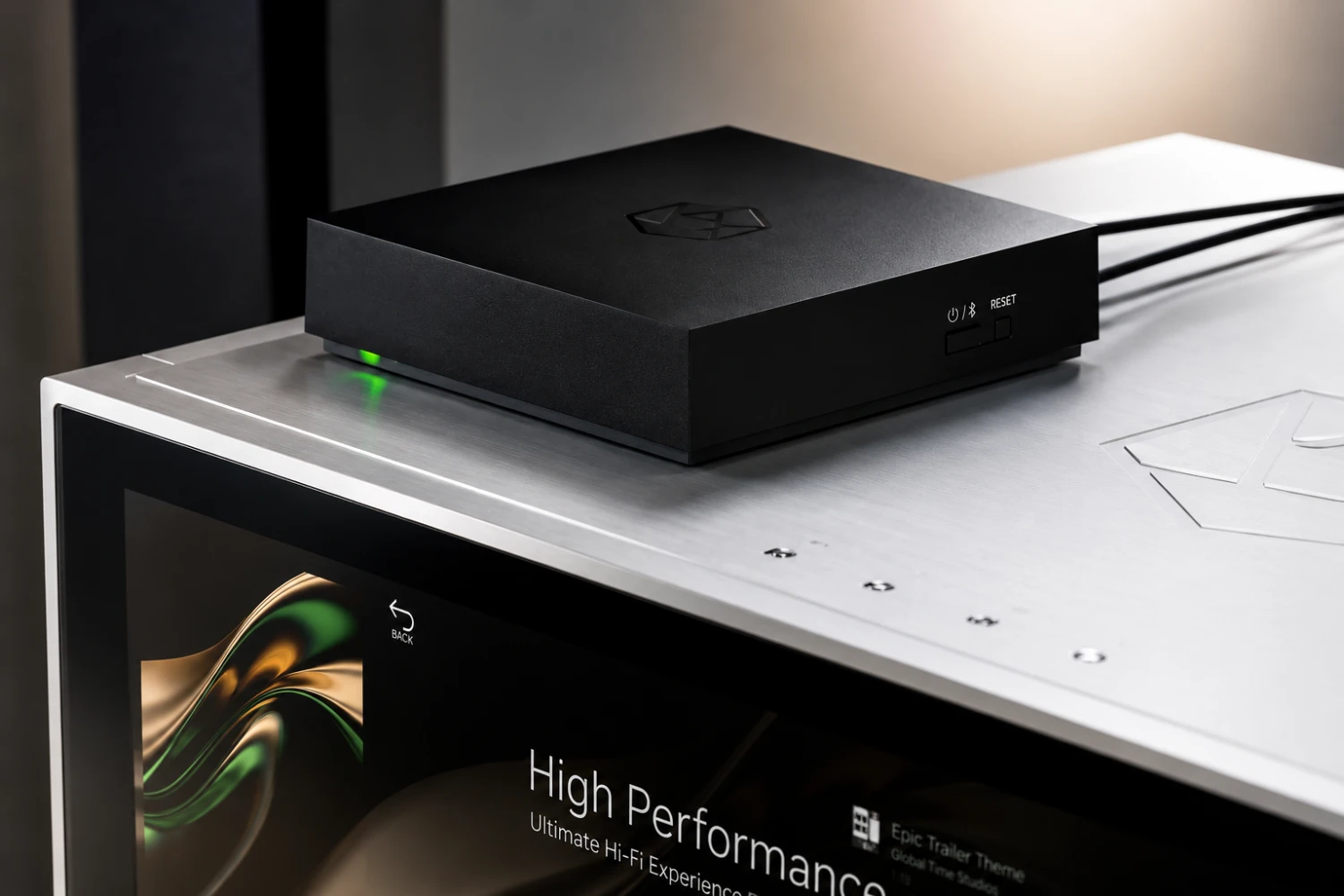 VS
VS VS
VS VS
VS

Share your thoughts on this 0
Keep it civil, relevant and respectful.