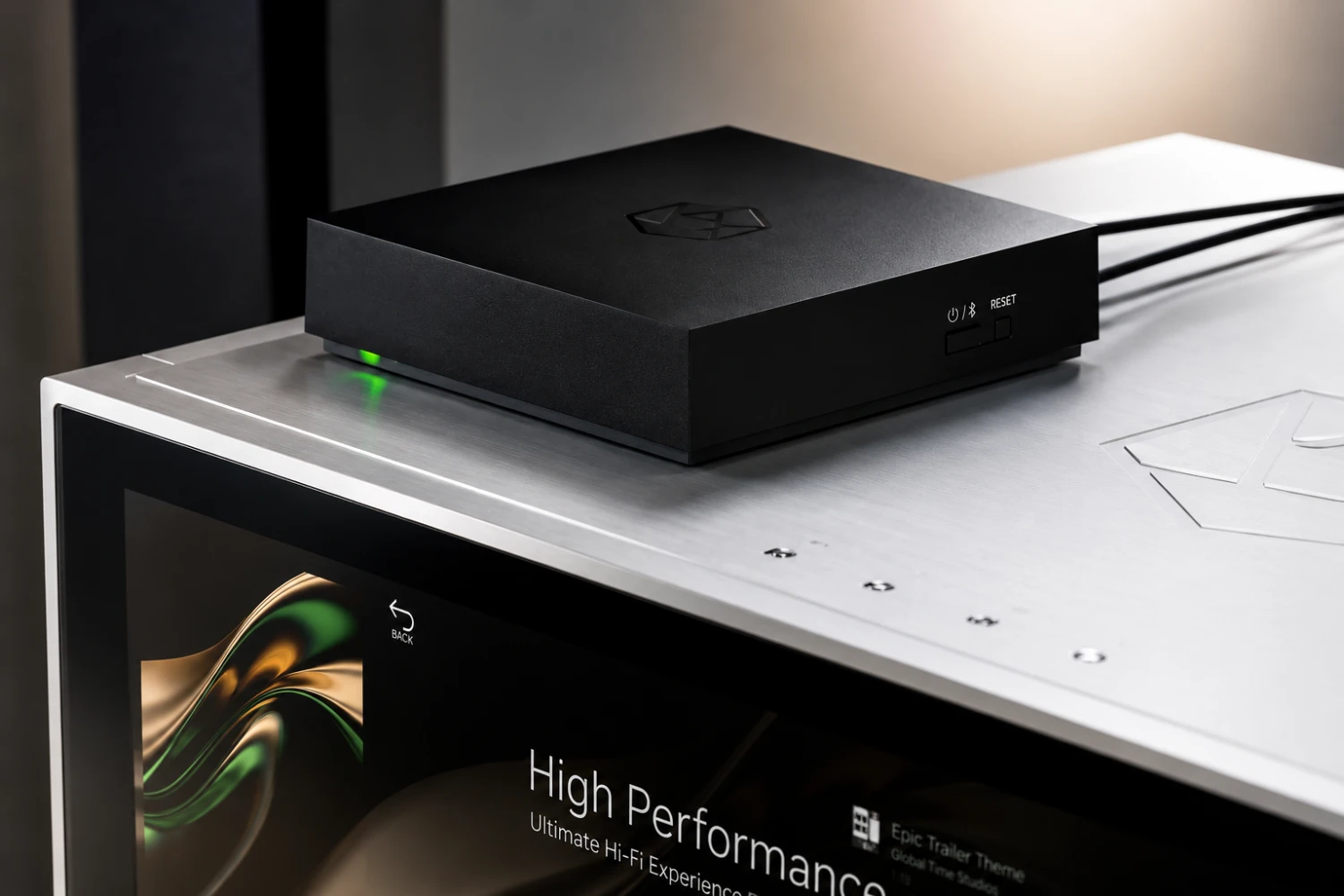

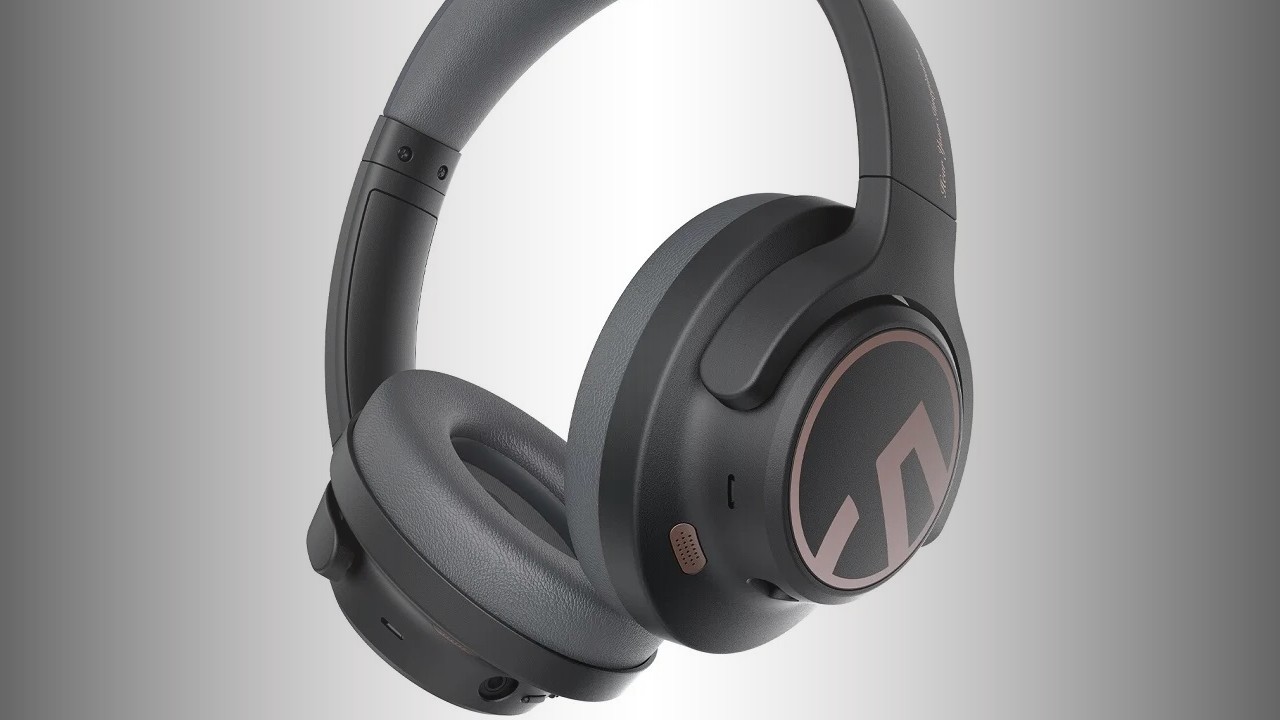
SoundPEATS Space and Tripowin H1 sit in the same broad Headphones category, but the supplied source articles present them as products built around very different priorities.
SoundPEATS Space is described as a full-size wireless headphone with Bluetooth 5.3, active noise reduction, Type-C charging, three finish options, a branded app, a 40 mm dynamic driver, and an attractive price.
Tripowin H1, by contrast, is presented as a hi-fi headphone centered on a 50 mm dynamic driver with a specially developed three-layer carbon polymer diaphragm, an open-back ear cup design, and tuning intended to deliver a balanced, natural studio-style sound. Because the two articles emphasize different use cases, this is not a simple better-or-worse comparison. Space is the more feature-led everyday wireless option based on the information provided, while H1 is the more sound-design-focused option for listeners drawn to open-back hi-fi headphones. The fairest conclusion is that the winner depends on whether convenience and noise reduction or open-back acoustic performance is the higher priority.
At a glance
At a glance: SoundPEATS Space is the practical wireless choice, with Bluetooth 5.3, active noise reduction, Type-C charging, a branded application, three color finishes, and a 40 mm dynamic driver.
Tripowin H1 is the hi-fi-oriented choice, with a 50 mm dynamic driver using a three-layer carbon polymer diaphragm, an open-back design intended to support realistic soundstage and imaging, stated specifications of 105 dB SPL, 5 Hz-24 kHz frequency range, 32 Ohm resistance, and a listed price of $189.
Choose Space if you want modern wireless functionality and noise reduction. Choose H1 if the open-back listening concept, driver construction, and studio-tuning claims matter more than convenience features.
SoundPEATS Space
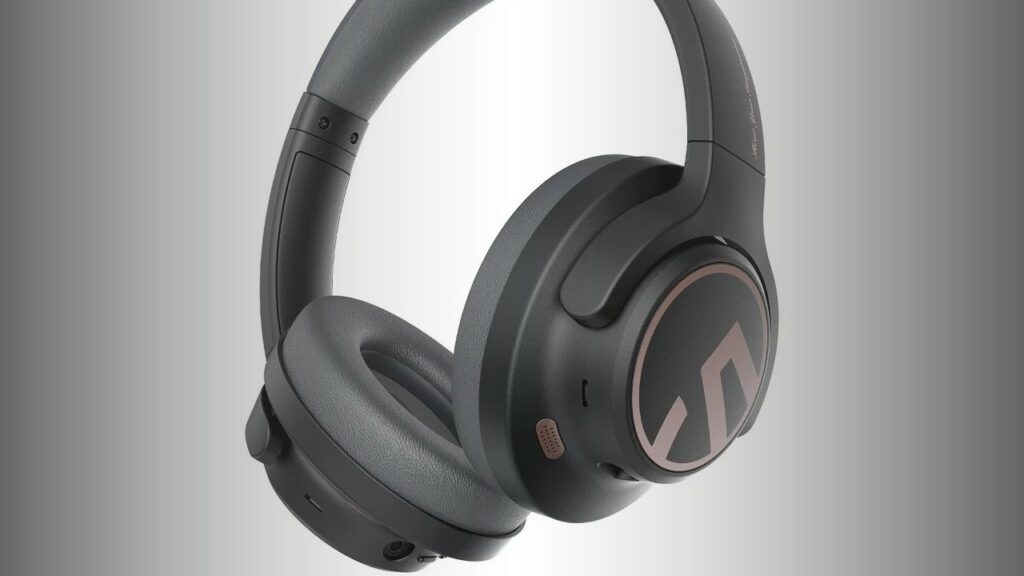
SoundPEATS Space is described in the source article as a full-size wireless headphone with Bluetooth 5.3, a 40 mm dynamic driver, active noise reduction, three finishing colors, Type-C charging, and a branded application.
The article also highlights its nice design and attractive price, though it does not provide the exact price or detailed acoustic specifications.
Strengths
- Wireless operation with Bluetooth 5.3 is specified in the source article.
- Active noise reduction is listed, making Space the only model in this comparison with a stated noise-reduction system.
- Type-C charging is included in the listed characteristics.
- A branded application is listed, giving Space an app-based usability advantage over the Tripowin H1 based on the supplied information.
- Three finishing colors are specified, so it offers more stated finish choice than the H1 article mentions.
- The source article describes the price as attractive, although no exact figure is supplied.
Considerations
- The source article provides fewer audio-focused details than the Tripowin H1 article, listing only a 40 mm driver without frequency range, impedance, SPL, or tuning details.
- No exact price is supplied, so value can only be discussed in general terms.
- The article does not provide listening impressions or measured performance data.
- The article does not describe the headphone’s battery life, codec support, weight, controls, or materials.
Best for: Listeners who want a full-size wireless headphone with active noise reduction, Bluetooth 5.3, app support, Type-C charging, and a choice of finishes, especially when everyday convenience matters more than detailed hi-fi design information.
Tripowin H1
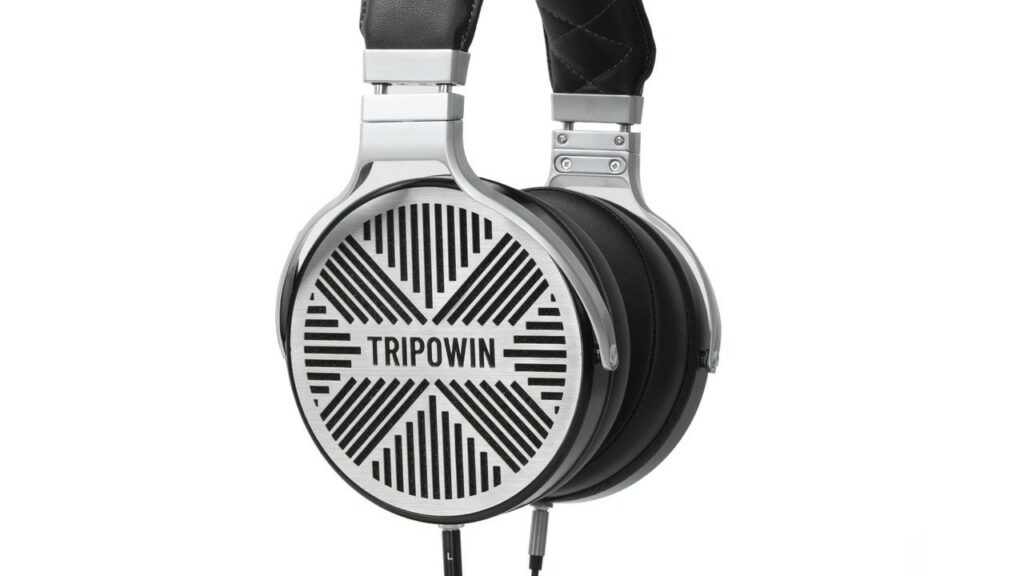
Tripowin H1 is presented as a hi-fi headphone built around a 50 mm dynamic driver using a specially developed three-layer carbon polymer membrane.
The article emphasizes its open-back ear cup design, a powerful magnetic design matched to a rigid diaphragm, and tuning aimed at a balanced and natural studio-style sound.
It also lists 105 dB SPL, 5 Hz-24 kHz frequency range, 32 Ohm resistance, and a price of $189.
Strengths
- The source article gives more detailed acoustic information than the SoundPEATS Space article, including driver size, diaphragm construction, SPL, frequency range, resistance, and price.
- The 50 mm dynamic driver is larger than the 40 mm driver listed for SoundPEATS Space.
- The three-layer carbon polymer diaphragm is described as being designed to strengthen the membrane and increase surface tension for a tighter, more responsive driver.
- The open-back design is described as allowing airflow through the earcups and drivers, with the stated goal of creating a realistic soundstage and imaging experience.
- The article says the H1 was tuned after Tripowin studied well-known expensive headphones and multiple target tuning curves, with the goal of balanced and natural sound.
- The listed price of $189 gives clearer value context than the SoundPEATS Space article provides.
Considerations
- The source article does not list Bluetooth, active noise reduction, Type-C charging, a branded app, or finish options.
- The open-back design is positioned for realistic soundstage and imaging rather than the noise-reduction use case covered by SoundPEATS Space.
- The article’s performance language is manufacturer-style descriptive information rather than independent measurements or listening impressions.
- The source does not provide details about accessories, cable configuration, comfort, weight, or portability features.
Best for: Listeners focused on hi-fi-style open-back listening, driver design, stated acoustic specifications, and tuning goals rather than wireless convenience, noise reduction, or app-based features.
Head-to-head comparison
Design and build
The two headphones differ most clearly in their design philosophy.
SoundPEATS Space is described as a full-size wireless headphone with a nice design and three finishing colors.
That points to a mainstream, lifestyle-friendly product presentation, and the source article reinforces that by listing Bluetooth 5.3, active noise reduction, Type-C charging, and a branded application. Tripowin H1 is presented in a more hi-fi-focused way. Its defining design feature is an open-back ear cup structure, which the article says allows airflow through the earcups and drivers. The H1 article also gives unusually detailed information about the driver diaphragm, describing a specially developed three-layer carbon polymer membrane with an integrated carbon network in each layer. Based on the supplied information, Space has the broader convenience-oriented exterior feature set, while H1 has the more extensively described acoustic construction.
Edge: SoundPEATS Space has the edge for stated finish choice and wireless-oriented practicality. Tripowin H1 has the edge for acoustic design detail and open-back hi-fi construction.
Features and usability
SoundPEATS Space is clearly ahead on stated everyday features.
The article lists Bluetooth 5.3, active noise reduction, Type-C charging, and a branded application.
Those features make it the more complete option on paper for listeners who want wireless use, app support, and a noise-reduction system. Tripowin H1’s article does not mention Bluetooth, active noise reduction, app support, charging, or finish choices. Instead, its feature set is described almost entirely through acoustic architecture: a 50 mm dynamic driver, a three-layer carbon polymer diaphragm, open-back earcups, and tuning based on target curves and references to famous expensive headphones. In usability terms, therefore, Space is better supported by the source material as a daily convenience headphone, while H1 is better supported as a dedicated listening headphone.
Edge: SoundPEATS Space wins features and usability because it is the only model with stated Bluetooth 5.3, active noise reduction, Type-C charging, and app support.
Sound and performance
The source articles do not provide independent listening impressions or measurements, so the sound comparison must be based strictly on stated design and specification claims.
SoundPEATS Space is listed with a 40 mm dynamic driver, but the article does not provide frequency range, impedance, SPL, diaphragm material, tuning target, or detailed performance description.
Tripowin H1 receives much more extensive sound-focused treatment. Its 50 mm dynamic driver uses a three-layer carbon polymer diaphragm, and the article says this construction is intended to strengthen the membrane, increase surface tension, and create a tighter, more responsive driver. The H1 article also says the powerful magnetic design and rigid diaphragm help produce full sound that is rich and articulate across the frequency spectrum, while the open-back design is described as supporting realistic soundstage and imaging. Its listed specifications include 105 dB SPL, 5 Hz-24 kHz frequency range, and 32 Ohm resistance. This does not prove H1 is objectively better, but the supplied evidence is much stronger and more detailed for H1 as a performance-oriented headphone.
Edge: Tripowin H1 has the edge for sound/performance information because the source article provides more detailed driver design, open-back acoustic rationale, tuning claims, and specifications.
Value
Value is difficult to judge directly because the SoundPEATS Space article calls the price attractive but does not provide an exact amount, while the Tripowin H1 article lists a price of $189.
That means Space may be positioned as the more affordable or value-led product, but the supplied article does not give enough information to quantify the difference.
H1’s value is easier to assess in context because the article provides both a price and a detailed technical description: 50 mm dynamic driver, three-layer carbon polymer diaphragm, open-back design, 105 dB SPL, 5 Hz-24 kHz frequency range, and 32 Ohm resistance. For buyers who value wireless features and active noise reduction, Space’s value proposition is strong based on the article’s language. For buyers who value open-back hi-fi design and published acoustic specifications, H1 gives a clearer technical case for its $189 price.
Edge: Depends: SoundPEATS Space appears to be the better convenience-value choice, while Tripowin H1 provides the clearer specification-backed hi-fi value case.
Ideal user
SoundPEATS Space suits the listener who wants full-size wireless headphones with current Bluetooth, active noise reduction, Type-C charging, app support, and finish choices.
It is the more appropriate pick if the buying decision is driven by everyday usability features rather than detailed driver engineering.
Tripowin H1 suits the listener who is specifically interested in an open-back hi-fi headphone and wants the product story to revolve around driver construction, diaphragm design, open-back soundstage goals, and studio-style tuning. The H1 article is much more explicit about sound design, while the Space article is much more explicit about wireless functionality.
Edge: SoundPEATS Space is better for convenience-first users. Tripowin H1 is better for open-back hi-fi listeners.
Trade-offs
The central trade-off is convenience versus acoustic intent.
SoundPEATS Space offers the modern wireless package described in the source: Bluetooth 5.3, active noise reduction, Type-C charging, app support, and three finishes.
What it does not provide in the article is a deep technical account of its sound. Tripowin H1 provides that sound-focused narrative, with a 50 mm driver, three-layer diaphragm, open-back construction, tuning claims, and published specifications, but the article does not list the practical wireless and noise-reduction features found on Space. Neither product can be declared universally superior from the supplied material because they are optimized, at least in the way the articles present them, for different priorities.
Edge: No universal edge; the better choice depends on whether the buyer prioritizes wireless ANC convenience or open-back hi-fi design.
Final verdict
Winner: Depends
SoundPEATS Space and Tripowin H1 should not be judged as direct substitutes for the same listener.
SoundPEATS Space is the stronger choice for everyday wireless use based on the supplied article: it has Bluetooth 5.3, active noise reduction, Type-C charging, a branded app, three finishing colors, and an attractive-price positioning.
If those are the features you need, Space is the more appropriate headphone. Tripowin H1 is the stronger choice for listeners who are shopping specifically around acoustic design and hi-fi listening priorities. Its article provides a much richer technical foundation, including a 50 mm dynamic driver, three-layer carbon polymer diaphragm, open-back earcups, 105 dB SPL, 5 Hz-24 kHz frequency range, 32 Ohm resistance, studio-style tuning claims, and a listed price of $189. Because the evidence supports different strengths rather than one all-round winner, the overall winner is Depends. Choose SoundPEATS Space for wireless convenience and active noise reduction. Choose Tripowin H1 for open-back hi-fi design and the more detailed sound-performance proposition.
Comparison FAQ
Which is better for wireless use, SoundPEATS Space or Tripowin H1?
SoundPEATS Space is the better-supported choice for wireless use because the source article explicitly lists Bluetooth 5.3.
The Tripowin H1 article does not mention Bluetooth or wireless operation.
Which headphone has active noise reduction?
SoundPEATS Space is the only one of the two with active noise reduction listed in the supplied source article.
The Tripowin H1 article focuses on its open-back design and driver construction and does not list active noise reduction.
Which has the more detailed sound-focused design, SoundPEATS Space or Tripowin H1?
Tripowin H1 has the more detailed sound-focused description in the supplied article.
It is described with a 50 mm dynamic driver, a three-layer carbon polymer diaphragm, open-back earcups, a powerful magnetic design, studio-style tuning goals, 105 dB SPL, 5 Hz-24 kHz frequency range, and 32 Ohm resistance.
The SoundPEATS Space article lists a 40 mm dynamic driver but does not provide comparable tuning or acoustic specification detail.
Is Tripowin H1 worth more than SoundPEATS Space?
The supplied articles do not provide enough information for a direct price-to-price value judgment.
Tripowin H1 has a listed price of $189 and a detailed hi-fi design description.
SoundPEATS Space is described as having an attractive price, but the exact price is not supplied. Value therefore depends on priorities: Space for wireless features and active noise reduction, H1 for open-back hi-fi design and published specifications.