
Focal Hadenys and Azurys Bring One Driver to Two Different Roles
Focal’s Hadenys and Azurys share French-made 40mm aluminum-magnesium drivers and a carefully coordinated material palette, but their open- and closed-back constructions make them suitable for distinctly different situations.
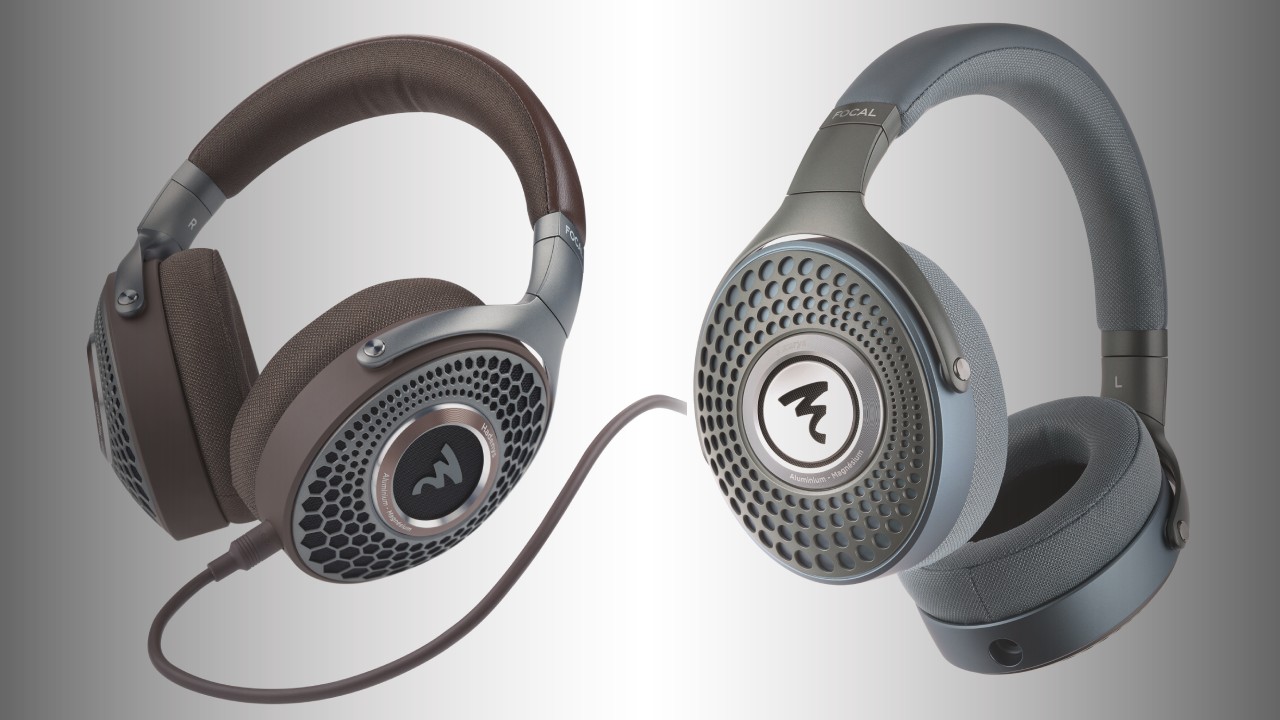
The Hadenys and Azurys show how a common technical platform can be adapted for two different headphone users. Both are passive, wired over-ear models built around 40mm drivers made by Focal in Saint-Étienne, France. Hadenys uses an open-back structure intended primarily for listening at home, while Azurys places related technology in a closed-back format suited to both domestic and mobile use. That clear division is the central attraction of the range: buyers can choose according to where and how they listen without giving up the shared design language, materials or driver concept.
A shared foundation with a meaningful choice
Hadenys and Azurys are closely related, but the distinction between them is more than cosmetic. Hadenys has open earcups, allowing the rear of each driver to interact with the surrounding air. Focal consequently presents it as a home-listening headphone, where isolation and sound leakage are generally less important than they would be in shared or public spaces.
Azurys uses closed earcups and is positioned as the more versatile option. Its enclosure makes it the model intended for listening at home or while travelling. The source information does not specify isolation figures, so no numerical claims can be made, but the closed construction gives Azurys a more appropriate physical format for situations in which an open headphone could disturb other people or allow too much outside sound to intrude.
This makes the decision between the two relatively straightforward. Hadenys is the purpose-focused home model, whereas Azurys addresses owners who want one wired over-ear headphone for a broader range of locations. Rather than presenting one as inherently superior, Focal has used enclosure design to give each model a distinct practical role.
French-made drivers derived from Bathys
At the heart of both headphones is a 40mm driver with an aluminum-magnesium M-shaped dome. The drivers are designed and manufactured in Focal’s workshops in Saint-Étienne. In a market where production arrangements are not always prominent, this gives the two models a clearly documented connection to the company’s own manufacturing operation.
The driver design also has an established place within Focal’s headphone range: it is related to the unit used in Bathys, the company’s first wireless headphone with active noise cancellation. Hadenys and Azurys place that driver technology in passive wired designs instead. They therefore omit the wireless and active noise-cancelling identity of Bathys and concentrate on conventional cable-based operation.
That approach may appeal to listeners who do not require integrated wireless electronics or battery-powered features. Passive operation also makes the headphones natural candidates for use with a suitable existing source or headphone system. The supplied information does not identify connector types, impedance, sensitivity or amplification requirements, so system matching should be based on Focal’s full technical documentation rather than assumptions. What can be said is that both models are supplied with the necessary cables, supporting their intended wired use from the outset.
Focal characterizes the performance of these drivers as detailed, warm and dynamic. Those descriptions are the manufacturer’s stated aims rather than independent listening findings, but they help explain why the company selected the same fundamental driver architecture for two enclosure types. The open and closed implementations let Focal apply a familiar transducer to different use cases.
Materials chosen for comfort and structure
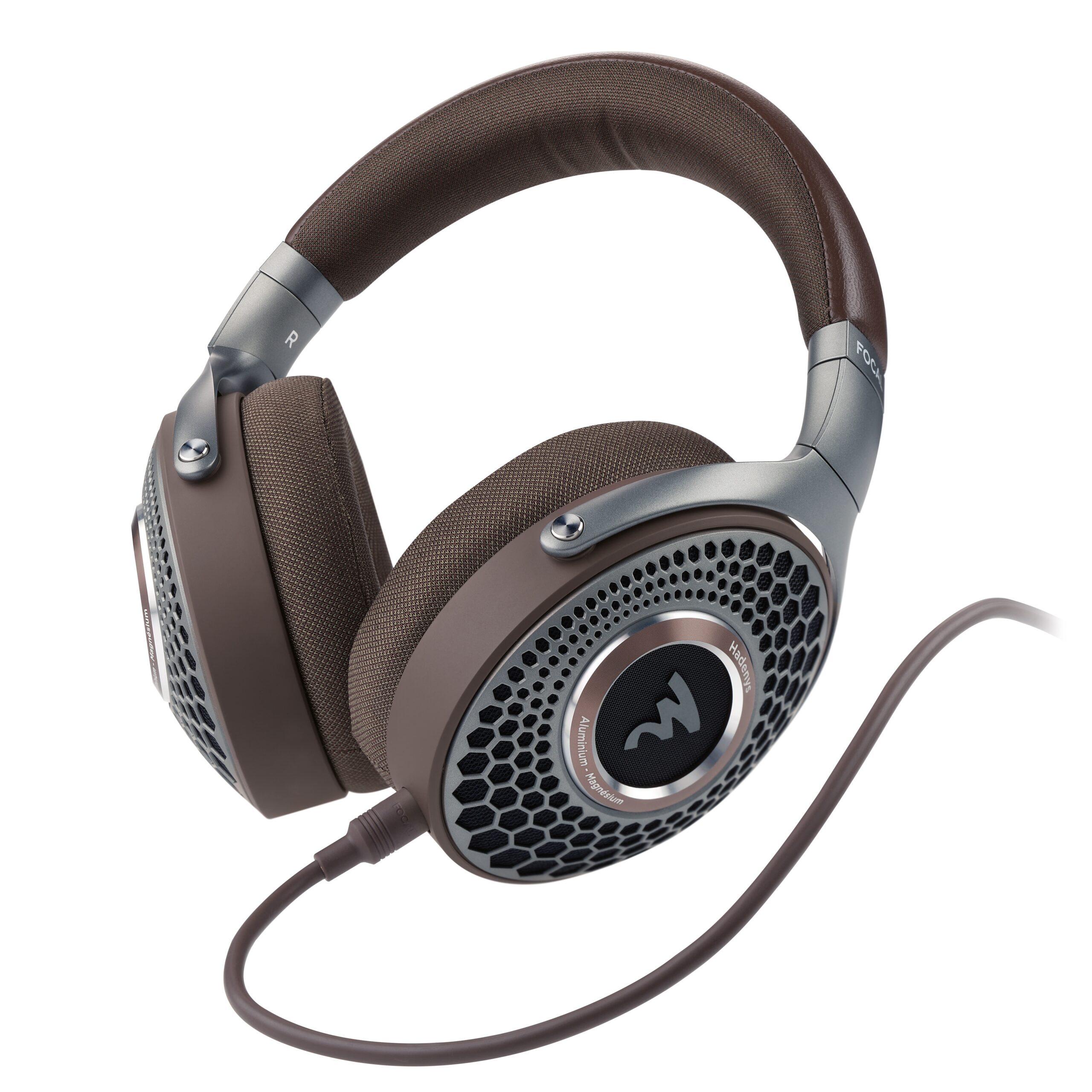
The construction combines genuine leather, woven fabric, aluminum and magnesium. This is a considered mix of materials rather than a design based on a single visual texture. Metal components provide structural and visual contrast, while the leather and fabric address the areas that define the headphones’ tactile character.
Focal specifically highlights the breathable woven fabric used for the headband and yoke of Hadenys, associating it with comfort and lightness. Over-ear headphones are often worn for extended sessions, particularly when a model is intended for home listening, so ventilation and weight distribution are relevant design priorities. No total weight or long-term wear data is provided, but the choice of breathable fabric indicates attention to how the headphone interfaces with the wearer rather than treating the headband as a purely decorative element.
Honeycomb grilles are an important part of Hadenys. They serve the open-back concept while also carrying a recognizable Focal design cue. Azurys retains the same general standard of materials but uses a closed enclosure, giving it a more contained form suited to its multifunctional brief. Both models are over-ear designs, meaning the earcups are intended to surround rather than rest directly on the ears.
Two color schemes with distinct identities
The models are visually differentiated through color as well as construction. Hadenys has a brown finish inspired by the Hadean, the early geological era associated with the formation of Earth. The narrative is intentionally elemental, and the resulting palette is designed to appear organic and timeless. More practically, the brown treatment helps distinguish Hadenys from conventional black or silver hi-fi headphones without relying on a bright accent color.
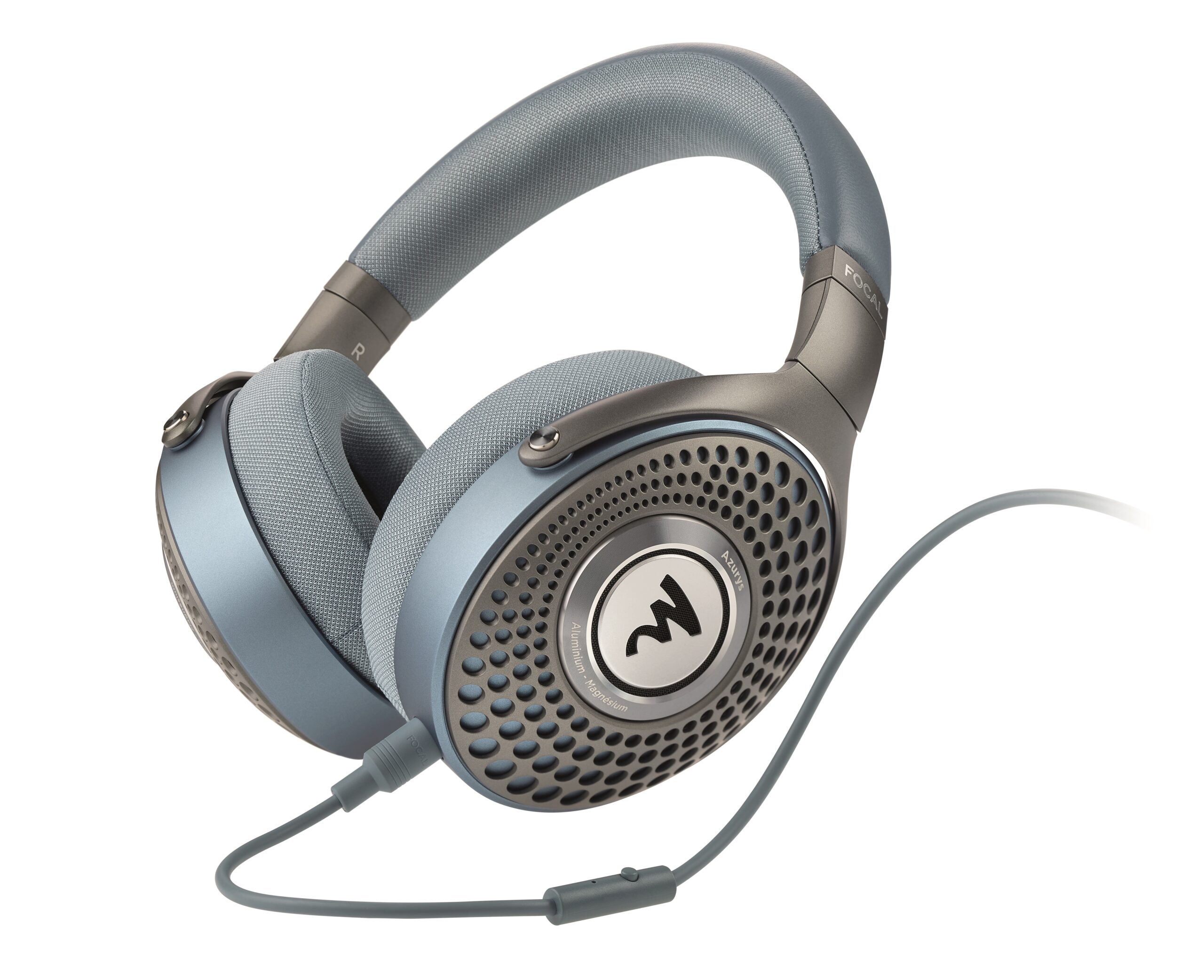
Azurys takes its bluish hue from azurite, a semiprecious stone. This gives the closed-back model its own identity while retaining the materials and broader design vocabulary shared with Hadenys. The color choice also supports Azurys as the more outward-facing model: it is visually distinctive without changing the underlying over-ear layout.
Focal includes a carrying case matched to the color of each headphone. This is a small but coherent detail, especially for Azurys, whose closed design is explicitly intended to work beyond a dedicated home setup. For Hadenys, the case provides organized storage and protection when the headphone is not in use. The inclusion of matching cases and required cables also means the accessories follow the same coordinated approach as the headphones themselves.
Practical roles in a hi-fi system
Hadenys is the clearer fit for a stationary listening area where an open headphone can be used without concern about sound escaping into the room. Its wired, passive architecture makes sense alongside a dedicated headphone amplifier, integrated amplifier, DAC-headphone amplifier or another compatible source, although the available information does not prescribe a particular type of partnering equipment.
Azurys offers greater location flexibility because of its closed earcups and supplied case. It can still serve as a home headphone, but its design also anticipates use on the road. Prospective owners should remember that it remains a passive wired model: there is no documented Bluetooth connection or active noise cancellation. Listeners seeking those features would be considering a different kind of product, despite the driver’s connection to Bathys.
The absence of disclosed cable terminations in the supplied details means buyers should verify compatibility with their intended portable device or home component. This is particularly relevant as many current mobile devices require an adapter or external audio interface for wired headphones. Focal’s inclusion of the necessary cables is useful, but it does not by itself establish compatibility with every source.
Who are Hadenys and Azurys most suitable for?
Hadenys is aimed most directly at listeners who have a quiet, fixed place for music and specifically want an open-back over-ear headphone. Its breathable fabric elements, open honeycomb grilles and home-oriented brief make it the more specialized member of the pair. It is less suitable where leakage could inconvenience another person or where environmental noise regularly competes with the music.
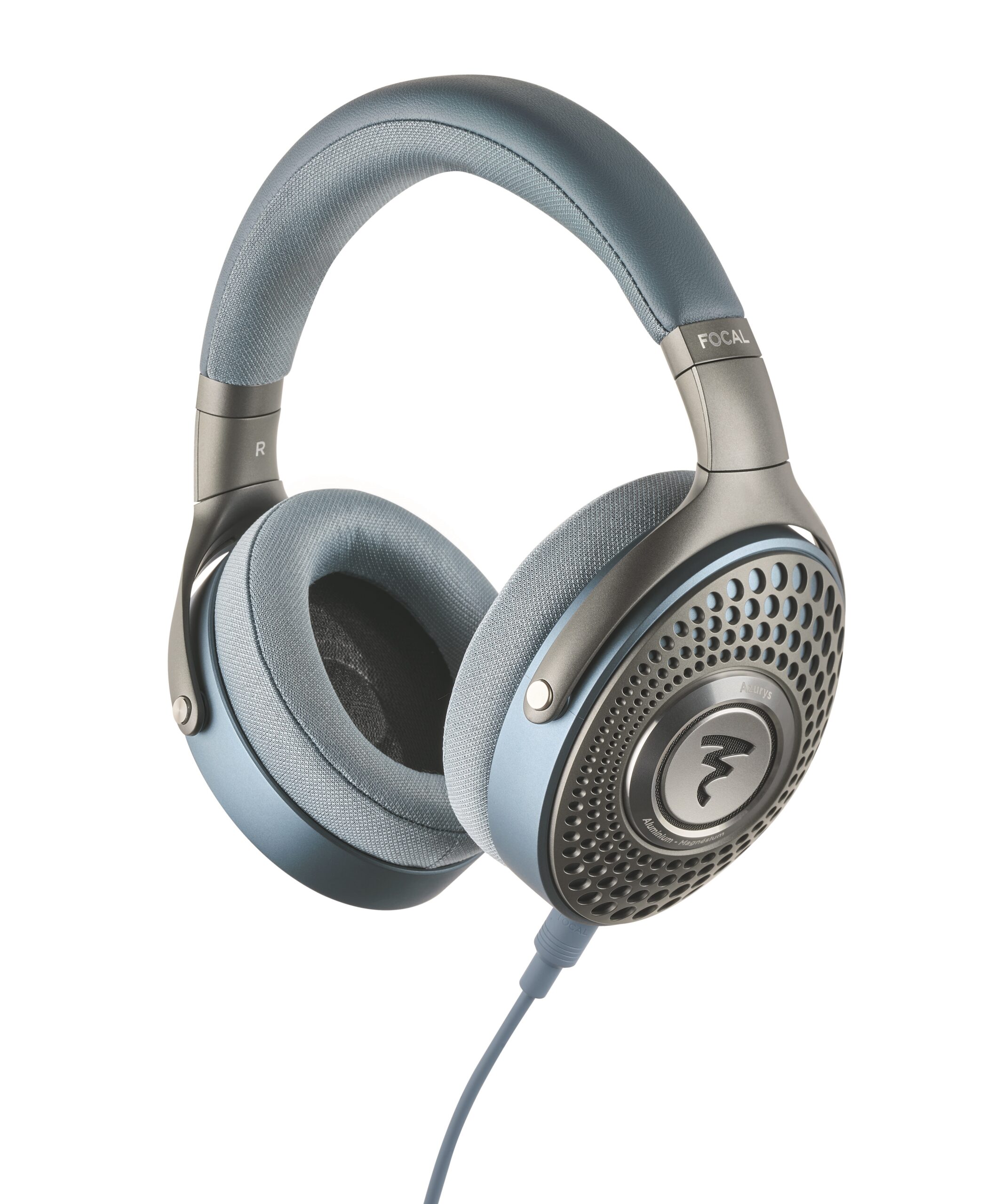
Azurys is the more logical choice for someone who divides listening time between home and travel, or who simply needs a closed enclosure. Its carrying case and broader usage brief reinforce that flexibility. However, people who prioritize cable-free operation, built-in active noise cancellation or integrated wireless controls should note that Azurys is not presented as an alternative wireless headset; it is a conventional passive headphone.
Both models are relevant to buyers attracted by Focal’s French-made driver technology and distinctive industrial design. They also suit users who prefer a wired product without a stated dependence on batteries or wireless electronics. Final selection should come down to environment and features rather than color alone: Hadenys for open-back home use, Azurys for closed-back versatility.
Conclusion
Focal’s Hadenys and Azurys are defined by a sensible combination of shared engineering and clearly separated use cases. Both employ 40mm aluminum-magnesium M-dome drivers designed and made in Saint-Étienne, along with over-ear construction, carefully selected materials, supplied cables and color-matched carrying cases. Hadenys emphasizes open-back listening at home through its honeycomb grilles and breathable fabric details, while Azurys packages the same core driver concept in a closed design intended for use in more varied surroundings. For prospective owners, their strongest quality is this clarity of purpose: choose Hadenys for a dedicated open-back setup, or Azurys when a wired headphone needs to accommodate both home listening and travel.