

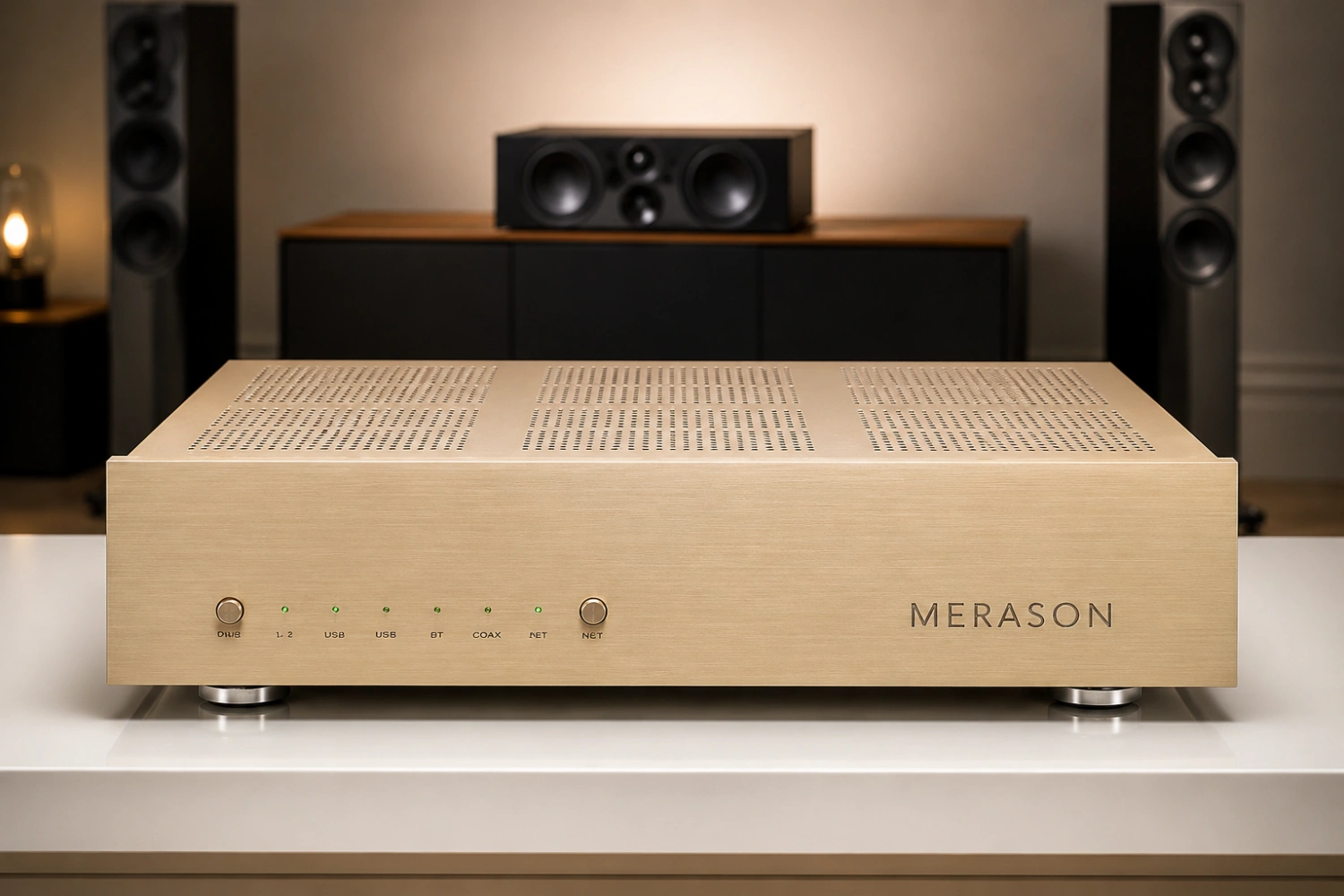
Swiss audio manufacturer Merason has expanded its digital-to-analog converter lineup with the DAC 2. Positioned between the DAC 1 Mk2 and the flagship Mountain DAC, the new model focuses exclusively on conversion rather than combining DAC, preamplifier and headphone functions in one chassis.
A dedicated DAC without secondary functions
The DAC 2 follows a deliberately narrow design brief. It has no volume control and no integrated headphone amplifier, leaving level adjustment and amplification to separate components elsewhere in the system. This makes it a dedicated source component intended to feed an external preamplifier or integrated amplifier.
That approach distinguishes the DAC 2 from multifunction digital products that combine conversion with streaming, headphone drive and system control. Merason has instead limited the unit to its central task, avoiding circuitry that is not directly required for digital-to-analog conversion.
Removing additional functions can also simplify internal design considerations. Every extra circuit places demands on the power supply and introduces another potential source of electrical interference. The DAC 2’s focused architecture reflects Merason’s preference for keeping the conversion and analog signal stages separate from unrelated features.
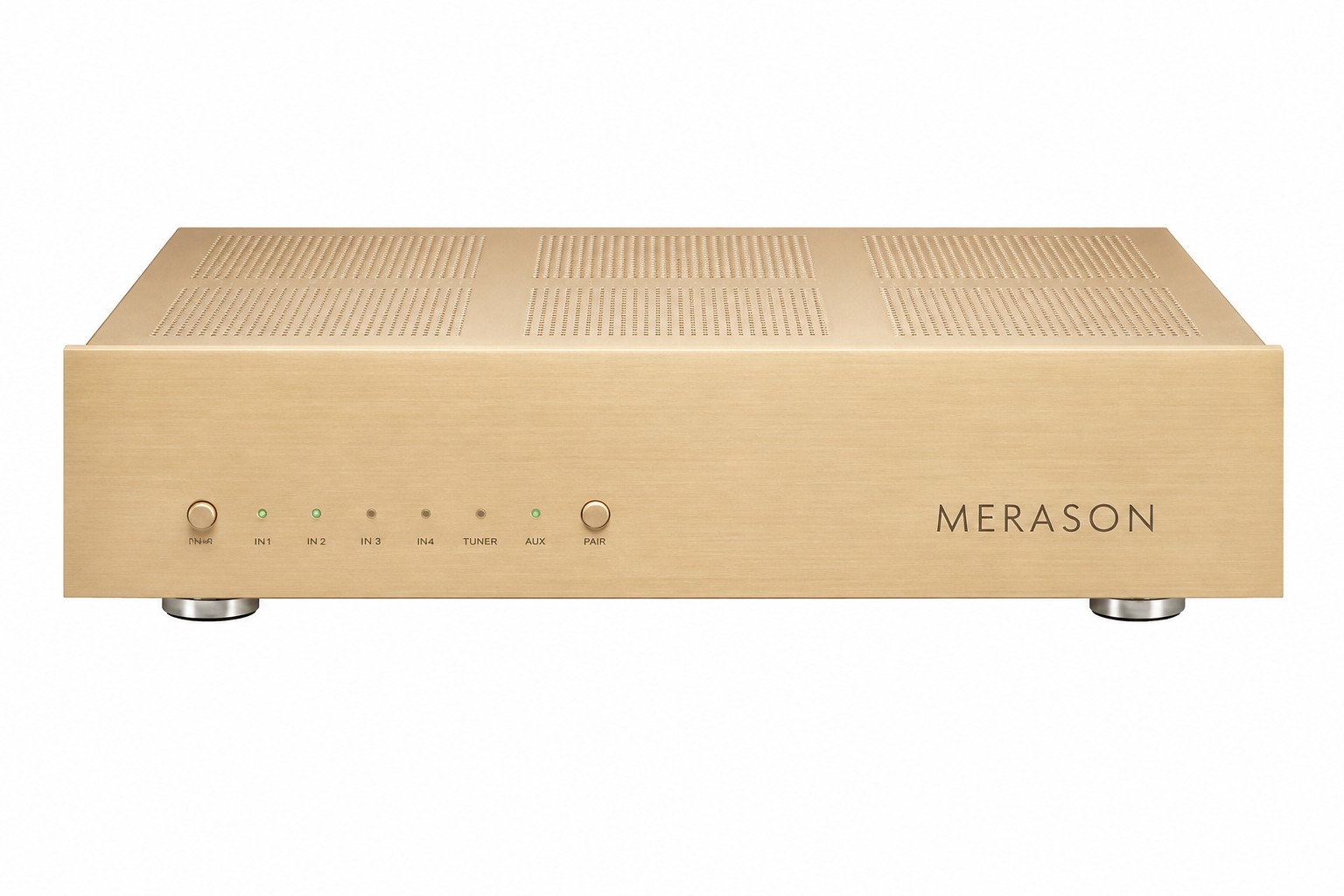
Dual Burr-Brown PCM1794A conversion
At the center of the DAC 2 are two Burr-Brown PCM1794A converter chips. Rather than using one chip for both stereo channels, Merason assigns dedicated conversion hardware within a differential configuration.
The dual-chip arrangement supports a fully differential signal path and gives the left and right channels their own conversion resources. This architecture is designed to improve channel separation and help control distortion, while also aligning with the balanced circuit topology selected for the DAC 2.
Merason’s decision to use the established PCM1794A is notable at a time when many new converters are promoted primarily around the latest chip generations or headline specifications. Here, the converter platform has been selected as part of a broader circuit design rather than as a standalone feature. Merason has not added processing functions or controls around it simply to lengthen the specification list.
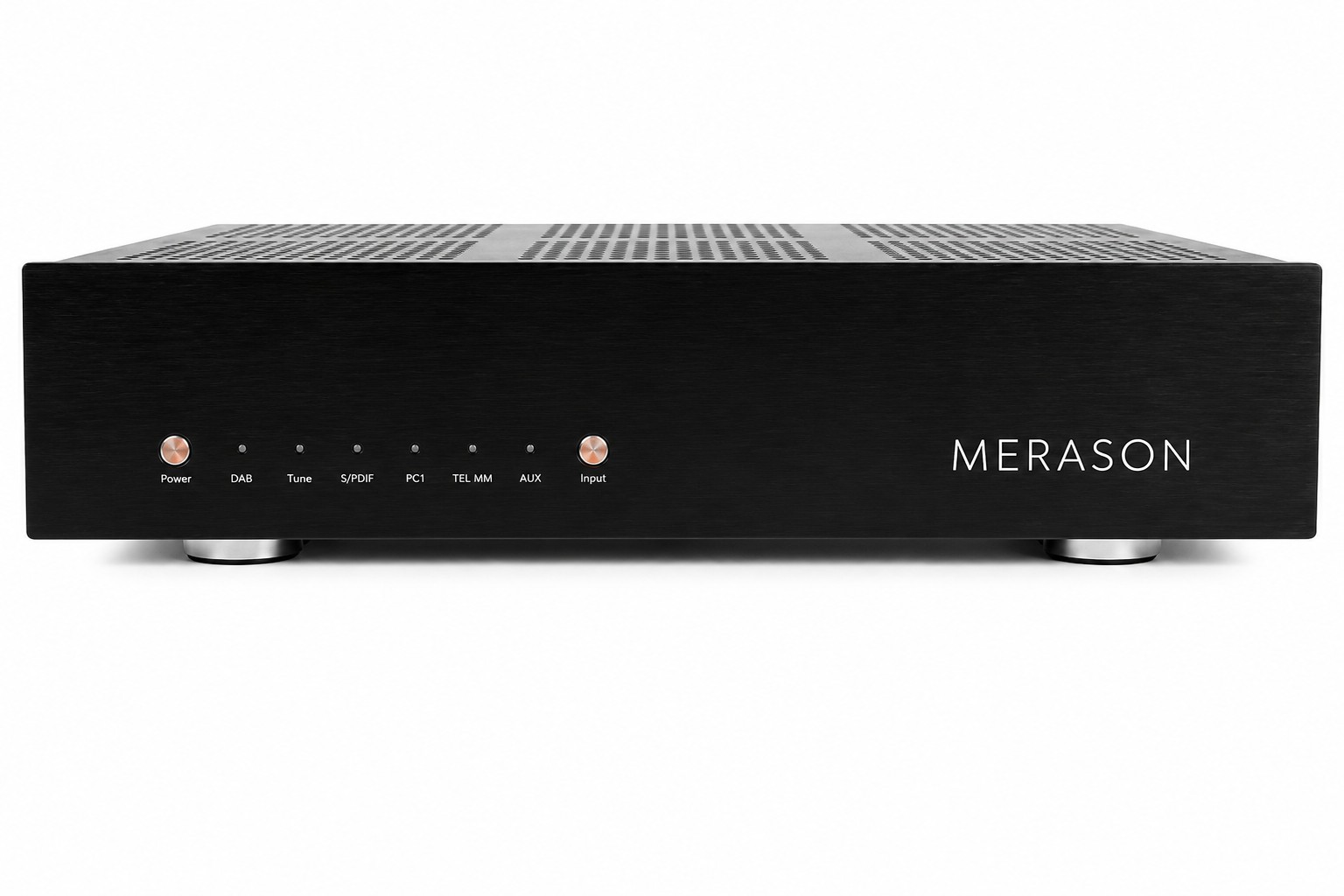
A clear place in Merason’s DAC range
The DAC 2 occupies the middle position in a three-model hierarchy. The DAC 1 Mk2 remains the entry point, while the Mountain DAC continues as the company’s flagship converter. The new unit is intended for listeners who want selected aspects of Merason’s upper-level design thinking without moving directly to the Mountain model.
Its role is therefore defined as much by system configuration as by product rank. The absence of variable output and headphone amplification makes the DAC 2 particularly relevant to component-based systems in which source selection, volume control and power amplification are already handled by dedicated equipment.
This positioning also gives Merason a more closely spaced converter range. Buyers can choose among three levels while retaining the company’s emphasis on standalone digital conversion. The DAC 2 is not presented as an all-in-one alternative; it is designed to become one specialized part of a larger hi-fi chain.
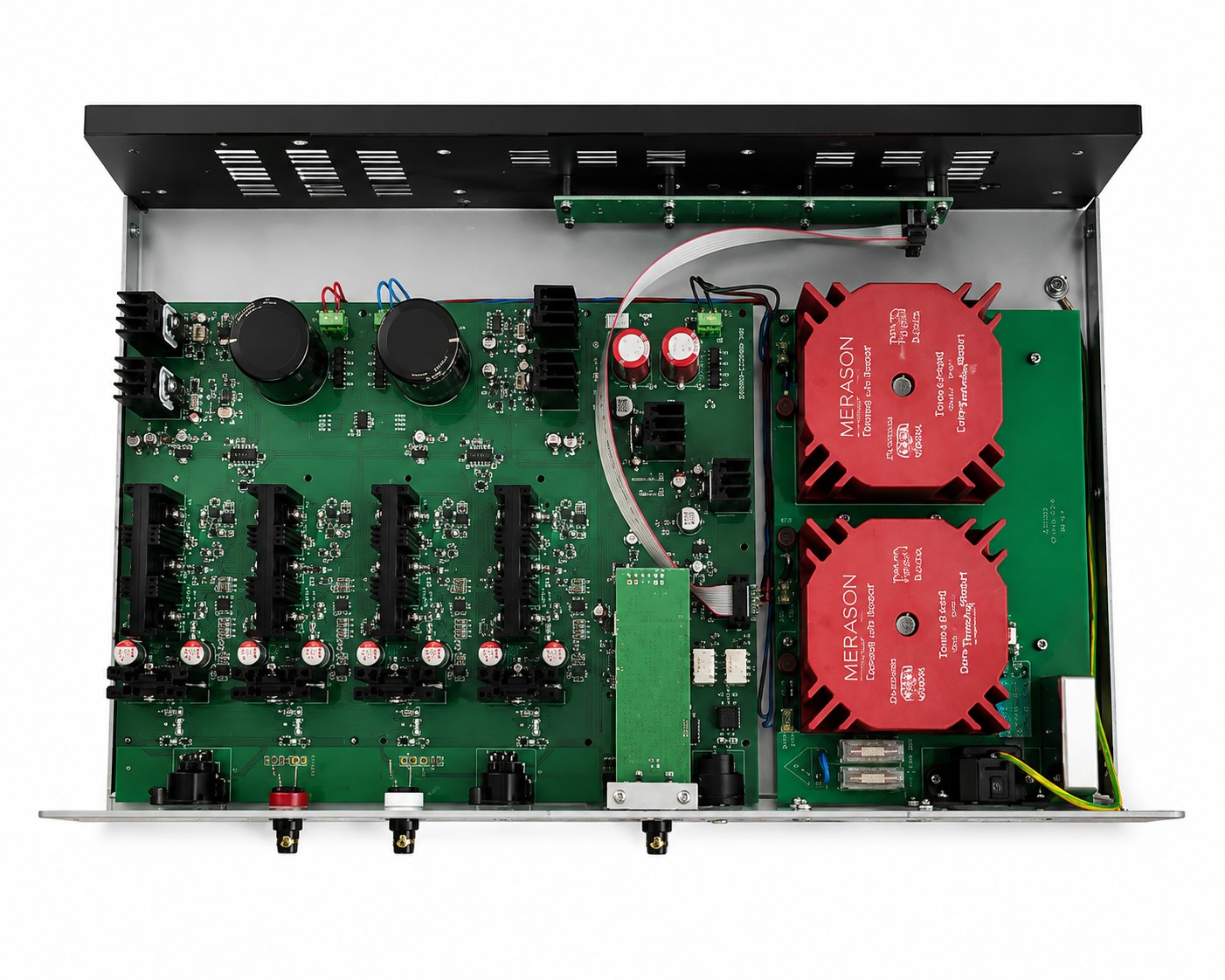
Purposeful simplicity over feature count
The DAC 2’s most important characteristic may be its restraint. Its specification centers on two PCM1794A chips, differential conversion and a signal path dedicated to fixed-source duties. There is no attempt to replace a preamplifier or create a desktop headphone system.
That focus should make the model straightforward to evaluate for system compatibility: prospective owners will need separate volume control and amplification. Merason has not supplied USD pricing or detailed market-availability information, so the DAC 2’s commercial position cannot yet be compared numerically with the DAC 1 Mk2 or Mountain DAC.
With dual Burr-Brown conversion and a fully differential architecture, the Merason DAC 2 fills the gap between the company’s existing models through focused engineering rather than added features. It is a specialized converter for systems already built around separate amplification and control components.


Sound Off
1Join the discussion if you have something to add.
I hope it's less than my house.if not i want it.i grew up playing a stratavarious i suspect the performance will equall.