
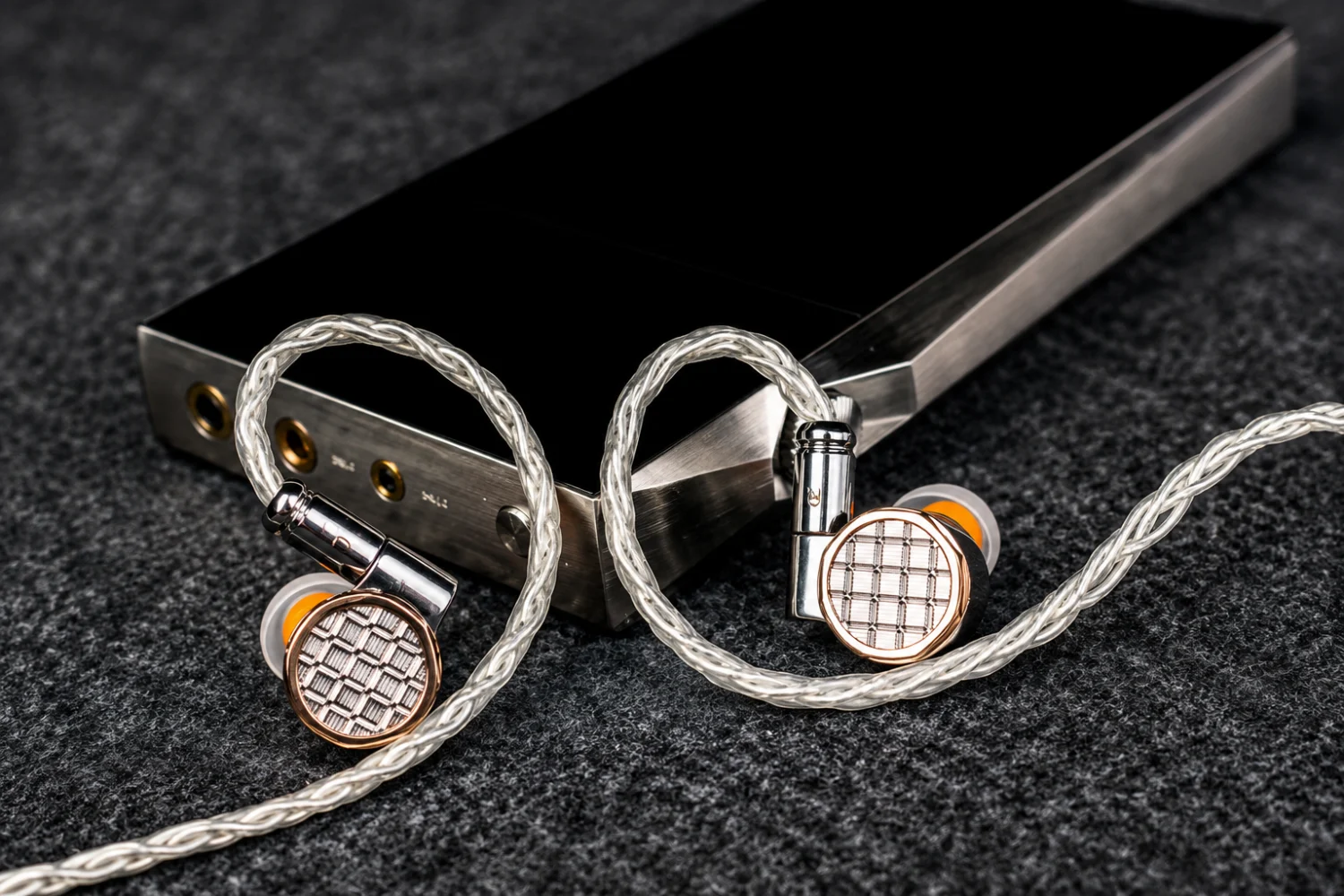
The FiiO Snowsky OAK Nano and Nothing Headphone (1) are worth comparing because they sit at opposite ends of today’s personal-audio decision: a premium wired in-ear monitor with mechanical tuning and USB-C DSP, or a wireless over-ear headphone with ANC, app control, and long battery life. This is not a like-for-like format comparison; it is a practical buying comparison for people deciding which kind of headphone better fits their listening habits.
Original Stereoindex coverage: FiiO Snowsky OAK Nano and Nothing Headphone (1).
| Category | FiiO Snowsky OAK Nano | Nothing Headphone (1) |
|---|---|---|
| Type | Wired in-ear headphones / IEMs | Wireless over-ear headphones |
| Driver | Single 13.8 mm dynamic driver with beryllium alloy dome diaphragm | 40 mm drivers |
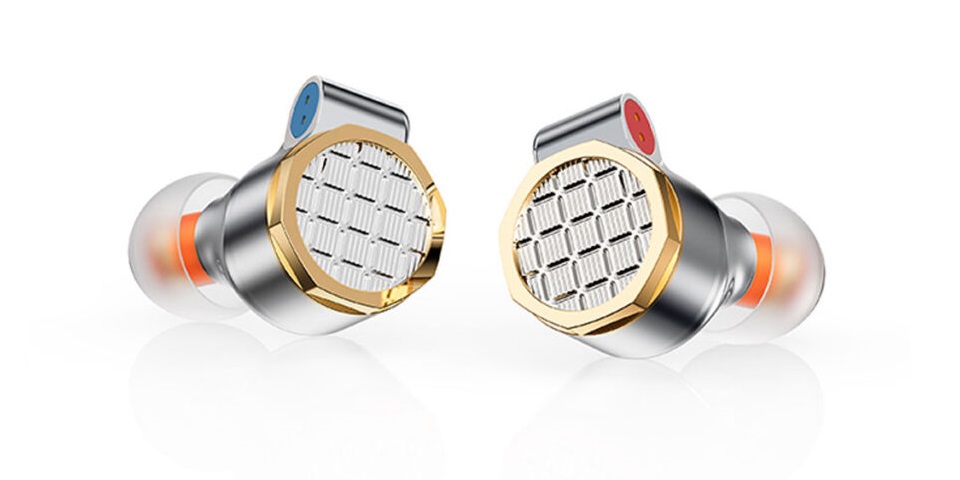
| Housing / design | CNC-machined pure titanium housing, mirror-smooth polished and PVD-coated | Square, partially transparent earcups with rounded corners |
| Noise cancelling | Not stated in source | Active Noise Cancelling and transparency mode |
| Connectivity | Modular cable with 3.5 mm, 4.4 mm Pentaconn, and USB-C DSP connectors | Bluetooth 5.3, 3.5 mm wired use, and USB audio via USB-C |
| Wireless codecs | Not applicable based on source | AAC, DBC, and LDAC listed in source |
| Sound adjustment | Red and black tuning mouthpieces; USB-C DSP plug with 8-band PEQ via FiiO Control app or web interface | Advanced eight-band tone control in app; spatial audio also stated |
| Battery | Not applicable for analog wired use; USB-C DSP power behavior not specified | Up to 80 hours without ANC using AAC; approximately 35 hours with LDAC and ANC |
| Included accessories | Modular cable, interchangeable plugs, tuning mouthpieces, carrying case, 22 pairs of ear tips | Charging via USB-C; other box contents not specified in source |
| Price / availability | Price and release date not stated in source | Release stated as July 15, orders from July 4; source contains conflicting suggested retail references of just under $250 and just under $300 |
Design and build: titanium precision versus transparent consumer tech
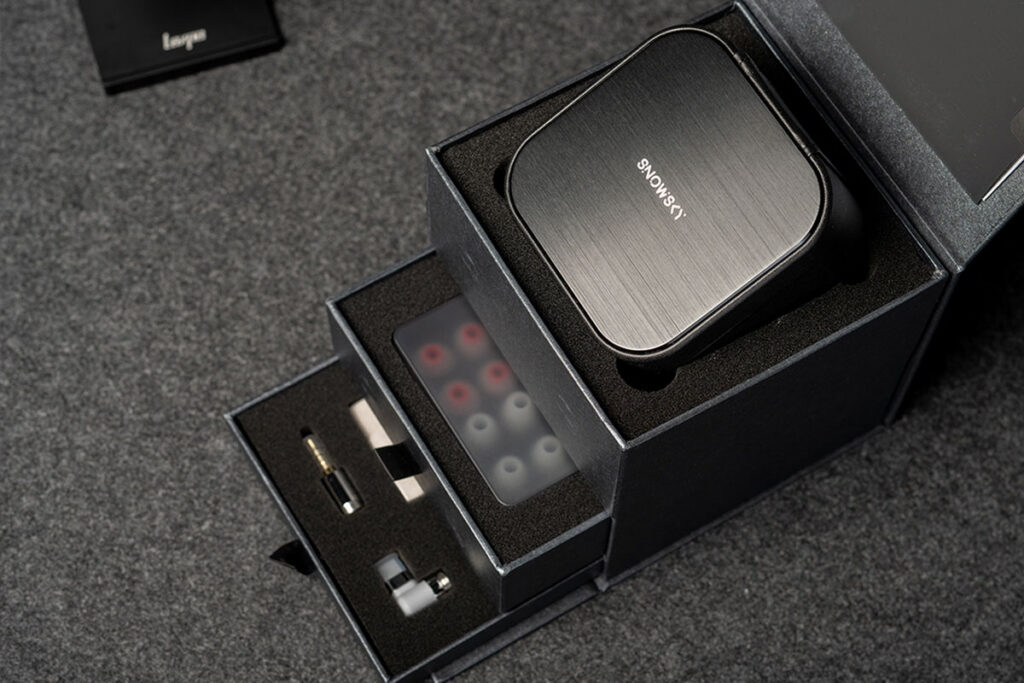
The FiiO Snowsky OAK Nano is presented as the first model in FiiO’s new Snowsky Oak series and is positioned by the company in the premium segment. The confirmed design story is very material-focused: pure titanium earcups, CNC machining, mirror-smooth polishing, and PVD coating. FiiO also says the design is inspired by classic watchmaking, although the source makes clear that this is mainly reflected in material choice, surface quality, and precision of the case rather than in a mechanical watch-related function.
Inside, the OAK Nano uses a single 13.8 mm dynamic driver with an external magnet system and a beryllium alloy dome diaphragm. FiiO’s stated engineering aim is fast response, low distortion, and fine high-frequency resolution, supported by a magnetic flux density of nearly 1.5 T. Those are manufacturer claims rather than independent measurements in the supplied article, so they should be treated as design intent, not verified listening results.
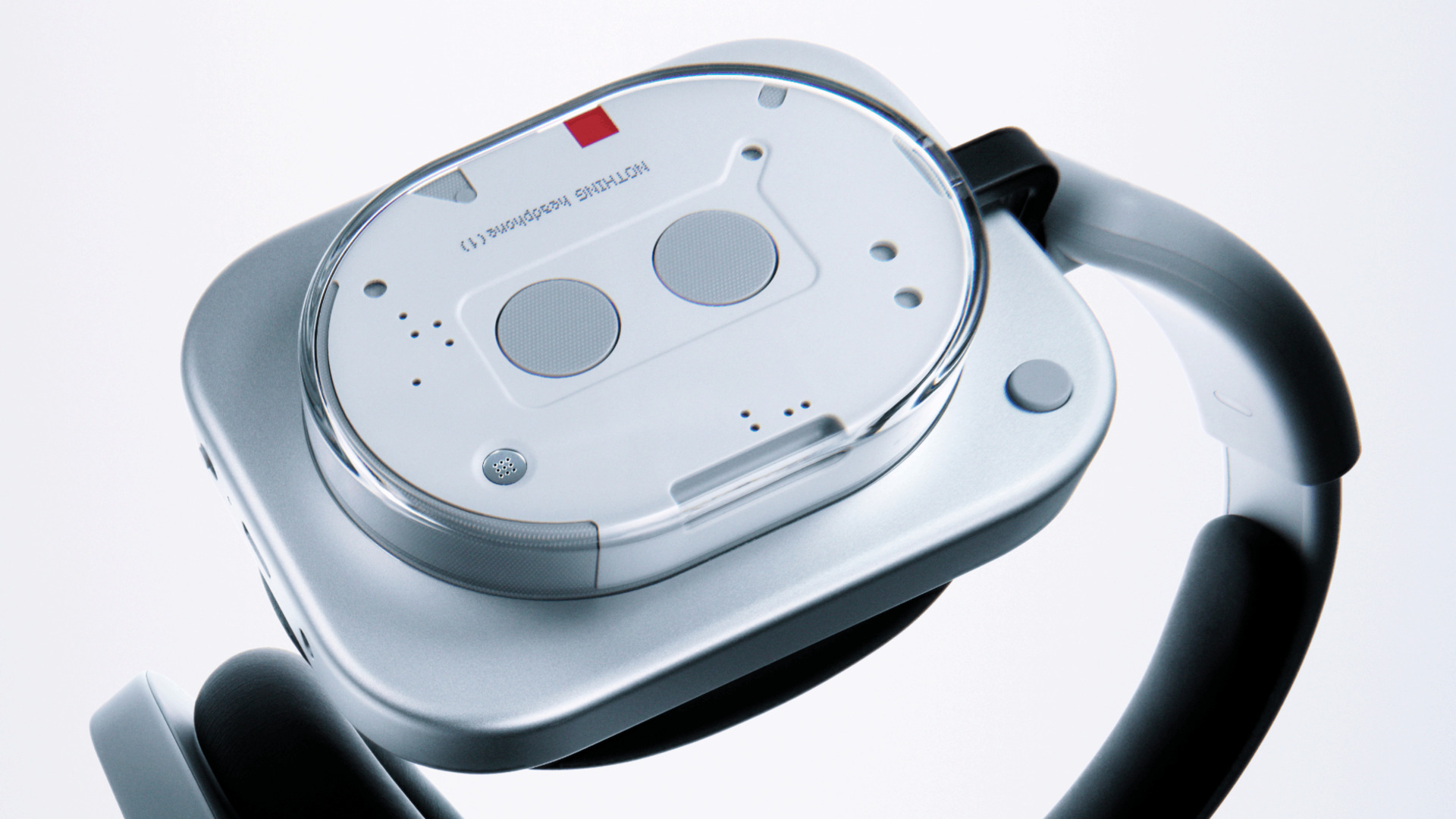
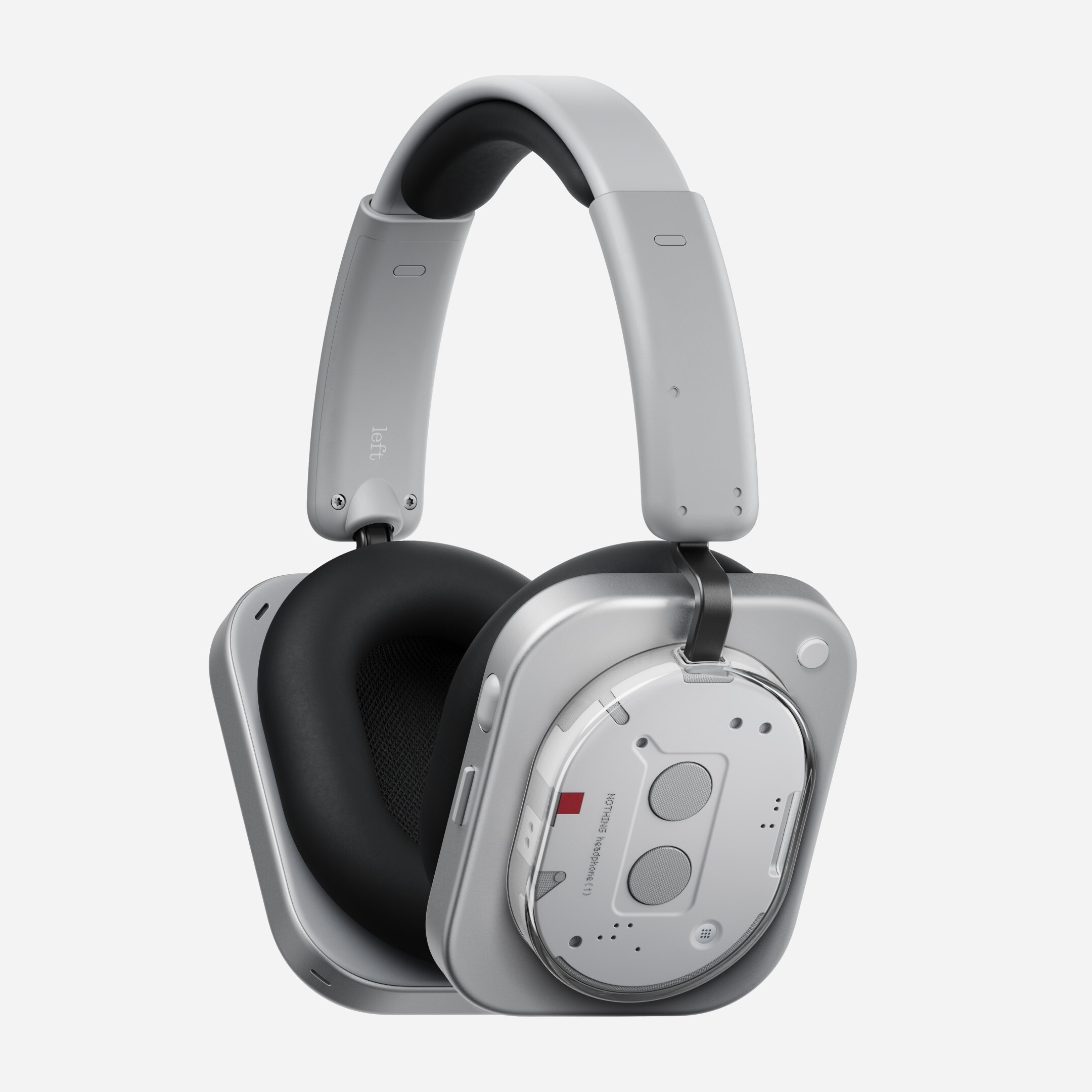
The Nothing Headphone (1) takes a very different route. It is Nothing’s first over-ear headphone and follows the company’s recognizable visual language with partially transparent earcups. The shape is also unusual: square cups with rounded corners rather than the more common oval or circular look. The source says the Headphone (1) was developed in collaboration with KEF, which is a meaningful point for buyers who want some audio-specialist involvement behind a lifestyle-oriented product.
Build materials for the Nothing model are not detailed in the source, so the comparison here is limited. FiiO gives more confirmed information about materials and acoustic construction. Nothing gives more information about controls, wireless use, ANC, and day-to-day interface.
Features and connectivity: modular wired flexibility or wireless convenience
The OAK Nano’s feature set is unusually broad for a wired IEM. Its modular cable uses 0.78 mm 2-pin connectors and includes three interchangeable plugs: 3.5 mm, 4.4 mm Pentaconn, and USB-C DSP. The USB-C DSP plug includes a BES3001-SP DSP audio decoding chip, supports linear PCM up to 32-bit/384 kHz, and provides an 8-band parametric equalizer adjustable through the FiiO Control app or a web interface.
FiiO also includes mechanical tuning through red and black mouthpieces. According to the manufacturer, the red version is intended for a more powerful, atmospheric bass response, while the black version is aimed more at transparency, detail, and stronger high-frequency reproduction. That gives the OAK Nano two layers of adjustment: physical nozzle tuning and digital PEQ when using the USB-C DSP connector.
The Nothing Headphone (1) is the more complete modern wireless package. It supports Bluetooth 5.3 and the source lists AAC, DBC, and LDAC codecs. It has Active Noise Cancelling, transparency mode, spatial audio, Google Fast Pair, and Microsoft Swift Pair. It also supports wired use through a 3.5 mm jack and USB audio over USB-C, so it is not wireless-only.
Control is another Nothing strength. The Headphone (1) includes a Roller for volume and play/pause, a Paddle for media control such as skipping tracks, and a customizable Button that opens Siri or Google Assistant by default on iOS and Android. The app includes an advanced eight-band tone control. Compared with the FiiO, Nothing clearly prioritizes convenience, device integration, and control without needing separate audio hardware.
Performance and use case: what the source supports, and what it does not
The supplied FiiO article provides detailed acoustic architecture but no independent listening impressions. Confirmed facts include the Acoustic Prism front chamber, which FiiO says is designed to correct the phase of sound waves and reduce time differences and standing waves. The rear chamber uses controlled damping to regulate airflow, reduce resonances, and stabilize bass and fundamental tones. The editorial inference is that FiiO is targeting buyers who value driver coherence, acoustic tuning, and source flexibility over wireless features.
The OAK Nano also appears designed for listeners who actively experiment with fit and tuning. The 22 pairs of included ear tips matter because IEM fit strongly affects isolation, bass perception, and comfort. The source does not state passive isolation performance or comfort findings, but the large tip selection is a confirmed ownership advantage for dialing in fit.
The Nothing Headphone (1) has the clearer everyday mobility story. ANC, transparency mode, Bluetooth, fast pairing, physical controls, USB-C charging, and long battery life are all confirmed. Nothing states up to 80 hours of playback without ANC using AAC, while LDAC with ANC enabled reduces battery life to approximately 35 hours. A full charge takes about two hours, and five minutes of charging is said to provide up to five hours of listening time.
For travel, commuting, office use, and phone-centric listening, the Nothing model is the more natural match. For quiet listening with a dongle, dedicated player, laptop, or balanced 4.4 mm output, the FiiO is the more specialized audio tool. Neither article provides lab measurements, microphone call quality tests, ANC strength ratings, comfort tests, or direct sound comparisons, so any claim that one sounds better would go beyond the source.
Ownership considerations: accessories, power, price, and longevity signals
FiiO’s ownership proposition is heavily accessory-driven. The OAK Nano comes with the silver-plated 6N OCC monocrystalline copper cable, which FiiO says has undergone cryogenic treatment at -192°C for more than 100 hours, plus modular plugs, tuning mouthpieces, carrying case, and 22 pairs of ear tips. Whether a buyer values cryogenic treatment is a separate question; the confirmed practical benefit is the extensive cable, connector, nozzle, and ear-tip package.
The modular analog connections make the OAK Nano adaptable to phones with USB-C, traditional headphone outputs, and balanced 4.4 mm-equipped players or amplifiers. The source does not state water resistance, microphone support, warranty, weight, impedance, sensitivity, or price. Those omissions are important for purchase planning.
Nothing gives a clearer battery and release picture, but the source has a price inconsistency: it first says the suggested retail price is just under $250, then later states just under $300. Buyers should verify the final local price before ordering. Availability is stated as orders from July 4 and release on July 15.
The Nothing Headphone (1) also has an internal battery and wireless electronics, which means long-term ownership will depend partly on battery health and software support. That is an editorial inference based on the product type, not a stated weakness in the source. Conversely, the FiiO’s wired format avoids wireless battery dependency for analog use, but the USB-C DSP plug’s power behavior and compatibility limits are not detailed in the article.
Pros and cons: FiiO Snowsky OAK Nano
- Pros: Pure titanium CNC-machined housing with premium finishing.
- Pros: Single 13.8 mm dynamic driver with beryllium alloy dome diaphragm and detailed acoustic chamber design.
- Pros: Very flexible modular cable with 3.5 mm, 4.4 mm Pentaconn, and USB-C DSP connectors.
- Pros: Mechanical tuning via red and black mouthpieces plus 8-band PEQ through the DSP connector.
- Pros: Exceptionally broad accessory set with 22 pairs of ear tips.
- Cons: No ANC, Bluetooth, battery life, microphone, or wireless convenience stated in the source.
- Cons: Price, release date, comfort details, and technical basics such as impedance and sensitivity are not provided in the supplied article.
- Cons: Best suited to buyers comfortable with wired listening and experimenting with fit and tuning.
Pros and cons: Nothing Headphone (1)
- Pros: Full wireless over-ear feature set with Bluetooth 5.3, ANC, transparency mode, spatial audio, and app-based tone control.
- Pros: Long stated battery life: up to 80 hours without ANC using AAC, or approximately 35 hours with LDAC and ANC.
- Pros: Supports 3.5 mm wired use and USB audio via USB-C.
- Pros: Physical controls are clearly defined, including Roller, Paddle, and customizable Button.
- Pros: Google Fast Pair and Microsoft Swift Pair support improve setup convenience.
- Cons: Source gives less detail on build materials and acoustic construction than it does for the FiiO.
- Cons: Suggested retail price is inconsistent in the source, listed as just under $250 in one place and just under $300 in another.
- Cons: No supplied measurements or listening impressions for sound quality, ANC effectiveness, or comfort.
Who should buy each?
Buy the FiiO Snowsky OAK Nano if you want a premium wired IEM built around material quality, acoustic tuning, and connection flexibility. It is the stronger match for listeners who use dedicated audio players, wired dongles, balanced 4.4 mm outputs, or who want USB-C DSP equalization without moving to a full wireless headphone. It also suits buyers who enjoy tuning sound physically through nozzles and practically through ear tips.
Buy the Nothing Headphone (1) if you want one headphone for daily wireless use across phone, computer, commuting, office work, and travel. ANC, transparency mode, fast pairing, long battery life, and physical controls make it the more convenient mainstream choice. It is also the better pick if you specifically want an over-ear fit rather than an in-ear design.
Do not buy the FiiO expecting the lifestyle features of a wireless ANC headphone, because the source does not state Bluetooth, ANC, or headset functions. Do not buy the Nothing expecting the same level of disclosed audiophile construction detail as the FiiO, because the article focuses more on functionality, battery, controls, and platform convenience than on housing materials or chamber acoustics.
Final verdict
The more broadly recommendable product is the Nothing Headphone (1), because it solves more everyday problems for more listeners: wireless playback, ANC, transparency, long battery life, app-based sound adjustment, quick pairing, and wired fallback options. For a buyer who wants one practical headphone for modern devices, Nothing has the clearer all-round proposition.
The FiiO Snowsky OAK Nano is the more specialist and arguably more interesting audio product on paper. Its titanium housing, beryllium alloy dome driver, Acoustic Prism chamber, controlled rear damping, modular cable, USB-C DSP, PEQ, tuning nozzles, and large ear-tip selection point to a product designed for enthusiasts who enjoy fine-tuning a wired setup. However, the source leaves major purchase details unstated, including price and release specifics.
So the decision is not which one is universally better. Choose Nothing if convenience, ANC, battery life, and wireless use come first. Choose FiiO if you are deliberately building a wired in-ear setup and value mechanical and digital tuning more than wireless features. Based only on the supplied facts, Nothing wins for mainstream buyers, while FiiO is the more compelling enthusiast choice.