



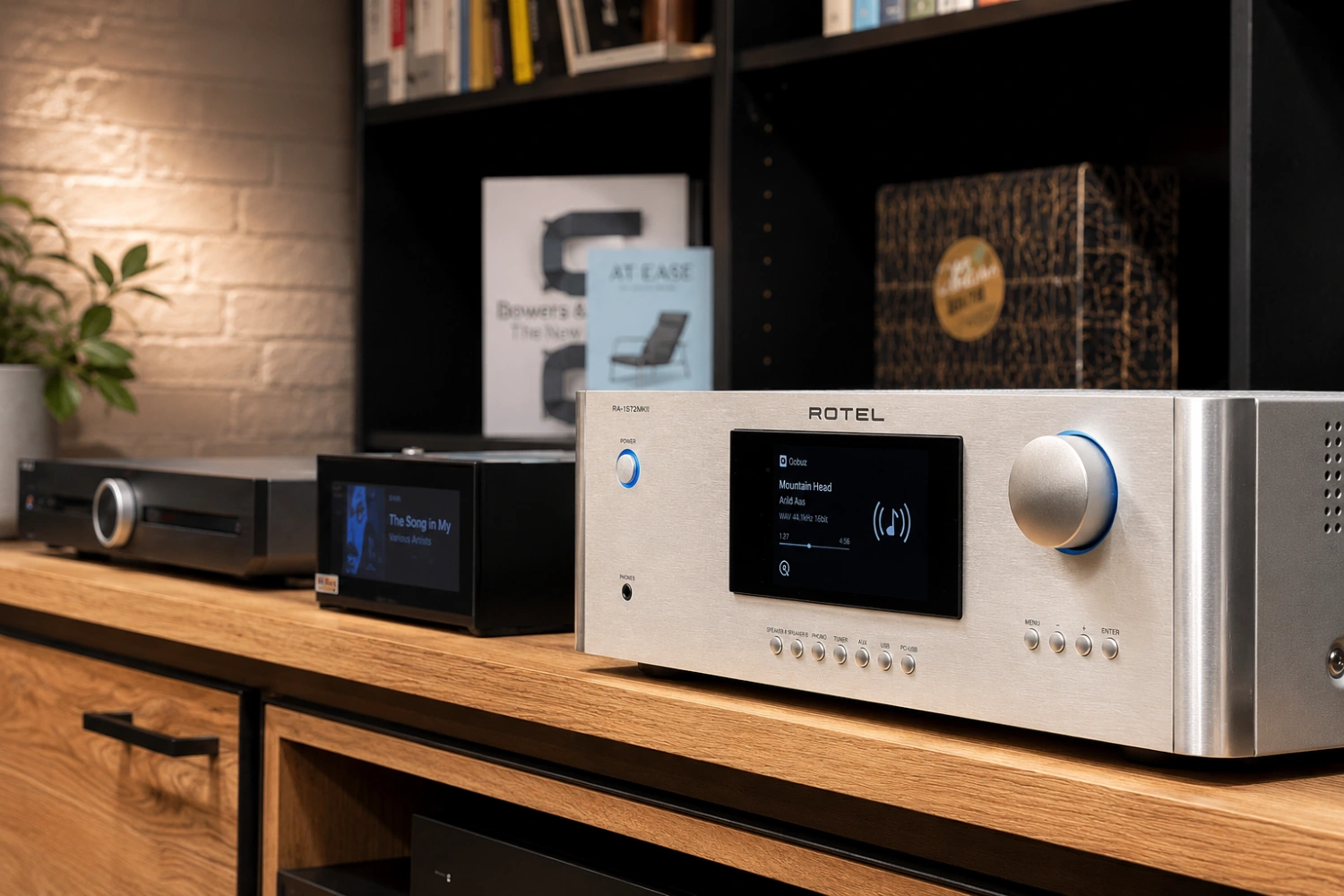
Buying an amplifier may seem straightforward at first. The market is full of options, specifications look clear on paper, and price differences often appear easy to justify. In reality, however, choosing the right amplifier is about far more than simply picking a model with enough watts. An amplifier shapes the way your entire hi-fi system performs, influencing control, timing, tonal balance, and the overall musical experience.
The amplifier’s role in a hi-fi system
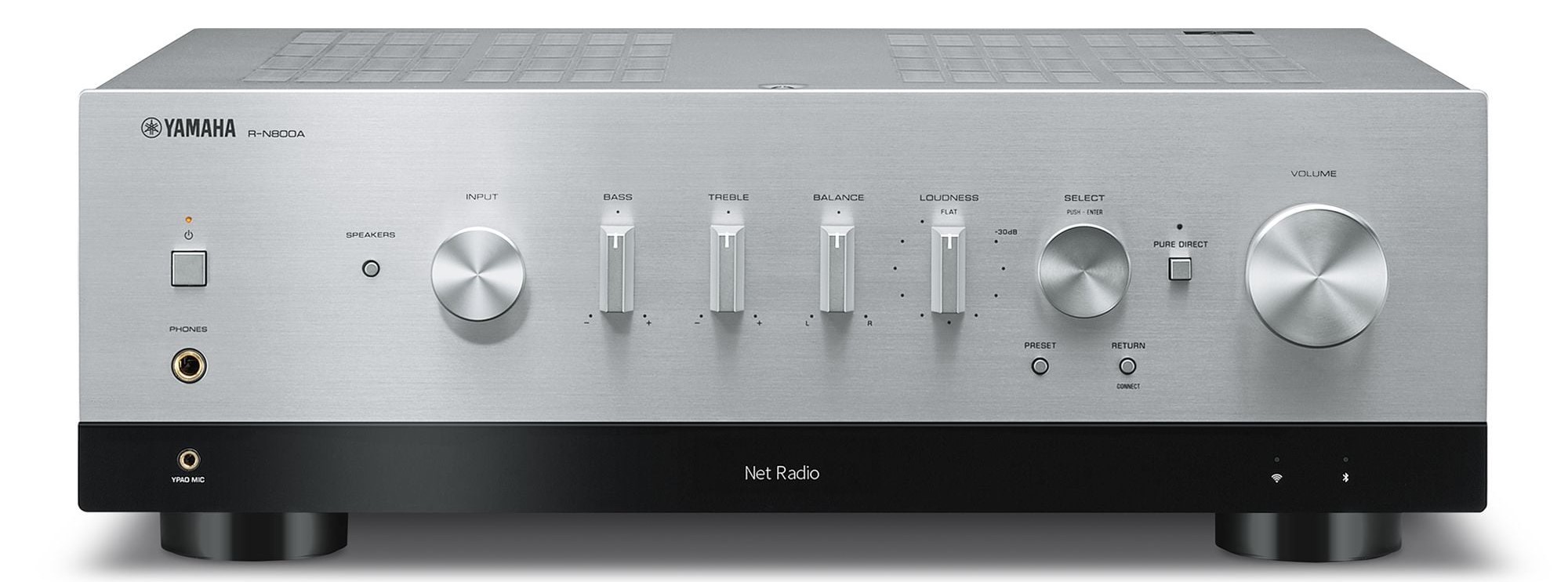
An amplifier is the electrical and musical core of a hi-fi setup. While your source components provide the signal and your speakers reproduce the sound, the amplifier determines how that signal is handled and delivered. This goes well beyond raw power output.
Factors such as current delivery, damping factor, stability under load, and power supply design all contribute to how confidently an amplifier controls a pair of speakers. A system with the right amplifier will sound composed, dynamic, and engaging, while a poor match can result in strained highs, weak bass, or listening fatigue.
Why power ratings don’t tell the whole story
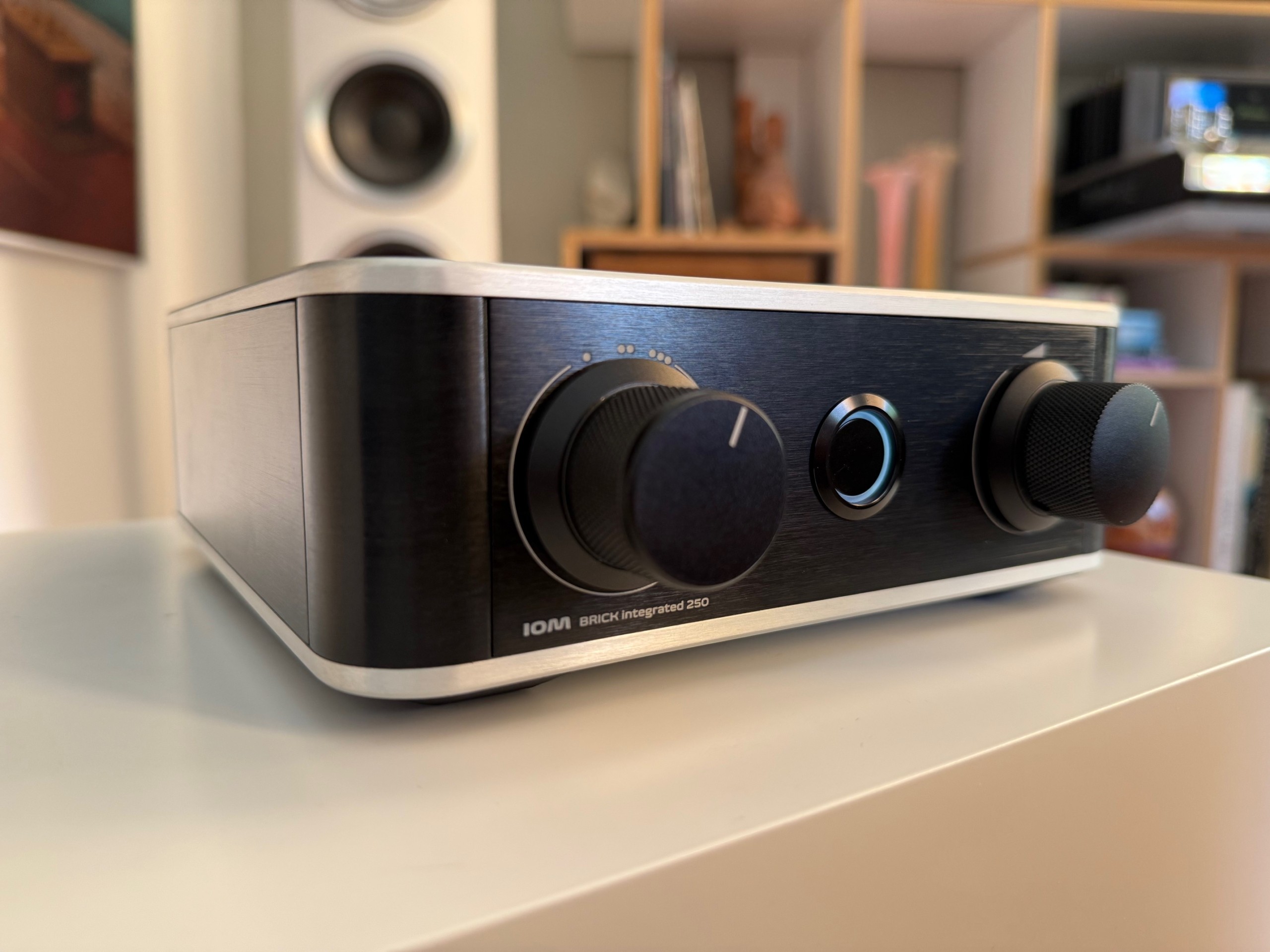
One of the most common mistakes when buying an amplifier is focusing too heavily on wattage figures. While power output matters, numbers alone rarely tell the full story.
A modestly rated amplifier with a strong power supply and excellent current delivery can often outperform a more powerful model in real-world listening. This becomes especially important with demanding speakers that feature complex impedance curves or low sensitivity.
Specifications such as THD, signal-to-noise ratio, and amplifier class (Class A, AB, D, or G) are certainly useful, but they should be viewed as part of a bigger picture rather than the final answer.
Matching the amplifier with your speakers
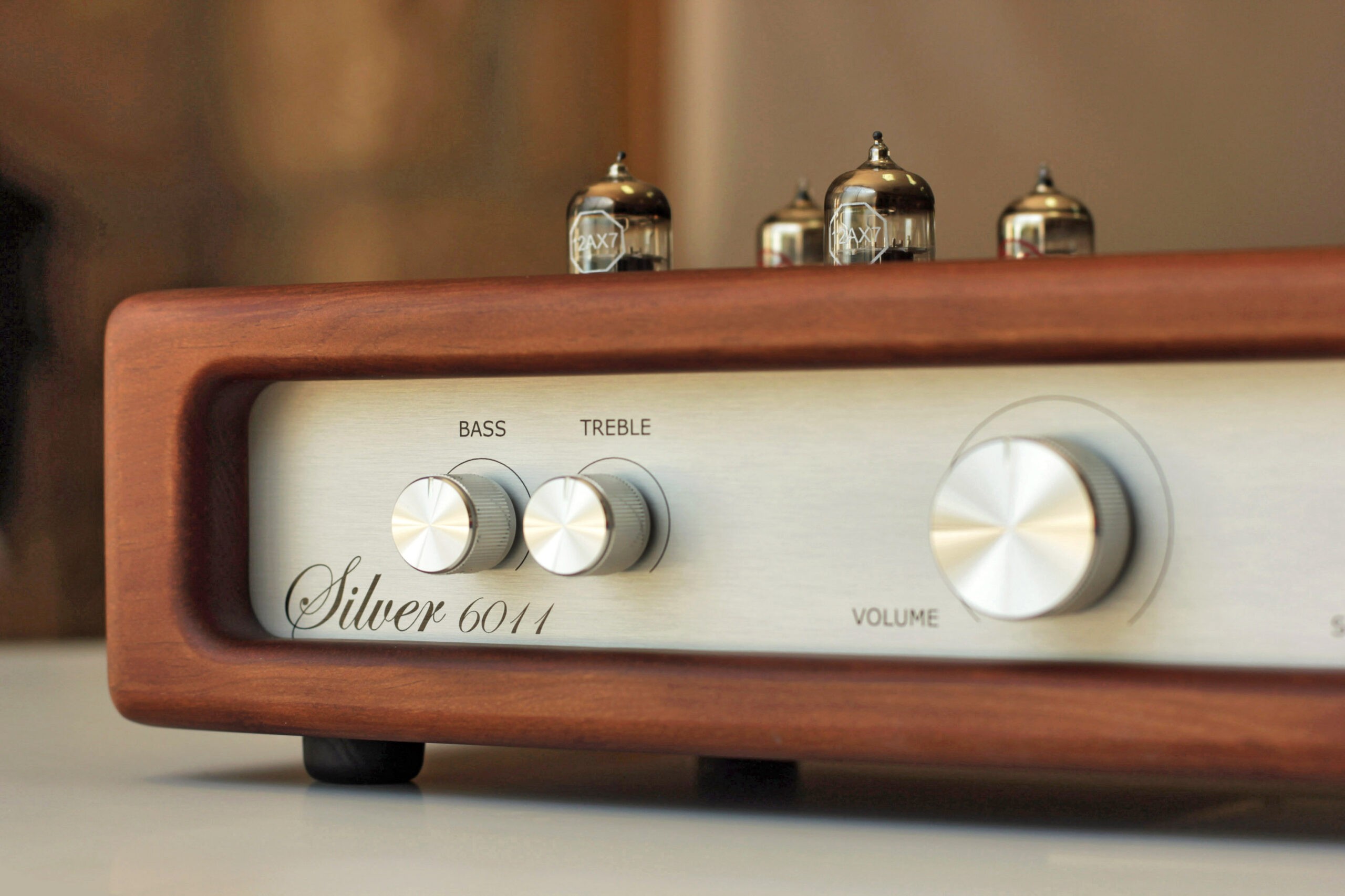
The relationship between amplifier and loudspeaker is one of the most important aspects of building a balanced hi-fi system. Not every amplifier works equally well with every speaker, even when the specifications suggest compatibility.
Speakers with low sensitivity or difficult impedance behavior require an amplifier capable of delivering stable current under demanding conditions. When properly matched, bass becomes tighter, vocals sound more natural, and the stereo image gains precision and depth.
On the other hand, highly efficient speakers may benefit more from refinement and tonal finesse than from sheer power. In those systems, a more delicate and nuanced amplifier design can produce a more musical and enjoyable result.
This is why amplifier selection should always be considered as part of the complete system, not as an isolated component purchase.
Understanding amplifier types
Modern hi-fi amplifiers generally fall into a few main categories:
Integrated amplifiers
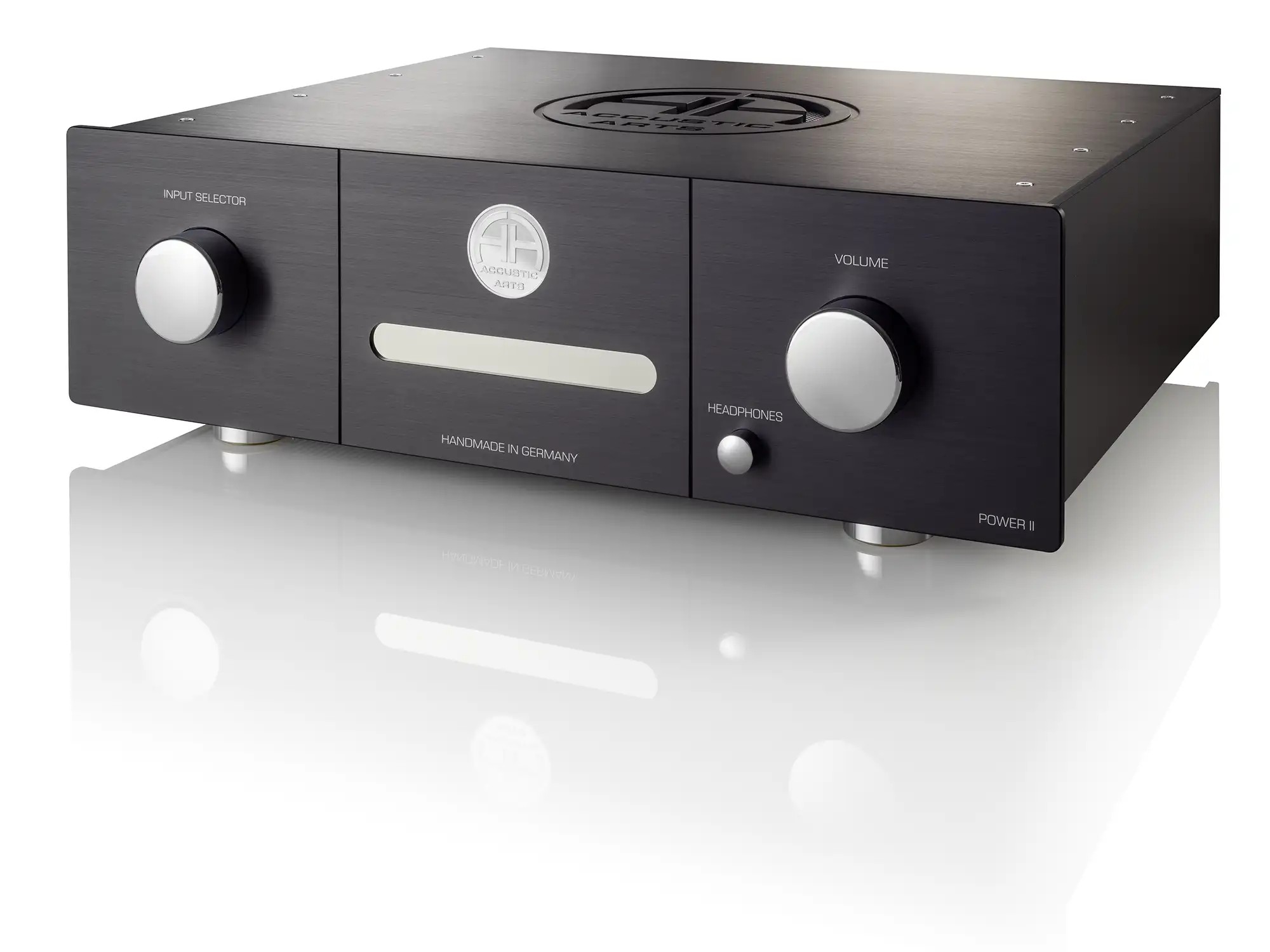
Integrated amplifiers combine a preamplifier and power amplifier in a single chassis. They remain the most popular option because they offer simplicity, performance, and value in one package.
Separate pre- and power amplifiers
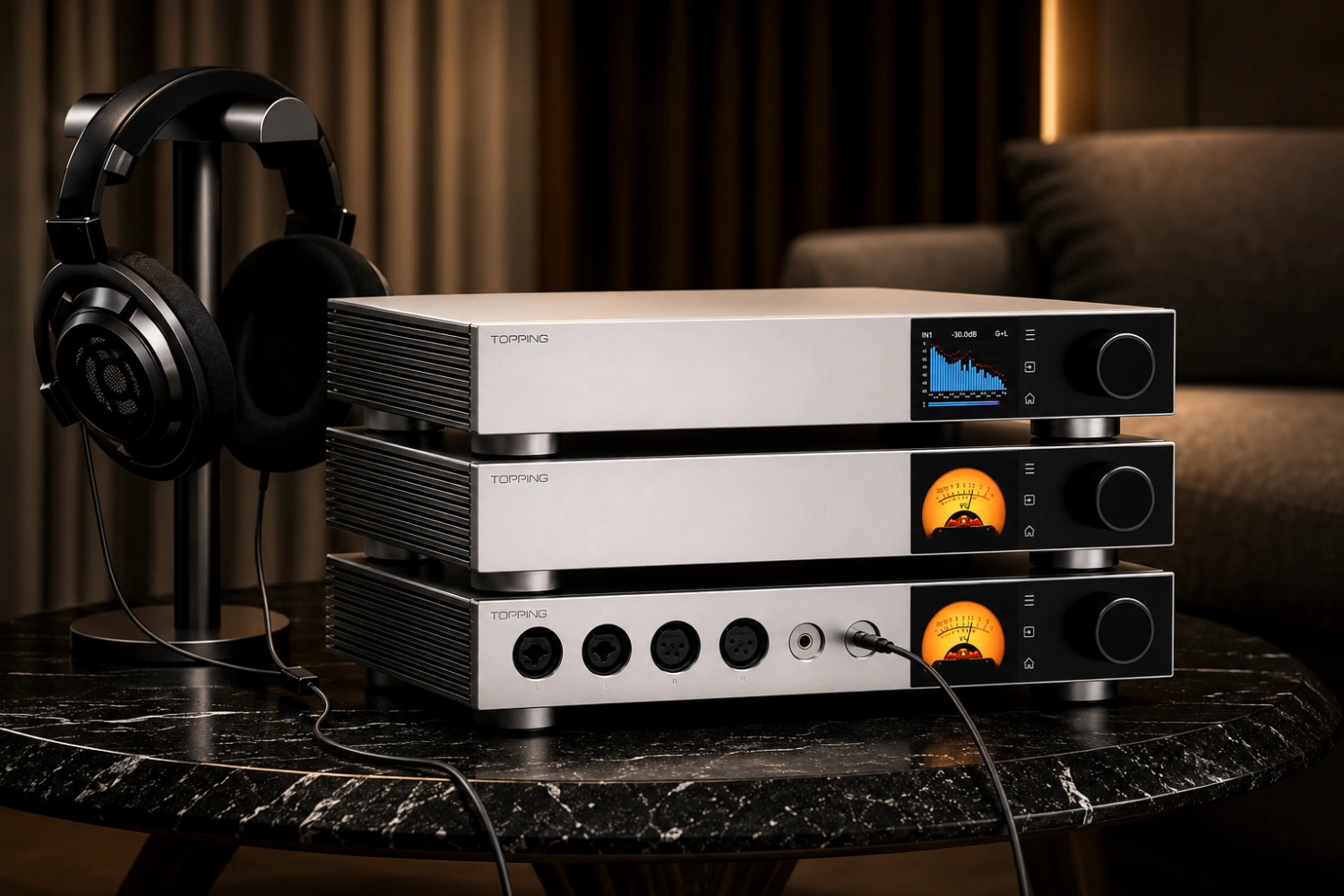
Using separate components provides greater flexibility and upgrade potential. These systems often deliver improved channel separation and power supply performance, but they also require more careful matching and system planning.
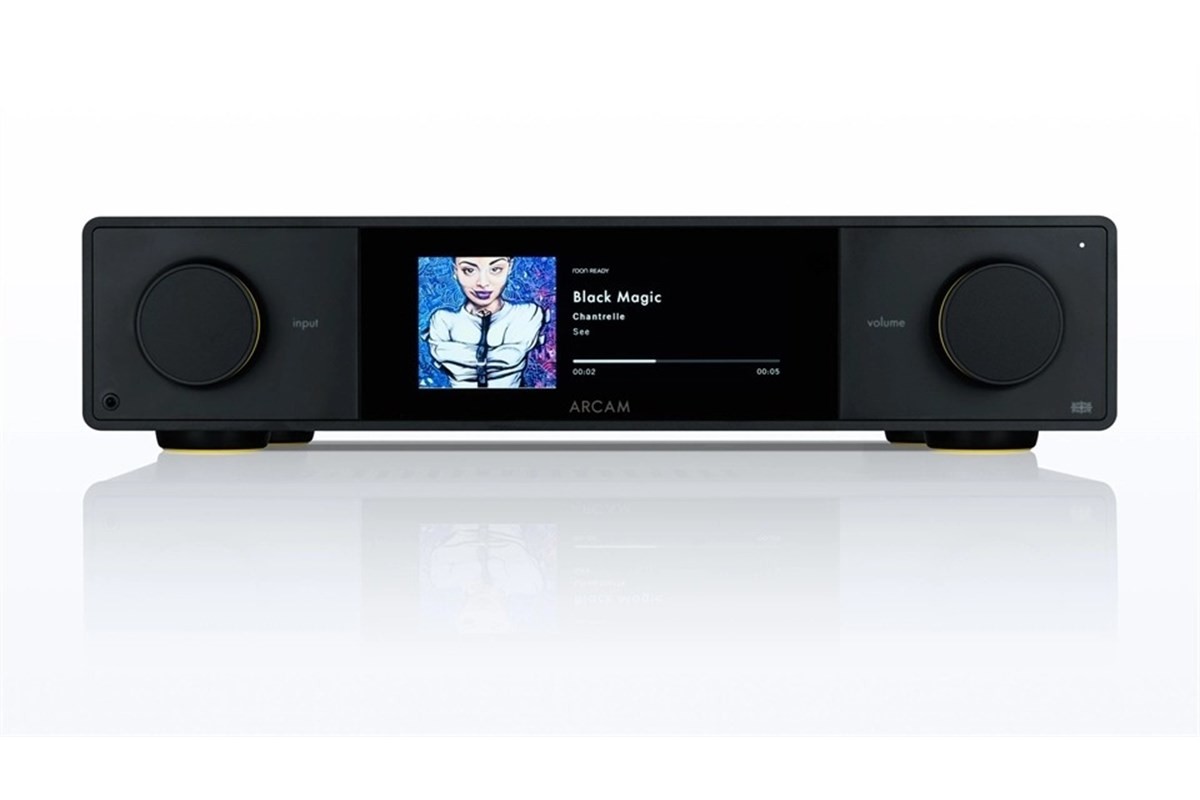
Streaming amplifiers and all-in-one systems
Compact streaming amplifiers continue to grow in popularity thanks to their convenience and modern functionality. Many combine streaming, DACs, amplification, and wireless connectivity into a single solution, making them ideal for minimalist setups.
The best choice depends on how you plan to use your system and what level of flexibility or future upgrade potential you want.
Technical details that truly matter
Beyond the headline specifications, several technical factors can significantly influence performance:
- Power supply quality
- Current delivery capability
- Circuit design
- Thermal stability
- Component quality
- Input and output connectivity
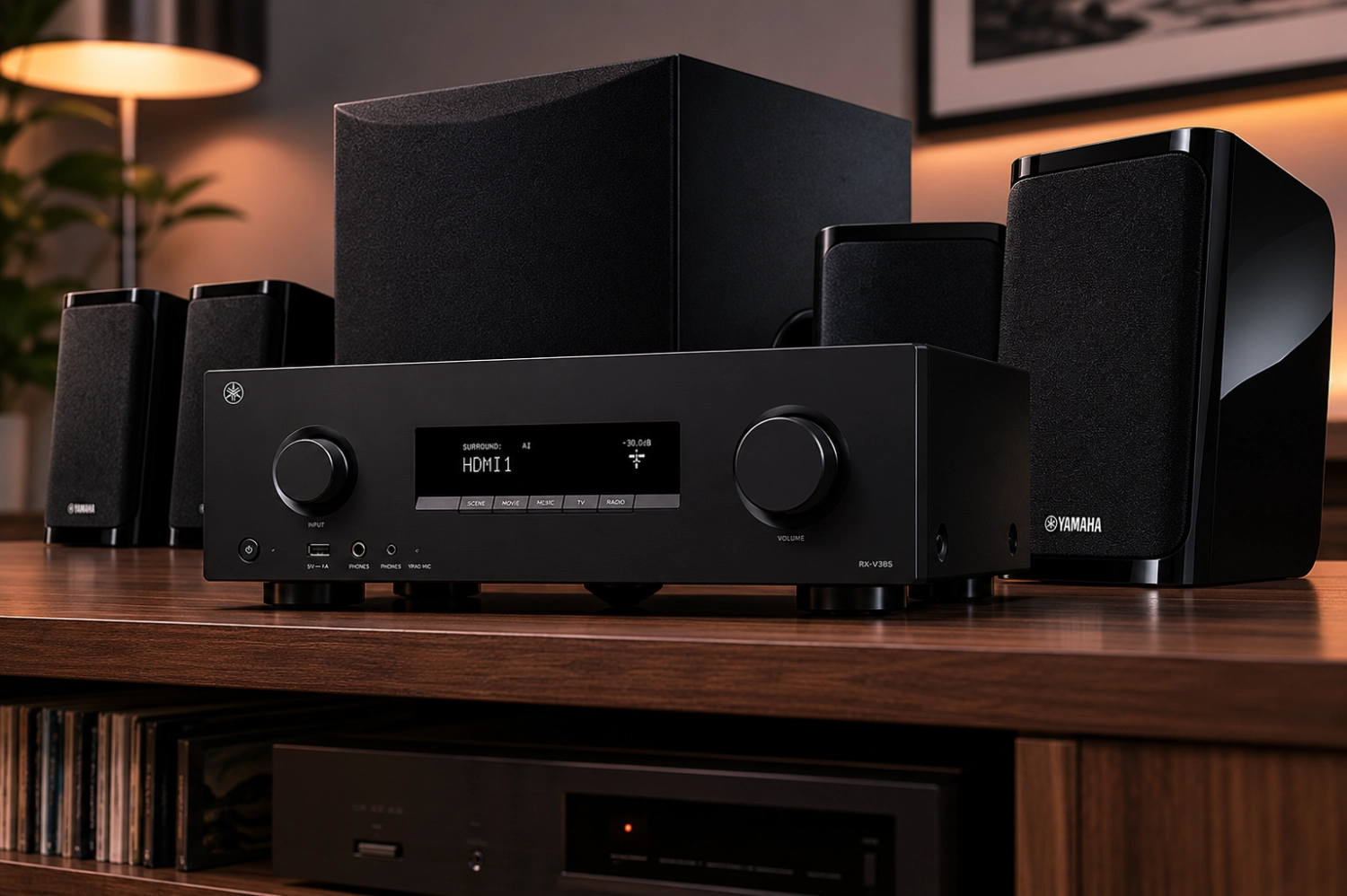
Modern amplifiers may also include built-in DACs, streaming platforms, Bluetooth, HDMI ARC, or room correction systems. While these features can improve usability, it is still important to ensure the amplifier’s core sound quality remains the priority.
The best products strike a careful balance between functionality, reliability, and musical performance.
Listening is still the most important step
No specification sheet can fully describe how an amplifier will sound in your room, with your speakers, and with your music.
Timing, dynamics, tonal balance, and emotional engagement are qualities best judged through listening. An amplifier that measures beautifully may still fail to create the musical connection you are looking for, while another may immediately bring your system to life.
Whenever possible, listening to amplifier and speaker combinations before making a decision remains the most reliable way to find the right match.
Conclusion
Buying an amplifier is not simply about choosing the most powerful model or the one with the longest feature list. The best amplifier is the one that works harmoniously within your system and helps your speakers perform at their full potential.
When amplifier, speakers, and source components are properly matched, the result is a system that feels balanced, controlled, and musically convincing. Taking the time to understand these relationships will ultimately lead to a far more rewarding listening experience.

Join the discussion
Share your thoughts, listening impressions or product experience.