HSE Swiss RL-7: A Compact Reference Phono Amplifier with Preamplifier Flexibility
The HSE Swiss RL-7 brings key ideas from the company’s Masterline 7 into a more compact Referenceline design, adding preamplifier functions, headphone output, and extensive cartridge adjustment.
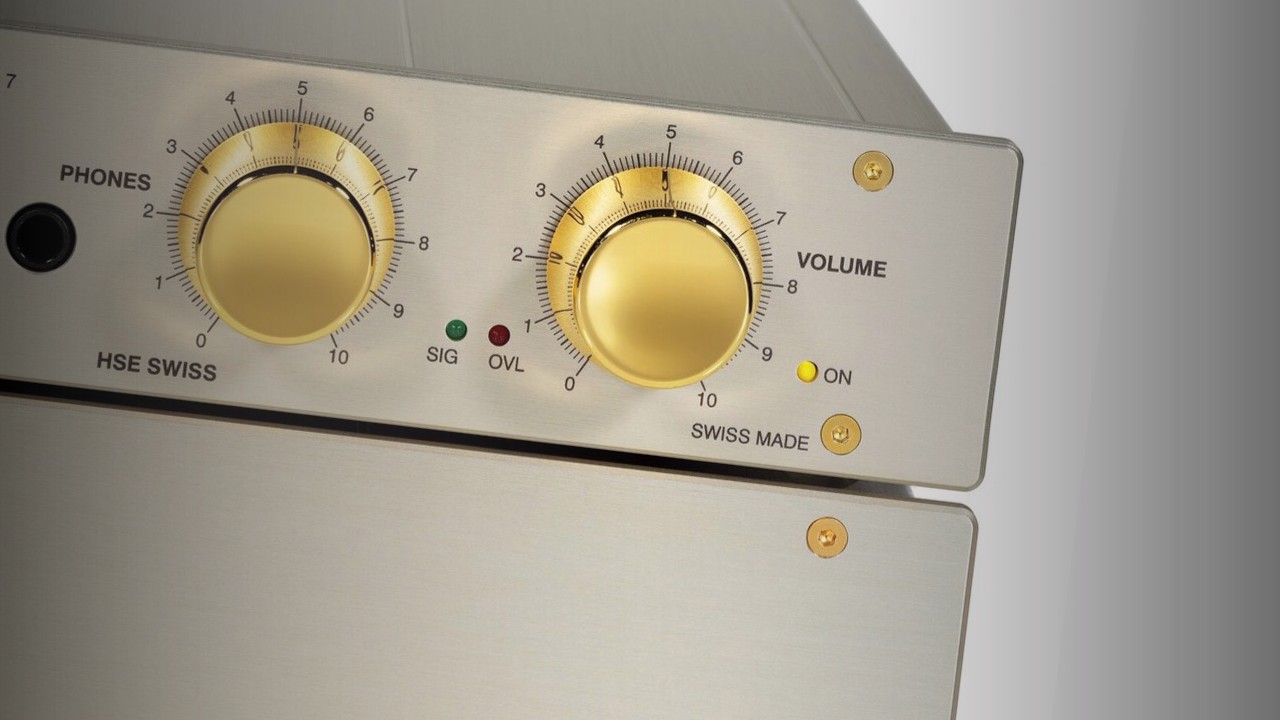
The HSE Swiss RL-7, also known as the Referenceline 7, is a specialist phono amplifier from Switzerland designed for vinyl systems where the phono stage is expected to do more than simply provide gain. Positioned as a more compact version of the former Masterline 7 flagship, the RL-7 combines a dedicated phono amplification platform with an integrated preamplifier section, a master volume control, and a variable headphone output. That combination makes it an interesting proposition for listeners who want a carefully built analog front end with fewer separate boxes, while still retaining the adjustability required by serious cartridge users.
A compact interpretation of the Masterline concept
HSE Swiss describes the RL-7 as a more compact development of its former flagship model, the Masterline 7. The most important continuity is technical: the RL-7 uses the same Zero-Ohm Class A ultra-low-noise head amplifiers as the ML-7. In a phono stage, the first amplification stage is especially important because a cartridge produces a very small signal. Any noise or instability introduced at this point can become more apparent once the signal is amplified further downstream.
The appeal of using the same head-amplifier concept as the larger model is not that it turns the RL-7 into the same product, but that it carries over a core design priority: treating the cartridge signal as something fragile and worth protecting from the earliest stage. For prospective owners using low-output moving-coil cartridges, this design emphasis may be particularly relevant, because lower output generally places greater demands on the phono amplifier’s noise behavior and gain structure.
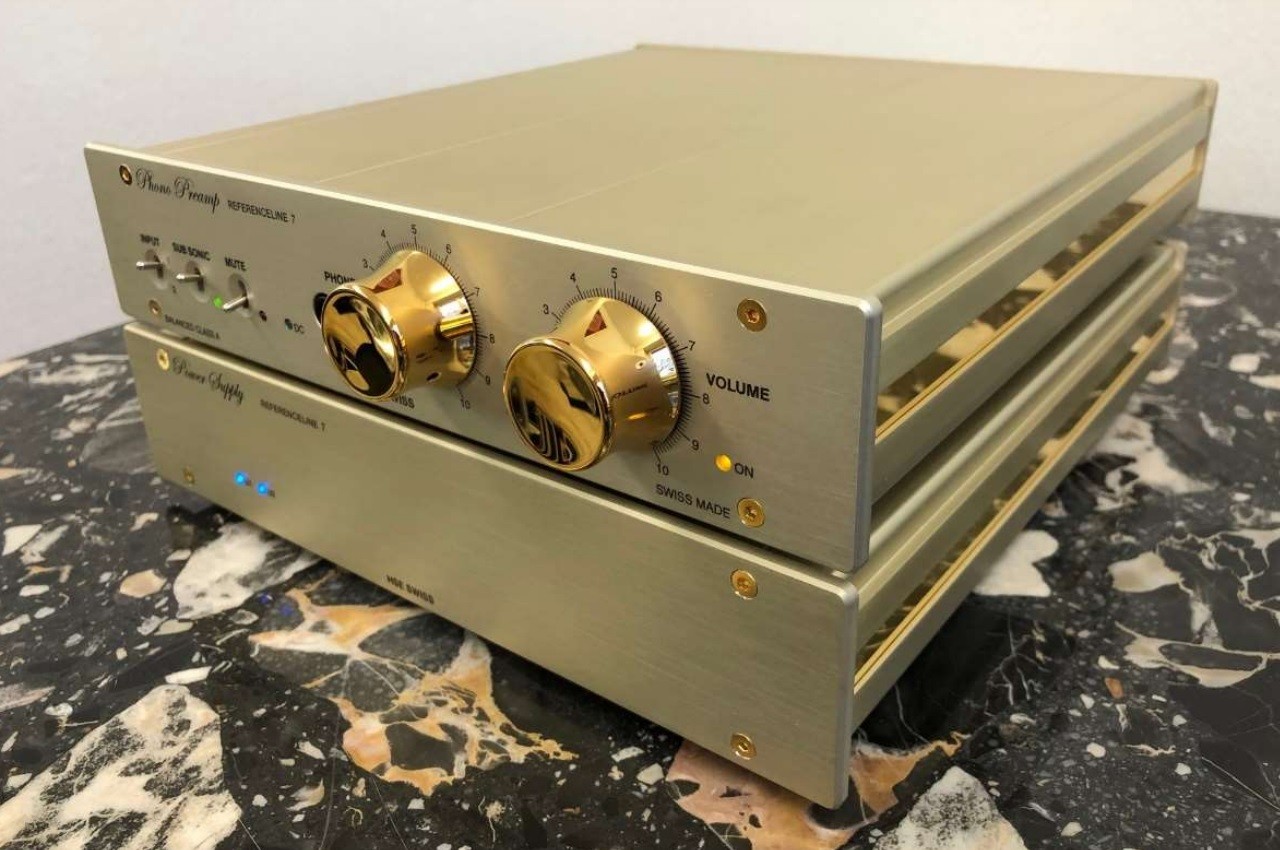
The “compact” aspect also matters. High-end analog systems can become physically complex, with separate phono stages, line preamplifiers, power supplies, and headphone amplifiers competing for space. By incorporating additional control functions into the RL-7 while retaining a separate power supply, HSE Swiss has created a product that appears intended for serious systems without requiring the footprint of a full stack of separate analog electronics.
Integrated preamplifier functions add real-world usefulness
One of the RL-7’s most distinctive documented features is the inclusion of an integrated preamplifier. The unit includes a master volume control, which gives it a broader role than a conventional fixed-output phono stage. For an owner building a vinyl-focused system, this can reduce the need for an additional line-level preamplifier, depending on the rest of the system and source requirements.
The variable headphone output is another practical addition. Headphone listening is not always treated as central in high-end vinyl components, yet it can be useful for private listening, late-night use, or simply checking records without powering an entire loudspeaker system. Because the output is variable, the user has direct level control rather than relying on a fixed feed into another device.
These functions make the RL-7 more than a purist phono box. It remains centered on cartridge amplification, but the presence of volume and headphone control suggests a product designed for owners who want their phono amplifier to serve as the operational hub of an analog system. That can be attractive in a dedicated vinyl setup where the turntable is the primary source and simplicity is valued.
External power supply and shielded transformer
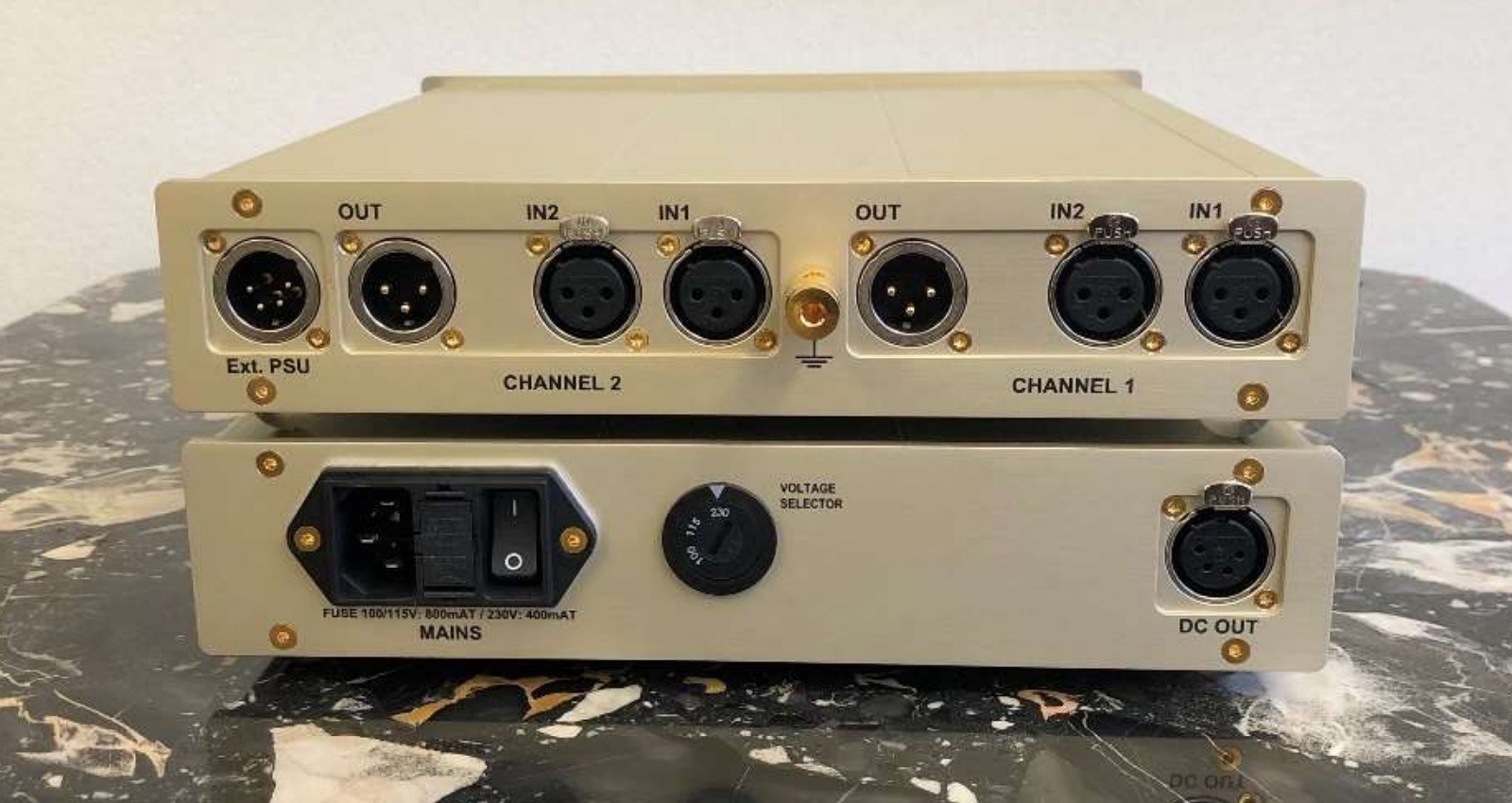
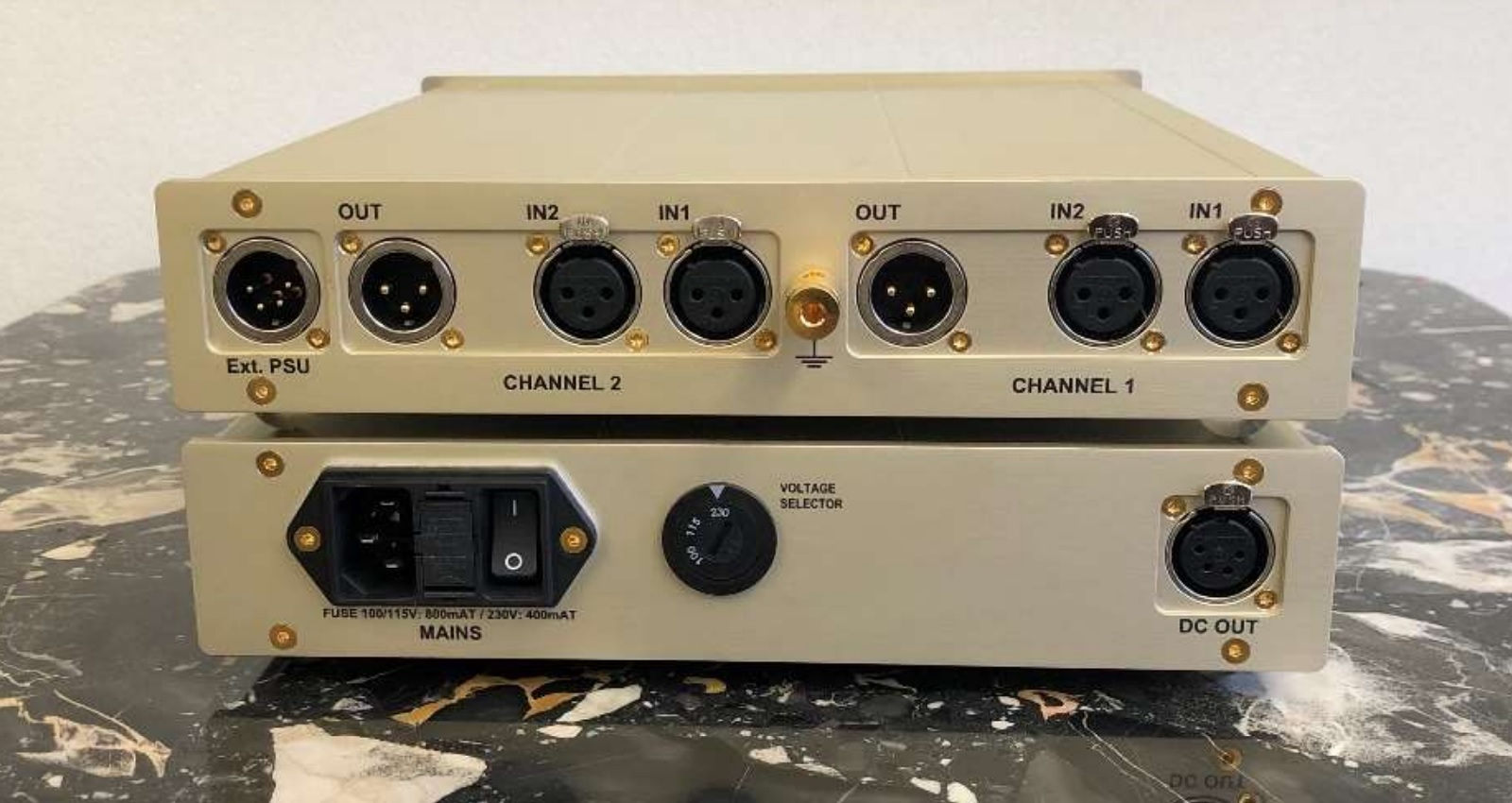
The RL-7 is built as a two-part system consisting of the main audio unit and an external power supply. Separating the power supply from the audio circuitry is a familiar high-end design strategy, particularly in low-level analog applications. The phono signal starts at extremely low voltage, so power-supply noise and electromagnetic interference are areas designers often work hard to control.
HSE Swiss specifies a large toroidal transformer with both static and magnetic shielding. The purpose of this type of attention is straightforward: power delivery must be robust enough for stable operation, while unwanted electrical interaction with sensitive audio circuitry should be reduced as far as the design allows. The external supply also keeps the physical transformer assembly outside the main audio enclosure, which may be reassuring for users who place a high priority on low-noise phono reproduction.
This is not merely a convenience feature; it is part of the product’s identity. A phono amplifier aimed at serious cartridges needs careful gain, loading, grounding, and power management. The RL-7’s separated architecture and shielded transformer show that HSE Swiss is treating power supply construction as a central part of the analog signal path rather than as an afterthought.
Cartridge matching and loading flexibility
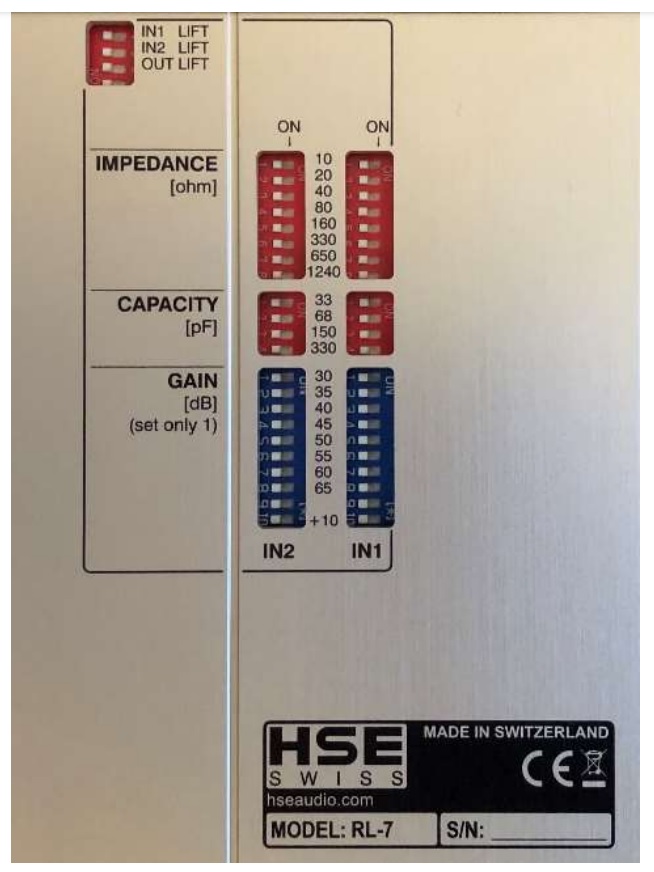
The RL-7 includes an impedance selector that HSE Swiss says has been fine-tuned for compatibility with cartridges from brands including Benz, Lyra, XYZ, and Ortofon. Just as importantly, the company states that the control range is extensive enough to accommodate alternative cartridges, including those with low output levels. For vinyl listeners who change cartridges or own more than one tonearm, this kind of adjustability can be a major part of day-to-day usability.
Cartridge loading is not a decorative specification. It affects how a phono stage interfaces electrically with the cartridge, and different cartridges can require different settings to operate as intended. A product that gives the user a broad range of control can remain useful across cartridge changes rather than being locked to a narrow set of assumptions.
The RL-7’s emphasis on cartridge compatibility also helps define its likely audience. This is not a minimal plug-and-play accessory for casual record playback. It is aimed at users who understand that the cartridge and phono amplifier form a matched system, and who want the ability to set that relationship deliberately.
Materials, controls, and long-service construction
HSE Swiss places strong emphasis on construction quality. The RL-7 audio unit and external power supply are housed in champagne-colored cabinets made from milled and brushed aluminum, with anodized printing. This approach gives the product a durable physical presentation while avoiding applied markings that can wear like ordinary surface printing. The visual language is restrained rather than flamboyant, with the champagne finish giving the component a distinct identity within a high-end equipment rack.
The controls use precision-matched ALPS Blue Velvet components, a detail that matters because the volume and control interface are part of how a product feels in daily use. Consistent control behavior is especially important in an integrated preamplifier context, where the user is not simply setting a gain switch once and forgetting it. HSE Swiss also lists component suppliers including ELMA, Goldpoint, NKK, Panasonic, WIMA, Neutrik, Schurter, and ALPS, indicating a parts strategy based on established specialist manufacturers.
The company further states that key electronic components are hand-selected and matched to a maximum variance of 0.1%, and that each unit undergoes a two-week curing and maturation process. Those details point to a manufacturing philosophy built around consistency, selection, and long-term reliability. HSE Swiss also states that its products are engineered for a lifespan of at least thirty years, using handcrafted Swiss components. For buyers considering a high-end phono stage as a long-term system foundation, that service-life ambition is central to the product’s appeal.
Who the RL-7 is most suitable for
The RL-7 is best suited to vinyl-first systems where the owner wants a serious phono stage with additional system-control functions. It will likely be most attractive to users of high-quality moving-coil cartridges, especially those who value low-noise design, loading flexibility, and careful component matching. The integrated preamplifier and headphone output also make it relevant for listeners who want to reduce the number of separate analog boxes without giving up front-panel control.
It is less obviously suited to someone looking for a simple entry-level phono stage, a low-cost upgrade, or a component with minimal setup considerations. The RL-7’s strengths are tied to precision construction, adjustability, and long-term ownership rather than budget simplicity. Pricing and delivery details have not been specified, but HSE Swiss products are described as not inexpensive, so the RL-7 should be viewed in the context of specialist high-end analog electronics rather than mass-market accessories.
For the right owner, the attraction lies in its combination of focus and flexibility. It is focused because it is built around phono amplification and cartridge matching. It is flexible because it adds volume control, headphone capability, and a broad impedance control range. That balance makes it particularly relevant for enthusiasts who want a dedicated analog control center rather than just another input stage.
Conclusion
The HSE Swiss RL-7 stands out through its documented combination of Zero-Ohm Class A ultra-low-noise head amplifiers, external shielded power supply, integrated preamplifier functions, variable headphone output, and extensive cartridge-matching control. Its milled aluminum construction, selected components, precision controls, and long-service design philosophy reinforce its position as a specialist Swiss analog component. It is most compelling for committed vinyl listeners who use demanding cartridges, value careful system matching, and want a phono amplifier that can also serve a broader control role in a refined analog setup.